


Oil prices tumbled after President Trump said the U.S. has reached a preliminary deal with Iran that will reopen the Strait of Hormuz, a vital Middle East waterway that accounts for roughly 20% of global crude.
U.S. stocks soared to record highs on optimism that the agreement will bring relief to businesses and consumers after May inflation hit its highest level in more than three years.
Brent crude, the international benchmark, fell 4.8% to $83.17, back to where it was in early March. While that’s still above its price of roughly $70 from before the war, it’s lower than the $100 plus it cost just a few weeks ago. West Texas Intermediate, the U.S. standard, dropped 4% to $81.46.
The Dow Jones Industrial Average gained 469 points, or 0.9%, to 51,671, closing at a new all-time high, while the S&P 500 jumped 123 points, or 1.7%, to 7,554. The tech-heavy Nasdaq composite index surged 3.1%.
President Trump said the Strait of Hormuz will reopen on Friday after the deal is signed, and the U.S. naval blockade on Iran will be lifted.
Despite the cessation of hostilities in Iran, it may take several weeks for oil tanker traffic through the Strait of Hormuz to reach even 50% of its pre-war levels, according to analysts with political risk consultancy Eurasia Group. Energy experts said shipping and insurance companies will want to be confident the pact will hold, ensuring that oil and gas flows out of the region resume.
While gas prices could ease in the coming weeks, they’re unlikely to return to pre-war levels anytime soon, which could continue to put financial pressure on U.S. households and businesses, experts said.
“Even if the deal reopens the strait immediately, it will not prevent inflation from rising a bit further in the near term, nor will it avoid some economic damage during Q3,” Capital Economics group chief economist Neil Shearing told investors in a report on Monday.
Another question hanging over the truce is whether Iran will charge ships for passage through the strait. The U.S. has demanded that the waterway remain toll-free.
Instant winners
On Wall Street, stocks of companies with big fuel bills were instant winners. United Airlines flew 3.9% higher, and cruise operator Royal Caribbean Group rose 6.6%.
Stocks of companies enmeshed in the artificial-intelligence industry also jumped. These stocks have yo-yoed in recent weeks, going from roaring to records to suddenly turning lower. The concern is whether such stocks shot too high, too fast because of AI mania, and their careening moves have sometimes reversed direction by the hour.
“The driver of the equity advance was the Iran deal, not so much because people feel the agreement will be a powerful source of incremental upside itself but instead that by removing it as a potential risk factor, stocks will be able to focus on what are encouraging earnings fundamentals,” Wall Street analyst Adam Crisafulli of Vital Knowledge said in a report to investors.
The deal comes after the Consumer Price Index in May rose to its highest level in more than three years, with energy prices accounting for more than 60% of the monthly inflation increase. While fuel prices have eased slightly in June, as the CBS News gas and oil price tracker shows, that decline was not captured in the May data.
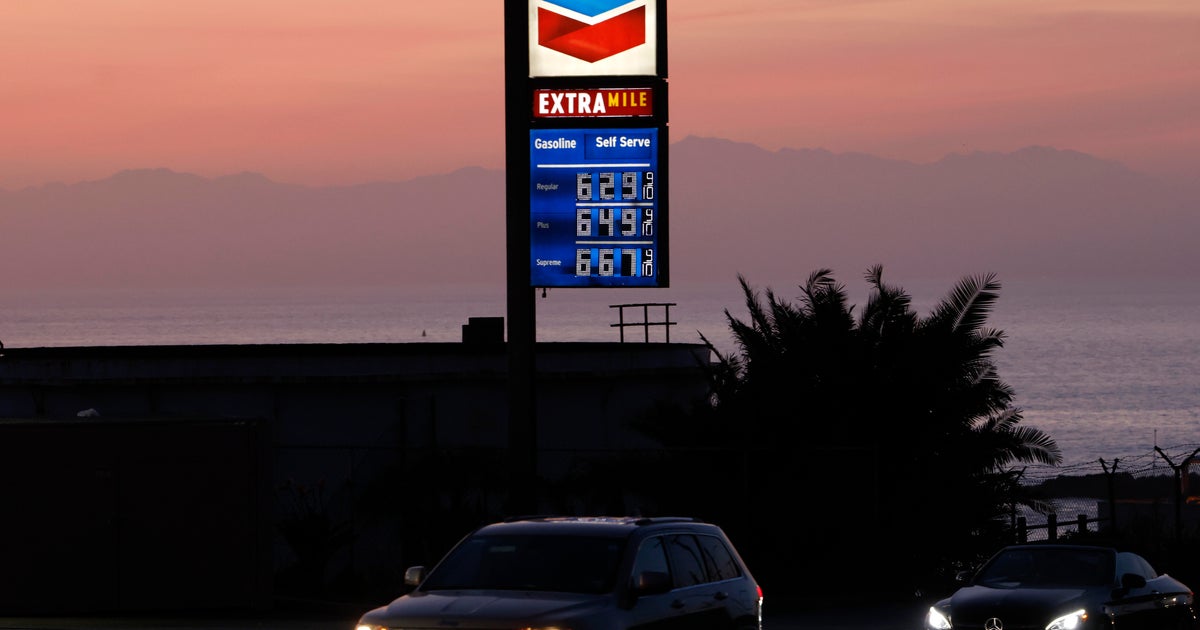
Even with the recent dip in gas prices, Americans are still paying 37% more at the pump than they did prior to the start of the war. The average national price for a gallon of gasoline on Monday was $4.07, down from $4.53 a month ago, according to AAA.