

New invasive species are posing a potential threat to the UK’s pollinator populations, according to the Royal Entomological Society, as a new parliamentary inquiry begins to examine the risks these invaders present to the nation’s ecology.
The investigation, launched by the All-Party Parliamentary Group for Bees, Pollinators and Invertebrates, is specifically targeting invasive species and novel diseases.
These factors are increasingly recognised as primary drivers behind the alarming decline in insect numbers across the UK.
Globally, the impact of such species is stark. Recent analysis, assessing their effect on various insect orders, revealed that invasive species are responsible for a 31 per cent reduction in insect abundance, as highlighted by the RES, organisers of Insect Week.
Among the most concerning examples already present in the UK are the Asian hornet, the harlequin ladybird, and Himalayan balsam.
The inquiry aims to identify which other potentially invasive insects are likely to thrive in the UK in the near future, particularly due to changing climate patterns and rising temperatures.
Its ultimate goal is to provide recommendations to the government on how to enhance biosecurity measures against these ecological threats.
“There’s a whole variety of insects that are considered to be invasive, but in relation to gardens there are insects that may feed on other insects which are providing really vital roles within those important garden system,” says Professor Helen Roy, former RES president and a scientist with the UK Centre for Ecology and Hydrology.
So which are the invasive species to look out for and how can we spot them?
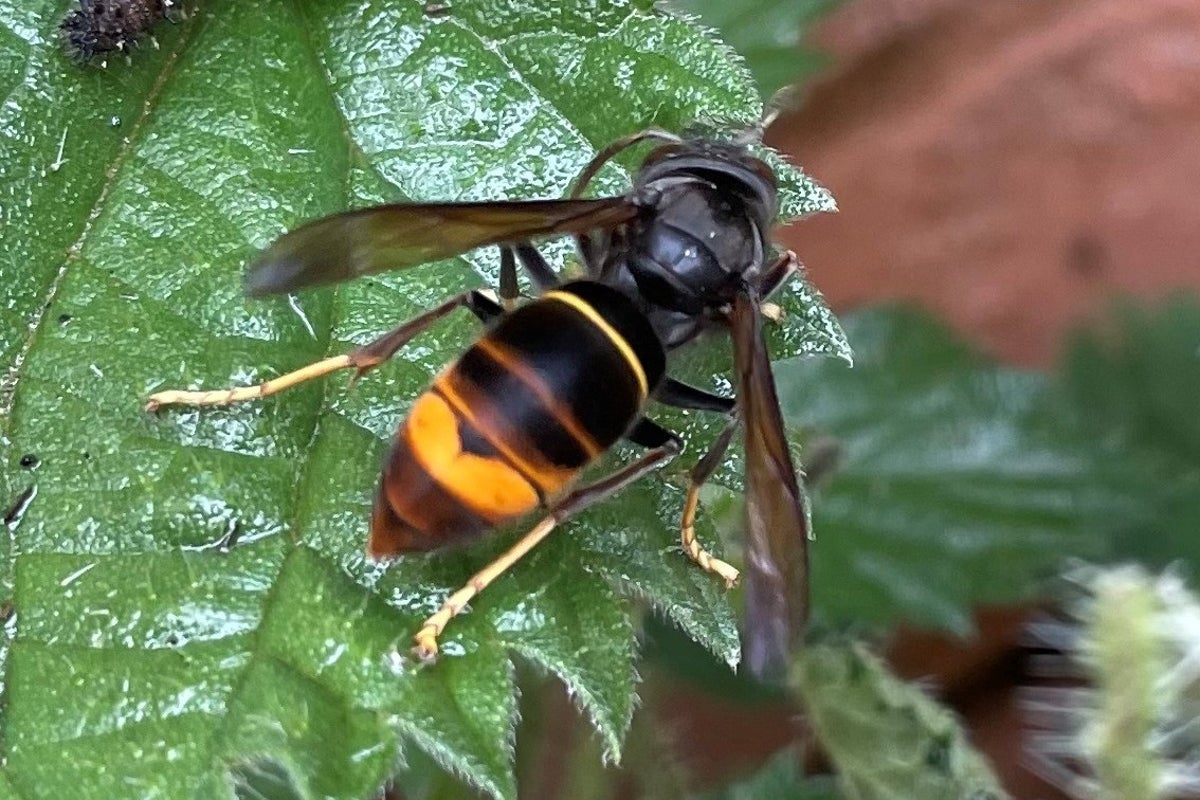
Asian (yellow-legged) hornet
A highly aggressive predator from Asia that poses a severe threat to native pollinators, especially honeybees, it has bright yellow legs and is an “alert species” in the UK.
“It poses a threat because it will feed on a whole variety of wild pollinating insects, including hoverflies and small solitary bees,” explains Roy.
“It’s known for feeding on honeybees and has a behaviour called ‘hawking’, where it hangs around a beehive and picks off the workers as they emerge from the hive.”
While it will be attracted to gardens which are a magnet for bee-friendly plants, people should carry on with their wildlife-friendly gardening, advises Roy, and report any sightings to the Non Native Species alert system, so nests can be removed.
Harlequin ladybird
This ladybird was introduced into a number of countries as a biological control agent. “It was never intentionally introduced into Britain but it’s strong flying and it hitchhikes very well alongside produce such as fruit, but also within cars, trains and boats,” Roy explains.
“It’s a predator with a very broad diet so it will feed on other insects that are important within our garden, including other ladybird species, hoverflies and lacewings. It has the potential to alter the balance of these insects that are performing these really important functions in our gardens of pollination and also pest control.”
First recorded in 2004, it is now found throughout England, Wales and the southern parts of Scotland.
“After it arrived, there was nothing that we could do,” Roy reflects. “The reason we can respond to the yellow-legged hornet is because at night time all the individuals go back into a nest, so the whole nest can be removed, whereas harlequin ladybirds are just dispersed and scattered throughout the countryside.”
Argentine ant
“Invasive ants are arriving at unprecedented rates all around the world,” warns Roy.
“Argentine ants is a species of ant that has been recorded in London, but what we are seeing now is that there is an interaction with climate change. Some of these species would not otherwise have been able to establish within our British weather, but now with climate warming we are seeing that more of them are able to thrive. It can now survive the winter outside in London.
“They are what we call ecosystem engineers, so they will soil the environment but also forage in a big way on other invertebrates, like aphids and little bugs. They are very generalist.”
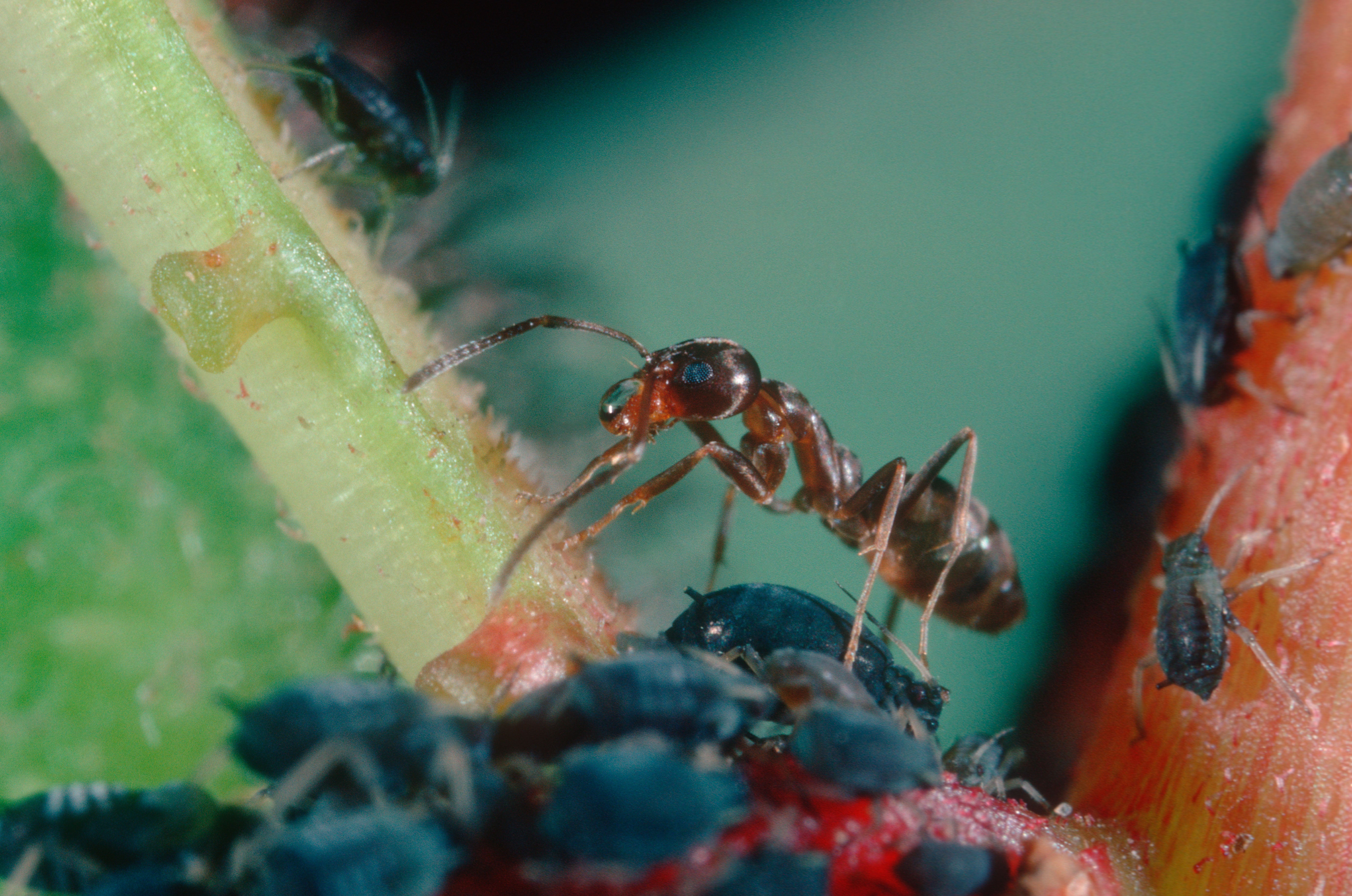
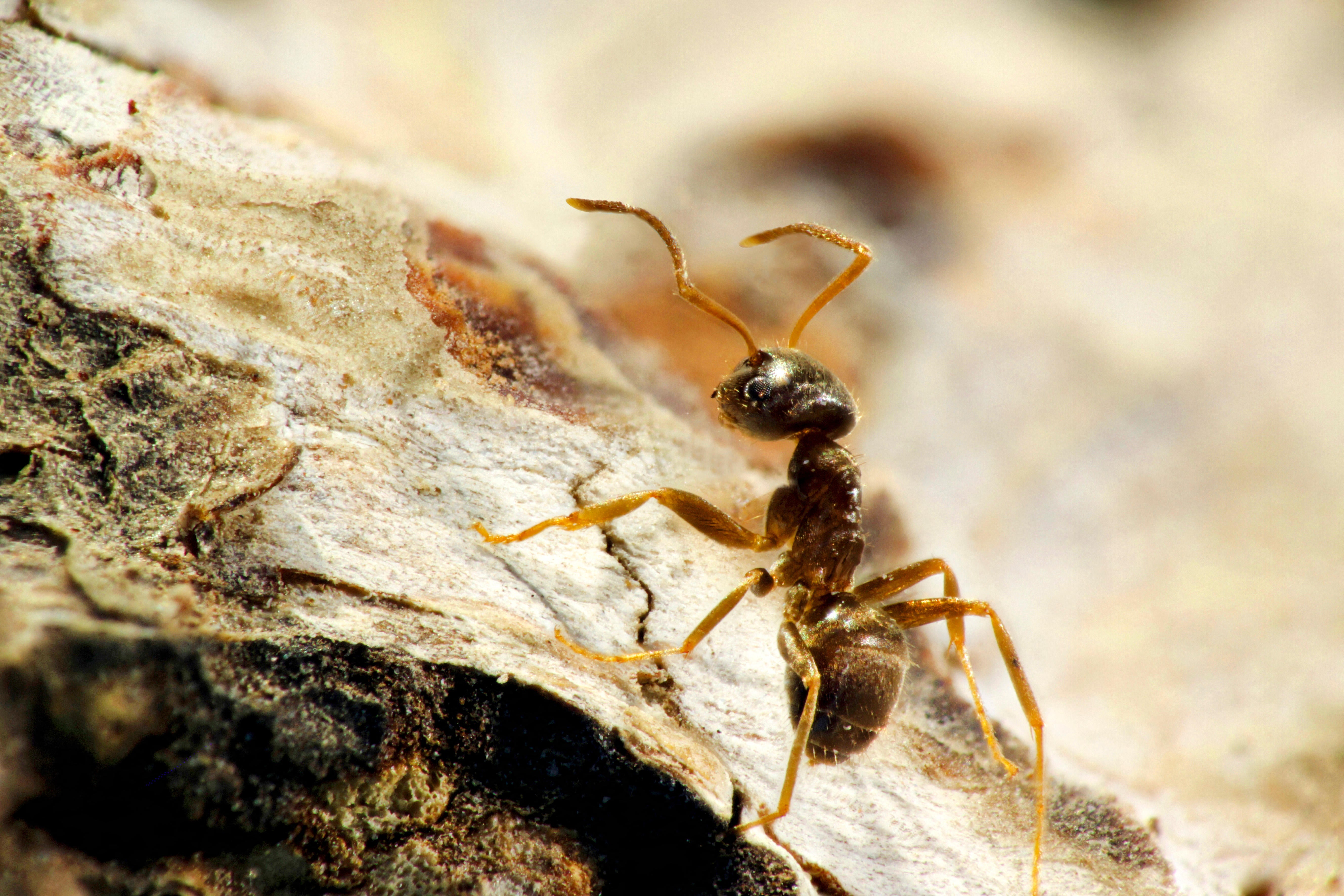
Invasive garden ant (Lasius neglectus)
This ant forms massive “supercolonies” and can outcompete native wildlife including other insects, farm aphids on trees which can, in turn, affect other insects that feed on the aphids but may also be pollinators such as hoverflies.
Colonies consist of multiple cooperating nests and hundreds of thousands of queens. It is a highly successful forager, collecting honeydew from a range of insects and exploiting other resources such as plant nectar.
“It will even use pot plants as nesting substrates and forage widely within the garden. They are not big ants, and that’s the thing with these invasive species. They can be quite insidious because they are tiny and tricky to identify,” says Roy. “They will feed and leave trails for others to follow.”
Himalayan balsam
This invasive plant produces highly sweet nectar which attracts bees away from native wildflowers, leaving them without pollination. The plant then spreads rapidly, crowding out diverse native habitats.
“Recent studies show that Himalayan balsam really affects the kind of ecosystem that occurs along riverways and, for example, can cause problems for insects that might be living in the soil,” says Roy. “It can increase erosion of the riverbanks.”

