

Pescatore said Apple’s actions demonstrated the extent of the challenges for “even for the world’s biggest technology companies”.
“This is a significant moment because even Apple, with its scale and buying power, is no longer immune to the rising cost of key components,” he told the BBC.
Affected hardware included the MacBook Pro with 1 terabyte of storage, which rose to $1,999 from $1,699 on its US store.
Meanwhile in the UK, the Neo – Apple’s lowest-priced laptop – has increased from £599 to £699 within months of its launch.
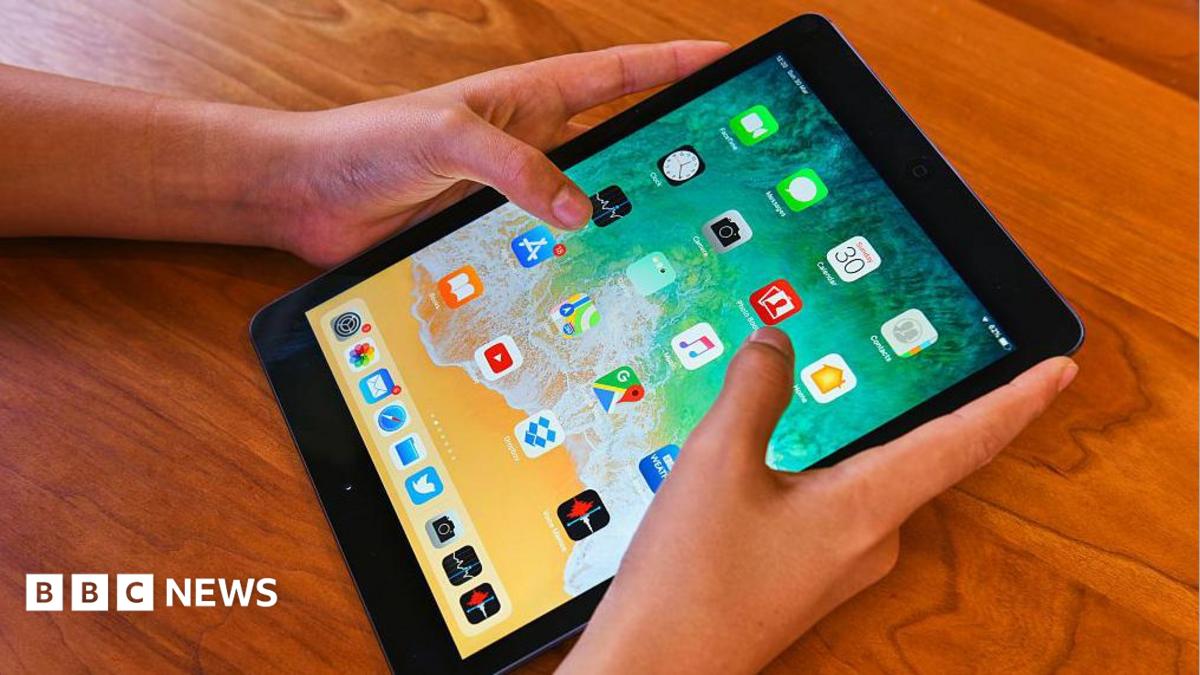
“We have shielded our customers from these increases so far, but we have now reached a point where we need to begin raising prices on a number of products, including today’s increases for iPad and Mac,” the company said in its statement.
David Naranjo of market research firm Counterpoint said he expected other PC and tablet brands would follow Apple by upping their costs.
“They may raise prices on select products, cut discounts on entry-level models, or adjust their product lines to focus more on premium devices,” he said.
Dipanjan Chatterjee, vice president and principal analyst at market research firm Forrester, said he believed Apple’s loyal customer base would take the financial hit without too much outcry.
“If anyone can survive a price increase with minimal blowback, it’s Apple,” he added.
Tim Cook, Apple’s outgoing chief executive, had also hinted at the changes – telling the Wall Street Journal earlier in June that price increases were “unavoidable” due to the “unsustainable” situation around memory chips.
“We definitely need memory pricing and supply to return to reasonable levels for consumer products. That’s the bottom line,” he told the publication.
The soaring costs have affected a wide variety of companies and products across the technology sector, including PCs and consoles.
On Monday gaming giant Valve said its original goal for the price of its gaming PC the Steam Machine was “no longer viable”, instead launching it at a price of £879 in the UK and $1,049 in the US.

