

It’s time to pack for another summer vacation – but deciding what to bring for your health may leave you with an overflowing suitcase.
However putting together a travel medicine bag can be simple when done smartly, said Dr. Sue Ojageer, a clinical pharmacist.
“A travel medical kit doesn’t have to be complicated; it just needs to be personalized,” she told The Independent.
“Planning ahead based on your destination, activities, medical history and the people you’re traveling with can make all the difference if an unexpected situation arises.”
Ojageer says there are several critical products that travelers should carry for a safe and successful trip.
Adults
For adults, a good kit is pretty simple. Ojageer advises bringing an antihistamine for allergies or insect bites, as well as antiseptic wipes, antibiotic ointment and bandages for cuts and scrapes.
A good pain reliever can help treat travel aches from heavy bags and cramped airline seat positions, as well as illness. You may also want to bring a digital thermometer.
Hand sanitizer, sunscreen, insect repellent and oral rehydration packets offer protection from getting sick, burned, bitten or dehydrated.
But there are additional recommendations for seniors, toddlers and infants, who can fall ill more easily.
Elderly
Seniors are more likely to suffer from poor blood flow, for example. That’s why compression socks may be a worthwhile addition to a travel bag, as well as chargers, batteries and monitors and other medical devices, Ojageer said.
Babies and children
Infants and toddlers may need children’s Tylenol, a saline nasal spray, diaper rash cream and an oral electrolyte solution to replace any lost fluids.
“It’s always easier to bring familiar products than to search for them while traveling,” Ojageer said.

So, what does she bring on her trips with her five children?
“When I’m traveling with children, I also bring children’s fever reducers, electrolyte solution and a few extra supplies because it’s much easier to have them available than to search for an unfamiliar pharmacy late at night,” she said.
Prepare for the expected – and unexpected
Packing for your destination is crucial and travel medicine kits should reflect what activities you plan to take part in. People should pack blister pads on trips that involve a lot of walking and hiking, and electrolyte tablets to prevent dehydration in warmer climates.
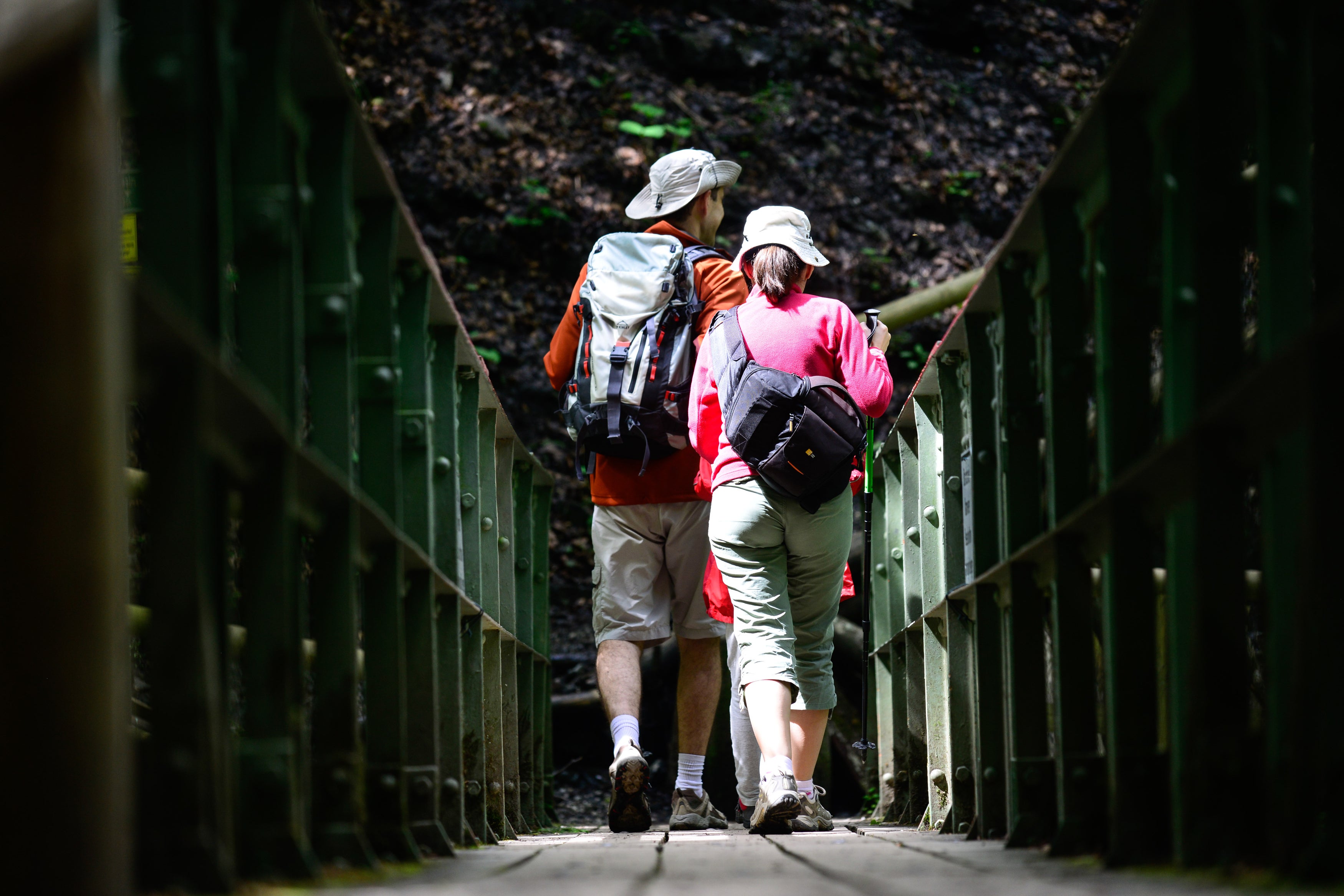
“If you’re visiting remote areas where clean water may not be readily available, water purification tablets or a portable water filter can be useful,” Ojageer said.
There may also be unexpected hurdles when traveling internationally, such as food-borne illness, bugs or inclement weather.
If you expect to potentially encounter food that disagrees with you, think about taking antidiarrheal medication or a prescription antibiotic.
In a mosquito-heavy region, she recommends using insect repellent that’s been registered by the Environmental Protection Agency. However, a recent study found some mosquitoes are becoming attracted to the long-used repellent known as DEET.
Above all, pack enough prescription medication, especially if you have allergies and need epinephrine, Ojageer said.

That means bringing an extra 3-7 days of supply in a carry-on bag in case of unexpected travel delays or other mishaps.
Purchasing travel medical insurance and carrying a printed medication list and digital copies of prescriptions is a smart move, too, in case there’s a need to visit a local pharmacy.
“One of the biggest mistakes travelers make is not having a backup plan if they become sick or run out of medication,” Ojageer said.
