

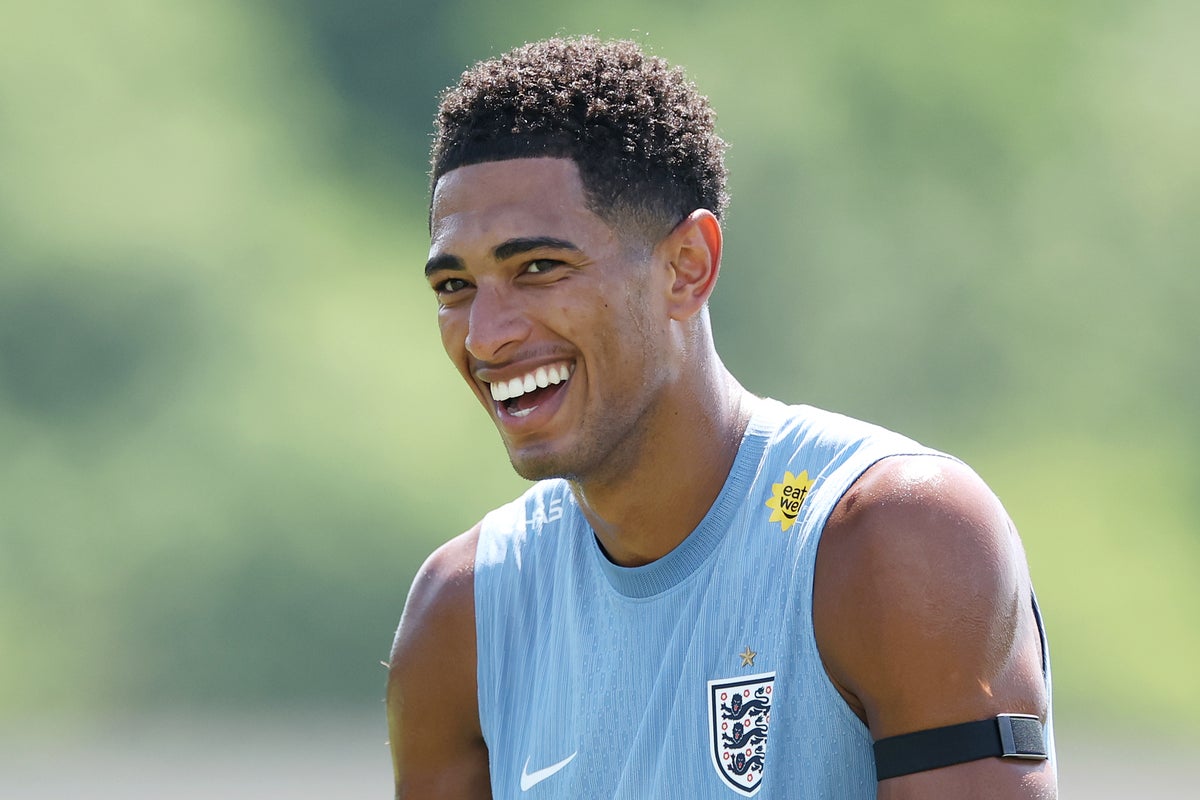

You can feel it when you walk down the street: that little pep in everyone’s step. While it’s not unusual for everyone to shuffle past each other with a grunt (particularly in London), throughout the last three weeks there’s been a vibe shift, with people even engaging in eye contact and flashing the occasional smile. And it looks like the summer of sport could be behind this shift in the national mood.
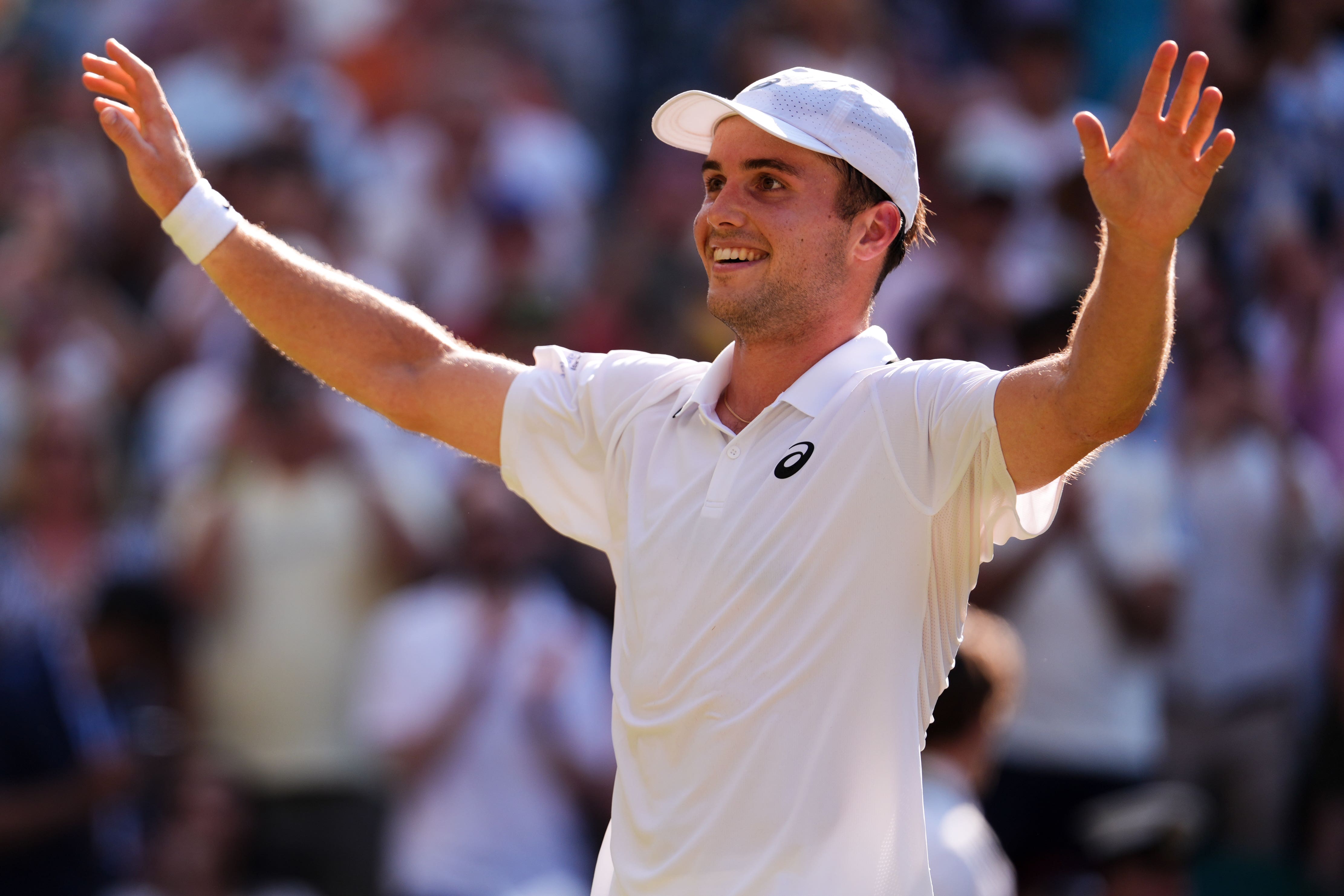
The sun is out, England are through to the quarter finals of the World Cup, and 23-year-old British wildcard Arthur Fery made a courageous march into the semi-finals of Wimbledon before bowing out. “Just seems to get better and better every match,” Fery said after beating Italy’s Flavio Cobolli in straight sets on Wednesday. “I can’t believe it,” the dumbstruck wildcard added.
Days earlier, England’s beautifully chaotic 3-2 World Cup victory over Mexico in the early hours of Monday morning, which saw Jude Bellingham scoring twice in the space of two minutes, shattered BBC viewing records, as well as our sleep schedules and, perhaps, collective grump. Unexpected victory is, of course, reason enough for joy – but studies show there’s more at play with sports spectatorship that’s making everyone feel great… for now.
Scientific studies have largely backed this phenomenon up. In 2024, Japanese researchers put 14 volunteers through an MRI scan while they watched various sports to see whether people who tune into matches on a daily basis undergo structural changes in their brain regions related to wellbeing. Ahead of this, academics analysed public data on 20,000 Japanese residents and found that watching sport (in a stadium, online, or on TV) was positively associated with life fulfilment across differing ages, genders and income levels.
Researchers then asked 208 participants to watch videos of multiple sports and assess their wellbeing before and after. They found that popular sports in Japan, particularly baseball, had more of an intense impact on wellbeing than less popular sports, such as golf. So, it’s safe to say that the World Cup success is doing something special to English people.
Now, to return to those 14 participants in the MRI machines, academics found that watching even just a 20-second clip of sport could trigger the activation of the participants’ brain reward circuits, which signifies they were experiencing happiness or pleasure. This can have long-term impacts, too. “It can imply that brain structures may gradually change by watching sport daily so that people can feel greater well-being more easily,” researchers said. “By inducing structural changes in the brain’s reward system over time, it fosters long-term benefits for individuals,” they explained. Basically, bring on England v Norway.
Although this is just one study in this field of research, another paper in 2023 found that watching baseball in stadiums boosted “subjective vitality” in Japan to a greater extent than watching it on TV. No one has, however, done a study of football fans in British pubs – yet. Nevertheless, looking around at the pint-flinging and singing, it’s fair to assume that collective viewing of sports is more than enough for spirits to soar.
“What feels particularly powerful about this summer is the way major sporting events can transcend age, culture, and even language,” says Dr Steven Mahan-Taylor, consultant clinical psychologist at London Bridge Therapy. “Whether it’s Wimbledon, cricket, or the World Cup, sport gives people a shared emotional focal point: something positive to gather around, talk about, and celebrate and experience together. That sense of collective anticipation and shared joy can be incredibly mood-boosting, because it reminds us we’re part of something bigger than ourselves.”
It provokes generosity towards others, too. In one of the many heart-warming incidents, singer Lewis Capaldi (who is, yes, Scottish) bought a drink for everyone at a pub in Marylebone after England beat Mexico on Monday. “Even people who would not normally follow a particular sport can find themselves swept up in the excitement, especially when there is a national team or athlete to support and celebrate,” adds Mahan-Taylor.
Whether it’s Wimbledon, cricket, or the World Cup, sport gives people a shared emotional focal point: something positive to gather around
Dr Steven Mahan-Taylor, psychologist at London Bridge Therapy
As our society becomes increasingly more isolated and individualistic, with half of UK adults reporting feelings of loneliness, sport, quite simply, gives us something to talk about. “It creates countless opportunities for social connection,” says Mahan-Taylor. “Watching matches together, chatting with colleagues about the game the next day, striking up conversations with strangers wearing a team shirt, or simply sharing in the buzz that surrounds a major tournament. Sharing those emotions helps us feel understood and connected, creating moments of belonging that extend well beyond the final whistle.”
Win or lose, sport encourages fans to share in the same emotional journey as those around them. “Thousands, or even millions, of people experience the same moments of anticipation, excitement, tension, disappointment, or elation at the same time,” Mahan-Taylor says. Of course, this doesn’t always manifest positively. Incidents of domestic violence increase by 38 per cent when England lose a World Cup game and by 26 per cent when the three lions win. Additionally, bullying from fans and racism towards players have increased, according to social media researchers, making sport a mood shifter to be wary of.
But, for now, joy prevails – and the summer weather and long days have made this year’s tournament all the more notable for bringing friends, families, neighbours, or wider communities together. “In that way, it can put a real spring in our step,” says Mahan-Taylor. “It offers connection, enjoyment, and a welcome break from the demands of everyday life. The result is not just enjoyment of the match itself, but a wider sense of unity and shared celebration that can be difficult to replicate in everyday life.” Come on England!