

When Kat Frize was diagnosed with ADHD at 37, after facing challenges with exhaustion, relationships, communication and accidental injuries, the diagnosis – and the access to treatment that followed it – felt life-changing. But, still, there are points in her cycle when medication is so ineffective she questions whether she’s taken it at all. “Some months, it can feel like there are a good few days where it’s not kicking in like it usually would,” she says.
Despite women positing to their doctors, friends, and support groups online that their hormones exacerbate their ADHD symptoms and make medication less effective, there’s been little research to explore the connection. But now, in a first-of-its-kind study, academics at Queen Mary University and King’s College London have asked 50 women who take medication for ADHD to track their cycles and the impact that has on their neurodevelopmental condition, as well as their daily lives.
“For me, it’s just another part of being a woman with ADHD that I have to navigate,” says Frize, who has never been to her GP about the issue, due to the lack of support she’s experienced around ADHD from doctors in the past. But when it comes to the long-awaited study, she says: “Knowledge is power and research genuinely helps to make navigating life a lot easier.”
When the diagnostic criteria for ADHD were established around the late Sixties, it was mostly based on external hyperactive symptoms frequently present in boys and men, rather than symptoms more common among girls, who may appear inattentive, or mask and internalise their condition – until events like pregnancy, perimenopause or postmenopause disrupt the facade. “Women with undiagnosed and diagnosed ADHD can be very vulnerable at those times because of the hormone changes,” says consultant psychiatrist Dr Shevonne Matheiken.
The interaction between hormone fluctuation and ADHD is under-researched, but what doctors know, Matheiken explains, is that dopamine is “one of the significant neurotransmitters in the brain, important for things like attention, motivation and executive functioning”. Female hormones, particularly estrogen, can impact dopamine signalling in the brain. There are also theories that phases in a cycle, when estrogen is low, can impact dopamine, which could, in theory, alter medication impact or intensify symptoms.
Without diagnosis (it’s estimated that 50 to 75 per cent of women with ADHD are undiagnosed), these symptoms can generate self-blame. “Like a lot of women I assumed I just needed to try harder, or be more organised, or better at managing stress, or less emotional,” says Frize. “When you don’t have an explanation, it’s really easy to internalise those struggles and see them as personal failings. When you don’t understand why things feel disproportionately difficult, it’s easy to conclude that the problem is with you…That’s why research like this is really impactful – it empowers us with evidence to explain why we might be feeling the way we feel.”
Like a lot of women, I assumed I just needed to try harder, or be more organised, or better at managing stress, or less emotional
Kat Frize
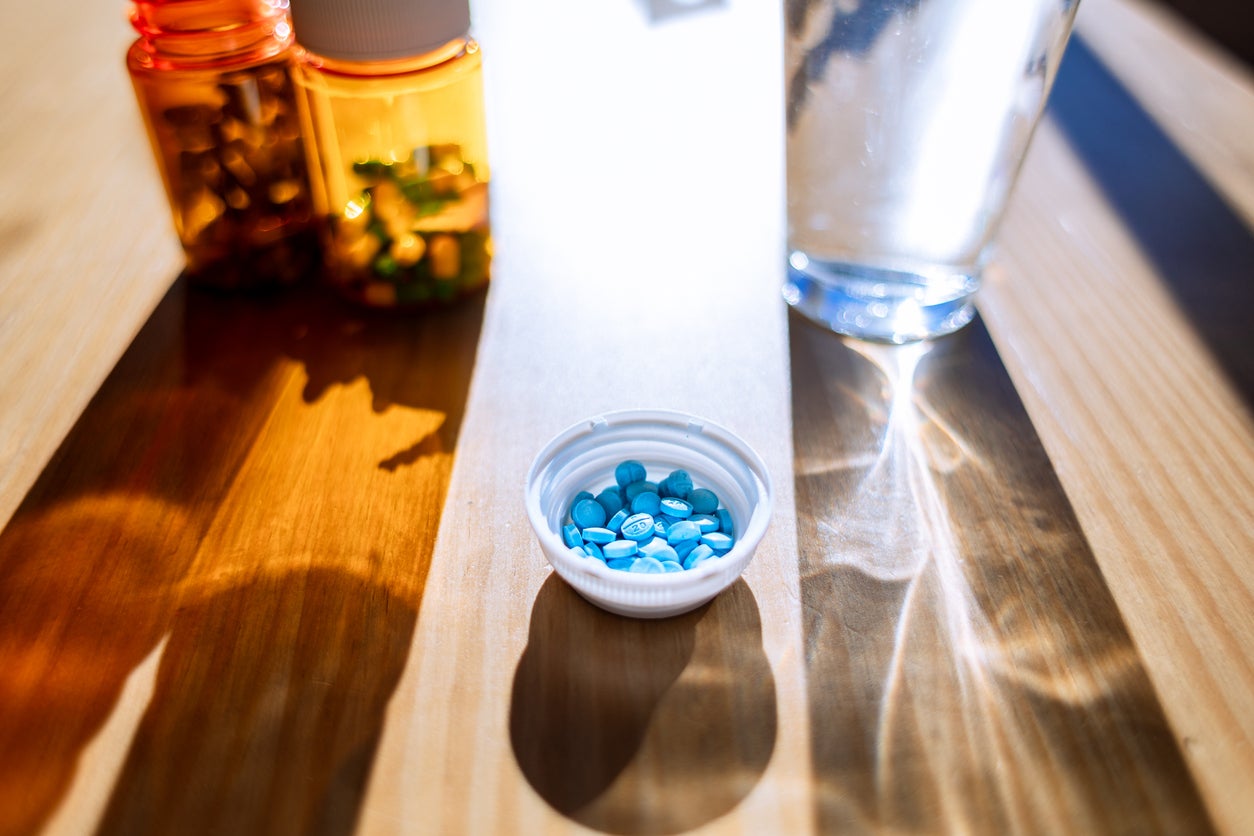
In 2023, doctors decided to conduct a study after noticing that several women at their clinic in the Netherlands described exacerbation of their ADHD and depressive symptoms or an insufficient effect of their medication in the premenstrual week. They increased nine participants’ dosage during their period and monitored the response and side effects across six to 24 months. All nine women’s ADHD and mood symptoms improved with minimal adverse events. The entire group opted to continue with the elevated premenstrual dose.
“Increased dosage may help combat premenstrual worsening of cognitive and emotional symptoms in women with ADHD, with significant clinical implications,” the researchers concluded. “However, implementation should be individually explored. Further investigation of luteal phase psychostimulant dose adjustment is required for safe, optimal and individualised treatment for women with ADHD.” Years on, progress remains slow.
Matheiken says this snail’s pace is, to put it lightly, “unfortunate”. “I think that’s why it’s really important that, despite the lack of robust research evidence, we need to find a way to be able to listen to women and their lived experience while waiting for research to move in the right direction and research findings to translate to change in clinical practice,” she says.
Frize has never experimented with upping her medication dose, but always ensures she takes her pills as prescribed when she notices the effectiveness drops. “There are other times when I may not take my full dose, for example at the weekend if I’m having a couple of days away or my routine has changed,” she says. “When my meds feel less effective, I would rarely reduce or drop a dose like that.”
I think it’s really important that we listen to women and their lived experience while waiting for research to move in the right direction
Dr Shevonne Matheiken, consultant psychiatrist
In the UK, there are waiting lists of up to half a million seeking an ADHD assessment, with patients in Leeds and York told in 2024 to expect a 10-year wait for care, as hospitals across the country stopped accepting referrals. In the absence of access to diagnostic tests and treatment, information is spread anecdotally from person to person – and to the hundreds of thousands (or even millions) online.
One academic study even suggested last year that social media content is “romanticising” ADHD as a “cute” disorder and pathologising “normal everyday experiences” like forgetting house keys or having a messy room as symptoms.
“I’m not keen to totally dismiss social media,” says Matheiken in response to the negative criticism. “It has helped increase awareness and reduce stigma. In any other condition that we treat in psychiatry, we would see those two outcomes as a positive thing, but there seems to be a lot more harsh criticism about social media platforms in terms of misinformation, particularly with seemingly trendy conditions like ADHD.”
When it comes to ADHD and menstruation, there’s a rabbit hole of online content to fall down. “What!” one girl lip-syncs in frustration with her hands clutched to her head in a TikTok video captioned: “POV [point of view] you tried to speak to me, but I’m PMSing, which means my ADHD symptoms are intensified and I’m in a constant state of overstimulation.” One girl replies to the video: “Oh my god, why is it so hard to research the correlation between ADHD and the menstrual/hormone cycle?!” This comment was shared in 2023.
Psychiatrist Sally Cubbin, who worked on the King’s College study, told the BBC she believes that women are more likely to make “dodgy decisions and take risks” like not taking contraception, binge eating or spending money when dopamine decreases during their cycle. Matheiken prefers to refer to this symptom as “impulsivity or worsening executive decision-making” theoretically incurred by estrogen dropping. “I’m not a big fan of words and labels that tend to point fingers at people,” she says. As Frize notes, women with ADHD are, often, already busy blaming themselves for their perceived faults, which can include overwhelm, chronic exhaustion from masking, and emotional dysregulation.
Frize, and women like her, can’t do much to change the physiological impact their hormones have while they wait for ADHD research to translate into treatment. “But I can be mindful of what’s happening to my body and what I’m asking of myself each week,” she says. “I can be kinder to myself if I ever struggle or feel like I could have done better. Accepting the fact that I can’t and won’t be at my best all the time is difficult but important – and it’s something that’s taken me a long time to do.”
