

One incoming college freshman will attend her dream school with the help of 40 scholarships.
Adeola Adeyemo, a recent high school graduate from Tampa, Florida, applied for more than 200 scholarships to help make college more affordable. Of those, she ultimately earned 40, which she will put toward tuition at Princeton University, where she will begin studying this fall.
“Price was my number one constraint, period,” she said in a recent CBS News segment. “When you’re picking colleges, they tell you to like rank the categories of what’s important to you — and price and affordability was my all-time number one priority.”
The outlet added that once Adeyemo gets to Princeton, she plans to apply for additional scholarships to use for the following school year.
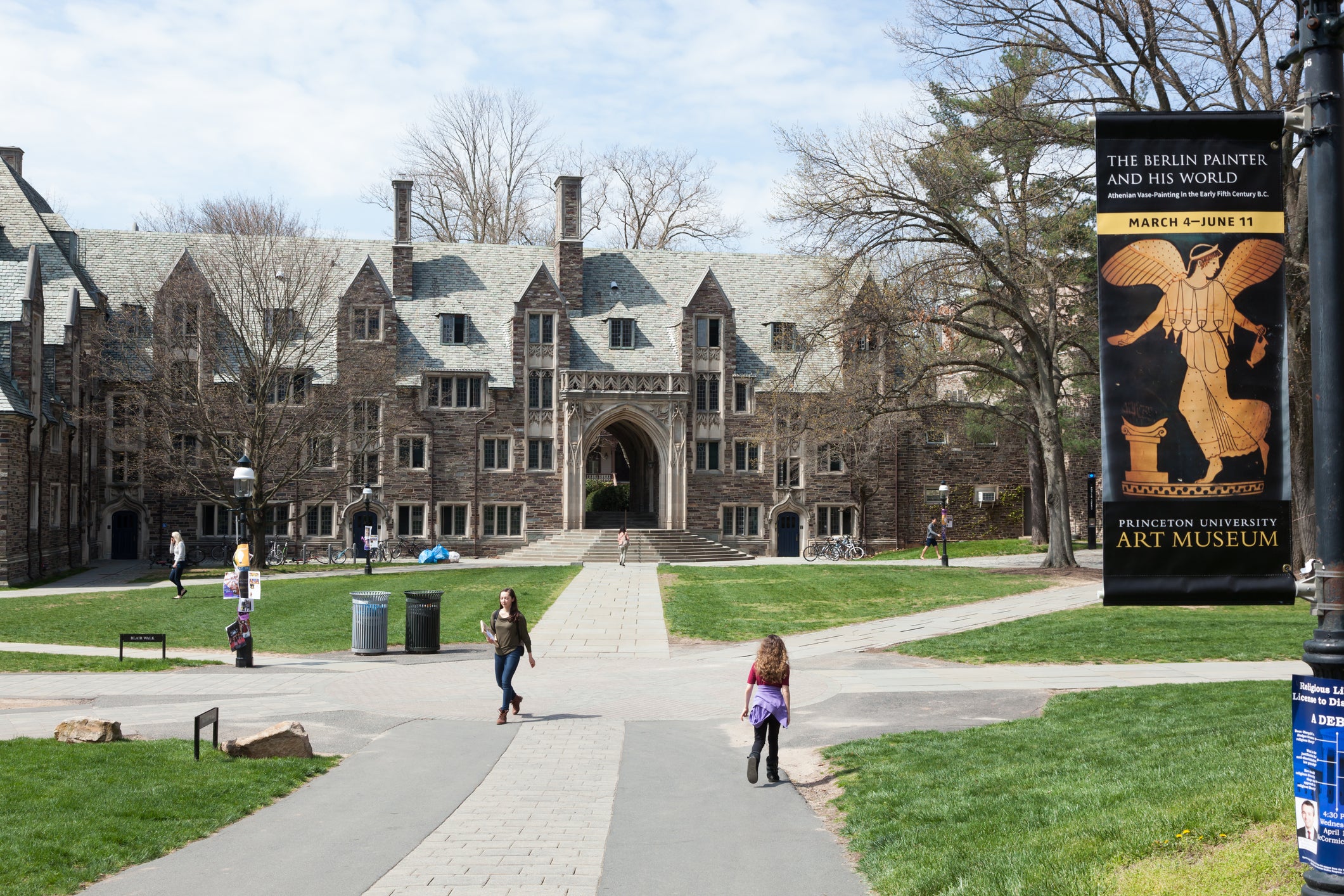
Princeton is a private Ivy League institution located in Central New Jersey. The undergraduate tuition cost for the 2026-2027 academic year is $68,140, according to the school’s website. This figure, however, does not include additional fees for essentials like housing, food and books, which the university has estimated would add an additional $26,484 for an estimated total of $94,624.
Citing the Education Data Initiative, CBS News noted that tuition at private universities is more than four times that at in-state public universities, and only about 10 percent of students secure private scholarships.
For Adeyemo, it was imperative that she collect as much scholarship money as she could. “Like, if I had any free time during trips, at my friends’ house, in between classes, at lunch, I’d be applying to scholarships, for sure,” she added to local outlet WSVN 7. “If I don’t claim it, the money is going to go somewhere else, so I just have to get my affairs in order.”
According to Adeyemo’s LinkedIn profile, she will study Operations Research and Financial Engineering at Princeton. Her expected graduation year is 2030.
College costs have surged in the past 40 years, but at least 16 institutions are now approaching the $100,000 threshold for a single year as an undergraduate. The list — corroborated by data obtained by CNBC — is dominated by elite, high-demand schools, including the University of Chicago, Georgetown University and Wesleyan University.
Speaking to The Independent in June, Richard Vedder, an emeritus professor of economics at Ohio University, argued that the rising cost of college is due in part to the expansion of federal student loan programs.
“Universities said, ‘What the heck? We’ll just raise fees more aggressively than before because people would just go out and borrow the money fairly cheaply from the federal government,’” Vedder explained.
