

-8_75894-copy-b9893549.jpeg?trim=0,0,0,0&width=1200&height=800&crop=1200:800)
Want to bookmark your favourite articles and stories to read or reference later? Start your Independent Membership today.
Already a member?
Log in
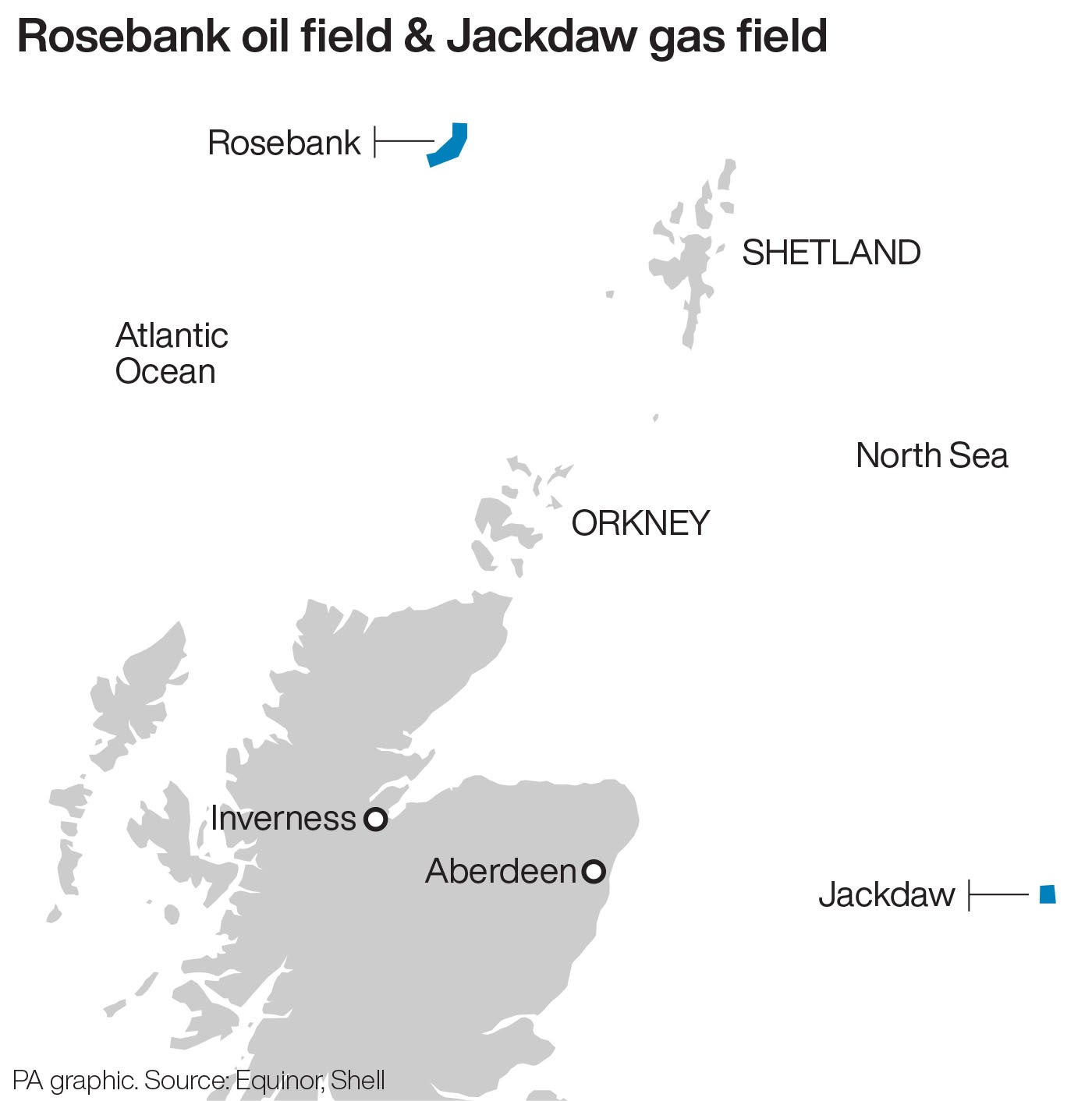
The UK is expected to make an “imminent” decision on whether to allow development of the Jackdaw gas field in the North Sea.
Energy Minister Miatta Fahnbulleh said on Wednesday that the government has gone through “all the information” on the controversial project located east of Aberdeen.
Speaking at Prime Minister’s Questions, Andy Burnham also said a decision will be made “shortly” on Rosebank, an oil field off the Shetland Islands.
Last year, under the Starmer Labour government, the Department for Energy Security and Net Zero (DESNZ) prohibited issuing fresh licences to explore new oil and gas fields – while managing existing fields for the “entirety of their lifespan”.
Jackdaw and Rosebank were granted licenses by the Conservative government in 2022 and 2023. However, the Court of Session in Edinburgh ruled last year that both fields had been unlawfully approved.
This was on the basis that the government had failed to take into account the climate impacts of burning extracted oil and gas from the sites.
As energy bills continue to creep up, Burnham has said he will take a “pragmatic approach” on oil and gas and lay out the government’s decision’s “shortly”.
Will drilling the North Sea lower UK energy bills?
Household energy bills in the UK are forecast to increase by 16 per cent to £1,999 a year in January – marking what would be the highest cap level in four years.

Invest at least £100 in Stocks or ETFs of your choice. Get fractional shares worth £50!
Terms and conditions apply.
ADVERTISEMENT
Invest at least £100 in Stocks or ETFs of your choice. Get fractional shares worth £50!
Terms and conditions apply.
ADVERTISEMENT
Wholesale energy costs have spiked following the effective closure of the Strait of Hormuz, a vital shipping route for oil and gas, following the war on Iran.
An Oxford Smith School analysis published in March found that maximising oil and gas extraction from the North Sea would only save households a modest £16 – £82 per year – based on the caveat that the tax revenues collected were distributed to households to offset their energy bills.
However, a UK powered fully by renewable energy such as solar and wind could save all households up to £441 a year on their energy bills, the study’s authors claim.
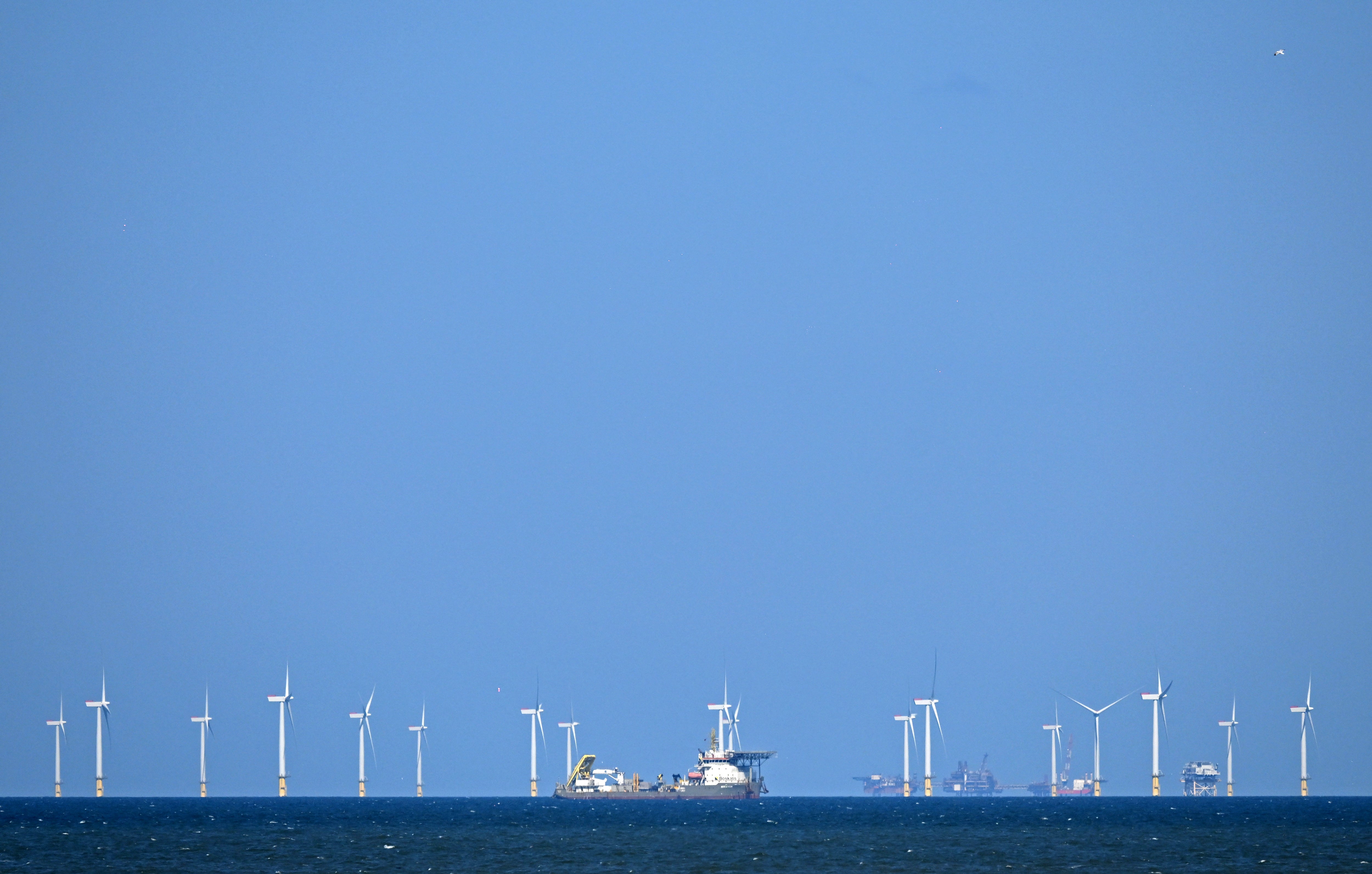
“The idea that draining the North Sea would make the UK more energy secure or significantly save on household bills is sheer fantasy,” said Dr Anupama Sen, co-author and Head of Policy Engagement at the Smith School of Enterprise and the Environment.
“We show that regardless of the remaining lifetime of North Sea oil and gas, a ‘drill baby drill’ approach to extraction would actually cost households more money versus continuing on our path to clean energy”.
The study adds that the extent of electrification within a household would determine the level of savings gained from renewables. This would require more upfront investment for heat pumps and insulation.
The analysis was conducted using oil and gas prices as of January 2026, prior to the spike caused by Iran’s stranglehold on the Strait of Hormuz.
A £10 billion cost to the economy
Adura, the company behind both fields, warn that rejecting their licences could cost the UK economy £10.8 billion.
The study garnered criticism from multiple experts, including head of Oxfam Scotland Katherine May.
“It’s hardly surprising that a report commissioned by an oil company concludes that more drilling is a good idea,” she said.
“Asking it to assess Jackdaw and Rosebank is like asking a seagull whether chips should be left unguarded.”

-8_75894-copy-b9893549.jpeg?trim=0,0,0,0&width=1200&height=800&crop=1200:800&description=UK+to+decide+on+drilling+North+Sea+%E2%80%98shortly%E2%80%99+as+energy+bills+rise)