


Want to bookmark your favourite articles and stories to read or reference later? Start your Independent Membership today.
Already a member?
Log in
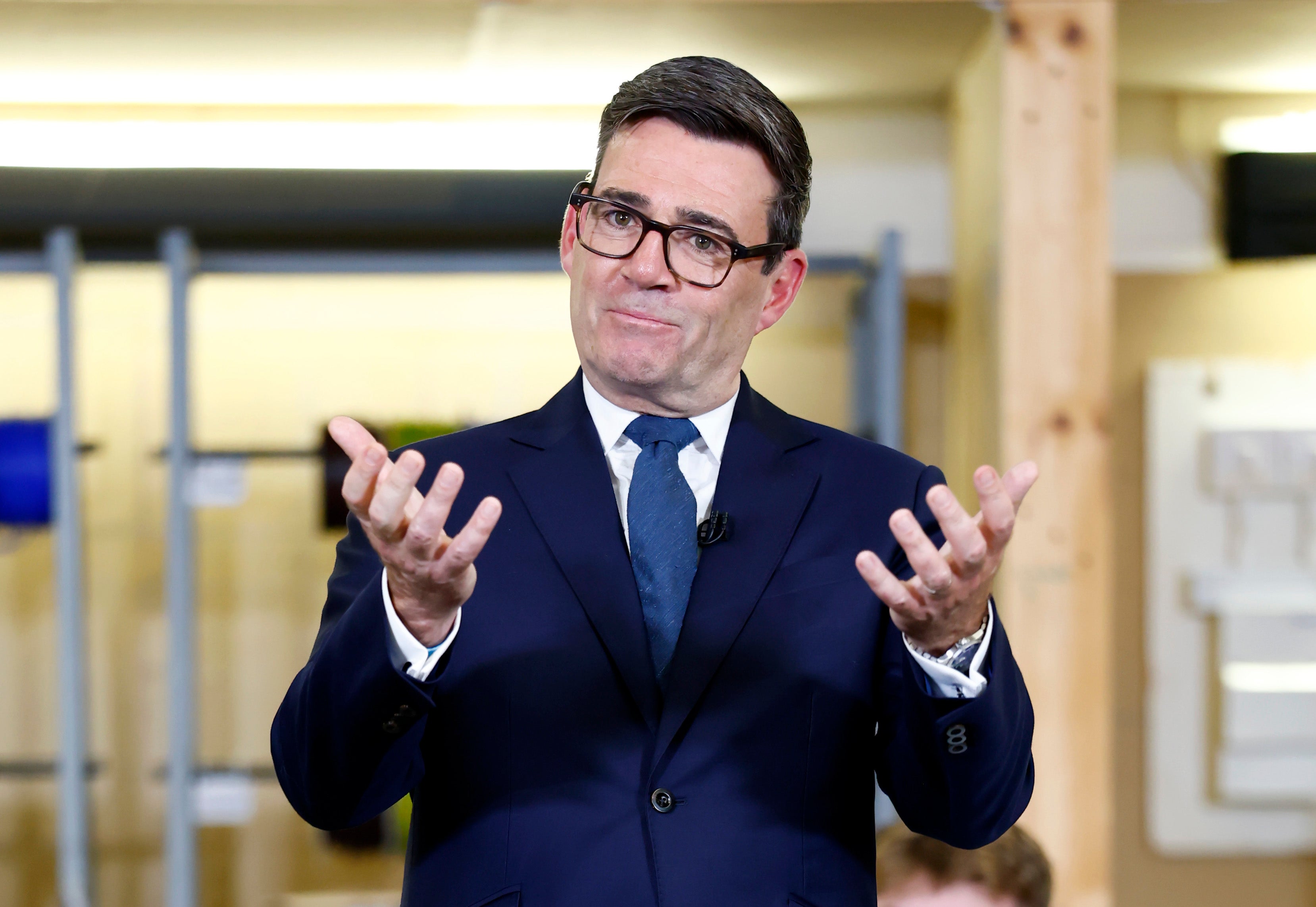
The first Budget under new prime minister Andy Burnham is less than a week away, with households across the country waiting to find out what the planned fiscal changes could mean for them.
A leading concern for many is the UK’s rising cost of living. Inflation rose to 3.5 per cent in September to mark the highest level in nearly a year as rising energy costs drive up prices.
There is growing speculation around potential changes to benefits and pension policy as the government looks to shore up its shrinking fiscal headroom and lower welfare spending.
The prime minister has already said his government will fight the next election on a contentious pledge to revise the triple lock. After taking effect in 2030, the changes could save £15bn per year by 2040 according to official estimates.
There are also plans to reform welfare spending, with the government expected to lay out its plans following the publication of a review into Personal Independence Payment (PIP) and another into youth unemployment later this year.
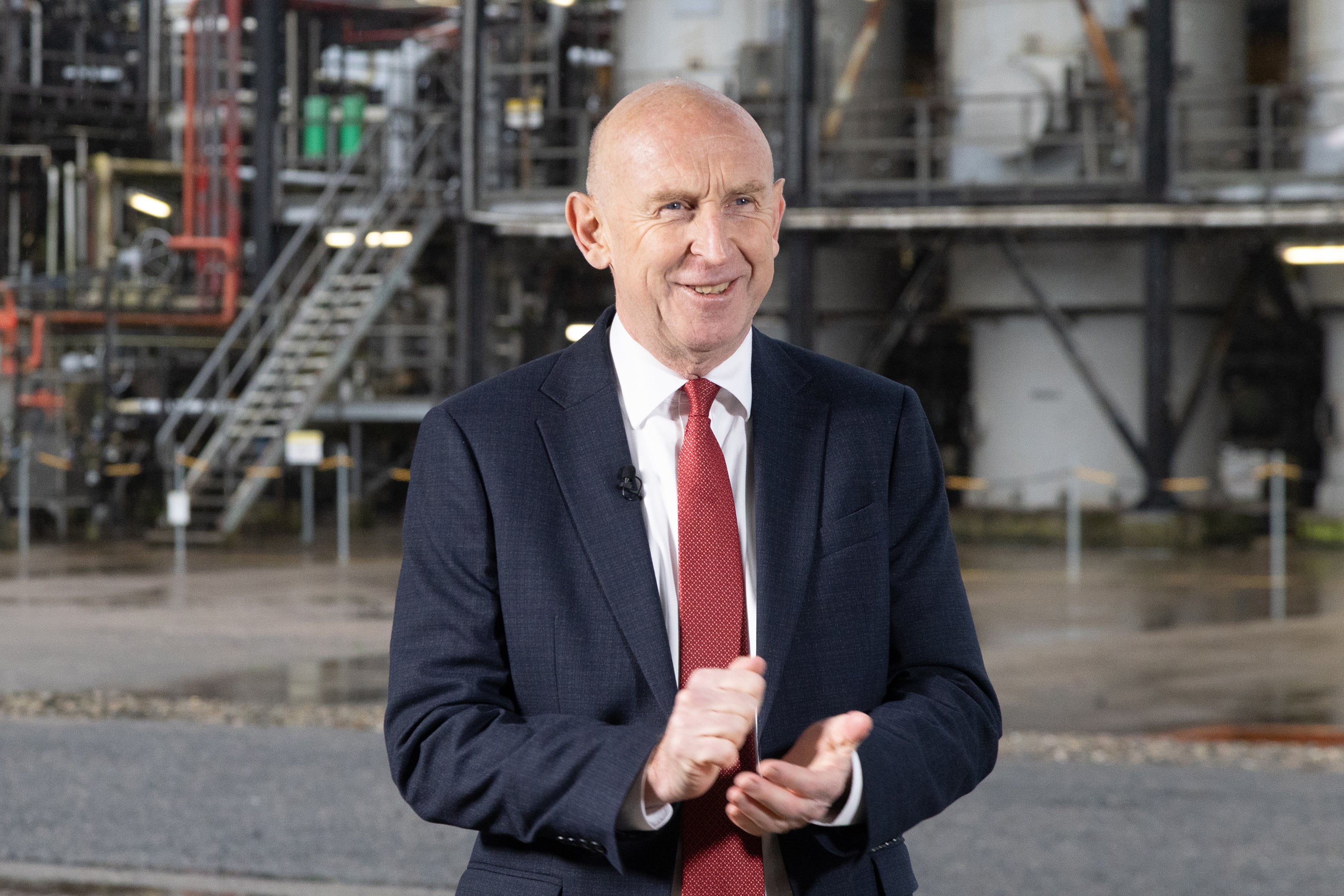
But the upcoming fiscal event may shed more light on chancellor John Healey’s economic plan for the future, especially as he lays out the spending and saving commitments that will shape the year ahead and beyond.
Here’s what the 2026 Autumn Budget could mean for pensions and benefits:
Pensions
Mr Burnham’s pledge to revise the triple lock would not take effect until 2030 at the earliest. However, there are several changes the government could make to pension policy before this.
These are more likely to focus on private pensions rather than the state pension, as is the case with the triple lock change.

Invest at least £100 in Stocks or ETFs of your choice. Get fractional shares worth £50!
Terms and conditions apply.
ADVERTISEMENT
Invest at least £100 in Stocks or ETFs of your choice. Get fractional shares worth £50!
Terms and conditions apply.
ADVERTISEMENT
A recurring rumour every year is that the government may bite the bullet on a change to pension tax relief, which effectively boosts savers’ contributions with a top-up from HMRC.
Savers who pay basic rate tax get a 20 per cent boost to their pension contributions, while higher rate taxpayers get 40 per cent, and additional rate earners get 45.
The scheme is designed to ensure that no tax is paid on pension contributions. It aims to encourage people to save more for retirement, as income that would be taxed as wages can instead go virtually untaxed as pension deposits.
One proposal would see this relief cut back for high earners, meaning everyone gets pension tax relief at a flat rate of 20 per cent, regardless of their income tax bracket. This could save around £15bn a year, according to some estimates.
There are also calls from some analysts for the chancellor to reverse his predecessor Rachel Reeve’s move to subject salary-sacrificed pension contributions above £2,000 to national insurance from 2029. Neither he or the Treasury have commented on the possibility.
Benefits
Changes to the benefit system are likely to be announced after the Budget this year, rather than at the event. However, the amount of savings Mr Healey secures through his policies could shape how much pressure he remains under to reduce the welfare bill.
Major changes reportedly under consideration by ministers include cuts to disability benefits for younger claimants, alongside limiting eligibility for the Personal Independence Payment (Pip) on mental health grounds.
Another reform could see the health element of universal credit removed for claimants under 25, government sources told The Guardian earlier this month. This group contains over 250,000 claimants.
Changes could also involve Pip being replaced for under-25s, overhauled entirely for all claimants, or possibly those under a cut-off at around 50 or 60.
Mr Burnham has said that his government will not pursue “crude cuts” in attempting to bring down Britain’s benefits bill. However, the prime minister may face a showdown with his MPs if he attempts to cut spending too sharply, as his predecessor Sir Keir Starmer did in 2025.
The new government’s welfare plans sit alongside ambition to boost the rising amount of young people out of work or education, with any spending welfare spending cuts reportedly earmarked to fund employment support.

