

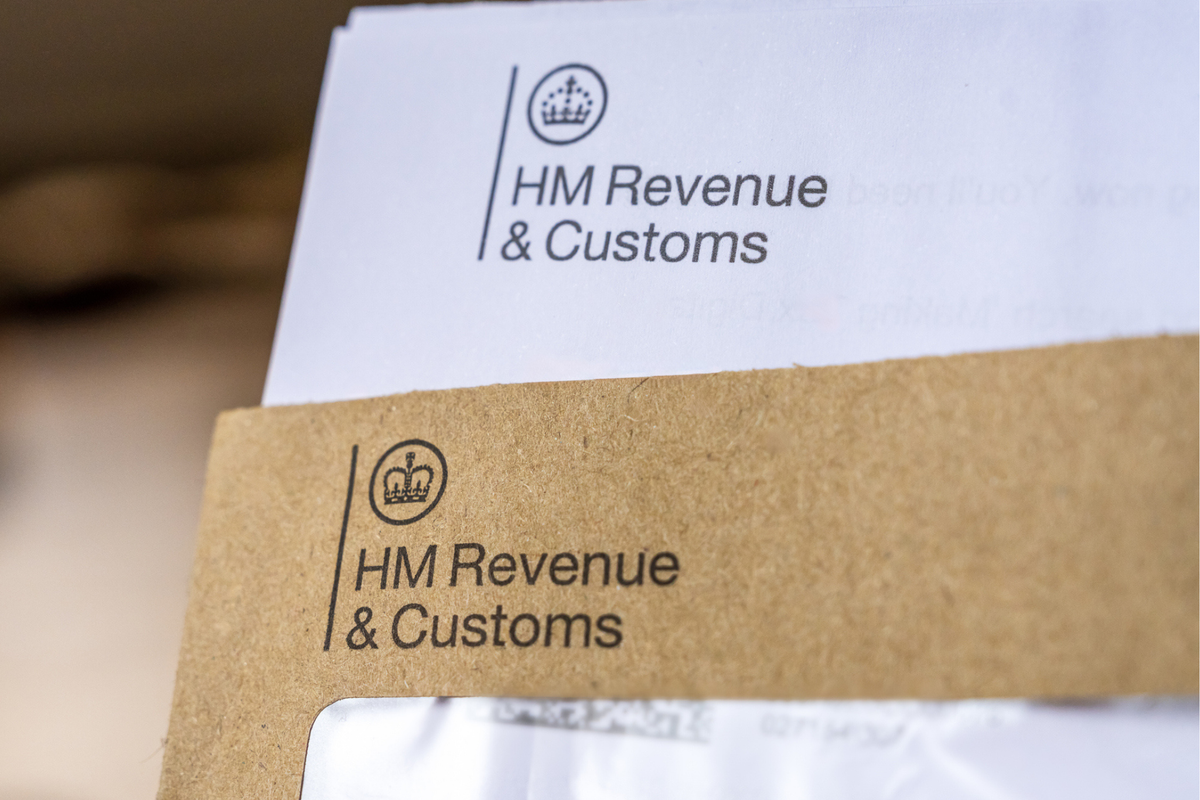

Hundreds of thousands of taxpayers are missing out on HMRC refunds worth an average of £800, new statistics show.
Millions of people overpay tax every year for a number of reasons, meaning they are owed a rebate from HMRC to reunite them with their money. The tax authority sends letters out every year to these people, instructing them how to make a request.
Until 2024, recipients had 21 days to respond, or else they were issued a cheque to the address on file for them. But hundreds of thousands of these are still going uncashed.
Last year, HMRC issued 1.7 million cheques to those owed rebates, of which 178,180 were never cashed, figures obtained by The i reveal. The combined value of these rebates was £144m, meaning each individual missed out on an average of £800.
HMRC has been working to reduce the number of cheques it issues in recent years, with the figure dropping from 4.1 million in the 2023-2024 tax year. The tax authority started moving to a new system in 2024, where it attempts to contact customers in other ways unless they ask for a cheque themselves.
Robert Salter, a partner at tax and accountancy firm Blick Rothenberg, said: “It is certainly a bit problematic that HMRC continues to use cheques to settle tax refunds in so many cases.”
What are the most common reasons for overpaying tax?
You might be owed a rebate if you:
- were given the wrong tax code by HMRC or by your employer
- finished one job, started another, and were paid by both in the same month
- started to receive your pension before retiring
- received employment and support allowance or jobseeker’s allowance
He added: “Until people do consistently open their HMRC correspondence, there is always going to be a problem and delays with the tax refund process.”
Most people will receive a P800 letter telling them that they are owed a tax rebate around June, following the end of the tax year in April. This instructs the recipient to request the payment via a bank transfer called BACS. This is done by logging into their government gateway account, which can be opened at any time.

Get a free fractional share worth up to £100.
Capital at risk.
Terms and conditions apply.
ADVERTISEMENT
Get a free fractional share worth up to £100.
Capital at risk.
Terms and conditions apply.
ADVERTISEMENT
Those who have an uncashed cheque from HMRC can no longer cash it after six months, but this does not mean it has become void. A replacement can be issued on request, and there is technically no time limit to cash it. However, it may become harder for the tax authority to verify the rebate after nine years.
An HMRC spokesperson said: “The vast majority of PAYE repayments are issued via bank transfer, which is now the default option, and the quickest and most secure way for customers to receive their money.
“Customers can still request to receive their repayment via cheque and it’s their responsibility to cash it if they choose this method.”