

Central Saint Martins is the holy grail of fashion schools that counts Alexander McQueen, John Galliano, Mary Katrantzou, Phoebe Philo, and Gareth Pugh as ex-pupils. So, when they launch a new initiative it’s wise to sit up and take note – and their Makers Camp is, as ever, on the money with its push for fashion to truly shift its mindset and launch a new generation of designers who not only rethink how clothes are made, but learn by a set of new rules that put the planet first.
MA fashion students have been signing up to the “Makers Camp: The West Africa Project”, which gives young designers all the information they need about fashion’s excessive extraction, pollution and waste. Berni Yates (knowledge exchange lead and senior lecturer) explained the project, “Originally, we were looking at waste and how Kantamanto Market in Accra was reproducing and upcycling the waste.
“We started with that and then we started sharing knowledge online, then we thought, let’s make it physical and let’s make it more around the bigger conversation. We also have these struggles. We’re losing our manufacturing. We’re losing our industry.”
Yates continues, “We worked with Nubuke Foundation, who deal with all of the weavers across Ghana and had conversations with them and Harris Tweed, looking at comparisons with the crofts and how they work and build their own looms and weaves. It’s about thinking globally but reacting locally.”
Luke Hemingway, Oliver Roberts and Paris Ryan (MA fashion students) have since produced a road-trip documentary, It’s Still There, looking at British Wool’s infrastructure and considering what role they may play in its future. Their journey takes them from the Midlands through the northwest to the Scottish Borders, exploring the surviving skills and stories shaping British textile production today.
“The problem is that value is placed on exotic fibres like Kashmir and Merino when that value should instead be placed on the wool we grow domestically,” says Hemingway. “We have one of the greatest diversities of sheep breeds in the world and that should be a source of pride. The answer to climate change lies in working with what we already have.”
“When the actual person who is buying the clothes understands the whole journey, that will then hopefully shift the consumer attitude towards actually appreciating the fabrics.” Learning how heritage craft can inform a low-impact future, Ryan explains, “I feel, as younger designers, it helps modernise it and bring it to a new context. They’re all traditional methods”. The second episode available on their YouTube channel focuses on flax into linen, leather tanneries, knitting and lace-making.
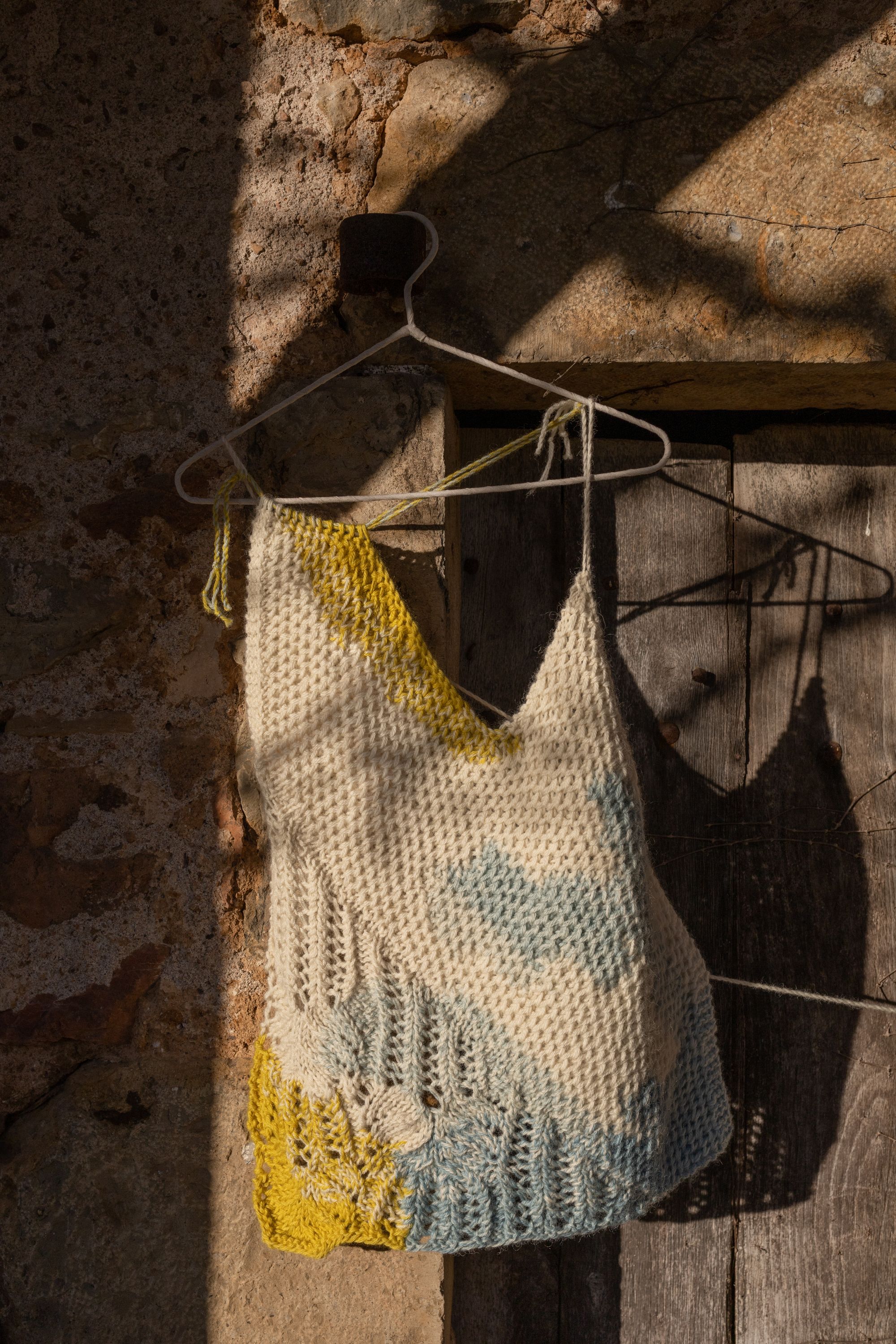
Fibreshed is a fashion movement (and resource for Hemingway, Roberts and Ryan) that has now grown across the world since the term was first coined by founder Rebecca Burgess in 2011. A non-profit organisation developing regional fibre systems that expand opportunities to implement climate beneficial agriculture, rebuild regional manufacturing and educate the public about the benefits of soil-to-soil fibre and dye systems, Deborah Barker of Fibreshed South East England told me of their mission to reconnect fashion to farming.
“We encourage people to think about what’s behind the clothing and climate crisis. Taking designers and students on to farms helps them understand the connection between fibres, soil health and the health of the biosphere. We start with the compost heap because there is more biodiversity under the soil than above.”
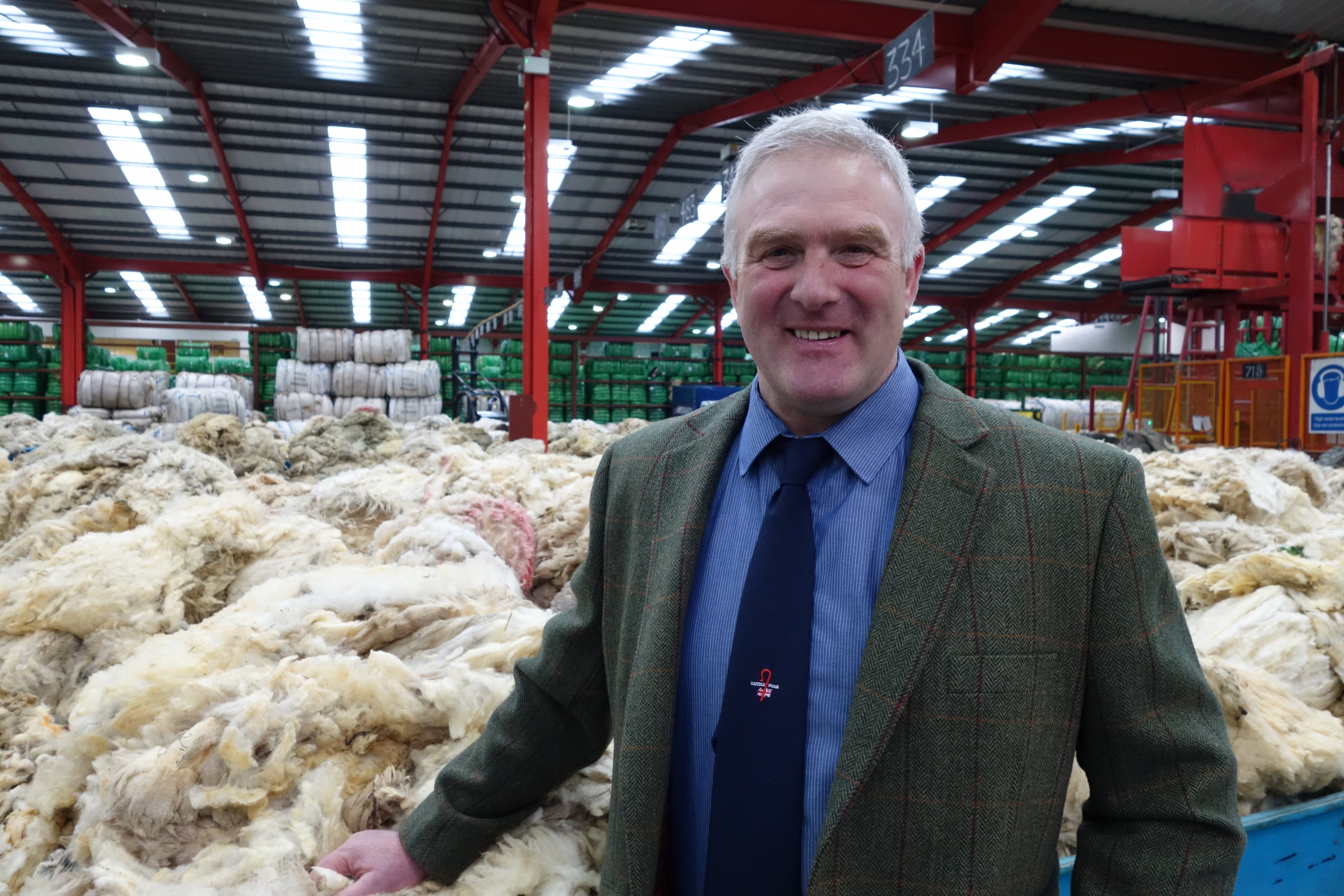
With farming at the centre of this natural fibres movement, Jim Robertson (British Wool chair and farmer) told me: “Reconnecting fashion to British farming and craft traditions is increasingly important. For years, fashion has relied on complex global supply chains where that connection has been lost, and with it, a clear understanding of environmental impact. Local fibres, like British wool, bring that transparency back. Consumers can trace a product right back to the farm; shorter supply chain supports a more transparent and responsible approach to production.”
When thinking of the bigger picture, Robertson explains: “British sheep farming helps maintain landscapes and supports rural communities; the UK’s textile heritage represents skills and knowledge that risk being lost if they’re not valued. Rebuilding that connection between the land, the fibre, and the finished product encourages a shift away from fast, disposable fashion. These materials and processes are designed to last.”
Few have championed that principle longer than Harris Tweed. Creative director Mark Hogarth describes life and work in the Outer Hebrides. “We are in an incredibly beautiful, albeit remote and socially and economically challenged geography, but no man is an island and that’s certainly the case up there. The communities work together in all facets, and that really comes together particularly with Harris Tweed and spiritually there’s a real connection to the land we always say from the land comes the cloth.”
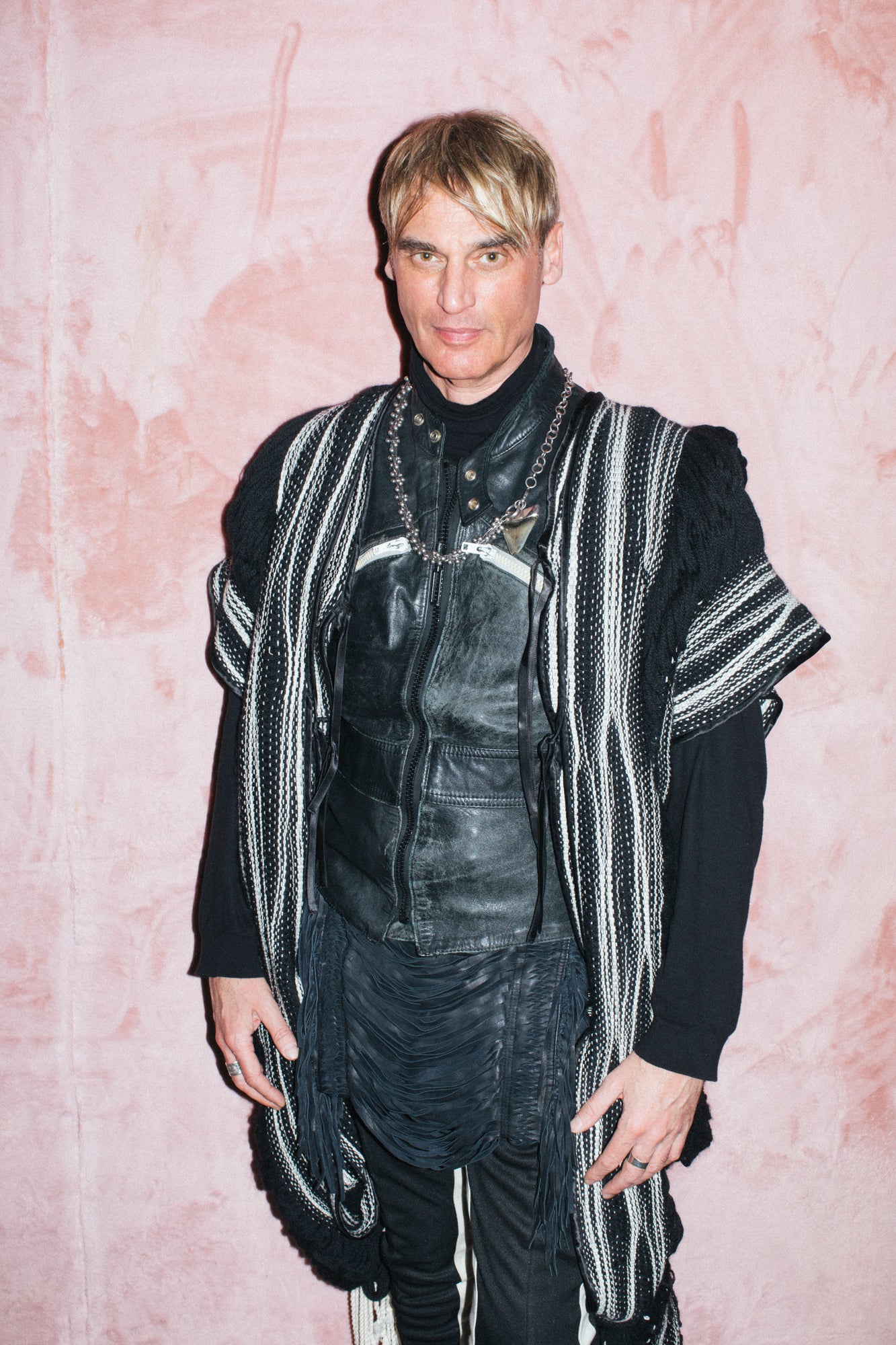
Bringing craft from the countryside to a city context, in the heart of Soho, is veteran designer and activist Joe Corré (co‑founder of Agent Provocateur and A Child of the Jago). His new venture, The Light House, has been created to give small makers the one thing London has nearly lost: space.
The collective offers artisan designers affordable studios and retail frontage in a city where independent fashion has been priced out by rising rents and brand homogeneity. Corré calls it a return to the creative energy of old Kensington Market, a place where craftsmanship, conversation and community are back on display.
“I wanted to support craft and independent creatives for a number of reasons. One, because quality had become a luxury thing. Secondly, because if you really wanted to compete against online e-commerce, you have to offer something that you can’t repeat online, it has to be a personal experience that you have to participate in.” A call back to the real world from our digital age of endless consumption.
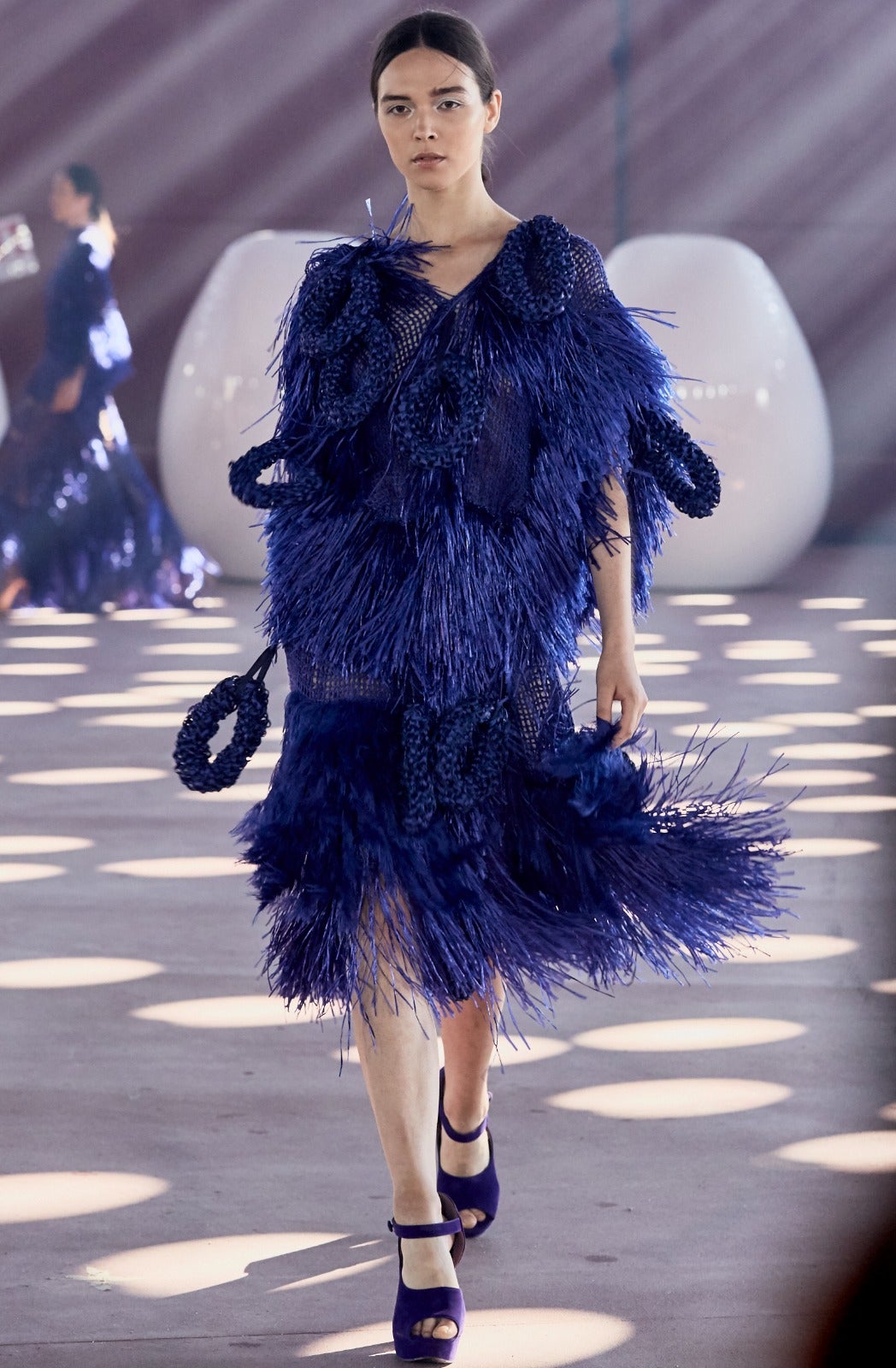
Benedict Lamb, Anna Pabissi (Hoh Pabissi) and Owen Edward Snaith are just three of the 20 designers who make up this community. Lamb calls craft “labour‑intensive and transformative”. He sees the beauty in a slower practice. “In contrast to industrial systems that obscure origin and consequence, the beauty of craft is that it insists on visibility. It slows production to a very human tempo. Time is the ultimate luxury.”
Designer Owen agrees that tradition is a living language “It’s really important to keep traditional craft alive and show that it can be diversified and modernised,” he says. “The younger generation can pick it up and make it contemporary.” Snaith grew up in a Scottish fishing village “Seeing the fishermen and what they wore, my grandad was part of the lifeboat crew; they all wore these like big orange suits, a lot of the inspiration comes from that. From a young age, I felt alienated from it because it was a very masculine, male-dominated space. Through my work, I’ve rewritten my childhood and how I found myself amongst all of that, having story behind it.”
What makes The Light House so compelling is the way it unites the city and the countryside.
Climate action is too often framed as something that happens out in nature on farms, in fields, beneath open skies, but by championing slow, small‑scale making within London’s concrete landscape, The Light House has turned fashion itself into an ecosystem rooted, collaborative, and defiantly alive
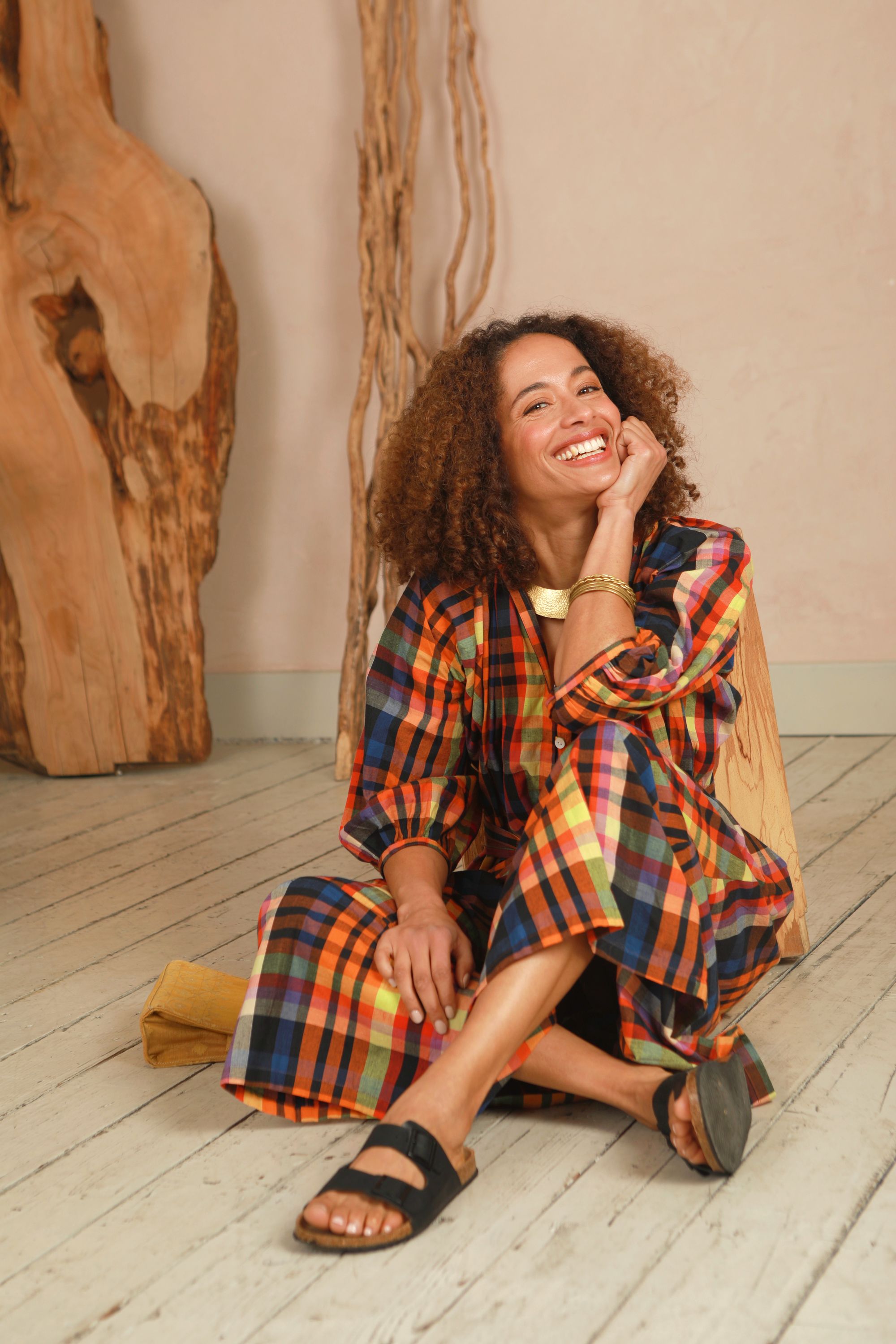
Safia Minney, founder, activist and visionary, has long been the industry’s moral compass, and now, through her new label Indilisi and the movement Fashion Declares, she continues to chart the way forward, urging the industry to commit to real climate action and a just transition.
“I see craft as a way of rapidly reducing production and consumption whilst redistributing wealth in favour of fibre farmers, artisans and makers,” she says. “Craft has always been part of activism, of a more humanitarian way of living, a lighter way of living.” For Minney, the revival of craft isn’t an indulgence in nostalgia but a blueprint for a fairer fashion economy.
