


AFCADDE, Ethiopia — The critical note in some of the world’s most well-known perfumes is myrrh, a tree resin from the Horn of Africa that is under pressure from what experts call a historic drought.
Threatened by the lack of water and nibbled by starving livestock, the trees that once formed a dense forest in the Somali region of Ethiopia are in danger, locals say.
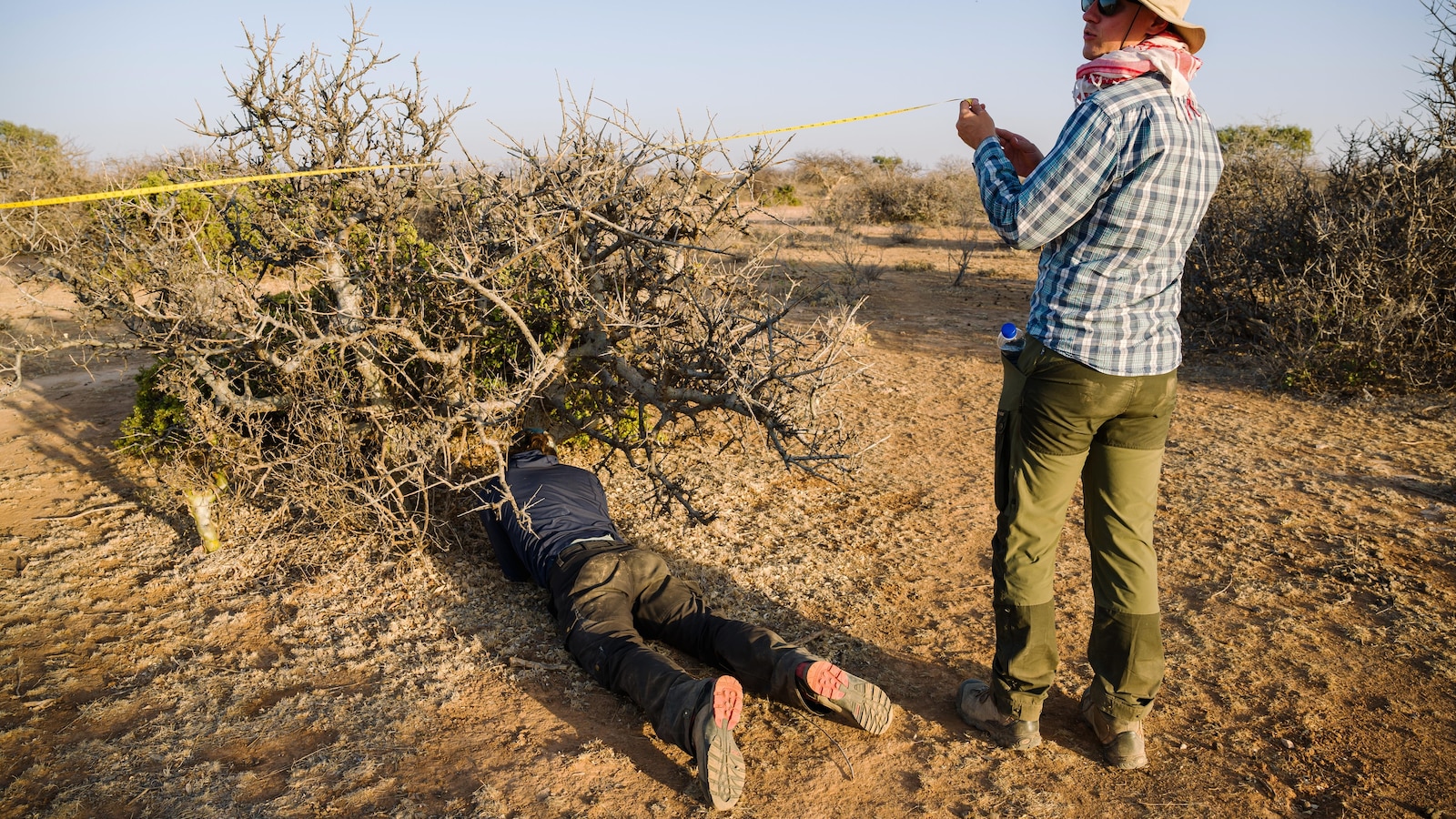
Earlier this year, researchers supported by the American Herbal Products Association visited a source of the prized resin that makes its way to global markets from some of the most vulnerable places on earth.
The goal: To ensure that those who harvest the resin get more of the direct profits instead of middlemen along the opaque supply chain.
Ethiopia is a major source of myrrh, which has been used in beauty, health and religious practices since at least ancient Egypt. Traditional harvesting in the region has not changed, which helps to protect the trees and produces the highest quality resin.
Myrrh’s hand-harvested nature raises its price, but those doing the work see little of the profit. Collecting a kilogram (2.2 pounds) of the resin brings as little as $3.50 and as much as $10.
That’s far from the prices for the perfumes it helps to create, which are marketed by well-known fashion brands like Tom Ford, Comme des Garcons and Jo Malone and sold at prices as high as $500 a bottle.
Meanwhile, curiosity about myrrh’s other potential uses is growing with increased global interest in natural remedies.
For now, most myrrh from this part of eastern Ethiopia is purchased by traders from neighboring Somalia. Ethiopia collects no taxes on the goods.
Locals hope more visibility will help them as the climate crisis threatens their ways of life.
“They expressed hope that a direct market would enable them to secure better prices, ensuring sustainable livelihoods,” said Abdinasir Abdikadir Aweys, senior researcher with the Somali Regional Pastoral and Agro-Pastoral Research Institute and a member of the research team.
The researchers were led by Anjanette DeCarlo, an expert in sustainable supply chains and resins at the University of Vermont, and Stephen Johnson, resin expert and owner of FairSource Botanicals. They found that communities practice traditional harvesting by collecting resin from trees’ naturally occurring wounds instead of by making intentional cuts, which makes trees more vulnerable to pests and disease.
“Traditional practice is in balance and protects trees. It should be celebrated,” DeCarlo said.
But the drought worried the team. The annual rains have been failing over the past several years, interrupted in 2023 by devastating flooding.
The arid region has long seen droughts, but this one has been historic. Experts have blamed the changing climate.
Myrrh harvesting is threatened. While adult trees are generally healthy, they are producing less resin. And fewer young trees are surviving.
“Unfortunately, many seedlings are uprooted by children who graze their livestock nearby, and the animals often eat the buds of the young trees,” said a local elder, Mohamed Osman Miyir, adding: “We are deeply worried about the declining population of myrrh trees.”
Without proper rain, other young trees are likely to fail. DeCarlo worried that eventually even the adult trees will die.
Villagers’ days are spent hauling water for themselves and their livestock. Herders travel over the parched, cracked earth as far as 200 kilometers to Sanqotor village, which has a rare well with water.
“Guests water animals first, then the villagers,” said local headman Ali Mohamed, watching hundreds of livestock crowd around the well.
But not everyone has livestock to survive. The poorest residents rely solely on tree resin like myrrh for their survival.
___
The Associated Press’ climate and environmental coverage receives financial support from multiple private foundations. AP is solely responsible for all content. Find AP’s standards for working with philanthropies, a list of supporters and funded coverage areas at AP.org.