

NEWYou can now listen to Fox News articles!
Walking is a great way to get the body moving and clear the mind — but if you’re doing it wrong, it may do more harm than good.
That’s according to Dr. Milica McDowell, author of the new book “Walk,” a guide to getting the most out of walking.
The Montana-based doctor of physical therapy, who specializes in lower extremity and orthopedics, shared in an interview with Fox News Digital how powerful walking can be.
WALKING STYLE COULD BE KEY TO LONGEVITY AND INJURY COMEBACKS, ACCORDING TO EXPERTS
“Walking has incredible health benefits for your wellness today and your longevity tomorrow,” she said. “And it’s something that’s at an all-time low since the pandemic.”
“Walking improves every system in your body – gut, musculoskeletal, mental health, your hormones – and so it has an incredible power to help optimize how you’re doing.”
“Walk,” co-authored by physical therapist Milica McDowell, explores how walking can improve longevity, mobility, mental well-being and overall fitness. (Amelia Anne Photography; Hachette Book Group/Alexander Ryabintsev)
McDowell added that walking is a “phenomenal way” to support a weight-loss journey, as it’s low-impact and low-intensity. It can also boost creativity and reduce stress.
JUST 5 MINUTES OF EXERCISE COULD REDUCE HIGH BLOOD PRESSURE, STUDY FINDS
While the health benefits of walking are evident, McDowell warned of some mistakes that could reverse progress.
No. 1: Walking while scrolling
Escaping our phones can sometimes feel impossible, but if there’s ever a time to be on do-not-disturb, it’s during a walk, according to McDowell.
Walking while scrolling is “really dangerous,” she cautioned, as you’re less aware of your surroundings and more susceptible to accidents.
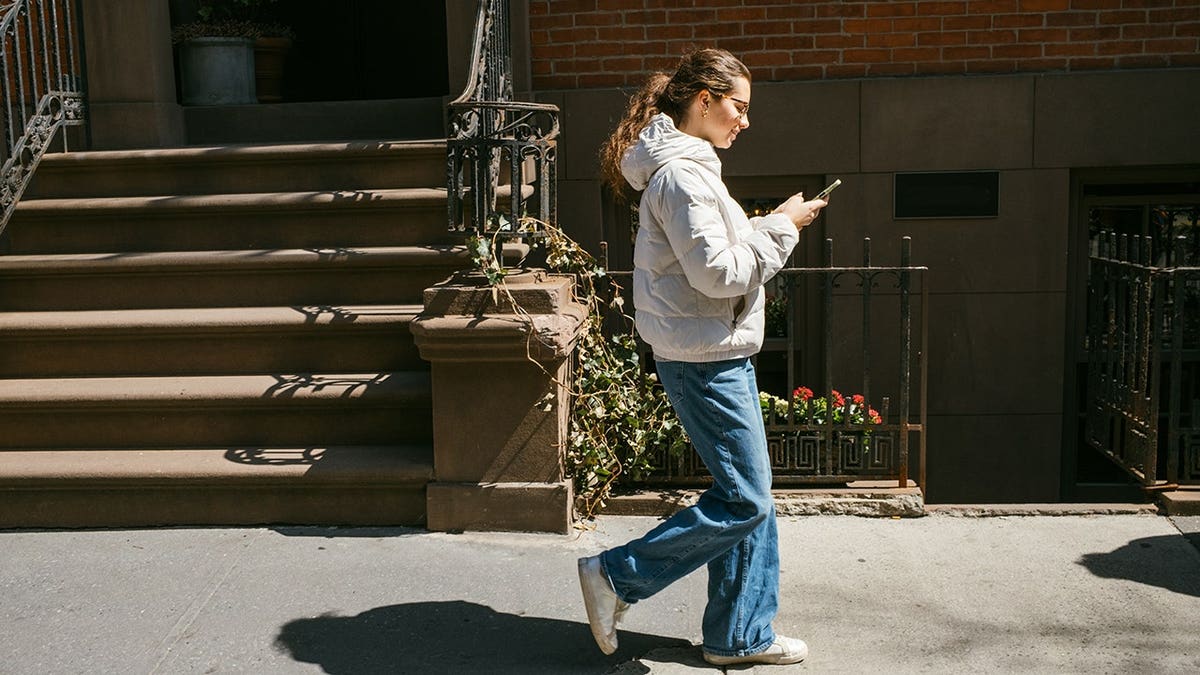
Walking while scrolling is a danger to public health, the expert says. (iStock)
“You could step in a pothole. You could get hit by a car. You could trip over something. You could bump into someone,” she said. “Walking and scrolling is actually a bit of a public health crisis.”
SIMPLE DAILY ACTIVITY COULD REDUCE RISK OF LOWER BACK PAIN, STUDY FINDS
Scrolling also puts the neck in a downward position, making the head heavier, which changes your posture “from the top down,” McDowell said. “That can be a problem if you’re someone who struggles with neck pain, back pain or shoulder pain.”
No. 2: Wearing the wrong shoes
McDowell recommends wearing a proper shoe designed specifically for walking to support the feet, promote healthy alignment and protect musculoskeletal health.
The shoe should be “shaped like a foot” so that the toes have room to spread within a wide toe box, she said.
Having space between each toe activates more muscles in the foot and creates a “more healthy walking gait,” according to the expert.
SIMPLE JAPANESE FITNESS TREND COULD ADD 7 YEARS TO LIFE EXPECTANCY, EXPERTS SAY
More than 60% of adults wear the wrong shoe size, according to McDowell, and sizing can vary significantly between brands and manufacturers. She recommends getting measured by a professional to ensure the optimal fit.
No. 3: Not balancing your routine
Walking engages important muscles that support stability and mobility, including the glutes, which help propel the body forward with each step.
But walking shouldn’t be your only form of exercise, experts say. Incorporating strength training and other forms of movement can help prevent overuse injuries, improve balance and build overall fitness.
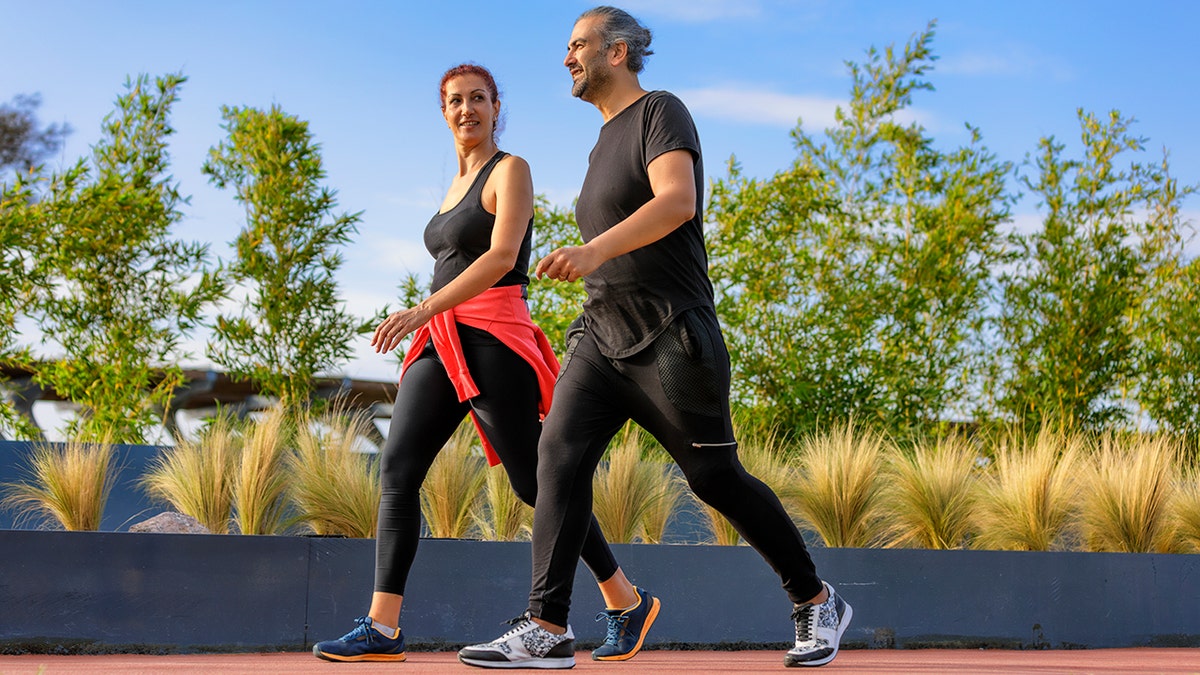
A well-rounded fitness routine will boost the health benefits of walking, the expert said. (iStock)
“A health stack includes drinking enough water, having healthy nutrition and sleeping adequately — and walking can be added to the other activities,” she said.
Pairing walking with activities like weightlifting, pickleball, dancing or CrossFit can help create a more balanced fitness routine, according to McDowell, and are all part of building a strong “health stack.”
“A health stack includes drinking [enough] water, having healthy nutrition, sleeping adequately — and walking can be added to the other activities,” she said.
No. 4: Not considering walking speed
The speed at which we walk may tell us more about our health than we think.
ALZHEIMER’S DECLINE COULD SLOW DRAMATICALLY WITH ONE SIMPLE DAILY HABIT, STUDY FINDS
Walking speed is the sixth vital sign of health, according to McDowell. These clinical measurements also include blood pressure, heart rate and body temperature.
If your walking speed begins to decline, this could be a marker of underlying health conditions up to seven years before they occur.
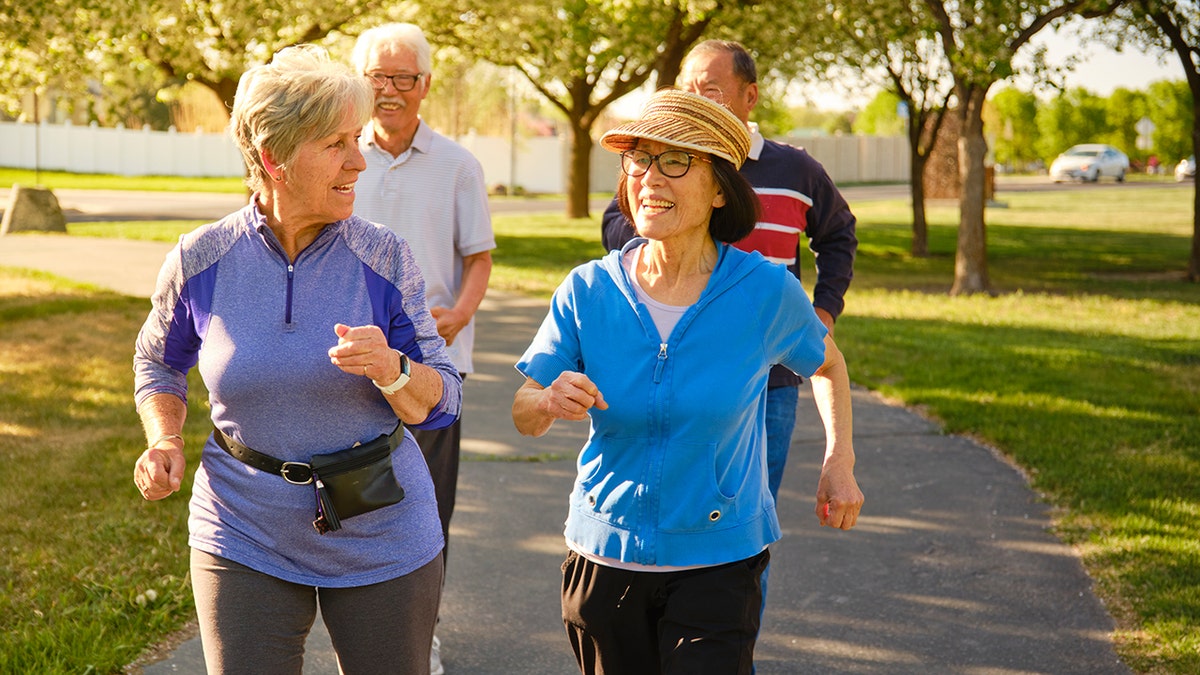
A decline in walking speed could be an early warning sign of an underlying health condition. (iStock)
While most people walk at about 90 to 100 steps per minute, translating to about three miles per hour, McDowell suggested increasing your speed to reap “higher level benefits.”
This might mean taking a brisk walk at about 120 to 130 steps per minute, or three and a half to four miles an hour.
CLICK HERE FOR MORE HEALTH STORIES
“That can be a place where you get higher level payoff, including more calories burned, if you’re on a weight-loss journey,” she said.
No. 5: Not staying consistent
McDowell emphasized the importance of staying consistent with your walking routine.
A daily walk will have bigger payoffs than only walking once or twice a week. The expert likened walking to basic hygiene, such as brushing your teeth.
CLICK HERE TO DOWNLOAD THE FOX NEWS APP
“Everyone is at different places on their walking journey,” she said. “Don’t set the 10,000 steps per day benchmark. That is a marketing myth … Go ahead and find a step count that works well for you, maybe between 5,500 and 7,500.”
Efficiency is everything
McDowell summed up that each walk should be efficient.
“If you are an efficient walker, you are graceful, you are not wasting energy, you are walking balanced no matter your height, your weight or your age,” she said.
CLICK HERE TO SIGN UP FOR OUR HEALTH NEWSLETTER
As the wellness movement has emphasized the importance of just moving, McDowell commented that walking is a “pinnacle activity” in this push.
“People are recognizing that these softer, more consistent activities can provide a lot of benefit for our physical and mental health,” she said.
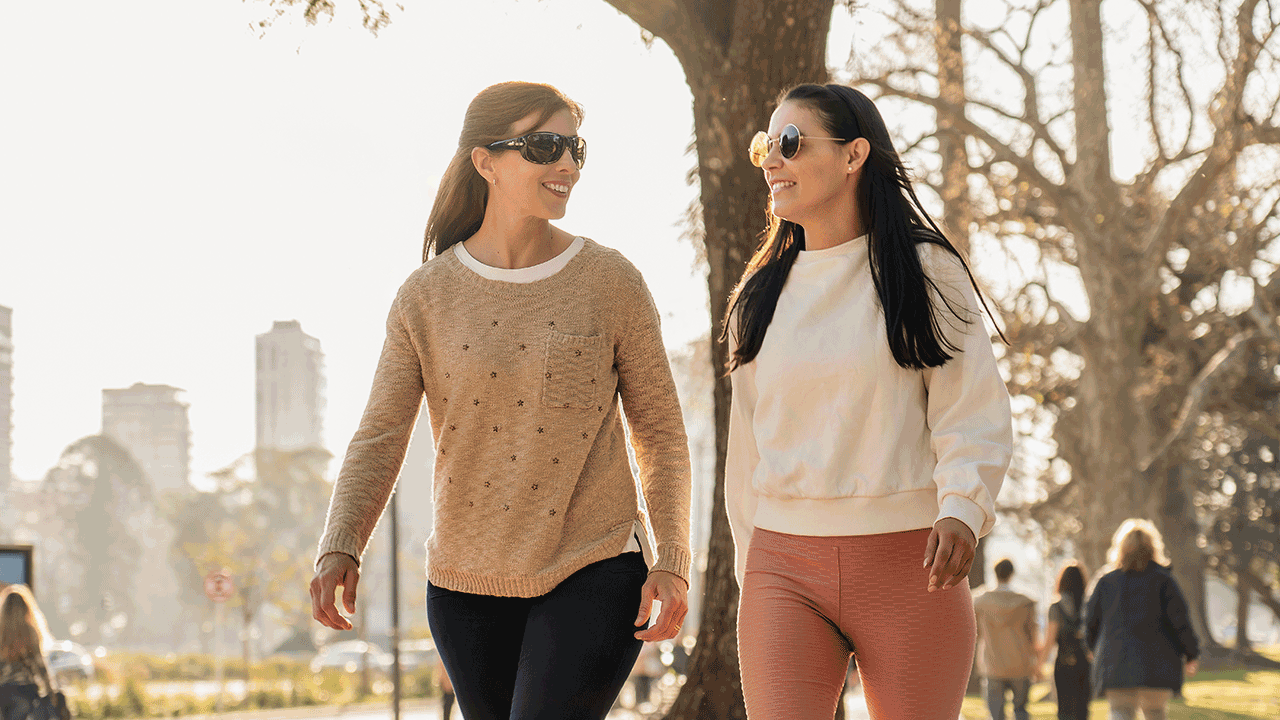
McDowell encourages walking with a friend for added social benefit. (iStock)
“You don’t have to go and crush yourself in the gym. You don’t have to be dripping sweat … It’s something you can do for periods of time throughout the day, little ‘snacks’ that all add up, or you can take longer walks depending on what time is available to you.”
TEST YOURSELF WITH OUR LATEST LIFESTYLE QUIZ
Walking can also be a positive social experience done with friends and loved ones, McDowell noted. This is particularly important for seniors who can benefit from the combined physical activity and social interaction.
“Walking with an older adult can help combat loneliness,” she said. “It can also help improve balance and reaction time, and reduce fall risk.”
