

Holidays are the time to relax, but falling victim to a scam can quickly turn a dream trip into a nightmare.
With the rise of technology such as AI making scams increasingly sophisticated, staying alert and vigilant while abroad has never been more important.
“The amount of due diligence you need to do as the consumer today to avoid being scammed is much greater than ever before,” says Alex Somervell, co-founder and CEO of Ask Silver, a free online scam checker.
But there are simple measures you can take to protect yourself from scams, starting with being aware of the common tactics used, so you can recognise the warning signs before falling into a trap.
From using globally-recognised apps for services, such as taxi rides to booking excursions through hotel receptions, here are some common money scams to watch out for abroad, along with Somervell’s tips on how to avoid them.
1. Watch out for fake websites

Somervell warns that sophisticated scammers are using tools, such as AI, to convincingly clone the websites of legitimate travel and tourism businesses, from booking platforms to airline providers.
He adds that the fake websites may invite victims to update their card details, claim to be taking a holding payment while actually charging the full amount, or simply allow the purchase of services or products that don’t exist.
“The fake websites are nearly identical, so just to the naked eye it’s impossible to tell if it’s real or not,” says Somervell. “But the tell is the web address, so always check the URL against the official site.”

Get a free fractional share worth up to £100.
Capital at risk.
Terms and conditions apply.
ADVERTISEMENT
Get a free fractional share worth up to £100.
Capital at risk.
Terms and conditions apply.
ADVERTISEMENT
If you’re still unsure, try free online scam checker tools like Ask Silver. You can upload a picture of the website to see if it’s safe in seconds.
2. Research tour providers

Holidaymakers can fall victim to fraudulent tour agencies offering non-existent services.
Somervell recommends researching any company online, using sites like TripAdvisor or TrustPilot, before purchase and avoiding those with few online reviews.
“But you also have to take that with a pinch of salt as we see a lot of fake reviews as well,” he adds. “So, wherever possible, I will go on the recommendation of friends.”
Travellers should also consider booking a tour in person at hotel desks or tourist offices, and verifying that the local government licenses the providers.
3. Be prudent about ATMs
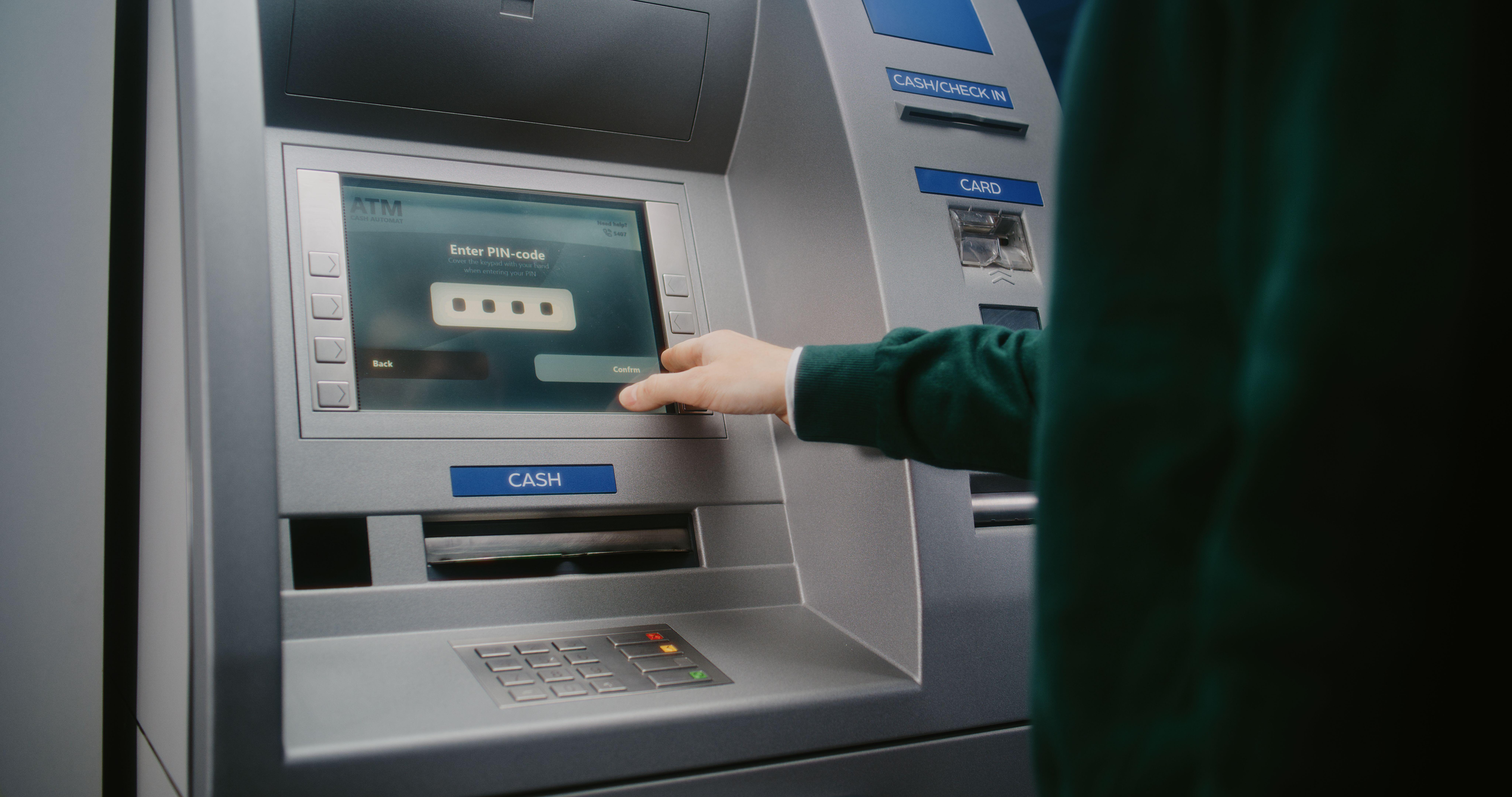
For greater protection against ATM skimming – the criminal practice of attaching hidden devices to cash machines to steal card numbers and PINs – Somervell recommends only using ATMs inside bank branches.
He explains: “If you use one on the street, there’s a chance it might not be legitimate, or it might have been tampered with.”
Somervell also suggests withdrawing local currency before travelling and using physical cash while abroad to cut down on ATM trips.
Meanwhile, credit cards are another option for transactions on holiday because they offer greater financial protections, but check with your bank about any foreign currency exchange or withdrawal fees to avoid unnecessary cost.
Finally, Somervell always recommends calling the number on the back of your bank card if you receive any communication from your bank while abroad or at home to check if it’s genuine. That’s because of spoofing, a technique used by scammers to make a malicious message appear as though it’s come from a trusted source.
4. Use international taxi apps
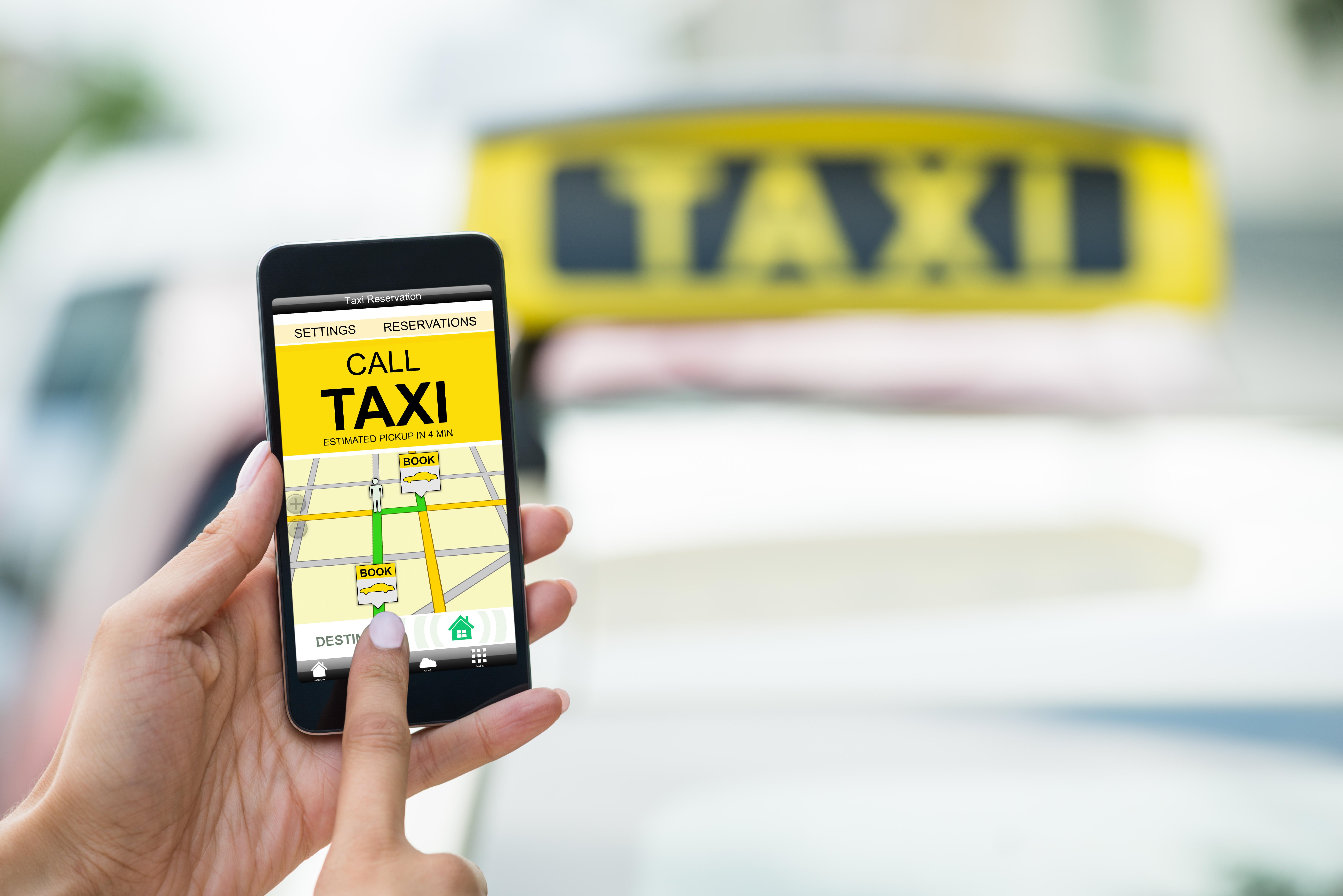
To get fair prices on car travel, use global ride-hailing apps like Uber, Bolt and Lyft because some street-hail taxis have reports of long routes, high fees and rigged metres.
“I’ve had friends that have realised that the route their driver took was a very inefficient one and a four-minute journey instead took 20 minutes,” says Somervell. “On apps like Uber your route is tracked and if you’ve been overcharged, you can complain and show the proof, whereas potentially with a local taxi firm you won’t have that recourse.”
Plus, with taxi apps, the price is quoted and agreed upon before starting the journey, so there are no unexpected or hidden charges.
5. Remain vigilant at markets

Shopping at markets can be a culturally enriching experience, but visitors should stay alert to scams.
These include vendors overcharging after a price has been agreed, offering incorrect change, or using rigged scales to shortchange customers on weight.
To prevent disputes over an agreed sum, Somervell recommends bringing a companion along as a witness who can vouch for the transaction if needed.
It’s also worth agreeing the price and any details clearly before handing over cash and checking change carefully on the spot.
As with any tourist-heavy area, it’s sensible to keep valuables concealed and be aware of your surroundings.
