

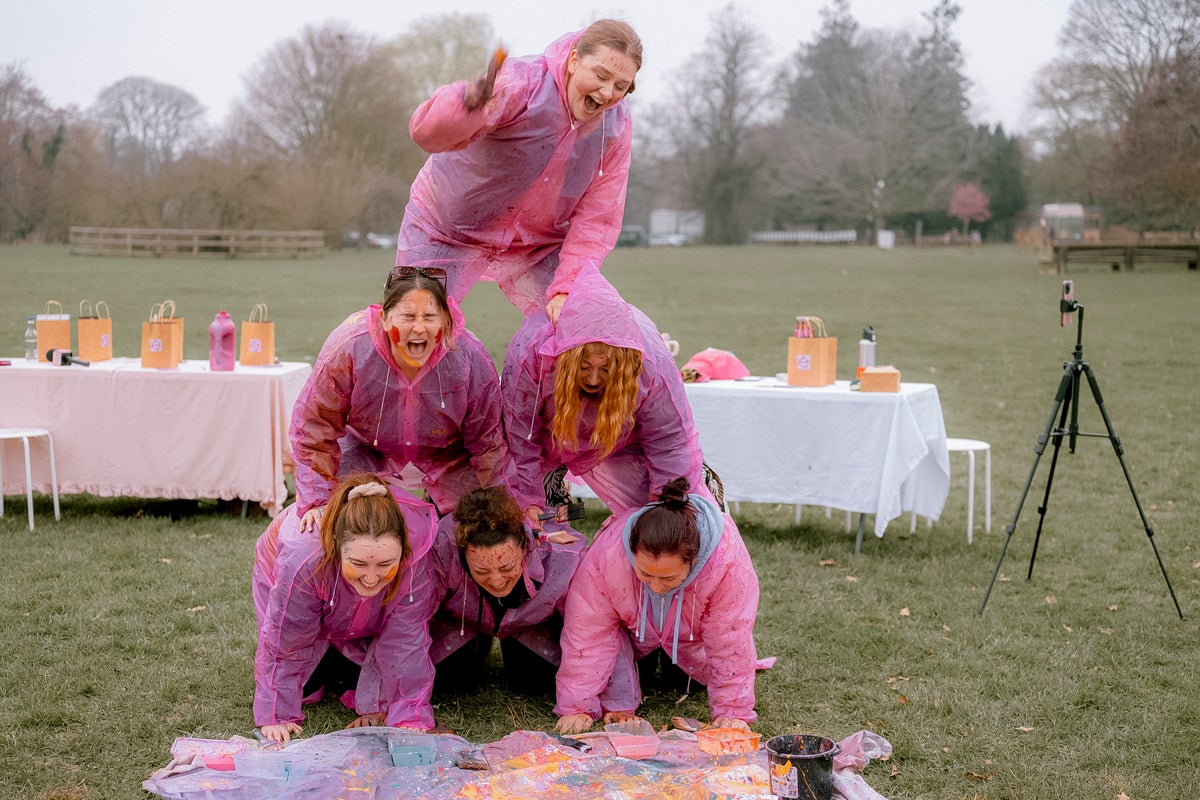

Experiences are taking priority over discretionary spending on physical belongings in households’ budgets, research indicates.
Nine in 10 (88%) people surveyed across the UK would be inclined to redirect spending that might otherwise go on buying discretionary items towards lived experiences, according to the survey for Mastercard.
About seven in 10 (71%) said that lived experiences are more important to them than ever.
Ahead of the summer holidays, Mastercard’s study, created with Trend Hunter, found two thirds (65%) of people are prioritising in-person experiences this year to balance out time spent online.
A similar proportion (62%) are planning to attend events where the use of smartphones and other connected technology is discouraged or prohibited.
The research also found that travel and tourism is the top choice for people planning to spend on experiences this summer, followed by food-related experiences, live events, films, heritage experiences and theatre performances.
Art exhibitions, wellness and health, family experiences and outdoor pursuits were also popular.
Mastercard’s research included a survey of 2,000 people across the UK carried out by 3Gem in April, alongside surveys in other countries.
According to spending data from the Mastercard Economics Institute, UK consumers’ share of spending on experiences, excluding travel, grew to 23.3% last year, from 22.3% in 2024.
Natalia Lechmanova, chief economist, Europe, at the Mastercard Economics Institute, said: “We’re witnessing a significant shift across Europe as consumers reshape their priorities and the balance of their leisure time.

Get a free fractional share worth up to £100.
Capital at risk.
Terms and conditions apply.
ADVERTISEMENT
Get a free fractional share worth up to £100.
Capital at risk.
Terms and conditions apply.
ADVERTISEMENT
“Our findings point to something deeper than changing habits. As the pull of the digital world intensifies, they reflect a growing appetite for quality over quantity experiences, anchored in human connection.
“Whether it’s live events, cultural pursuits or activities discovered through a personal recommendation, people are leaning into moments that bring them together and leave a lasting impression.”
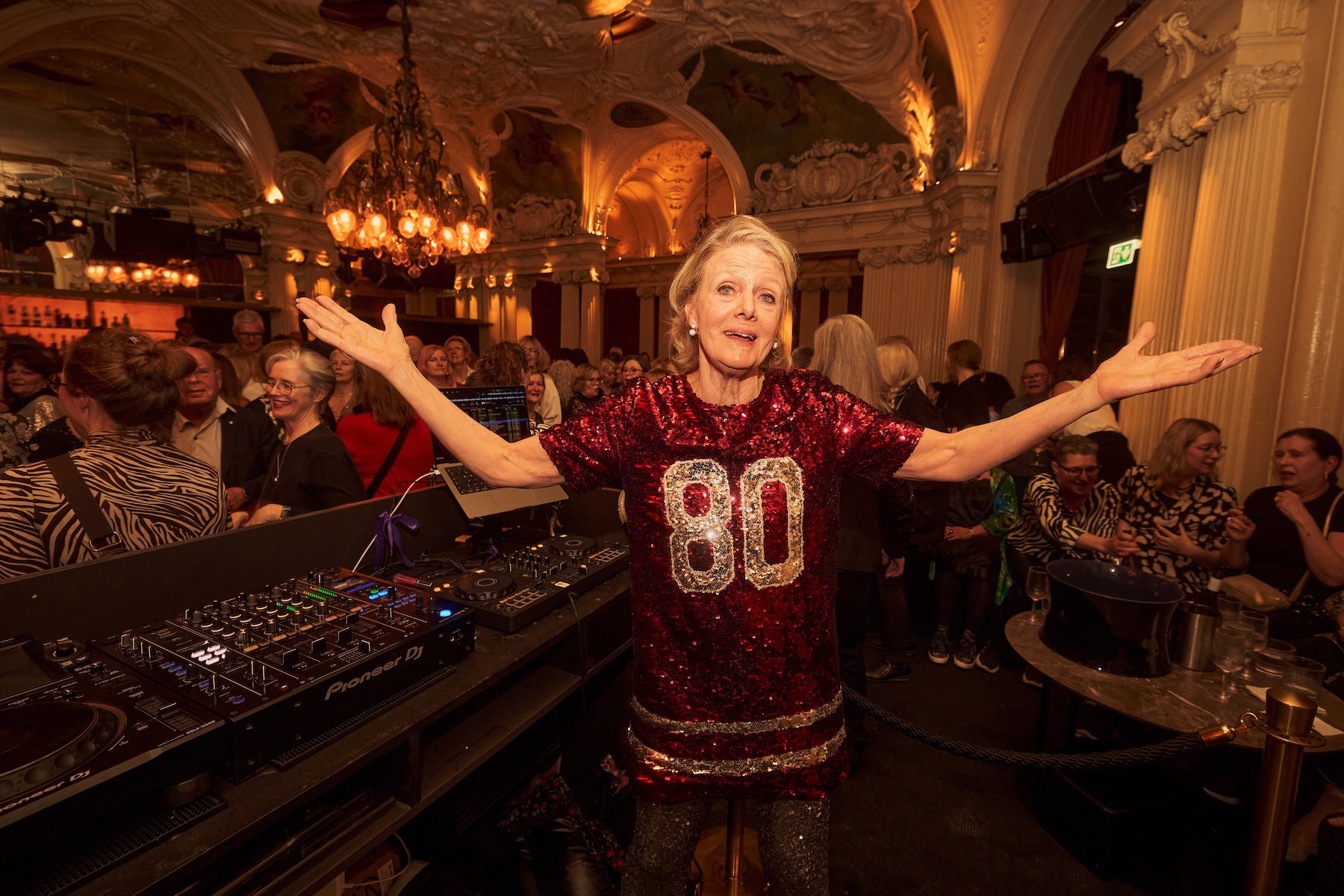
Courtney Scharf, from Trend Hunter said: “Consumers are adopting automation for the efficiency it brings to work and everyday life, while increasingly balancing this out by spending their leisure time in ways that feel distinctly human.
“The more pervasive AI (artificial intelligence) becomes and the more of our lives we spend online, the more valuable those personal experiences are.”
Mastercard’s Experience Economy Report highlighted six “key” trends for the experience economy in 2026:
- “Analogue escapism” with people choosing “unplugged” experiences such as vinyl listening bars or events focused on still photography.
- Communities connecting through shared passions, such as events that fuse rave culture with wellness.
- People gathering to tackle the challenges of modern life together, such as parents learning how to style children’s hair.
- Quality time spent on sharing experiences with friends, rather than a quick “catch up”.
- Nostalgic experiences such as concerts capturing the “good old days,” including people who may not have experienced the band the first time around.
- The search for independence and authenticity, for example through buying second-hand clothes and holidaying in less well-known destinations.
The report said: “When Oasis toured in 2025, fans brought back the haircuts, the parkas, the old friendship groups, and took them to the gigs.”
Half (50%) of people surveyed in the UK said they are seeking more nostalgia-based experiences this year, with 71% expecting to participate in an experience that revives past cultural moments.
More than half of consumers (53%) also said they will consciously look to book activities through SMEs (small and medium-sized enterprises).