


In 2026, big tech has taken up investing headlines with SpaceX joining the list of public companies and AI firms OpenAI and Anthropic likely to follow suit – but you don’t have to look at the latest cutting edge technology to find well-known companies taking theat step.
Online retail platform Shein could be valued at up to £19.8 billion ($27 billion) when it makes its long-awaited stock market debut in Hong Kong, expected to take place on 1 September.
The fast fashion retailer is offering almost 280 million Class B shares at between HK$47.60 (£4.45) and HK$49.50 (£4.63) each, according to a filing with the Hong Kong Stock Exchange published on 24 August.
But with Shein now valued at a fraction of its peak, are its shares worth buying?
Shein valuation soared – but so too did criticisms
Shein is a huge online fashion retailer, best known for its ultra-cheap clothes, shoes and homeware. Founded by Chris Xu in China in 2008, it is now headquartered in Singapore and sells to customers in about 160 countries.
The Covid pandemic gave online shopping a huge boost, and Shein was a natural winner thanks to its rock-bottom prices. Its valuation soared to around $100bn in 2022 as it rapidly disrupted the fashion industry and expanded worldwide.
Its business model relies on data and speed. Shein tests new designs in small batches and produces more only when they sell well, allowing it to respond quickly to trends while limiting unsold stock.
However, it has faced criticism over fast fashion’s environmental impact, alleged poor working conditions and accusations of copying independent designers’ work.
Why is Shein going public in Hong Kong?
Shein is one of the longest-awaited IPOs in recent years, after plans to list in New York in 2024 were derailed by regulatory concerns over alleged forced labour in Shein’s supply chain.

Get a free fractional share worth up to £100.
Capital at risk.
Terms and conditions apply.
ADVERTISEMENT
Get a free fractional share worth up to £100.
Capital at risk.
Terms and conditions apply.
ADVERTISEMENT
The company then turned its attention to London, reportedly considering a £50bn listing, but it faced similar concerns from campaigners, MPs and investors over its supply chain. China also didn’t give regulatory clearance for a UK IPO, so Shein was forced to reconsider its options.
Dan Coatsworth, head of markets at AJ Bell, says: “Reports suggest it will be valued at a fraction of its glory days as the business contends with a series of headwinds. At its peak, Shein was thought to be worth $100 billion – now it might only be worth $25 billion.”
The final offer price is due to be announced by 11pm on 31 August, with trading expected to start the following day.
Why has Shein’s valuation fallen?
Shein’s fortunes have changed since its valuation peaked in 2022. Online shopping growth slowed after the pandemic as consumers returned to normal spending habits.
Tariffs and the removal of low-value import exemptions in the US and Europe have also increased costs, forcing Shein to raise prices and weakening its biggest selling point.
Competition from rivals such as Temu has added further pressure.
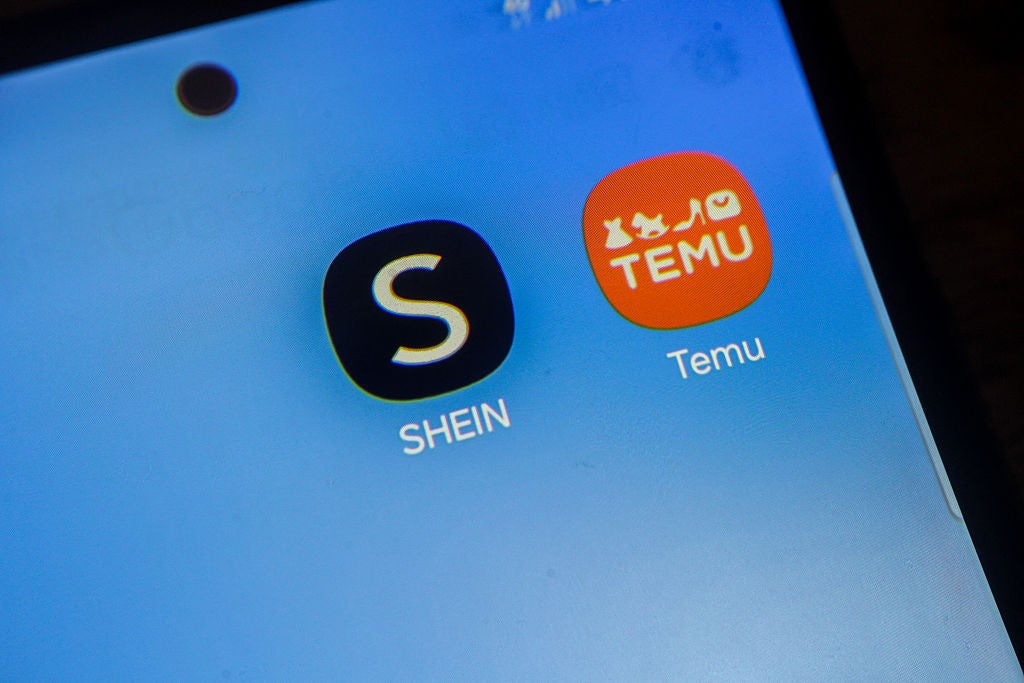
Meanwhile, younger shoppers are becoming more conscious of fast fashion’s environmental impact, with second-hand platforms such as Vinted growing in popularity.
Shein is therefore facing tougher competition, changing consumer tastes and rising costs as it tries to reignite growth.
Why might investors consider Shein?
Despite the risks, Shein still has some strengths that could appeal to investors.
The company says it can restock popular products in as little as five days. It works with more than 7,500 contract manufacturers worldwide, alongside thousands of merchants, designers and suppliers. It has also expanded beyond its own products, launching a marketplace for other brands in 2023.
“It had 281m active customers as of 31 March 2026. A successful expansion across the US and Europe has created the blueprint to explore other territories”, says Coatsworth, “Shein could also broaden its product categories to do more than just clothing. Work is already underway, suggesting Shein could eventually become a global discount retailer.”
For investors willing to take on the risks, its much lower valuation could offer an opportunity if the company can return to stronger growth.
What are the risks with investing in Shein?
Shein generated $41.85bn (£30.69bn) of revenue in 2025, up 8 per cent on the previous year. However, net profit fell from $3.4bn in 2024 to about $2.1bn.
The picture became more difficult in the first quarter of 2026, when Shein reported a $99m net loss, compared with a $395m profit a year earlier.
Potential investors should understand that there is no guarantee the company will return to its previous growth rates.
Susannah Streeter, chief investment strategist at Wealth Club, said: “Shein may still be one of the biggest names on the fast-fashion catwalk, but the IPO is going to be a harder sell, with plenty of investors questioning whether its low-cost formula still has the star power to deliver the growth they’re looking for.”
How can UK investors buy Shein shares?
UK investors who fancy a punt on Shein will need a trading or investment platform that offers access to Hong Kong listed shares.
Platforms that provide this include Saxo, interactive investor and IG. Some platforms may require a minimum investment amount.
You might incur foreign exchange fees on top of normal trading charges, and there is 0.1 per cent Hong Kong stamp duty each time you buy and sell.
Shein is not expected to offer UK investors a way to apply for shares before the IPO, so you will probably have to wait until trading begins on 1 September to buy shares on the open market – but as with all investments, you should be certain in your reasoning and be clear as to your risk tolerance before doing so.
When investing, your capital is at risk and you may get back less than invested. Past performance doesn’t guarantee future results.

