


Purchasing your first home is an exciting milestone, but getting started with the mortgage process can feel overwhelming.
Ryan Etchells, chief commercial officer at specialist mortgage lender and financial provider Together, recognises that many people find the word “mortgage” itself intimidating.
“Mortgage comes from the French word of death – mort (dead) and gage (pledge) – which doesn’t sound great, so it can seem like quite a scary thing,” Etchells says.
But, he stresses, a mortgage is simply a loan. “It’s the same as taking out a loan to buy a watch or a car. It’s a loan you take out to help you buy a house,” he says.
In order to help first-time buyers approach the process with confidence, Etchells has outlined some key things to know when applying for a mortgage and taking the first step towards securing your first home.
Do your research and decide on an area
Do your research and make a decision on where you want to move to.
“Be confident that you know where you want to live, what type of house you want to live in, and what you want to get out of that before you even start thinking about the mortgage process,” advises Etchells.
He advises first-time buyers to think about the emotional side before getting sidetracked by all the admin.
“Many people talk about a mortgage like a transaction or a rite of passage, but you need to remember that it’s actually the place you are going to spend the majority of your life, so make sure you buy the house you actually want,” says Etchells. “In my opinion, this is the most important part of the process.”
Engage with financial services
“Don’t be afraid about engaging with financial services because over the years it has become a much easier and less-intrusive process, so that’s not something you should be scared about,” says Etchells. “They are here to help.”

Get a free fractional share worth up to £100.
Capital at risk.
Terms and conditions apply.
ADVERTISEMENT
Get a free fractional share worth up to £100.
Capital at risk.
Terms and conditions apply.
ADVERTISEMENT
Think about what type of mortgage might work best for you
“A fixed-rate mortgage is a mortgage for a certain period of time where the payment is going to be the same from one month to the next. Whereas, with a variable-rate mortgage, the rate will move from time-to-time,” explains Etchells.
There’s pros and cons to both.
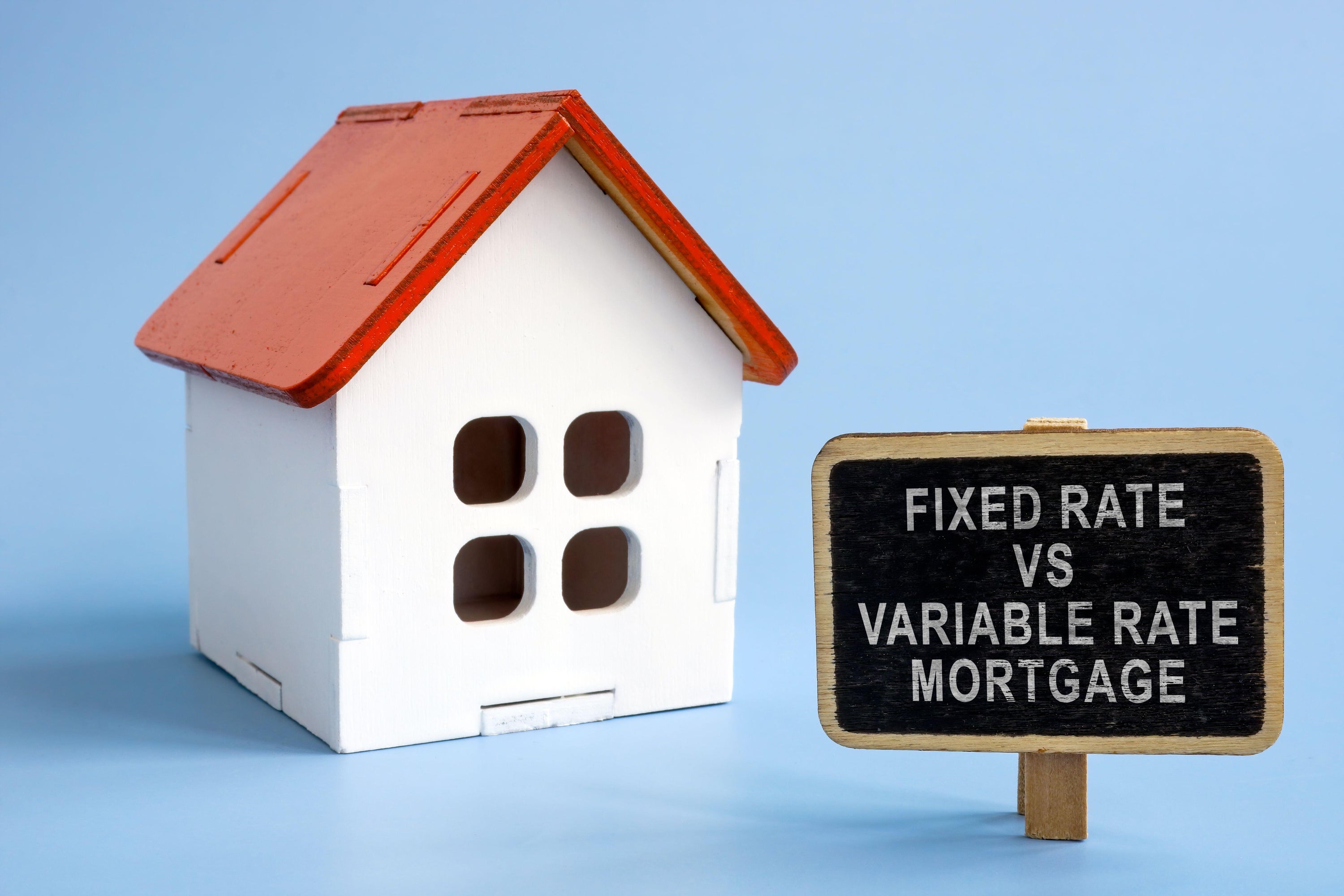
“With a fixed-rate mortgage, the benefit is that you know from one month to the next what your payment is going to be. The drawback is that in order to get that certainty, if you leave that mortgage early then it will cost you an early redemption charge,” says Etchells.
“With variable-rate mortgage, you don’t get the benefit of having that certainty of payment every month, but it’s more flexible if you want to move or change property.”
Etchells recommends seeking professional advice to see which one might suit your circumstances better.
Understand the difference between a freehold and a leasehold property
Freehold means to own a property, including the land it’s built on, with no fixed time limit. However, a leasehold means to own a property for a fixed amount of time, leasing it from a landlord who owns the whole building or land it’s built on, according to MoneyHelper.
“You need to be aware that leasehold will come with a ground rent and potentially service charges. So, make sure that you understand what these fees will look like in the short, medium, and long term,” advises Etchells.
Overestimate all the additional costs
Buying a home requires extra money beyond just your deposit.
“One of the typical pitfalls I see with first-time buyers is that they work out all the numbers in a really sunny-side up way, then set their heart on a property and then realise they haven’t got the funds that they need in order to be able to get it,” says Etchells.

This is because the tendency to underestimate the cost of all the additional fees, such as arrangement fees, valuation fees, legal costs, broker fees, surveys, and stamp duty land tax etc, he explains.
“Understand what all the different parts of the transaction process are going to be, and then try to overcompensate for all of these in your budget to avoid disappointment,” says Etchells.
“For example, if you think that a solicitor is going to cost £500, budget for £800. If you think stamp duty is going to be £2,500, budget for £3,000.”
Check your credit reports and history
“From a lender’s perspective, there’s two main things that you want to know: is the customer going to pay the mortgage payments, and will I get my money back if anything goes wrong?” says Etchells.
To make this decision lenders will look at your past behaviour with money to see if you pay bills on time.
“The best indicator of this a credit score,” says Etchells. “If you’ve got a credit card that you pay back in full and on time every month, this gives lenders confidence that you will pay going forward.”

