


It’s likely that you will have heard the phrase “energy price cap change” on the radio or while watching the news recently, but what does this actually mean for your wallet?
From July 1, Ofgem’s energy price cap will increase by 13%, and gas costs are expected to rise by 24%, while electricity bills will increase by 5%.
New research suggests that this is already causing financial concern for many households across the UK.
A survey of 2,000 UK adults conducted for the End Fuel Poverty Coalition found that a third of respondents reported that they are either already in debt to their energy supplier or are worried about falling behind on payments ahead of the July price cap increase.
The concern was even greater among certain groups, with the figure rising to 45% of parents with a child under 18 and 35% of disabled people.
To help cut through all the noise and offer some clarity of what this change will mean for you, we spoke to some experts who explained what the energy price cap is, why it’s going up and also sharing some tips on how to prepare for it.
What is the energy cap?
“A lot of people are confused by the term ‘energy price cap’ and I think the important thing to understand is that the energy price cap isn’t a cap on what you pay, it’s a cap on what suppliers can charge per unit of energy – so that is what’s going up,” explains Mark Sait, CEO of SaveMoneyCutCarbon.
“Households will start to feel the impact of this more when we move out of summer and into the winter period when we will be using things like lights and heating much more.”
What is driving the change?

Get a free fractional share worth up to £100.
Capital at risk.
Terms and conditions apply.
ADVERTISEMENT
Get a free fractional share worth up to £100.
Capital at risk.
Terms and conditions apply.
ADVERTISEMENT
Ofgem reviews the cap quarterly and stated that this new increase that comes into effect from July is a result of higher wholesale gas prices, caused by the ongoing conflict in the Middle East.
“If you look at it from a supply and demand perspective, the world is using more and more energy, and if that energy supply gets throttled back, or there’s risks of it not being able to be transmitted or generated, that drives the prices up,” says Sait.
“Geopolitical shocks seem to be becoming more and more frequent around the world – whether that be climate change, weather, war – and I fear this won’t be the last time we’re going to see these kind of ups and downs. Ultimately, the trend overtime is going to be up, because more and more energy is needed around the world.
“When there’s a bit of a shock in the market, if you can get ahead of the curve slightly before the changes comes in, that can make all the difference.”
What should we do now?
Consider switching to a fixed deal
“This energy price cap will hit people that are on a standard or variable tariff that fluctuates every month, because if you’re on a fixed tariff you have already fixed your energy prices for the length of your contract so won’t be affected,” says Abigail Foster, a personal finance expert at Compare the Market.
“Therefore, it’s important to check to see if you’re on the right tariff, because you might find that being on a fixed deal would be better for you.”
Shop around
“Using sites like Compare the Market is a brilliant way to compare energy deals where you live,” says Foster. “Go for the energy provider with the best deal, not just the one that you’ve stuck with for years, because you might be overpaying your energy bills if you are on a standard or variable tariff that just rolls over.
“If you are keen to leave your current provider, check to see if you will have to pay any exit fees.”
Turn off appliances
“Turning your appliances off at the plug when they aren’t in use could save you money in electricity,” says Foster. “Also, in the summer months make sure you turn off heating when you can and things like heated towel rails and lights when you don’t need them.”
Turn down your thermostat
“Lowering the temperature on your heating by 1°C could have a real impact on your energy bills over the course of a year,” says Foster.
Send regular meter readings to your supplier
“Avoid estimated bills,” advises Foster. “If you don’t have a smart meter, send regular meter readings to your supplier. That way, your direct debit will be set at the right amount and you’ll pay for what you use.”
See if your energy supplier offers discounted electricity
“Some energy suppliers offer free or discounted electricity at certain [off-peak or surplus] times which could help to reduce your bill without cutting back on usage,” says Foster.
Think about how to make your home more energy efficient
“It’s important to make your home as energy efficient as you possibly can,” says Sait. “Energy volatility has become a fact of life, so that the question is how exposed do you choose to be to that?
“Think about some basic things you can change at home, such as making sure your home is well insulated and upgrade any old light bulbs to LED lighting.
“You can get two households on exactly the same tariff, regardless of the cap, and will see completely different bills just because of energy efficiency differences between the two houses.”
Adjust your boiler flow settings
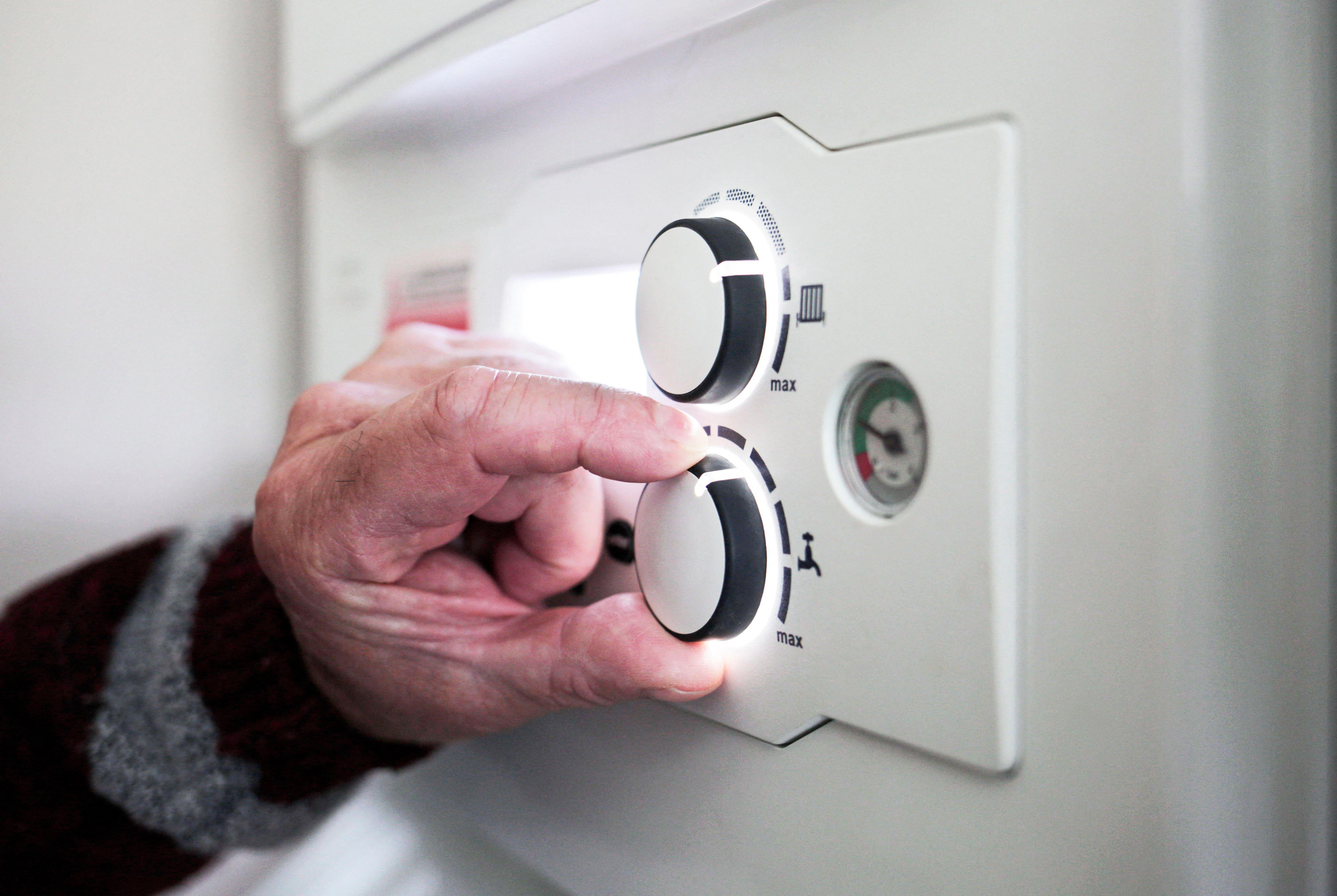
“If you have a combi boiler, reducing the flow temperature to 60°C or below could lower your bills,” recommends Foster.
Use an air fryer instead of an oven
“Air fryers are compact so don’t take as long to heat up as ovens which means cooking times are considerably reduced,” says Foster.
Check your eligibility for support
“Make sure that you are getting everything that you’re eligible for,” says Foster. “You might be someone that is eligible for The Warm Homes Discount scheme, for example.
“There are lots of household support funds out there through local councils and hardship funds through different energy providers, so if you are in a situation where you cannot financially afford your utility bills, see what support you might be eligible for.”
Sait agrees and adds: “A lot of the support sits within the local authorities, so have a look to see what grants your local council might be offering and contact independent organisations like Citizen Advice for advice.”