

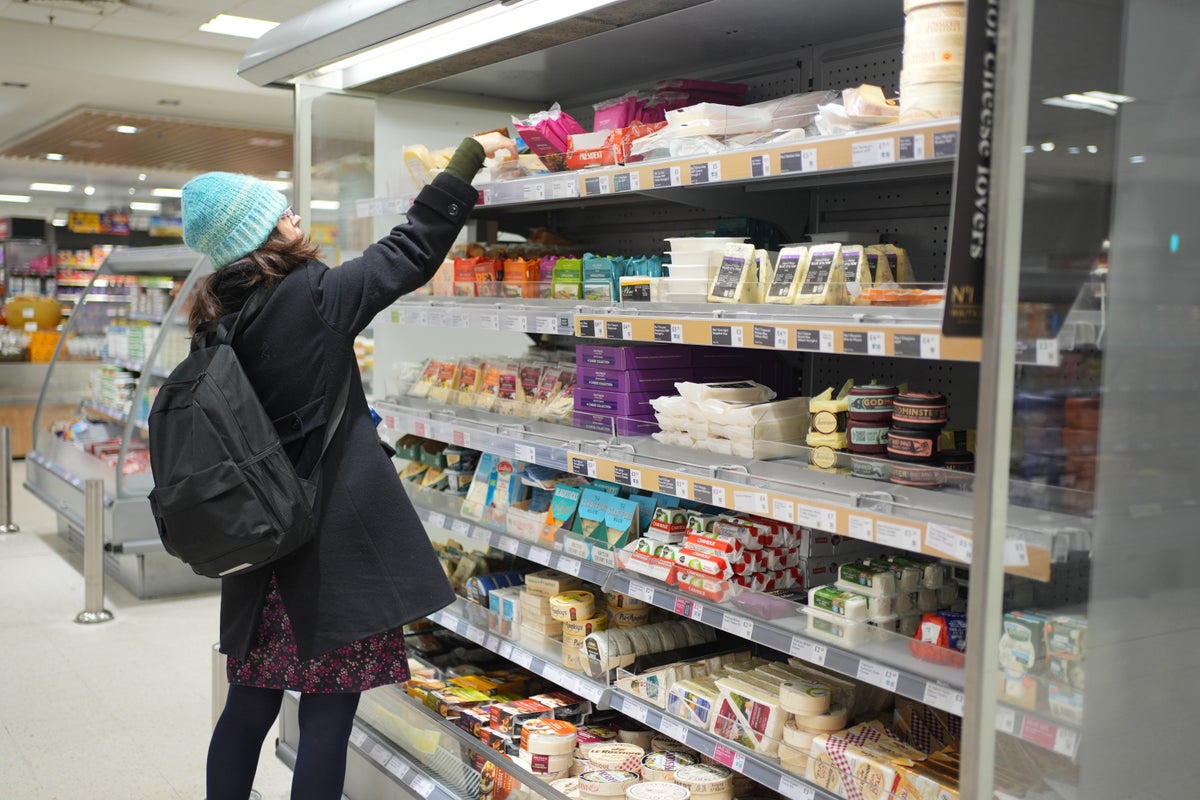
The UK inflation rate rose to 3.1 per cent in the year to August, pushed up by “soaring” petrol and diesel prices.
The latest CPI figures were released on Wednesday morning by the Office for National Statistics (ONS).
Inflation hit 2.9 per cent in July, which was its highest level in four months, after the price of energy was pushed up by the conflict in the Middle East.
Core CPI, which strips out the volatile elements of the full calculation such as energy, food, alcohol and tobacco, rose by 2.6 per cent, the same as the previous month’s reading, highlighting that energy had played a significant part in the wider figures.
Outside of transport, housing and household services made the next biggest contribution to the latest inflation data, while clothing provided the biggest downward push.
Inflation measures the increase in the price of goods over time. The Bank of England has set a target of keeping the rate at 2 per cent.
The ONS said that the cost of transport, “particularly motor fuels”, made the largest upward contribution to the higher inflation rate.
“Sharp price rises for petrol and diesel pushed inflation up again in August,” ONS chief economist Grant Fitzner said.
“Higher airfares, particularly for long-haul journeys, also contributed to the increase.”

Get a free fractional share worth up to £100.
Capital at risk.
Terms and conditions apply.
ADVERTISEMENT
Get a free fractional share worth up to £100.
Capital at risk.
Terms and conditions apply.
ADVERTISEMENT
Prices in the transport division rose by 4.6 per cent in the 12 months to August, the ONS said.
“The average price of petrol rose by 9.1 pence per litre between July and August 2026, compared with a rise of 0.3 pence per litre between July and August 2025.”
On Tuesday, the RAC said that the cost of filling a family car with fuel had risen by almost £5 since the start of September.
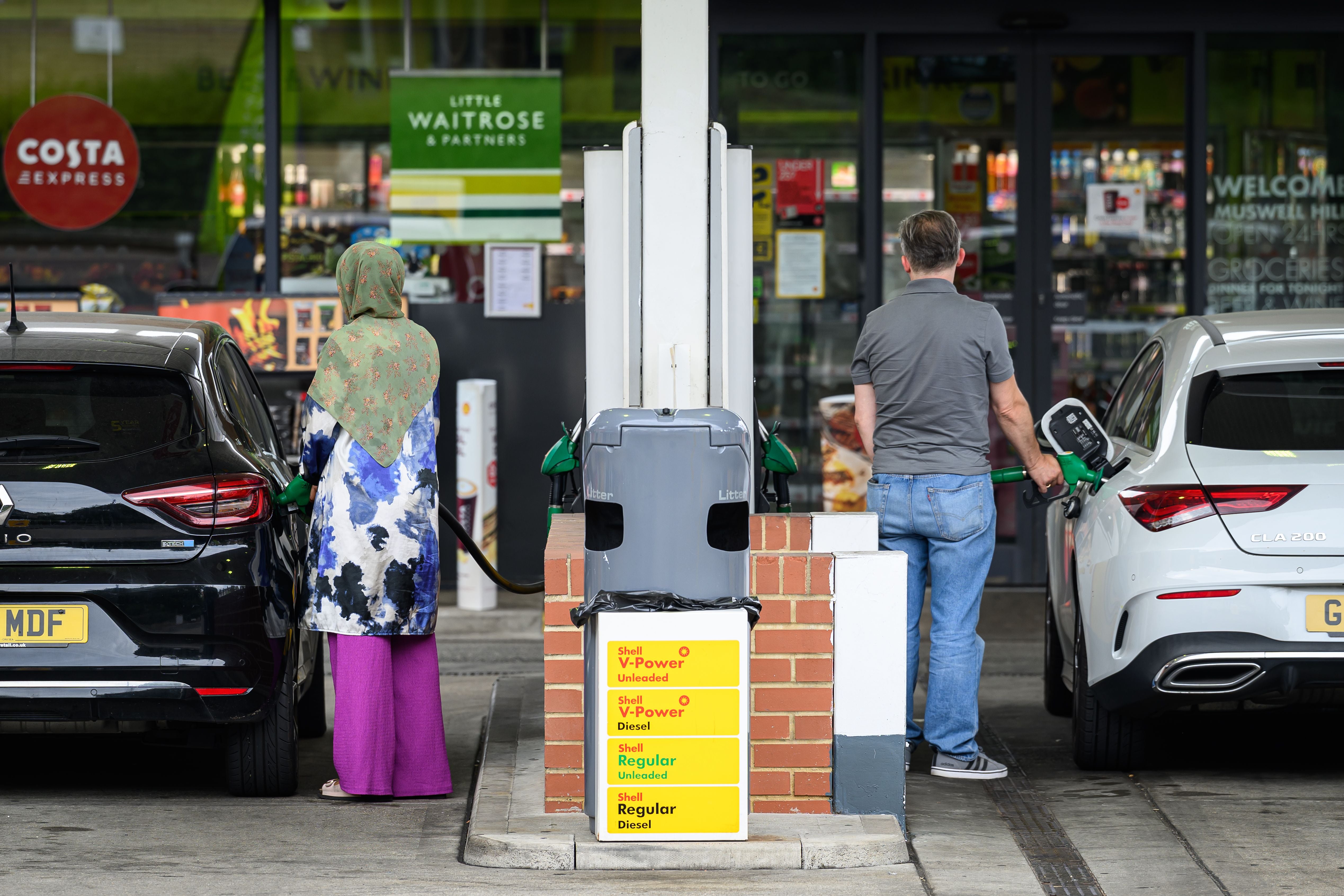
Average UK forecourt prices reached 170.54p a litre for petrol on Tuesday, while diesel climbed to 192.86p, the motoring services company said.
Diesel is now at its highest price since 29 July 2022, with petrol reaching levels not seen since 23 August 2022.
Food and non-alcoholic drinks costs made the smallest contribution to inflation since September 2021, the ONS said.
The Food and Drink Federation’s chief economist, Dr Liliana Danila, said: “Inflation was steady in August because the entire food system, including manufacturers, is straining to find further efficiencies and keep costs as low as possible for shoppers. However, the cost pressures caused by war in Iran, droughts across the UK and Europe, and El Niño are still very real challenges for food and drink manufacturers. We expect these to filter through into prices in shops.
“Government can help tackle rising shopping bills. We’ve given the Chancellor suggestions on how he can help take the heat out of food inflation, including providing rapid and targeted energy support for food and drink manufacturers. Food and drink is an essential that households can’t go without. If the government is serious about tackling the cost-of-living, this sector needs to be a priority.”
With costs on the increase, savers have again been urged to make sure they shop for the best savings rates around on their money, with the warning that inflation erodes the value of their cash, allowing them to buy less with the same amount over time.
“Savers may have been enjoying more competitive savings rates of late, but the benefit only applies to those who actively shop around for the best deals. Anyone whose money is sat languishing in an account with an ultra-low rate is losing real value every month,” said Alice Haine, head of personal finance at Hargreaves Lansdown.
The Bank of England will meet on Thursday to decide whether to change its interest rate, which it uses to control inflation. The rate currently sits at 3.75 per cent.
Scott Gardner, an investment strategist at J.P. Morgan Personal Investing, said that the increase in inflation was “unlikely to convince the Bank of England to hike interest rates just yet”.
However, “it could raise fresh concerns about the outlook for inflation among policymakers”, he said.
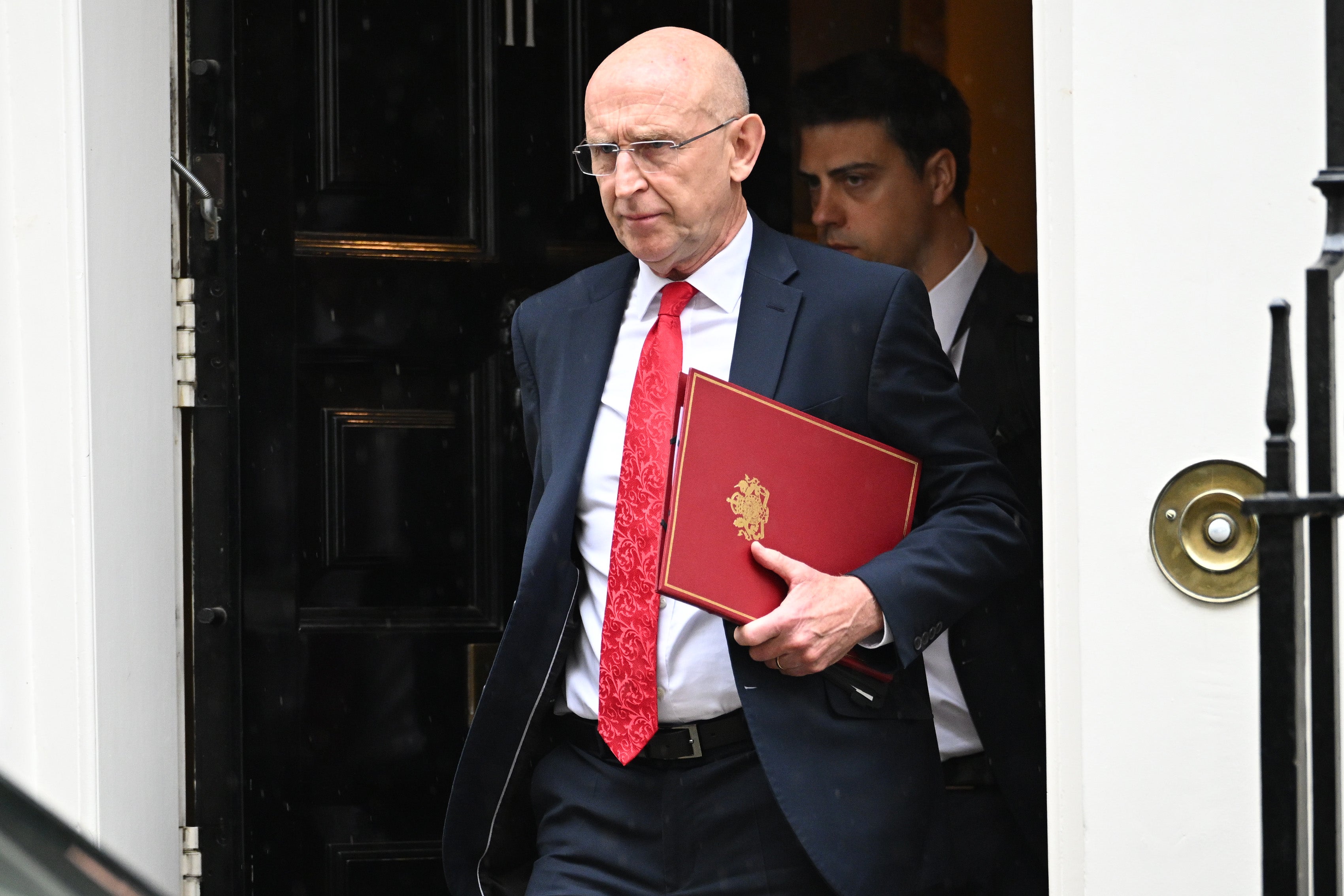
Chancellor John Healey said: “The war in the Middle East is impacting on inflation worldwide, not just here at home.
“In our bills, our weekly shop and at the petrol pumps.
“We have taken early action to help families and businesses breathing space, by cutting tax on electricity bills, capping bus fares at £2 and lowering rates for pubs, social clubs and live music venues.
“Despite this serious global uncertainty, our UK economy is proving resilient, and our determination to deliver and growth in every postcode continues.”
Subscribe here to get the latest updates from The Independent. Additional reporting by PA.

