

The warm weather may bring insects out in their droves – but gardeners still need to be choosing plants for pollinators in their gardens to boost numbers, says the RHS.
“The general consensus is that there is a decline of pollinators,” says RHS entomologist and plant health scientist Josie Stuart. “We sometimes may see booms which come with the warm weather but there is still a downward trend.
“These have all been linked to various causes – lack of flowering plants, loss of nesting sites as well as climate change, land use changes, urbanisation – it’s a combination of lots of different things.”
Whether it’s bees, wasps, hoverflies or other small creatures, you can attract insects to your garden or growing space, even if it’s just a window box or doorstep pot, choosing plants for pollinators to help increase biodiversity and support Insect Week.
Of course, it’s important to choose plants which will be beneficial to insects throughout the year, but make a start with some of the best summer plants to attract pollinators:
1. Yarrow (Achillea millefolium)
Supporting more than 100 species of insect and ideal for cottage and wildlife garden schemes, this native perennial wildflower will tolerate dry soils and drought conditions, producing feathery leaves and long-lasting flat heads of white flowers, although there are many cultivars which come in a wide range of colours and heights. It spreads quickly, though, through deep fibrous root system and creeping rhizomes, and might be considered invasive if it gets in your lawn.
2. Honeysuckle (Lonicera)
This deliciously fragrant climber will not only fill your garden with scent but is a magnet for bees, butterflies and moths and is really easy to grow. It thrives in most soils, especially free-draining types, in sun or partial shade. As the flowers fade, many types produce berries for the birds. The RHS recommends Lonicera x heckrottii ‘Gold Flame’ and L. periclymenum ‘Serotina’, among others.
3. Aster (Michaelmas daisy)
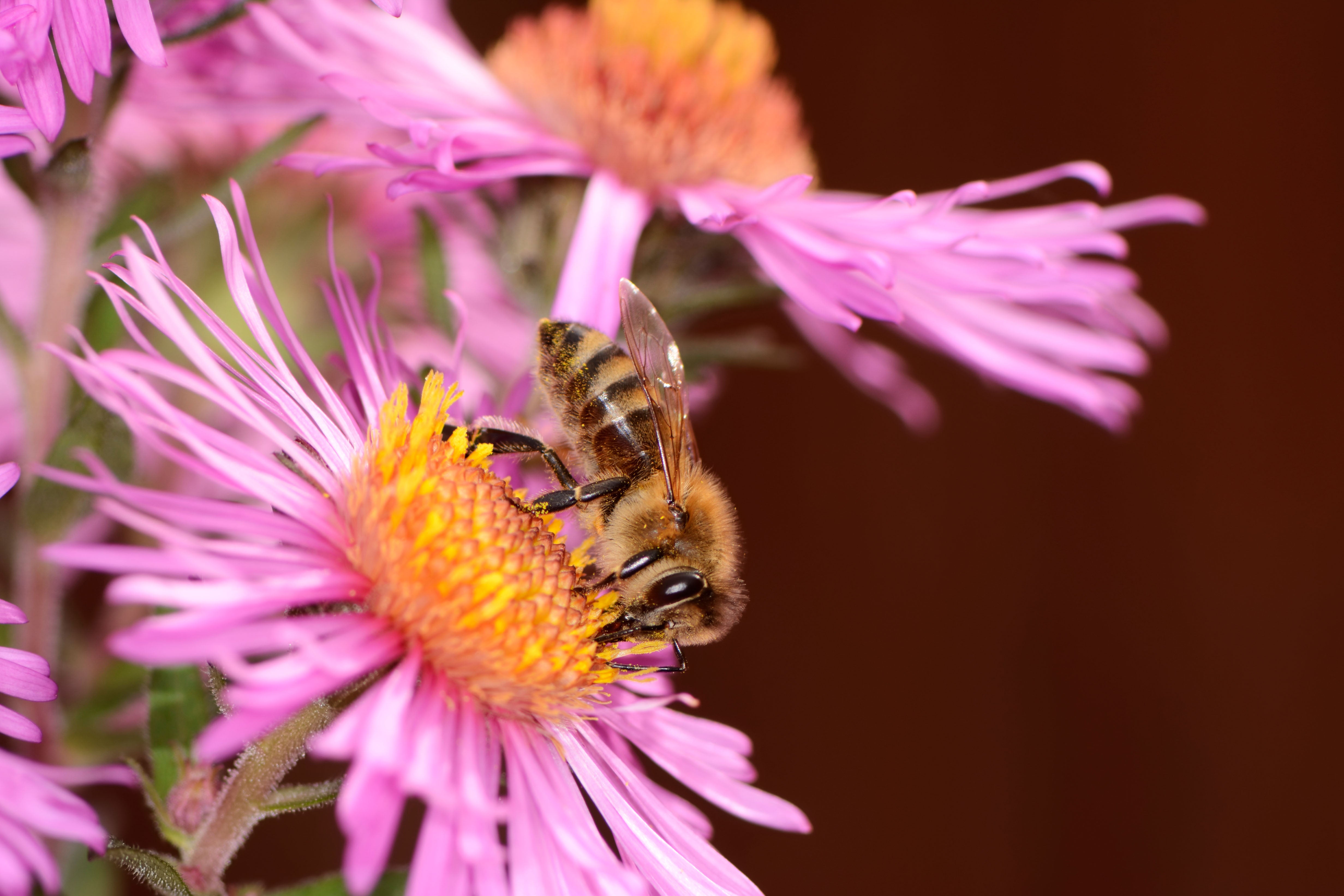
The single daisy flowers of this perennial not only offer late-season colour but also valuable nectar as summer draws to a close. The best to go for if you want a long flowering season include the blue Aster x frikartii ‘Mönch’, while butterflies love Aster amellus ‘King George’. They prefer moisture retentive soil in full sun, but will cope with light shade.
4. Ice plant (Hylotelephium spectabile)
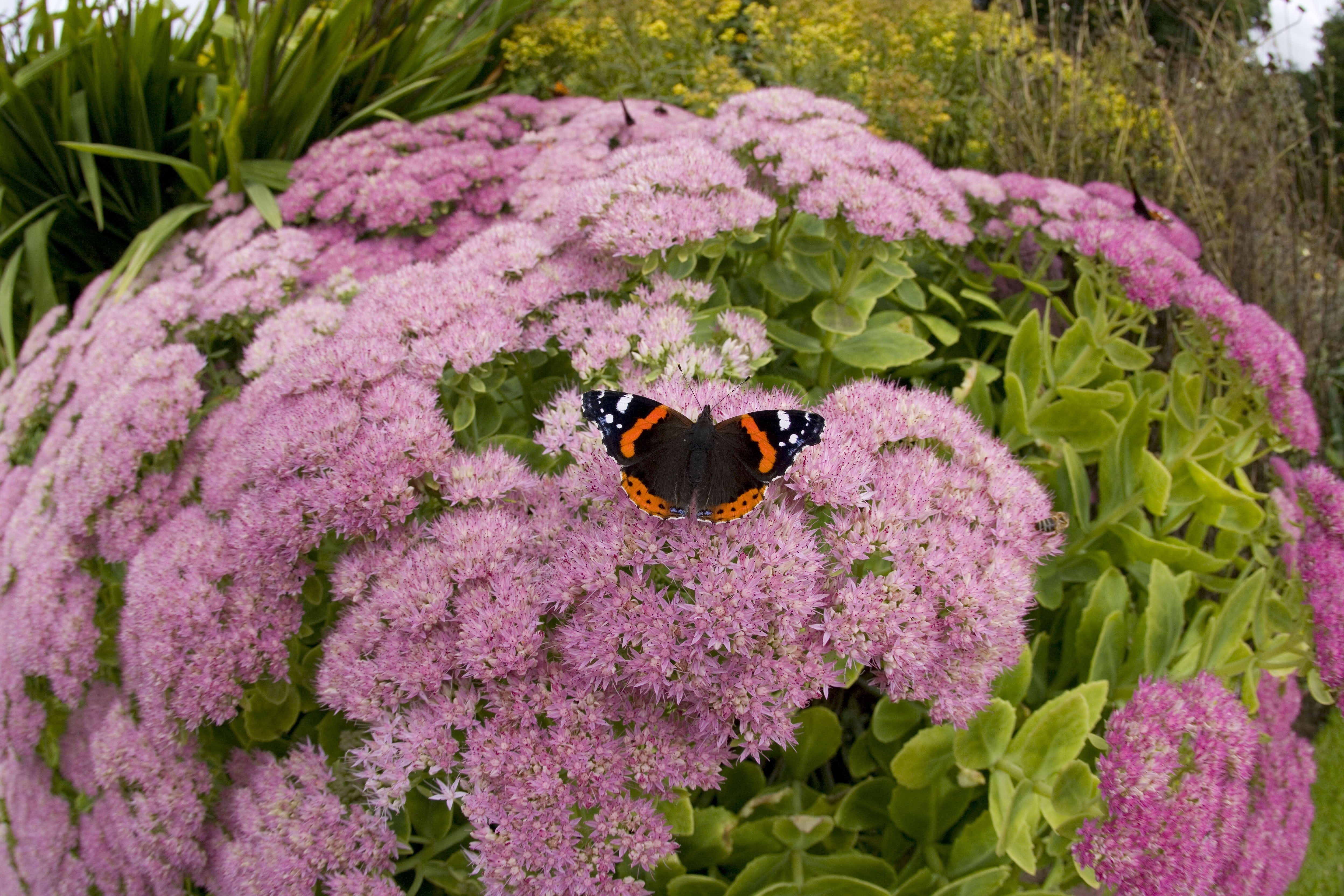
Formerly known as Sedum spectabile, these are superb butterfly plants, producing flat heads of nectar-rich flowers in a variety of colours. With their fleshy leaves, they are drought-tolerant and prefer a lighter soil in full sun, where flowerheads will appear on upright stems in late summer through to autumn. These perennials look great at the front of borders and some cultivars have darker, striking foliage.
5. Plume thistle (Cirsium rivulare ‘Atropurpureum’)
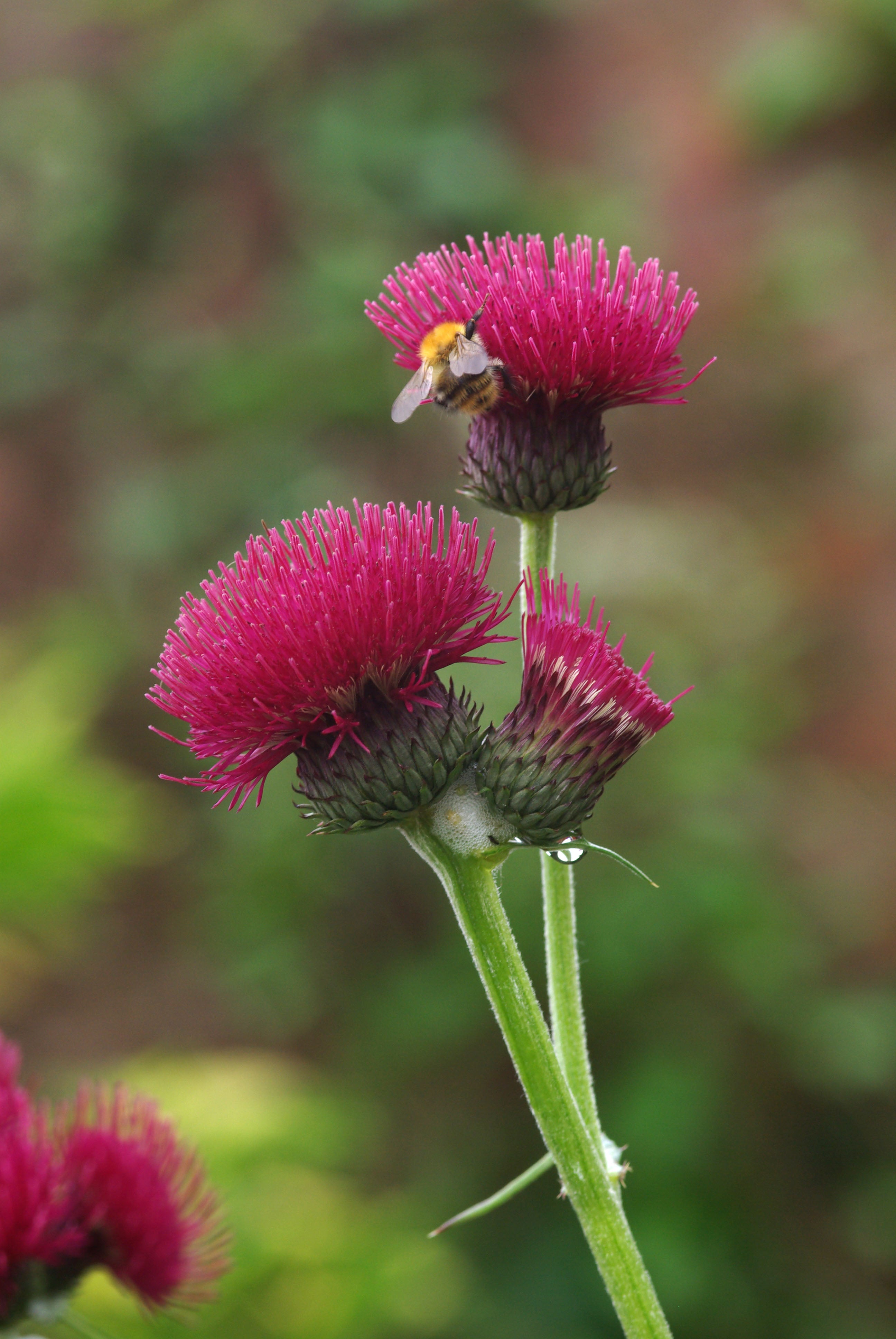
These pretty ornamentals bear deep purple thistles on long leafless stems, which come up through spiny dark green foliage. They are a magnet for bees and other beneficial insects and go well in mixed borders, planted among ornamental grasses and other medium-sized perennials. They thrive in moist but well-drained soil in sun or partial shade and also make good plant partners for other summer-flowering wild flowers, including monarda and red or white-flowered valerian.
6. Verbena bonariensis
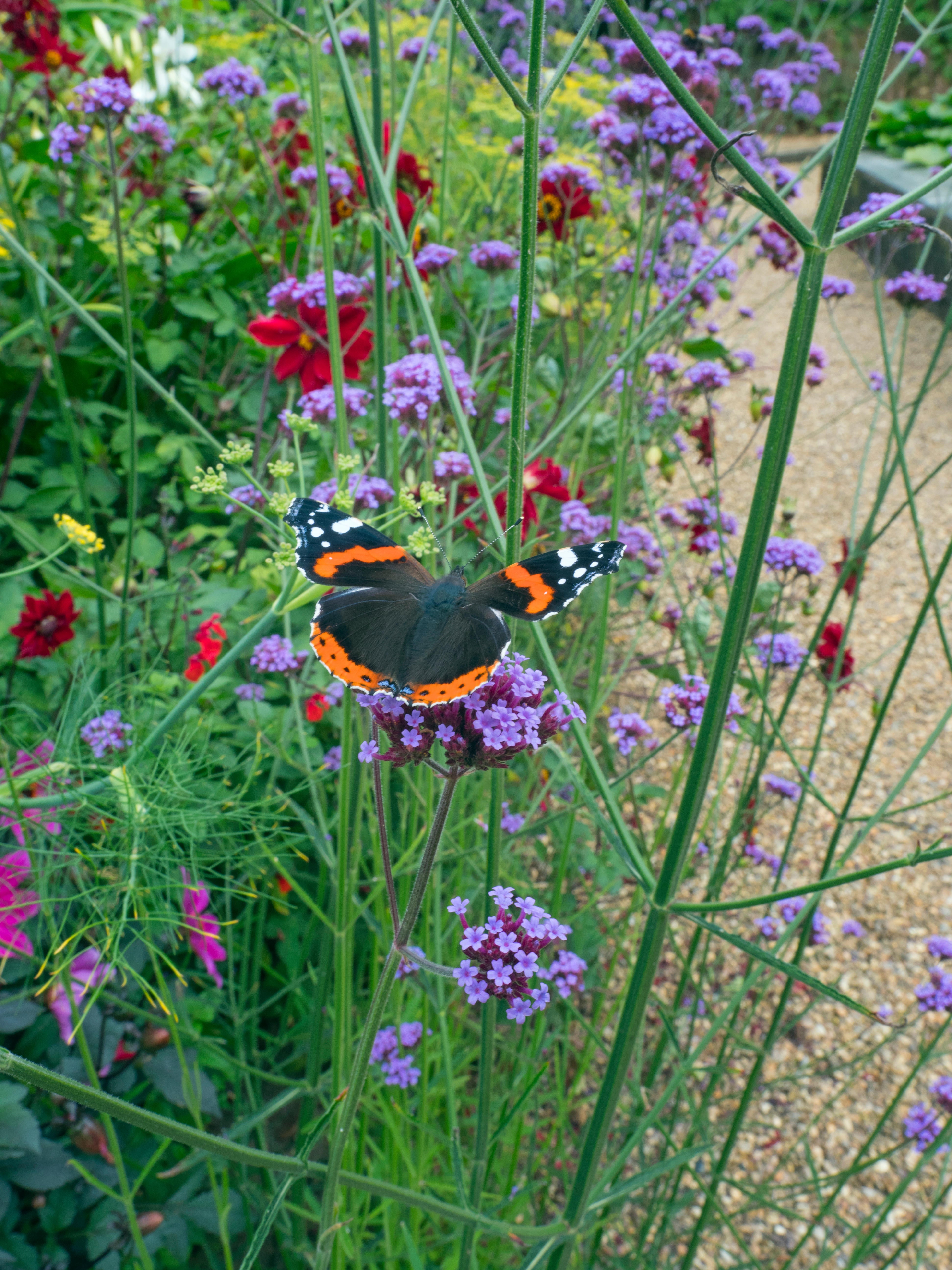
These are ideal tall border plants – growing up to two metres – with an ‘airy’ appearance, with long slender stems which allow you to see the plants beyond. They produce tightly packed clusters of lilac-purple flowers loved by butterflies and bees and, because of their open shape, will fit easily into the front or centre of borders without obscuring whatever is planted behind. They will thrive in moderately fertile, moist but well-drained soil in a sheltered, sunny spot.
7. Foxglove (Digitalis purpurea)
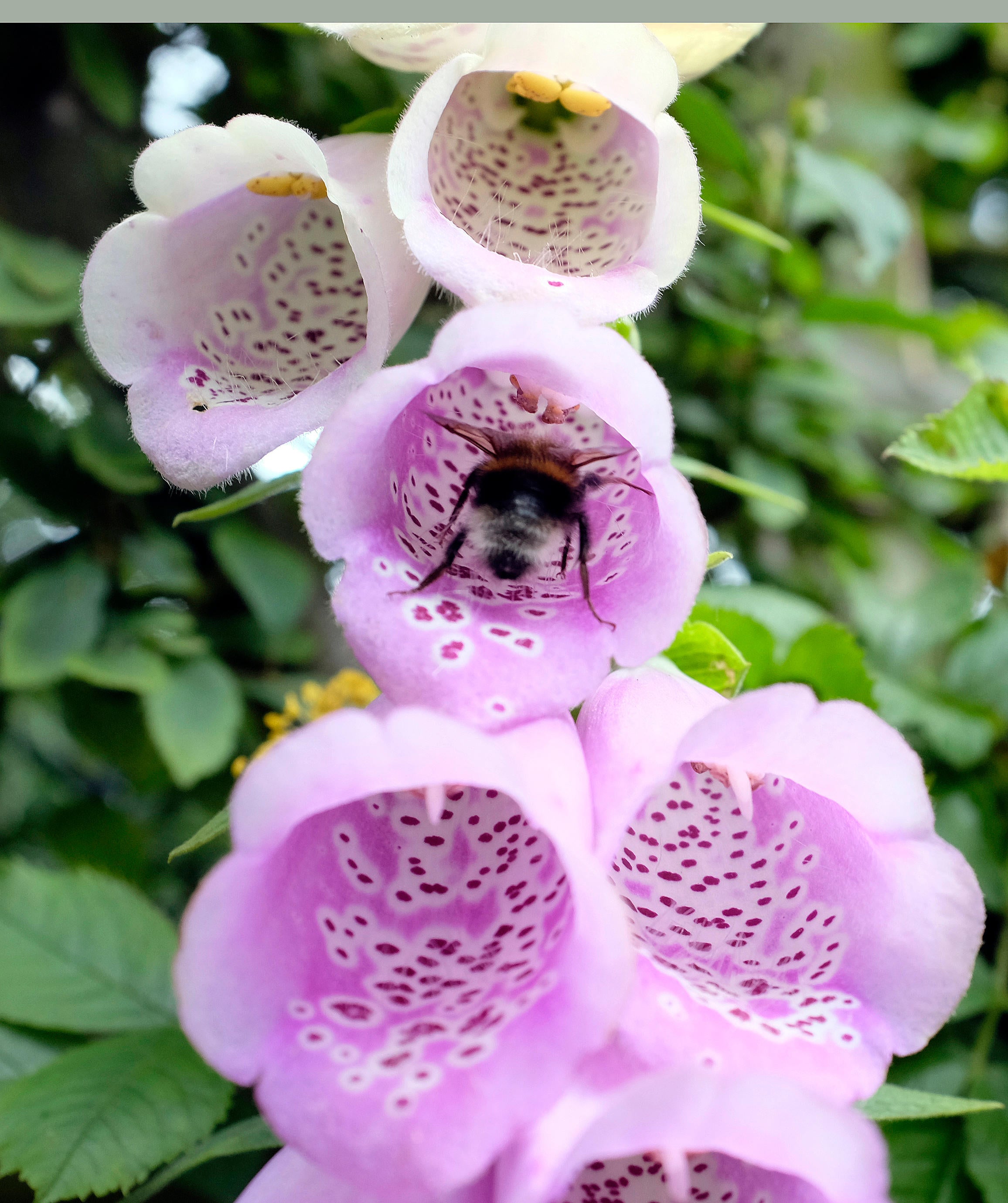
Highly favoured by long-tongued bumblebees and other pollinators, these tall, striking plants with tubular blooms are ideal for adding height and interest in early summer, and do well in sun or shade, as many species are woodland natives.
8. Scabious
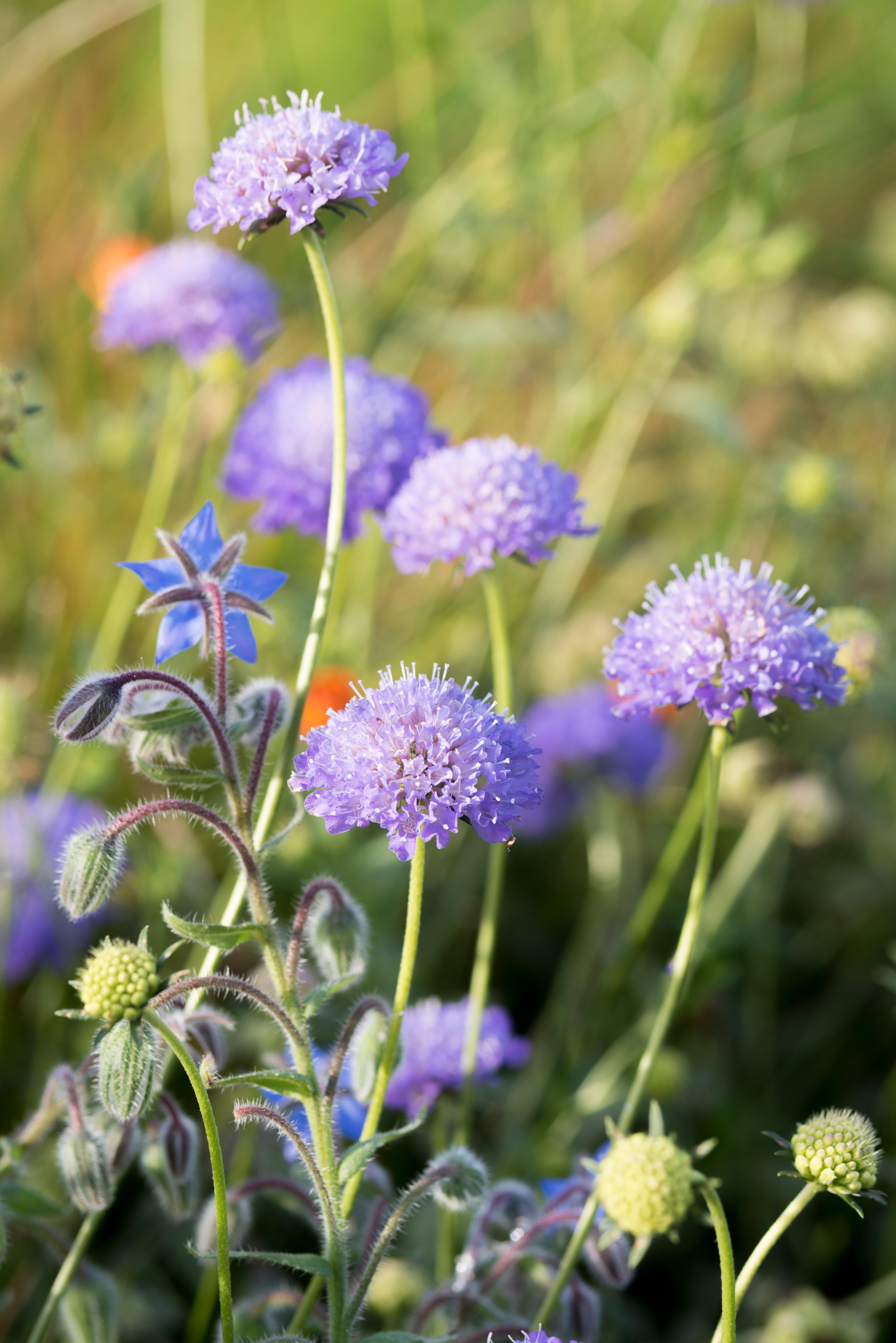
The pin cushion flowers in shades of lavender, pink and sometimes white, above thin stems, make a delicate-looking addition to the front of borders, attracting many insects to their blooms. You can even grow them in pots in a sunny, sheltered position where they should survive for a couple of years. You can also find shorter species which will fit well into the rock garden. If you keep deadheading, they can flower into early autumn.
9. Nepeta (catmint)
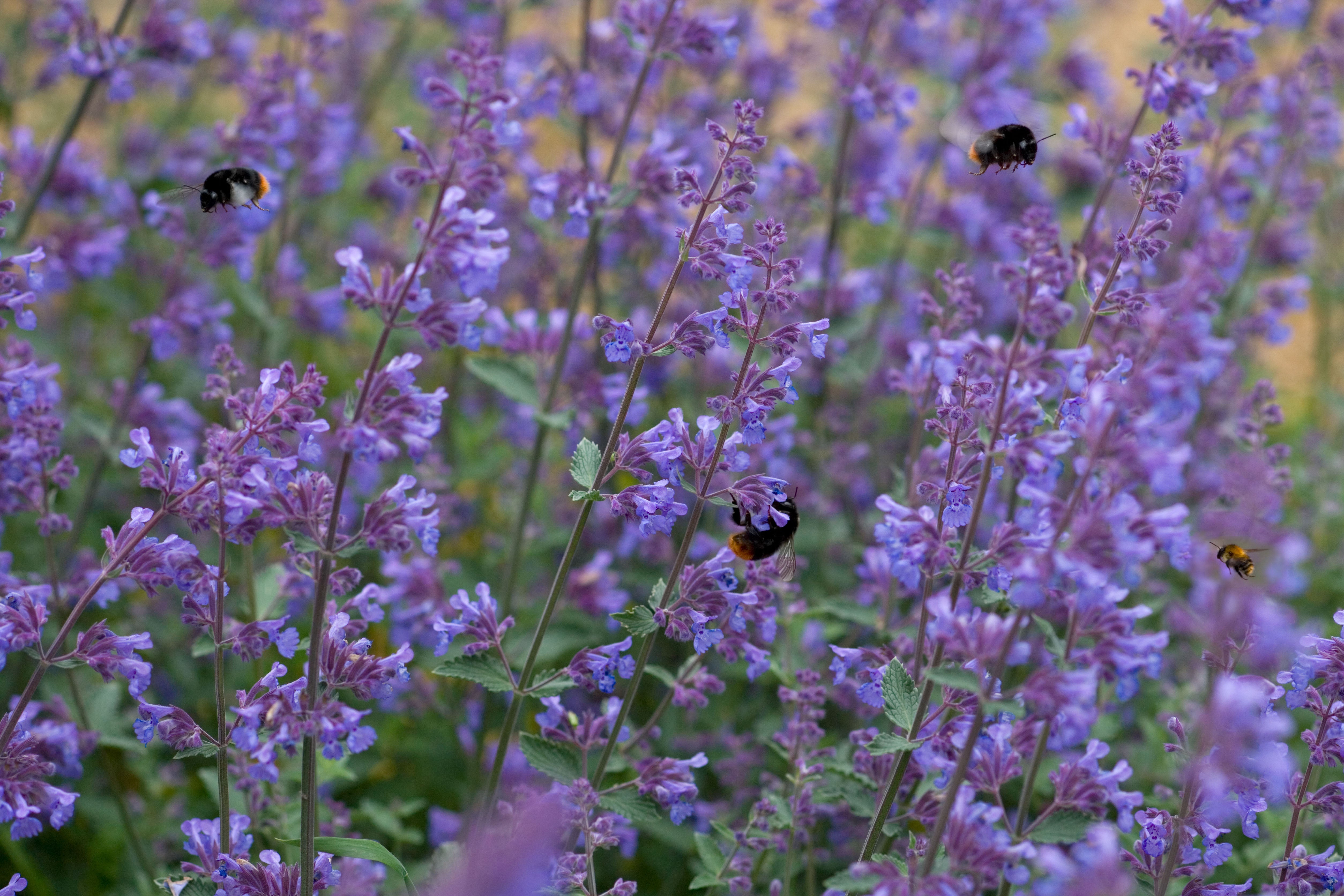
Not only do cats love nepeta, but so do bees and butterflies. This perennial, which is usually in varying shades of blue although you can get white, makes wonderful flowering groundcover through June. Plant it in drifts in the front of the border and cut back when it becomes straggly and you may get intermittent flushes of flowers until the autumn. Nepeta thrives in full sun in well-drained soil and also looks good fringing gravel paths with Alchemilla mollis.
10. Coneflower (Echinacea purpurea)
These upright prairie plants are enjoyed for their large, daisy-like flowerheads on stiff branching stems from mid-summer to autumn, in shades of purple with a darker conical central disk. The petals bend down to make that disk more prominent, creating an eye-catching addition to the border and if you avoid cutting them back in autumn, they add architectural value during the cooler months. They also make good cut flowers. Coneflowers do best in sun and not fussy about soil as long as it’s not too dry, and combine well with ornamental grasses.
Insect Week runs from June 22-28.
