

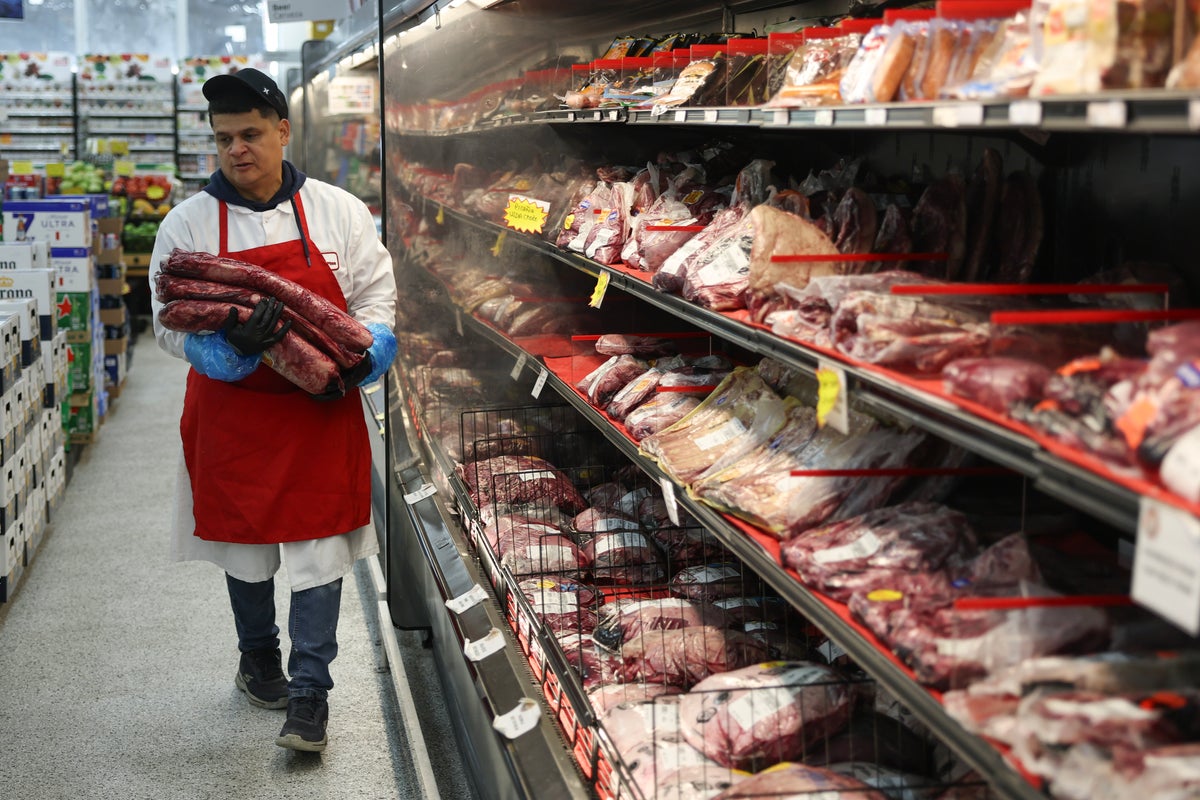
Eating beef every day may not be as harmful as once thought.
Red meat has long been tied to risks to cardiometabolic health, including heart disease and Type 2 diabetes. The conditions affect more than 160 million Americans, including over 36 million living with Type 2 diabetes.
However, having 6-7 ounces of beef every day – a slightly smaller portion than a typical ribeye steak – does not affect risk factors for Type 2 diabetes, researchers at Indiana University say.
“Results from this gold standard randomized controlled trial build on existing scientific evidence that shows eating beef as part of a healthy dietary pattern supports heart health and does not adversely impact measures of blood sugar regulation or inflammation,” Kevin Maki, an adjunct professor in the Indiana University School of Public Health-Bloomington, said in a statement.
“When beef is consumed as part of a healthy dietary pattern, it helps fill essential nutritional gaps and does not adversely impact the cardiometabolic risk profile compared to poultry,” he said.
The trial in prediabetic adults was fairly small, including seven women and 17 men between the ages of 18-74.
Researchers first measured their levels of the hormones insulin and glucagon, as well as insulin-producing beta cells in the pancreas.
Type 2 diabetes typically occurs when the body becomes resistant to insulin, a hormone made by the pancreas that regulates blood sugar levels and enables cells to use blood sugar for energy.
Progressively deteriorating beta cell function is also a sign prediabetes has become Type 2 diabetes.
Then, participants ate two meals a day that each contained 3-3.5 ounces of cooked beef or poultry over the course of a 28-day period.
The meals included fajitas, stew, burgers, burritos, and a stir fry.
After a 28-day break, they did it again.
There were no differences for beta cell function or insulin sensitivity after these periods.
“The study findings suggest that regular beef intake does not adversely affect metabolic or inflammatory risk factors compared with poultry in an at-risk prediabetic population,” Indika Edirisinghe, a professor of food science and nutrition at Illinois Institute of Technology, said.
The research was funded by the National Cattlemen’s Beef Association, which had no involvement in the study.
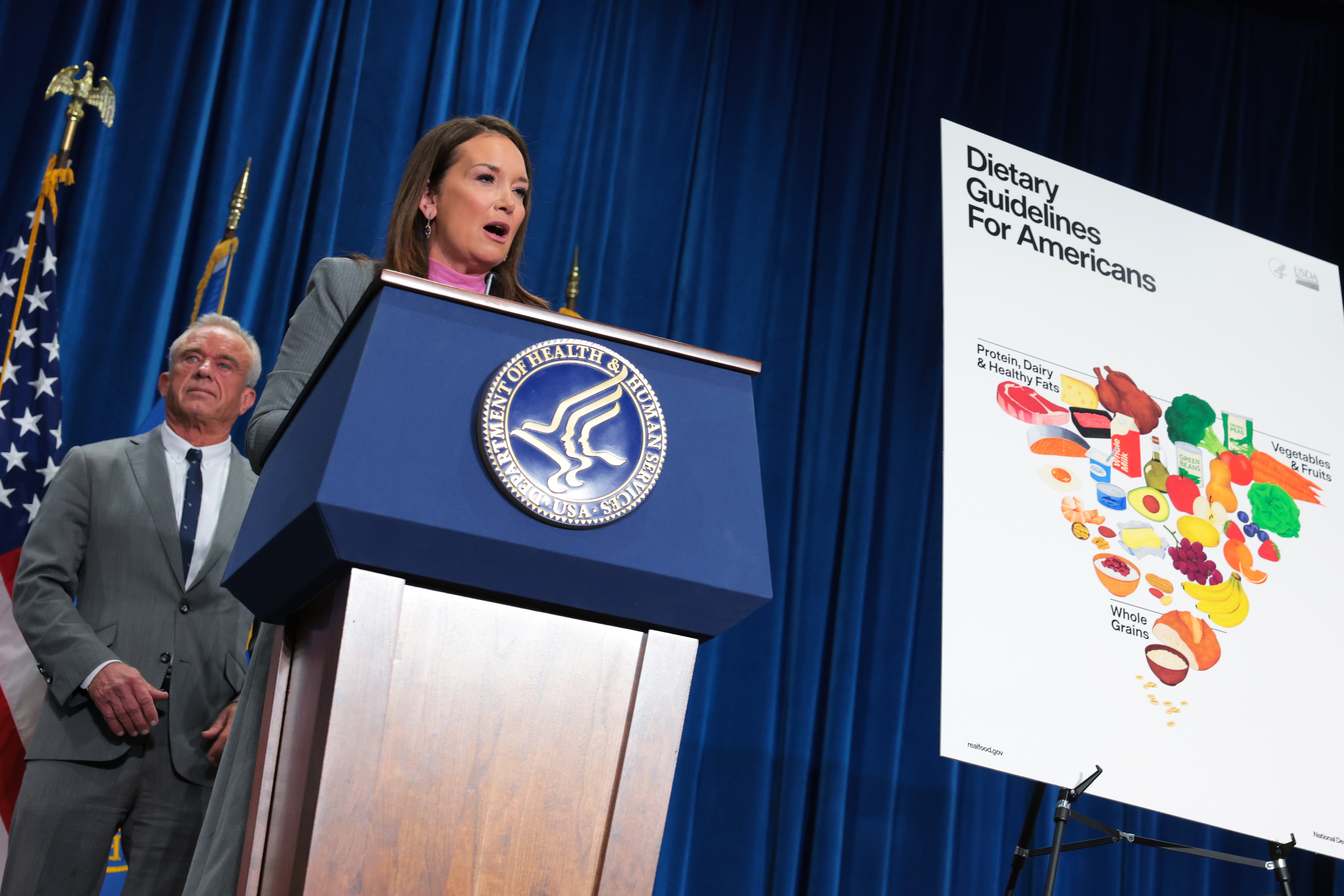
It was released shortly after the Trump administration’s dietary guidelines, that puts animal protein at the top of the food pyramid.
Three of the guideline’s authors had financial relationships with the association, the Physicians Committee for Responsible Medicine reported.