


Want to bookmark your favourite articles and stories to read or reference later? Start your Independent Membership today.
Already a member?
Log in
Updated rules mean electric vehicle drivers will no longer have to apply for planning permission to fit cross-pavement chargers.
Announcing that it is ‘slashing red tape’ around installations, the government said the system will allow motorists without off-street parking to access cheaper domestic electricity rates, which can often cost a fraction of public charging points.
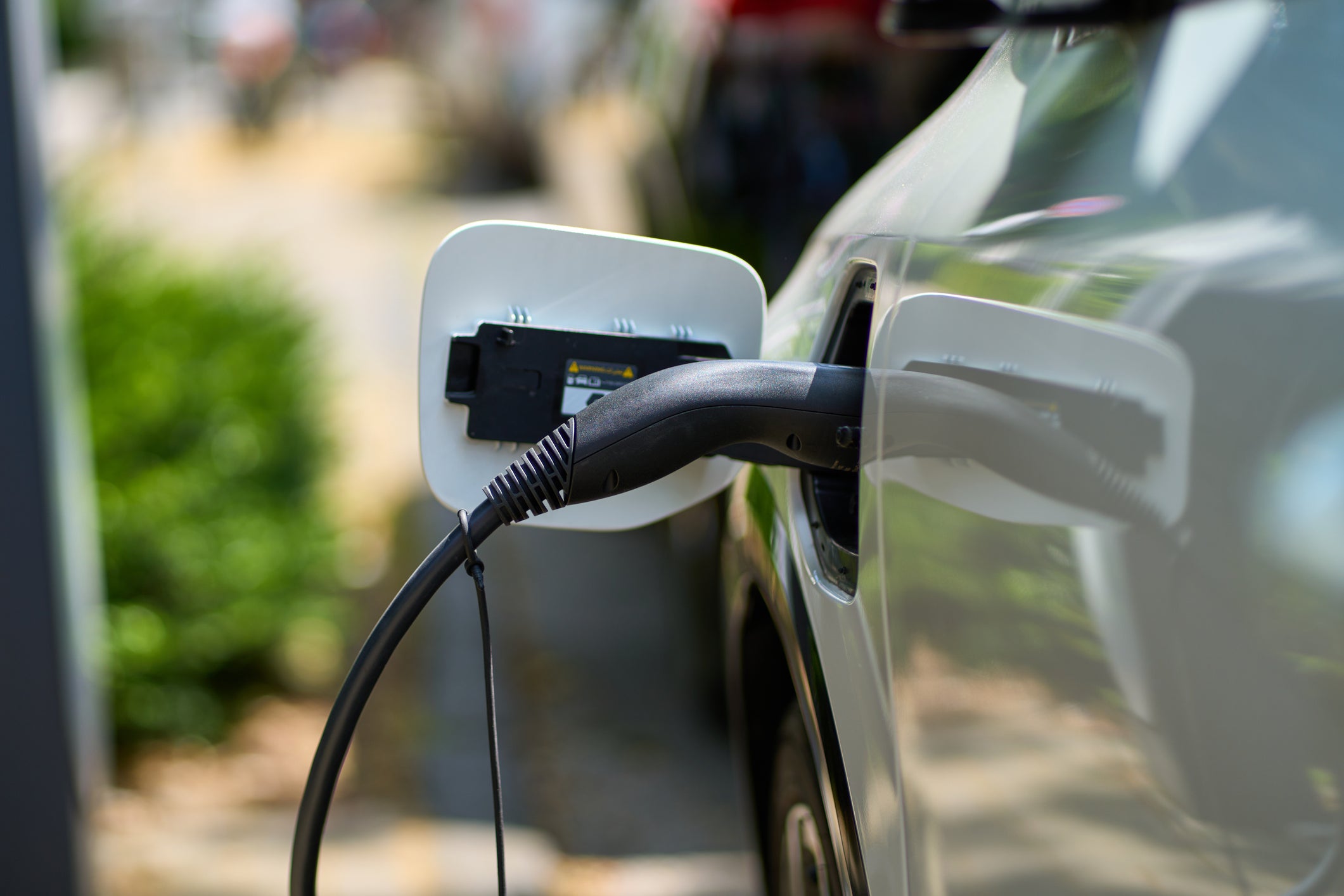
The setup involves having a ‘gulley’ installed in the pavement, enabling drivers to safely charge their vehicles without creating a trip hazard for pedestrians. Motorists looking to install one will, however, still require authorisation from their local council.
Simon Lightwood, buses and local transport minister, said: “We’re saving drivers up to £300 off the cost of installing home charging by cutting unnecessary red tape.
“The EV transition is in full swing – sales are up 36 per cent on last year and over 190,000 have saved thousands making the switch in the last year alone.”
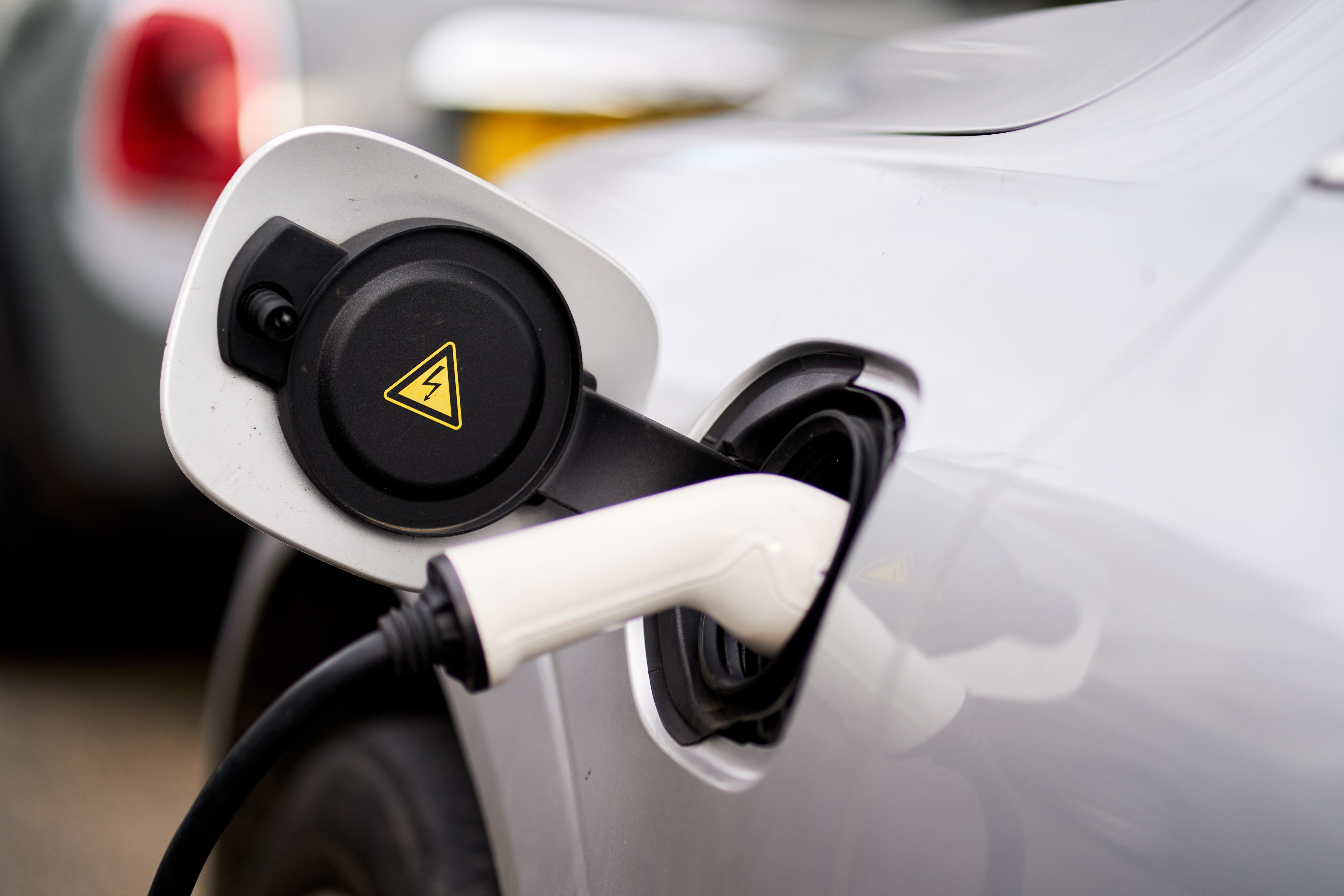
Two new consultations have also been launched in a bid to make home charging easier while ensuring that new buildings come equipped with chargers.
The government also said that it is considering mandatory requirements for landlords and freeholders which would make it harder for them to refuse applications by renters to get a charge point installed.
Simon Williams, RAC head of policy, said: “Slashing red tape and making it cheaper and easier to install cross-pavement chargers or EV gullies for EV owners that don’t have a driveway is a much-needed step in the right direction to make charging fairer and accessible for all.
“Charging at home is significantly cheaper than using public charging points, which remain subject to 20 per cent VAT unlike home rates which are currently benefiting from zero tax rates.”
Vicky Edmonds, chief executive of EVA England, said the change in the requirement for planning permission “could make the difference between being able to afford an electric car and ruling one out altogether” for those without a driveway.
“Removing the need for planning permission for cross-pavement charging is a really welcome and meaningful step towards a fairer transition,” she said.
“Our research found that 60 per cent of petrol and diesel drivers without off-street parking would never consider an EV.
“Being able to connect a car parked on the street to cheaper home electricity could help change that.
“It’s now up to local authorities and landlords to make these solutions easier to access in practice.”
