

India’s health ministry has issued an advisory as H1N1 cases continue to rise in several parts of the country, with doctors warning people to pay attention to persistent or worsening flu-like symptoms during the monsoon season.
Delhi has recorded more than 1,777 H1N1 cases so far this year, with 114 new infections recorded on Thursday alone, according to the National Centre for Disease Control. The figure is nearly eight times the 229 cases recorded during the same period last year.
A high number of cases have also been reported in cities such as Mumbai in the west and Bengaluru and Chennai in the south, although the pattern is not uniform across the country. In Bengaluru, paediatricians have reported a rise in influenza A infections among children, with some cases progressing to pneumonia and respiratory distress.
H1N1, commonly known as swine flu, is a subtype of influenza A. It is a contagious respiratory infection that can cause symptoms ranging from fever and cough to more serious complications such as pneumonia and respiratory failure.
The federal health ministry has urged people to watch for early signs of swine flu and not ignore persistent symptoms, as hospitals prepare for a possible rise in patient numbers.
“Swine flu (H1N1) can show up through symptoms such as fever, cough, sore throat, headache, runny nose, body aches and fatigue…If you experience these symptoms, seek medical advice at your nearest healthcare centre,” the ministry said on X.
The Delhi administration has urged residents to follow respiratory hygiene, wear masks in crowded places and seek prompt medical attention should flu symptoms emerge. Health officials have placed 35 hospitals under special surveillance and designated two referral laboratories to handle testing and monitor the situation.
The southern state of Kerala has recorded 1,476 cases of Influenza A and 21 deaths so far this month.
Officials in Karnataka, which has recorded 4,000 cases of H1N1 so far this year, said they will hold a meeting to take stock of the situation. Bengaluru city alone has recorded 2,000 cases, according to reports.
So what are the symptoms to look out for, and when should an apparently ordinary bout of flu become a reason to seek medical help?
Sudden fever and chills
A sudden fever is one of the symptoms commonly associated with H1N1, particularly when it appears alongside other flu symptoms. Patients in the capital have recently been presenting with high fever, cough, headache, sore throat, and other respiratory symptoms.
“Many of them have high-grade fever, which has been running for a few days,” Dr Atul Kakar, chairperson of internal medicine at Sir Ganga Ram Hospital, told ANI.
Cough, sore throat, and a blocked or runny nose
A persistent cough, sore throat, and runny or blocked nose are also common symptoms. Some people may also experience gastrointestinal symptoms, including vomiting and diarrhoea.
Body aches and extreme weakness
Body aches, headache, and pronounced tiredness can accompany H1N1. Dr Sandeep S Reddy, assistant professor and consultant in infectious diseases at Ramaiah Memorial Hospital in Bengaluru, told NDTV that H1N1 can cause severe body aches, headache, and “extreme fatigue or malaise”.
Difficulty breathing or chest pain

Most H1N1 infections are mild, but influenza can sometimes progress to pneumonia or respiratory failure. Difficulty breathing, shortness of breath, and persistent chest pain are among the warning signs that require prompt medical attention. Doctors in Delhi-NCR have also reported more serious respiratory complications, including falling oxygen levels, among some patients.
Dr S Chatterjee, an internal medicine specialist at Apollo Hospital, told The Indian Express that while people across age groups had been affected this year, some patients had progressed to respiratory failure.
Other warning signs include severe dehydration, confusion, or symptoms that become worse after initially improving. In Bengaluru, doctors have also reported severe dehydration among some children, with some requiring hospital treatment, respiratory support, and intravenous fluids.
H1N1 can look like a common cold
H1N1 symptoms can overlap with those of a common cold, particularly at the beginning of an infection.
Dr Reddy told NDTV: “On day one, it’s often hard to say,” because both illnesses can begin with a blocked or runny nose, sore throat, sneezing, mild cough, tiredness, and headache. “The distinction tends to come from how quickly things change, not from the symptoms themselves,” he said.
Influenza is more likely to involve a sudden onset and more pronounced fever, body aches, and fatigue, while sneezing and a runny nose are more commonly associated with a cold.
However, symptoms alone cannot confirm H1N1, so doctors may decide whether testing is necessary based on the patient’s symptoms, clinical condition, and other risk factors.
Who is most at risk?
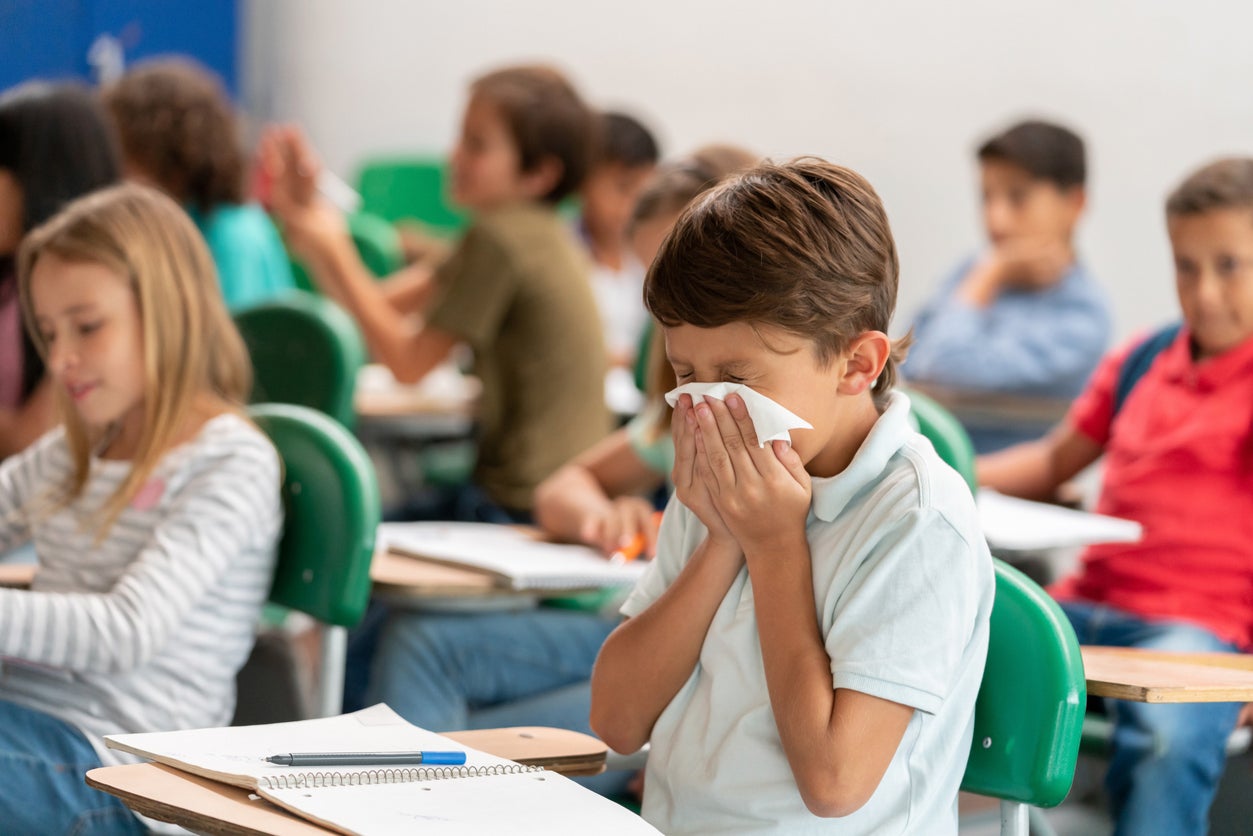
H1N1 can affect people of any age, but some groups are more vulnerable to severe illness. Dr Chatterjee told The Indian Express that people with weakened immunity and conditions including diabetes, hypertension, lung disease, and heart disease, as well as pregnant women and older people, face a higher risk.
Young children are also considered vulnerable, and those with asthma, hyperreactive airway disease, cardiac conditions, allergies, and compromised immunity were at greater risk of complications.
In Bengaluru, Dr Rakshay Shetty, clinical director and head of paediatric services and paediatric intensive care services at Rainbow Children’s Hospital, told Times of India that his hospital had seen H1N1 particularly frequently among children in recent months. He said some children had developed pneumonia and, in rare cases, acute necrotising encephalopathy of childhood, a serious neurological complication.
