

The shops are full of low-rise jeans and ballet pumps. My Chemical Romance have just done a stadium tour. And as if we needed any further evidence that 2026 is the new 2006, MySpace might be making a comeback.
Of course, every millennial’s favourite website never really went away. It simply faded into obscurity, along with the majority of the emo bands that you discovered there, superseded by Facebook and then by all the other platforms that sprung up in its wake. But now its current owners, Chris and Tim Vanderhook, have claimed that they are “going to relaunch MySpace”, the mid-Noughties social media giant that, for better or worse, allowed a generation of teenagers to start thinking about how they might be perceived on the Internet – they’re “just waiting for the right time to do it”.
As yet, the specifics of their vision remain just vague enough to pique the interest of a whole load of nostalgic thirty- and forty-somethings. The Vanderhooks are reportedly keen for their overhauled version of MySpace to present an alternative to algorithm-driven feeds, influencer culture and the infinite scroll.
Whether that’s simply wishful thinking remains to be seen, but there’s certainly an appetite for social media that feels a bit more social and a bit less samey. There are only so many times you can see thousands upon thousands of influencers posting variations on what they believe to be “kinda chic”, after all. MySpace’s heyday remains as a high water mark for online creativity, a time when individuality and personality flourished without being flattened into microtrends and viral moments.
The MySpace story began all the way back in the Nineties. While studying for his MBA in California, Chris DeWolfe had come up with a social media platform prototype that he’d called Sitegeist. Later, when he was working with the online marketing company eUniverse, he noted that Friendster, one of the earliest social media sites, was becoming more and more popular.
A network teeming with users willing to hand over their details promised a whole load of possibilities for ad distribution (isn’t that always the motivation behind every other big Internet idea?) DeWolfe started dusting off his old blueprint with colleagues Tom Anderson and Josh Berman, digging out a domain name, myspace.com, that he’d bought a few years earlier.
The site launched in August 2003. Email databases from its parent company helped cast a wide net when it came to enticing new users. And whenever anyone signed up, they would always start off with one friend on their list – Anderson, the site’s president, who became known as “Tom from MySpace”. His avatar, a headshot showing him posing in front of a whiteboard covered in what looked like startup-speak scribbles, would soon become part of the fabric of the early Internet memories of a generation of millennials.
Just under three years later, in June 2006, MySpace would become the most visited site in the United States. In the same month, one million people signed up for the UK launch. I was one of them. Within a year or so, the UK spin-off alone hit 10 million users.
Why was it so popular? For many of us, it was the first time that we’d considered how we might appear to others online. And it was so customisable and fun! It just felt like the perfect place to express yourself and show up to meet people you had things in common with.”
You could tweak almost every aspect of your profile, from the background to the font to the exact shade of glitter that might cascade from the top of the screen as you scrolled. You just needed to play around with HTML, or hyper text mark-up language; without realising it, we were learning basic scraps of code.
Another pal spent hours fiddling around with HTML tags in order to make her profile look like an iTunes music library. Appropriate enough, really, because MySpace had a major influence on the artists we’d upload to our chunky iPods. From the start, MySpace’s founders decided to encourage bands and promoters to join their platform as a way of getting their music out to the masses, and aspiring musicians would use it to upload their demos.
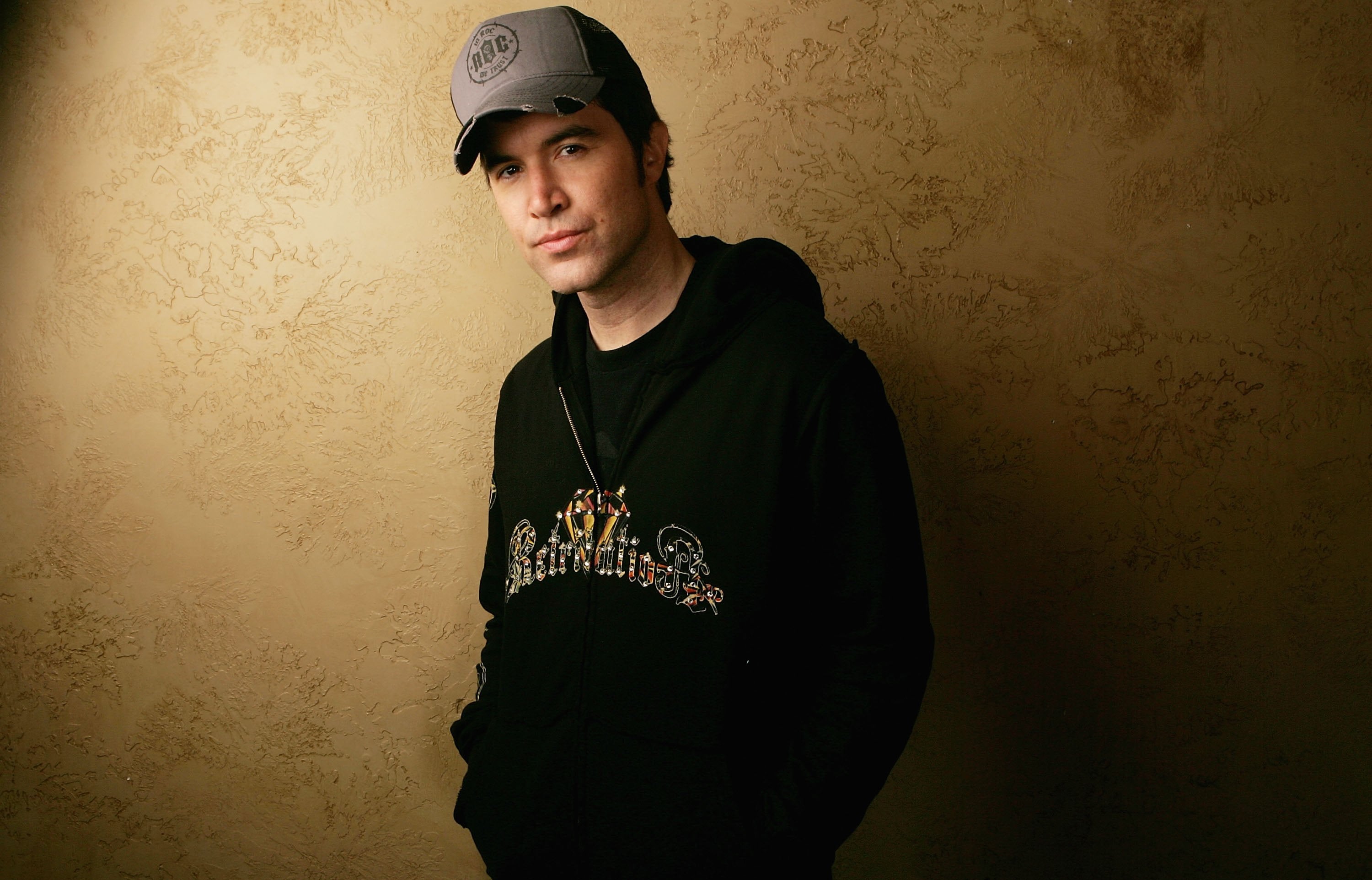
Discovering a new favourite artist was a real rush. Rather than floating passively on the tide of the Spotify algorithm, I’d search for the profiles of the bands I’d read about in the NME, listen to the tracks on their music player and decide whether their CDs would be worth a punt.
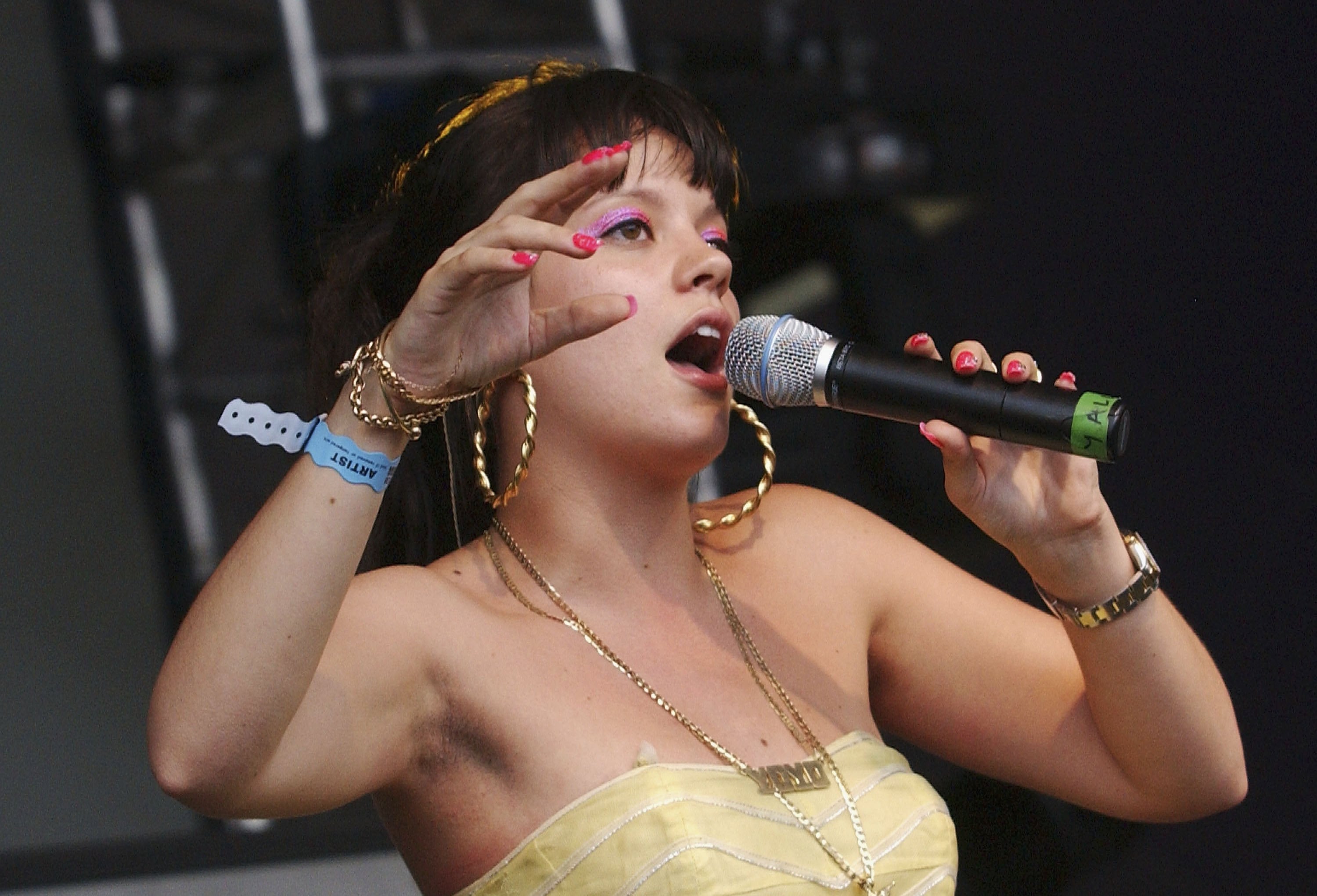
My love of Arctic Monkeys began on MySpace with their Beneath the Boardwalk demo. Adele and Lily Allen got their start on the platform, too. One of MySpace’s most alluring features (to a performative teenager desperate to broadcast their taste, at least) was the way it allowed you to attach one song to your profile, which would then autoplay to any digital visitors. The more esoteric, the better.
The music industry was so in thrall to the so-called “MySpace effect” that in the autumn of 2005, Universal’s Interscope Records teamed up with the site to launch a spin-off record label, with the aim of signing up artists who were proving popular on the site.
At school, fellow pupils who were “big on MySpace” – with friend counts in the hundreds or even thousands – became minor celebrities. And one of the platform’s notorious features helped us to turn our friendships into digital popularity contests. The Top Friends function allowed you to pick and rank your eight favourite people… publicly. Inevitably, this could be brutal, especially when wielded by a bunch of teenage girls who were alternately keen to establish their own social pecking order and extremely quick to offend.
One friend stopped talking to me after I pushed her down a few spots in my Top Eight, replacing her with a (to my naive mind, at least) cooler mate from the year above, who’d just started inviting me to the sort of house parties that aimed for Skins but landed just above The Inbetweeners. Instead of apologising, I followed her lead and ignored her right back; we never really spoke again, a friendship wrecked by the nightmare of adolescent pettiness.
While all these psychodramas were playing out in schools and colleges across the world, the MySpace founders were getting rich. In 2005, Rupert Murdoch’s News Corp paid a staggering $580 million to acquire the platform, part of an attempt to futureproof the old media giant as it staggered into the internet era. A lucrative search partnership with Google followed. With all this money flooding in, the site became more polished, less rough and ready. There were murmurings of discontent among long time users as the MySpace they knew and loved started to be overrun with ads.
And a social media upstart was waiting in the wings, too. In 2005, DeWolfe had met with Harvard dropout Mark Zuckerberg to discuss potentially buying his new site, Facebook, which was spreading across American colleges and universities. Zuckerberg wanted $75 million, and DeWolfe turned him down. But by 2008, Facebook had more unique worldwide visitors than Myspace; a year later, it had more unique US users, too.
While this newcomer rolled out innovative features like status updates and the news feed, allowing you to keep tabs on exactly what your friends were doing – and liking – MySpace started to feel like a bit of a dinosaur. The focus on maximising potential ad space made it less of a friendly corner of the Internet, more of a clunky sales platform. Even musicians were drifting away, branching out to Google’s video platform, YouTube.
One of the platform’s notorious features helped us to turn our friendships into digital popularity contests
Anderson left in 2009, and a few years later posted his dismay at MySpace’s new direction – to add insult to injury, he did so on Facebook. “Why am I not on MySpace?” he wrote in 2011. “Because I left the company in early 2009 and like most of you, I don’t like using it any more… not a fan of what the new folks have done with MySpace.”
Since then, he’s kept a low profile, focusing on photography. In an interview with Architectural Digest in 2014, he revealed that while he doesn’t mind helping friends with tech projects, he is “perfectly happy to never work again”. DeWolfe, meanwhile, left around the same time, and has since co-founded a video game development company that focuses on mobile gaming.
MySpace kept being sold on to various media companies, for diminishing amounts. It became a cautionary punchline to jokes about bursting social media bubbles, and a fixture in lists about millennial culture.
In 2019, it made headlines for all the wrong reasons when it emerged that a botched server migration had permanently deleted photos, songs and videos uploaded between 2003 and 2015 (your old emo selfies and Topshop mirror photos? All – perhaps mercifully – gone).
The nostalgic appeal alone might be enough to draw millennials back to a refurbed MySpace, while Gen Z, too young for it the first time around, seem to have a collective curiosity for anything vaguely Y2K – their fondness for digital cameras means they’re already primed for a classic MySpace aesthetic.
How the site might sustain this interest beyond a temporary spike, though, remains fuzzier than a low-res mirror selfie. Perhaps we simply miss an era when the Internet felt fun, creative and full of possibilities, rather than frustrating and even frightening. It will take more than a Top Friends refresh to bring that feeling back.

