

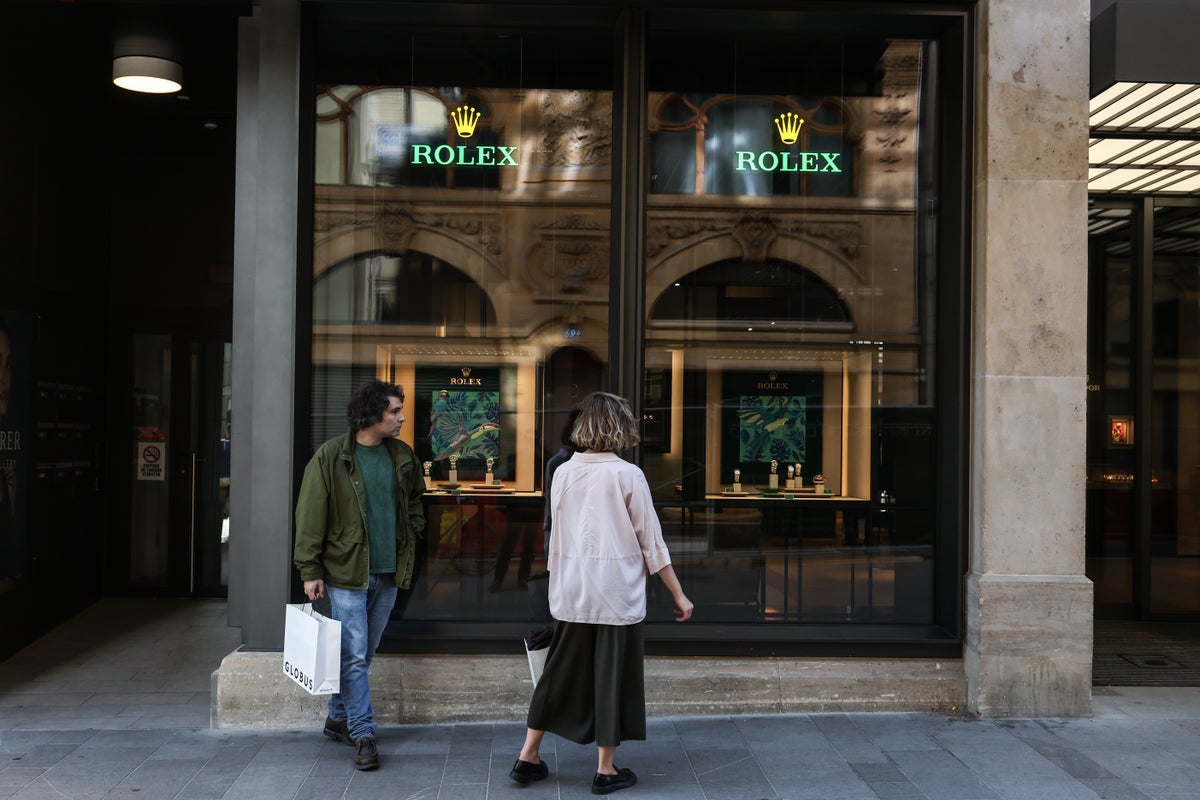

Rolex has implemented a rare second price increase this year, raising the global cost of its gold watches by an average of 5% this month.
This move affects key markets including Britain, Hong Kong, and the U.S., and has reportedly surprised industry observers.
The latest hike follows a slightly larger, non-global increase in January that was not specific to gold timepieces.
It underscores a robust demand for premium luxury products, even as the broader luxury goods market experiences a period of subdued activity.
Other prominent luxury brands are also adjusting their pricing strategies. Richemont-owned Cartier, for instance, increased prices on its gold watches by up to 10% last month, according to Mark Xu, head of marketing at research platform WatchCharts.
Richemont attributed these “measured price increases” at its Jewellery Maisons, which include Cartier, to rising gold prices and fluctuating currency rates.
The market was caught off guard by Rolex’s decision to implement a second price adjustment within the year. Erik Boneta, a U.S. certified pre-owned watch dealer, remarked, “No one saw it coming.”
Industry analysts suggest that the luxury watch sector is successfully marketing timepieces as rare investment opportunities to ultra-wealthy clients, even as middle-class consumers scale back their luxury spending.
Gold prices have seen a significant surge, nearly doubling since 2024 to approximately $4,200 an ounce.
This trend has contributed to an average 4% to 6% increase in gold watches from brands like Rolex, Richemont, LVMH, Swatch, Breitling, and Chopard over the past year, as noted by Zouheir Guedri, founder of luxury research firm Data&Data.
Guedri added that luxury watchmakers are “encouraging clients toward precious-metal and higher-end references” to cater to an elite clientele with disposable income.
For some specific models, the price escalations have been even more dramatic.
A white gold version of Rolex’s iconic Cosmograph Daytona, famously worn by Hollywood actor Paul Newman in the 1970s, now commands $59,100 in the U.S. This represents a 14% increase this year alone and a substantial 33% rise since 2024.
The export of high-value Swiss watches, those priced over 20,000 Swiss francs ($25,038), has more than doubled compared to pre-pandemic levels.
These premium timepieces now account for over two-thirds of the industry’s total value of 24.4 billion francs in 2025, a significant jump from their 22% share in 2019, according to Vontobel analysts.
Looking ahead, demand for Rolex watches is expected to continue outstripping supply, a phenomenon attributed to the brand’s enduring allure.
Simon Lazarus, head of PR and content at online luxury watch platform Chrono Hunter, stated, “It comes down to brand desirability. Rolex has always been the high flyer.” Rolex declined to comment for this story, and Richemont did not respond to a request for comment.