

Want to bookmark your favourite articles and stories to read or reference later? Start your Independent Membership today.
Already a member?
Log in
In the run-up to Halloween and the imminent release of Ebenezer, a reimagining of Charles Dickens’ ghostly tale A Christmas Carol, featuring Johnny Depp as the miserly curmudgeon Scrooge, there are plenty of reasons to create a gothic look indoors.
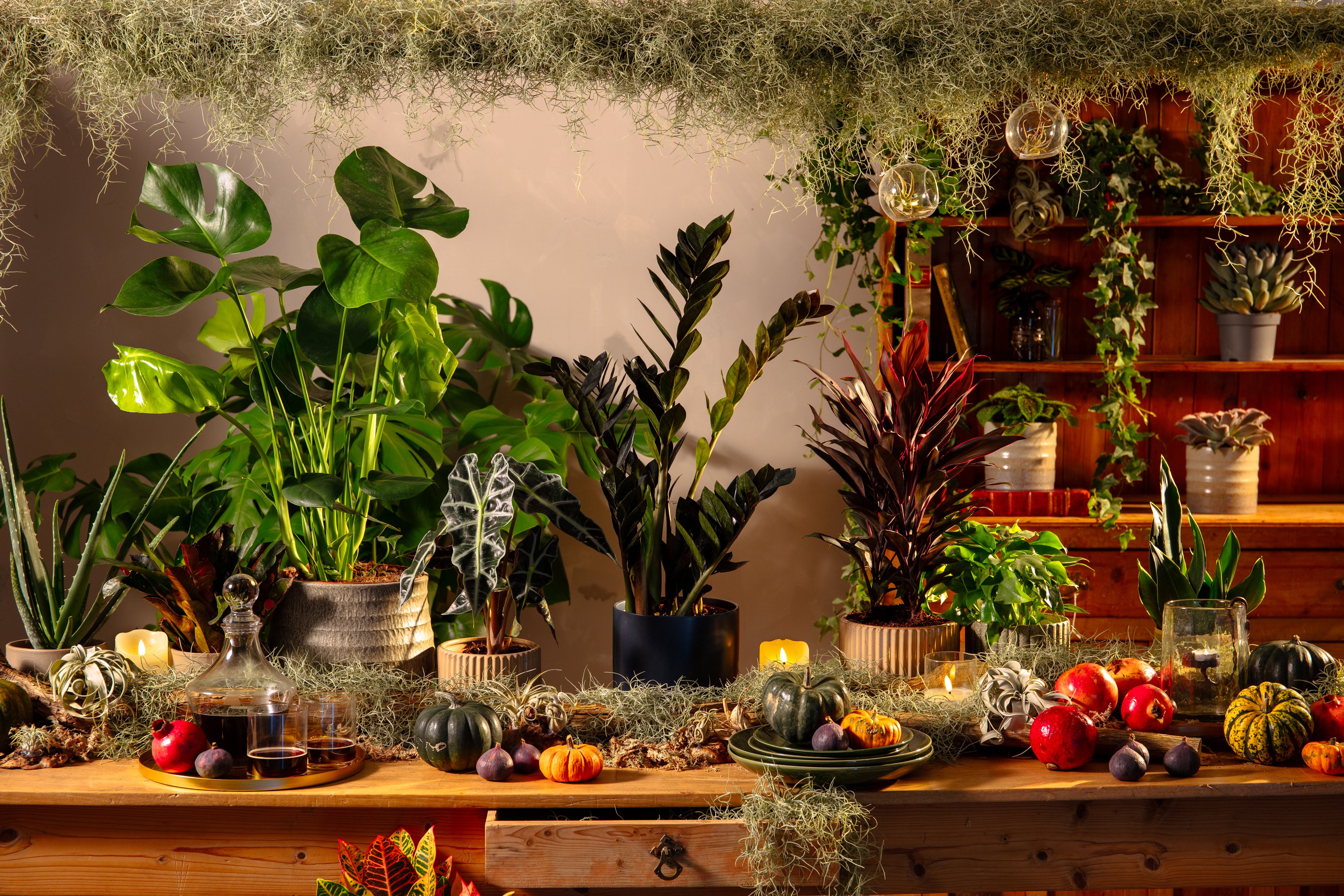
Spidery houseplants, trailing specimens akin to the hair of witches, giant-leaved plants which leave lingering shadows and deep orange-hued jolts of colour can collectively give your home alarming accents, but afterwards can assume a less menacing aura placed on their own.
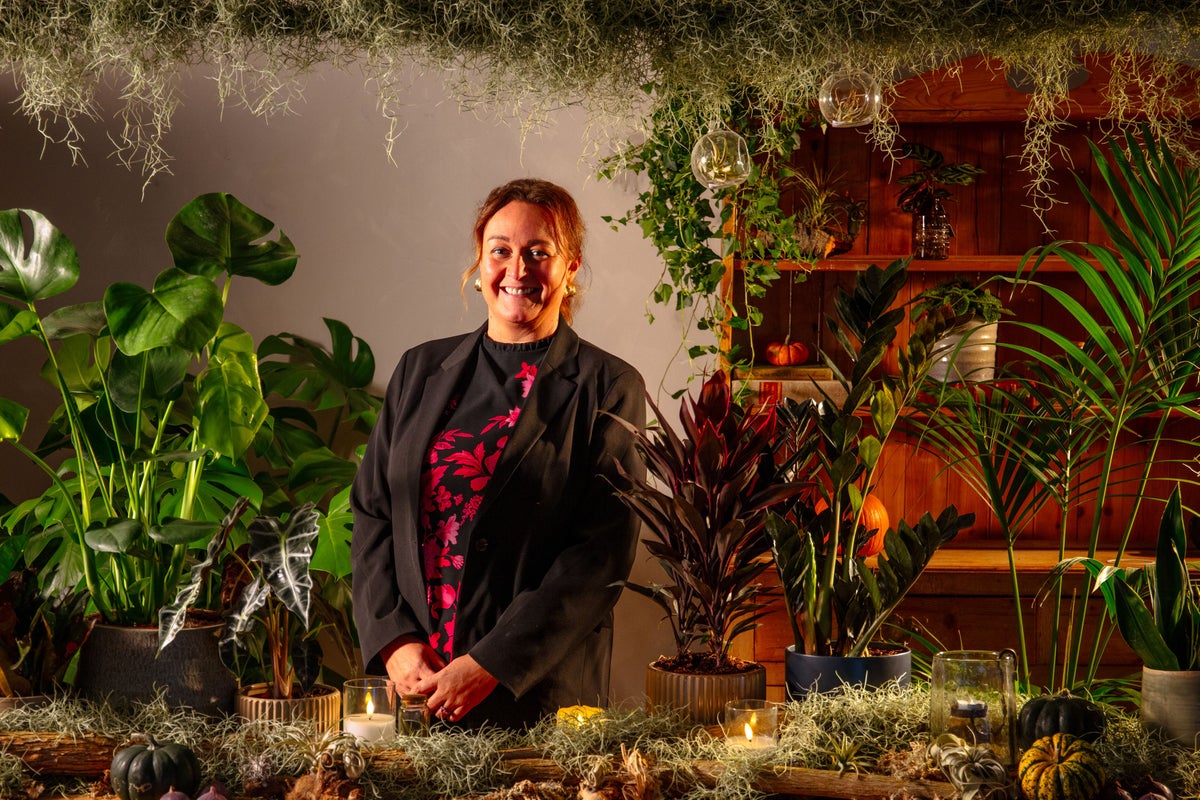
“As the clocks are about to go back, low-light plants are a great thing,” says Claire Bishop, senior plant buyer at Dobbies Garden Centres.
“What’s good is anything with a really big leaf because it’s obviously got more surface space to absorb whatever light there is. Artificial light can help as well, but go for anything low light, probably non-flowering because plants need a little bit more light to push the flowers through.”
She offers the following selection to get the hairs standing up on the back of your neck:
Cobweb creepiness
“Tillandsia, known as air plants, give you that weird cobweb feel,” says Bishop. “You can hang it anywhere, mist it and it gives you a spooky feel, especially in a corner or on a shelf, a bookcase or a banister.”
Airplants grow without soil and particular varieties such as Tillandsia usneoides, or Spanish moss, will cascade down, like hair, or wispy cobwebs.
Frightening foliage
The black raven plant, or Zamioculcas zamiifolia ‘Black Raven’, is another dark addition, with its deep purple-black leaves which work really well in a darker room setting, Bishop recommends.
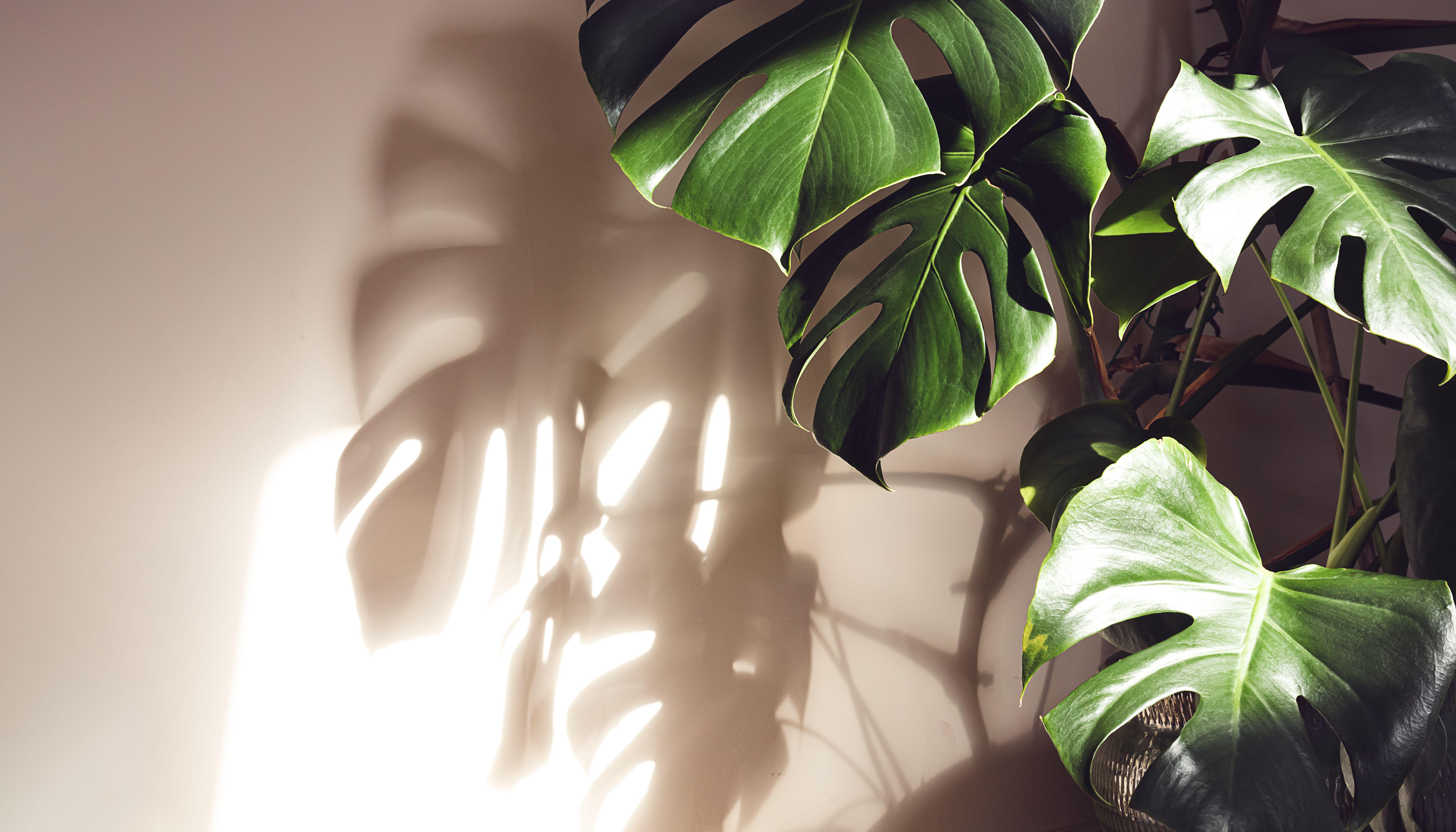
“Monstera is also fantastic because its big interesting leaves cast a spooky shadow on the wall, giving a creepy almost triffid plant look.”
Alocasias are also on her list because of their striking veined foliage.
“Strelitzias work quite well in a darker area because of the size of their leaves which are spiky and atmospheric,” she says.
Go for Strelitzia nicolai, the non-flowering variety with glossy, banana-like paddle leaves, if you’re looking for a low maintenance plant which will thrive in low light.
Spikiness can be created by aloe vera, which don’t need much water and can survive in many atmospheres.
Gothic shock
Dracaenas are good because they are spiky, featuring sturdy woody dark canes topped with sword or strap-shaped darker green leaves.
“Again, these are very easy to care for. Don’t worry about them being in a darker corner,” she says.
Colour pop
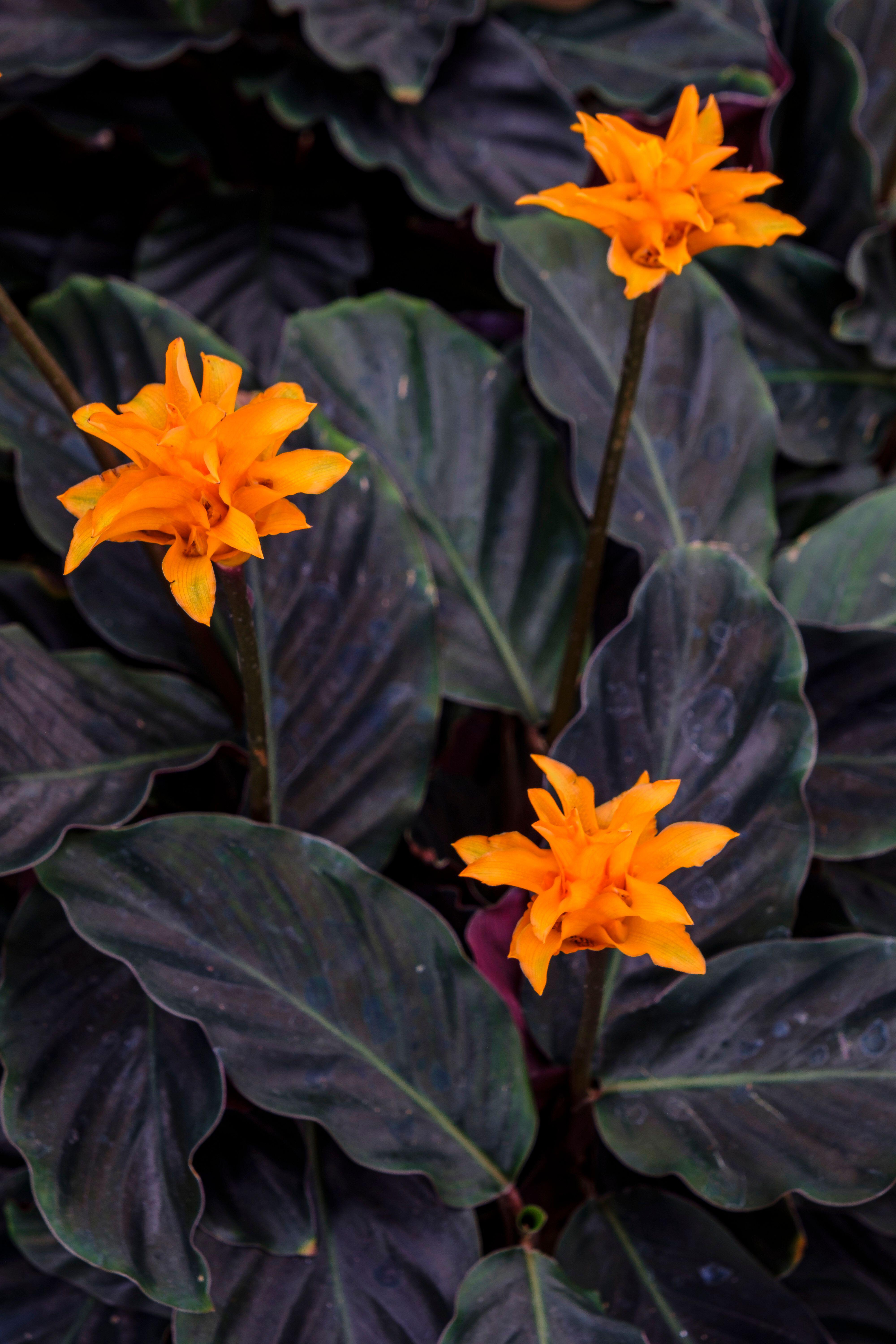
“For a bright bit of colour with interesting dark leaves, try anthuriums,” she suggests, which you can get in shades of red and bright orange. There’s also Calathea crocata, which has really dark green, almost brown leaves and an orange flower.”
Even the humble cyclamen can make the gothic line-up, including Cyclamen persicum ‘Djix Red’ which has bold red flowers above dark textured leaves, which Bishop says is a “little bit whimsical”.
Philodendron ‘Prince of Orange’ has striking orange leaves to give spooky settings a pop of colour and can handle low light well. Crotons also have some fantastic colour on their leaves, she suggests.
Eerie lighting
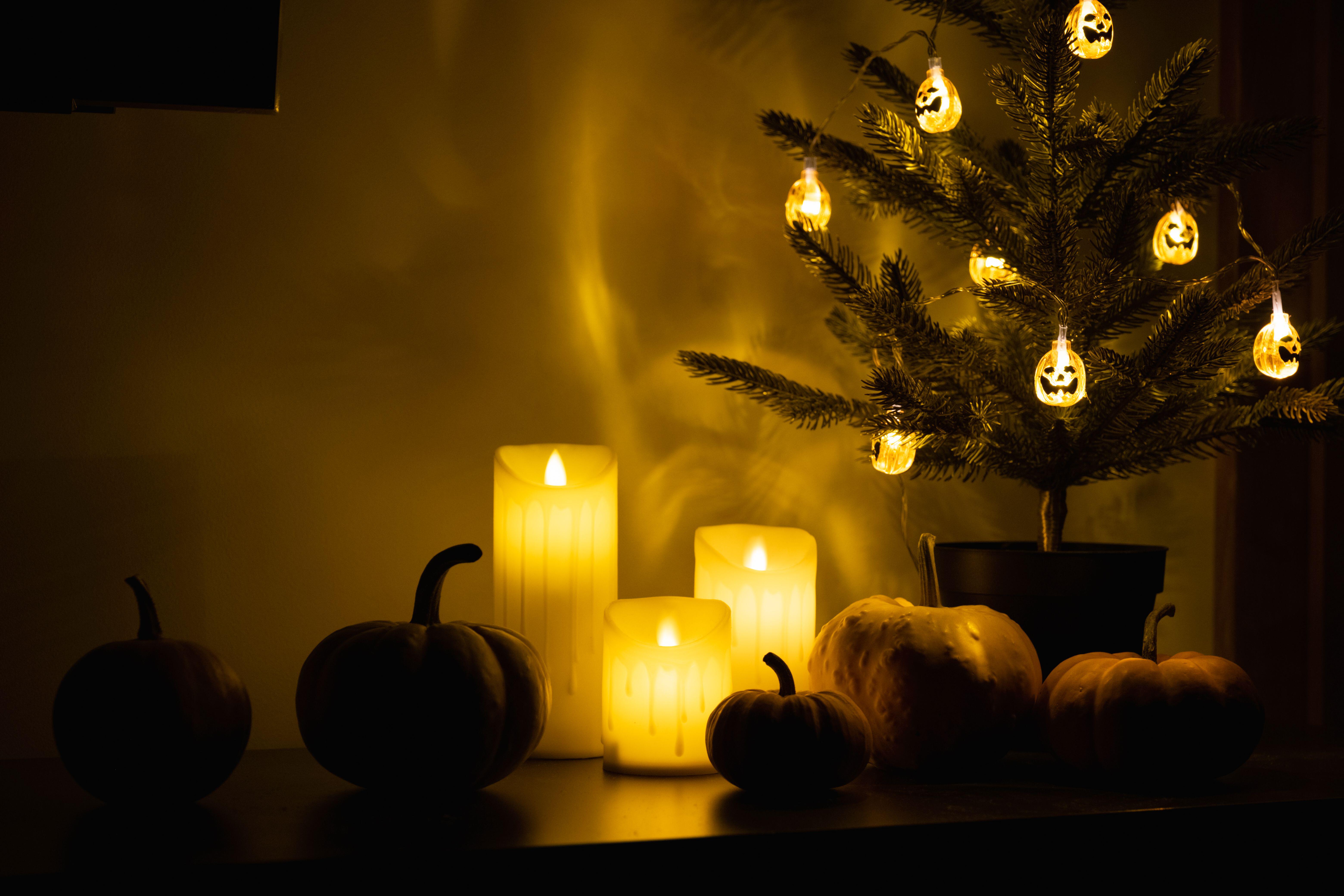
Use battery-operated candles, little lamps and battery table lights to help your plants cast shadows and create a spooky atmosphere, Bishop advises. If you want to emphasise a plant’s form, such as spikes or monster leaves, light them so that the leaves’ shadow is projected on to the wall.
“You’d need to choose a small spot underneath the front of the plant, using the light almost uplighting, which you could do with touch light battery-operated lights.”
Scary layer
“To get the effect, it’s about layering, using different textures and colours so you can appreciate individual plants as well, rather than it just being a blend of green in the corner,” says Bishop.
Atmospheric additions
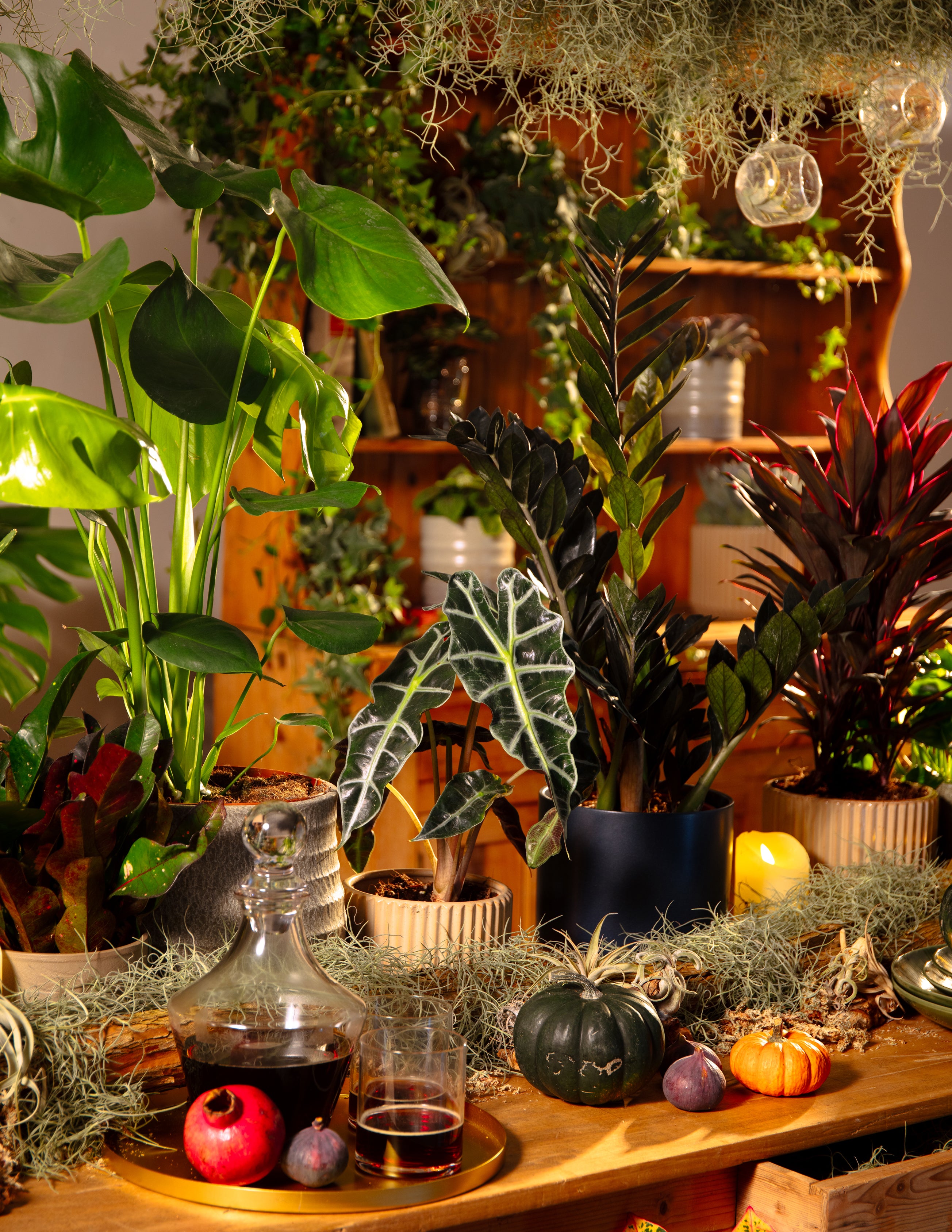
What you place your scary plants in and on can also enhance the spooky scene, she continues.
“Even using a dark lace runner or table mat, or a lantern as a vessel will bring a certain look to it. A lantern with some tillandsia or even some ivy in it can give that gothic feel.
“A sense of atmosphere can be enhanced by using a couple of props, even little gourds – and you can get black gourds now as well.”
And later on…
Once Halloween is over, you can reposition and re-dress your houseplants to make an impact at Christmas, removing spooky uplighters and instead perhaps adding little micro battery-operated lights to your lanterns and attaching rich red velvet bows to your containers.

