

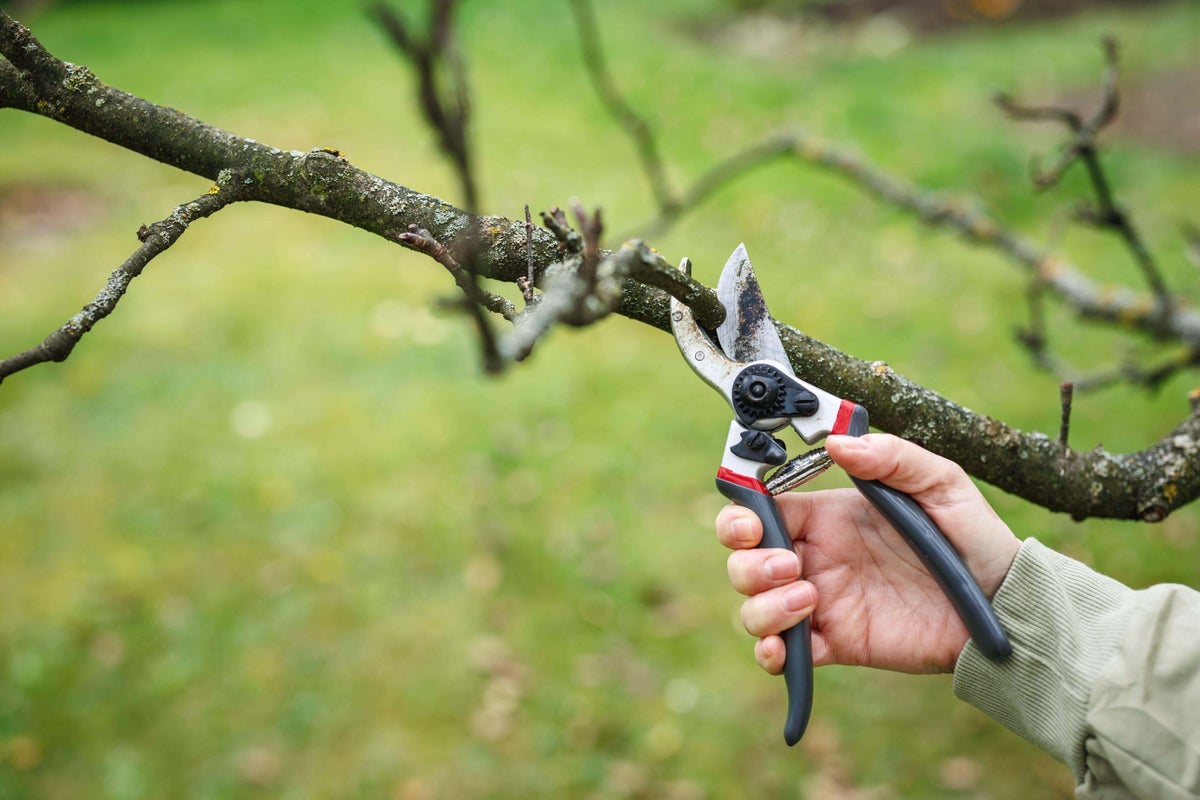
If you’re itching to tidy up your garden, then there is some pruning to be done in autumn, but it’s not a case of going mad with the secateurs.
A light tidy-up is what’s needed at most, while much of the harder pruning can be left until spring, say experts.
“This year, a lot of people will have plants affected by drought, so you need to work out what to do with those,” says Leigh Hunt, RHS principal horticultural advisor.
“The easy rule is that anything stem-wise that’s dead or dying can be cut out at any time.”
Cut back perennials
If you haven’t already, cut back perennials which finished flowering earlier in the season – you can do it now, says Nick Hamilton, son of the late legendary Gardeners’ World presenter Geoff Hamilton, who runs Barnsdale Gardens in Rutland.
“You could be looking at things like delphiniums, lupins and phlox, Geums and nepeta can also be cut back now,” he says.
But you can leave…
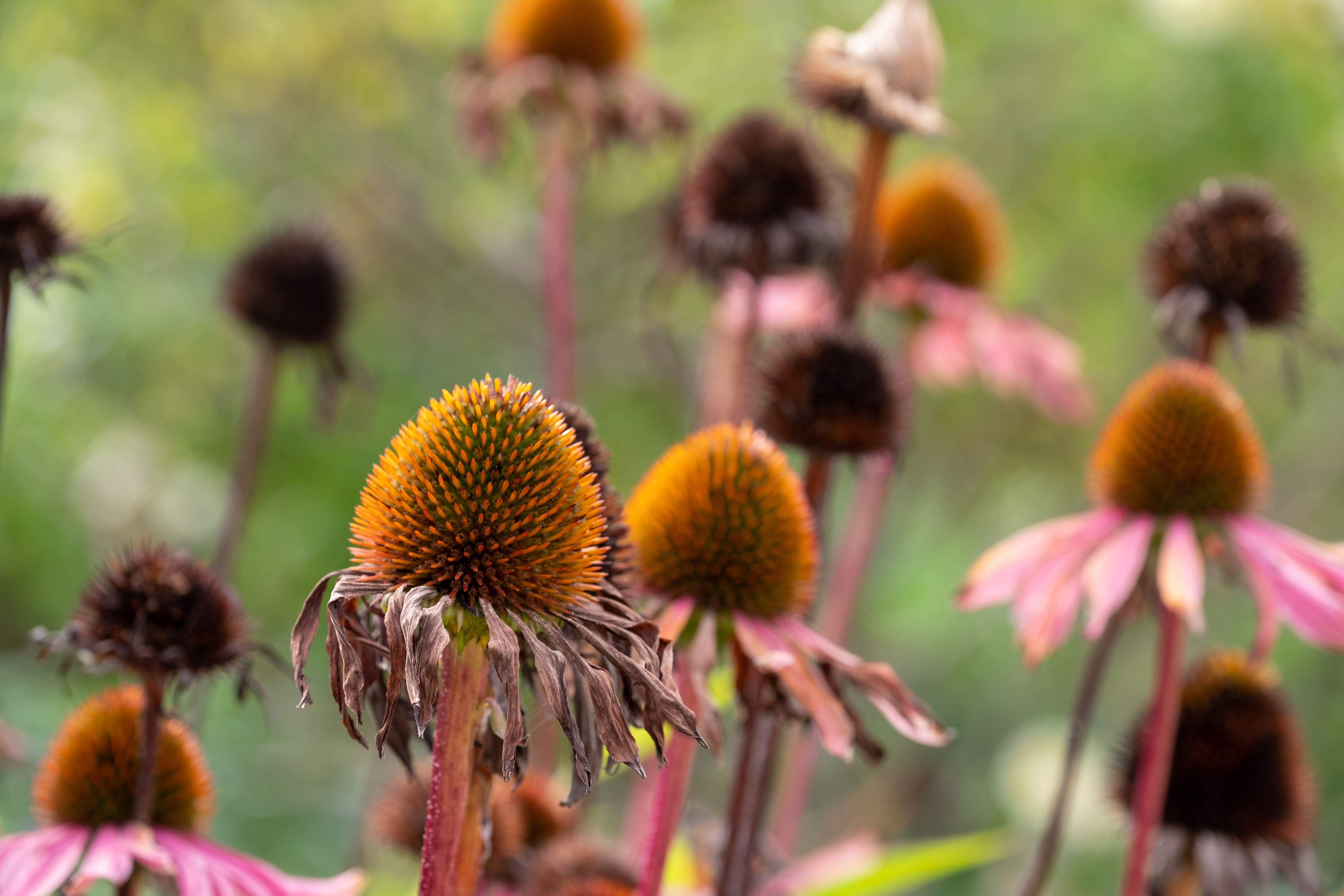
Plants which have architectural and wildlife value in the cooler months, such as eryngium (sea holly), echinops (globe thistle), rudbeckia and heleniums, which can look fantastic in autumn with dew on them and create more interest when sprinkled with frost, Hamilton explains.
“Don’t be too quick to cut grasses back because they give you movement,” he adds.
Birds will feast on seeds of echinacea, so it may be wise to leave plants which have formed valuable seedheads for wildlife. Hydrangea flowers can also be left on plants to protect any emerging shoots in winter and early spring.
“We wouldn’t be cutting things like penstemon back hard until the middle of April, but if you want to tidy up the flower spikes and take those off to a set of buds, then do that,” he suggests.
If the leaves of perennials such as peonies remain green although you’ve cut back the flowers long ago, don’t cut back the leaves just yet, because while they are green they will still be making energy from the sun which is going into the rootstock to give you a better chance of a good display next year, says Hunt.
Tidy up lavender
“Classically, lavender needs a light trim but not too hard because if we get a hard winter they might get caught, so use shears,” Hamilton advises.
If you cut your lavender back in summer after flowering and it hasn’t come back you can leave it or give it a light shaping trim, but if your lavender has flowered again, give it a light trim, but don’t cut back into old wood, he says.
Light prune shrubs
If you didn’t prune your spring-flowering shrubs such as philadelphus, deutzia and exochorda immediately after they had flowered, and they have outgrown their allotted space, you can give them a very light tidy up, but don’t prune them hard because you’ll be cutting off next spring’s flowers, Hamilton warns.
Hunt says that if you spot dead or diseased wood on shrubs including hydrangeas and rhododendrons, just cut it out.
“Look for live shoots or stems further back. If you’re not sure if it’s dead, scrape the bark with your fingernail or a small knife and if it’s green and looks sappy underneath the bark, it’s alive, so leave it. If it’s brown, it’s on its way out so cut it out,” he says.
Trim hedges
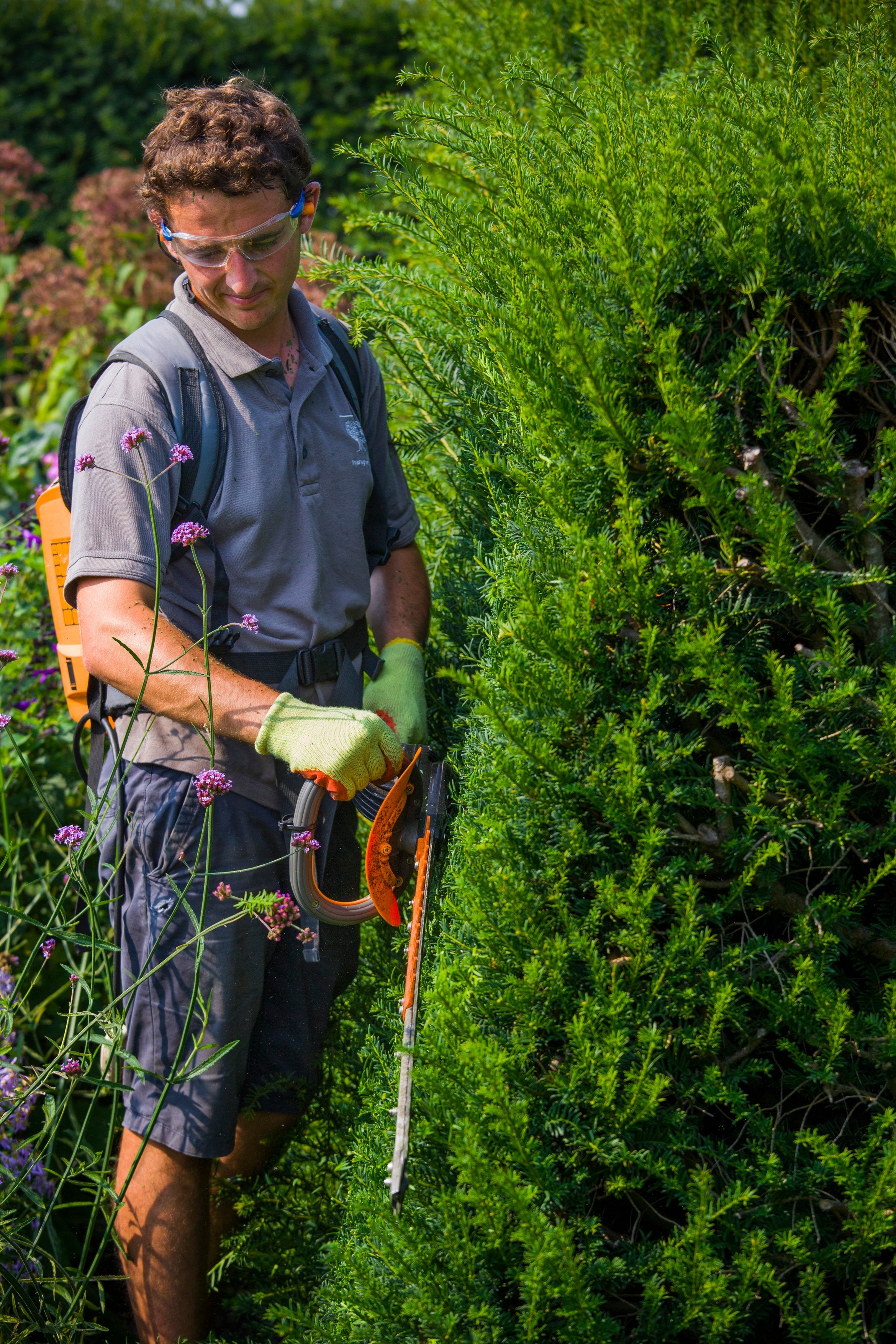
“If you need to tidy hedges, autumn is a great time to do it and will mean that they will then look neat throughout the winter, give you really good structure and won’t start growing again possibly until next May,” says Hunt.
“It’s traditional to cut hedges in August or September, which leaves them neat for the rest of the winter. If you have a conifer hedge like a leylandii or western red cedar, try to prune those in September at the latest because if you prune after September there is a higher correlation of getting brown patches.”
Hedge trimmers and shears will do the job, but if you have big-leaved plants like laurel, especially if it’s a smaller plant, secateurs may be better because you don’t end up looking like you’ve shredded it, he adds.
Prevent wind rock
At the end of autumn, if roses are looking leggy, cut them back lightly to prevent wind rock and then leave further pruning until spring, says Hamilton.
Prune raspberry canes
“The fruited canes of summer-fruiting raspberries can be cut down to ground level and the new canes tied in,” Hamilton explains.
“You’ll have a mixture of canes that have fruited, with the old fruit stalks on them which often look a bit more brown, and brand new canes which will be a paler green or even whitish,” Hunt says. “The new canes will fruit next year.”
As we go into October, you can do the same with blackberries, he adds.
Check stone fruit
“I’d look at any of the stone fruit because of the problems with silver leaf (a fungal disease), although they really need to be pruned when they’re in growth, not going into dormancy,” says Hamilton.
Silver leaf affects plums, apples, apricots and cherries, where leaves develop a silvery sheen, followed by branches dying. The fungus produces most of its infectious spores in autumn and winter and any affected branches should be removed and disposed of as soon as possible.

