

Want to bookmark your favourite articles and stories to read or reference later? Start your Independent Membership today.
Already a member?
Log in
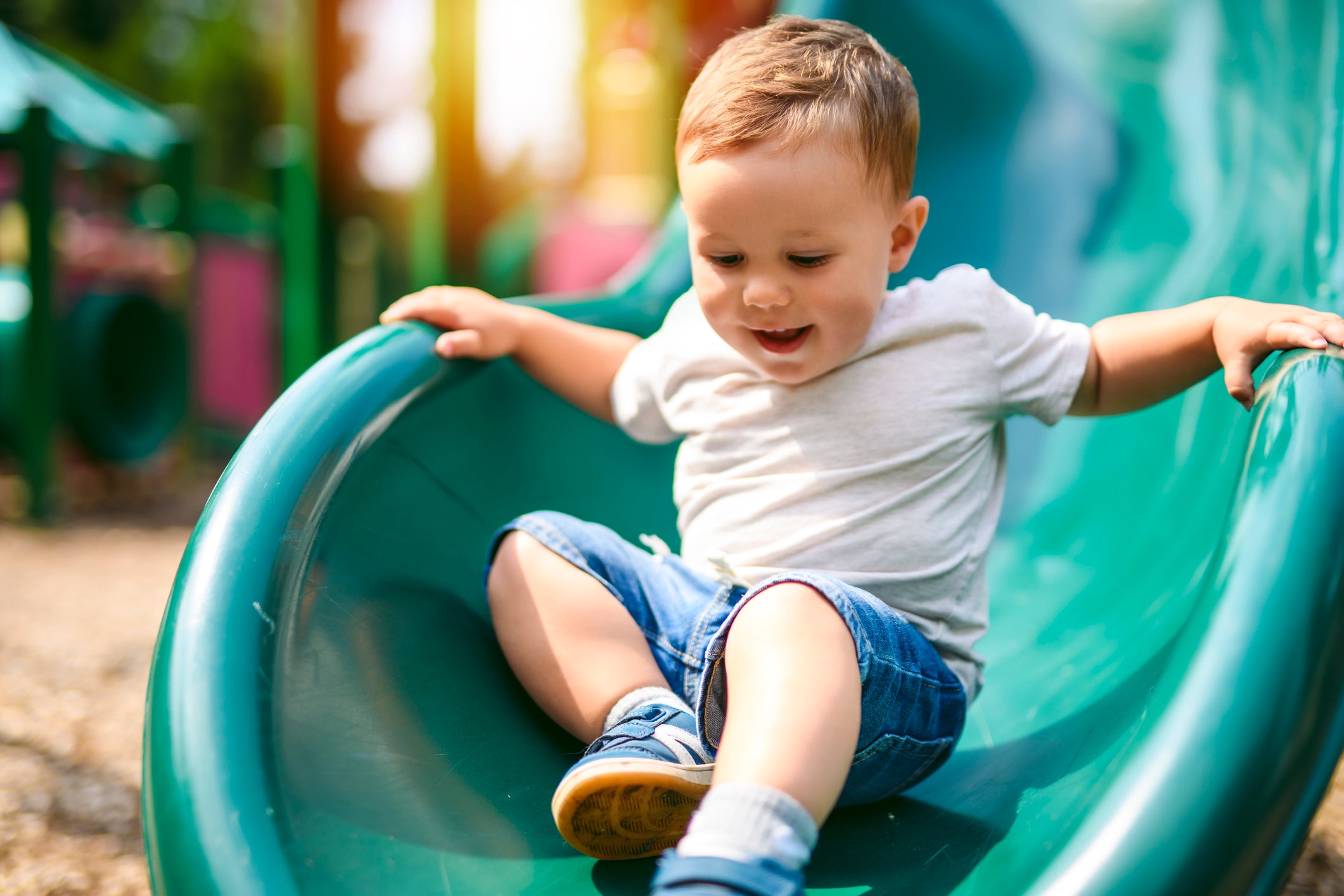
Children aged three and four walk an average of over 18,500 steps daily, a global study has revealed.
For the most active young children, daily totals can reach nearly 30,000 steps, according to the findings.
Researchers said, however, that step counts show “substantial variation” depending on gender, geography and socioeconomic factors.
For the study, an international team of researchers examined data from 3,570 three and four-year-olds from 44 countries between 2018 and 2025.
Countries were split into six World Health Organisation regions – African, Pan-American, European, Southeast Asian, Eastern Mediterranean and Western Pacific – while youngsters wore a step counter on their hip for a minimum of three days.
Daily steps ranged from 1,124 for the least active children to 29,320 for the most active, with a median of 18,542.
Boys also tended to record more steps – among three-year-olds the median was 18,064 compared to 16,426 for girls.
Meanwhile, four-year-old boys took 19,447 steps a day on average compared to 18,321 for girls.
Children in low to middle-income countries and those living in rural areas also took more steps compared to youngsters in high-income countries and urban areas.
The study also found “considerable variation” within regions.
For example, in the European region, daily step counts ranged from 5,582 to 20,266, with a median of 16,680 steps.
Researchers said the findings, published in the Lancet Child & Adolescent Health, “highlight the importance of considering socioeconomic, environmental and geographical contexts when interpreting physical activity levels in young children”.
Future studies should examine patterns in daily steps and how this may influence health throughout life.
Establishing global comparisons “provides an important benchmark for monitoring physical activity in early childhood”, experts added.
“Because step count measurements are simple and potentially scalable, they could represent a practical complementary metric for translating physical activity research into public health messages and surveillance systems,” they said.
“However, unlike in older children and adults, movement behaviours in preschool-aged children are strongly influenced by parents and caregivers, who play a central role in shaping opportunities and routines for daily activity.”

