

The Princess of Wales has commenced her first major overseas visit since recovering from cancer treatment, with much of the attention fixed not merely on the royal tour itself, but on the educational philosophy she is championing.
Known for her dedicated work in early childhood development, Kate is in the northern Italian city of of Reggio Emilia to study the globally influential “Reggio Emilia approach.” This distinctive early-years education model, which she aims to spotlight, centres on fostering creativity, a connection with nature, community engagement, and child-led learning.
Developed in the aftermath of the Second World War by psychologist Loris Malaguzzi, it has become one of the world’s most respected educational frameworks, particularly appealing to parents seeking alternatives to more rigid, academically driven early schooling.
Experts suggest that many of its fundamental principles can be integrated into home life far more readily than many parents might imagine.
What is the Reggio Emilia approach?
At its core, the Reggio Emilia approach revolves around the belief that children are naturally curious and capable learners.
“It’s an early-years philosophy built on the idea that children construct their own understanding of the world through exploration, play and relationships,” explains senior lecturer in psychology at Arden University and early childhood education specialist, Holly Amber Stokes.
Unlike more traditional education systems, the Reggio Emilia approach doesn’t revolve around rigid timetables, standardised outcomes or passive learning.
Instead, children’s interests guide the learning process, Stokes says.
“Teachers act more like facilitators […] observing what children are curious about and helping them explore those ideas more deeply.”
The environment itself also plays a central role – often referred to within the philosophy as “the third teacher”. Natural light, outdoor spaces, open-ended toys and creative materials are all designed to encourage exploration and independent thinking.
Why is it gaining so much attention now?
The Princess of Wales’ interest in the Reggio Emilia model closely aligns with her long-running work around early childhood development through the Royal Foundation Centre for Early Childhood.
But experts say the growing global fascination with child-led learning also reflects wider concerns about children’s wellbeing.
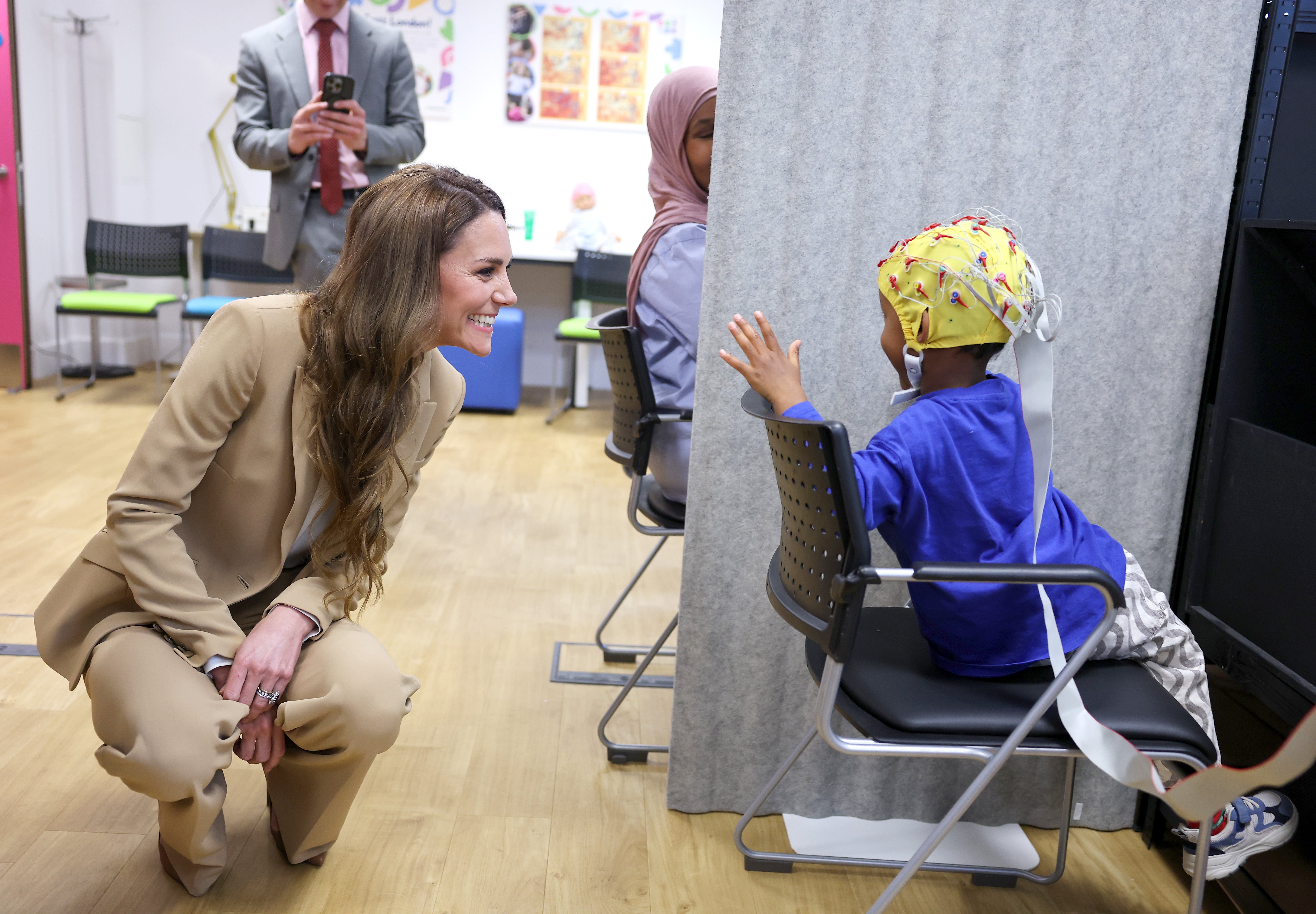
“We’re seeing rising anxiety, emotional difficulties and pressures on young children,” Stokes says, “approaches like Reggio Emilia prioritise emotional development, creativity and a sense of agency – all of which are protective factors for mental wellbeing.”
There is also increasing evidence that play-based learning can improve long-term engagement and academic outcomes.
“Research consistently shows children learn best through active, hands-on experiences rather than passive listening,” she says.
Rather than forcing children to sit still and memorise information from an early age, the Reggio Emilia philosophy encourages experimentation, movement and curiosity.
What does it actually look like day-to-day?
To outsiders, Reggio Emilia classrooms can appear far more relaxed than traditional schools – but the approach is still highly educational.
A typical day might involve storytelling, role-play, drawing, building, gardening or outdoor exploration.
“If a child becomes interested in something, like a structure they’re building or something they’ve noticed outside, that curiosity can become the starting point for deeper learning,” explains Stokes.
Learning goals are then woven naturally into activities. Counting blocks can develop numeracy skills, acting out stories builds language development, while nature walks can inspire writing or problem-solving exercises.
“This is known as active learning,” she says. “Children aren’t passively receiving information – they’re experimenting, testing ideas and learning through trial and error.”
Teachers then step in strategically to gently extend children’s thinking through questions and prompts – a technique known in psychology as “scaffolding”.
How can parents use the Reggio Emilia approach at home?
The good news for parents is that many elements of the Reggio Emilia philosophy already happen naturally in everyday family life.
“One of the biggest misconceptions is that this approach requires special resources or a completely different home set-up,” Stokes explains.
She says simple games such as I-Spy, imaginative play, storytelling, drawing or outdoor walks can all become opportunities for child-led learning.
The key is following the child’s curiosity rather than controlling every activity.
“You might ask, ‘What do you think will happen if…?’ or ‘Can we make this bigger or more detailed?’ […] small interventions stretch thinking without taking over,” Stokes says.
Crucially, play is viewed not as a break from learning – but as the learning itself.
“In many households, play is treated as a reward,” she explains, “but psychologically, it’s actually one of the main ways children develop thinking, language and problem-solving skills.”
Does it work for every child?
One of the strengths of the Reggio Emilia model is its flexibility. Rather than expecting children to adapt to one specific teaching style, the environment adapts to the child.
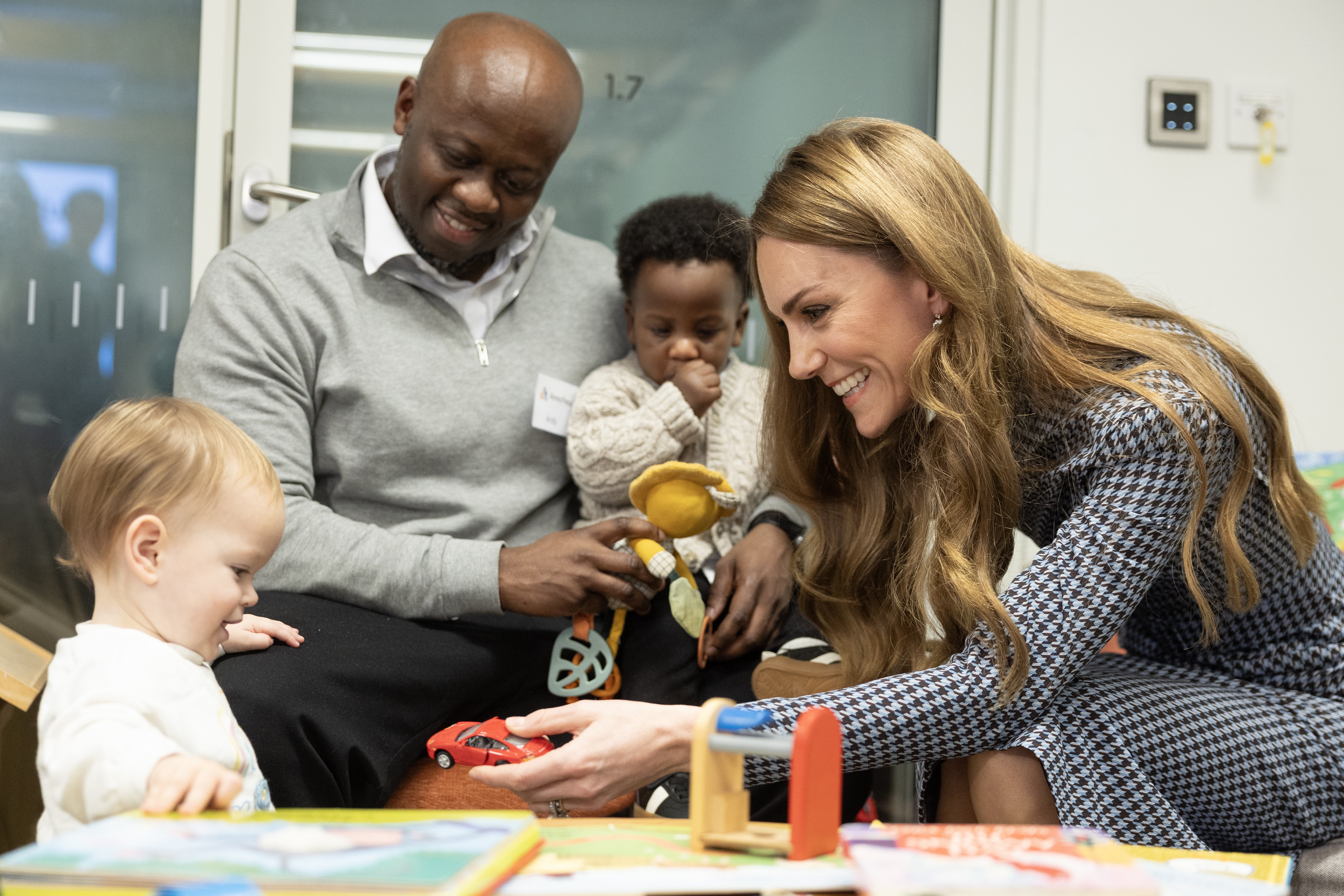
According to Stokes, this can be particularly beneficial for quieter children, anxious children and neurodiverse children, including those with ADHD or autism.
“There’s less emphasis on ‘getting it right’ and more space for trial and error, which can build confidence over time,” she says.
Play-based learning can also help children regulate emotions, navigate transitions and engage with learning in a lower-pressure environment.
“We’re increasingly seeing that many children struggle with highly formal, rigid systems,” says Stokes.
And perhaps that’s partly why the Princess of Wales is choosing to shine such a global spotlight on the Reggio Emilia method now.
