


After the hottest summer on record in the UK – with five heatwaves between May and August, temperatures have started to drop from highs of 30C or more – the summer bubble has finally burst.
Although warm temperatures are set to return at the weekend and temperatures could reach mid 20C in the south of England, the extreme bout of one sunny day after another feels like a distant dream.
For a sunshine person like myself, a darkening mood is already on the horizon. I’ve always suffered winter blues and as we transition into autumn, it already feels more extreme. I’m craving carbs and overeating, socially withdrawing, feeling depressed and suffering from fatigue.
And with warnings that the super El Niño will likely bring stormy and wet autumn weather and possibly epic flooding and an ongoing “danger zone of extreme weather” according to the UN, I feel gloomier than ever.
So I am interested to know if moving between seasons after an extremely hot summer is creating a sort of maxxed-out downward spiral effect on our brain and body. I especially want to know, if you are someone who experiences seasonal affective disorder (SAD), will it be worse this year?
Dr Caroline Hickman, a climate psychotherapist and researcher in people’s responses to climate change globally, says that nobody yet understands the impact of heatwaves on SAD – or winter blues – because “it’s unprecedented”.
“We don’t have a blueprint on how it is going to play out – but what we can say is it’s unpredictable because the seasons are out of whack.”
SAD is a type of depression that usually happens in the winter, and according to the NHS, it’s thought to be primarily linked to reduced levels of daylight, which may cause changes to brain chemicals like melatonin and serotonin that affect your mood and circadian rhythms, sleep patterns and mood. And it is because of this that Cathy Wyse, a chronobiologist with research interests focused on understanding the effects of disruption of circadian rhythms on physiology and behaviour, says the heatwaves won’t directly impact SAD.
However, according to the experts, the wobbles I am feeling already are not something I am imagining either. Trevor Harley, Emeritus Professor of Psychology at the University of Dundee, Scotland and author of Head in the Clouds: How the Weather Affects Our Minds and Mental Health, says that at this time of year, around the autumn equinox, as the hours of daylight are shortening at their fastest rate, people suffer from something called “anticipatory anxiety”. And our experiences of the hot summer and the talk of mega El Niños will, he says, “feed this anticipatory anxiety even more”.
“We are worrying about how we are going to feel a little later in the year. And some people might be detecting the first signs of seasonal affective disorder (SAD) – which affects about 10 per cent of the population – which really gets going in November.”
On the other hand, the one per cent of the population who suffer from “reverse SAD”, who feel worse in the summer, are starting to feel better at this time of year, he says, “so it’s not bad news for everybody!”
We don’t have a blueprint on how it is going to play out – but what we can say is it’s unpredictable because the seasons are out of whack
Dr Caroline Hickman, climate psychotherapist
It is the unpredictability and change that people find most unsettling, so as the weather becomes more extreme, so could the transition between seasons. But this is psychological rather than physiological. Harley says: “This year is particularly striking because we’ve had a particularly long settled spell, really from the middle of May onwards. So yes, it will be worse for many people’s mood and anxiety levels this autumn and winter because we’ve adapted to dry, pleasant, sunny weather. I know that too dry and too hot can be bad. But, in terms of light, we will notice the lack of it more, and that might lower some people’s mood even more than usual.”
Roland Zahn, professor of Mood Disorders and Cognitive Neuroscience at London’s King’s College, says weather changes have long been known to affect our mood states and even people with non-seasonal mood disorders often notice the impact of the shorter daylight hours towards the autumn, increasing their depression vulnerability, he says. And extreme weather is causing new changes to emerge.
“The relevance of weather changes is quite variable for different individuals … and it is often difficult to disentangle effects of sleep rhythms and sunlight exposure from reduction of outdoor activities people care about,” he says.
“To add further complexity, many people in our affective disorders services have found this year’s heatwaves quite difficult to cope with and have found relief from the cooler weather which is starting to emerge.”
Hickman says that many of us are “hotwired” in the UK to think that any sunny days are fantastic – and there will be some kind of comedown from it. “Some people don’t want to face the awfulness of climate change because it’s terrifying – and it’s easier to act like we’ve had a wonderful summer – the hottest on record,” she says.
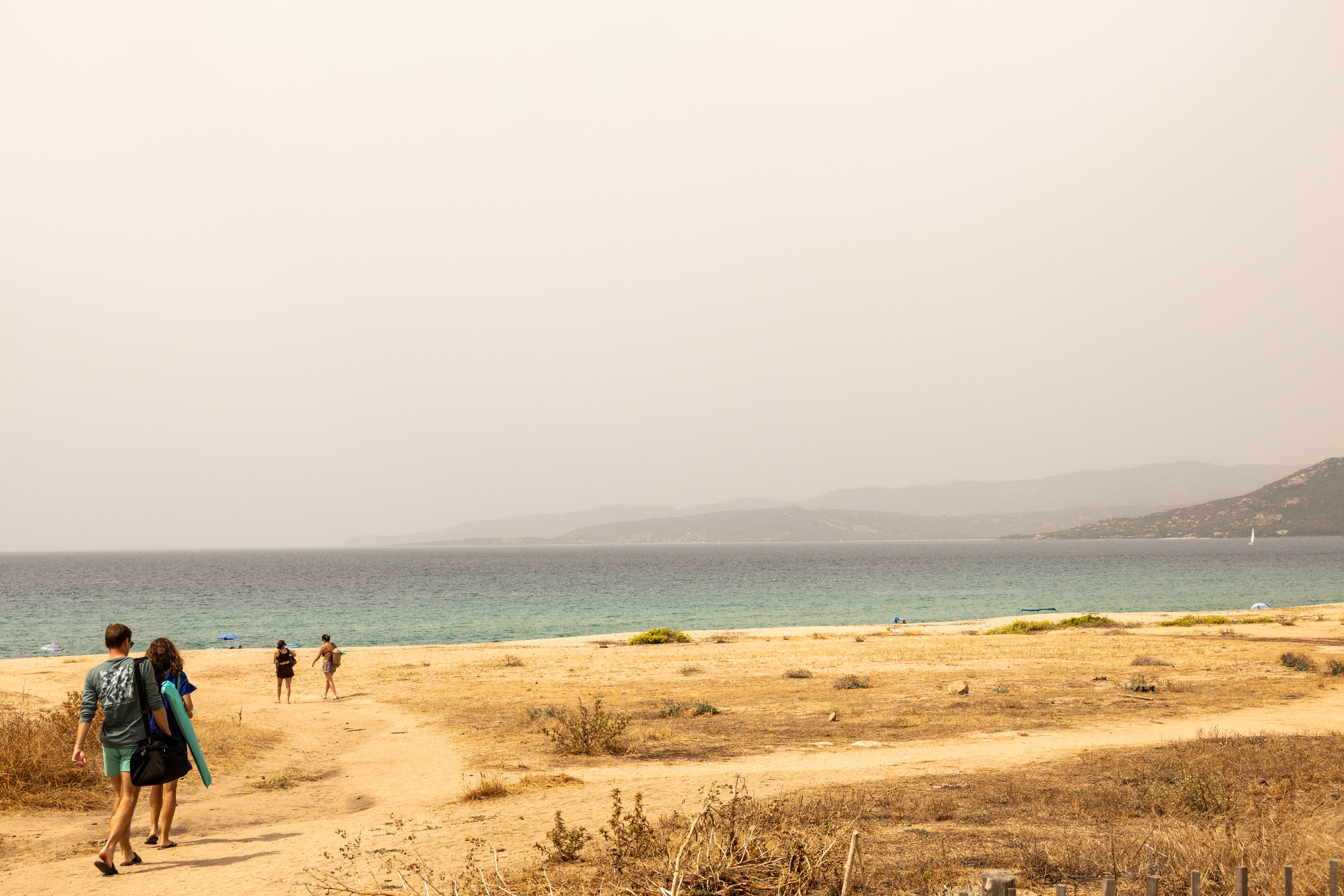
However, she says there is an alternative view that we should be paying closer attention to. This year, she has also been inundated with cases of people in distress about the UK heatwaves. “For a lot of people, the heatwaves are unbearable,” she tells me. “People who come to therapy for climate anxiety hated the heatwave. They couldn’t go outside and now they are just happy to see rain.”
But as there is also the potential for a terrible winter coming with El Nino, people may soon transfer their climate anxiety onto storms or flooding instead. “SAD and winter blues will continue to exist for people, but climate anxiety will become a bigger psychological problem,” she says. “We haven’t faced climate change before, and quite honestly, we don’t have a clue how to manage it emotionally,” she says. “There is no quick or easy solution.”
As all seasons are likely to become more extreme, Hester Parr, Professor of Human Geography at the University of Glasgow, says that looking ahead, the UK needs to be better prepared for the mental health impacts of big seasonal contrasts.
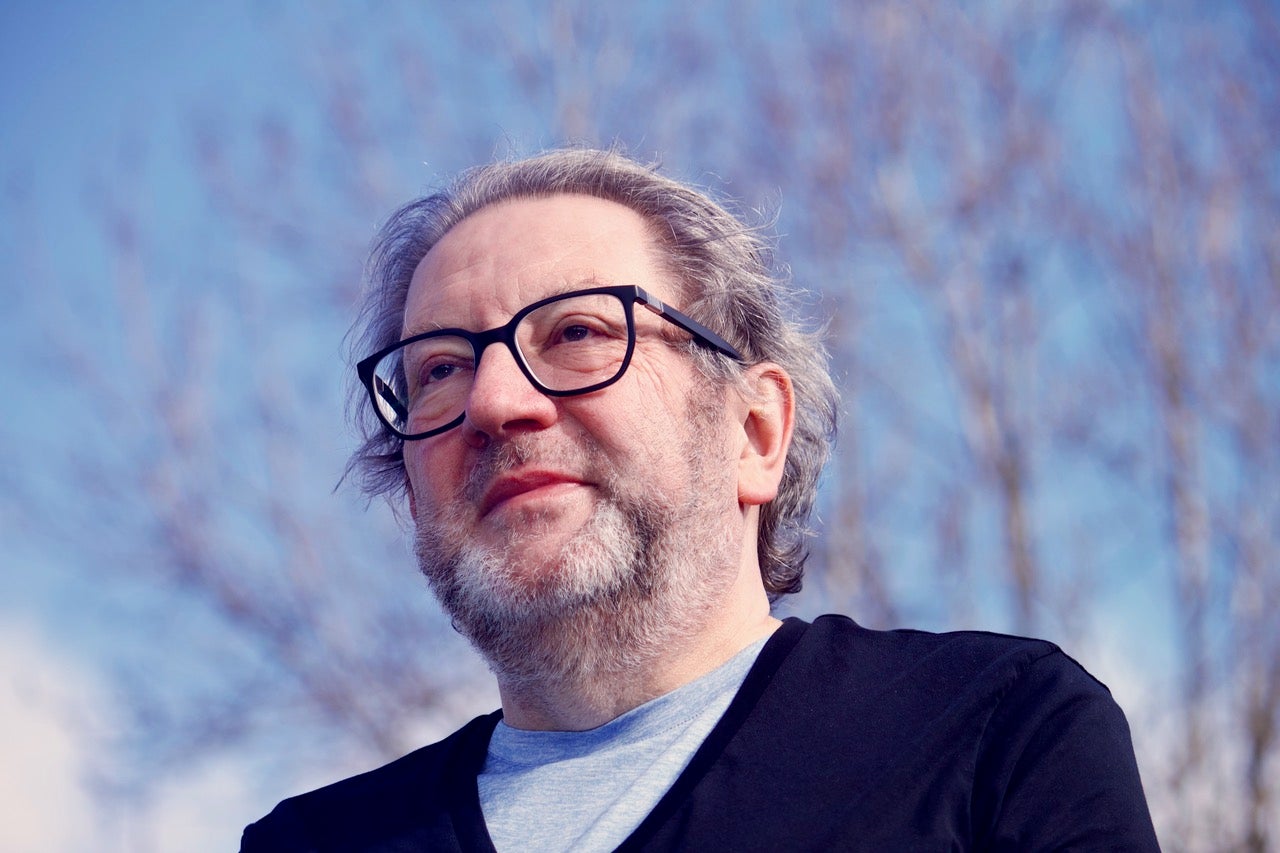
“We know that climate-changed winter weather in the future will get wetter, warmer and wilder. We need to be more prepared for the consequences of this change, especially in terms of our mental health,” she says.
“People with SAD in the UK already adapt to low light in winter every year, but in the future more of us may be affected by low winter mood due to increasingly wilder weather, and we will need more innovative ways to manage this.”
Of course exactly how mood is affected depends on how late autumn pans out. At the moment the signs are of a warm, sunny, settled spell, which will cheer many people up, but then people might feel even worse when really bad weather does set in.
Nobody yet understands the impact of heatwaves on SAD – or winter blues – because it’s unprecedented
Dr Caroline Hickman
The good news is that recognising those changes early allows people to put supportive strategies in place before symptoms begin to impact daily life. “Healthy habits support resilience throughout the year,” says Ella Kaur Maan, registered nutritionist and Practitioner Lead at supplement brand, Dr.Vegan
While there’s no single solution for SAD, she says, one area that is often overlooked is the connection between gut health and mood. “Around 90 per cent of the body’s serotonin, often referred to as the “happy hormone”, is produced in the gut, which is why supporting a healthy gut microbiome can be an important part of overall mental wellbeing,” she tells me.
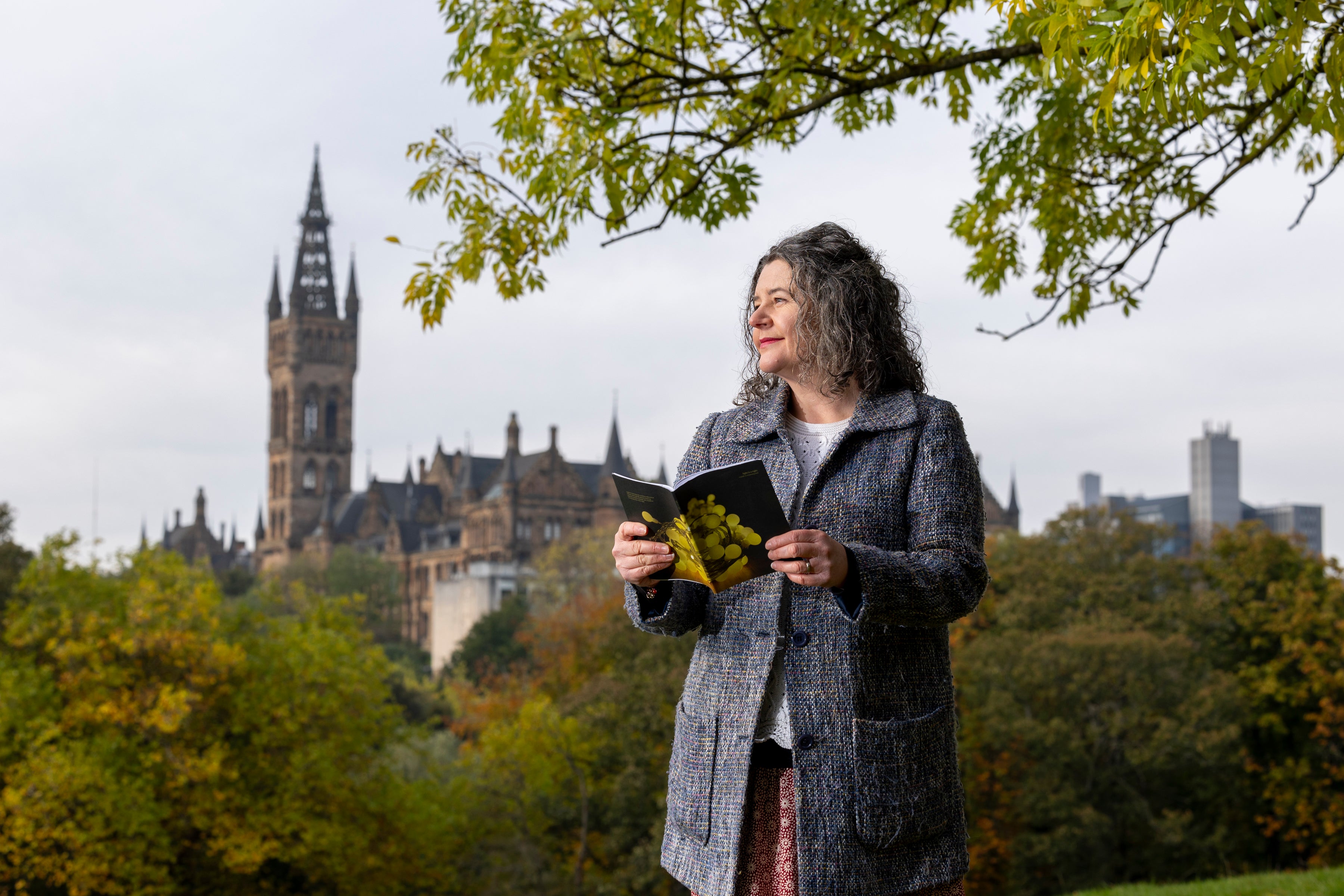
To improve gut health she suggests eating fermented foods such as kefir, kombucha and sauerkraut, alongside a varied diet rich in plant foods. Vitamin D is also another important consideration. As sunlight exposure decreases during winter, many people in the UK struggle to maintain optimal vitamin D levels.
“Rather than looking for a quick fix, it’s important to focus on the basics. Eating balanced meals, prioritising sleep, staying hydrated and remaining physically active can help support both body and mind throughout the year.”
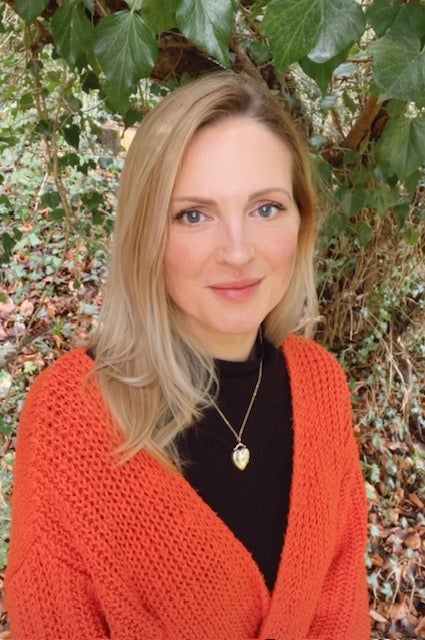
But ultimately there are concerns that SAD will pale in comparison next to climate grief and anxiety. Dr Louise Edgington helps people to live well with their climate emotions, which include a whole array including eco-grief, eco-anxiety and climate distress. “Although SAD is real, the multiple impacts on our mental state from knowledge of climate change and ecological loss – including food shortage as and disease outbreaks – are going to be a lot more severe, significant and wide-ranging.
The emerging climate distress will she believes, be “less about mood” and “a whole coming to terms with ecological collapse – and societal collapse – “and that is scary”.
Within that this there are confronting issues of personal responsibility too.
“It’s about paying attention to the world as it really is – not being stuck in denial”, she tells me, and these eco feelings are not something we really want to get rid of. Instead, it’s about moving through difficult eco-emotions and not being afraid “to feel your feelings”.
Feeling you are part of a community doing practical things can help with climate grief too. Rebecca Nestor, co-chair of Climate Psychology Alliance, tells me that this summer’s “brutal” weather has caused a sharp rise in the numbers of people wanting to attend climate café listening circles – “we have had to double the number of these supportive gatherings” – and also in the numbers asking about the individual therapeutic support for the psychological impacts of the climate crisis.
There is no cure for climate change anxiety, but getting support from someone who understands that climate distress is real, rather than treating the concern itself as irrational, can help calm anxiety about what is happening to the planet and what may come next.
While we have always known the weather can affect our moods and emotions, whether it is SAD or climate grief, this year’s wild weather means there will be more of us than ever bracing for the storm ahead.
