

A 29-year-old woman is facing the prospect of a double knee replacement and the possibility of a double leg amputation after dealing with severe arthritis for seven years.
Phoebe Phillips, who lives in Chester, was diagnosed with psoriatic seronegative inflammatory oligoarthritis in 2019, which has progressed to the point that she has been left with no remaining cartilage in her knees, making it incredibly difficult to walk.
She said that treatments offered over the years have targeted the symptoms, but not the cause, leading to pain that was “so severe that my GP had to prescribe tramadol and liquid morphine just so I could survive the days”.
Now, her disease is at such an advanced stage that she has been advised a double knee replacement is the only remaining option, which will need to be repeated every ten years, before potentially requiring a double amputation above the knee.
Having felt repeatedly “dismissed” by doctors, she is now fundraising to fund her care privately, with the initial double knee replacement surgery estimated to cost upwards of £15,000.
“I’ve missed out on my entire adulthood so far,” Phoebe, who is single and currently unemployed, said.
“It’s really the small things that are so much more important to me. Just to be able to go up and down a couple of stairs like a normal person… Standing in the shower and not having to sit down – all the small stuff.
“I can’t even sleep in a normal bed, I have a rail next to the toilet, and all those kinds of things that I just shouldn’t have to be dealing with, if I’d have been taken more seriously sooner or listened to.”
Phoebe’s symptoms began in October 2018, when she was 21, and she said: “It really just happened from one day to the next”.
“My right knee basically just blew up overnight… It was the same width as my thigh, and it felt really numb. Over the next couple of days, I just thought, maybe I’ve tripped, I’ve hurt it, and I just don’t remember. I iced it and elevated it and did all the things that you should do.”
After a few days, Phoebe said her knee was “just getting worse” – she couldn’t put weight on it, and it became more painful.
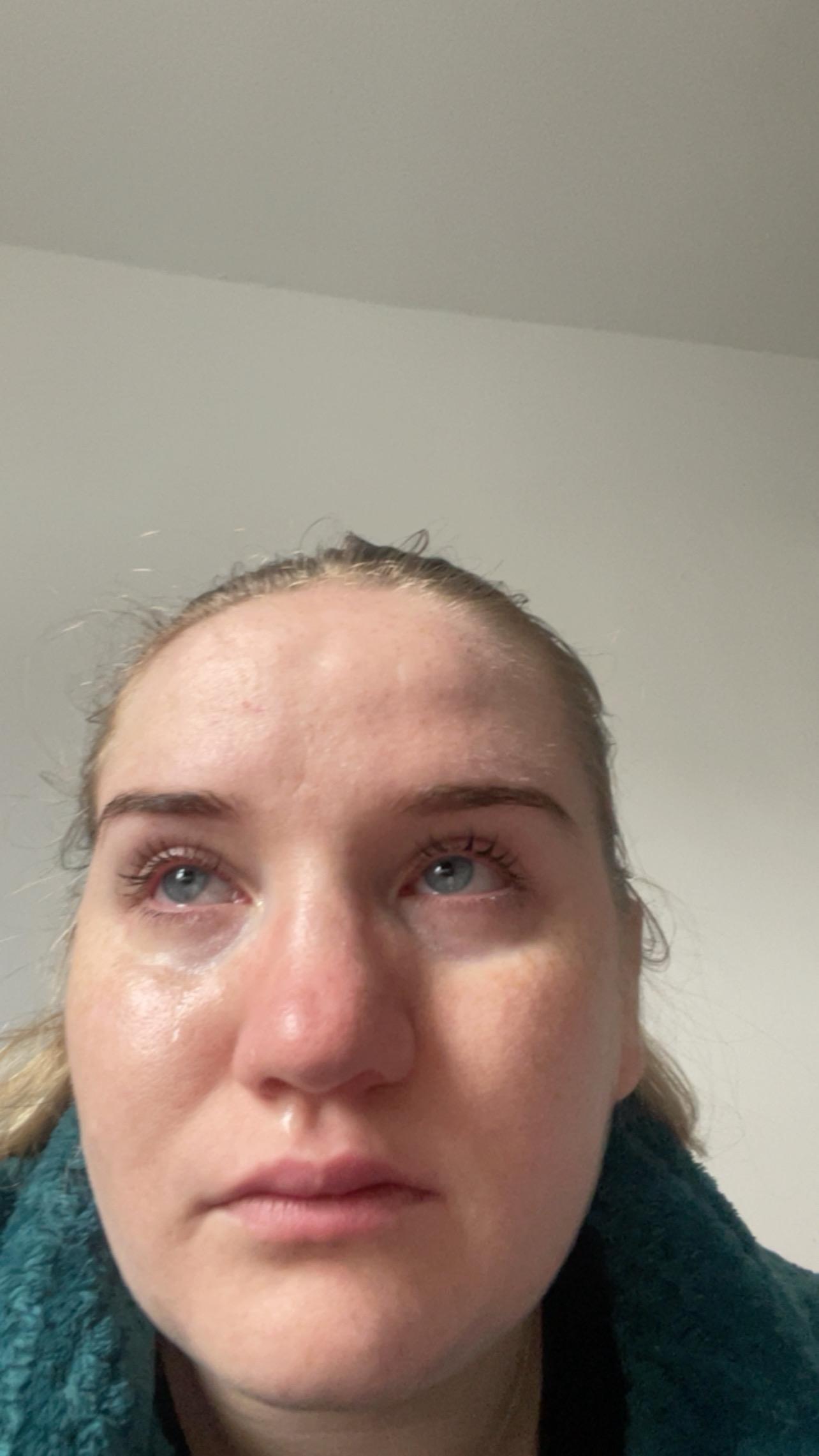
She visited her GP, who she said “dismissed” her symptoms at first, suggesting maybe she had been “out dancing and tripped in your high heels, and you don’t remember”.
“I was like, ‘Well, I don’t drink, I’ve been sober for years, but okay!’,” Phoebe said.
Four months later, Phoebe was able to see a rheumatology consultant at the Countess of Chester Hospital, who diagnosed her with psoriatic seronegative inflammatory oligoarthritis in March 2019.
According to the NHS, psoriatic arthritis can develop in people with the skin condition psoriasis, and most commonly affects the knees, hands, feet, elbows, neck and spine. Phoebe said that many other women in her family had suffered with psoriasis, and she had struggled with skin conditions like eczema in the past.
“At that very first appointment, I got both of my knees drained, which was very scary – they come out with the massive thick needle and stick that right into the middle of your knee,” Phoebe said.
“From then, I was basically just told: ‘This is something that can be controlled very well, we have a lot of medications for it, and we can start you on the first one straight away’.”
Phoebe said she was told that the removal of the inflammatory fluid in her knees should help to alleviate the pain, and she was started on methotrexate, an immunosuppressant that is used for arthritis and psoriasis among other conditions.
“The first few times I’d taken it, it just made me so violently ill,” Phoebe said.
“I couldn’t keep food down for days on end. And after I think about three months, I called them up and said, ‘Listen, this isn’t doing anything. I’m still having the exact same symptoms’.”
Then, Phoebe was also put on sulfazalazine, an anti-inflammatory medication, but said it caused her chest tightness so she was advised to come off it.
From there, she has tried all kinds of medications such as JAK inhibitors and biologic immunosuppressants, but said that “I was just never really told what the forecast was”.
“Any time I would try and ask about it, I was told: ‘Well, it’s different with everyone. It’s not really something that we can predict’,” she said.
“And obviously, being in the situation that I’m in now, I know that actually there are several things that they can 100 per cent determine will happen at some point in the future; they just can’t tell you when. Which is unfortunately not what I was told.”
Over the years, Phoebe said her condition has “progressed massively”. It remains the most active in her knees, but she said that “it’s in my sacroiliac hip joint, in my elbows, wrists, and hands – it’s basically pretty much everywhere now”.
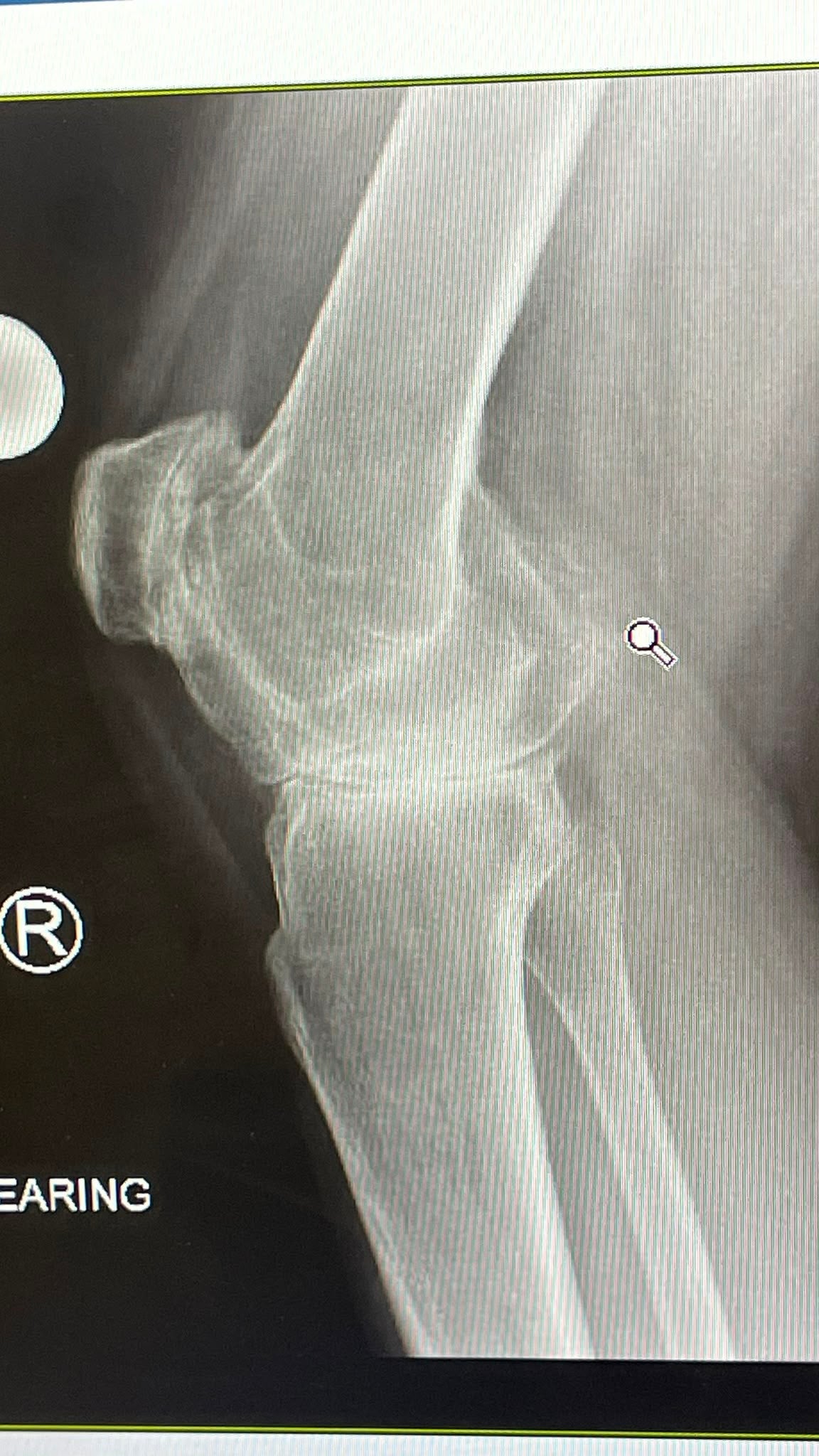
Phoebe is now on medication that seems to be “somewhat keeping it under control”, but in April 2026, she had an X-ray that revealed, “I have no cartilage left whatsoever in my knees.”
“Although I was medicated, it wasn’t actually treating the disease for so long. So because of that, that’s why it’s worn down so much,” Phoebe said, adding that now her legs are permanently bent at an angle and are difficult to move due to the loss of cartilage.
“But no one had ever discussed with me that that would even be something I’d have to worry about.”
“I asked my doctors for years, can you please just look into it? I can feel that it won’t move, and it’s not for my lack of trying. I can feel there’s something in there,” she added.
“I asked for scans over and over again. I was just told: ‘No, this is just what the disease does; it’s probably just swollen’. Even when I asked to speak to an orthopaedic (consultant), I was told point blank that no one’s going to look at it because you have active disease inflammation, so we won’t refer you.
“So then, obviously, it’s taken years and years to get to that point when I finally got referred.”
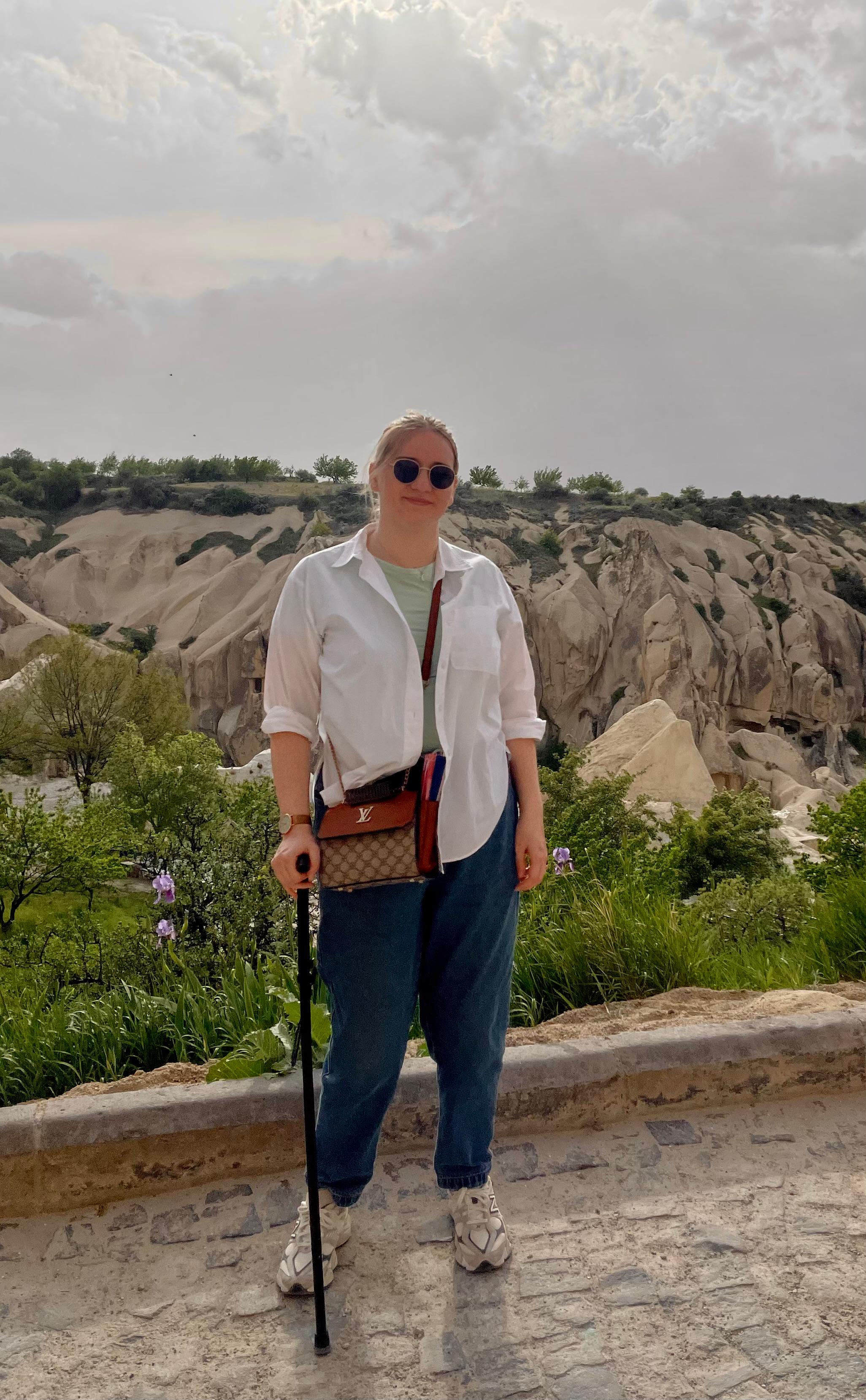
Now, Phoebe said she has been told that her only option to regain proper movement in her knee joints is to have a double knee replacement.
She added that she has been advised that the replacement joints will eventually wear out, and she will need the procedure repeated every 10 years. She has also been told that, over time, the bone loss from repeated surgeries will lead to an above-the-knee double amputation being the only course of action.
Despite this, Phoebe said that is a risk she is willing to take.
“I’ve missed out on my entire adulthood so far, and I understand that that means that maybe in 10 years, maybe 20 years’ time, that I would be an amputee,” she said.
“But arguably, in my book, being an amputee would actually be better than what I’ve been dealing with, so I’m okay with that.”

Phoebe said that the disease has “pretty much taken over” her life.
“I just feel like there’s so many things that I would have wanted to do in my life, and now I can’t,” she said.
“And the frustrating thing is, it’s not just down to the disease, but it’s how it’s been treated and how it’s been managed, which is such a big problem for me.”
She said she has tried other treatments like osteopathy, physiotherapy, red light therapy, “but the issue is just that the medication that I was on was not controlling the disease well enough. So none of the things that I was doing was ever going to be good enough.”
Phoebe understands through her own research that there is one more treatment available prior to the knee replacement surgery: an injectable drug called arthrosamid, which is designed to treat knee osteoarthritis. However, she has been advised that since her cartilage is completely eroded, “the likelihood of it working is quite slim”.
However, Phoebe believes it is “worth trying before jumping into a major surgery”.
Symptoms of psoriatic arthritis
NHS
Symptoms of psoriatic arthritis include:
- pain, swelling and stiffness in 1 or more joints
- swollen fingers or toes
- your nails changing from their usual colour, or tiny dents or pits developing in your nails
- feeling drained of energy
Phoebe is looking to seek care privately in the hope it would be faster and allow her to explore alternative preservation treatments.
She understands it will cost between £12,000 and £16,000 to have a double knee replacement privately, and she has launched a fundraiser on GoFundMe to begin the process.
Phoebe’s fundraising goal is currently set at £6,000, which she hopes would allow her to test the arthrosamid and seek initial consultations so she can find the right doctor for her treatment.
Having missed out on so much of her youth, Phoebe – who posts about her experience of chronic illness on TikTok @only_pheebs – said: “I want my life back.
“I want to stand up straight again. I lost my entire 20s to this disease, trapped in my house when friends and peers were out living, I couldn’t often join them.
“I would love to be able to live a bit again, enjoy my 30s, maybe.”
A Countess of Chester Hospital NHS Foundation Trust spokesperson said: “We are committed to providing high quality care for all our patients and their families. Whilst we cannot comment on individual cases, if patients or their families have any concerns regarding the care they receive, we would advise them to contact our PALS team on 01244 366066, or email [email protected] who will be able to support them.”
