Home Blog Page 162

This famous European destination now requires advance booking and entry fees for its most popular beaches

0
This famous European destination now requires advance booking and entry fees for its most popular beaches


A visit to one of Europe’s most picturesque beach destinations now requires more planning than ever before. According to a Fox News report, several of the most popular beaches on Sardinia, the Italian island in the Mediterranean, have introduced advance reservation systems, daily visitor limits and entry fees to combat overtourism and protect their fragile coastal environment. The new rules mean that visitors may need to secure bookings weeks in advance before heading to some of Europe’s most sought-after beaches.

Why Sardinia is limiting beach access

Rena Bianca beach, Sardinia

Rena Bianca beach, Sardinia (Image Credit: Canva)

Sardinia, the second-largest island in the Mediterranean, is renowned for its crystal-clear waters, white sandy beaches and dramatic coastline. The island attracts large numbers of travellers, especially during the summer months, placing increasing pressure on its natural landscapes.In recent years, local authorities have become increasingly concerned about overtourism’s effects. Large crowds, damage to coastal vegetation, erosion of sand dunes and increasing pressure on local ecosystems have led to policies that limit the number of daily visitors to certain beaches.The new system is part of a broader effort to preserve Sardinia’s natural beauty for future generations. Similar conservation measures have been introduced in several tourist destinations around the world where rising visitor numbers have threatened sensitive ecosystems.

Which beaches have the new rules

Scenic View of La Pelosa Beach Tower in Sardinia

Scenic View of La Pelosa Beach Tower in Sardinia (Image Credit: Canva)

Among the beaches with the strictest regulations is La Pelosa Beach, one of Sardinia’s best-known coastal attractions. Famous for its shallow turquoise waters and soft white sand, the beach now allows only 1,500 visitors per day. Anyone wishing to visit must reserve a spot online in advance, pay a small entrance fee and present a booking confirmation or QR code before entering.Another iconic destination is Cala Goloritzé, a protected beach celebrated for its striking limestone cliffs and pristine waters. Visitor numbers here are even more tightly controlled, with only 250 people permitted each day during the tourist season. Advance reservations are mandatory, and visitors are also required to pay an entry fee.These restrictions are no longer limited to just one or two locations. According to Heart of Sardinia, a booking platform managing reservations for several of the island’s beaches, around 16 beaches and coves across Sardinia have introduced reservation systems, visitor caps or similar access controls to better manage tourism.The reservation requirements mean that travellers hoping to visit these beaches during the busy summer months may need to secure their bookings several weeks before their trip, as available slots can fill up quickly.

What travellers should know before planning a visit

Rena Bianca beach, Sardinia

Rena Bianca beach, Sardinia (Image Credit: Canva)

For travellers, the new rules mean that spontaneous beach visits may no longer be possible at some of Sardinia’s most popular locations. Travellers are advised to check the reservation requirements for their chosen beach before finalising their itinerary and complete any necessary bookings in advance.In addition to making reservations, visitors should be prepared to pay the required entrance fees and carry proof of their booking when arriving at the beach. Visitors without a valid reservation may be denied entry, even if they have travelled a considerable distance.While the additional planning may seem inconvenient, the measures reflect a growing global effort to balance tourism with environmental conservation. As destinations around the world grapple with overtourism, Sardinia’s approach highlights how popular attractions are increasingly adopting visitor limits to protect fragile natural landscapes.For travellers, the message is clear: if Sardinia’s stunning beaches are on your travel wish list, planning ahead is now just as important as packing your beach essentials.


Source link

China’s Moonshot AI claims Kimi K3 can rival OpenAI and Anthropic

0
China’s Moonshot AI claims Kimi K3 can rival OpenAI and Anthropic


Chinese AI start-up Moonshot has unveiled a massive new artificial intelligence model it says can rival top American firms.

The company launched Kimi K3, containing 2.8 trillion parameters, which serves as a measure of an AI’s scale and processing power.

Kimi K3’s full capabilities – coding, knowledge work, and reasoning – will be known when it is released as an open-source model on 27 July.

The sudden breakthrough suggests that China’s tech prowess is rapidly narrowing the capabilities gap, upending long-held assumptions in the West that Chinese developers trail their American peers.

Its arrival later this month will make it the world’s first open-source model in the three-trillion-parameter class that can be freely downloaded, run and customised by outside developers.

The release comes at a highly sensitive moment for the global technology sector, just weeks after the US government abruptly forced American developer Anthropic to temporarily withdraw its flagship Fable and Mythos models due to severe cybersecurity concerns.

While Washington has since lifted those restrictions, the initial move highlights how the US government now views advanced AI software as critical national infrastructure, labelling frontier models as vital national security assets subject to strict export controls.

However, the rapid arrival of Kimi K3 suggests Chinese firms are successfully bypassing these regulatory barriers and advancing independently despite US restrictions on hardware sales.

Heavily backed by domestic tech giants Alibaba and Tencent, Moonshot has quickly risen to the forefront of China’s generative AI ecosystem.

In a statement the company said that K3 stands as Moonshot AI’s “most capable flagship model to date”.

Unlike closed, proprietary American systems from OpenAI or Anthropic, Kimi K3’s open nature allows global users to modify the system for advanced reasoning and complex software development.

Moonshot AI noted that the system is uniquely built to operate with “minimal human supervision” to sustain tasks such as engineering and coding.

Third-party evaluations from Artificial Analysis and Arena.ai show the model performing on a par with leading models in the US, such as OpenAI’s GPT and Anthropic’s Claude.

In these independent benchmarks, external, Kimi K3 ranked first in web interface engineering, outperforming Anthropic’s Fable system, external in blind human-preference tests.

While the system’s massive size means running it locally requires significant computing equipment, making it open-source could heavily disrupt Silicon Valley’s commercial models.

The announcement had an immediate impact on shares in Moonshot’s domestic competitors Zhipu and MiniMax, which tumbled sharply in Hong Kong by about 27% and 16% respectively.


Source link

Brewdog founder James Watt faces data complaints over efforts to buy back firm

0
Brewdog founder James Watt faces data complaints over efforts to buy back firm


Earlier this week, bosses at Tilray stressed that the brand was not for sale and planned to reject Watt’s takeover efforts.

A spokesman added: “Tilray Brands did not acquire Equity for Punk shareholder data as part of its acquisition of the BrewDog brand and assets; that records system remains under the control of BrewDog plc (in administration).

“Tilray acquired only a customer CRM database comprising individuals who explicitly opted in to BrewDog communications.

“For the avoidance of doubt, Tilray Brands (trading as BrewDog) and its current management team have no involvement in, affiliation with, or responsibility for James Watt’s business activities, including Second Best.”

The spokesman added that Tilray Brands did not “authorise, facilitate, or participate in the communications reportedly sent to former Equity for Punks investors and did not authorise the use of any acquired data for such purposes”.

“We take data privacy with the utmost seriousness and can categorically confirm that no data held by Tilray Brands has been shared with external entities or former directors,” he said.


Source link

MLS team apologizes after JJ Watt called them out for snubbing his soccer star wife

0
MLS team apologizes after JJ Watt called them out for snubbing his soccer star wife


Major League Soccer’s Real Salt Lake has apologized to soccer star Kealia Watt for referring to her only as JJ Watt’s wife in a social media post.

On Wednesday, the team shared a picture of the two sports stars with their three-year-old son, writing on X: “Welcome @JJWatt and fam.”

Former NFL defensive JJ responded to the post with a list of his wife’s sporting accolades, including four Utah state championships, as well as earning Gatorade Player of the Year twice and National Player of the Year.

“The woman in the photo grew up literally down the road, won 4 Utah state championships (1 in this exact stadium), Gatorade Player of the Year twice, National Player of the Year, scored the fastest first goal in USWNT history…” JJ wrote in response. “Could probably be worth a mention, but idk [I don’t know].”

Real Salt Lake shared an apology Thursday, writing: “We made an honest mistake yesterday and we are sincerely sorry for that. When we welcomed the Watt family to America First Field, we should have recognized Kealia Watt for exactly who she is.”

JJ Watt called out an MLS team for snubbing his soccer star life (X via @JJWatt)
Major League Soccer's Real Salt Lake has apologized to soccer star Kealia Watt for referring to her only as JJ Watt’s wife in a social media post
Major League Soccer’s Real Salt Lake has apologized to soccer star Kealia Watt for referring to her only as JJ Watt’s wife in a social media post (Getty Images)

The team then shared a summary of Kealia’s sporting legacy.

“Kealia is a Utah native and one of the most decorated players to ever come out of this state. Kealia won four state championships with her club and four more in high school, and was a two-time Utah Gatorade Athlete of the Year. She was a U.S. youth national teamer at 13. At the U-20 level, she scored the game-winning goal in the World Cup final,” the post continued.

“She started four years at North Carolina, won a national title with the Tar Heels, then went No. 2 overall in the NWSL draft to the Houston Dash, and was the franchise’s first-ever college pick. She then became their captain with 114 appearances and 28 goals. Kealia finished her career with the Chicago Stars (then known as the Red Stars) and is now a soccer analyst for Amazon Prime Video.”

“@KealiaOhai, @JJWatt — we are deeply sorry. Thank you for all you do for the sport.”

Kealia, 34, is a former member of the U.S. Women’s National Team who played in the National Women’s Soccer League. She now co-hosts the podcast Style of Play with former soccer star Julie Ertz.

JJ, 37, an NFL game analyst for CBS Sports, stepped away from professional football after the 2022 season, finishing a 12-year career with the Arizona Cardinals.

In 2023, the couple purchased a stake in the English soccer club Burnley F.C., which played in the Premier League last season.


Source link

New bank scam laws could stop suspicious payments

0
New bank scam laws could stop suspicious payments


NEWYou can now listen to Fox News articles!

Your phone rings, and the caller says your bank account is under attack. To protect your savings, you must move the money right now. The caller sounds calm. The instructions feel official. However, the “safe account” belongs to a scammer. That pressure can turn years of savings into an irreversible transfer. Georgia now gives some banks and credit unions another chance to interrupt the payment before the money leaves.

House Bill 945 took effect July 1, 2026. The law lets financial institutions pause certain transactions when they reasonably suspect financial exploitation. It protects adults age 65 or older. It also covers adults with qualifying physical or mental incapacities, Alzheimer’s disease or dementia. The idea sounds simple. Yet the details matter because your bank’s power may depend on your state, your account and the institution’s own policy.

YOUR FAMILY COULD BE ONE PHONE CALL FROM A BANK SCAM

Free live CyberGuy class: Sick of Spam? Join us July 22.

Join us Wednesday, July 22, at 1 PM ET for a free CyberGuy Live class that will help you cut down on robocalls, spam texts, junk email and other unwanted messages. Kurt “CyberGuy” Knutsson will walk you step by step through simple ways to filter spam, clean up your inbox and recognize the messages that could put your personal information at risk. No technical experience is needed. You’ll also receive our spam-stopping checklist, and every registrant will get a link to the class recording afterward.

Reserve your free spot today at CyberGuyLive.com.

Georgia’s new bank scam law lets financial institutions pause certain suspicious transactions involving older or vulnerable adults. (Getty)

Georgia’s new bank scam law can pause a suspicious payment

Under Georgia’s law, a financial institution may place a hold on a transaction linked to suspected exploitation. The law can cover an eligible adult’s account or an account where that adult is a beneficiary. It can also reach an account belonging to someone suspected of carrying out the exploitation. That last provision gives the law extra reach. In practice, it could help when suspicious money arrives in another customer’s account. The institution may have room to stop the payment from moving farther when the facts support concern.

However, the law gives banks discretion. It says a financial institution may place the hold, but it does not require one. Therefore, a worried teller or fraud analyst still has to notice the warning signs and act. The law also focuses on the suspicious transaction. It does not automatically shut down every payment or withdrawal connected to the account.

A possible 30-day delay comes with limits

A Georgia hold initially expires after 15 business days. The bank may add up to 15 more business days if its review still supports the exploitation concern. A court may shorten or extend that period. The bank must notify authorized account parties and any trusted contact within three business days. It can skip someone it reasonably suspects of taking part in the exploitation. The institution must also begin reviewing the facts behind its decision.

Before using this power, the institution must train the employees involved. It also needs written procedures for reviewing suspected exploitation. The law gives institutions liability protection when they act in good faith and use reasonable care.

A trusted contact can help without controlling your money

Georgia’s law also allows an eligible adult to name a trusted contact for an account. That person could be a relative, friend or another adult the account owner trusts. The bank may contact that person when it suspects exploitation. It may also ask for help confirming contact information, health status or the identity of someone holding power of attorney. In some cases, the institution may share only that it suspects exploitation.

A trusted contact does not automatically gain access to your balance. The role also does not grant authority to move your money or make decisions for you. Federal regulators describe the contact as a backup person whom the institution can alert when something looks wrong.

Which states let banks pause suspected scam payments?

Georgia is part of a much larger shift. As of today, at least 33 states have enacted laws that let banks, credit unions or other covered financial institutions delay certain transactions when they suspect financial exploitation.

The FTC’s most recent nationwide chart identified 24 states with these laws.

However, the agency warned that its chart was only a snapshot and advised readers to check current state statutes.

However, the agency warned that its chart was only a snapshot and advised readers to check current state statutes. Since that report, nine additional states have enacted protections.

These 33 states have enacted transaction-hold protections

The states are:

  • Alabama, Arkansas, Colorado, Connecticut, Delaware, Florida, Georgia and Idaho
  • Kentucky, Louisiana, Maine, Maryland, Michigan, Minnesota, Mississippi and Montana
  • Nebraska, Nevada, New Hampshire, North Carolina, North Dakota, Oklahoma, Oregon and Rhode Island
  • South Carolina, South Dakota, Tennessee, Texas, Utah, Vermont, Virginia, Washington and Wyoming

The laws do not give every bank the same power. Some let an institution pause a payment on its own. Others require a report to law enforcement or adult protective services. The protected age can also vary, while several states include younger adults with qualifying disabilities. Hold periods differ even more. A delay may last only a few business days in one state. Elsewhere, an investigation or court order can keep the payment on hold much longer.

HOW FLORIDA RETIREE LOST $200K IN FAKE PAYPAL REFUND SCAM

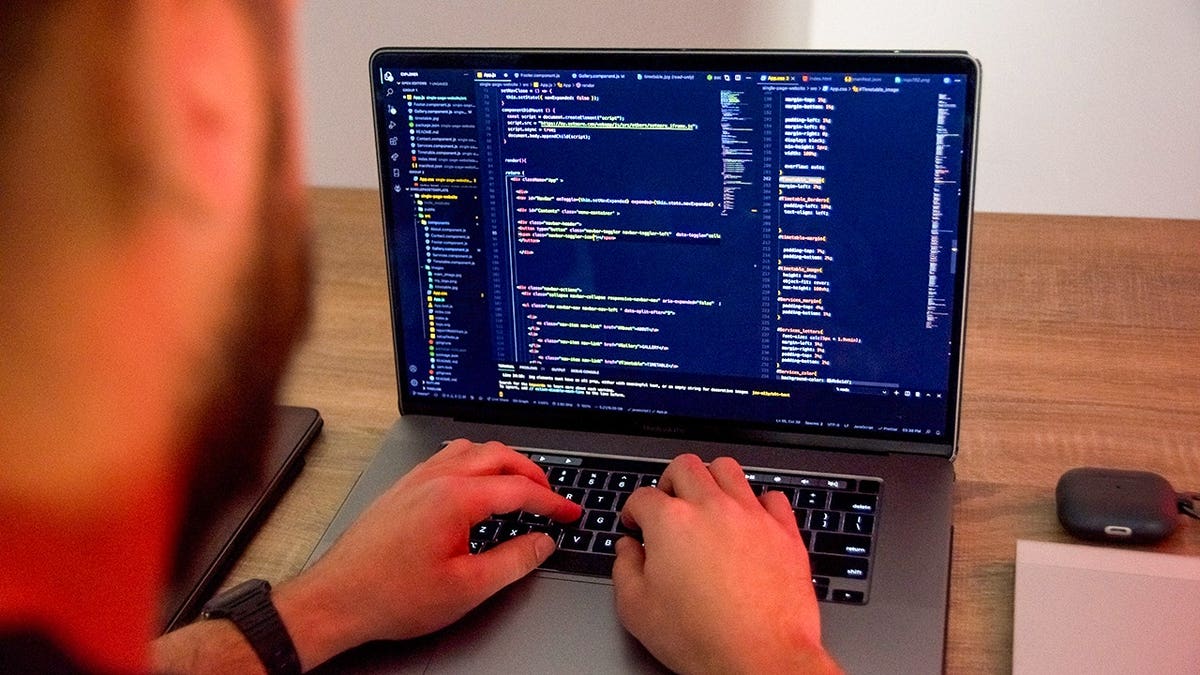
Man coding on his laptop.

Scammers often pressure victims to move money quickly, while transaction-hold laws aim to create time for review. (Photo by Nikolas Kokovlis/NurPhoto via Getty Images)

Nine states have joined the list since the FTC’s last review

Here is what the newer state laws do.

Colorado

Colorado’s HB 26-1110 created the Adults’ Security and Safeguards from Exploitation in Transactions Act, known as the ASSET Act. It lets a bank or credit union delay a disbursement when it reasonably believes a vulnerable adult faces financial exploitation. The institution must notify law enforcement or adult protective services. A decision generally must be made within 90 days. That period can reach 180 days when an agency investigation remains underway. The law takes effect August 12, 2026.

Georgia

Georgia’s HB 945 lets a financial institution place a hold on a suspicious transaction involving an eligible adult. The law also reaches accounts where the adult is a beneficiary. In some cases, it can cover an account belonging to the suspected perpetrator. The initial hold lasts up to 15 business days. A bank may extend it for another 15 business days when its review continues to support the concern. The law also includes trusted contacts, employee training and written notice requirements.

Idaho

Idaho enacted HB 182, known as the Report and Hold law, in 2025. It covers a broad range of financial businesses, including banks, credit unions, lenders, money transmitters and investment firms. Covered professionals may temporarily pause suspicious transactions and report suspected exploitation. The law also gives them liability protection when they act in good faith.

Maine

Maine’s 2025 law covers adults age 65 or older and people protected by the state’s Adult Protective Services Act. A bank or credit union may delay a disbursement when it reasonably believes the payment could result in exploitation. The institution must notify the Maine attorney general within two business days. The hold generally ends within 15 business days unless a court extends it. Customers may also be able to designate a trusted contact.

Maryland

Maryland’s Vulnerable Adult Banking Protection Act covers residents age 65 or older and vulnerable adults who cannot provide for their daily needs. A financial institution may delay or deny a suspicious disbursement. An initial delay can last 15 business days. The institution or an investigating agency can extend it for up to 25 business days from the original request date. The law takes effect October 1, 2026.

North Carolina

North Carolina’s SB 595 gives financial institutions broad authority to delay or refuse transactions involving suspected exploitation of older or disabled adults. The law covers withdrawals, transfers and some requested account changes. An initial delay can last up to 30 business days. The institution may extend it for another 30 business days if it continues to believe exploitation is occurring. Banks may also alert a trusted contact.

Oklahoma

Oklahoma’s SB 2067 requires financial institution employees to report suspicious activity internally and notify an appropriate agency. Banks and credit unions may place a temporary hold on a reported account. They can also contact someone previously designated by the account holder. The law takes effect November 1, 2026.

South Dakota

South Dakota’s HB 1238 lets a financial institution delay or refuse certain transactions when it reasonably believes exploitation may have occurred or is being attempted. The law protects senior and vulnerable adults. It also covers a consenting adult who asks the institution to take protective action.

Vermont

Vermont’s Act 106 lets covered financial institutions delay a transaction when they reasonably believe a customer faces financial exploitation. The initial delay can last 15 business days. The institution may add another 15 days when it believes the exploitation may continue. Vermont approved the law on May 20, 2026.

Why bank scam protections vary by state

The federal Senior Safe Act encourages financial professionals to report suspected exploitation. It also offers liability protection to covered institutions and trained employees who make qualifying reports. However, the law does not create one nationwide transaction-hold rule for checking and savings accounts. Investment accounts follow a different framework. FINRA Rule 2165 lets a brokerage firm temporarily hold certain disbursements or securities transactions when it reasonably believes an eligible adult faces financial exploitation.

The rule generally covers adults age 65 or older along with some younger adults who have qualifying impairments. As a result, a brokerage firm may have national regulatory authority to pause a suspicious request. A bank handling your checking account may depend more heavily on the law in your state.

A state law still cannot guarantee your payment will stop

Most state laws give a bank permission to act rather than requiring it to block every suspicious payment. The institution still needs to recognize the warning signs and have enough information to reasonably suspect exploitation. Your protection may depend on your age, the account involved and where you live. Your bank’s internal policies and employee training also play a role. Even in a state with a transaction-hold law, a payment may go through before anyone realizes a scam is underway.

Scammers know speed works in their favor

CyberGuy has reported on grandparent scams that use urgent calls, stolen details and AI-cloned voices. We have also covered crypto kiosk scams where frightened victims followed a caller’s instructions while the money moved beyond easy recovery. Georgia also used HB 945 to add safeguards for virtual currency kiosks, another payment method scammers use to move money quickly.

In both cases, the scammer wants to keep you isolated. They may warn you not to call your family or bank. They might claim that an employee is part of the investigation. A transaction hold attacks that pressure tactic. It adds time, which gives someone a chance to ask a basic question: Does this story make sense? Of course, no law will catch every scam. A payment can move through a different state, another financial service or a crypto wallet. Also, a bank may miss the warning signs or choose not to place a hold.

THE GIFT THAT PROTECTS YOUR DAD FROM SCAMMERS

Person typing on a phone.

House Bill 945 took effect July 1, 2026, giving Georgia banks more authority to delay payments tied to suspected exploitation. (Kurt “CyberGuy” Knutsson)

Do these bank scam transaction hold laws work?

An ABA Foundation survey commissioned from 158 banks offers an early view. Half of the responding banks in states with hold laws said they had used the authority to delay, refuse or hold transactions. Nearly 90% of respondents in states without such laws supported adopting them. The survey reflects the banking industry’s experience rather than a nationwide independent study. Even so, it shows that banks see value in having time to investigate.

That time can also create a difficult balance. Banks need enough authority to stop a devastating payment. Yet they must avoid blocking legitimate transactions based on age alone. Georgia tries to address that concern with a reasonable-cause standard. It also requires notice, employee training and an internal review. Whether the law succeeds will depend on how institutions use those tools.

How to protect your money from bank scams

You should not assume your bank can reverse a scam payment. You also cannot count on it pausing every suspicious transaction. The safest approach is to put protections in place before an urgent call, text or email catches you off guard.

1) Ask your bank about trusted contacts and transaction holds

Call your bank’s fraud department and ask whether you can add a trusted contact to your account. Then ask what the bank does when an employee suspects financial exploitation. You should also find out whether your state allows the bank to delay a suspicious transaction. The answer may differ between your checking account and your brokerage account.

2) Turn on instant alerts for account activity

Enable notifications for withdrawals, transfers and card purchases. Choose the lowest available dollar threshold so you hear about unusual activity quickly. Also review your bank’s daily transfer and wire limits. Lower limits can make it harder for a scammer to move a large amount of money in one transaction.

3) Make sure your trusted contact understands the role

Choose someone who will answer quickly and question an unusual request. Make sure that person knows your bank may call if something appears wrong. A trusted contact does not automatically gain access to your money. The role gives your bank another way to reach someone you trust during a possible emergency.

4) Create a family code word for emergencies

Choose a private word or phrase that family members can use to verify a real emergency. If someone calls claiming a loved one needs money, ask for the code word. Then hang up and contact your relative through a phone number you already have. Never call a number provided by the person demanding payment.

5) Never transfer money to a so-called safe account

A bank, government agency or law enforcement officer will not tell you to protect your savings by transferring them to another account. Scammers often use the phrase “safe account” to make a fraudulent transfer sound official. Do not send money through a wire transfer, cryptocurrency kiosk or payment app while someone is pressuring you to act immediately. End the conversation and call your bank using the number on the back of your card or its official website.

6) Use strong security software on your devices

Strong antivirus software can help detect malicious links, fake websites and downloads that scammers use to steal financial information. Keep the software updated on your phone and computer. Security software cannot stop every phone scam. However, it can block some of the digital tools criminals use before they reach your bank account. Get my picks for the best 2026 antivirus protection winners for your Windows, Mac, Android and iOS devices at CyberGuy.com.

7) Reduce the personal information scammers can use

Scammers may pull your age, relatives’ names, phone number and address from data broker and people-search websites. They can use those details to make a fake emergency sound convincing. A data removal service can help reduce how much personal information appears on these sites. It cannot remove every record from the internet, but it can make it harder for criminals to build a detailed profile around you or your family. Check out my top picks for data removal services and get a free scan to find out if your personal information is already out on the web by visiting CyberGuy.com.

8) Act quickly if money starts moving

Call your bank’s fraud department as soon as you suspect a scam. Ask the institution to stop, recall or flag the transaction. Change your online banking password from a trusted device and review recent account activity. If you shared login details, ask the bank whether it should lock online access or issue new account numbers. Next, report the incident to local law enforcement and the appropriate fraud agency. For suspected elder financial abuse, you can also contact Adult Protective Services in your state.

Kurt’s key takeaways

Georgia’s new law gives financial institutions explicit authority to pause certain transactions when they suspect financial exploitation. However, the hold remains optional, and the protection applies only in qualifying situations. The issue reaches far beyond Georgia. At least 33 states have enacted some form of transaction-hold authority for banks or credit unions, although several newer laws have later effective dates. The protections still vary, so your state and financial institution can shape what happens during the most urgent minutes of a scam. Add a trusted contact where available. Talk with your family about how to verify an emergency and learn how your bank handles suspicious payments. A five-minute conversation today could create the pause that saves someone’s life savings later.

Should a bank have the power to delay your payment when it believes a scammer is directing you, even if you insist the transfer is legitimate? Let us know by writing to us at CyberGuy.com.

CLICK HERE TO DOWNLOAD THE FOX NEWS APP

Sign up for my FREE CyberGuy Report

  • Get my best tech tips, urgent security alerts and exclusive deals delivered straight to your inbox.
  • For simple, real-world ways to spot scams early and stay protected, visit CyberGuy.com trusted by millions who watch CyberGuy on TV daily.
  • Plus, you’ll get instant access to my Ultimate Scam Survival Guide free when you join.

Copyright 2026 CyberGuy.com. All rights reserved.


Source link

Fox News AI Newsletter: IBM’s AI warning sends ‘shockwave’

0
Fox News AI Newsletter: IBM’s AI warning sends ‘shockwave’


NEWYou can now listen to Fox News articles!

Welcome to Fox News’ Artificial Intelligence newsletter with the latest AI technology advancements.

IN TODAY’S NEWSLETTER:

– IBM sends ‘shockwave’ through tech industry with AI warning

– Dimon urges calm over fear about AI’s impact on jobs: ‘Stop being breathless over it’

– AI is changing modern dating, but experts warn it’s making people ‘relationally stupid’

MARKET JOLT: Shares of IBM were down more than 23% when the market opened on Tuesday, raising fresh questions about whether companies are seeing enough near-term returns from artificial intelligence spending.

COOL DOWN: JPMorgan Chase CEO Jamie Dimon on Wednesday said there is still a lot of uncertainty over how AI will impact the workforce and people shouldn’t be “breathless” in their concerns as new technologies have historically created new jobs.

JPMorgan Chase Chairman and CEO Jamie Dimon speaks onstage during day two of the America Business Forum at the Kaseya Center in Miami, Florida, on Nov. 6, 2025. (Alexander Tamargo/Getty Images for America Business Forum)

PLUG PULLED: New York’s decision to pause the construction of large artificial intelligence data centers is drawing criticism from some lawmakers and energy officials, who argue the move could weaken the United States’ ability to compete in the global AI race while encouraging investment to move elsewhere.

New York Gov. Kathy Hochul speaking at the ribbon cutting ceremony at Highmark Stadium in Orchard Park

New York Gov. Kathy Hochul’s AI data center pause is drawing criticism from lawmakers and industry leaders. (Shawn Dowd/Rochester Democrat and Chronicle / USA TODAY NETWORK via Imagn Images)

RARE PRAISE: Rep. Alexandria Ocasio-Cortez, D-N.Y., praised the late Sen. Lindsey Graham for backing legislation that would allow victims of nonconsensual AI-generated deepfake pornography to file civil lawsuits.

‘RELATIONALLY STUPID’: Artificial intelligence has seeped into almost every aspect of modern life, helping users plan vacations, create workout routines and tackle countless everyday tasks. Some have resorted to using it for their love lives by asking chatbots to help them write witty responses to messages, craft dating app profiles and work out relationship issues. However, relationship experts fear that the increased use of AI in dating could lead to disastrous results.

DIGITAL AXE: A group of 26 Meta employees sued the tech giant over accusations that it used AI-powered software to choose people for mass layoffs, disproportionately targeting workers with disabilities or those who took medical, parental or family leave.

LOCAL LIFT: Meta is expanding its massive data center project in Richland Parish, Louisiana, to 5 gigawatts of compute capacity, making it one of the largest data centers in history, the company announced Monday.

ACCOUNT CONTROL: There are few emails that make your stomach drop faster than one about “new privacy settings.” That usually means a company has moved another data switch, renamed a control or tucked a new choice inside an account menu you rarely visit. Google is now rolling out one of those changes for Search services. The setting is called Search Services History. It controls whether Google saves your activity from Search services when you are signed into your Google Account.

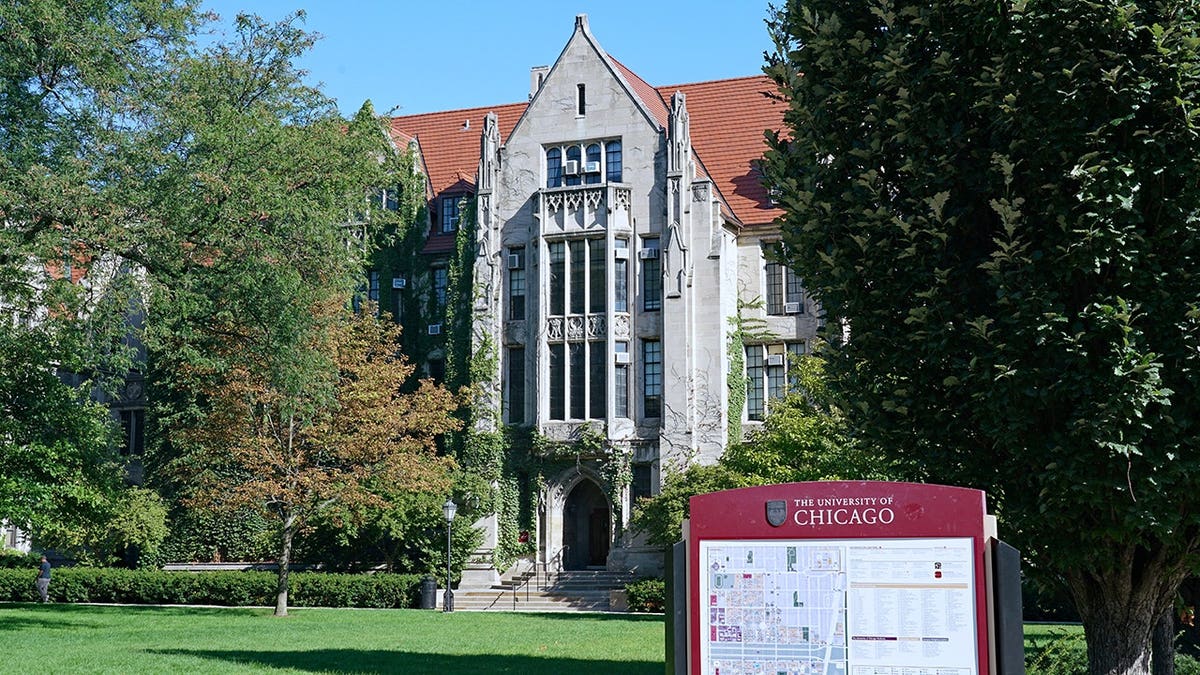
SCREEN FREE: A major university is taking aim at tech in a sweeping ban against electronic devices in an effort to “ensure students actually learn to think critically, strategically and independently without relying on AI,” according to administrators.

University of Chicago law students sit in a classroom.

The University of Chicago has banned electronic devices for first-year law students as part of a broader effort to promote critical thinking and address the growing use of artificial intelligence in legal education. (iStock)

Subscribe now to get the Fox News Artificial Intelligence Newsletter in your inbox.

FOLLOW FOX NEWS ON SOCIAL MEDIA

Facebook

Instagram

YouTube

Twitter

LinkedIn

SIGN UP FOR OUR OTHER NEWSLETTERS

Fox News First

Fox News Opinion

Fox News Lifestyle

Fox News Health

DOWNLOAD OUR APPS

Fox News

Fox Business

Fox Weather

Fox Sports

Tubi

WATCH FOX NEWS ONLINE

Fox News Go

STREAM FOX NATION

Fox Nation

Stay up to date on the latest AI technology advancements and learn about the challenges and opportunities AI presents now and for the future with Fox News here.


Source link

The leading risk factor for cancer – and it’s not smoking, alcohol or the sun

0
The leading risk factor for cancer – and it’s not smoking, alcohol or the sun


If you were to ask most people what causes cancer, the answer would probably be smoking, alcohol, the sun, hair dye or some other avoidable element.

But the most important risk factor for cancer is something else: ageing.

That’s right, the factor most associated with cancer is unavoidable – and a condition that we will all experience.

Why is this important? Older adults are the fastest-growing population in Canada and globally.

By 2068, approximately 29 per cent of Canadians will be over age 65.

With cancer being one of the most common diseases in older adults and one of the most common diseases in Canada, it means we need to think about how to provide the best cancer care for older adults.

Demographic shift

So, how are we doing so far? The answer is: not great. This may be surprising, but we also have a great opportunity to innovate and prepare for this demographic shift in cancer care.

International guidelines — including those from the American Society of Clinical Oncology — say that all older adults should have a geriatric assessment prior to making a decision about their cancer treatment. The most widely used models of geriatric assessment involve a geriatrician.

Consultation with a geriatrician for an older adult allows the oncologist and the older adult to engage in a conversation about cancer treatment, armed with information. Things like how treatment might affect their cognition, their function, their existing illnesses (which most older adults have when they are diagnosed with cancer), and the years of remaining life.

Importantly, geriatricians centre their assessment on what matters most to patients. This approach anchors any decision about cancer around the wishes of older adults and their support systems. When diagnosed with cancer, older adults undergo many tests and measures of function, but the evidence supports that these are not as accurate as geriatric assessment for identifying problems that may be below the surface.

Care in Canada

In Canada, there are currently only a handful of specialised geriatric oncology clinics. The oldest clinic is in Montréal at the Jewish General Hospital, followed closely by the Older Adult with Cancer Clinic at Princess Margaret Cancer Centre in Toronto, led by Shabbir Alibhai, one of the authors of this story. As researchers, we are in touch with clinics in Ontario and Alberta that have told us they have geriatric oncology services under development, so we hope to see new programs soon.

These clinics aren’t just good for patients. In fact, a study led by Shabbir Alibhai demonstrated a cost savings of approximately $7,000 per older adult seen in these clinics. If we map this onto the number of older adults diagnosed with cancer in Canada every year, this represents a huge cost savings for our public health system. Despite this overwhelming evidence, this is still not routine care.

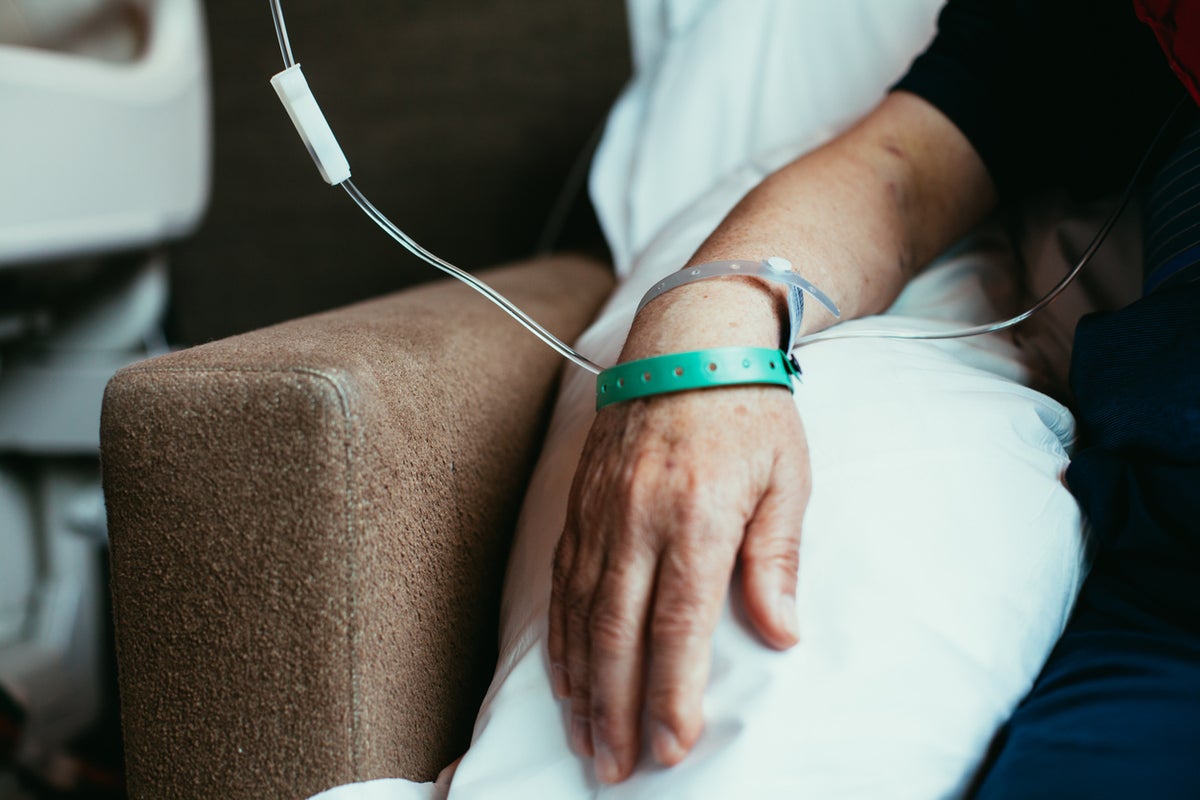
In British Columbia, there are currently no specialised services for older adults with cancer (Getty/iStock)

In British Columbia, there are currently no specialised services for older adults with cancer. Over the last five years, Kristen Haase — also an author of this story — has been working with colleagues to understand whether these services are needed and how they could help older adults with cancer in B.C.

This work involved conversations with more than 100 members of the cancer community. The research team spoke with older adults undergoing cancer treatment, who sometimes had to relocate for cancer treatment. Other participants included caregivers who cared for elderly family members during their cancer treatment and described numerous challenges they faced, and volunteers who ran a free transportation service — a service also mostly staffed by older adult volunteers.

The research team also heard from health-care professionals: oncologists, nurses, physiotherapists and social workers. The latter group coalesced around the need for additional supports within the cancer care system so they could do their job well, and best support older adults.

The results indicate that both those working in the system and those using the system want and need better support.

Barriers to care

So, where are we now and why don’t we have these services across Canada?

Cost is obviously a barrier to any healthcare service. But with evidence that any costs will be offset by demonstrated cost savings, this is a non-starter.

Health human resources are one huge restriction. Geriatricians are in high demand and there is a low supply. However, nurse-led models have also been shown to be successful. With the expanding role of nurse practitioners across Canada, this option has huge potential to innovate care, and at a lower cost.

Another reason is good old inertia. Our clinical care model in oncology has remained mostly intact for over three decades. It is primarily a single physician-driven model. Although modern therapies for cancer have emerged at a breathtaking pace and have been introduced into clinical practice, it is much harder to change the model of care, particularly for strategies such as geriatric assessment that are harder to implement than a new drug or surgical/radiation technique.

Kristen Haase is an Associate Professor in Nursing at the University of British Columbia. Shabbir Alibhai is a Professor in the Department of Medicine at the University of Toronto.

This article is republished from The Conversation under a Creative Commons licence. Read the original article.

The last, and perhaps the most difficult to pin down of all potential reasons for the absence of specialised cancer services for older adults, is agism. Ageism is discrimination based on age. It is one of the most common forms of discrimination and it is deeply embedded in many of our systems. Imagine a scenario where children diagnosed with cancer couldn’t access a paediatrician. We would collectively be outraged. Yet somehow, we accept this for older adults.

Due to the overwhelming number of older adults who are and will be diagnosed with cancer in the coming years, it will never be possible for all of them to receive specialised geriatric services. But there is an opportunity to innovate models of care that are targeted to those who need services the most: those who are most frail, are most likely to benefit from tailored care, and will reap the most benefit in terms of quality of life.

Stratifying these programs around those who need them the most will also have the greatest financial impact. And if personal stories of improving quality of life for older adults with cancer or international guidelines don’t move decision-makers, hopefully, cost savings will.


Source link

The massive boomer wealth transfer will mostly benefit the already affluent, Visa report finds

0
The massive boomer wealth transfer will mostly benefit the already affluent, Visa report finds


The so-called “great wealth transfer” — the passing of assets from the baby boomer generation to their heirs — will mostly benefit younger Americans who are already affluent, according to a July report from Visa Business and Economic Insights.

And while the wealth transfer will be significant, the value of assets that are passed down could be much smaller than some previous estimates pegging it as high as $124 trillion, according to the report.

“When people throw around $100 trillion, they don’t think about all the deductions that have to come from it,” Visa chief economist Wayne Best told CBS News. “You have to subtract liabilities, and boomers actually have a lot of mortgage debt.” 

Here’s how much actual wealth Visa’s economists expect boomers to transfer to their children and grandchildren.

The size of the average inheritance

Baby boomers are sitting on $93 trillion in assets, a sum that will shrink to $36 trillion in inheritable assets after subtracting liabilities, retirement spending, charitable giving and taxes. 

The report also expressly excluded the wealth of the top 1% of U.S. households, or those worth at least $13 million, because their spending patterns are not reflective of the population at large. 

That means that on average, inheriting households will receive $515,000.

Of the $36 trillion that will be transferred, only $8 trillion will be spent, according to the Visa report. That’s because most recipients are already wealthy and are expected to save or invest the remainder of what they receive from their families. 

The anticipated $8 trillion boost to consumer spending will lift average annual consumer spending growth about 0.1 percentage points, to 2.1% per year, over the next 20 years, Visa estimates. 

Transportation and travel sectors stand to benefit

Already affluent recipients of boomer wealth are expected to spend their inheritances on making home improvements and traveling, providing a boon to businesses in those sectors. 

“A wealthy person who receives an inheritance from a wealthy parent probably already has a home, but might use the money to improve that home,” Best said. 

Other kinds of businesses, including airlines, cruise lines and some retail categories, are also poised to benefit from the wealth transfer, according to Best. Spending on automobiles and associated expenses like insurance, maintenance, repairs and gasoline is also expected to rise. 


Source link

The spice found to control blood sugar and protect brain cells

0
The spice found to control blood sugar and protect brain cells


From warming winter teas to zesty stir-fries, ginger (Zingiber officinale) has long been a kitchen staple. But beyond its culinary charm, this spicy root has a rich history in traditional medicine – and modern science is catching up.

Studies now show that ginger may offer a wide range of health benefits, from easing nausea and relieving colds to reducing inflammation and supporting heart health.

Here’s what you need to know:

1. Nausea relief

Multiple clinical trials have shown consistent evidence that ginger can reduce nausea and vomiting, particularly when compared to a placebo. The NHS even recommends ginger-containing foods or teas for easing nausea.

Ginger seems especially effective for nausea during pregnancy. In small doses, it’s considered a safe and effective option for people who don’t respond well to standard anti-nausea treatments.

Ginger seems especially effective for nausea during pregnancy (Getty/iStock)

There’s also promising evidence that ginger can help with chemotherapy-induced nausea, though results are mixed when it comes to motion sickness and post-surgery nausea.

Researchers believe ginger’s anti-nausea effects may work by blocking serotonin receptors and acting on both the gut and brain. It may also help by reducing gas and bloating in the digestive tract.

2. Anti-inflammatory benefits

Ginger is rich in bioactive compounds, such as gingerol and shogaol, which have strong antioxidant and anti-inflammatory properties.

Recent research suggests ginger supplements may help regulate inflammation, especially in autoimmune conditions. One study found that ginger reduced the activity of neutrophils — white blood cells that often become overactive in diseases like lupus, rheumatoid arthritis and antiphospholipid syndrome.

Neutrophils produce extracellular traps (NETs), which are web-like structures used to trap and kill pathogens. But when NETs form excessively, they can fuel autoimmune diseases. In the study, taking ginger daily for one week significantly reduced NET formation.

Dipa Kamdar is a Senior Lecturer in Pharmacy Practice at Kingston University.

This article is republished from The Conversation under a Creative Commons license. Read the original article.

While this study used ginger supplements, it’s unclear whether fresh ginger or tea has the same effect. Still, the findings suggest ginger may be a helpful, natural option for people with certain autoimmune conditions – though more research is needed.

Ginger also has antimicrobial properties, meaning it can help combat bacteria, viruses and other harmful microbes. Combined with its anti-inflammatory effects, this makes ginger a popular remedy for easing cold and flu symptoms like sore throats.

3. Pain management

When it comes to pain, the research on ginger is encouraging – though not conclusive. Some studies show that ginger extract can reduce knee pain and stiffness in people with osteoarthritis, especially during the early stages of treatment. However, results vary, and not everyone experiences the same level of relief.

For muscle pain, one study found that taking two grams of ginger daily for 11 days reduced soreness after exercise.

Ginger may also ease menstrual pain. In fact, some studies suggest its effectiveness rivals that of non-steroidal anti-inflammatory drugs like ibuprofen.

Researchers believe ginger works by activating pathways in the nervous system that dampen pain signals. It may also inhibit inflammatory chemicals like prostaglandins and leukotrienes.

4. Heart health and diabetes support

High blood pressure, high blood sugar and elevated “bad” cholesterol (low-density lipoprotein or LDL cholesterol) are all risk factors for heart disease. Ginger may help with all three.

A 2022 review of 26 clinical trials found that ginger supplementation can significantly improve cholesterol levels — lowering triglycerides, total cholesterol and LDL cholesterol, while raising HDL (“good”) cholesterol. It may also lower blood pressure.

A 2022 review of 26 clinical trials found that ginger supplementation can significantly improve cholesterol levels
A 2022 review of 26 clinical trials found that ginger supplementation can significantly improve cholesterol levels (Alamy/PA)

For people with type 2 diabetes, ginger could offer additional benefits. A review of ten studies found that taking one to three grams of ginger daily for four to 12 weeks helped improve both cholesterol levels and blood sugar control.

These benefits appear to come from multiple mechanisms, including improved insulin sensitivity, enhanced glucose uptake in cells, and reduced oxidative stress. Ginger’s anti-inflammatory actions may also contribute to its heart-protective effects.

Some early research suggests that ginger may also offer benefits for sexual health, though evidence in humans is still limited. Animal studies have found that ginger can boost testosterone levels, improve blood flow, and enhance sexual behaviour. In traditional medicine systems, it has long been used as an aphrodisiac. While there’s not yet strong clinical evidence to confirm a direct impact on libido, ginger’s anti-inflammatory, circulatory and hormonal effects could play a supportive role, particularly for people managing conditions like diabetes or oxidative stress.

5. Brain health and cancer research

Emerging evidence suggests ginger may also offer neuroprotective and anti-cancer benefits. Lab-based studies show that ginger compounds can help protect brain cells from oxidative damage – a key factor in neurodegenerative diseases like Alzheimer’s.

Other in-vitro research has found that ginger can slow the growth of some cancer cells. However, these findings are still in early stages and more research is needed to confirm their relevance in humans.

Ginger is generally safe when consumed in food or tea. But like any supplement, it should be used in moderation.

Doses above four grams a day may cause side effects such as heartburn, bloating, diarrhoea or mouth irritation. These are usually mild and temporary.

Certain groups should use caution with high doses. Ginger may increase bleeding risk in people on blood thinners (like warfarin, aspirin or clopidogrel), and it can enhance the effects of diabetes or blood pressure medications, potentially leading to low blood sugar or blood pressure. Pregnant women should also consult a doctor before using high doses.

So ginger isn’t just a fragrant kitchen spice – it’s a natural remedy with growing scientific support. For most people, enjoying ginger in food or tea is a safe and effective way to tap into its therapeutic potential. If you’re considering taking supplements, it’s always best to speak with your doctor or pharmacist first, especially if you’re managing a medical condition or taking medication.


Source link

NRI reveals 5 things nobody warned her about working in India. The internet is divided

0
NRI reveals 5 things nobody warned her about working in India. The internet is divided


Social media often turns everyday experiences into larger conversations, and this time, the spotlight is on life inside Indian offices. A post by an NRI about adjusting to work culture after returning to India has caught the attention of professionals across the internet. Instead of talking about salaries or job titles, the discussion revolves around everyday office experiences that many people say are surprisingly familiar.The post has triggered hundreds of reactions, with several users saying they have faced similar situations at work. Others shared their own experiences of returning to India after working overseas, adding to the growing discussion in the comments section.

What the NRI said about working in India

The viral post was shared by Instagram user Nupur Dave, who listed what she described as the “top problems you’re going to face as an NRI in Indian work culture.”According to her, one common challenge is meetings getting cancelled or postponed at the last moment, especially for people who are not in decision-making positions. Sharing her own experience, she wrote, “Yesterday, three of my four partnership calls got rescheduled a few minutes before.”She also advised professionals to “be ready to wait,” saying that meetings often start late because earlier discussions continue longer than expected. In her view, waiting for several minutes, or sometimes even an hour, can become a regular part of the workday.

Her views on office dynamics

Dave also shared her observations about workplace behaviour. She claimed that “sucking up is normal here,” saying some leaders prefer hiring people they personally like or employees who tend to agree with them.At the same time, she clarified that she was not defending the practice. According to her, organizations already deal with enough challenges, and some managers may simply find it easier to work with agreeable teams. She wrote, “I’m not defending it. It’s just one possible reason.”

Comments on time, note-taking, and feedback

Another point she raised was the pace of work. Describing her experience, she wrote, “Time moves differently in India. The sense of urgency is spread over time, which means people culturally have time for a one hour lunch, a 5 pm chai break, and work spilling over to the next day. Like it or not, it’s chill, but will you like it? I’m not sure.”She also claimed that note-taking is often overlooked, adding that designers sometimes make changes without documenting them.According to Dave, constructive feedback is also not always received positively, with people sometimes becoming defensive instead of accepting it.She ended her post by inviting people to “set up a meeting with me for more clarity.”

Internet users say they have seen the same things

The post received several comments from users who felt her observations reflected their own experiences.One user wrote, “I feel working hours in India aren’t clearly defined. We work day and night, and sometimes there’s no separation between personal time and work. I’ve seen many of my friends go through this.”Another commented, “Accurate! I worked abroad for 12 years and have been in India for the last 5.5 years. The challenges you’ve outlined are on point.”A third person shared, “I tried to set up a manufacturing unit in India. Between bureaucracy, chai paani money, a lack of value for time, and many other issues, I moved my setup to Thailand. It was the best decision. By the way, I’m a fourth generation NRI who loves India for its culture, food, and vibes. I hope things become faster.”Another user added, “What I’ve observed is that people are only concerned about their own time. They don’t value other people’s time. If they need something, they’ll schedule a meeting at odd hours without thinking twice about whether you’re busy or already have other plans.”Disclaimer: This article is based on a post shared on Instagram and reflects the opinions and experiences expressed by the user. The Times of India has not independently verified the claims or observations made in the post. Individual experiences may vary. Thumb image: Instagram


Source link