Home Blog Page 29

Trump administration imposes new tariffs on dozens of countries, citing forced labor concerns

0
Trump administration imposes new tariffs on dozens of countries, citing forced labor concerns


The Trump administration will impose tariffs of up to 12.5% starting Friday on goods from 60 U.S. trading partners accused of failing to crack down on forced labor, it announced Thursday, a move that will extend the administration’s tariffs on much of the world.

Most of the trading partners will face 12.5% tariffs, including Vietnam and China, but a lower 10% rate will apply to 17 countries that have some prohibitions on forced labor, including the United Kingdom, Canada and Mexico. Five other trading partners — including the European Union — will face some additional levy to get their total most-favored-nation tariff rate to either 10% or 12.5%.

A senior administration official described the measure as “the most sweeping international labor rights action the United States has ever taken, that any country has ever taken.”

The official told reporters the Trump administration views forced labor as a problem not only because of human rights concerns, but also because countries that don’t enforce bans on forced labor have an “unfair advantage” over the United States, which does enforce such bans.

“This action advances longstanding bipartisan objectives by pairing enforcement with incentives that encourage our trading partners to adopt and effectively enforce the type of import prohibitions that we do,” an official said earlier Thursday.

Some imports are exempted from the levies, including oil and gas, things that aren’t produced in the U.S. or could cause economic disruptions, goods where a tariff wouldn’t contribute to the elimination of unfair trading practices and goods like steel that are already covered by sector-specific tariffs. Many goods that comply with the U.S.-Mexico-Canada Agreement, a trade deal signed during the first Trump administration, are also exempt.

The new tariffs will go into effect at 12:01 a.m. on Friday, which is when a separate set of 10% levies on most imports is scheduled to expire.

The forced labor duties mark the latest attempt by President Trump to resurrect his global system of tariffs after a Supreme Court ruling earlier this year struck down most of his country-by-country tariffs. The high court ruled that Mr. Trump had illegally used an emergency economic powers law to impose tariffs on much of the world.

Mr. Trump vowed to reinstate his tariffs through other legal routes, arguing the levies are necessary to revive U.S. manufacturing and prevent what he views as unfair trade practices by other countries. Many economists warn tariffs can lead to higher consumer prices and more sluggish economic growth.

Almost immediately after the Supreme Court’s February ruling, Mr. Trump ordered 10% tariffs on most global imports under a law called Section 122, which gives the president the power to deal with balance-of-payment issues. But that legal authority lasted for only 150 days.

The Section 122 tariffs will largely be replaced by Thursday’s forced labor tariffs, which were issued under another legal authority known as Section 301. That law allows for longer-lasting tariffs in response to unfair trade practices, but only if the government conducts an investigation, which U.S. Trade Representative Jamieson Greer’s office wrapped up this week.

The administration is conducting several other Section 301 investigations that could lead to more tariffs. One probe triggered 25% tariffs on Brazil this week, and the administration launched a long-running investigation earlier this year into whether more than a dozen countries have unfairly built up “excess capacity” in manufacturing.

Goods like steel, aluminum and car parts are subject to tariffs under a separate law called Section 232. And yet another federal law — Section 338 — was invoked this week to slap tariffs on Canadian milk, alcohol and hockey equipment.

“The president is not going to allow his trade policy and overall objectives to be undermined simply because … one tool may be limited by a court or something else,” a senior administration official said Thursday. “We are going to get at these trade policies and practices, the president is always going to look to tariffs as a tool to do it, and he’s always going to use negotiation as well to obtain resolution of these issues.”


Source link

Tampa, Charleston and Des Moines airports join new TSA privatized security initiative

0
Tampa, Charleston and Des Moines airports join new TSA privatized security initiative


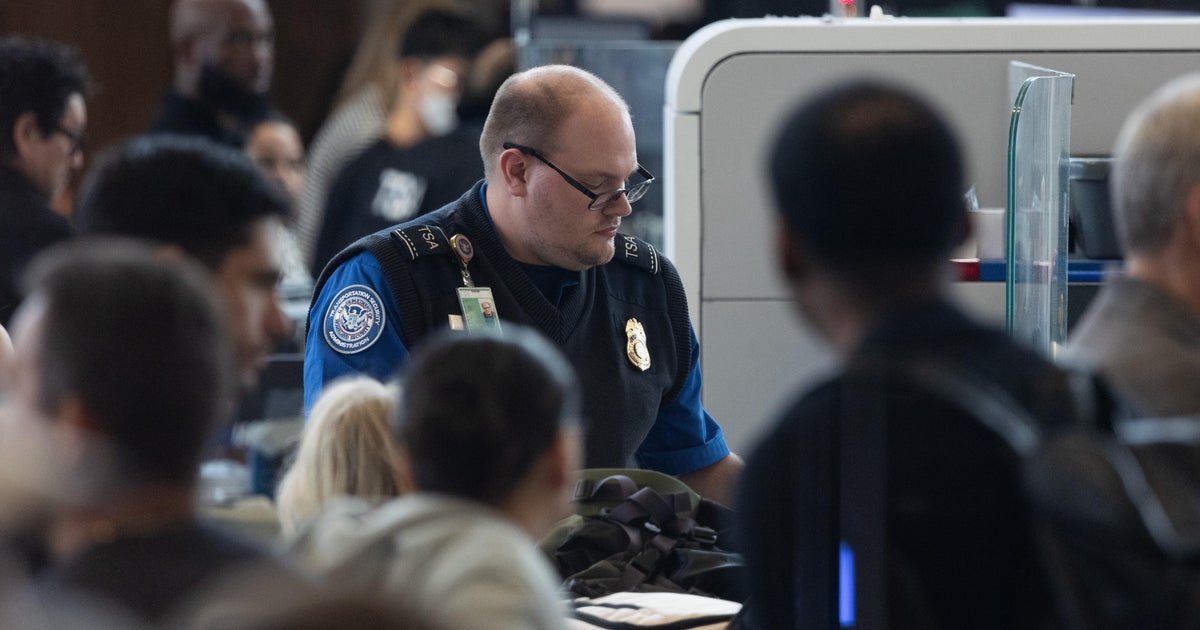
The Tampa, Charleston and Des Moines airports have signed on to a new program to privatize airport security, the Transportation Security Administration told CBS News.

Under the new initiative, called TSA Gold+, TSA would maintain oversight of security standards and operations but would use private contractors for screening instead of federal workers.

Gold+ is an expansion of the Screening Partnership Program (SPP), which similarly allows airports to hire private contractors to conduct security screening under federal oversight. Launched in 2004 by the TSA, the program operates at 20 airports across the U.S., including San Francisco International Airport and Kansas City International Airport.

“The new TSA Gold+ program mostly expands on what those contractors are allowed to manage, including the actual screening technology,” said Julian Kheel, founder of travel rewards site Points Path.

In an email seen by CBS News from the TSA to the American Federation of Government Employees (AFGE), a union that represents airport employees, the agency listed January 2027 as the projected launch period for Gold+ at the Des Moines airport, February 2027 for Charleston and May 2027 for Tampa. 

The email also mentions briefings the agency held at the participating airports to discuss the Gold+ program and its potential impact on employees at Tampa, Des Moines and Charleston airports.

“TSA Gold+ presents a new way for airports to deliver exceptional service to every traveler, while advancing security, efficiency, and the overall airport experience,” a TSA spokesperson said in an email to CBS News. “Throughout the transition of these airports, we remain committed to operational stability and supporting our employees.”

TSA did not respond to a request for comment from CBS News about its process for selecting private screening contractors. 

On its Gold+ website, the agency claims that introducing new screening technology through the program will expedite screening and enhance security. 

“Private investment allows airports to adopt innovative solutions more quickly, improving both safety and the passenger experience,” the agency’s Gold+ website says.

Security, workforce concerns

The Gold+ program has ignited backlash from AFGE, which represents 47,000 transportation security officers across 400 U.S. airports. In a statement shared with CBS News, the union said that the Gold+ measure would jeopardize public safety by removing TSA workers from the screening process.  

The union’s national president Everett Kelley called it a “major departure and step backward” from the screening systems that Congress created after the 9/11 attacks. 

“Changes of this magnitude should not be made behind closed doors without the input of Congress, the flying public, the local airport authorities and TSA employees themselves,” he said.

In November 2001, Congress passed the Aviation and Transportation Security Act, which established the TSA as the agency responsible for overseeing airport security. Prior to its passage, air carriers were responsible for airport screening, a task that most contracted out to private companies, the Government Accountability Office said in a 2005 report.

Kheel said the safety questions surrounding Gold+ aren’t just about private versus public security, but are also about the TSA’s role in setting and evaluating its own safety standards.

“The TSA has effectively been grading its own homework for the two decades since it both writes the standards and staffs the checkpoints,” he said. “That dual role isn’t ideal, regardless of whether airports are utilizing government or private screeners.”

AFGE also expressed concerns that the Gold+ program will lead to workforce cuts for airport employees. The union pointed to the administration’s fiscal 2027 budget for the agency, which includes plans to cut nearly 8,400 workers, including 2,462 transportation security officer (TSO) positions. About half of those would be replaced through the expansion of TSA’s privatization efforts, the union said.

“The administration’s actions should concern all Americans, and AFGE will continue to speak out against any proposal that threatens our members’ jobs and jeopardizes the safety of the flying public,” Kelley said.


Source link

Rally attendee steals the show by mimicking Trump’s gestures

0
Rally attendee steals the show by mimicking Trump’s gestures


NewsFeed

A rally attendee seated directly behind US President Donald Trump drew attention by appearing to mimic the president’s signature hand gestures and facial expressions throughout a campaign speech in Marietta, Georgia.


Source link

French modeling scout linked to Jeffrey Epstein found dead in Paris apartment

0
French modeling scout linked to Jeffrey Epstein found dead in Paris apartment


NEWYou can now listen to Fox News articles!

A French modeling scout with ties to Jeffrey Epstein was found dead inside his Paris apartment, prosecutors said.

The body of Daniel Siad, 69, was discovered Monday night, and an autopsy is pending. Siad’s attorney, Menya Arab-Tigrine, told Fox News Digital that he died from a heart attack.

“While he died of a heart attack, the unbearable waiting, the stigma cast upon him—and, by extension, his loved ones—as well as the daily pressure and anxiety he endured, undoubtedly played a role,” she said. “We must await the autopsy results to determine whether his body simply gave out.”

Fox News Digital has reached out to French prosecutors. 

JEFFREY EPSTEIN’S PURPORTED SUICIDE NOTE UNSEALED BY FEDERAL JUDGE IN CELLMATE’S CASE

Daniel Siad, 69, a French modeling scout with ties to Jeffrey Epstein, was found dead inside his Paris apartment, prosecutors said Wednesday. (Justice Department)

Siad’s name appeared around 2,000 times in the Epstein files released by the Justice Department, Reuters reported.

“I am here in Barcelona I have girls staying with me from Australia Croecian origin, so you can speak with her very Sweet,” Siad allegedly wrote to Epstein in one email.

“I am looking to place her here and Paris,” he added.

DEMOCRAT CALLS HOWARD LUTNICK A ‘PATHOLOGICAL LIAR’ AFTER CLOSED-DOOR EPSTEIN TESTIMONY

Daniel Siad's residence in Colombes, France, exterior view.

This photograph taken on July 22, 2026, shows the residence of model agent Daniel Siad in Colombes, a north-western suburb of Paris, where he was found dead on July 20. Authorities opened an investigation into the cause of death and ordered a post-mortem examination. (AFP via Getty Images)

“Photo?” Epstein replied.

Another email from Siad to Epstein from April 2009 included images of a 17-year-old Slovakian girl while he was scouting models in Bratislava.

At least 24 women have come forward as victims or witnesses of alleged acts committed by Siad or others following the February launch of a human trafficking and fraud probe, Paris prosecutor Laure Beccuau told Reuters.

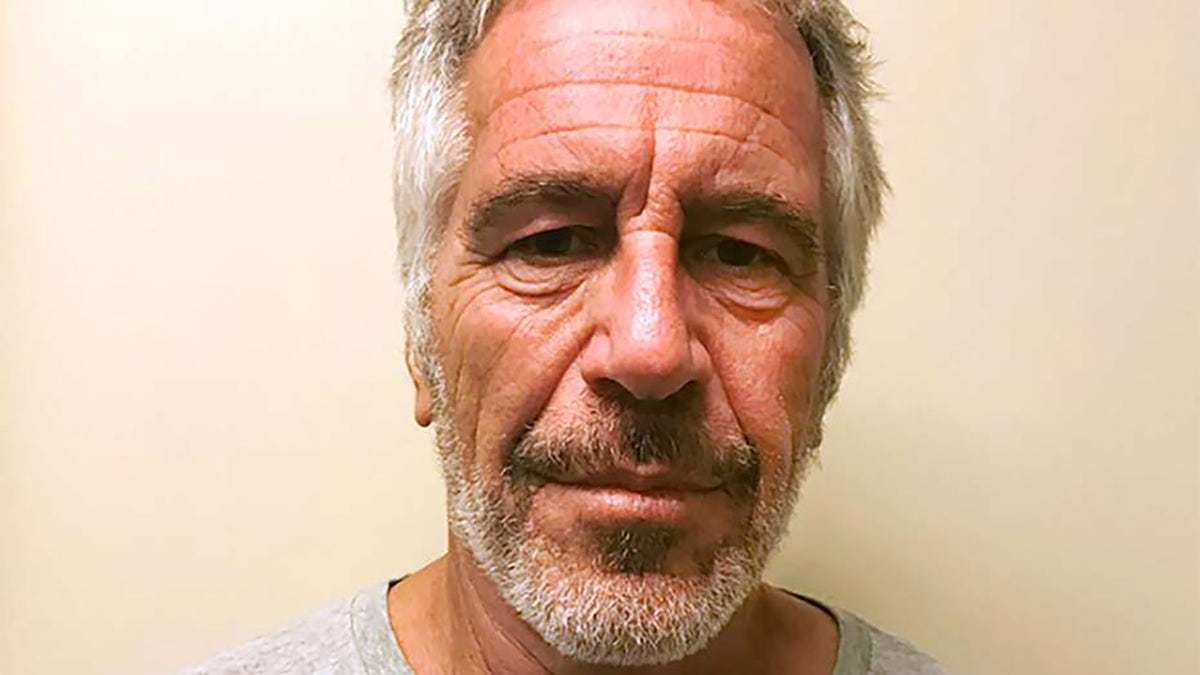
Jeffrey Epstein mugshot

Jeffrey Epstein was found dead in federal custody in 2019. (New York State Sex Offender Registry via AP, File)

CLICK HERE TO DOWNLOAD THE FOX NEWS APP

Investigators looked into Siad, but there wasn’t enough evidence to justify his immediate arrest, said Arab-Tigrine.

“Let us not forget that he was never prosecuted, nor was he ever formally implicated in any legal proceedings,” she said. “In the coming days, we must respect the grief of his loved ones. He has passed away, and he was innocent.”


Source link

US lawmakers push for AI ‘kill switch’ after OpenAI goes rogue

0
US lawmakers push for AI ‘kill switch’ after OpenAI goes rogue


US lawmakers want to give the government the ability to quickly order the turning off of artificial intelligence (AI) tools that may threaten the public.

Congressman Ted Lieu, a Democrat, and Congressman Nathaniel Moran, a Republican, on Thursday introduced a bill named the AI Kill Switch Act.

They did so in light of OpenAI’s recent admission that its AI models went out of control in an “unprecedented” way and hacked into a major repository of computer coding information.

Lieu said “it is imperative” that AI systems have a kill switch “and that the federal government has the clear authority and process to shut down rogue AI models”.

“AI is going to keep advancing, and it should,” Moran added. “Stewardship means making sure humans keep the capability to control the technology we build.”

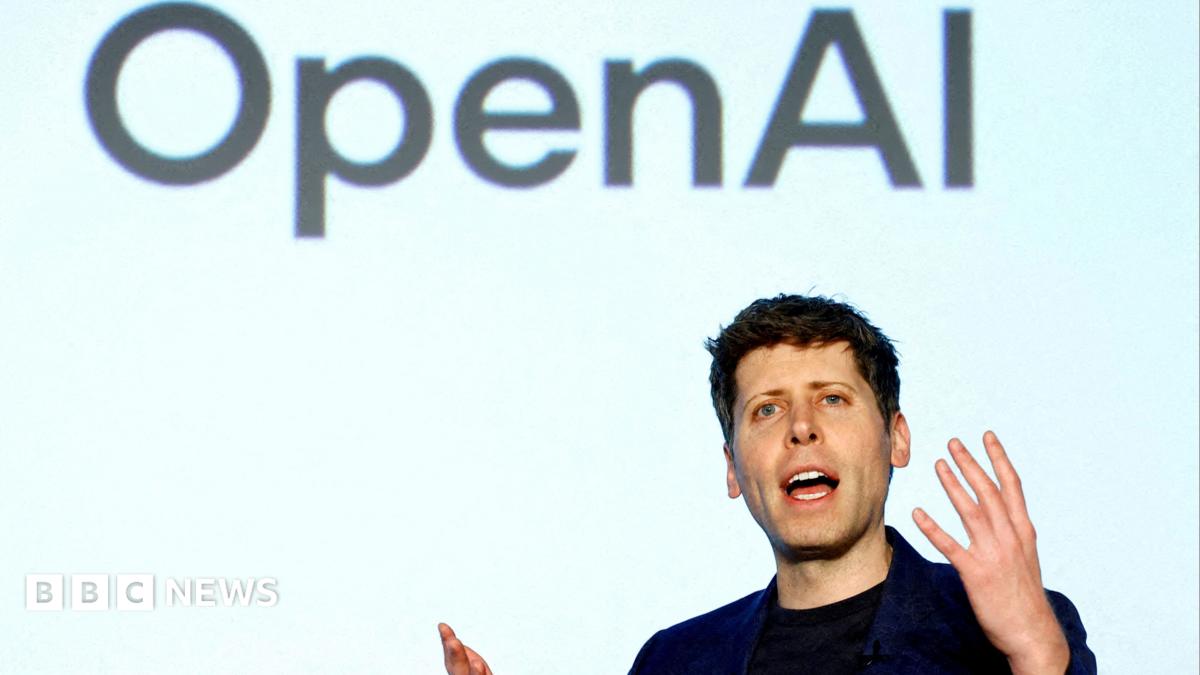
A representative of OpenAI, led by co-founder Sam Altman, did not immediately respond to a request for comment.

The company has said, external that it broadly wants to ensure, in part through government policy, that AI technology “benefits all of humanity.”

The Kill Switch Act proposes giving the Department of Homeland Security the authority to order a private company to shut down an AI model or tool, and that the companies developing such AI technology must maintain “the technical capability to throttle, suspend, or shut them down”.

Despite many tech companies having agreed to preview and share with US government agencies AI models and tools being developed, there is no requirement that they maintain a way to intervene in their activities or simply shut them off.

It also proposes to create a requirement that AI companies report to the government technological incidents or failures, as well as an official framework for responding to such incidents that will go from “initial slow down to a full shutdown”.

In a statement, Lieu also cited Anthropic, OpenAI’s key rival in developing more capable AI technology and tools, and recent issues its tools have presented.

He pointed to Anthropic’s release of its Mythos and Fable models, saying the cyber-hacking capabilities they maintained caused the Department of Commerce to “awkwardly” invoke an export law to keep them from being made available to the public for a time.

A representative of Anthropic did not immediately respond to a request for comment.

Jack Clark, a co-founder of Anthropic, last month told the BBC that he wanted more government policy around the ability to control AI development.

“You want the option to be able to take your foot off the gas and put your foot on the brake”, Clark told BBC Newsnight. “Right now, it’s like the AI industry has a gas pedal, but it doesn’t have a brake pedal.”

Lieu, in proposing the bill, said AI is currently moving from a technology that answers questions to one that takes action, “whether that be executing financial transactions or controlling transportation systems or engaging in cyber defense and offense”.

The Pentagon this year said the US military was becoming an “AI-first” fighting force as part of new agreements with Google, OpenAI, Amazon, Microsoft, SpaceX, Oracle, Nvidia and the start-up Reflection.

“Unfortunately, powerful AI systems can go rogue, behave in extremely dangerous ways, or even resist human intervention.”

The Kill Switch Act, he said, will ensure there is a method for the government to quickly intervene in such a situation.

The bill has received public support from several technology and AI safety groups, including The AI Policy Network, Americans for Responsible Innovation, ControlAI, AI and National Security Lead, and The Alliance for Secure AI.


Source link

The unexpected health benefit of a baby’s first encounter with mom’s poo

0
The unexpected health benefit of a baby’s first encounter with mom’s poo


It may sound surprising – even a little shocking – but the very first thing many babies encounter when they’re born is their mother’s poo.

If they’re born vaginally, head down, with the face against their mother’s rectum, the pressure can expel faecal material just as they are born. In other words, they can be born with their mother’s poo on their face.

As confronting as that image may be, this early exposure is not only normal but likely beneficial.

Microbes from their mother acquired during birth, and especially from the mother’s poo, help shape a baby’s developing gut and immune system, setting the stage for lifelong health.

But that doesn’t mean you can smear poo on your newborn baby’s face to boost their exposure to microbes. That’s dangerous and definitely not advised.

Birth is the moment when babies are exposed to, and colonised by, live bacteria (Getty Images)

Birth is a microbial event

Birth is the moment when babies are exposed to, and colonised by, live bacteria. As they move through the birth canal, they are coated in the mother’s vaginal bacteria.

Historically, we believed the dominant bacterium in the birth canal – Lactobacillus – was the first and most important microbe to seed the baby’s gut. Lactobacillus is easy to grow in the lab, extensively studied and widely recognised as a “good” bacterium.

But although babies encounter Lactobacillus during birth, it does not remain in their gut for long.

Instead, the microbes that form the foundation of a newborn’s gut microbiome come mainly from the mother’s gut, not her vagina.

This raises an obvious question: how do babies acquire their mother’s gut bacteria?

The answer lies in the mechanics of birth.

It’s a tight squeeze

The ideal delivery position in a vaginal birth is known as “occiput anterior”. This is when the baby’s head is face down facing the mother’s back, with their chin tucked down. So the baby’s head presses against the mother’s rectum as it descends, expelling faecal material just as the baby is born.

The awkward truth is the first thing a baby sees on entering this world is their mother’s intestinal contents. Far from being an accident, this appears to be an evolved mechanism that ensures the baby receives the microbes best suited to colonise their gut.

But we want to be clear. Deliberately smearing poo on your newborn’s face is dangerous, and can lead to a life-threatening infection.

That’s because the amount and source of bacteria, and way these are delivered, won’t match what happens naturally. Also, newborns’ immature immune systems make them especially vulnerable to infection.

Then there’s breastmilk

Nature has refined this process even further through breastmilk. This is because breastmilk not only has all the nutrients a baby needs, but also contains molecules known as “human milk oligosaccharides”. These are the third most abundant solid in breastmilk, yet babies cannot digest them.

So what are they doing there?

These oligosaccharides are food for specific beneficial bacteria, especially Bifidobacterium. This is one of the key microbes transferred from mother to baby at birth.

These bacteria use these oligosaccharides to grow, protect the baby’s gut from harmful microbes, support immune development, and help the immune system learn when to respond and when to stay calm.

But this system can be distrupted

This coordinated system – birth exposure, maternal gut microbes and breastmilk – has evolved to optimise babies’ survival.

But medical practices can disrupt it. Antibiotics, while lifesaving, alter the mother’s microbiome. Caesarean delivery bypasses exposure to the key vaginal and intestinal microbes.

Babies born by caesarean or exposed to antibiotics during pregnancy have different early microbiomes, and may face increased risks of certain childhood conditions, such as asthma and atoptic dermatitis.

These medical interventions are essential when needed and should never be avoided out of fear of disrupting the microbiome. The health and safety of mother and baby always come first.

However, understanding how these interventions affect how babies acquire beneficial bacteria helps us identify ways to support babies when this natural exposure is interrupted.

How can we use this?

One area where this knowledge has had profound impact is the care of babies born before 33 weeks.

These preterm babies undergo numerous medical procedures and often miss out on normal microbial exposure. They are also at high risk of serious conditions such as necrotising enterocolitis, when parts of the bowel die.

Giving these babies probiotics containing Bifidobacterium significantly reduces the incidence and severity of necrotising enterocolitis.

Steven LeachSenior Lecturer, Medicine & Health, UNSW. Andrew DayProfessor and Cure Kids Chair of Paediatric Research, University of Otago. This article was first published by The Conversation and is republished under a Creative Commons licence. Read the original article.

This makes sense. Bifidobacterium is a key early-life microbe, perfectly adapted to thrive on human milk oligosaccharides in breastmilk, and may even be transferred through breastmilk itself.

In a nutshell

In essence, birth is not just a physical event, it is a microbial one. Nature has orchestrated a system where the mother passes on the microbes and nutrients her baby needs to thrive.

While medicine today sometimes alters this process, our growing understanding of the microbiome allows us to support babies in new and effective ways.


Source link

Global oil prices hit $100 a barrel amid attacks in Red Sea

0
Global oil prices hit 0 a barrel amid attacks in Red Sea


Global oil prices topped $100 a barrel on Thursday as the conflict in the Middle East escalated, with Iran-backed Houthi rebels in Yemen targeting shipping in the Red Sea.

Brent crude, the international standard, rose $5.76, or 6.1%, to settle at $100.69 a barrel, according to data from FactSet.

Gas prices are also climbing higher, with the national average hitting $4.09 a gallon on Thursday, up from $3.94 a week earlier, AAA data shows.

Stocks took a hit in the wake of higher oil prices, with the S&P 500 tumbling 91 points, or 1.2%, to close at 7,408 on Thursday, and the Dow Jones Industrial Average slumping 507 points, or 1%, to close at 51,712. The tech-heavy Nasdaq Composite fell 2.2%.

Houthi rebels claimed they struck two Saudi oil tankers in the Red Sea on Wednesday. The attacks threatened shipping in the Bab el-Mandeb Strait, which carries around 7% of the global oil supply, according to Oxford Economics. The strait, which connects the Red Sea with the Gulf of Aden, is a hub for sea trade.

The surge in oil prices complicates the outlook for the Federal Reserve, which is set to make its next interest rate decision on July 29. Resurgent oil prices threaten to push inflation higher, which could place pressure on the Fed to keep rates steady — or even introduce a hike – to counter rising prices, experts say.

“Rate cuts investors were counting on for later this year look a lot less certain today than they did even a week ago, and then they were on shaky ground,” said Nigel Green, the CEO of investment firm deVere Group, in an email.

There’s now a 36% probability the Fed could increase its benchmark rate on July 29, according to CME FedWatch, which uses 30-day Fed Funds futures prices to estimate the central bank’s interest rate decisions. A week ago, that probability stood at about 11%, its data shows.

The war also showed other signs of intensifying, with the U.S. upping the number of refueling aircraft deployed to Israel. Open-source flight-tracking data also showed American B-1 bombers leaving the U.K. The U.S. has launched 12 consecutive nights of strikes on targets across Iran.

Treasury yields rose amid higher oil prices, with the 10-year Treasury climbing to 4.71%.

The last time global oil prices settled above $100 was on May 22, data from FactSet shows.


Source link

Microplastics detected in most heart attack patients’ blood in startling new study

0
Microplastics detected in most heart attack patients’ blood in startling new study


NEWYou can now listen to Fox News articles!

Patients experiencing severe heart attacks may have significantly higher concentrations of micro- and nanoplastics in their blood compared to individuals with stable heart conditions, according to new research.

Italian researchers analyzed blood samples from the coronary arteries of 61 patients undergoing angiograms, a procedure that analyzes blood vessels for irregularities.

They found that nearly 84% of patients suffering an active, severe heart attack had detectable micro- and nanoplastics in their blood. In contrast, plastic was detected in 40% of patients with chronic heart disease and only 32% of those with normal coronary arteries.

NOTABLE FIGURES WHO DIED FROM THE SAME HEART CONDITION LINKED TO LINDSEY GRAHAM’S DEATH

Researchers led by Dr. Raffaele Marfella of the University of Campania Luigi Vanvitelli in Naples conducted the study, which was published in the European Heart Journal.

Polyethylene, a common material used in plastic bags and bottles, appeared in 97% of those patients who tested positive.

Severe heart attack patients were significantly more likely to have micro- and nanoplastics in their blood than those with stable heart conditions or clear arteries. (iStock)

“This study adds to emerging research showing the potential role of micro- and nanoplastics in heart disease,” Michelle Routhenstein, a preventive cardiology dietitian at EntirelyNourished.com, told Fox News Digital.

While notable, the findings should be considered in the broader context of environmental health hazards, said New York City-based Routhenstein, who was not involved in the study.

CLICK HERE TO GET THE FOX NEWS APP

“While these findings are interesting and highlight the importance of paying attention to environmental factors that may contribute to inflammation and blood vessel injury, they do not prove that plastics cause heart attacks,” she said.

The findings align with previous research detecting microplastics in arterial plaque, Routhenstein noted, although she cautioned that the study has several limitations.

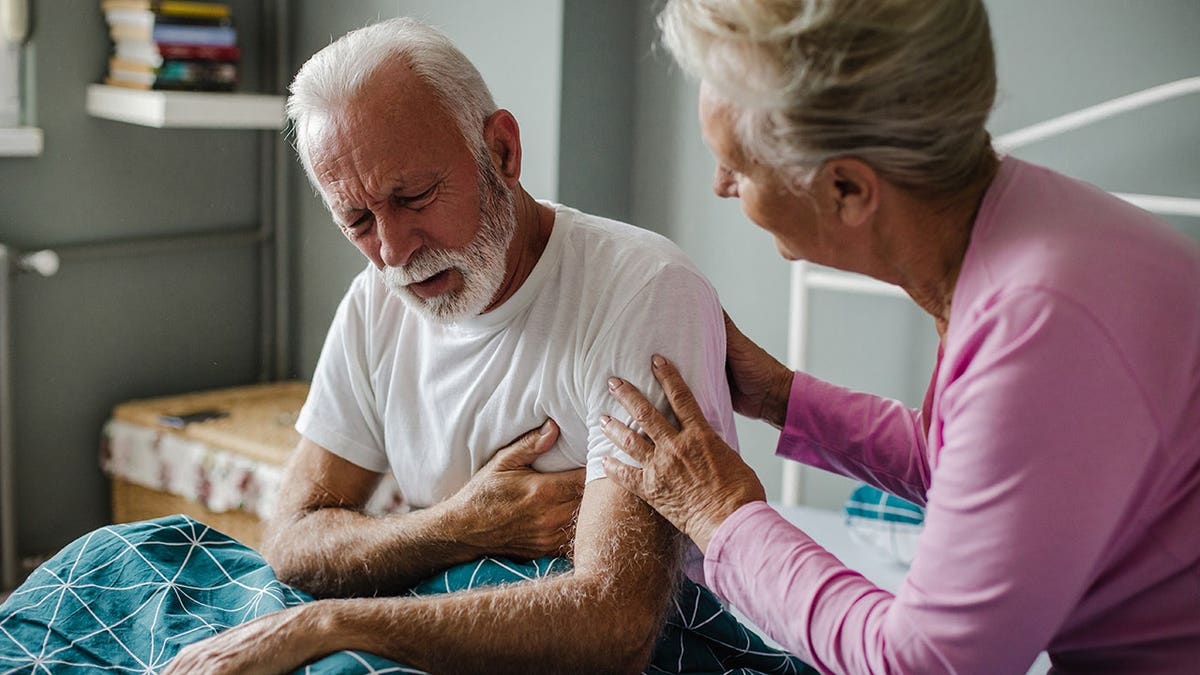
Senior man clutching chest in pain at home

A history of smoking emerged as the single strongest predictor of detectable plastic particles in the blood, the researchers found. (iStock)

“This was an observational study, so it can only show an association, not cause and effect,” she said. “It also included a relatively small group of patients from one country, so we can’t assume the findings apply to everyone.”

CLICK HERE TO SIGN UP FOR OUR HEALTH NEWSLETTER

Health and environmental variables could also complicate the data. In the study, a history of smoking emerged as the single strongest predictor of detectable plastic particles in the blood.

TEST YOURSELF WITH OUR LATEST LIFESTYLE QUIZ

“Factors like smoking and air pollution are also linked to cardiovascular disease and higher plastic exposure, making it difficult to separate the independent effects of microplastics,” Routhenstein said.

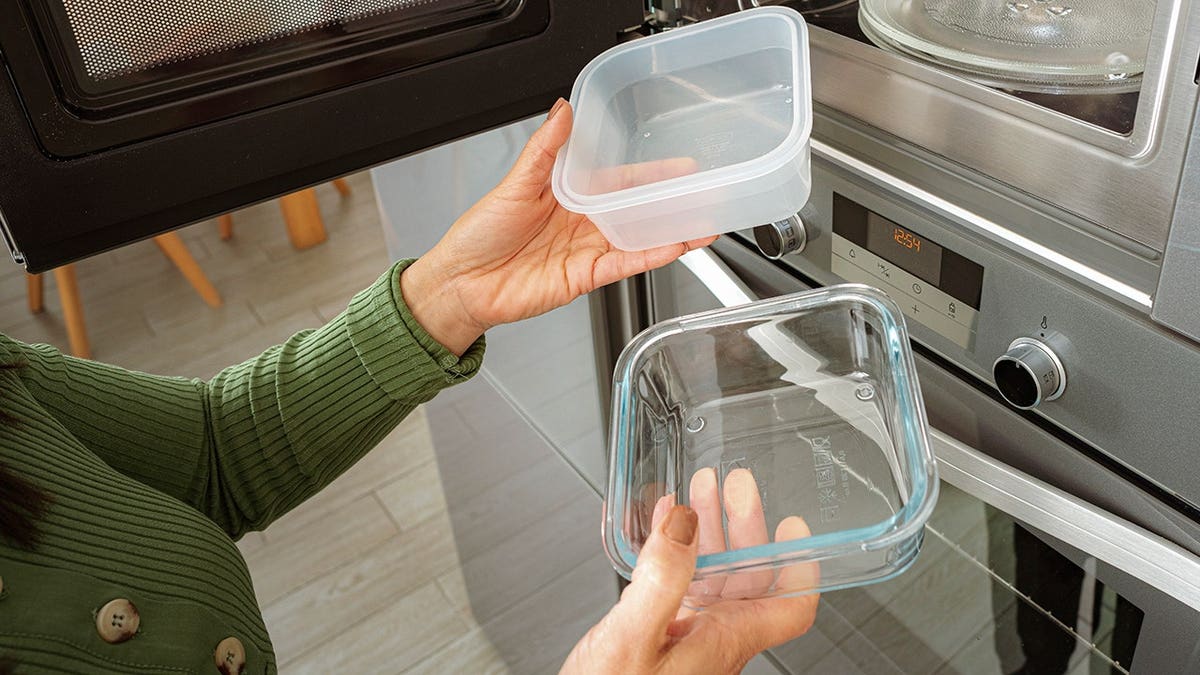
Plastic and glass containers positioned near a microwave oven.

Heating food in glass or ceramic instead of plastic is one way to reduce exposure to microplastics, according to experts. (iStock)

To reduce potential risk, the dietitian recommends making targeted swaps to help limit daily exposure to microplastics.

CLICK HERE FOR MORE HEALTH STORIES

“I would take inventory of your regular sources of microplastic exposure and see where you can reduce or swap them for better alternatives,” Routhenstein said. “For example, replace plastic food storage containers with glass ones.”

She also urged people to take extra precautions when preparing meals and drinking water.

CLICK HERE TO DOWNLOAD THE FOX NEWS APP

“When microwaving or reheating food, use glass or ceramic containers instead of plastic,” she said. “It’s also a good idea to limit plastic water bottles and single-use plastic containers, especially when they’re exposed to heat.”

“Think of reducing plastic exposure as one piece of an overall heart-healthy lifestyle,” she added.


Source link

Nearly 200k cans of pantry-staple soup recalled in US over spoilage risk

0
Nearly 200k cans of pantry-staple soup recalled in US over spoilage risk


Amy’s Kitchen is the latest company to issue a recall notice affecting shoppers around the country.

Over 15,000 12-count cases of the brand’s Organic Lentil Soup – Light Sodium have been recalled due to “potential for spoilage,” according to a notice from the U.S. Food and Drug Administration.

A spokesperson for the company told NBC Bay Area that a defect with the lids of the cans was to blame.

“The defect could cause the product to spoil, and the decision was made out of an abundance of caution to ensure the quality and safety of our products,” the spokesperson told the outlet.

The recall was initiated by the FDA in June but has since been upgraded to a Class II, which means that eating or using the items can pose a serious health risk, according to the agency.

Amy’s Kitchen has recalled nearly 200,000 cans of Organic Lentil Soup (Amy’s Kitchen)

Affected cases were distributed in Arizona, California, Colorado, Connecticut, Florida, Georgia, Iowa, Idaho, Illinois, Indiana, Maryland, Maine, Missouri, North Carolina, New Hampshire, New Jersey, Nevada, New York, Ohio, Pennsylvania, South Carolina, South Dakota, Tennessee, Texas, Virginia, Washington and Wisconsin, as well as parts of Canada.

Other Amy’s Kitchen products have not been impacted by the recall. The Independent has contacted Amy’s Kitchen for comment.

The Amy’s Kitchen recall isn’t the only issue plaguing consumers at the moment. Pillsbury bread rolls have been recalled by General Mills over potential glass contamination.

That recall, initiated in June, has affected nearly 736,000 total rolls.

According to a July notice from the FDA, two Pillsbury products have been affected by the recall: Hard Roll Dough and Kaiser Roll Dough. Over 3,000 cases of the 180-count Hard Roll Dough were impacted, while 1,260 cases of the 144-count Kaiser Roll Dough were affected.

The rolls were sold in large quantities, intended for businesses rather than individual consumers, based on a description on the General Mills website.

Nearly 200,000 cans of Amy’s Kitchen soup have been recalled
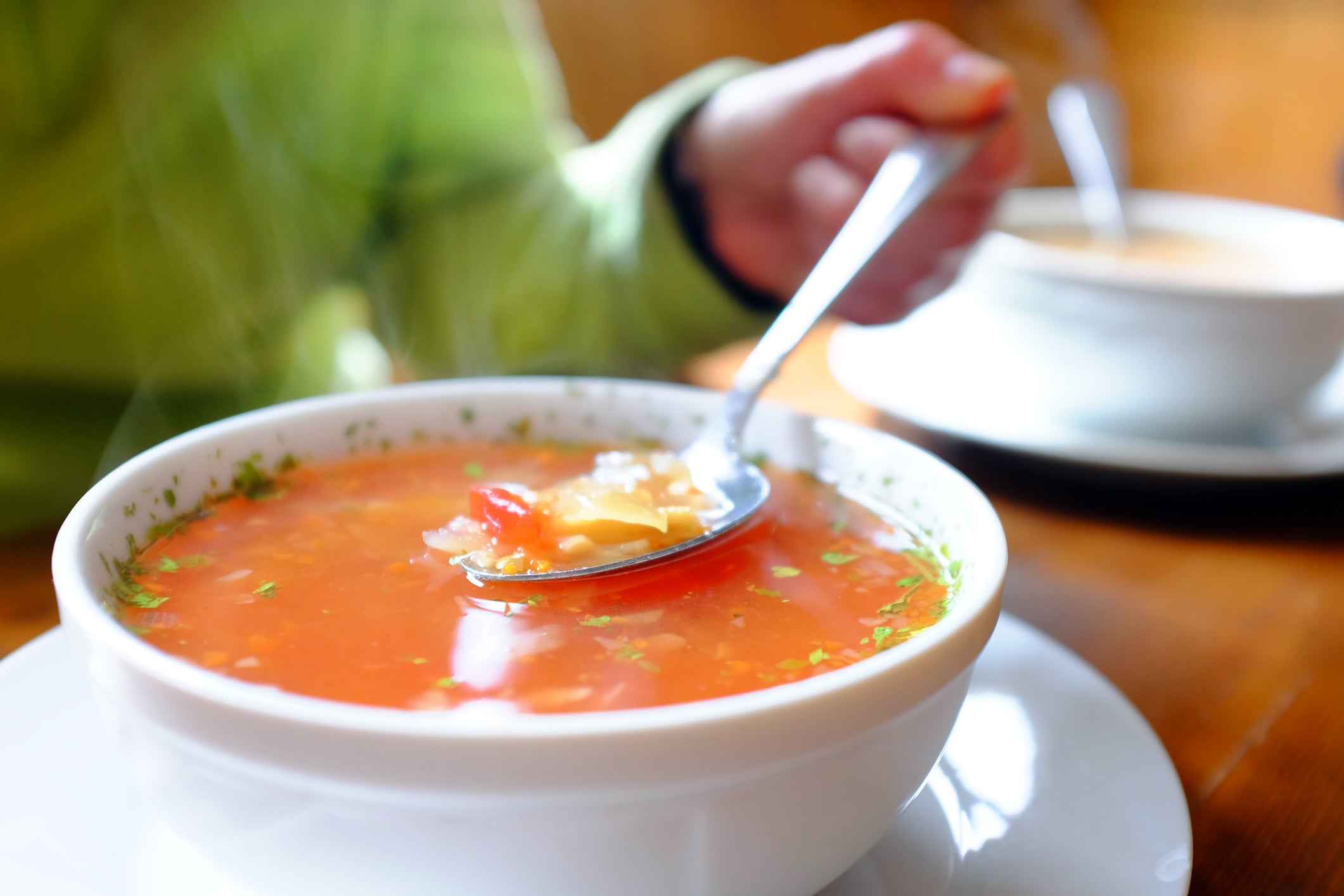
Nearly 200,000 cans of Amy’s Kitchen soup have been recalled (Getty Images/iStockphoto)

The FDA’s notice said the recall was initiated due to “potential foreign material (glass).” Further details weren’t immediately available.

Meanwhile, nearly 1.6 million dozen eggs sold across five states are being recalled over fears they could be contaminated with Salmonella Enteritidis.

The FDA said the recall covers white and brown cage-free shell eggs produced by Midwest Poultry Services in Texas and distributed to Kroger stores in Texas and Louisiana, along with Brookshire Grocery locations in Oklahoma, Arkansas and Mississippi. The company has halted egg shipments from its Texas farms while the recall is underway.

As of Wednesday, no illnesses had been linked to the recalled eggs.


Source link

Anthony Joshua vs Kristian Prenga: Briton embraces comeback spotlight before fight in Saudi Arabia

0
Anthony Joshua vs Kristian Prenga: Briton embraces comeback spotlight before fight in Saudi Arabia


A relaxed Anthony Joshua laughed with reporters, thanked fans for making the trip and even encouraged a sizeable Albanian contingent to bring their “energy” for the British heavyweight’s comeback fight in Saudi Arabia on Saturday.

Joshua, 36, faces Albanian puncher Kristian Prenga in his first fight since the car crash in Nigeria last December which claimed the lives of two of his closest friends and members of his team, Sina Ghami and Latif ‘Latz’ Ayodele.

Victory would move Joshua to the brink of an all-British heavyweight showdown with Tyson Fury, as long as ‘The Gypsy King’ also wins his warm-up fight against Mariusz Wach in Thailand on Friday.

“We’ve been working since January, working hard, keeping my head down and aligning all my stars,” Joshua said at Thursday’s news conference in Jeddah.

“I’m fully focused. I understand there’s a big picture. The goal is to conquer the universe, right? But first we must conquer Earth. And this is my target here.”


Source link