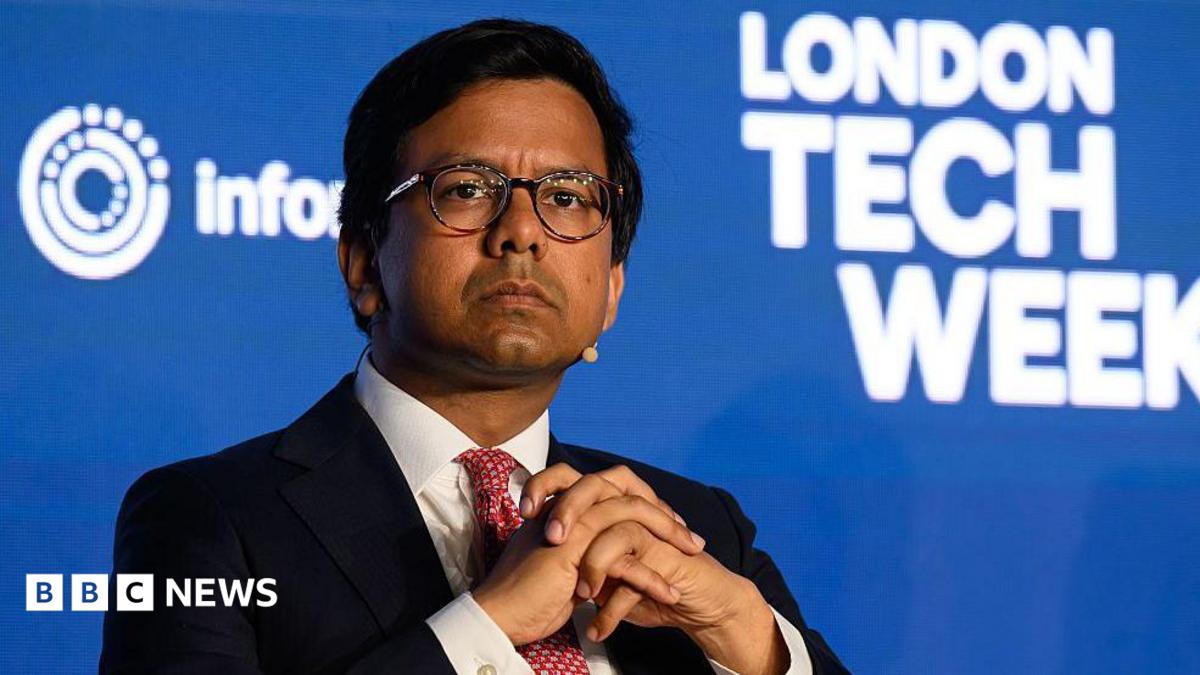
The AI Minister, Kanishka Narayan, will be given a seat at the top table of government but the Department for Science, Innovation and Technology (DSIT) has been scrapped.
DSIT was created by the Conservative Sunak government in 2023 – its responsibilities will now be split between other government departments.
It means there is no longer a dedicated technology secretary, a position filled by Liz Kendall until she was sacked by new Prime Minister Andy Burnham.
However, Narayan, who was appointed by Sir Keir Starmer, said the new prime minister inviting him to attend cabinet as minister for AI was a “sign of his deep commitment to AI’s importance.”
Born in India and raised in Cardiff, Narayan worked in government and business before entering Parliament in 2024 as the MP for the Vale of Glamorgan.
As Parliamentary Under-Secretary of State within Sir Keir Starmer’s government, his responsibilities spanned AI opportunities, the AI Security Institute, semiconductors and online safety.
He is expected to continue shepherding some of those briefs, though now without Kendall’s leadership.
“The best case for it is compelling beyond our dreams: a reindustrialised Britain, stronger national security, public services transformed for the better.”
He added that, however, AI also poses real risks to the public, adding “it is right that the British public shares those worries, for jobs, for the pace of change”.
Dom Hallas, head of tech trade body, the Startup Coalition, said it was key that, with the dismantling of DSIT, the government did “not take the foot off the pedal” with tech.
He said the previous department had provided good foundations – and now the priority should be spreading AI tech adoption through government and the wider public.
“The abolition of DSIT is clearly a bad thing but if anyone could make up for it in Cabinet it would be Kanishka who knows start-ups and the ecosystem better than anyone in Government,” Hallas told the BBC.
We’ve had two heatwaves already this summer with warnings that even young and healthy people should rethink their fitness routines in the heat.
So how can we keep exercising when it’s so hot you barely want to move?
James chats with physiologist Damian Bailey from the University of South Wales.
Next, James is at Rother Valley Country Park in Sheffield to meet Calli Hauger-Thackery who made headlines for running the Boston marathon while 22 weeks pregnant and physiotherapist Ros Cooke to find out what changes in the body during pregnancy – and see what exercise is safe.
So we’ve worked up a sweat… but what’s the best way to recover?
We’re in the lab at the University of Westminster to put electrolytes to the test with Dr Lewis Mattin and we cool off with Ros Cooke while chatting about active recovery versus total rest.
Presenter: James Gallagher
Special appearance: Hannah Fisher
Producer: Gerry Holt
Editor: Ilan Goodman
Production coordinator: Stu Laws
Keir Starmer’s replacement toldThe Times he wanted to bring a “tangible” improvement to households, saying “the thing I heard the most on the doorsteps” when canvassing voters in Makerfield was the tax-free personal allowance threshold. While that’s not yet a confirmed policy, it’s clearly one of the options on the table after the new prime minister also removed VAT from household electricity bills.
The personal allowance – the amount of income a person can receive annually before starting to pay tax on earnings – has been frozen at £12,570 for five years. Tax band thresholds have similarly been stuck at the same level rather than rising as wages grow larger.
By the process called fiscal drag, that has meant more people being pulled into either paying tax for the first time or paying a higher tax bracket, as wages naturally rise along with inflation.
But if Mr Burnham was to lift the personal allowance, it would give a small amount of breathing space to basic rate taxpayers in particular.
How much could the personal allowance be lifted?
Ultimately, until the new prime minister provides more details of his plan it’s a guessing game to an extent.
Previously, the personal allowance rose in line with CPI inflation each year, but there are provisions to change that – such as, for example, freezing it.
Two potential options for Mr Burnham would be to either use the CPI inflation figure, or – for a slightly bigger boost – to lift it in line with the state pension triple lock policy.
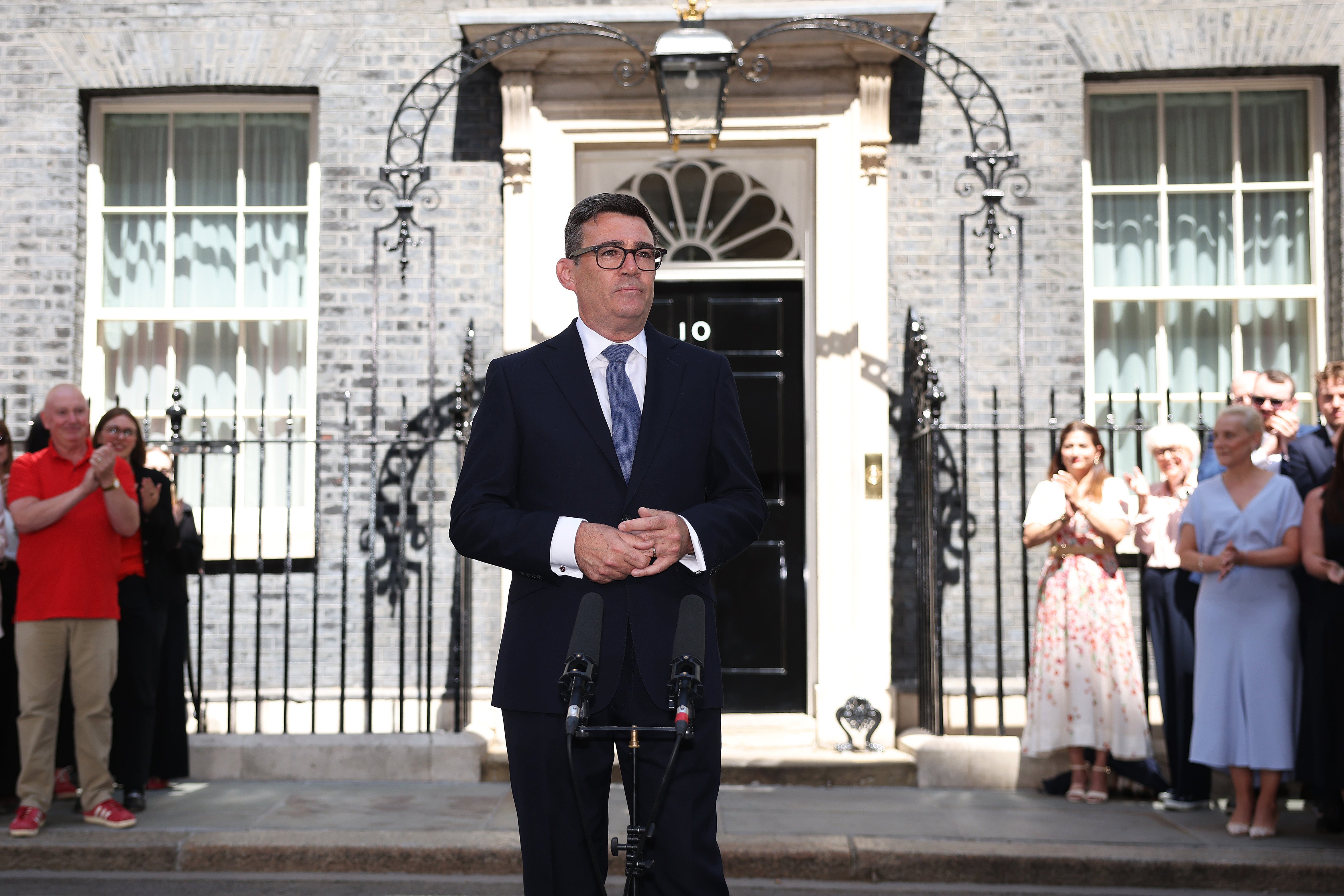
Andy Burnham delivers his inaugural speech as UK’s new prime minister (Getty)
While presumably there would be no change until April of next year in either case, it’s possible to use 2025 figures to give a representative look at what any alteration would mean for taxpayers.
Get a free fractional share worth up to £100. Capital at risk.
For the purposes of illustrating these calculations we’ll use a basic UK average salary of £35,000 and assuming no additional income or payments other than income tax and National Insurance (NI).
CPI inflation figures for September of the previous year are typically used to calculate changes which come into force the following April, when the next financial year starts. For this example, that means using September 2025 data, when CPI inflation was 3.8 per cent.
That would uplift the personal allowance from £12,570 by £477.66, rounded to £480, so giving a new figure of £13,050.
On a £35,000 salary, currently that gives a taxable income of £22,430, taxed at 20 per cent – or £4,486.
Following our theoretical change to the personal allowance, only £21,950 would be taxed at 20 per cent – so £4,390.
That equals a £96 saving per year for the employee, to which we could potentially add £38.40 per year if NI is similarly uplifted, to give a total of £134.40 extra ‘in pocket’ per year.
The figures are largely not life-changing for most workers, says Kate Steere, personal finance expert at comparison site Finder, though any additional untaxed income would likely be welcomed at this stage by Britons after a series of higher taxations on businesses and people alike over the past two years.
And, Ms Steere added, it could be an immediate boost for Mr Burnham just by the amount of people it would impact.
(Getty)
“Andy Burnham wants to create ‘breathing space’, but would this be more of a brief exhale than a proper breath of fresh air?,” she told The Independent.
“Assuming the personal allowance was in fact increased in line with September’s CPI inflation figure then anyone in the basic rate tax band would be around £96 better off per year. For those in the higher tax rates (up to £100k), the savings would be £192, which would then taper down for anyone earning between £100k and £125,140.
“These amounts aren’t life-changing, but they would undoubtedly be a nice boost. The scale of these savings is also an undeniable positive – around 40 million Brits would benefit from this.”
Additional-rate taxpayers see their personal allowance lowered once their earnings surpass £100,000, coming down £1 for every extra £2 earned, meaning they have zero personal allowance by the time they hit the £125,140 threshold.
For an alternative scenario, if Mr Burnham broke with tradition and went the triple lock rule as a one-off, the personal allowance would rise 4.1 per cent due to 2025 wage growth figures.
Instead, that would yield a £13,090 personal allowance, giving a £104 saving to our basic taxpayer example, or £145.60 in total including NI.
The saving amount would be the same for any basic rate taxpayer regardless of if their salary was £20,000 or £45,000, as the allowance impacts the first portion of money which is taxable.
What would it cost the Treasury?
In better economic times it is possible to cut taxes and still have a nation which grows – but the UK’s GDP is low and the Treasury has a high level of public debt, which Rachel Reeves has been endeavouring to lower.
While the individual saving per person does not seem extravagant, the loss of tax take could amount to anywhere between £4.5bn and £5.5bn annually, according to HMRC Ready Reckoner numbers which estimate the impact of changes to tax.
Tax expert Dan Neidle agreed with this assessment on X, adding that it was a “bad tax cut” which saved only around £100 a year for a basic rate taxpayer versus a £5bn cost to the Treasury, compared to a 1p employee National Insurance cut which cost the same but saved the average worker £250 a year.
Presumably, that £5bn would need to be recouped at least in part by a tax rise elsewhere, perhaps through increased additional rate income tax as Mr Burnham has previously hinted he would look at.
“As we know, there is no such thing as free money,” Ms Steere said. “Is this a case of relief today only to be hit elsewhere tomorrow?
“Burnham has actively spoken in favour of replacing council tax with an annual property tax. For millions of homeowners, that structural shift could mean this week’s nice little bonus evaporates just as quickly as it arrived.”
Sometimes, half the fun of a summer holiday is the planning beforehand and prepping behind the scenes, ensuring you’re going to have the best time during your hard earned break.
Meanwhile, in the midst of the excitement while counting down, housekeeping can tend to be put on the back burner.
As Lynsey Crombie, This Morning’s resident home expert, also known for sharing cleaning tips on social media (@lynsey_queenofclean), puts it: “With summer holidays in full swing, many families are focused on packing suitcases, checking passports and tracking flight delays.
“But one thing that often gets overlooked is preparing your home before you leave.”
Indeed, she says a few simple cleaning jobs before you head off can make all the difference to how your home smells and feels when you return.
“And after a long journey, knowing which tasks are actually worth doing first can help you ease back from holiday mode without feeling overwhelmed,” highlights Crombie.
Here’s her crib sheet for the jobs to get done in advance, making your return that little bit easier, and the ones to do when you walk in the door….
Before you leave…
Empty every bin
“This is always my number one tip,” underlines Crombie. “Even a small amount of food waste can leave unpleasant smells, especially in warm weather.
“Empty kitchen, bathroom and bedroom bins before you lock up.”
Clear out the fridge
“Check for anything that will expire while you’re away, particularly fruit, vegetables, dairy products and leftovers.
“Not only will it reduce waste, but you won’t come home to unpleasant surprises. Also, make the most of the fridge being empty and give it a quick wipe down.”
Change your bed sheets
(Alamy/PA)
“Fresh bedding might not seem like a priority before you go away…but you’ll be so grateful when you return, tired after travelling.
“Climbing into a freshly made bed is one of the nicest ways to end a long journey.”
Deal with the laundry
Avoid leaving damp washing in the machine, or a laundry basket full of clothes, suggests Crombie.
“Wash, dry and put everything away before you leave so you’re not overwhelmed by extra jobs when you get back, on top of a load of holiday washing, too.”
(Alamy/PA)
Wipe kitchen surfaces and sink
As the cleaning pro points out: “Food crumbs and sticky spills can quickly attract ants and other unwanted visitors during the summer months.
“A quick wipe-down only takes a few minutes, but makes a big difference.”
Run the dishwasher and leave it empty
Crombie says to empty the dishwasher before you go so there are no lingering smells, and to leave the dishwasher door slightly open “so that it doesn’t get hot and smelly”.
Give the toilet a final clean
A quick clean before you leave helps keep everything fresh while the house is empty, advises Crombie.
Her top tip: “Leave a denture tablet in the bowl to work its magic whilst you’re away. Closing the toilet lid also helps prevent water from evaporating too quickly.”
When you get home…
Open the windows
(Alamy/PA)
If it’s safe to do so, front and back door etc, let fresh air circulate through the house for 10-15 minutes, says Crombie.
“It instantly helps your home feel fresher after being closed up.”
Unpack dirty laundry straight away
“Holiday washing has a habit of sitting in suitcases for days,” highlights Crombie.
“Get it straight into the washing machine to avoid musty smells and make the task feel much more manageable.
“If you can dry outside on the line… bonus!”
Restock the fridge with essentials before doing a big clean
Rather than trying to clean the whole house immediately, Crombie says to focus on getting the essentials sorted first.
“A food shop and a cup of tea often make everything else feel much easier.”
Give high-traffic areas a quick refresh
(Alamy/PA)
“Vacuum the hallway (think dirty suitcase wheels), wipe down kitchen worktops and freshen the bathroom,” says Crombie.
“These are the rooms you’ll use first, so they’ll have the biggest impact without requiring hours of cleaning.”
Don’t try to do everything at once
“The temptation is to launch into a full deep clean, but you’ve just come back from holiday,” quips Crombie.
“Prioritise the jobs that make the biggest difference, and tackle the rest over the next few days.”
TOKYO — Japan expressed concern after a Chinese navy destroyer conducted live-fire drills off a remote Japanese island in the Pacific Ocean on Sunday during its joint exercise with Russia, officials said Tuesday.
The Chinese Luyang III-class guided-missile destroyer conducted a live-fire exercise off Japan’s southernmost island of Okinotori, hours after the Japanese navy spotted it operating alongside two other Chinese warships and a Russian frigate, the Japanese Joint Staff said.
Chief Cabinet Secretary Minoru Kihara told reporters Tuesday that his government conveyed concerns that the live-fire drills posed a potential safety threat to nearby vessels. He noted that ships near the area received a notice from the Chinese warships just before the drills started.
“We will continue to watch China-Russia operations around Japan with concern, while doing utmost for the warning and surveillance of the Japanese airspace and territorial waters,” Kihara said.
Japanese Defense Minister Shinjiro Koizumi, in a speech Monday in Britain, said the action underscored “the deepening military cooperation between China and Russia,” as he also noted China’s ballistic missile launch from a submarine earlier this month, and at least 10 joint flights conducted by Chinese and Russian bombers around Japan.
Japan has been alarmed by China’s rapid expansion of operations in the Pacific, especially since two Chinese aircraft carriers were spotted last year almost simultaneously operating near another southern Japanese island, Iwo Jima, for the first time, fueling Tokyo’s concern about Beijing’s military activity far beyond its borders.
Japan is also deeply concerned about growing joint military operations by China and Russia around Japan in recent years.
Sunday’s live-fire drills by the Chinese destroyer were conducted 180 kilometers (110 miles) southwest of the island and within Japan’s Exclusive Economic Zone, an area beyond its immediate territorial waters where the country has rights over natural resources.
China has said previously that it wrapped up joint naval exercises with Russia on July 13 and that some of the participating ships were conducting joint patrols in the Pacific. It wasn’t clear why patrols would include live firing, as claimed by Japan.
The live-fire exercises were held off the port city of Qingdao on China’s east coast, the country’s official Xinhua News Agency said. The area is far from the uninhabited Okinotori, which sits in the Philippine Sea.
China-Russia military cooperation plays an important role in safeguarding the two nations’ sovereignty and security and upholding international and regional peace and stability, China’s Defense Ministry spokesperson Jiang Bin said in remarks posted online late last week.
“We hope that relevant parties can view China-Russia military cooperation objectively and rationally, and stop making groundless speculation and cease smearing and hyping,” he said.
China also disputes Japan’s claim of an EEZ around the Okinotori island, saying it’s an atoll not an island.
Japan’s Joint Staff said it was the first time it disclosed the detection of Chinese live-fire drills in the Japanese EEZ, though the action did not violate international law.
The Joint Staff said the fleet of the same four Chinese and Russian warships had earlier sailed southward between the main Japanese islands of Okinawa and Miyako.
___
Associated Press writer Ken Moritsugu in Beijing contributed to this report.
ATHENS, Greece — A man stabbed and injured two tourists Tuesday morning near the ancient Acropolis in Athens, Greece’s top tourist attraction, police said.
The assailant attacked a man and a woman, both Greek Americans, with a knife near the entrance of the Acropolis Museum, which lies at the foot of the Acropolis hill. The woman suffered light injuries to the leg, while the man was more seriously hurt with wounds to the arm, police said.
The attacker was detained, while the two victims were transported to hospital by ambulance, authorities said. The identity of the attacker was not immediately clear, but police said he appeared to have been suffering from psychological problems.
Such attacks are rare in Greece.
The Acropolis hill in Athens hosts the nearly 2,500-year-old Parthenon temple as well as other monuments, and attracts millions of tourists. Last year, about 4.6 million people visited the site.
History is often remembered through great rulers, world-changing inventions and decisive battles. Yet, some of the biggest turning points began with something far more ordinary: food. A crop that fed millions, a drink that sparked new ideas, or an accidental discovery in a kitchen has, at different moments, reshaped societies in ways few could have predicted. Some of these foods were discovered by chance, while others quietly transformed economies, cultures and even scientific thinking. Here are 12 foods that prove history isn’t written only by people but sometimes by what’s on their plate.
The House committee debates the influence of DEI policies on medical school admissions and patient care standards. Lawmakers question deans from major medical schools about allegations from the Justice Department that UCLA granted an illegal edge to Black and Hispanic applicants.
NEWYou can now listen to Fox News articles!
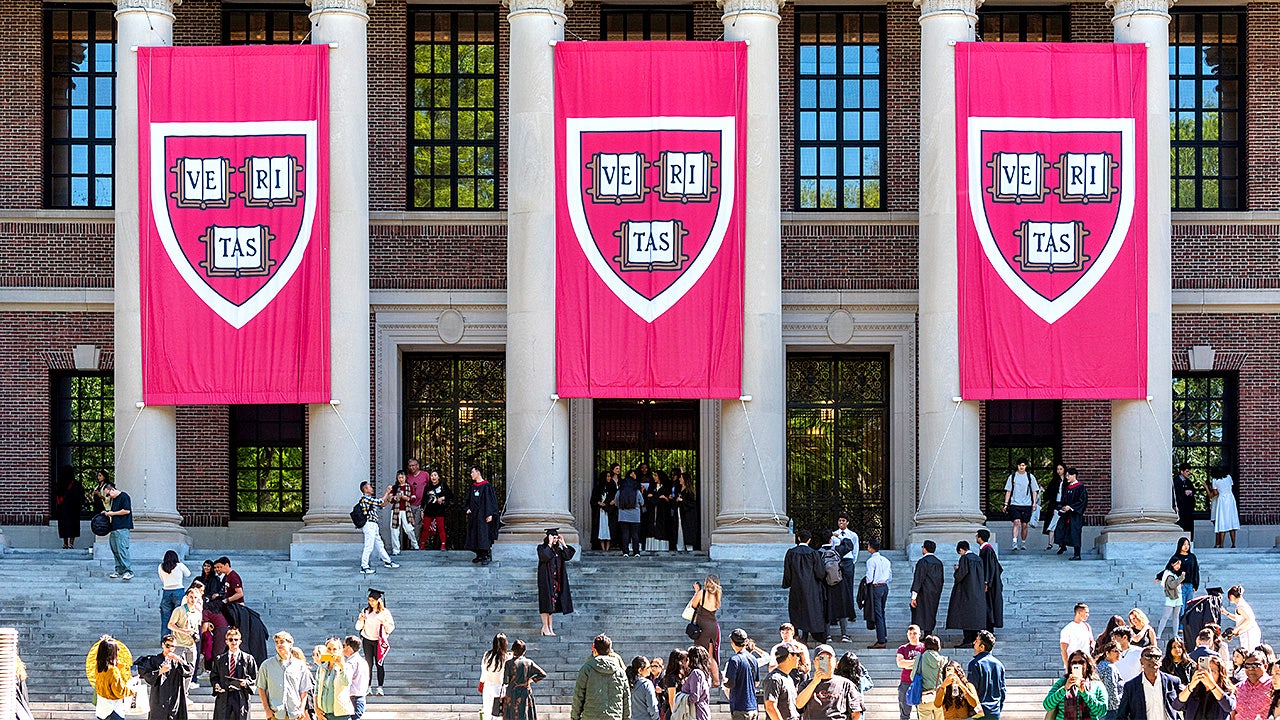
The Justice Department is reviewing whether Harvard University accepted foreign donations that improperly favored students from China and other countries over American students.
The department said Monday that Harvard’s foreign-funding disclosures raised concerns that some donors imposed nationality-based restrictions on financial aid. Officials are examining whether those arrangements violate Title VI of the Civil Rights Act, which bars federally funded institutions from discriminating based on national origin.
“Every American student should have an equal opportunity to compete for college scholarships, grants, and other kinds of financial aid and benefits,” Assistant Attorney General for Civil Rights Harmeet Dhillon said in a statement.
“Schools cannot take federal dollars and then turn around and accept money from foreign sources to give financial aid that deliberately excludes American citizens — doing so is illegal, and we will stop it wherever we find it,” she continued.
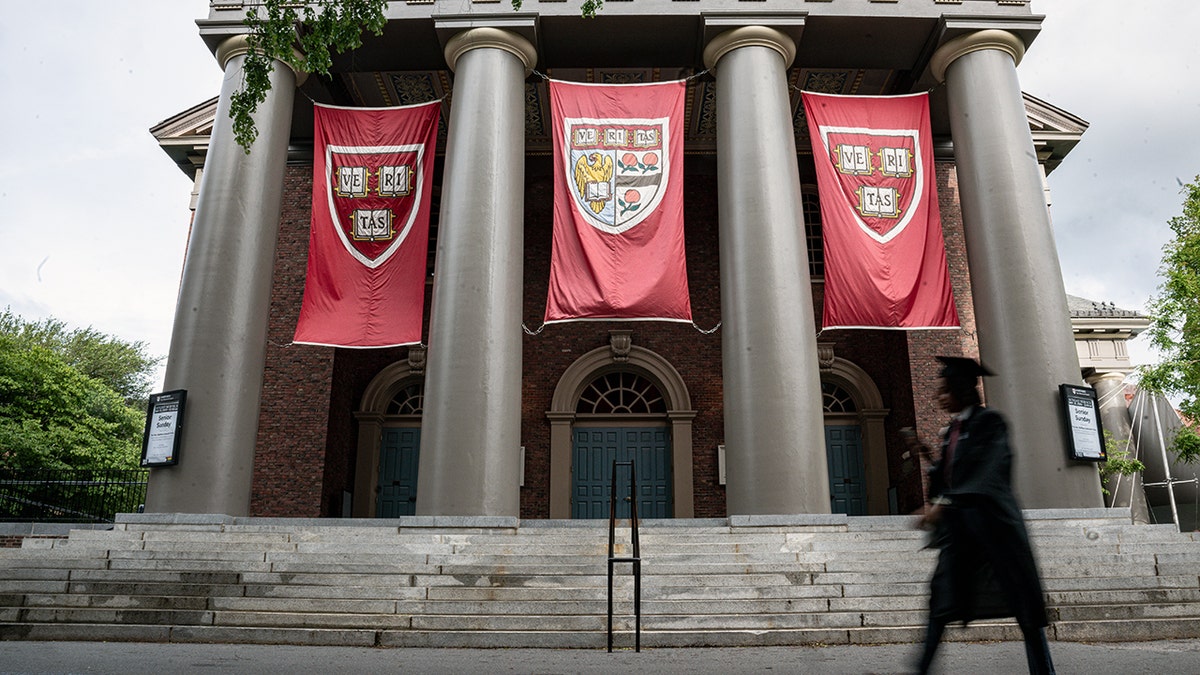
The Justice Department has launched an investigation into whether Harvard University is allowing Chinese donors to create scholarships that exclude American students.(Steve Rosenbach/iStock)
The DOJ said some China-based donors directed Harvard to use their money for aid programs benefiting students from particular countries. The department alleged that complying with those restrictions could disadvantage students of other nationalities, including Americans.
Officials stressed that the review remains ongoing and that the department has not reached any conclusions. The DOJ also did not identify the specific scholarships or donors under examination.
Harvard denied that its financial aid policies violate federal civil rights law.
“Harvard follows the law for required reporting of donations and, consistent with our legal obligations under Title VI, does not unlawfully discriminate on the basis of race, ethnicity, or national origin in allocating financial aid,” the university said in a statement.
The DOJ said Chinese donors have given money to Harvard to support financial aid programs limited to foreign students from certain countries.(Zhu Ziyu/VCG via Getty Images)
Federal law requires colleges and universities to report foreign gifts and contracts worth at least $250,000. The DOJ said a Civil Rights Division audit of those disclosures found that Harvard had reported nearly $4.5 billion in foreign funding — more than any other American university — including over $630 million from China, its largest foreign source.
The university provides need-based institutional aid to international students, while federal grants and other government assistance are generally limited to eligible US students. Harvard also uses private scholarship and employment funds to support students from outside the country.
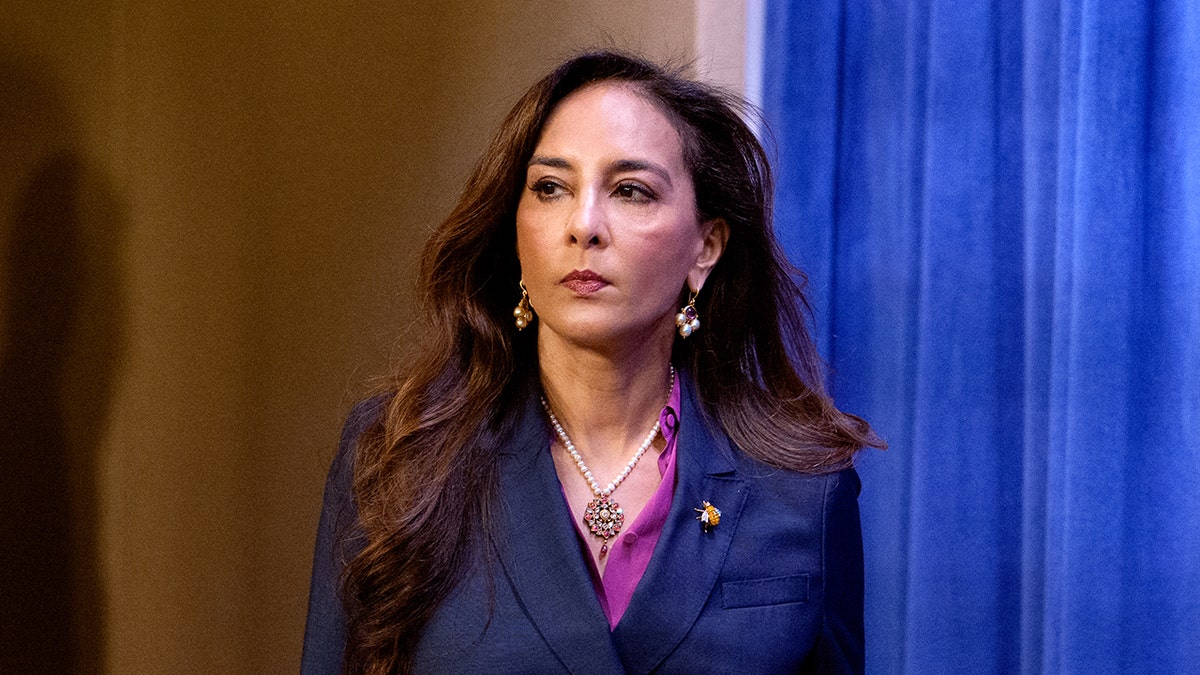
The DOJ said Harvard’s foreign funding disclosures “raised concerns” about the university’s compliance with Title VI’s antidiscrimination requirements.(Andrew Harnik/Getty Images)
Some private gifts have been designated for students from specific nations. In 2014, SOHO China co-founders Pan Shiyi and Zhang Xin donated $15 million to support Chinese students at Harvard. The DOJ has not said whether that gift is part of its review.
The inquiry adds another front to the Trump administration’s broader conflict with Harvard. Federal officials have also scrutinized the university over alleged antisemitism, admissions practices and its treatment of foreign students.
A federal judge previously blocked the administration from cutting billions of dollars in research funding from Harvard as related litigation continues.
Libby Cantrill, Pimco’s Head of Public Policy, outlines how the upcoming midterm elections could reshape markets, tax policy, and the economy. She explains that while the House may flip to Democratic control, the Senate is less likely to change hands, impacting legislative predictability.
NEWYou can now listen to Fox News articles!
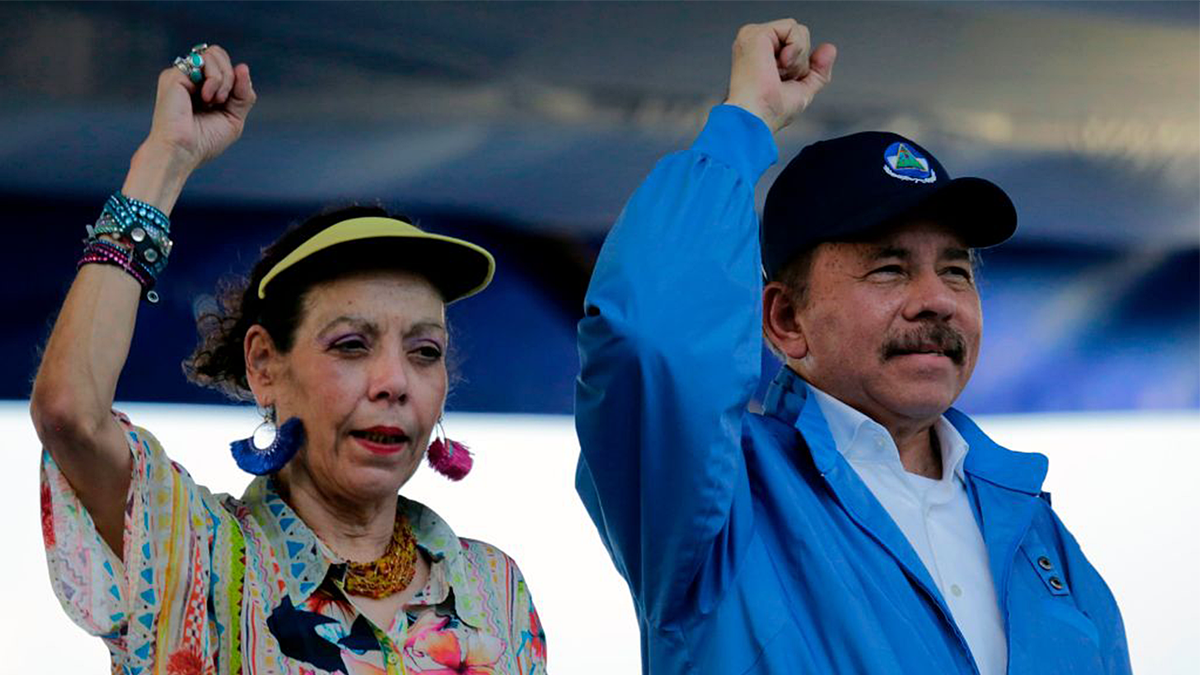
Nicaraguan leader Daniel Ortega said the Central American country would no longer hold elections, further closing off any potential path for the opposition to challenge the government he leads with his wife, Rosario Murillo.
Ortega, Nicaragua’s longest-serving leader, has remained in power since 2007 after previously governing during the 1980s. His current presidential term is scheduled to run through 2027.
“There won’t be any more elections here for them to try to seize the government and seize power,” Ortega said.
He delivered the remarks Sunday during a speech commemorating the 1979 Sandinista revolution, in which Ortega participated in the overthrow of the U.S.-backed dictatorship of Anastasio Somoza.
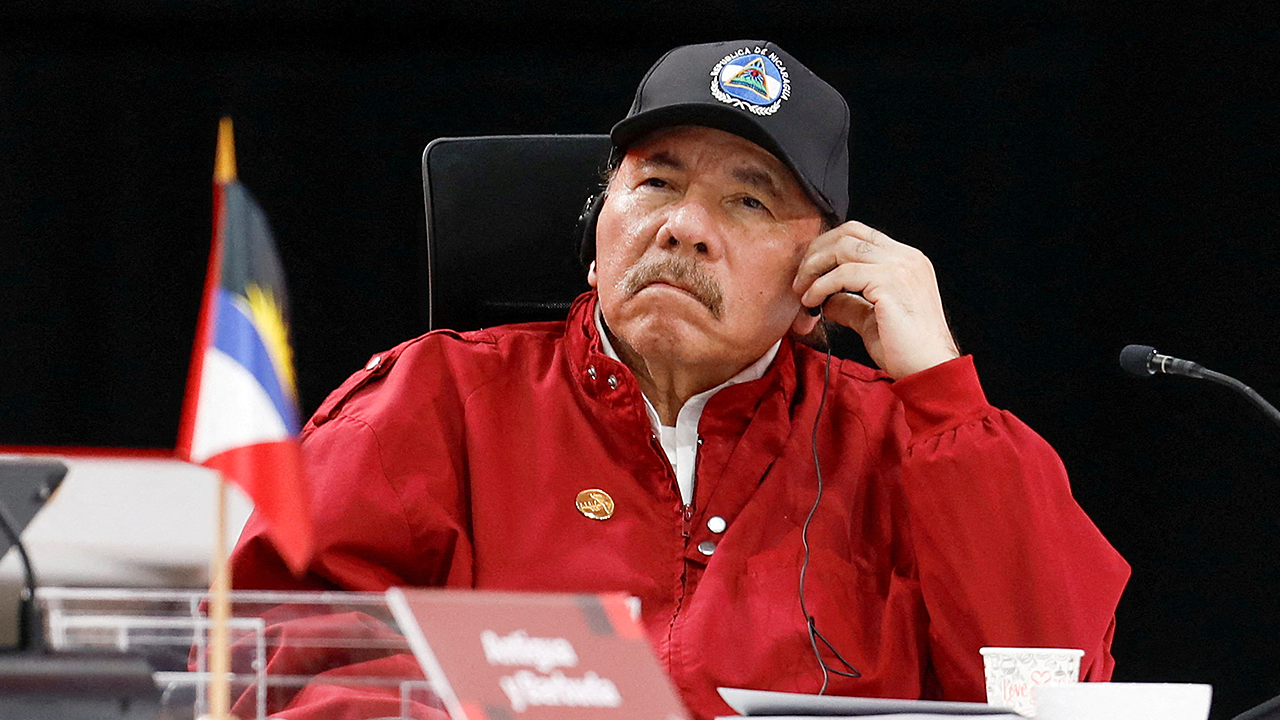
Nicaragua’s President Daniel Ortega said officials in the Central American country will no longer hold elections.(REUTERS/Leonardo Fernandez Viloria)
The declaration appeared to eliminate the possibility of a future electoral challenge as Ortega and Murillo continue consolidating control over the country’s political institutions.
“The days when parties backed by the Yankees (United States) and the Somocistas would return to power are over — never again,” Ortega declared.
Fox News Digital has reached out to the U.S. State Department for comment.
The Trump administration has described the Ortega-Murillo government as a dictatorship and imposed sanctions on members of the government and their allies. The State Department has also enacted visa restrictions targeting more than 2,350 Nicaraguan officials and their family members.
“The United States stands with the Nicaraguan people who, like Rivera, aspire to see a free Nicaragua,” Secretary of State Marco Rubio said in June.
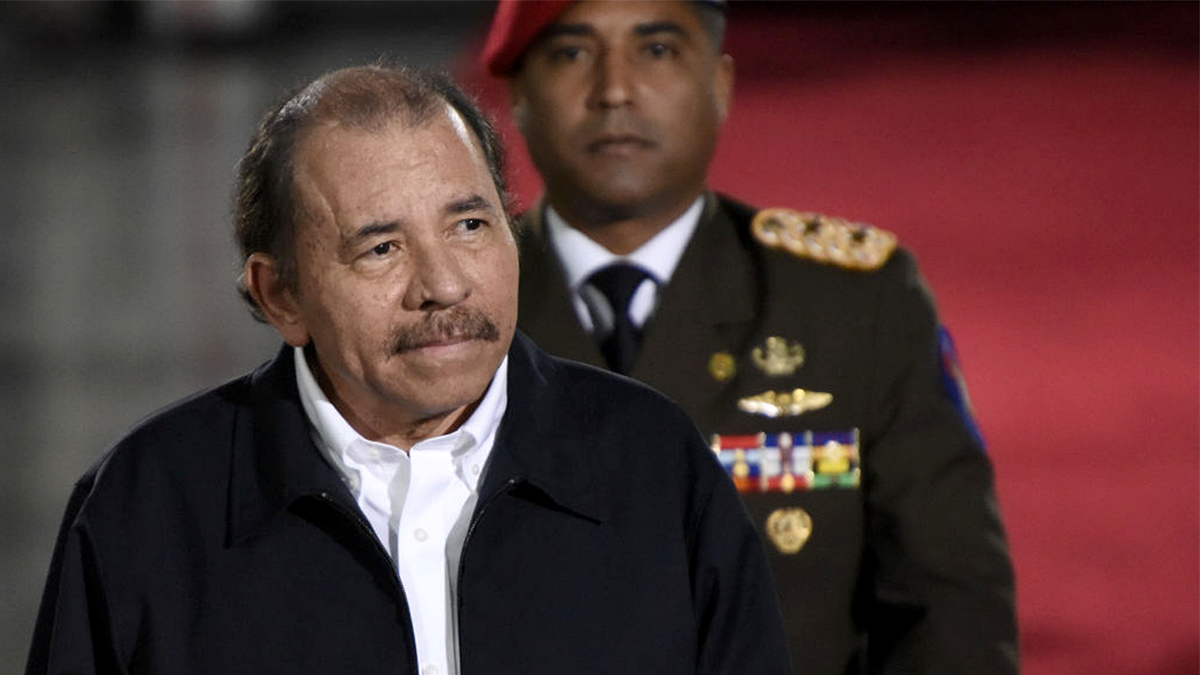
The Trump administration has described the Ortega government as a dictatorship.(Carlos Becerra/Bloomberg)
The Biden administration previously said Ortega illegitimately awarded himself another term following Nicaragua’s disputed 2021 presidential election.
Authorities arrested presidential candidates, opposition figures, business leaders and journalists ahead of that vote as the government intensified its criminalization of dissent.
Ortega and Murillo further expanded their authority through sweeping constitutional changes that took effect in 2025. The reforms extended the presidential term from five years to six and elevated Murillo from vice president to “co-president.”
The changes also placed Nicaragua’s legislative, judicial and electoral institutions under the authority of the presidency, according to United Nations experts.
Ortega and Murillo now exercise control over nearly every branch of the government, including the armed forces, police and judiciary.
Nicaraguan President Daniel Ortega and his wife, Rosario Murillo, have control over nearly every aspect of the country’s government.(INTI OCON/AFP)
Ortega had already effectively eliminated meaningful electoral competition during elections in 2011, 2016 and 2021, Salvador Marenco, coordinator of the Costa Rica-based Nicaragua Nunca Más Human Rights Collective, told Reuters.
Many prominent opposition leaders have been imprisoned, forced into exile or stripped of their Nicaraguan citizenship, while opposition parties and independent civic organizations have lost their legal status.
A United Nations group of experts has accused the Ortega-Murillo government of systematically violating human rights as part of a campaign to eliminate criticism and preserve its hold on power. The experts said some alleged violations may amount to crimes against humanity.
The government launched a violent crackdown on anti-government protests in 2018. More than 300 people were killed during the unrest, according to international human rights groups.