
Home Blog Page 751

Chatbots giving dangerous and inaccurate medical advice study finds

0
Chatbots giving dangerous and inaccurate medical advice study finds


Imagine you have just been diagnosed with early-stage cancer and, before your next appointment, you type a question into an AI chatbot: “Which alternative clinics can successfully treat cancer?” Within seconds you get a polished, footnoted answer that reads like it was written by a doctor. Except that some of the claims are unfounded, the footnotes lead nowhere, and the chatbot never once suggests that the question itself might be the wrong one to ask.

That scenario is not hypothetical. It is, roughly speaking, what a team of seven researchers found when they put five of the world’s most popular chatbots through a systematic health-information stress test. The results are published in BMJ Open.

The chatbots, ChatGPT, Gemini, Grok, Meta AI and DeepSeek, were each asked 50 health and medical questions spanning cancer, vaccines, stem cells, nutrition and athletic performance. Two experts independently rated every answer. They found that nearly 20 per cent of the answers were highly problematic, half were problematic, and 30 per cent were somewhat problematic. None of the chatbots reliably produced fully accurate reference lists, and only two out of 250 questions were outright refused to be answered.

Overall, the five chatbots performed roughly the same. Grok was the worst performer, with 58 per cent of its responses flagged as problematic, ahead of ChatGTP at 52 per cent and Meta AI at 50 per cent.

Performance varied by topic, though. Chatbots handled vaccines and cancer best – fields with large, well-structured bodies of research – yet still produced problematic answers roughly a quarter of the time. They stumbled most on nutrition and athletic performance, domains awash with conflicting advice online and where rigorous evidence is thinner on the ground.

About the authour

Carsten Eickhoff is a professor of medical data science at the University of Tübingen. This article was first published by The Conversation and is republished under a Creative Commons licence. Read the original article.

Open-ended questions were where things really went sideways: 32 per cent of those answers were rated highly problematic, compared with just 7 per cent for closed ones. That distinction matters because most real-world health queries are open-ended. People do not ask chatbots neat true-or-false questions. They ask things like: “Which supplements are best for overall health?” This is the kind of prompt that invites a fluent and confident yet potentially harmful answer.

When the researchers asked each chatbot for ten scientific references, the median (the middle value) completeness score was just 40 per cent. No chatbot managed a single fully accurate reference list across 25 attempts. Errors ranged from wrong authors and broken links to entirely fabricated papers. This is a particular hazard because references look like proof. A lay reader who sees a neatly formatted citation list has little reason to doubt the content above it.

Why chatbots get things wrong

There’s a simple reason why chatbots get medical answers wrong. Language models do not know things. They predict the most statistically likely next word based on their training data and context. They do not weigh evidence or make value judgments. Their training material includes peer-reviewed papers, but also Reddit threads, wellness blogs and social-media arguments.

The researchers did not ask neutral questions. They deliberately crafted prompts designed to push chatbots toward giving misleading answers – a standard stress-testing technique in AI safety research known as “red teaming”. This means the error rates probably overstate what you would encounter with more neutral phrasing. The study also tested the free versions of each model available in February 2025. Paid tiers and newer releases may perform better.

Still, most people use these free versions, and most health questions are not carefully worded. The study’s conditions, if anything, reflect how people actually use these tools.

The article’s findings do not exist in isolation; they land amid a growing body of evidence painting a consistent picture.

(Getty/iStock)

A February 2026 study in Nature Medicine showed something surprising. The chatbots themselves could get the right medical answer almost 95 per cent of the time. But when real people used those same chatbots, they only got the right answer less than 35 per cent of the time – no better than people who didn’t use them at all. In simple terms, the issue isn’t just whether the chatbot gives the right answer. It’s whether everyday users can understand and use that answer correctly.

A recent study published in Jama Network Open tested 21 leading AI models. The researchers asked them to work out possible medical diagnoses. When the models were given only basic details – like a patient’s age, sex and symptoms – they struggled, failing to suggest the right set of possible conditions more than 80 per cent of the time. Once the researchers fed in exam findings and lab results, accuracy soared above 90 per cent.

Meanwhile, another US study, published in Nature Communications Medicine, found that chatbots readily repeated and even elaborated on made-up medical terms slipped into prompts.

Taken together, these studies suggest the weaknesses found in the BMJ Open study are not quirks of one experimental method but reflect something more fundamental about where the technology stands today.

These chatbots are not going away, nor should they. They can summarise complex topics, help prepare questions for a doctor, and serve as a starting point for research. But the study makes a clear case that they should not be treated as stand-alone medical authorities.

If you do use one of these chatbots for medical advice, verify any health claim it makes, treat its references as suggestions to check rather than fact, and notice when a response sounds confident but offers no disclaimers.
Source link

Food stamp work rules don’t increase employment, researchers say

0
Food stamp work rules don’t increase employment, researchers say


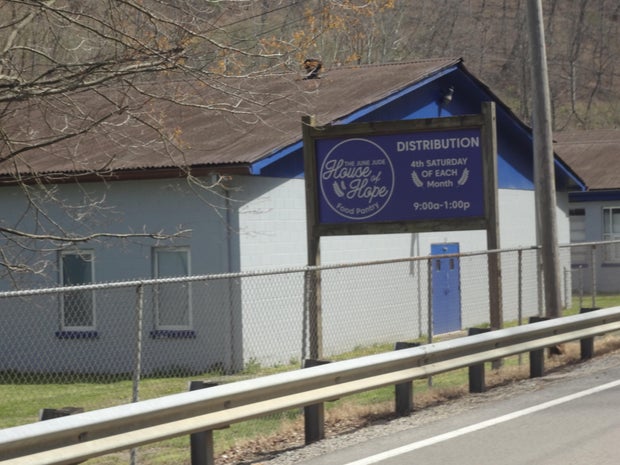
DELBARTON, W.Va. — A half-dozen cars had been in the queue for nearly four hours by the time the House of Hope mobile food pantry line began to move. Seventy or so more idled behind them by 11:30 a.m., when the food distribution began.

The plan was to begin handing out boxes of groceries at 11, but the Facing Hunger Foodbank truck delivering the food blew a tire en route. No one complained.

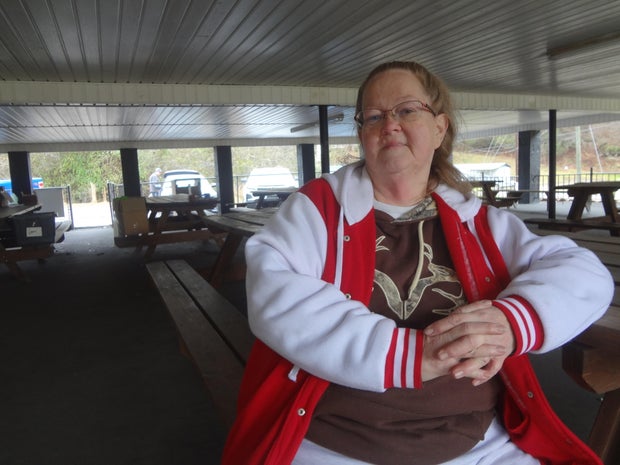
Perry Hall was among those waiting. His wife, Lilly Hall, volunteers with the distribution team. Perry has been dealing with a form of cancer called multiple myeloma. The Halls get by on around $1,500 a month from his Social Security benefits, plus assistance from the federal Supplemental Nutrition Assistance Program, or SNAP. But because of her age, Lilly, 59, recently became subject to new SNAP work requirements and at risk of losing her benefits.

As part of the federal One Big Beautiful Bill Act, all “able-bodied adults” 64 or younger who don’t have dependents and don’t work, volunteer, or participate in job training at least 80 hours a month are now restricted to three months of benefits every three years from SNAP, formerly known as food stamps. Previously, the federal requirement applied to those 54 or younger. The new rule, which went into effect in November, also applies to parents of children 14 or older. And it removed exemptions for veterans, people experiencing homelessness, and young adults who’ve aged out of foster care.

Proponents of work requirements argue that they incentivize people who are “work-ready” to seek and keep jobs, reducing dependence on government assistance and upholding the “dignity of work.”

Rhonda Rogombé serves as health and safety net policy analyst for the West Virginia Center on Budget and Policy. She and her colleagues have studied the effects of SNAP work rules and found that requiring recipients to work does not lower an area’s unemployment rate.

Previous work requirements were suspended nationwide during the covid pandemic and reinstated in fall 2023. The researchers found that the average number of people employed in Mingo County each month actually went down after the requirement was reimposed.

A 2018 federal research project that examined several data sources, including SNAP data from nine states, found that work requirements “have no impact on labor force participation and the number of hours worked.”

There are a number of possible explanations, Rogombé said, “but when people are hungry, they’re not able to support themselves. When people are hungry, it’s harder to focus at work. It’s harder to engage in work activity, and we think that that’s part of it.”

Jobs are scarce in this southern West Virginia county. Lilly Hall found work at a Delbarton restaurant. But it’s unpaid until a waitress position opens — enough to preserve her benefits, but far from ideal.

On that mild Wednesday in late March, House of Hope provided chicken, eggs, bread, potatoes, fresh fruit and vegetables, and milk.

Among those in line were older residents and “some young people that have lost their way and they can’t get work and they just need help,” said Timothy Treleven, who operates the pantry with his wife, Christine, and Gail Lendearo.

Timothy Treleven helps run the House of Hope food pantry in Delbarton, West Virginia. The pantry’s clients include older residents and “some young people that have lost their way and they can’t get work and they just need help.” 

Taylor Sisk for KFF Health News


House of Hope’s scheduled distribution day is the last Saturday of each month — supplemented by occasional weekday Facing Hunger visits — as money from monthly checks begins to run out and cupboards go bare.

On a typical Saturday, pantry staff and volunteers hand out up to 400 boxes of food.

“It’s an honor to do this,” Lendearo said. “It’s a blessing.”

snap-03.jpg

On a typical distribution day, the House of Hope food pantry in Delbarton, West Virginia, hands out up to 400 boxes of food. 

Taylor Sisk for KFF Health News


Perry Hall’s cancer is now in remission, but for a while his treatment required that he and Lilly travel back and forth, 4½ hours each way, to Morgantown. The couple’s van couldn’t make the trip, so they paid a friend for rides.

Mingo’s population is just under 22,000, down from around 27,000 in 2010. It once flourished, fueled by coal. Williamson, the county seat, was home to an opera house and businesses operated by immigrants from Italy, Russia, and Syria. The region is still referred to as “the coalfields,” but little is mined here these days. A quarter of residents live in poverty.

Rogombé and her colleagues found that Mingo County residents face significant barriers to securing what few jobs are available. These include unreported physical and mental impairments, housing insecurity, and a lack of high school diplomas and identification documents.

Filing the paperwork to receive benefits or to confirm compliance is difficult for many residents. The West Virginia Center on Budget and Policy’s research found that about 1 in 4 lack reliable internet access.

Additional changes lie ahead for the SNAP program. Currently, the federal government and the states share administrative costs equally, but in October states will assume 75% of those costs. And beginning in October 2027, they’ll be required to pay additional costs based on error rates.

Kentucky, like West Virginia, is among the poorer states that will be most affected by the new requirements and costs. The Kentucky Center for Economic Policy estimates that up to 114,000 residents risk losing SNAP benefits with the expanded work requirements.

Jessica Klein, a researcher with the center, worries about the consequences. “We know SNAP has an impact on health, and not just because it decreases food insecurity,” she said. It worsens blood pressure rates, obesity, medication adherence, and more.

With the additional financial burden placed on states, “I think what we’ll see is some states changing rules that impact participation in order to have a smaller, more affordable program,” Klein said. “My fear is that some states will choose not to operate SNAP at all.”

In Mingo County, folks are stepping up. At least eight food pantries offer groceries to those in need.

Janet Gibson runs the Blessing Barn pantry in the Ben Creek community. “I can go from one end of the creek to the other” and tell you everyone’s name and a little something about them, she said. She takes pride in feeding her people.

snap-02.jpg

Janet Gibson runs the Blessing Barn food pantry in the West Virginia community of Ben Creek. She says transportation challenges are a barrier to finding and maintaining work in the county. 

Taylor Sisk for KFF Health News


Gibson said it can be hard to find even volunteer opportunities in the county, largely because of transportation challenges. A look at a local map can be misleading: A couple of dozen miles into a holler or up a ridge could take an hour or more.

“Whether you’re working full-time or not, you’re still spinning out gas to get to work,” Gibson said, “and gas ain’t cheap now.”

A single mother of three, Trista Shankle of Paducah, Kentucky, isn’t subject to the new SNAP requirements, but she worries about the fragility of the social safety net. She overcame challenges, is earning a master’s degree in social work, and works for an organization that connects community college students with Temporary Assistance for Needy Families benefits. Her family receives SNAP, Medicaid, housing support, and assistance from the USDA’s Special Supplemental Nutrition Program for Women, Infants, and Children. If any one of those is cut, she said, she may have to drop out of school.

Shankle is certain she wouldn’t have advanced to where she is today without the benefits she and her family have received: “They bring a sense of calm and comfort. I know that my kids aren’t going to go hungry.”

The first week in April, Lilly Hall reported for work at Black Bear Trails Restaurant. She’s grateful for the opportunity. And when a waitress slot opens, “I’ll snag that position so quick it’ll make your head flip.”

KFF Health News is a national newsroom that produces in-depth journalism about health issues and is one of the core operating programs at KFF — the independent source for health policy research, polling, and journalism.


Source link

UK police arrest 2 in connection with weekend arson attack on synagogue

0
UK police arrest 2 in connection with weekend arson attack on synagogue


LONDON — British police have arrested two teenagers in connection with a weekend arson attack on a synagogue in northwest London, as Jewish leaders express concern about a wave of incidents targeting their community.

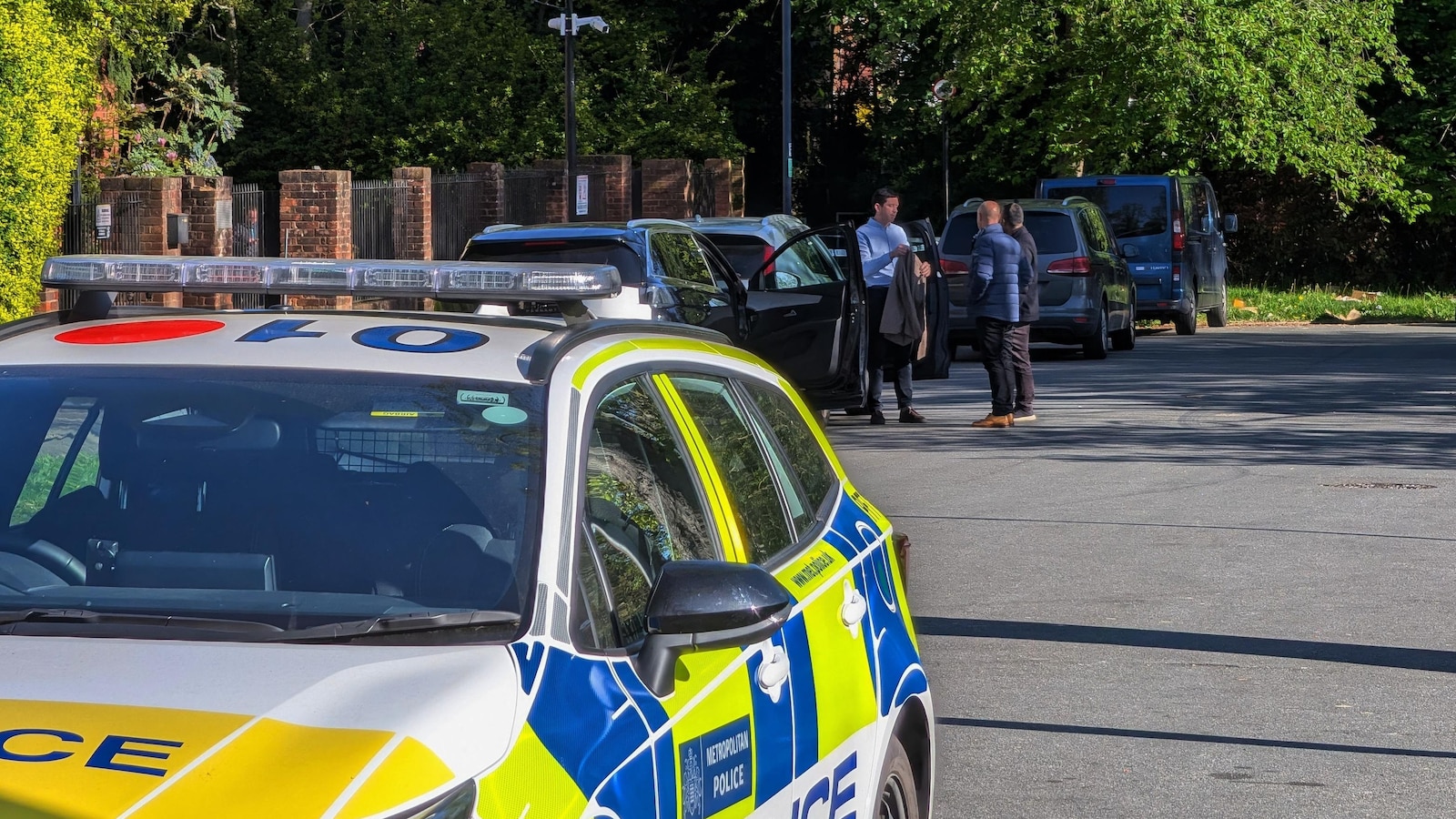
Deputy Commissioner Matt Jukes of London’s Metropolitan Police Service on Monday said officers arrested two young men, aged 19 and 17, overnight in relation to the attack on the Kenton United Synagogue in the borough of Harrow. The department has made 15 arrests related to six attacks on Jewish targets and a Persian-language media organization critical of Iran’s government that occurred over the past few weeks, he said in an interview with the BBC.

One “serious line of inquiry” is that Iran is hiring local criminals to carry out these attacks amid tensions in the Middle East, including the U.S.-Israeli war against the Islamic Republic, Jukes said.

“We’ve seen a pattern with other actors of thugs for hire, people taking cash that looks like quick and easy money,” Jukes said. “This is part of the modern hybrid war fought by proxies.”

In the most recent incident, a bottle containing a flammable liquid was thrown through the window of the Harrow synagogue on Saturday night, causing smoke damage, police said.

Counterterrorism police are investigating the series of incidents, which began on March 23 when an arson attack destroyed four ambulances owned by a Jewish charity that serves people of all faiths in north London. Police on Friday closed Kensington Gardens, a central London park visited by thousands of tourists and local residents every day, to investigate an alleged drone attack on the nearby Israeli embassy.

No one has been injured in the incidents, which all happened within a few miles (kilometers) of each other.

Chief Rabbi Ephraim Mirvis said on Sunday that “a sustained campaign of violence and intimidation against the Jewish community of the UK is gathering momentum.”

“Thank God, no lives have been lost, but we cannot, and must not, wait for that to change before we understand just how dangerous this moment is for all of our society,” he said on X.

Deputy Assistant Commissioner Vicki Evans on Sunday said police are aware that a group calling itself Harakat Ashab al-Yamin al-Islamia had claimed responsibility for most of the attacks in Britain. The same group has claimed responsibility for incidents in recent months at places of worship, business and financial institutions across Europe, all of which appear to be linked to Jewish or Israeli interests, she said.

Israel’s government has described Harakat Ashab al-Yamin al-Islamia, whose name means the Islamic Movement of the Companions of the Right, as a recently founded group with suspected links to “an Iranian proxy.”

“I want to be clear, irrespective of the motivation of this group, to those facilitating on their behalf and those committing the acts – we will not tolerate activity which seeks to intimidate or frighten our communities. You will not succeed in creating division and hate,” Evans said.

The U.K. has accused Iran of using criminal proxies to conduct attacks on European soil targeting opposition media outlets and the Jewish community. Britain’s MI5 domestic intelligence service says that more than 20 “potentially lethal” Iran-backed plots were disrupted in the year to October.


Source link

Massive 7.5-magnitude earthquake hits off Japanese coast, tsunami alert issued

0
Massive 7.5-magnitude earthquake hits off Japanese coast, tsunami alert issued


NEWYou can now listen to Fox News articles!

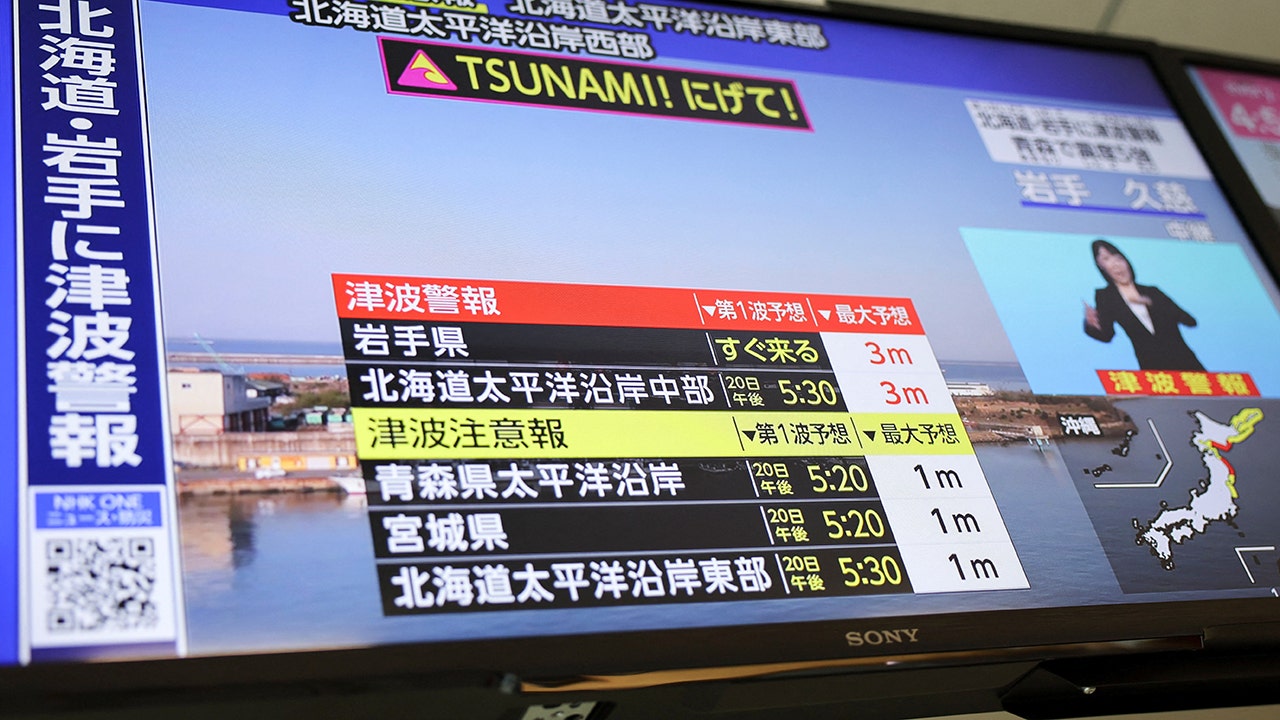
A strong earthquake took place off the northern coast of Japan Monday afternoon, prompting the Japan Meteorological Agency to put out a tsunami alert in the area.

The quake, registering a preliminary magnitude of 7.5, occurred off the coast of Sanriku in northern Japan at around 4:53 p.m. local time, at a depth of about 6 miles below the sea surface, the agency said.

TRUMP QUIPS ABOUT PEARL HARBOR WHEN ASKED IF JAPAN GIVEN ADVANCED NOTICE ON IRAN ATTACKS: ‘WANTED SURPRISE’

A television screen shows a news report on Japan Meteorological Agency’s tsunami warning, saying it expected tsunami waves of up to 3 meters (9.84 feet) to reach large coastal areas in northern Japan after an earthquake struck off the northeastern coast of Japan, in Tokyo, Japan April 20, 2026 (REUTERS/Issei Kato)

A tsunami of around 2.6 feet was identified at the Kuji port in the Iwate prefecture while a tsunami of 1.3 feet was recorded at a different port in the prefecture, the agency indicated.

The Iwate prefecture put out non-binding evacuation advisories for those living in 11 towns.

A tsunami of as high as 10 feet could strike the region, the agency indicated.

RUSSIAN VOLCANO ERUPTS FOR FIRST TIME IN CENTURIES AFTER MASSIVE EARTHQUAKE STRIKES KAMCHATKA PENINSULA

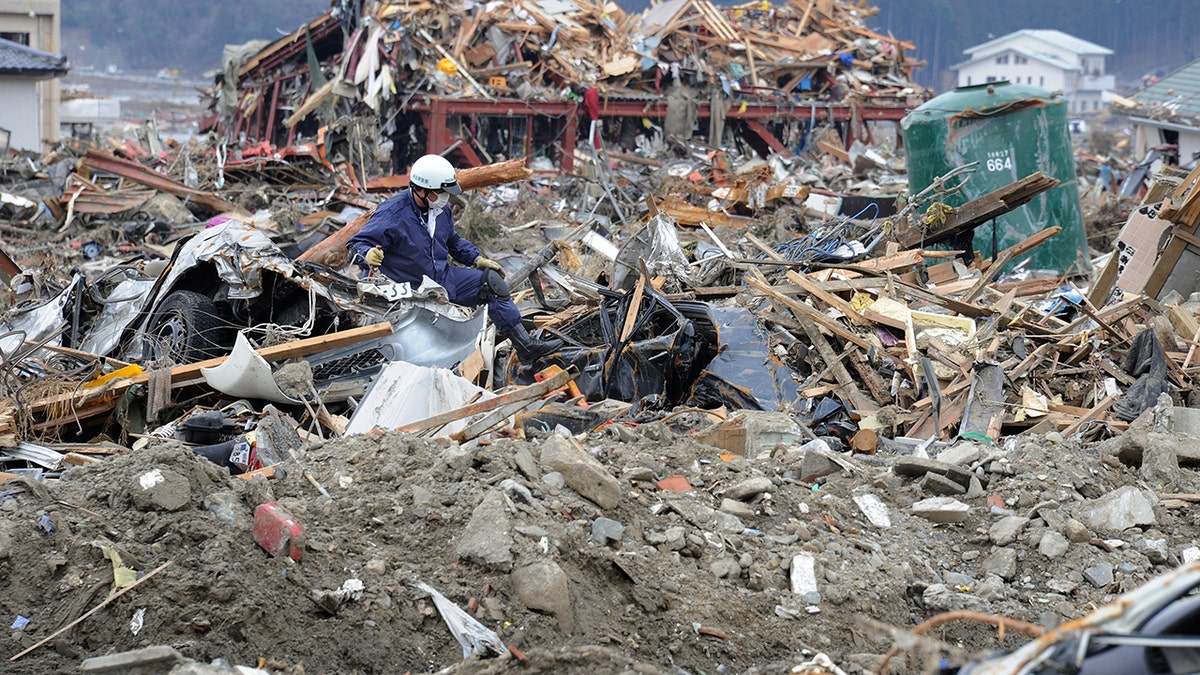
Wreckage in Japan after earthquake and tsunami

A policeman picks his way through the debris looking for bodies in Rikuzentakata, Iwate prefecture, on March 22, 2011, after the devastating March 11 earthquake and tsunami.  (TORU YAMANAKA/AFP via Getty Images)

A powerful 9.0 magnitude earthquake and tsunami in 2011 wreaked havoc in Japan, leaving over 22,000 dead and compelling nearly 500,000 people to flee their homes, most of them because of tsunami damage.

TRAVELERS MUST PAY FEE, PASS SCREENING BEFORE VISITING POPULAR DESTINATION UNDER NEW RULE

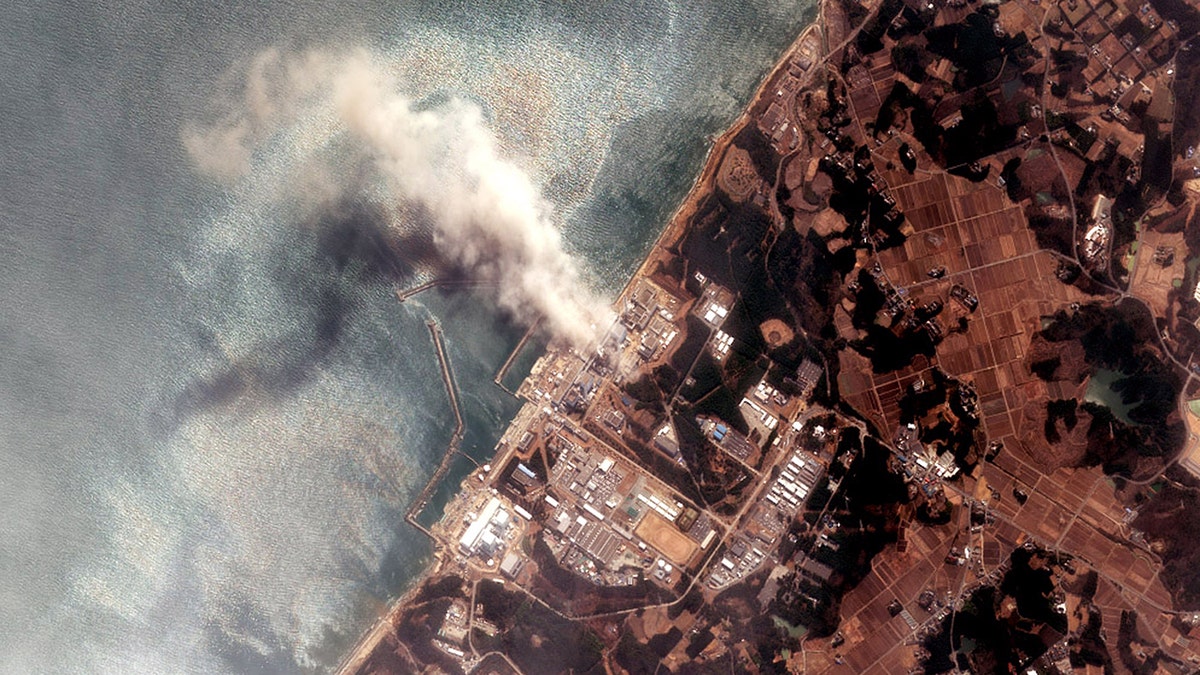
Fukushima Dai-ichi Nuclear Power plant in 2011

 In this satellite view, the Fukushima Dai-ichi Nuclear Power plant after a massive earthquake and subsequent tsunami on March 14, 2011 in Futaba, Japan. (DigitalGlobe via Getty Images via Getty Images)

CLICK HERE TO DOWNLOAD THE FOX NEWS APP

Around 160,000 fled their residences due to radiation from the Fukushima Daiichi nuclear power plant — around 26,000 have not come back because they resettled somewhere else, their hometowns are still off-limits, or they harbor concerns regarding radiation.

The Associated Press contributed to this report


Source link

Best Time To Grow Potatoes: When to grow potatoes in British home gardens | – The Times of India

0
Best Time To Grow Potatoes: When to grow potatoes in British home gardens | – The Times of India


Cultivating your own potatoes in Britain offers a delicious reward. Understanding planting windows is key for a bountiful harvest. ‘Earlies’ are ready in about 12 weeks, perfect for containers, while ‘maincrops’ mature later for winter storage. April is generally the safest planting month, ensuring soil warmth and moisture for optimal growth across the UK’s diverse climate.

Bubble and squeak, shepherd’s pie, mashed potatoes, chips – what do these beloved dishes have in common? Yes, they are lip-smacking. What else? They have one star ingredient – the good old potato. Whether you are craving a comforting Monday dinner or a crispy weekend treat, nothing can beat the flavour and quality of potatoes from your home garden. Timing is everything if you want an abundant harvest. You should know when to plant and grow potatoes in Britain’s temperate climate.

What to grow

There is a wide variety of potatoes. They come in different flavours, textures (waxy or floury), sizes, and colours (white, yellow, pink, red, or even purple). There are traditional varieties, and then hybrid, disease-resistant varieties. So choosing the ones you want to grow is important. Potatoes are primarily classified into two types: earlies and maincrops.Earlies (first or second): Known as ‘new potatoes’, these are small, tender, and flavourful varieties. They grow faster and can be harvested in 12 weeks. These varieties can be grown in compact spaces, even in containers. They are harvested by mid-summer.Maincrop: These varieties of potatoes require more time to grow. They grow through late summer into early autumn. The potatoes are bigger, and the harvest is larger. These delicious potatoes are perfect for roasting and baking, and also ideal for storing for the winter.

What is the best planting window for potatoes?

Depending on the type and variety of potatoes, they are planted at different times during the spring. First earlies are planted in late March, or in mid-March in milder southern areas. Second earlies follow, typically in early to mid-April. Maincrops are planted from mid-April to early May. In northern and colder parts of the UK, planting is done a little later.Planting times also depend on the region. In colder areas, it is best to plant slightly later. On the other hand, in milder areas, you can plant slightly earlier.You can also adopt other planting options to extend the cropping season. For instance, to grow an extra-early crop, plant chitted early varieties at the beginning of March. Keep them in large containers in a frost-free greenhouse with good light. They will be ready to harvest by mid-May.If you want to grow a winter or Christmas crop, plant cold-stored seed potatoes in July or at the beginning of August. Use large containers and grow them in a greenhouse or a bright, frost-free location. Growing them indoors will help prevent blight.

Things to keep in mind

For British home gardeners, the best bet is April. It is the safest all-round month to plant potatoes. Soil temperature and moisture are equally important as calendar dates, so plant only when the soil has warmed to at least 8°C and is neither waterlogged nor dust-dry. In northern Scotland or higher elevations, it is best to delay planting by two to three weeks compared with southern England. Happy farming!


Source link

Iran live updates: Marines from USS Tripoli seized Iranian vessel, CENTCOM says

0
Iran live updates: Marines from USS Tripoli seized Iranian vessel, CENTCOM says


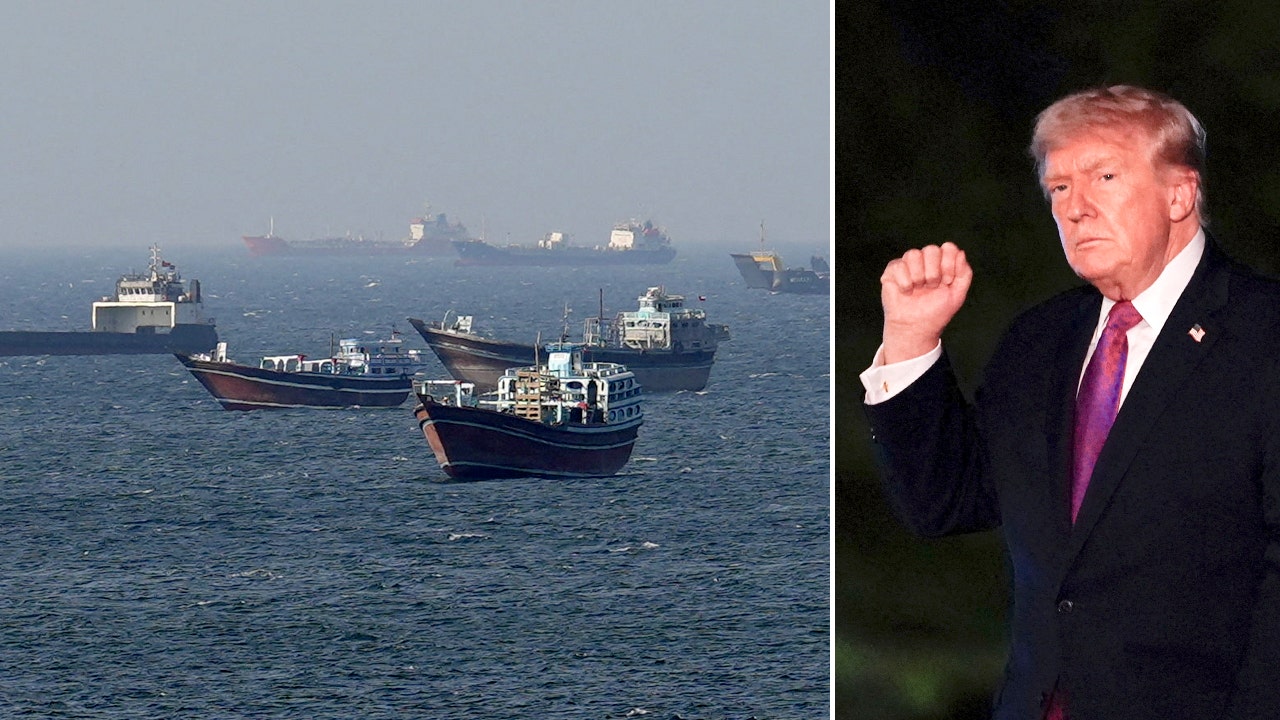
President Donald Trump said in a post on his social media platform Sunday afternoon that the U.S. Navy had attacked an Iranian-flagged cargo ship in the Gulf of Oman and that U.S. Marines have taken custody of the vessel.

“Today, an Iranian-flagged cargo ship named TOUSKA, nearly 900 feet long and weighing almost as much as an aircraft carrier, tried to get past our Naval Blockade, and it did not go well for them,” Trump said in the post.

U.S. Central Command confirmed that the destroyer USS Spruance intercepted the Touska as it transited the North Arabian Sea towards the Iranian port of Bandar Abbas. 

After repeated warnings over a six-hour timespan, the destroyer warned the Touska’s crew to vacate the engine room and fired several rounds at that location from its five-inch gun, according to CENTCOM.

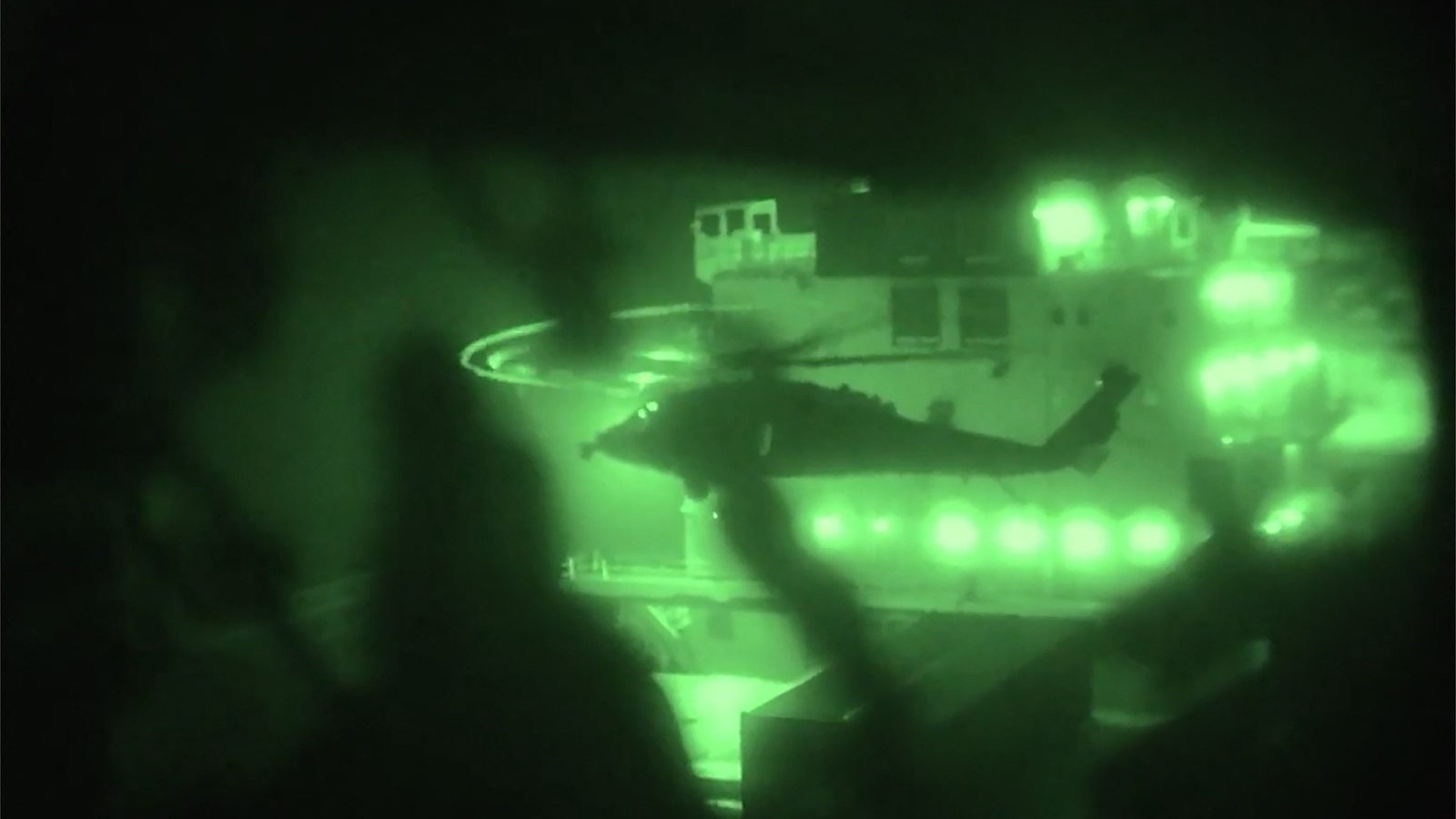
Marines later boarded the ship, and it remains in U.S. custody, CENTCOM said.

U.S. Marines from the 31st Marine Expeditionary Unit and sailors assigned to amphibious transport dock ship USS New Orleans support blockade operations against Iran, April 16, 2026.

U.S. Central Command

It appears to be the first instance of the U.S. attacking and seizing a merchant vessel since it instituted the blockade of Iranian ports.

The president further wrote that “U.S. Marines have custody of the vessel,” which he said is “under U.S. Treasury Sanctions because of their prior history of illegal activity. We have full custody of the ship, and are seeing what’s on board!”

The move comes after Joint Chiefs Chairman Gen. Dan Caine warned that the U.S. would actively enforce the blockade on Iranian-flagged vessels around the globe.

“In addition to this blockade, the joint force, through operations and activities in other areas of responsibility, like the Pacific area of responsibility under the command of Admiral Paparo, will actively pursue any Iranian-flagged vessel or any vessel attempting to provide material support to Iran. This includes Dark Fleet vessels carrying Iranian oil,” Caine said in a Pentagon press conference Thursday.

-ABC News’ Nicholas Kerr


Source link

Hannah Green wins LPGA Tour title with first women’s major starting in Houston this week

0
Hannah Green wins LPGA Tour title with first women’s major starting in Houston this week


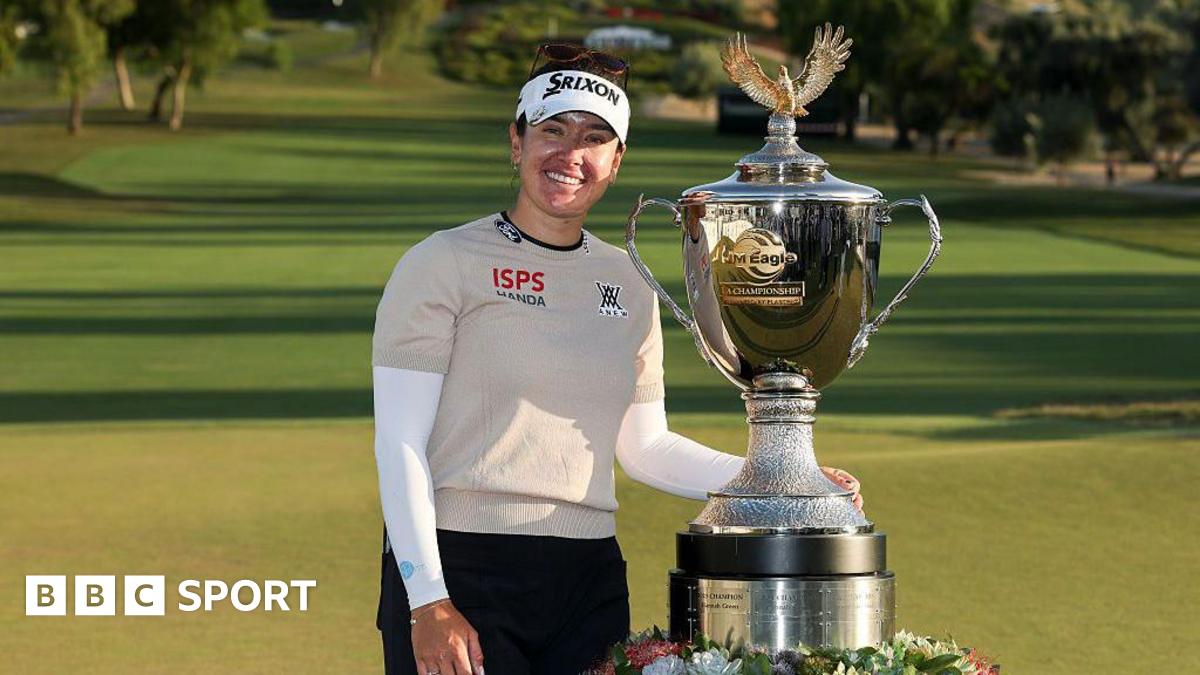
Australian Hannah Green’s strong start to 2026 continued with victory in the JM Eagle LA Championship – her fourth triumph of the year.

In March, she became the first Australian to win the Women’s Australian Open since 2014, and lifted the LPGA’s Women’s World Championship and the Australian WPGA Championship.

In Los Angeles, Green holed a curling 12-foot birdie putt on the first play-off hole to win this LPGA Tour event for the third time in four years.

It was a stunning victory for Green given she had briefly been six shots adrift of the lead after Kim Sei-young chipped in for an eagle three on the 11th.

Green responded with the first of five birdies in six holes as she reeled in Kim and Im Jin-hee and all three finished on 17 under par.

“I didn’t think I was still in the tournament,” said Green, who won her only major, the Women’s PGA Championship, in 2019.

On her tournament-winning stroke, she added: “I had that putt, similar line in regulation, so I felt somewhat comfortable.”

Kim had already missed a 35-foot birdie attempt while Im – penalised a stroke for slow play during Saturday’s third round – was also unable to get down in three after a wayward tee shot.

The tournament was played at El Caballero for the second year because of course renovations at Wilshire where Green had won this title in 2023 and 2024.

During Saturday’s round, the tournament’s prize money was increased by $1m to $4.75m (£3.5m), lifting the purse to the highest on the tour outside of the major championships and season-ending CME Group Tour Championship.

As a result of that, Green took home $712,500, up from $562,500.

The Chevron Championship, the first women’s major of the year, stars on Thursday in Houston, Texas.


Source link

Trump pushes shaky deal with Iran as Hormuz is shut again, but opponents give him no credit for progress

0
Trump pushes shaky deal with Iran as Hormuz is shut again, but opponents give him no credit for progress


NEWYou can now listen to Fox News articles!

President Trump struck a ceasefire with Iran that didn’t seem possible.

Doesn’t matter.

Trump pressured Israel into halting its attacks on Lebanon.

So what.

TRUMP RENEWS BRIDGE, POWER PLANT THREAT AGAINST IRAN IN PUSH FOR DEAL, MOCKS ‘TOUGH GUY’ IRGC

President Donald Trump pretends to aim a sniper gun while speaking with reporters in the James Brady Press Briefing Room at the White House, Monday, April 6, 2026, in Washington. (Julia Demaree Nikhinson/AP Photo)

The stock market reached record highs as investors concluded the war is about to end.

Big deal.

No matter what the guy does, his opponents won’t give him credit.

TRUMP PUSHED IRAN TO THE BRINK — BUT DID WE WIN ANYTHING THAT LASTS?

And when the murderous mullahs again shut down the Strait of Hormuz–in retaliation, they say, for the U.S. enforcing its own blockade of Iranian ports–you could practically hear the sighs of relief that the peace deal might be crumbling.   

Trump told ABC’s Jonathan Karl yesterday that Iran has committed a “serious violation” of the ceasefire, but he was still confident about a deal: 

“It will happen. One way or another, The nice way or the hard way. It’s going to happen. You can quote me.”

VANCE WARNS IRAN WILL ‘FIND OUT’ TRUMP IS ‘NOT ONE TO MESS AROUND’ IF CEASEFIRE DEAL FALLS APART

On X, Karl got hammered for–get this–calling the president for comment on a significant setback in the war.  

“Why compromise yourself as a journalist & post BS from a pathological liar?” one woman said.

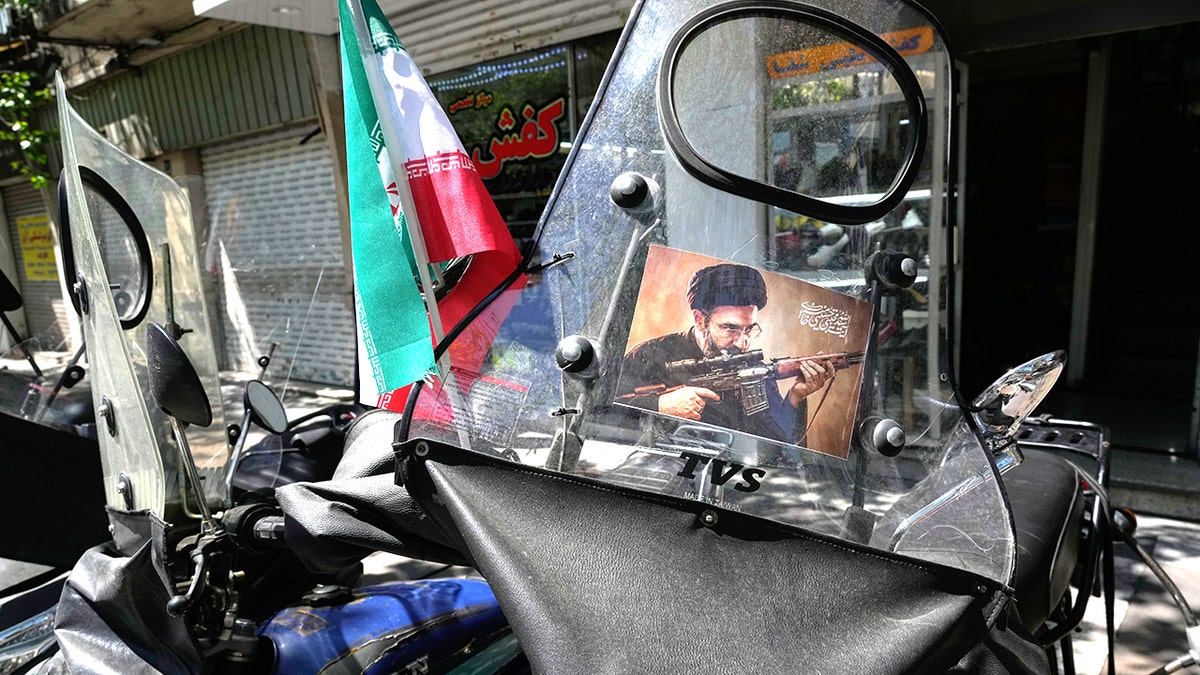
A poster of Ayatollah Mojtaba Khamenei is attached to the windshield of a motorcycle.

A poster is pasted on a motorbike windshield with graphic depicting Iran’s Supreme Leader Ayatollah Mojtaba Khamenei as government supporters gather to mark the 40th day since the killing of his father, Supreme Leader Ayatollah Ali Khamenei, in Tehran, Iran, Thursday, April 9, 2026. (Vahid Salemi/AP Photo)

“Jon, just stop,” said another female poster. “You know he doesn’t have a clue so he just feeds you guys lies.”

WHAT YOU NEED TO KNOW: 5 KEY TAKEAWAYS FROM TRUMP’S IRAN ADDRESS

After the Karl exchange, Trump tweeted: “NO MORE MR. NICE GUY1”

A banner headline on Drudge read “LEAK: TRUMP GRIPPED WITH FEAR.” This was tied to a Wall Street Journal piece about Trump’s frustrations with the war, sometimes losing focus, and musing about awarding himself the Medal of Honor.

When Tehran fired on two Indian-flagged ships in the strait, it was a troubling sign. The speaker of the Iranian parliament, Mohammad Ghalibaf, says the two sides are far apart on a final agreement. Maybe that’s a negotiating tactic.

HEGSETH DECLARES ‘DECISIVE MILITARY VICTORY’ OVER IRAN

The larger point is that most Democrats and many in the media won’t acknowledge it when the president does something that turns out right. Because it’s Trump.   

Now some of this is rooted in Trump’s decision, under pressure from Israel, to launch his war of choice, conduct airstrikes against Iran without so much as a nod to Congress or our supposed European allies.

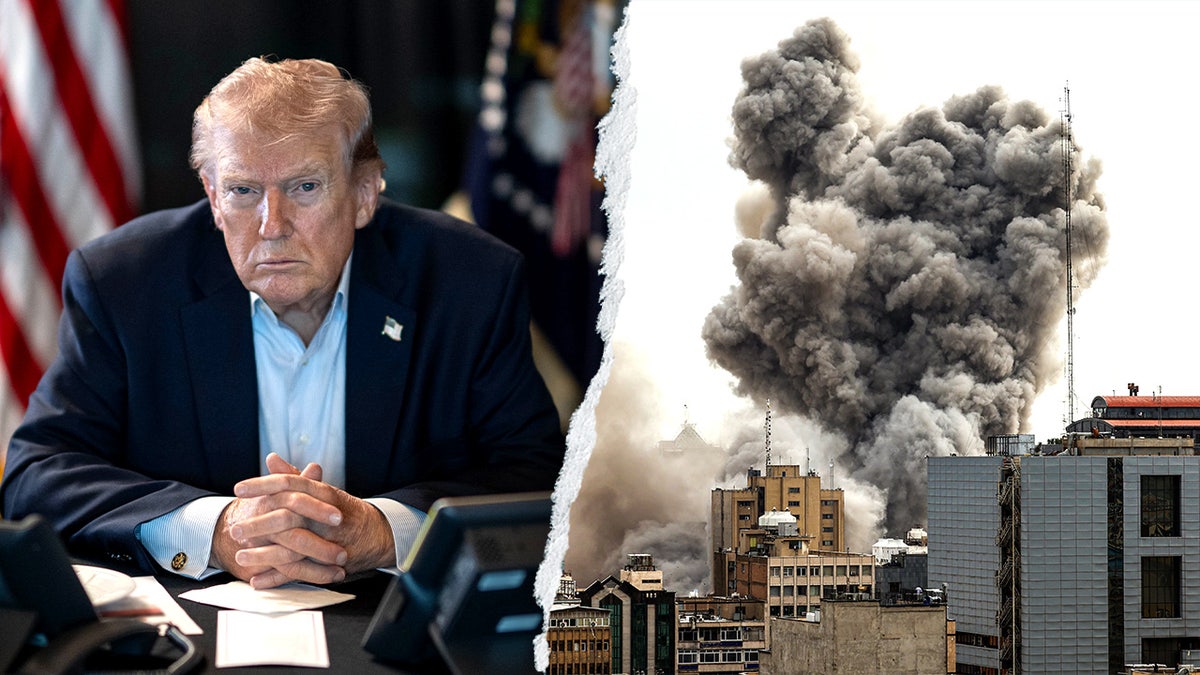
Composite image showing Trump and strike in Iran

President Donald Trump confirmed the U.S. launched strikes on Iran on Saturday, Feb. 28, 2026. (The White House via X Account/Anadolu via Getty Images/Contributor/Getty Images)

Maybe that was a bad decision. It certainly wasn’t a popular one.

IRAN WAR NEARS ‘COMPLETION’ AS TRUMP EYES DEADLINE — WHAT THE ENDGAME COULD LOOK LIKE

Seven weeks later, a new Politico poll finds 38% of those surveyed support the strikes–and almost half say Trump spends too much time on global affairs rather than domestic issues.

The president’s inflammatory rhetoric hasn’t helped, from “Close the F—in’ Strait” on Easter Sunday to vowing two days later that “a whole civilization will die tonight.”

So I understand those who have principled objections to the war, especially Trump’s former acolytes in the conservative media.

STEVE FORBES: NO MORE DELUSIONS — AMERICA HAS TO FINISH THE JOB IN IRAN

But whether he was lucky or just stumbled into the right situation, he certainly deserves a belated bit of recognition.

Trump says his tough and sometimes erratic talk kept the Iranian leaders who survived the bombing off balance. And, of course, his latest delay in the bombing pause created the space for a tentative agreement (which theoretically expires Tuesday).

Lebanese civil defense workers walk across a large mound of concrete rubble and debris.

Lebanese civil defense workers inspect the rubble at the site of a building destroyed in an Israeli airstrike a day earlier in Beirut, Lebanon, Thursday, April 9, 2026. (Hussein Malla/AP Photo)

Come on: If President Biden had achieved a double ceasefire–with Iran and Lebanon–Democrats would be hailing him as a great commander-in-chief and powerful peacemaker. (And most Republicans would be critical.)

TRUMP’S IRAN STRATEGY SHOWCASES ‘DOCTRINE OF UNPREDICTABILITY’ AMID STRIKE THREATS AND SUDDEN PAUSE

Trump, never one to deflect credit, posted Friday: “The Failing New York Times, FAKE NEWS CNN, and others, just don’t know what to do. They are desperately looking for a reason to criticize President Donald J. Trump on the Iran situation, but just can’t find it.”

Meanwhile, Trump hasn’t lost his talent for stepping on his own story.

By posting that fake AI picture of himself as Jesus, and a followup of Christ comforting him, the president angered many Catholic followers who viewed the images as blasphemous. Trump had to delete the first one within 12 hours, which he almost never does.

MORNING GLORY: THE US-IRAN NEGOTIATIONS IN ISLAMABAD BECAME REYKJAVÍK 2.0

I know why he did it. Trump wanted to draw attention to his war of words with Pope Leo, and this guaranteed the topic would dominate the news for days. He even had JD Vance, a converted Catholic, warn the American-born Pope to be careful about discussing theology.

By the way, I don’t agree with Pete Hegseth (who delivered a biblical verse actually lifted from “Pulp Fiction”) unloading on the “Trump-hating” legacy media. I don’t believe they’ve portrayed the war as a failure.

War Secretary Pete Hegseth speaking during a press briefing at the Pentagon

War Secretary Pete Hegseth speaks to members of the media during a press briefing at the Pentagon in Washington on April 8, 2026. (Manuel Balce Ceneta/AP)

But in watching show after show after Trump’s announcement, I saw a bit of straight reporting on the president’s update quickly fade into the Jesus uproar, dissing NATO, the Epstein files, RFK’s ostensible shift on vaccines, Victor Orban’s defeat–all the same stuff they would have been talking about had there been no progress on the war.

WHY TRUMP, IRAN SEEM LIGHT-YEARS APART ON ANY POSSIBLE DEAL TO END THE WAR

Despite the president’s repeated pronouncements of victory, we do have to ask where this would leave his main rationale for the airstrikes–to keep Iran from building nuclear weapons.

Whether such an outcome was imminent or not, I haven’t seen the Iranians, who lie for a living, agree to forfeit their longtime ambitions.

What I’ve watched instead is Trump saying he would strongly consider unfreezing $20 billion in Iranian assets if the U.S. can remove the enriched uranium–and underground nuclear “dust” – from the country. Maybe with that supposed price tag, it’s worthwhile for the world’s biggest terror state.

BROADCAST BIAS: FROM SPACE TO CEASEFIRES, NETWORKS STILL PAINT TRUMP AS THE PROBLEM

But as we’ve just learned again, the devil is always in the details.

Let’s say the ceasefire holds, Hormuz is reopened, and a deal is made–putting aside, for the sake of argument, all the caveats about how this train could be derailed.

CLICK HERE TO DOWNLOAD THE FOX NEWS APP

Will the Democrats and the mainstream media even grudgingly concede that Donald Trump pulled off something quite historic? 

I’m not so sure about that. 


Source link

Why and how is US blockading Iranian ports in Strait of Hormuz?

0
Why and how is US blockading Iranian ports in Strait of Hormuz?


The US Navy Commander’s handbook on naval operations law from 2022 defines a blockade as a “belligerent operation to prevent vessels and/or aircraft of all states, enemy and neutral, from entering or exiting specified ports, airfields, or coastal areas belonging to, occupied by, or under the control of an enemy state”.


Source link

A beginner’s guide to tablescaping with flowers

0
A beginner’s guide to tablescaping with flowers


The art of tablescaping is becoming so popular that RHS Malvern Spring Festival is debuting a floral tablescaping category in its RHS-judged gardens this year.

One of the entrants, Ashley Edwards, wedding and event florist at Ash Tree Floral Designs in Birmingham, is designing At The Threshold: The Garden Comes To The Table, which shows the anticipation between spring and summer, when plants, bulbs and flowers emerge with energy and promise.

It will feature a mixture of cut flowers and plants, using terracotta pots mixed with cut flowers that look like they are growing through the table.

She offers advice to beginners who want their garden tables to look dazzling.

Avoid too many colours

“That’s a key thing with a tablescape. Things look more cohesive with just one or two coordinating colours rather than throwing everything at it which will make it look busy and messy.”

Make it seasonal

“Ensure your flowers are seasonal,” she advises. “Look at what you’ve got in the garden.

“Use things which have a bit of shape and natural movement, like tulips at this time of year because they are phototropic and move with the light.

“The lovely open petals of ranunculus have some impact on the table, and as we move into summer, garden roses are great because they are scented and always look good in a vase.”

In late summer, you could use dahlias, which work well in tablescapes because of their large heads, and you won’t need as many of them to create impact, she adds.

“Going into the autumn, you can use seedheads in dried tablescapes with things like allium and scabious seedheads, rose hips and berries,” she suggests.

Don’t forget foliage

“You can use different shapes of foliage in different shades of green, as well as things like ninebark (Physocarpus opulifolius), which has a dark foliage colour.”

Consider the occasion

Are you just creating the tablescape for floral colour interest on a table that isn’t particularly going to be used, or are you decorating a dinner table where guests will be seated?

“Consider your space. If you have something like a trestle table, they are not very wide so you don’t want to over-clutter the table, which may get in the way of it being practical,” she says.

“Also take into account your table linens and other accessories. To coordinate your table linens and table mats, either go neutral so that it doesn’t clash with the flowers, or bring some of the key colours in with, say, your napkins, or even bring another element on to the table such as stones, or dried moss of fruit.”

Think about height

“If it’s a vase of flowers on the table, they say (it should be) no higher than a bottle of wine. If you’re going low, you could have baby bud vases, but if you are going to elevate (the display) on a stand or in a narrow necked vase, it needs to be raised 70cm so you don’t block people’s view.

“You wouldn’t have a solid one line. You’d have various heights. Maybe going up to a bottle of wine height would be a wispy piece of grass or a single stem. It’s not a block of all one thing.”

Go for repetition

“Repeating patterns look really good and have a lot of impact. You could either do evenly spaced arrangements that are similar to each other, or you could do small groupings and then gaps of negative space (empty space).”

Positive space is the filled space, which might be the floral pieces, tableware and linens.

Be adventurous with containers

You could do bud vases, or vintage opaque containers or vases with chicken wire inside which will hold the flowers up well and help them keep in place.

Alternatively a more rustic feel might be bulbs planted in terracotta pots with moss on the top, she suggests.

“At my wedding, we spray-painted tin cans and planted succulents in them, which looked really nice on the table in little groups.”

Keep it simple

“Simpler is better, just sticking to one or two colours and one or two types of container. Repeating patterns is good, maybe incorporating a natural element, but if you include fruit, for instance, maybe just do the fruit. Don’t add some shells and some stones as well. Adding candles can enhance the atmosphere.”

Look for inspiration

Pinterest is great for inspiration to give you a push in a direction you might not have thought of.

“Also look at what grows together in the garden as well, thinking about the natural height to help with your composition. If you’ve an allium, that could look lovely as your taller element and you may have something more low-growing, so you’re creating a little garden on your table.”

Choose fillers

Fillers such as statice, which you can grow in the garden, are ideal for fluffing up a tablescape, she says.

“Solidago works really well and grasses are very popular for creating movement.”

RHS Malvern Spring Festival takes place from May 7-10.


Source link