This move marks a significant shift for the luxury label, which recently celebrated its 40th anniversary.
The 63-year-old designer will be succeeded by chief executive Alfonso Dolce, Domenico’s brother, effective from 1 January. Company filings indicate Gabbana informed the firm of his decision in December.
While relinquishing the chairmanship, Gabbana is reportedly exploring options regarding his shareholding, underscoring his continued close involvement in the brand’s future trajectory.
Stefano Gabbana (left) and Domenico Dolce accept applause at Milan Fashion Week, January 17, 2026 (Alamy/PA)
This transition occurs as the Milan-based powerhouse navigates a period of considerable expansion, moving beyond traditional runway shows into hospitality, interiors, and immersive brand experiences.
Amidst these changes, industry reports suggest ongoing discussions with lenders and potential new investment, reflecting broader adjustments within the luxury sector to evolving global demand. The company has refrained from detailed comments on its financial standing.
Established in Milan in 1985 by Domenico Dolce and Stefano Gabbana, the brand rapidly gained renown for its bold, distinctly Italian vision of glamour.
The duo became synonymous with a celebration of Mediterranean sensuality, characterised by corsetry, intricate lace, and dramatic black florals, drawing inspiration from Sicilian culture, Catholic iconography, and classic Italian cinema. Their distinctive aesthetic resonated internationally throughout the late 1980s and 1990s, playing a key role in defining an era of maximalist fashion.
A pivotal moment in their ascent was their association with Madonna, who famously wore their designs in the 1990s and commissioned them for her 1993 Girlie Show tour costumes. This collaboration solidified the label’s reputation for provocative, body-conscious designs and cemented its alignment with influential global pop culture.
The house continues to maintain strong celebrity ties, dressing prominent figures across music, film, and entertainment, reinforcing its image as a purveyor of dramatic, statement-making fashion.
Madonna in a 2010s Dolce & Gabbana advertisement (Alamy/PA) (Alamy/PA)
Today, Dolce & Gabbana’s extensive portfolio encompasses ready-to-wear, accessories, beauty products, and haute couture, with its Alta Moda and Alta Sartoria collections exemplifying the pinnacle of Italian design.
HOUSTON — Their dramatic grand finale fast approaching, Artemis II’s astronauts aimed for a splashdown in the Pacific on Friday to close out humanity’s first voyage to the moon in more than half a century.
The tension in Mission Control mounted as the miles melted away between the four returning astronauts and Earth.
All eyes were on the capsule’s life-protecting heat shield that has to withstand thousands of degrees during reentry. On the only other test flight of the spacecraft — in 2022, with no one on board — the shield’s charred exterior came back looking as pockmarked as the moon.
Commander Reid Wiseman, pilot Victor Glover, Christina Koch and Canada’s Jeremy Hansen were on track to hit the atmosphere traveling Mach 32 — or 32 times the speed of sound — a blistering blur not seen since NASA’s Apollo moonshots of the 1960s and 1970s.
They didn’t plan on taking manual control except in an emergency. Their Orion capsule, dubbed Integrity, is completely self-flying.
Like so many others, lead flight director Jeff Radigan anticipated feeling some of that “irrational fear that is human nature,” especially during the six minutes of communication blackout preceding the opening of the parachutes. The recovery ship USS John P. Murtha awaited the crew’s arrival, along with a squadron of military planes and helicopters.
The last time NASA and the Defense Department teamed up for a lunar crew’s reentry was Apollo 17 in 1972. Artemis II was projected to come screaming back at 34,965 feet (10,657 meters) per second — or 23,840 mph (38,367 kph) — not a record but still mind-bogglingly fast before slowing to a 19 mph (30 kph) splashdown.
Launched from Florida on April 1, the astronauts racked up one win after another as they deftly navigated NASA’s long-awaited lunar comeback, the first major step in establishing a sustainable moon base.
Artemis II didn’t land on the moon or even orbit it. But it broke Apollo 13’s distance record, making Wiseman and his crew the farthest that humans have ever journeyed from Earth when they reached 252,756 miles (406,771 kilometers). Then in the mission’s most heart-tugging scene, the teary astronauts asked permission to name a pair of craters after their moonship and Wiseman’s late wife, Carroll.
During the record-breaking flyby, they documented scenes of the lunar far side never seen before by the naked eye and savored a total solar eclipse courtesy of the cosmos thanks to their launch date. The eclipse, in particular, “just blew all of us away,” Glover said.
Their sense of wonder and love awed everyone, as did their breathtaking pictures of the moon and Earth. The Artemis II crew channeled Apollo 8’s first lunar explorers with Earthset, showing our blue marble setting behind the gray moon. It was reminiscent of Apollo 8’s famous Earthrise shot from 1968.
“It just makes you want to continue to go back,” Radigan said on the eve of splashdown. “It’s the first of many trips and we just need to continue on because there’s so much” more to learn about the moon.
Their moonshot drew global attention as well as star power, earning props from President Donald Trump; Canadian Prime Minister Mark Carney; Britain’s King Charles III; Ryan Gosling, star of the latest space flick “Project Hail Mary;” Scarlett Johansson of the Marvel Cinematic Universe; and even Captain Kirk himself, William Shatner of TV’s original “Star Trek.”
Despite its rich scientific yield, the nearly 10-day flight was not without technical issues. Both the capsule’s drinking water and propellant systems were hit with valve problems. In perhaps the most high-profile predicament, toilet trouble prevented the crew from using it for No. 1 most of the trip, forcing them to resort to old-time bags and funnels.
The astronauts shrugged it all off.
“We can’t explore deeper unless we are doing a few things that are inconvenient,” Koch said, “unless we’re making a few sacrifices, unless we’re taking a few risks, and those things are all worth it.”
Added Hansen: “You do a lot of testing on the ground, but your final test is when you get this hardware to space and it’s a doozy.”
Under the revamped Artemis program, next year’s Artemis III will see astronauts practice docking their capsule with a lunar lander or two in orbit around Earth. Artemis IV will attempt to land a crew of two near the moon’s south pole in 2028.
The Artemis II crew’s allegiance was to those next Artemis crews, Wiseman said.
“But we really hoped in our soul is that we could for just for a moment have the world pause and remember that this is a beautiful planet and a very special place in our universe, and we should all cherish what we have been gifted,” he said.
___
The Associated Press Health and Science Department receives support from the Howard Hughes Medical Institute’s Department of Science Education and the Robert Wood Johnson Foundation. The AP is solely responsible for all content.
LOS ANGELES — Sam Mintesnot had checked off everything she possibly could have from a long list of to-dos in preparation for the Coachella music festival. She crafted the best outfits, got her hair and nails done, booked a one-way ticket to Los Angeles and flew out on Tuesday with a spreadsheet full of ideas for videos she could post related to the festival.
The only problem was that just days before the Coachella kicked off on Friday, she didn’t have a ticket — at least, not yet.
Mintesnot is a content creator, and she was seeking an invitation from a brand to join them at the annual festival in Indio, California, that is sometimes called an “influencer Olympics.” She posted across her social media platforms about her ticket-less journey in hopes of landing a pass to Coachella in exchange for posting videos about the brand and experience.
“You never know what’s going to happen,” she said. “There’s so many opportunities out there.”
Coachella, rife with Instagrammable moments, is a mutually beneficial opportunity for creators and businesses alike. The social media content that comes out of the sprawling music festival screams spontaneity, but industrious planning is often buzzing behind the scenes weeks, or sometimes even months, in advance. Securing brand partnerships, lining up sponsored content opportunities and building out a content calendar require patience, strategic thinking and business acumen.
Content creators are often the butt of jokes online for enterprising habits like shamelessly requesting access to events or free merchandise. But for some — including Mintesnot — it works. She received an invitation to the festival from YouTube on Wednesday, just two days before the two-weekend-long event began.
Coachella, in its 25th edition this year, has been an annual mainstay of internet culture. Both weekends of the festival are sold out, but global audiences can view a livestream on YouTube to see performances from headliners Sabrina Carpenter, Justin Bieber and Karol G, along with dozens of other artists. The video-sharing platform offers fans livestreams of seven stages simultaneously as well as creators’ videos and other Coachella-related content.
Creators capture not only performance clips but everything else about their Coachella experience, from the glamorous brand events and freebies to the more mundane bathroom lines and food options.
The festival is the largest marquee livestream music event YouTube does, said Matt McLernon, the company’s head of artist partnerships who has helmed its relationship with Coachella.
“Seeing how much the creator side has breathed this whole additional life into it — what’s on the stage, the creators, the fans, the kind of intersection of all of them, of what happens from there — it’s really truly magical,” he said. “There’s as many cameras pointed at the actual artists on stage as there are amongst the crowd.”
The monetization paths for creators vary. For fashion and beauty influencers, shopping tools that are built into platforms like TikTok and YouTube offer a way to earn commissions. This is a reliable route to a big payout for something like Coachella, where swaths of people are seeking outfit and makeup inspiration, or are just curious about the year’s trends.
Magdaline Janet, a beauty YouTuber, said YouTube Shopping has allowed her to become a full-time content creator.
“It’s huge because Coachella essentially is a beauty and fashion show along with music,” she said.
For some creators, it pays off to purchase a ticket and travel independently for the festival, even without a brand invitation. The engagement they get from Coachella-related videos — in the buildup, in real time and in retrospect — often translates to a net profit.
Sydney Morgan, a content creator known for her special effects makeup, bought her own ticket. She is staying in a rented home with her friends who are also content creators — the Airbnb was specially selected to look good in videos and she created an itinerary to accommodate the group’s respective filming plans, she said.
“Me and my friends like to joke that Coachella’s our favorite holiday,” Morgan said. The group was traveling to Indio on Wednesday to have a full day devoted to content creation before the musical sets kicked off. “We talk about it all year and we romanticize the crap out of it, and I know that our audience does the same thing, especially those that can’t be there in person.”
Morgan mapped out extensive plans for a long-form video focused on her festival fashion and several short-form videos.
Like Morgan, many creators go in with a plan for content they want to film during the festival, but as entertainment news host and content creator Louis Levanti said, the key to mastering the festival is a “willingness to adapt.” Levanti is a full-time content creator but previously worked in digital video production and media, and he said he takes those skills into his content planning now.
“It’s important to tell the story from your lens as quickly but as accurately and efficiently as possible,” he said. “I do really think of it as a newsroom. I do look at every story as like, ‘How do I build this into more than just a headline?’”
Levanti is also attending Coachella this year with YouTube, but he said there’s value in using this year’s festival to build relationships with other brands for future festivals and opportunities. Some brand deals, like Levanti’s past Coachella collaborations with Coca-Cola and Absolut Vodka, can come with restrictions on what content creators can and cannot post and what other brands they can work with.
“It’s a great opportunity where there’s no constraints or stress on me to make content, which makes it easier for me to do that while also appealing to more brands,” he said.
While the brands at the festival, the fashion trends and artist lineups change with each year, the constant at Coachella is an insatiable appetite online for any and all festival-related content. And these creators are eager to let their prep work pay off to meet that demand.
“We want to feed the audience, keep ’em fed, give them good content and have fun while doing it,” Morgan said.
The exploding popularity of GLP-1 receptor agonists like Ozempic and Wegovy is often hailed as a public health triumph, but one potential side effect may be flying under the radar.
The risk of divorce increases as weight drops, according to historical data from bariatric surgery patients.
Some experts believe that the same pattern could occur as more people “take the jab” and decide to call it quits on their marriages.
Per-Arne Svensson, a professor at the Institute of Health and Care Sciences in Sweden, studies the link between weight loss and relationship status. While these drugs have many metabolic benefits, he warns that the social fallout is very real.
In addition to helping with diabetes control and weight management, GLP-1s have also been found to help break unhealthy, reward-seeking habits like drinking and smoking.(iStock)
“The effect likely unfolds in several stages,” Svensson told Fox News Digital. “First, a substantial amount of weight must be lost, which typically occurs within the first year. Subsequently, changes in relationship dynamics may begin to emerge, followed by the legal processes associated with divorce.”
This observation aligns with previous studies that found patients who underwent bariatric surgery were twice as likely to get a divorce compared to the general population.
In addition to helping with diabetes control and weight management, GLP-1s have also been found to help break unhealthy, reward-seeking habits like drinking and smoking.
However, Svensson said the cause of these splits isn’t necessarily a change in a patient’s temperament or brain chemistry. Instead, he points to the psychological and social shifts that accompany a new physique.
Previous studies found patients who underwent bariatric surgery were twice as likely to divorce compared to the general population.(iStock)
“Weight loss itself may increase a sense of autonomy or confidence, potentially empowering individuals to leave unhealthy relationships,” he told Fox News Digital.
Many patients report that their lifestyles change substantially after weight loss, “often involving greater social engagement and increased attention from others,” the doctor added.
If a partner is unable to adapt to this more outgoing version of their spouse, the friction can cause rifts.
A 2013 study supports this “relationship tension” theory, finding that when one partner loses significant weight while the other remains the same, it can lead to feelings of insecurity and criticism from the partner who didn’t change.
Research has shown that when one partner loses significant weight while the other remains the same, it can lead to feelings of insecurity and criticism from the partner who didn’t change.(iStock)
“Currently, surgery leads to greater average weight loss, and its impact on relationships is therefore likely to be more pronounced,” Svensson said.
“While it may be somewhat discouraging to acknowledge the role of appearance in partner selection, finding a new romantic partner is nevertheless one of the most significant events in a person’s life.”
Lifestyle changes can create a shared journey rather than one that pulls a couple apart, experts say.(iStock)
To mitigate the risk of a split, Svensson suggests that couples take a collaborative approach to health.
If one partner is pursuing wellness goals, involving the spouse in healthy lifestyle changes — such as diet and exercise — can create a shared journey rather than one that pulls the couple apart, according to the expert.
“There may be clear advantages to partners undertaking weight-loss treatment together,” provided that both have a clinical need, Svensson added.
Fox News Digital reached out to GLP-1 manufacturers requesting comment.
Khloe Quill is a lifestyle production assistant with Fox News Digital. She and the lifestyle team cover a range of story topics including food and drink, travel, and health.
Modern romance has a scrolling problem. These days, dates come with notifications buzzing in pockets, half‑watched films playing on laptops, and conversations constantly cut off by the glow of someone’s phone. The idea of “quality time” has quietly slipped into something much emptier: just being in the same room, but not really together. The slow, simmering kind of connection—built on comfortable silences, eye contact, and the unspoken tension between two people—feels like a rare thing now. When was the last time a date felt like a real moment, rather than framed content for a story or feed?That’s where the “graveyard date” comes in—a twist no one really saw coming. Cemeteries, of all places, are quietly becoming a favourite backdrop for Gen Z’s love stories and how. And it’s not about being edgy or trying too hard to stand out. It’s about escape. Away from the constant buzz of restaurants, the chaos of crowded parks, and the weight of strangers’ eyes, graveyards offer something that feels almost luxurious: stillness. There’s no performance, no background music, no pressure to impress. Just two people and an atmosphere that quietly nudges them toward honesty and presence.
Watch
Are You Dating or Just Scrolling? GenZ’s Commitment Crisis Exposed
Why it works
There’s something strangely grounding about sitting or walking among tombstones, shadowed by history, silence, and the quiet reminder of how short life is. In that space, small talk naturally feels out of place. Conversations tend to go deeper, faster—talking about dreams, fears, and the things that feel too big for a crowded café. Vulnerability slips in without fanfare, because the setting already feels heavy with meaning.It’s also a subtle nod to one of the more memorable moments in Bollywood: the quiet, introspective graveyard scene between Alia Bhatt and Sidharth Malhotra in Kapoor & Sons. That kind of romantic realism—tender, a little melancholic, and rooted in emotional honesty—is exactly the energy that makes this kind of date feel cinematic without any effort. The aesthetic does the heavy lifting: old stone, overgrown greenery, and a soft, almost cinematic melancholy make couples feel like they’re in the middle of their own quietly powerful story.
Privacy in a crowded world
For young couples today, privacy is practically a luxury. Public spaces are either overcrowded, under‑maintained, or saturated with the quiet but constant judgment of onlookers. Finding a corner where you can just be—without noise, stares, or interruptions—is increasingly rare. Cemeteries, on the other hand, live in a strange middle ground. They’re public, yet often empty; they’re accessible, yet many people avoid them. That makes them one of the few places where a couple can exist without being watched, corrected, or judged for how they hold hands, share a laugh, or just sit in companionable silence.
Romance, but make it existential
This isn’t just about dating differently; it’s about redefining intimacy. Sitting in a cemetery, talking about life, death, the past, and the uncertain future, creates a kind of connection that feels more raw, more real, and often more substantial than a few drinks at a crowded bar. It may sound unusual, even a little eerie, but maybe that’s the point. In a world addicted to noise, choosing quiet might be the boldest romantic move anyone can make.
The United States and Iran agreed to an eleventh-hour ceasefire earlier this week, announcing a deal less than two hours before president Donald Trump’s deadline for Tehran to reopen the Strait of Hormuz.
The effective closure of the waterway over the past month triggered a massive spike in the price of oil and natural gas, hitting economies across the globe and prompting energy firms to pull most fixed-term deals from the market.
A fixed tariff energy deal guarantees that customers will pay for their energy at a set rate for a set period of time, usually a year. Meanwhile, those on a variable tariff will see their unit rate change with the energy price cap.
The price of oil and natural gas has begun to drop following the announcement of the ceasefire, prompting some energy firms to bring their fixed deals back to the market.
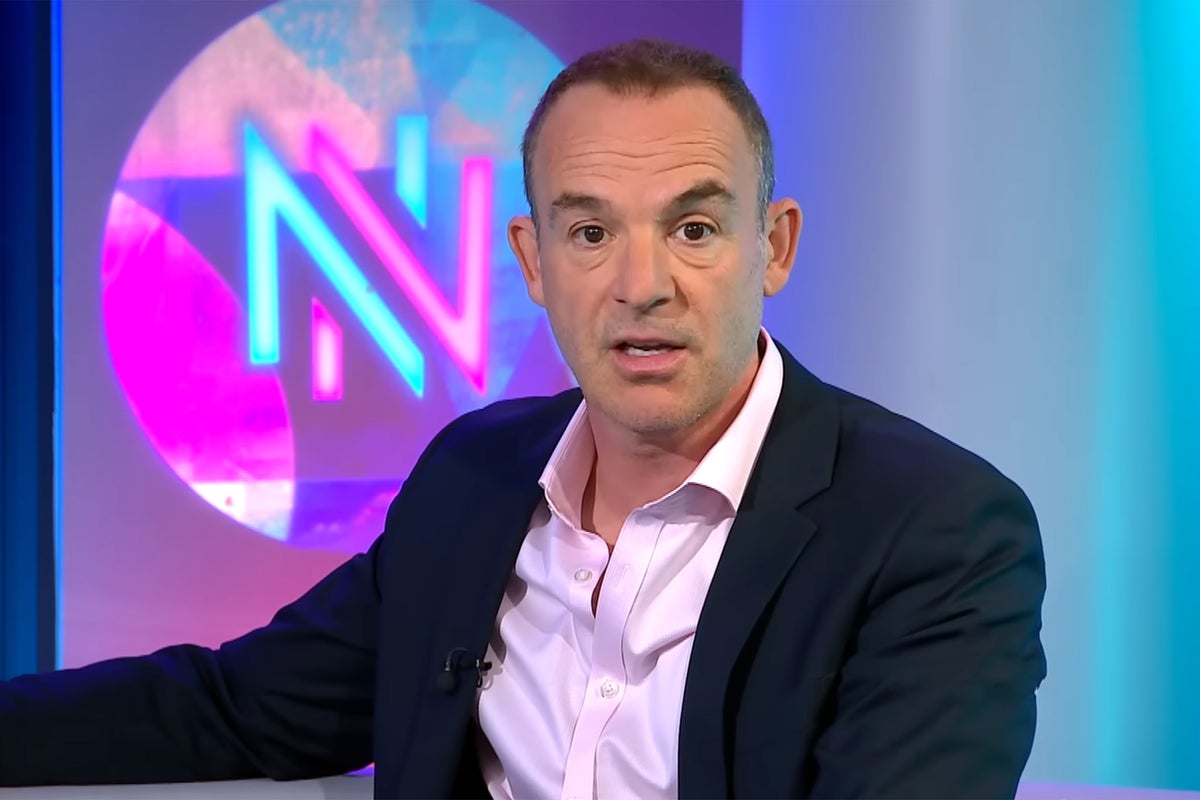
Martin Lewis have given ‘urgent’ energy advice amid Iran ceasefire (BBC)
But this could be short-lived, Mr Lewis has warned.
The money expert wrote on social media: “Urgent. For 1st time in weeks, due to the ceasefire, there are a couple of energy fixes cheaper than the new April price cap. If things change they could disappear at speed. If you’re on the Cap and want to avoid the big hike in July, this does that.”
In February, Ofgem set the cap for April to June at £1,641, a reduction of £117 on average and broadly in line with Labour’s pledge to cut energy bills by £150.
This means that bills are effectively protected until July. A forecast from Cornwall Insight last week, made before the ceasefire was announced, found this could rise by as much as £288 for the average household.
Get a free fractional share worth up to £100. Capital at risk.
The cheapest fixed deal currently on the market comes from Outfox Energy, at 1.6 per cent below the current price cap. E.on is also offering a deal at 0.1 per cent below this level.
The volatility of the situation means that it is unclear how July’s price cap will now be impacted by the ceasefire, but experts and politicians have warned that is likely to still be much higher than any pre-conflict forecasts.
Graeme Downie, a Labour MP who sits on the energy select committee told The Independent on Thursday that “it will still take a long time for prices to return to normal” and the full impact of the crisis on the cost of living could be felt “until 2027/28 at least”.
If you have ever waited weeks just to renew a mental health prescription, you already know how frustrating the system can feel. Now imagine handling that refill through a chatbot instead of a doctor.
That kind of thing is already starting to happen. In Utah, a new pilot program is allowing an artificial intelligence system from Legion Health to renew certain psychiatric medications without direct approval from a physician each time. State officials say this could speed things up and reduce costs.
Many psychiatrists are not convinced. They are asking whether this actually solves the problem it claims to fix.
Sign up for my FREE CyberGuy Report
Get my best tech tips, urgent security alerts and exclusive deals delivered straight to your inbox.
For simple, real-world ways to spot scams early and stay protected, visit CyberGuy.com – trusted by millions who watch CyberGuy on TV daily.
Plus, you’ll get instant access to my Ultimate Scam Survival Guide free when you join.
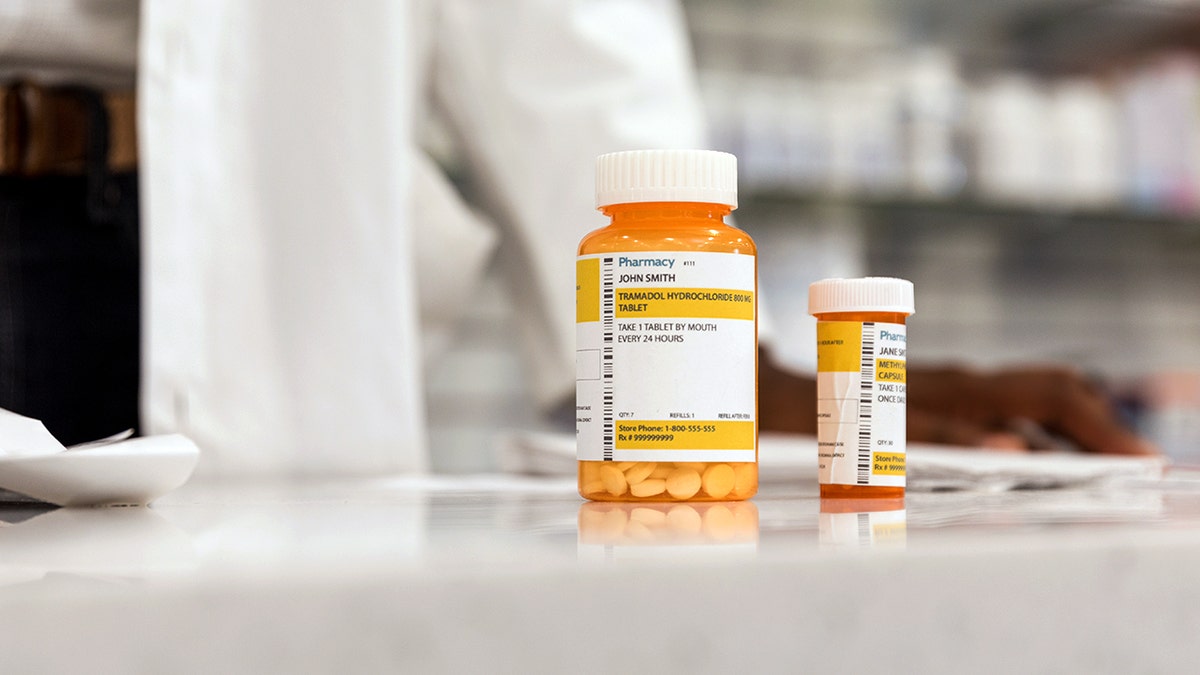
Utah launches AI chatbot to renew select psychiatric prescriptions, raising questions about safety and oversight.(pocketlight/Getty Images)
How the AI prescription system works
Before this starts sounding like a robot psychiatrist, the program stays tightly limited. The AI only renews a short list of lower-risk medications that a doctor has already prescribed. These include commonly used antidepressants like Prozac, Zoloft and Wellbutrin.
To qualify, patients must meet strict requirements. You need to be stable on your current medication. Recent dosage changes or a psychiatric hospitalization will disqualify you. You also need to check in with a healthcare provider after a set number of refills or within a certain time frame.
During the process, the chatbot asks about symptoms, side effects and warning signs such as suicidal thoughts. If anything raises concern, it sends the case to a real doctor before approving a refill. According to an agreement filed with Utah’s Office of Artificial Intelligence Policy, the pilot includes strict safeguards, including human review thresholds and automatic escalation for higher-risk cases. The system cannot prescribe new medications or manage drugs that require close monitoring. As a result, it leaves out many complex conditions from the pilot.
Why some experts are pushing back
Even with those guardrails, many psychiatrists are uneasy. Brent Kious, a psychiatrist and professor at the University of Utah School of Medicine, has questioned whether AI systems like this actually solve the access problem they are designed to address.
He has suggested that the benefits of an AI-based refill system may be overstated, especially since patients must already be stable and under care to qualify. Kious has also raised concerns about how much these systems rely on self-reported answers. Patients may not recognize side effects, may answer inaccurately, or may adjust their responses to get the outcome they want.
He has further questioned whether current AI tools can safely handle even routine parts of psychiatric care, noting that treatment decisions often depend on factors that go beyond simple screening questions. He has also pointed to a lack of transparency in how these systems operate, which can make it harder for doctors and patients to fully trust them.
A new pilot program allows AI to handle some mental health medication refills without direct doctor approval.(Sezeryadigar/Getty Images)
The promise behind the technology
Supporters of the program are focused on access. A lot of people in Utah still struggle to get mental health care. Wait times can stretch for weeks. In some areas, there simply are not enough providers available. The idea is that AI can take care of routine refill requests, so doctors have more time to focus on patients with more complex needs. That could help take some pressure off the system. Legion Health is also leaning into convenience. The service is expected to cost about $19 a month and is designed to make refills quicker and easier for patients who qualify. From a big-picture view, that could help. From a patient’s point of view, the trade-off may feel a little more complicated. We reached out to Legion Health for comment but did not hear back before our deadline.
What this means to you
If you rely on mental health medication, this kind of system could change how you manage your care. You may be able to get refills more quickly if your condition is stable and your treatment plan is not changing. At the same time, this does not replace your doctor. It does not handle new diagnoses or complex decisions. It also adds another layer between you and your care. Instead of a conversation, you are interacting with a system that depends on how you answer a series of questions. Mental health treatment often depends on small details. Changes in mood, sleep or behavior can matter more than a simple yes or no response. That is where some experts believe human care still has a clear advantage.
The bigger question about AI in healthcare
This pilot is only one step in a much larger shift. Utah is already experimenting with AI in other areas of healthcare. Companies like Legion are signaling plans to expand beyond a single state. What starts with simple refills could eventually move into more complex decisions. That is where the conversation becomes more urgent. Is this a practical way to improve access to care, or does it risk reducing something deeply personal into a transaction driven by software?
Psychiatrists question whether AI prescription refills address access issues or create new risks for patients.(SDI Productions/Getty Images)
Take my quiz: How safe is your online security?
Think your devices and data are truly protected? Take this quick quiz to see where your digital habits stand. From passwords to Wi-Fi settings, you’ll get a personalized breakdown of what you’re doing right and what needs improvement. Take my Quiz here: Cyberguy.com.
Kurt’s key takeaways
There is no question that access to mental health care needs improvement. Long wait times and limited availability are real problems that affect millions of people. AI may help in specific situations, especially when the task is routine and the patient is stable. Still, convenience should not be confused with quality. For now, this system is narrow in scope and closely monitored. That makes it easier to test. It also highlights how early we are in this transition. The technology will continue to evolve. The real question is whether the safeguards, oversight and transparency will evolve at the same pace.
Would you feel comfortable letting a chatbot handle part of your mental health care, or is that a line you do not want technology to cross? Let us know by writing to us at Cyberguy.com.
Get my best tech tips, urgent security alerts and exclusive deals delivered straight to your inbox.
For simple, real-world ways to spot scams early and stay protected, visit CyberGuy.com – trusted by millions who watch CyberGuy on TV daily.
Plus, you’ll get instant access to my Ultimate Scam Survival Guide free when you join.
Copyright 2026 CyberGuy.com. All rights reserved.
Kurt “CyberGuy” Knutsson is an award-winning tech journalist who has a deep love of technology, gear and gadgets that make life better with his contributions for Fox News & FOX Business beginning mornings on “FOX & Friends.” Got a tech question? Get Kurt’s free CyberGuy Newsletter, share your voice, a story idea or comment at CyberGuy.com.
The average stocks and sharesISA account is worth over £65,000, significantly higher than the typical cash ISA, which holds less than £13,500.
“With UK inflation elevated at around 3 per cent over the past year, it’s not a great time to be sitting on cash, especially given that over the past 12 months, the average stocks and sharesISA grew around 11 per cent, compared to an average return of 3.48 per cent for cash ISAs,” explained Dan Moczulski, eToro UK’s managing director.
With the new tax year’s allowance now in effect – worth £20,000 per person – we asked five experts to pick one fund they would be willing to buy into themselves.
While not recommendations for everybody, they offer food for thought and better diversification and lower risk than buying individual company shares.
Scottish Mortgage FTSE 100
Annabel Brodie-Smith, communications director of the Association of Investment Companies (AIC)
Brodie-Smith is going for the Scottish Mortgage FTSE 100 investment trust managed by Baillie Gifford.
This company invests around the world in exciting private companies like SpaceX and Revolut as well as public listed companies like Meta, Nvidia and ASML.
Get a free fractional share worth up to £100. Capital at risk.
They are aiming to invest in the companies shaping the future – a mix of technology, healthcare, consumer services and more. The trust currently trades on a 5 per cent discount and has low charges of 0.31 per cent. This is an investment trust for long-term investors with a high appetite for risk.
This fund went up 27 per cent in the last year and is up 68 per cent over five years.
(AFP via Getty Images)
iShares Over 15 Years Gilts Index Fund (UK)
Alan Miller, CIO at SCM Direct
This fund tracks the FTSE Actuaries UK Conventional Gilts Over 15 Years Index and is therefore a fund investing solely in sterling-denominated UK government bonds, with a minimum remaining maturity of 15 years. It holds 27 gilts, has net assets of £2.95bn, and carries a Morningstar Gold medal.
There are no performance fees and a charge of just 0.1 per cent a year.
Miller says: “One of the most compelling opportunities in the market is hiding in plain sight: UK government bonds.
“Here’s the number that stops people in their tracks: 4.95 per cent compounded over 10 years is a 62 per cent return before charges, backed entirely by the UK government and sheltered from tax inside an ISA.”
Gilt yields are close to multi-decade highs. Locking in a yield to maturity of nearly 5 per cent inside an ISA wrapper, where all income and gains are tax-free, is exceptional by historical standards, and at an ongoing charge of just 0.1 per cent per annum, virtually nothing is lost to fees.
He adds: “Boring has rarely looked this good. It’s the kind of deal most active fund managers can only dream of offering.”
This fund is basically flat over the last year and up 9 per cent over five years. That’s because interest rates have been very low – as they are now higher it should fare better from here.
Man Income
Paul Agnell, head of investment research, AJ Bell
Of the Man Income fund, Agnell says: “The fund’s pragmatic and analytical managers Henry Dixon and Jack Barrat invest in undervalued UK companies across the market cap spectrum which are paying a yield at least in line with the market. In order to avoid value traps the managers also look at a firm’s cash flow and assets.”
So, the team seek out undervalued and unloved companies, of which the UK market continues to present opportunities.
Their investment process centres on identifying two types of stocks: those trading below their replacement cost (what it would cost today to replace a company’s assets and operations) that are also cash generative, and those where the market appears to be undervaluing profit streams.
The fund has made an excellent start to 2026, up over 10 per cent in the first two months alone and was up 28 percent over 2025. Banks were a key contributor over 2025, led by Lloyds, but with strong contributions also coming from Barclays and Standard Chartered.
The charge on the Man Income fund is 0.90 per cent.
Murray International aims to blend global diversification with a solid income stream. The yield is around 3.5 per cent.
Maffioli says: “I like Murray International’s focus on dependable cashflows and sensible valuations, rather than chasing the highest yield. It also isn’t tied to the UK market, so you’re spreading risk across regions and currencies.”
(Getty/iStock)
Day-to-day decisions now sit with Martin Connaghan and Samantha Fitzpatrick, but the approach remains consistent: sustainable income with long-term growth potential. If you reinvest the dividends, it can be a strong compounding option over time.
It charges fees of 0.5 per cent. It is up 36 per cent in the last year and up 60 per cent over five years.
Pantheon Infrastructure Plc
Jonathan Moyes, head of investment research, Wealth Club
Pantheon Infrastructure Plc aims to provide investors with some diversification away from global stock markets whilst providing the potential for attractive equity-like returns over the longer term.
The FTSE 250 trust co-invests alongside some of the world’s leading infrastructure managers. Its portfolio includes large scale data centres, gas distribution networks, US renewable energy and storage developers, as well as one of Europe’s leading temperature controlled logistics and transport businesses.
Moyes says: “These assets are prized for their mission critical nature and long-term contracted revenue streams. Nonetheless, shares in Pantheon Infrastructure change hands at an attractive 13 per cent discount to net asset value.”
That means the shares in the fund are valued more highly than the actual fund, which means easy wins – if that discount narrows. Trusts’ valuation do not always do so, while others might trade at a premium – in other words, more than the sum of their parts.
Investors should note this is a high risk investment and should form part of a diversified portfolio. The trust has total ongoing charges of 1.29 per cent. The fund is up 30 per cent in the last year, but is too new for a five year view.
Depending on which investment platform you use and like any other fund, there may also be share dealing costs, so look to minimise those where you can so they don’t eat into your long-term returns.
When investing, your capital is at risk and you may get back less than invested. Past performance doesn’t guarantee future results.
More than half of young adults say they feel less financially secure than they had expected to be by this point in their lives, a survey has found.
Some 51% of Gen Z adults aged 18 to 29 said they feel this way, as did 53% of Millennials, aged 30 to 45, according to the research from Intuit Credit Karma.
Half (50%) of Gen X adults aged 46 to 61 had expected to feel more financially secure by now, as did around a third (32%) of the Baby Boomer generation aged 62 to 80.
A fifth (81%) of people aged 81 and over who were surveyed also felt this way.
Looking at Millennials, who are often dealing with the financial pressures of raising a family, nearly two-thirds (62%) said they had made at least one purchase in the past year shaped by how they feel about ageing and where they are in life.
Travel and experiences, gym memberships and personal training, designer clothes and shoes, jewellery and watches, wellness tech and cosmetic treatments were among the most popular purchases. The average annual spend on purchases shaped by feelings about getting older was £1,888.
Two-fifths (41%) of Millennials said that big purchases are more about helping them “reset” than treating themselves.
More than half (51%) have bought items to feel more confident, and 40% to feel more in control.
Nearly a third (32%) of Millennials said they tend to make big purchases when feeling stressed, and 37% have spent extravagantly due to feeling “stuck” or burned out.
Akansha Nath, general manager (international) at Intuit Credit Karma, said: “A lot of Millennials are carrying a quiet sense that they are not quite where they expected to be by now, financially or otherwise.
Get a free fractional share worth up to £100. Capital at risk.
“What this research shows is that feeling is translating directly into spending, often on credit, and often at moments when people are stressed or burned out rather than in a clear-headed place to make financial decisions.”
Credit Karma commissioned Opinium to survey 2,000 people across the UK in February.
Reports that Iran is planning to charge ships a toll to traverse the Strait of Hormuz are raising concerns about the potential economic impact on oil and fuel prices.
Iran’s Islamic Revolutionary Guard Corps “has imposed a de facto ‘toll booth’ regime in the Strait of Hormuz, requiring vessels to submit full documentation, obtain clearance codes and accept IRGC-escorted passage through a single controlled corridor,” analysts from Lloyd’s List Intelligence said in a recent report. At least two vessels have paid fees in Chinese yuan, according to the provider of maritime research.
For now, Iran has not officially implemented a toll for the strait, which would be unprecedented. But Tehran indicated this week that, under a long-term peace deal to reopen the strait, it would charge vessels a fee to guarantee safe passage, Reuters reported.
In a Truth Social post on Thursday, President Trump warned Iran not to impose a toll on the vital conduit, which links the Persian Gulf to multiple trade routes. “There are reports that Iran is charging fees to tankers going through the Hormuz Strait — They better not be and, if they are, they better stop now!” he wrote.
The Strait of Hormuz normally accommodates roughly 20% of the world’s oil and liquified natural gas supply.
Murat Usubali/Anadolu via Getty Images
Analysts with investment adviser Capital Economics said in a report that an Iranian toll on ship traffic would give the country “de facto control over a critical artery for energy trade and introduce a new source of geopolitical risk to the world economy.”
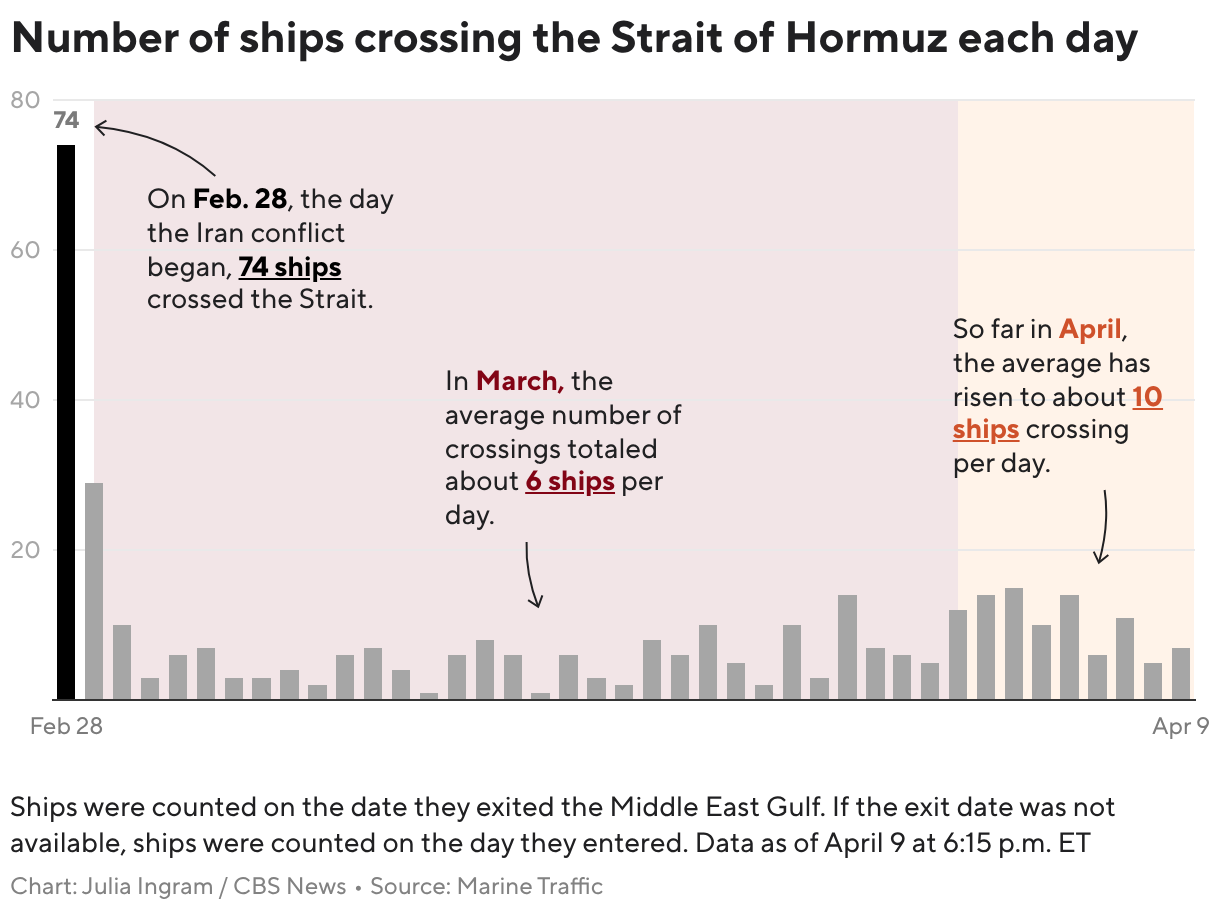
The Strait of Hormuz, which normally accommodates roughly 20% of the world’s oil and liquefied natural gas supply, remains virtually sealed, with tankers unwilling to risk passing through the narrow waterway. While more than 100 ships per day ordinarily cross the strait, in March an average of only six vessels made the trip, while this month crossings have averaged about 10 per day, according to data from Marine Traffic.
Global oil prices, which traded at between $65 and $73 per barrel just before the war began on Feb. 28, hovered just above $95 on Friday.
Would Iran’s control of the strait affect oil prices?
The Financial Times reported this week that Hamid Hosseini, a spokesperson for Iran’s energy exports union, said the country would look to impose a tariff equivalent to $1 per barrel. That could amount to as much as $2 million for every oil tanker passing through the strait, according to shipping industry experts and economists.
Still, those additional costs alone wouldn’t significantly influence overall global oil prices, according to Capital Economics chief economist Neil Shearing, who noted that the marginal cost of oil production in many Persian Gulf states is roughly $20 per barrel.
“It wouldn’t add much to the cost of production,” he told CBS News. “They would still be extracting huge profits on a barrel of oil.”
By contrast, Shearing expects oil prices to remain elevated for months if Tehran maintains a firm grip on the strait — whether or not a toll is imposed.
“There’s an open question about whether or not that becomes used as an economic weapon in the future,” Shearing said, pointing to the risk that Iran could use the threat of increasing tolls as leverage over other countries.
“There will be a permanent risk premium in the markets in terms of oil prices. I think we are in a world where oil prices will be more elevated as a result of this,” he added.
A Strait of Hormuz toll would also spur ship insurance providers to boost their rates, further raising energy costs, Artem Abramov, senior partner and head of oil and gas at Rystad Energy, told CBS News.
“It will take a long time for ship owners and insurance companies to become comfortable with this unusual model, and freight rates and insurance premiums will remain elevated,” he told CBS News. “They’re adding to the cost of oil, and all these costs are being transferred to consumers.”
A more important factor affecting energy costs is the extent of damage to oil and natural gas facilities across the Gulf, said Sassan Ghahramani, CEO of SGH Macro Advisors, a policy research firm.
“The bigger issue for oil prices is the infrastructure damage rather than the tolls,” he told CBS News. “That’s the game changer for energy markets.”
—CBS News’ Julia Ingram contributed to this report