Home Blog Page 835

3.1 million bottles of eye drops sold at Walgreens, CVS and more are recalled. Here’s what to know.

0
3.1 million bottles of eye drops sold at Walgreens, CVS and more are recalled. Here’s what to know.


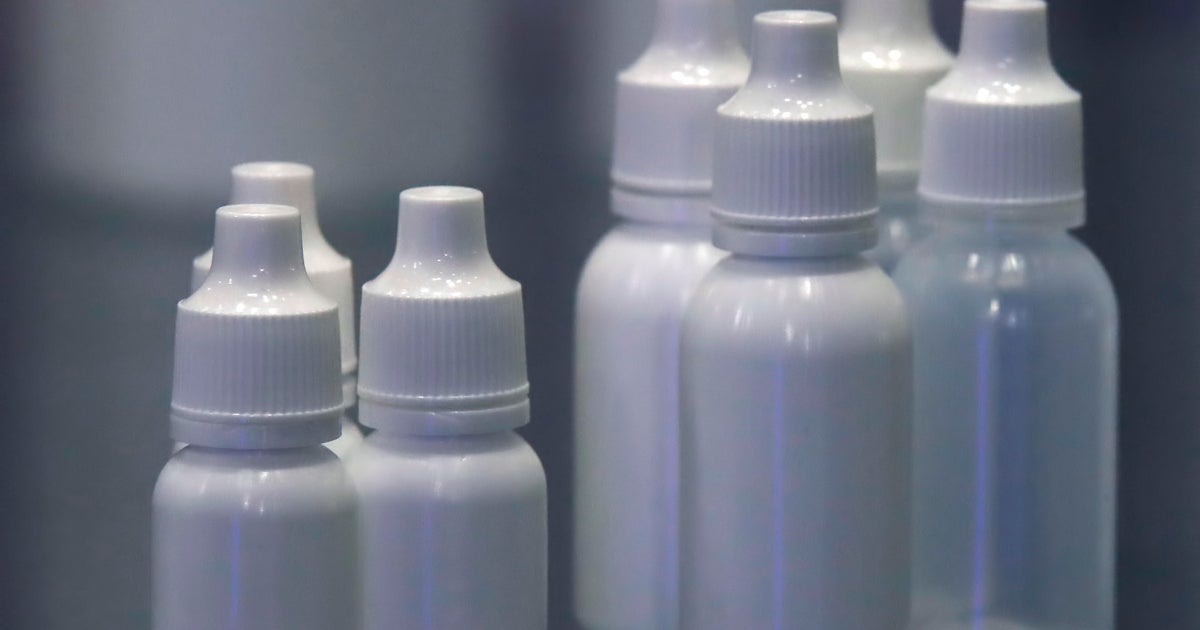
More than 3.1 million bottles of eye drops sold at major retailers, including Walgreens and CVS, are being recalled due to concerns about their sterility, according to a notice from the Food and Drug Administration. 

The eyedrops have been recalled by their manufacturer, K.C. Pharmaceuticals, according to the March 3 alert. The products were sold under a number of brand names, including Dry Eye Relief Eye Drops and Artificial Tears Sterile Lubricant Eye Drops. 

The recall was classified as “Class II” by the FDA, which describes products that may cause “temporary or medically reversible adverse health consequences or where the probability of serious adverse health consequences is remote.” Another major eye drops recall in 2023 involved a different manufacturer whose products may have contained bacteria. 

The latest eye drops recall involves eight brands manufactured by K.C. Pharmaceuticals, with the largest lot involving more than 1 million bottles sold under the Dry Eye Relief Eye Drops brand at stores including Rite Aid, H-E-B and Harris Teeter. 

The recalled items are below:

  • 1,023,096 bottles of Dry Eye Relief Eye Drops (glycerin 0.2%, hypromellose 0.2%, polyethylene glycol 400 1%), 0.5 fl. oz. (15 mL): Sold at stores including Rite Aid, H-E-B, Meijer and Harris Teeter, as well as military exchanges.
  • 589,848 bottles of Artificial Tears Sterile Lubricant Eye Drops (polyvinyl alcohol 0.5%, povidone 0.6%), 0.5 fl. oz. (15 mL): Sold at stores including Kroger, Publix, Leader and TopCare, as well as through Good Neighbor Pharmacy and Good Sense.
  • 378,144 bottles of Sterile Eye Drops Original Formula (tetrahydrozoline HCl 0.05%), 0.5 fl. oz. (15 mL): Sold at stores including Walgreens, Kroger, CVS, H-E-B, Harris Teeter, Dollar General, Circle K and Leader.
  • 315,144 bottles of Sterile Eye Drops Redness Lubricant (glycerin 0.25%, naphazoline HCl 0.012%), 0.5 fl. oz. (15 mL): Sold at stores including Walgreens, Rite Aid, Leader and Equaline, as well as workplace distributor Cintas.
  • 303,216 bottles of Eye Drops Advanced Relief (dextran 70 0.1%, polyethylene glycol 400 1%, tetrahydrozoline HCl 0.05%), 0.5 fl. oz. (15 mL): Sold at stores including Walgreens, Kroger and CVS.
  • 245,184 bottles of Ultra Lubricating Eye Drops (polyethylene glycol 400 0.4%, propylene glycol 0.3%), 0.5 fl. oz. (15 mL): Sold at stores including Leader and Harris Teeter.
  • 182,424 bottles of Sterile Eye Drops AC (tetrahydrozoline HCl 0.05%, zinc sulfate 0.25%), 0.5 fl. oz. (15 mL): Sold at stores including Walgreens, Meijer and H-E-B.
  • 74,016 bottles of Sterile Eye Drops Soothing Tears (polyethylene glycol 400 0.4%, propylene glycol 0.3%), 0.5 fl. oz. (15 mL): Sold at Walgreens and through Rugby Laboratories.


Source link

Gucci Mane kidnapped, robbed at gunpoint in Dallas studio ambush involving rappers Pooh Shiesty and Big30, DOJ says

0
Gucci Mane kidnapped, robbed at gunpoint in Dallas studio ambush involving rappers Pooh Shiesty and Big30, DOJ says


Nine people, including rappers Pooh Shiesty and Big30, have been federally charged in connection with an alleged kidnapping and armed robbery targeting music industry figures, including Atlanta rap superstar Gucci Mane, at a Dallas recording studio, the Department of Justice announced Thursday.

Eight of the nine defendants were arrested this week in Dallas and Memphis. Prosecutors say the group orchestrated a violent ambush on Jan. 10 after luring victims to Texas under the guise of a business meeting.

According to a federal criminal complaint, the victims, including Gucci Mane, whose real name is Radric Davis, flew into Dallas that Saturday afternoon for what they believed was a meeting to discuss a recording contract dispute involving Pooh Shiesty, whose legal name is Lontrell Williams Jr.

Instead, authorities say nine suspects carried out a coordinated armed takeover inside the studio on Dallas Parkway.

From left to right, rappers Pooh Shiesty, Gucci Mane, and Big30. Prosecutors say Atlanta rapper Gucci Mane was lured to a Dallas studio, then allegedly kidnapped and robbed at gunpoint by a group that included Pooh Shiesty and Big30.

Getty Images / CBS Texas


Investigators say the suspects entered the studio around 3:43 p.m. on Jan. 10 and quickly separated the victims, with Pooh Shiesty taking Gucci Mane into a recording room while others remained in a control room.

Inside the recording room, Pooh Shiesty allegedly pulled an AK-style pistol and forced Gucci Mane, described in the criminal complaint as the head of record label 1017 Records, to sign paperwork releasing him from his contract at gunpoint.

As that was happening, prosecutors say the remaining suspects drew firearms and began robbing others in the studio.

One victim was pushed onto a couch and had his wallet and jewelry stolen, while another was choked from behind to the point of near unconsciousness and robbed of a Rolex watch, a Louis Vuitton bag, and other valuables.

Authorities say Rodney Wright Jr., known as Big30, helped block the studio door, preventing victims from escaping while armed suspects carried out the robbery.

At one point, victims believed they were about to be killed, according to the complaint, before being ordered out of the studio.

Evidence includes surveillance, cell data and social media posts

The group then fled the scene in multiple vehicles, including a Dodge Charger Hellcat, a Dodge Ram truck and a rented Buick Enclave, investigators said.

Federal agents say the attack was planned in advance.

According to the complaint, Pooh Shiesty’s father helped arrange the meeting and even visited a Staples store hours earlier, where investigators believe contract documents used in the alleged extortion were printed.

Cellphone records, surveillance footage and license plate reader data showed several suspects traveled together from Memphis to Dallas in the days leading up to the incident and stayed overnight at a Dallas hotel after the robbery.

Investigators also cited electronic monitoring data showing Pooh Shiesty was at the studio despite being on home confinement for a prior federal firearms conviction.

In the hours and days after the incident, prosecutors say several suspects posted photos and videos on social media displaying large amounts of cash and jewelry believed to be stolen during the robbery.

Fingerprint evidence recovered from items inside the studio, including red plastic cups, also tied multiple suspects to the scene, according to the complaint.

All nine defendants are charged with kidnapping and conspiracy to commit kidnapping. If convicted as charged, each defendant faces a maximum sentence of up to life in federal prison.

The FBI Dallas Violent Crimes Task Force is leading the investigation, with assistance from multiple federal, state and local agencies across Texas and Tennessee.


Source link

Researchers on why you should stop splitting the bill

0
Researchers on why you should stop splitting the bill


When an outing calls for upfront payment, such as admission to the cinema, a play or a theme park, the question of who covers it can shape the tone before the fun even begins.

Navigating payment with others – whether colleagues, close friends or new acquaintances – can be tricky and interrupt the social dynamic that makes shared experiences so valuable.

Our new research, published in Psychology and Marketing, suggests the way you approach splitting upfront costs could have some surprising impacts.

In some cases, despite the dent in your bank account, covering the full cost of an experience for yourself and someone else could actually make you happier.

But this won’t always be the case. And it likely comes down to the different norms and expectations we have for different kinds of relationships.

The experience economy

When times are tough financially, psychology suggests people would prefer to spend their money on material goods rather than experiences.

Yet despite ongoing cost-of-living pressures, there’s evidence to suggest many Australians are prioritising experiences.

Experiences are not just services, but rather about creating memorable events. Compared with material goods, experiences are consistently linked to improved happiness.

There’s evidence to suggest many Australians are prioritising experiences over material goods (Getty Images)

A big part of the benefit we derive from such experiences hinges on the fact that we share them with other people. Putting money towards experiences lets us spend time with other people and relate to them in ways that just buying “stuff” often can’t match.

So much so, that factors like who we go with, the quality of conversations an experience leads to, or the clarity we have about the other person’s interests can have as much of an effect on happiness as the experience content itself.

In shared experiences, where money is unavoidable, how does “who pays” affect their well-being benefits? This is the question we posed in our latest research, coauthored with Belinda Barton and Natalina Zlatevska.

Going to the movies

We conducted three experiments with 2,640 people and presented them with a common scenario: they would be going to the cinema with either their best friend or a casual acquaintance.

We told half of the participants they would split the cost (that is, pay only for their own admission). The other half were told they would cover the whole cost for both themselves and the other person. We then asked them how happy they would be with this purchase.

Across the three studies, when participants were with their best friend, they reported they would be happier paying the full amount than they would be splitting the cost. In contrast, when participants were with an acquaintance, we found that how the cost was split had no effect on happiness.

The ‘close friends’ effect

With closer friends, unlike acquaintances and strangers, we often have a different set of norms and expectations – especially surrounding reciprocity.

Interactions with close friends usually follow “communal norms”. This is where people help each other based on care and need, without expecting something in return.

With closer friends, we often have a different set of norms and expectations
With closer friends, we often have a different set of norms and expectations (Getty)

On the other hand, interactions with strangers and acquaintances are more likely to follow “exchange norms”, which prioritise balance and direct repayment.

In line with this, we found when participants were with their best friends, their expectations of repayment were lower than with acquaintances when they paid for them. Where participants had higher expectations of repayment, they noted they would be less happy.

Other possibilities

We also tested other ideas, such as whether who pays would affect how smooth the conversation felt or whether it created awkwardness in the dynamic.

We also examined whether the payment felt like an investment in the relationship, or whether it made the other person think more positively of the participant.

We found that none of these really changed depending on who paid and how close the two people were, so they didn’t seem to explain why paying for a close friend felt better.

Instead, norms around reciprocity in different types of relationships can make paying feel more transactional than a kind gesture. This, in turn, affects how happy it makes us feel.

So, should I spend all my money on my friends?

While our research suggests paying for others can make you happier, we don’t recommend budgeting your life savings for this cause.

We limited our experiments to inexpensive experiences (that is, the cinema). So, it’s unlikely paying for your friend’s 2026 Europe trip will bring you ultimate happiness.

Also, if your friend already owes you money, you might expect them to pay you back sooner, and footing the bill again could start to wear thin on your happiness.

Aimee E. Smith is a Postdoctoral Research Fellow in the Net Zero Observatory at The University of Queensland.

This article is republished from The Conversation under a Creative Commons license. Read the original article.


Source link

Royals rookie Carter Jensen scratched from lineup after sleeping through his alarm before game: ‘It sucks’

0
Royals rookie Carter Jensen scratched from lineup after sleeping through his alarm before game: ‘It sucks’


NEWYou can now listen to Fox News articles!

Kansas City Royals veteran catcher Salvador Perez was expecting to DH for his squad in Thursday’s afternoon tilt against the Minnesota Twins.

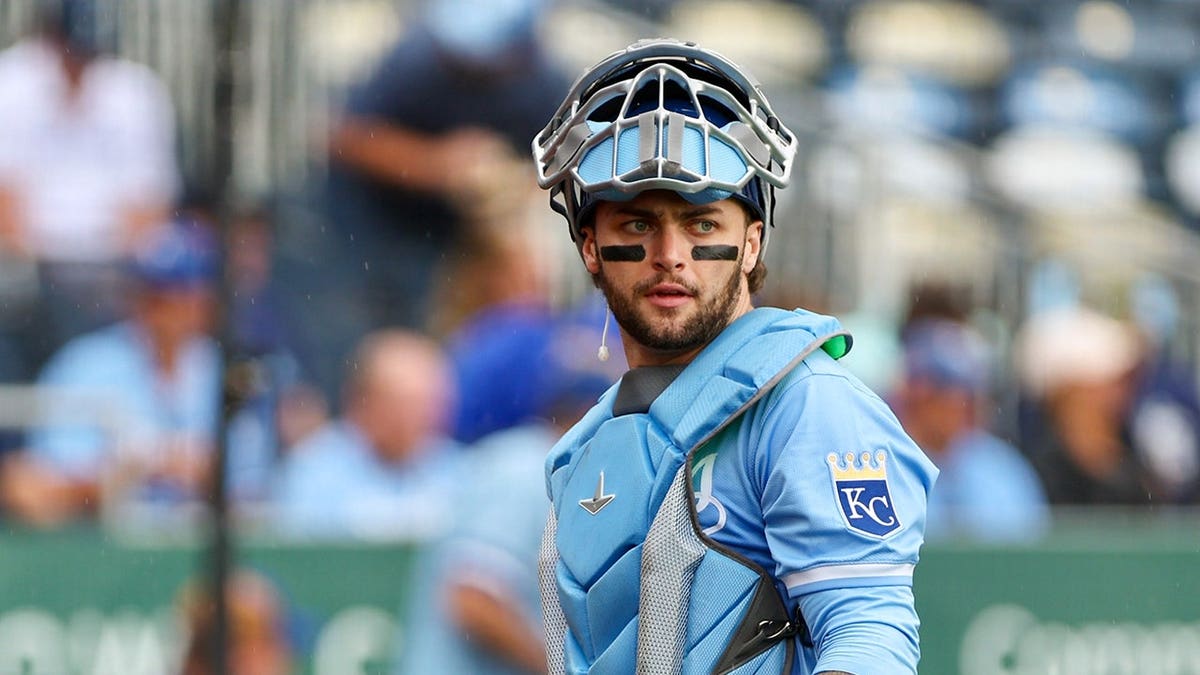
Unfortunately for the 36-year-old, he had to get back behind the plate after rookie Carter Jensen was unavailable to play catcher for the Royals after sleeping through his alarm.

Jensen was scratched late as the Royals’ starting catcher for the game, but it’s usually an illness or injury that results in such a late change to the lineup. But when Jensen came in for the ninth inning and was seen catching warmup pitches earlier in the game, reporters were curious.

CLICK HERE FOR MORE SPORTS COVERAGE ON FOXNEWS.COM

Carter Jensen of the Kansas City Royals takes the field before the game against the Minnesota Twins at Kauffman Stadium in Kansas City, Mo., on March 30, 2026. (Mikayla Schlosser/MLB Photos)

Jensen, the Royals’ top prospect, didn’t make up an elaborate lie. He slept through his alarm and wasn’t able to get to Kauffman Stadium in time to properly prepare for the game.

“No running from it,” Jensen told reporters, via MLB.com, after a 5-1 loss to the Twins. “Just didn’t wake up to my alarm. Slept through it. Don’t really have an excuse, nor should I. It sucks. Happens. I felt like I let my teammates down, coaches down. Just learn from it and know it won’t happen again.”

TIGERS TOP PROSPECT GOES VIRAL FOR UNFILTERED REACTION TO PIRATES’ SETH HERNANDEZ’S 102 MPH HEATER

Royals manager Matt Quatraro added: “He’s a stand-up guy, a really hard worker, a great kid. He feels terrible. He’s accountable to it. It’s not something that has been a pattern or any of that kind of stuff. Nobody feels worse than he does, and I think he’ll admit to that. And we’ll move on.”

While Quatraro took the high road when asked about Jensen, first baseman Vinnie Pasquantino laid into the rookie in big-brother fashion.

“You got a 36-year-old catcher preparing to DH today and then his world gets a little rocked an hour and a half before the game that he’s not going to be DH-ing,” he told reporters. “Credit to Salvy today for being ready, first and foremost. We’re glad Carter’s OK, right? That was kind of the initial thought when you’re trying to get a hold of his parents and everything like that. But once you find out he’s OK, it’s like, ‘All right, it’s a growing moment.’

Carter Jensen wearing Kansas City Royals uniform looking on during baseball game

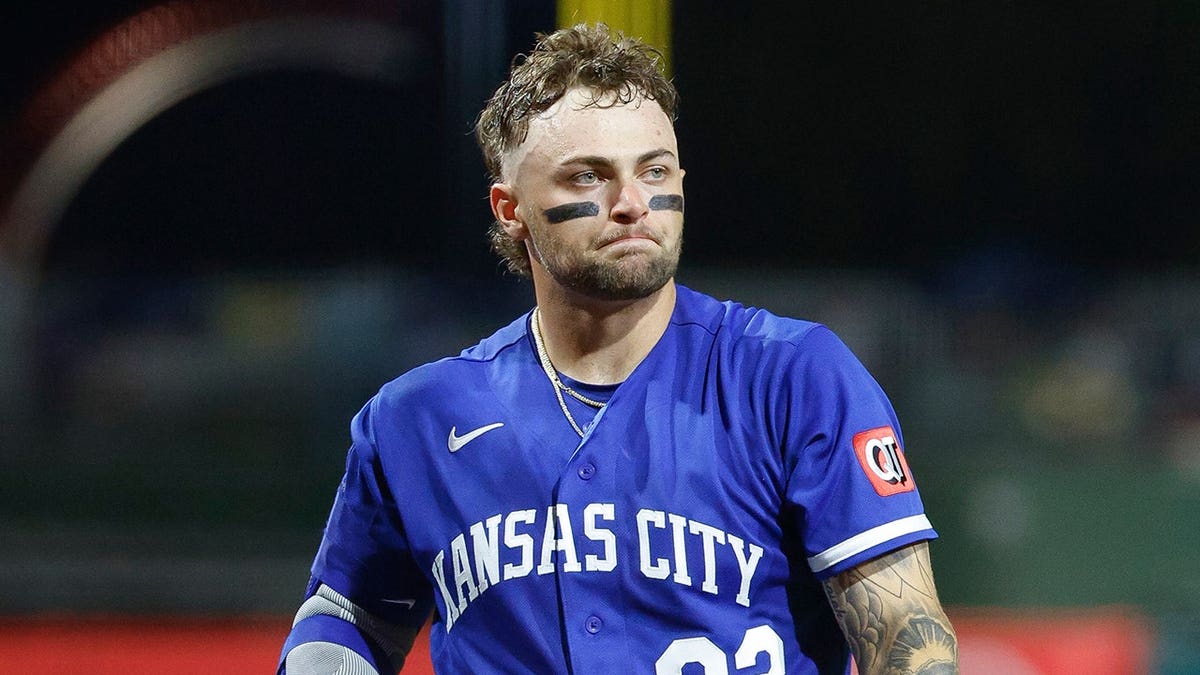
Carter Jensen of the Kansas City Royals looks on during a game against the Seattle Mariners at Kauffman Stadium in Kansas City, Mo., on Sept. 18, 2025. (Sydney Schneider/MLB Photos)

“He’s really young. There are some things that cannot happen, and that’s one of them. He’s going to have to wear it on the chin, same way anybody would have to. It can’t happen.”

Pasquantino added the team is “here for him,” but he also believes Jensen should likely invest in “another alarm clock or something.”

Jensen is already ahead of his teammate.

“There’s a lot to learn from it. Making sure if I don’t set one alarm, maybe set three, four, as many as possible. Moving forward, that’s what I’m going to do. Set a million alarms. Make sure I’m up. It stinks, though.”

Carter Jensen walking to the on deck circle during a baseball game.

Carter Jensen of the Kansas City Royals walks to the on-deck circle during a spring training game against the Texas Rangers at Surprise Stadium in Surprise, Ariz., on March 18, 2026. (Brandon Sloter/Getty Images)

CLICK HERE TO DOWNLOAD THE FOX NEWS APP

Jensen is not just the Royals’ top prospect, but the 6-foot, 210-pound catcher is ranked No. 16 overall by MLB Pipeline in 2026.

In his six games to start the 2026 season, Jensen has two hits in 16 at-bats, including one home run and two RBI.

Follow Fox News Digital’s sports coverage on X and subscribe to the Fox News Sports Huddle newsletter.


Source link

Breakthrough ALS study launches as drug aims to slow disease progression

0
Breakthrough ALS study launches as drug aims to slow disease progression


NEWYou can now listen to Fox News articles!

There could be new hope for ALS management as a promising drug enters phase 3 clinical trials.

ALS is a progressive disease in which the brain loses connection with the muscles, The ALS Association states. This slowly strips away a person’s ability to walk, talk, eat, dress, write, swallow and, eventually, breathe.

The “PREVAiLS” study, which will review the investigational drug pridopidine as a potential ALS treatment, has already enrolled its first participant, according to a press release from Prilenia Therapeutics and Ferrer, developers of the drug.

ACTOR ERIC DANE’S DEATH FROM ALS SPARKS URGENT FOCUS ON RAPID DECLINE

The first participant has been enrolled at Mass General Brigham under the supervision of Sabrina Paganoni, MD, PhD, co-director of the Mass General Hospital Neurological Clinical Research Institute and lead researcher in the PREVAiLS trial.

The first participant in the phase 3 clinical trial has been enrolled at Mass General Brigham. (iStock)

“Pridopidine is a sigma-1 receptor (S1R) agonist,” Paganoni shared in a statement. “The S1R has been shown to play a role in stimulating multiple neuroprotective pathways impaired in neurodegenerative diseases, such as ALS and Huntington’s disease.”

The global clinical trial, which will include 500 participants, aims to evaluate the safety and effectiveness of pridopidine in slowing the progression of ALS in early, rapidly progressive patients. The trial is expected to take place in up to 60 ALS treatment centers across 13 countries.

SELENA GOMEZ SAYS SHE WAS ‘MISDIAGNOSED’ BEFORE RECEIVING BIPOLAR DIAGNOSIS

This is a follow-up to the phase 2 HEALEY ALS Platform Trial results in 2023, which did not reach its main goal of slowing ALS function over the 24-week study period. That research, however, did see positive results in a subgroup of patients who were early in disease and declining rapidly.

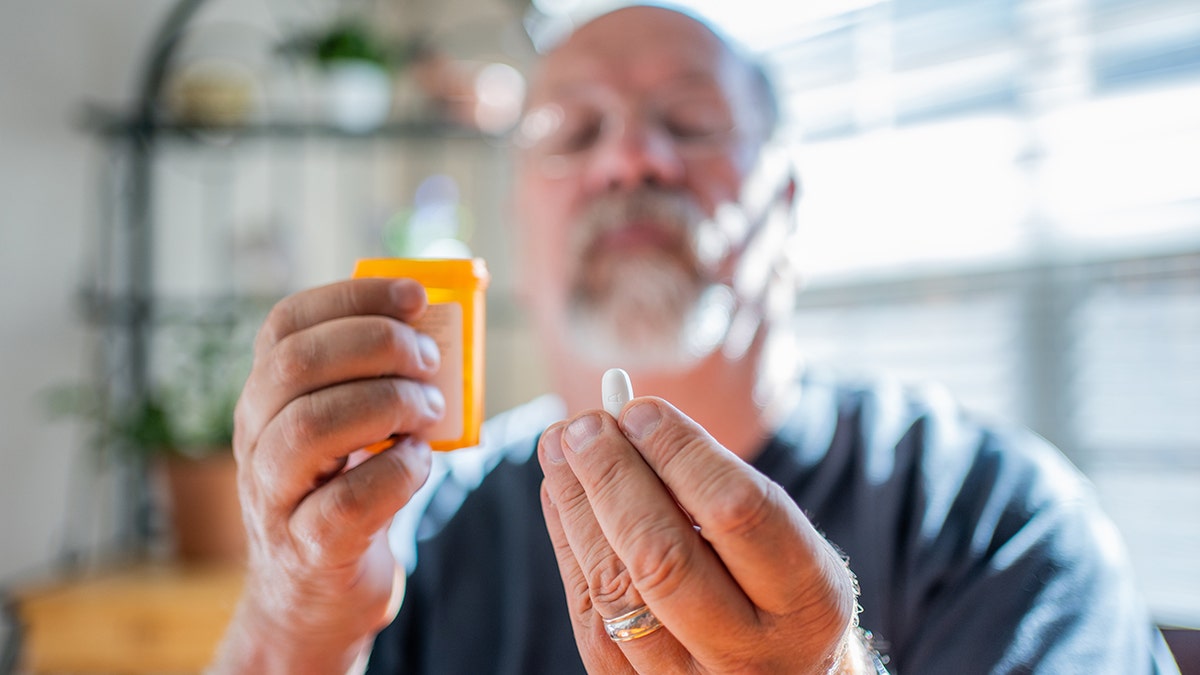
senior man holds one white pill and pill bottle

The ALS community has an “urgent need” for new treatment options, advocates say. (iStock)

In the HEALEY trial, the drug was generally well-tolerated, with a safety profile similar to placebo. The most common adverse events were falls and muscle weakness, which overlap with ALS symptoms.

PREVAiLS is believed to be the only currently recruiting phase 3 ALS study, according to the release.

Phase 3 incorporates “key learnings” from phase 2, Paganoni shared with Fox News Digital, and is expected to determine whether pridopidine is effective as a potential treatment for the disease.

BRAIN IMPLANT ENABLES ALS PATIENT TO COMMUNICATE USING AI

“Enrolling the first participant in this confirmatory study is a milestone in our search for potential new therapeutic options that may help to slow disease progression, preserve function, maintain speech and prolong survival – key aims of early ALS therapy,” she said.

“As with all clinical research, definitive conclusions won’t be available until the phase 3 trial is completed and fully analyzed.”

“The earlier we can diagnose and treat ALS, the greater the potential to preserve function and maintain quality of life for longer.”

Kuldip Dave, PhD, senior vice president of research for The ALS Association in New York City, also commented on the “urgent need” for new ALS treatment options.

“The earlier we can diagnose and treat ALS, the greater the potential to preserve function and maintain quality of life for longer, which is key to making ALS livable until we can cure it,” he said in the release.

eric dane sits on couch

Actor Eric Dane passed away in February 2026 after his battle with ALS. He is photographed at the St. Regis in Washington, D.C., on Sept. 30, 2025. (Marvin Joseph/The Washington Post via Getty Images)

“It was discouraging to see a lack of overall effect in the phase 2 study population,” he said. “However, we were encouraged to see positive signals emerge from various subgroups, including potential impacts on speech and respiratory function.” 

CLICK HERE FOR MORE HEALTH STORIES

“Because respiratory decline is a leading cause of ALS morbidity and mortality, even modest preservation of breathing capacity can have a meaningful impact on both quality of life and overall outcomes.”

CLICK HERE TO SIGN UP FOR OUR HEALTH NEWSLETTER

The insights gained from the phase 3 trial will be critical in determining whether these early signals translate into “meaningful, consistent benefits for people with early, rapidly progressing ALS,” Dave added.

Dave praised ALS patients for their participation in these studies, along with family members and caregivers for their support. ”Participating in ALS research is one of the most powerful ways individuals can contribute to accelerating scientific discovery and making ALS livable until we cure it.”

What to know about ALS

Early signs of the disease include muscle weakness, stiffness and cramping. Symptom progression and severity are different for each case, and the association notes that there is “no single timeline for ALS.”

The disease only affects motor neurons controlling voluntary movement, so the five senses — sight, touch, hearing, taste and smell — are not affected, nor are the eye muscles or bladder control.

Picture of a nondescript cell/neuron

ALS is a neurodegenerative disease in which the brain loses connection with the muscles, according to The ALS Association. (iStock)

Diagnosis typically occurs between the ages of 40 and 70. Many ALS patients remain “mentally alert and aware” throughout the disease, The ALS Association reported.

ALS is “always fatal,” Dave told Fox News Digital, as most people live only three to five years after diagnosis. About 20% of patients live five years or longer, and only about 5% live longer than 20 years.

CLICK HERE TO DOWNLOAD THE FOX NEWS APP

There is currently no cure or treatment to stop disease progression.

Prilenia, a Netherlands-based biotech company, shared with Fox News Digital that as neurodegenerative diseases progress, the damage is “irreversible,” making them difficult to treat. 

TEST YOURSELF WITH OUR LATEST LIFESTYLE QUIZ

“This is why we are focusing on an early, rapidly progressive patient population rather than a broader range of patients, as this provides the best chance of evaluating drug effect within the confines of a time-limited clinical trial,” the company stated.


Source link

Rangers eye top spot as Rohl demands ‘hunters’ mindset

0
Rangers eye top spot as Rohl demands ‘hunters’ mindset


With the top three separated by just five points with seven matches remaining, Rohl says the thrilling climax to the season is generating attention across Europe.

“I expect a really exciting split,” said the German. “You never know, it could be after two matchdays you are six points ahead, because the picture is like this. Or you have stolen three points from behind. You never know what happens.

“Maybe there are some turns, maybe not. I think this is exciting for everyone. Especially with three teams, and three teams at the moment are very close to each other. For a neutral supporter, a football fan, this is maybe one of the exciting title races in Europe at the moment.

“As a manager, you look forward, because you know with your group you can win this title. This is also a great feeling. And I’m looking forward to this.

“But you have to do it first two more games. Two more wins, and then you have a good position.”

Rangers have yet to beat Dundee United this season, with both previous matches finishing 2-2 after late goals for the Glasgow side.

“We know what we face and it will be a challenge,” added Rohl. “They have a small chance to make the top six and both teams want to win and we need a good performance.”


Source link

Sanju Samson: IPL 2026: When CSK’s Sanju Samson credited his father’s advice that helped him handle pressure in tough matches – The Times of India

0
Sanju Samson: IPL 2026: When CSK’s Sanju Samson credited his father’s advice that helped him handle pressure in tough matches – The Times of India


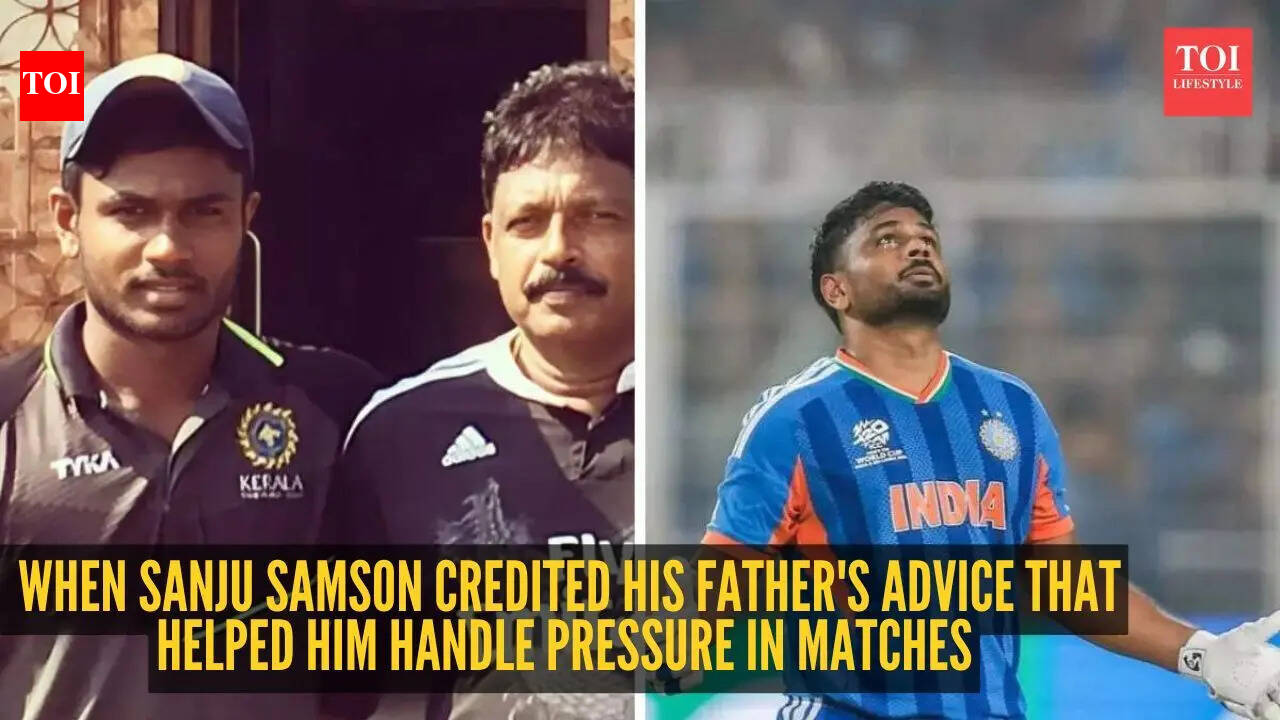
Photo: Sanju Samson/ Instagram

Ace Indian cricketer Sanju Samson‘s power-packed performance helped India to win the T20 World Cup earlier this year. And now with the IPL 2026 season going on, the cricketer is seen playing for Chennai Super King (CSK). But as fans rave about his elegant strokeplay on field, his old interview with cricketer Ravichandran Ashwin has resurfaced online, wherein Samson shares how his father’s strict Delhi Police discipline helped him become the cricketer that he is today. If you’ve ever wondered why Sanju Samson looks so unshakeable on the field, the answer isn’t just in his batting drills—it’s in the way he was raised. In a candid sit-down with Ravichandran Ashwin on Kutti Stories, Sanju took a trip down memory lane to talk about the man who truly shaped his grit: his father, Samson Viswanath.

Sanju Samson’s father’s advice that changed his game for the better

The most striking part of the interview was Sanju’s takeaway on body language. He shared how growing up in Delhi, his father noticed a specific pattern in him. Coming from a South Indian background and playing in the high-intensity cricket circuit of Delhi, Sanju and his brother often appeared “meek” or overly shy on the pitch in front of other players.

Watch

Sanju Samson opens up on T20 World Cup journey, and title win

His father wasn’t just worried about their technique; he was worried about their presence. And so, he gave Sanju a directive that changed everything: “Carry yourself like a leader.” He wanted his son to play with an authority that made it clear he wasn’t intimidated by anyone or any situation. It was about owning the space, even before hitting the first ball.

The “90 percent” rule and police discipline

Let’s be real— most kids hit a rebellious phase. But Sanju credits his success to the fact that he followed his father’s word about 90% of the time during his formative years. Since his father was a constable with the Delhi Police, the household was “tight” and incredibly regulated. That level of discipline might seem intense, but Sanju says it’s exactly what gave him the mental armour to handle the soul-crushing pressure of professional cricket later in life.

A father’s ultimate gamble

One of the most emotional points of their journey was the move from Delhi to Kerala in Sanju’s childhood. Feeling that Sanju’s talent was being overlooked in the crowded Delhi system, his father did something incredibly brave— and risky. He left his stable job in Delhi to move the entire family back to Kerala, solely to give his sons a better platform to play.“It wasn’t just a move; it was a sacrifice,” Sanju reflected.That unwavering belief from his father acted as a safety net during the early days of selection heartbreaks. Even when the world said “no,” his father’s “strictly-enforced” self-belief kept Sanju’s eyes on the prize.

The result: From shy kid to ace cricketer

Looking at Sanju today, the ace Indian cricketer, it’s clear that those early lessons in “not looking meek” paid off. He didn’t just grow into a talented batsman; he grew into the leader his father challenged him to be years ago.What do you think of this “tough love” approach to parenting? Does a strict upbringing actually help athletes handle the big stage better? Tell us in the comments below.


Source link

James Rodríguez hospitalized with dehydration after Colombia game

0
James Rodríguez hospitalized with dehydration after Colombia game


Colombia star James Rodríguez was hospitalized in Minnesota after suffering from severe dehydration following a friendly match against France on Sunday, the Colombian Football Federation said Thursday.

Rodríguez, who joined Minnesota United on a short-term deal earlier this year, played 63 minutes of Colombia’s 3-1 loss to France in a World Cup tuneup match in Landover, Maryland.

He didn’t show symptoms until his return to Minneapolis on Monday, according to the Colombia federation.

“It has been confirmed, after establishing communication with a medical center in the State of Minnesota, that the midfielder has been under professional observation due to a non-sports-related medical condition,” the federation said in a statement.

“The day after the match against France, the player presented with severe dehydration that required hospitalization for the past 72 hours for preventative and recovery monitoring.”

Rodríguez, 34, checked into the hospital when returning to Minnesota from international duty, accompanied by Minnesota United’s medical team to review all tests and diagnoses. Rodríguez is now at home recovering from the incident.

Colombia later clarified that the case is not related to any prior injuries.

“It is important to clarify that this situation is not related to musculoskeletal injuries nor is it linked to the development of his football activities,” the statement continued.

“Fortunately, the current medical report indicates a favorable evolution and a steady improvement.”

Rodríguez also featured in Colombia’s first match of the March international window, playing another 63 minutes in a 2-1 loss to Croatia in Orlando, Florida, on March 26.

The former Real Madrid attacker has made two substitute appearances so far for Minnesota this season. Minnesota’s next game is at the LA Galaxy on Saturday.


Source link

Skier takes gloves off during race—horror as she realizes life is in danger

0
Skier takes gloves off during race—horror as she realizes life is in danger


An experienced athlete and mountain rescuer had her life changed forever after developing frostbite during a ski race, despite doing everything she could to protect her hands.

Shana Light, 45, is no stranger to wintry conditions, as she told Newsweek that she and her family ski “at least once or twice a week.” She loves competing and pushing herself, which is why she wanted to take part in a ski mountaineering race in the Aspen Snowmass area.

The morning of the race was incredibly cold, according to Light, of Marble, Colorado. She knew the conditions were dangerous so she did everything to protect herself.

“I wore warm, dry mittens, used disposable hand warmers, and my race partner loaned me her electronic hand warmers and opened my gel packets so I could keep fueling without exposing my fingers for long,” Light said.

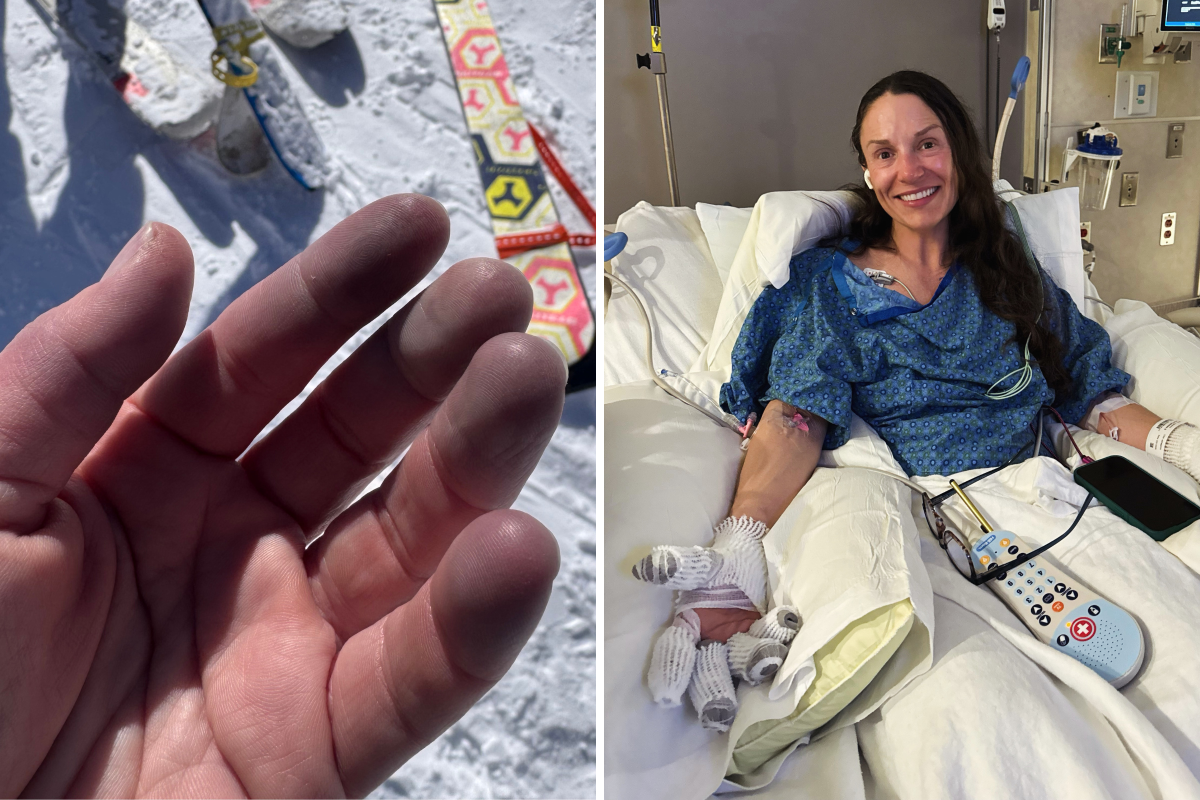
Around five miles into the race, Light had gear problems that required taking her hands out of the mittens. She ensured her hands were still pink each time however, but then the situation changed at around mile nine. However, her fingertips soon turned “a dusky gray color” that progressed to shades of deep purple and black.

“That change, plus profound numbness, was the red flag that made us drop out immediately. I did everything to protect my hands, and they still went from pink to gray to black in just a few miles,” Light said.

“We notified a race official, and I went to the nearest lodge bathroom to rewarm my fingers carefully under warm (not hot) water, expecting them to pink up. They didn’t improve much, and a ski patroller agreed I needed to go to the hospital.”

As it turned out, Light’s situation was far more severe and just hours later she was on a helicopter to a specialist burn unit in Denver. She was given tissue plasminogen activator (tPA) to break down blood clots and restore blood flow.

Scans revealed that the frostbite impacted all 10 of Light’s fingers and doctors warned that she might lose parts of multiple digits, including her index fingers and thumbs. It was a horrifying moment for Light to hear that amputation was a very probable outcome.

Frostbite is the freezing of the skin and underlying tissues which leads to a cold feeling, numbness, and as it gets worse, the affected skin may change color. Additional symptoms may include tingling, blisters, shivering, drowsiness and slurred speech, according to the Mayo Clinic.

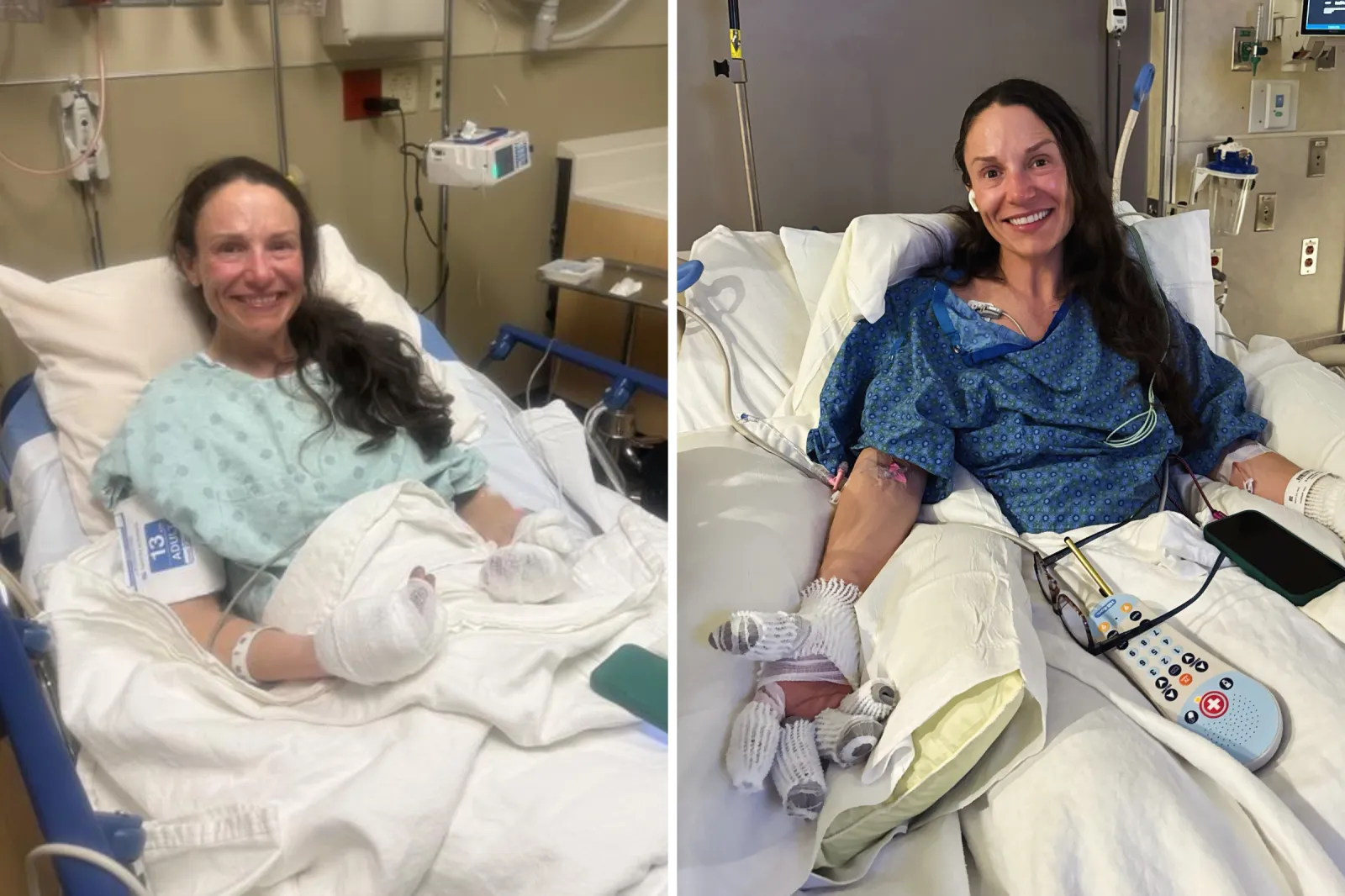
Light was on bedrest in the burn unit for 24 hours, and once stable, she was discharged but would nonetheless be closely monitored. Her fingers were heavily bandaged for protection and she couldn’t use her hands.

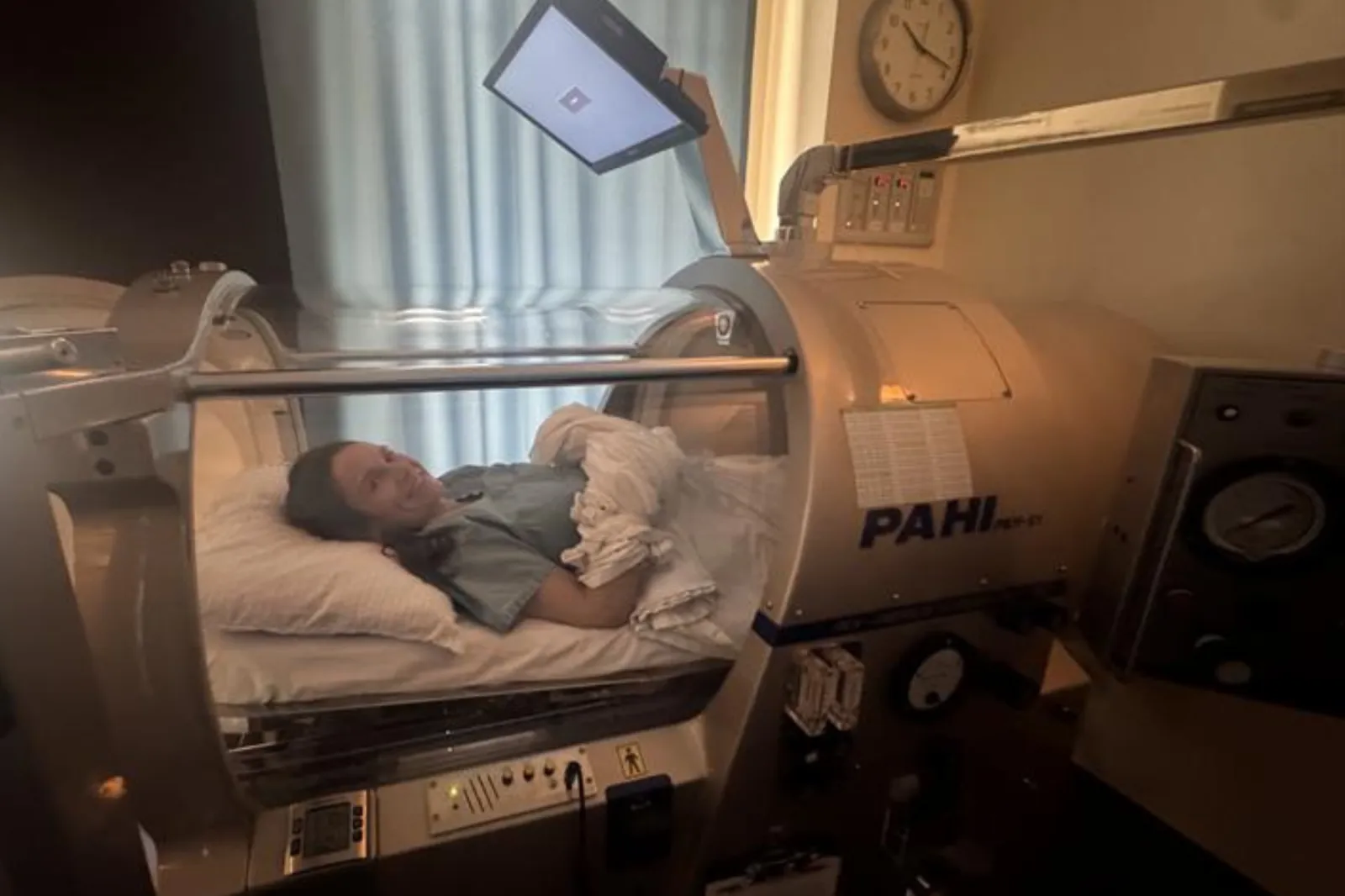
Treatment involved hyperbaric oxygen therapy and Light saw gradual improvements with each session. It was “incredibly motivating” every time she saw her fingers regain some of their pink coloring. Light was also given medication for nerve pain and consumed a high-protein diet throughout her recovery.

“Losing functionality in my hands so abruptly was one of the hardest parts of this experience,” Light told Newsweek. “I went from an independent, outdoorsy mom and nurse practitioner to someone who couldn’t put on socks. I’m not someone who wandered into the mountains unprepared. I’m an experienced wilderness athlete and a member of search and rescue. That’s part of what makes this so sobering.”

By the second week, a second bone scan showed that blood flow to the fingertips was significantly improved, suggesting that amputation may not be required after all. Light also felt more sensation in her fingers (mostly in the form of pain), suggesting that her circulation was improving. They were only minor changes at first, but they gave Light hope and motivation to stay committed during treatment.

Much of the dead tissue has now been removed and there is healthy skin growing underneath. Light still has many open wounds that are gradually closing, and her thumbs still have a long way to go, but she’s so thankful for all the progress.

“Sensation has returned to most of my fingers, which is wonderful, but comes with a lot of nerve pain, burning, and electric shocks, as well as significant sensitivity. I’m still in hand therapy to work on motion, strength, and desensitization, and I expect months of rehab ahead,” Light said.

“The long‑term effects are still unfolding, but I anticipate some degree of chronic sensitivity to cold, altered sensation, and stiffness. We started out talking about losing multiple fingers, but because of fast treatment and specialized care, I may keep them all.”

Light hopes that with continued patience and rehabilitation, she can return to practicing medicine one day and even get back to the outdoor activities she enjoys. The mom-of-two shared her experience on Instagram (@sslurp) to educate people on the risks of frostbite and to give others hope that it can get better.

Severe frostbite can cause lifelong complications, especially if it isn’t addressed swiftly. As a result, Light hopes her experience will highlight the significance of taking action and seeking immediate medical attention.

“If you’ve had significant cold exposure and notice numbness, color changes, blisters, or loss of sensation, do not wait,” Light told Newsweek. “The recovery process is long, painful, and humbling, but it’s also full of small victories. If my story makes even one person seek care sooner, then something good came out of a very hard winter.”

Is there a health issue that’s worrying you? Let us know via [email protected]. We can ask experts for advice, and your story could be featured on Newsweek.


Source link

Video: Skilled Foreign Workers Think About Leaving the U.S.

0
Video: Skilled Foreign Workers Think About Leaving the U.S.


These highly skilled, highly educated foreign workers have been documenting the challenges of trying to build a career in the U.S. “If I don’t find a job, I have to leave the country.” “I sent out 907 applications.” “Have I ever truly relaxed in America?” They need an H-1B visa, which is given through a lottery system that allows U.S. companies to hire highly skilled international professionals for up to six years, in industries like tech and medicine. But the Trump administration has made changes to the program, requiring companies to pay a high fee and enforcing new rules that prioritize higher-paid foreign workers, in an effort to make more jobs available to Americans. This has forced some foreigners to rethink their career plans. “I think the U.S. is still the golden standard.” Wen-Hsing Huang came to the U.S. from Taiwan in 2022 for the tech scene, and was hired by Amazon on an H-1B visa. “I want to use my talents to change the world, and I think the United States was the best platform to do that.” Ananya Joshi came from India to attend a master’s program in Chicago in 2022. “So it was actually my my father’s dream that I had inherited because my father couldn’t go because of his financial situation.” Haina, a Chinese national, fell in love with the U.S. while studying in New York. She got her H-1B in 2022. “I remember there were a lot of companies, they would be able to sponsor.” Haina said she’s experienced a recent shift, where it has become harder to find companies that sponsor H-1B visas. “This time when I was job searching, I didn’t realize it could be a deal breaker. I just had my second interview of 2026, and it was a pretty short call.” (Recruiter) “I don’t think we’re eligible or able to do sponsorship for this role at the moment.” “They don’t even really get to know if I’m qualified, am I experienced, or anything. The decision is already made at that point.” “Please, please make sure that the company you’re about to work for has experience handling international hires.” Joshi said a start-up she interned with during grad school rescinded their promise to sponsor her H-1B visa. “Ask for everything in writing. And then there were jobs that were contract jobs. They would just reject me. They would only need people with a green card or a U.S. citizenship.” Even with an H-1B and a six-figure salary, Huang said he felt himself becoming anxious, as tech layoffs ramped up and Trump’s immigration policies kept changing. “I woke up every morning with this knot in my stomach, because my entire life depended on the policy I couldn’t control. The United States seems not very welcoming to immigrants that contribute to this country.” “The signals are, like, pretty clear at this point. They want to make this H-1B, is, like, risky and also, like, harder.” Hello, everyone.” Despite that, Haina says she’s determined to keep looking for a job until she’s forced to leave the country. “The pressure about where I’m going to be in the next of my career or, like, my life. I sort of like lost the ability to enjoy my life or just be happy.” “So I had to leave the U.S. Of course, I expanded my search beyond the U.S. Found a job in Germany.” Joshi packed up her life and started a new role with a European biotech firm in January. “I think I left at a good time, because there would have been more stress. I would have been stuck in a loop.” “It’s an endless cycle of anxiety.” After quitting his job at Amazon, Huang is now back in Taiwan, planning to launch his own company. “To bet on building an A.I. company that gives me complete control over my time, location and future. Staying in the United States is no longer the only way to achieve my American dream.”


Source link