A woman seeking emergency care for severe abdominal pain recently shared her frustration on social media with the long wait times at a Canadian hospital.
Amanda Gushue, 37, first visited her primary care physician — who sent her to the emergency department (ED) with a swollen appendix.
After waiting for two hours in triage, she was sent to the waiting room — where she was shocked to see that it could be anywhere from five to 15 hours before she could see a doctor or nurse.
She ultimately waited another 10 to 12 hours before she was seen.
“There were probably about 150 seats, and they were all full,” Gushue, a resident of Cape Breton, Nova Scotia, told Fox News Digital. “This is what we deal with when we go to the hospital on a regular basis — you’re looking at spending a full day there.”
Amanda Gushue, 37, sought emergency care for severe abdominal pain and shared her frustration with the long wait times at a Canadian hospital.(Amanda Gushue)
Gushue shared that one elderly woman came in with a head wound, “bleeding profusely,” and had to wait for two hours before she was seen.
Gushue said she attributes the long wait times to a scarcity of doctors. “We have tons of nurses, but no doctors.”
Even after she was admitted, Gushue said she received sub-par care and was not given sufficient privacy.
Canada has a universal healthcare system that is funded through taxes, according to the government’s website.
Eligible residents of a province or territory can apply for public health insurance to access free healthcare services, the website states.
“I would rather pay for my healthcare at this point and get treated fairly,” Gushe said.
After waiting two hours in triage, a patient in her late 30s was sent to the waiting room — where she was shocked to see a 15-hour wait time displayed.(iStock)
Part of the problem is that Canada is “overpopulated,” she said, expressing her point of view.
“The healthcare system is overworked right now, and these doctors are probably exhausted,” she said. “They’re working around the clock, and then after a 16- or 17-hour shift, you get a cranky doctor.”
Gushe was ultimately admitted. She had her appendix removed last week.
She is now recovering and said she “feels great.”
“I would rather pay for my healthcare at this point and get treated fairly.”
In 2024-2025, there were more than 16.1 million unscheduled emergency department visits in Canada’s hospitals, an increase from about 15.5 million the year before, according to the Canadian Institute for Health Information (CIHI).
Among those patients who were admitted into the hospital from the emergency department, nine out of 10 of the ED visits were completed within 48.5 hours, the above source stated. For those who were not admitted, nine out of 10 were completed within around eight hours.
Median wait times vary widely by province, CIHI stated.
Some of the main factors contributing to the extended wait times include staff and bed shortages, hospital flow issues (due to lack of primary care access), and overcrowding that leads to system stress, according to the Canadian Medical Association.
“The healthcare system is overworked right now, and these doctors are probably exhausted,” Gushue said.(iStock)
Dr. Warren Thirsk, an emergency room doctor in Edmonton, recently shared with the Calgary Journal that he sometimes sees more than 100 people in the waiting room of his hospital, which only has 30 chairs.
“People who can stand, stand. Some are on the ground, and we’re hoping they’re alive,” he said. “And you walk by this carnage, and then you start your day.”
The doctor added that some patients wait all night to receive care. “What used to be a mass casualty event is now the new norm,” he said, per the report.
Another ED physician, Dr. Michael Howlett, who is president of the Canadian Association of Emergency Physicians, also shared his concerns about the situation.
“I’ve worked in emergency departments since 1987, and it’s by far the worst it’s ever been. It’s not even close,” he told CityNews, a Canadian news outlet.
“We’ve got people dying in waiting rooms because we don’t have a place to put them,” he went on. “People being resuscitated on an ambulance stretcher or a floor. Those things have happened.”
Canada has a universal healthcare system that is funded through taxes, according to the government’s website.(iStock)
In January, Alberta’s minister of hospitals announced an investigation into the death of a 44-year-old man who died after waiting nearly eight hours in an Edmonton emergency department with chest pain, according to local reports.
A system review has since been completed by Acute Care Alberta, identifying emergency department overcrowding and triage challenges. The review issued multiple recommendations to prevent similar incidents, though a formal investigation into the death remains ongoing.
– Real Madrid president Florentino Perez is planning a major move to sign Bayern Munich winger Michael Olise in the summer, but Bundesliga leaders do not plan on letting him leave, according to Sport Bild. The 24-year-old’s contract runs until 2029 and doesn’t include a release clause, so Bayern feel no obligation to offload him. Liverpool also want Olise as they look for a possible successor to Mohamed Salah, who could soon leave Anfield.
– Arsenal have little intention of letting Riccardo Calafiori leave in the summer despite the defender being the topic of interest from Inter Milan, AC Milan, Juventus and Napoli, according to TEAMtalk. The Gunners are fully committed to keeping the 23-year-old, who is settled in north London and not actively looking to leave the Emirates. Interest from Chelsea has also been reported but Calafiori joining the club is seen as highly unlikely.
– Chelsea are lining up a move to sign Rayane Messi from Strasbourg, with the winger on loan at Saudi Pro League club Neom, reports TEAMtalk. Bayern Munich, Barcelona and Paris Saint-Germain have also enquired about the 18-year-old but Chelsea’s owners, BlueCo, don’t want to see him leave their multi-club network. The plan had originally been for Messi to be integrated into Strasbourg’s first-team next season before heading to Stamford Bridge, but that plan is now being reviewed.
– AC Milan and Inter are among the clubs who will try to compete with Arsenal to sign Leon Goretzka as a free agent when the midfielder’s Bayern Munich contract expires in the summer, as reported by Calciomercato. Milan have already initiated contact with the 31-year-old’s entourage, while Inter are hoping to complete a move that would be similar to the ones they have previously completed for Hakan Çalhanoglu and Henrikh Mkhitaryan. Even so, Arsenal are the frontrunners to complete a deal.
– Marseille want to sign Jonathan David in the summer if they qualify for the Champions League but face competition from the Premier League, as reported by Tuttosport. While David would reject any offer from Olympique Lyonnais due to Paulo Fonseca being in charge of Les Gones, the 26-year-old has always been fascinated by the idea of playing in the Premier League. Nottingham Forest, Tottenham Hotspur and West Ham United all made attempts to sign him in January.
EXPERT TAKE
OTHER RUMORS
play
1:37
Nicol: Max Dowman is just not normal!
Steve Nicol reacts to Max Dowman becoming the youngest goalscorer in Premier League history.
– Manchester City, Liverpool, Arsenal, RB Leipzig, Borussia Dortmund and several LaLiga clubs have been closely monitoring Newcastle United left back Lewis Hall. (Caught Offside)
– Crystal Palace and Leeds United both want Derby County and USMNT striker Patrick Agyemang. (Football Insider)
– Manchester City could sign Tottenham right back Pedro Porro for significantly less than his £70 million valuation. (Football Insider)
– Inter and AC Milan are both seriously considering a move for Manchester City defender Nathan Ake. (Caught Offside)
– Newcastle United could accelerate their plans to renew Kieran Trippier‘s contract amid fears that Tino Livramento could move to Manchester City. (Football Insider)
– Various clubs from England and Europe have contacted Liverpool about signing goalkeeper Giorgi Mamardashvili permanently or on loan. (TEAMtalk)
– Rocco Reitz will join RB Leipzig from Borussia Monchengladbach for €20 million plus another potential €3 million in bonuses. (Florian Plettenberg)
– Juventus and Dusan Vlahovic are rapidly moving towards agreeing a new contract, with the striker’s current deal set to expire at the end of the season. (Tuttosport)
– Feyenoord and Wolves will speak to Bournemouth about signing Max Aarons at the end of the season, while Porto are also interested in the right back on loan with Rangers. (Ekrem Konur)
The video’s opening shot shows a man hiding under a bed snipping in a hole in someone’s sock. Seconds later, the same man uses a saw to shorten a table leg so that it wobbles during breakfast. “My job is to make things shitty,” the man explains. “The official title is enshittificator. What I do is I take things that are perfectly fine and I make them worse.”
The video, released recently by the Norwegian Consumer Council, is an absurdist take on a serious issue; it is part of a wider, global campaign aimed at fighting back against the “enshittification”, or gradual deterioration, of digital products and services.
“We wanted to show that you wouldn’t accept this in the analogue world,” said Finn Lützow-Holm Myrstad, the council’s director of digital policy. “But this is happening every day in our digital products and services, and we really think it doesn’t need to be that way.”
Coined by author Cory Doctorow, the term enshittification refers to the deliberate degradation of a service or product, particularly in the digital sphere. Examples abound, from social media feeds that have gradually become littered with adverts and scams to software updates that leave phones lagging and chatbots that supplant customer service agents.
In late February, in a campaign that is believed to be the first of its kind, the publicly funded Norwegian council joined forces with more than 70 groups and individuals across Europe and the US, including trade unions and human rights organisations.
Together they urged policymakers in 14 countries that straddle the Atlantic to take action against enshittification, arguing that it was not an inevitable process but rather the result of policy decisions. “Another internet is possible,” said Lützow-Holm Myrstad. “The status quo is not acceptable for anyone.”
In Norway, more than 20 organisations pressed officials to take action, in a push echoed by consumer councils in 12 other countries. A letter was also sent to EU institutions, while four civil society organisations in the US contacted several policymakers.
The letters called on policymakers to give consumers more power to control, adapt, repair and alter the products they already own as well as to allow people to move more easily between different services.
Policymakers were urged to double down on the enforcement of existing laws, such as those designed to protect consumers and their data, as well as work to foster greater competition in digital markets, for example through the use of public procurement processes to favour alternatives to big tech.
The Norwegian Consumer Council, which made the video, wants greater competition to be fostered in digital markets. Photograph: Forbrukerrådet/YouTube
“It’s not too late to turn the tide,” said Lützow-Holm Myrstad. “Services don’t need to be enshittified if we have real competition, if you can choose as a consumer which services you use, and if the market will better regulate all these practices.”
The global campaign is backed by an 80-page report by the council, delving into how enshittification steadily became the norm.
While the council has a long history of taking on big tech companies – in 2018 it was among the first to accuse them of deceiving users into giving up their data – Lützow-Holm Myrstad acknowledged that its efforts were akin to pitting David against Goliath.
“But in the story of David and Goliath, David won in the end, right?” Lützow-Holm Myrstad said. “This is also why this international action is so important. Groups, transatlantically, are all speaking with a common voice: it doesn’t need to be this way. We don’t want it to be this way.”
Their hopes for the campaign have swelled as they watched the video rack up millions of views across multiple platforms, with more than 9,000 comments pouring in on YouTube alone, while the report was downloaded more than 6,000 times.
“We’ve never experienced anything like it, it really strikes a nerve with people,” he said. “There seems to be an incredible amount of support to do something about this.”
It has become a ritual under Liam Rosenior for Chelsea players to gather in the center circle before kick-off.
However, the club’s pre-match huddle against Newcastle United on Saturday saw a bizarre moment when referee Paul Tierney stood in the middle of the players as captain Reece James spoke to the team.
Newcastle won at Stamford Bridge for the first time in 14 years and later Rosenior said that Tierney should have focused on his job rather than crashing Chelsea’s pre-match huddle and that he will contact PGMOL, the referees’ body, to seek clarity on why the ritual for his team was disrupted.
But who was right?
Andy Davies (@andydaviesref) is a former Select Group referee, with over 12 seasons on the elite list, working across the Premier League and Championship. With extensive experience at the elite level, he has operated within the VAR space in the Premier League and offers a unique insight into the processes, rationale and protocols that are delivered on a Premier League matchday.
A huddle in the center of the pitch is a practice that Liam Rosenior’s side have used before games in recent weeks. But this time referee Tierney was standing on the center circle and was subsequently caught in the middle of Chelsea’s huddle, holding the match ball.
The more I watch Tierney in the middle of the Chelsea team huddle, the less I am convinced by his decision to stand and hold his ground over the match ball.
Referees do their homework, Tierney would have known that the Chelsea huddle was going to happen and with Newcastle due to kick off, his mindset was to be proactive and defuse any possible issues with the opposition.
However, his decision to stand over the ball as the Chelsea players locked arms around him and not move to a more neutral position is difficult to understand and increased the profile of the situation unnecessarily.
The Chelsea players didn’t seem worried by Tierney’s presence as they continued with their pre-match ritual, in fact I would be surprised if they hadn’t been pre-warned by Tierney in the prematch meeting that he would take up this position if Newcastle had decided to start the match.
Regardless, the optics didn’t look great for the PGMOL, Premier League or Tierney.
It was a ridiculous situation that could and should have been managed differently.
Chancellor Rachel Reeves said Treasury officials have “found the money” to help the almost 2 million homes and businesses across the UK that still use heating oil, which is not protected by the energy price cap.
Ministers have agreed money will be set aside to support the poorest households, the prime minister will announce on Monday as he vows to support working people with “whatever challenges lie ahead”.
It comes after energy secretary Ed Miliband hinted the government is open to halting its plans to raise fuel duty for the first time in more than a decade.
Britain is also weighing up sending minehunting drones to help reopen the Strait of Hormuz. Mr Miliband said there was “a range of things” the UK and its allies could do to secure the route, which has been blocked by Iran and has led to a surge in energy prices.
What is heating oil and who uses it?
Homes and businesses in remote areas or those built decades ago often have a tank that pumps oil directly into the property when required. The oil type used in this setup is typically kerosene-28 and it is usually ordered by phone or online from a local supplier when reserves run low.
As with any commodity, prices go higher when demand outstrips supply and the global oil supply is under severe pressure, with the cost of heating oil rising from around 66p per litre on 2 March to up to 128 pence per litre on 16 March.
There is, however, a wide discrepancy in pricing due to the nature of how consumers order heating oil.
Whereas other energy sources such as gas or electricity are typically contracted through large providers, like Octopus or British Gas, heating oil is usually bought directly on an as-and-when-needed basis. That isn’t just the case for consumers, but for distributors themselves. Due to homes and businesses usually having, for example, 12-month contracts with their supplier, the big companies typically know how much usage they will have over the coming months and, with the price cap in place, how much the bills will be.
Get a free fractional share worth up to £100. Capital at risk.
With heating oil, it’s different. There’s no need for consumers to use the same suppliers every time if they don’t want to, and the suppliers themselves tend to be far smaller, often either family-run businesses or regional firms. There are around 120 such heating oil providers across Britain, compared to around two dozen of the larger energy firms supplying electricity and gas.
Therefore, the heating oil distributors themselves are typically buying in the product every day or several times a week, paying the current market rate in the process. It means that, while the price of Brent crude has risen, Brits won’t immediately see it on their bills – but those buying in heating oil will do.
Heating oil is mostly bought on an as-and-when-needed basis, meaning prices have gone up more quickly than gas (Getty)
The Independent understands that some providers are telling customers they cannot give an accurate price for deliveries until the day beforehand, as the price has been increasing this past week.
‘No lag in the market’
Ken Cronin, chief executive of UKIFDA, the trade association representing heating oil distributors, told The Independent that another complication adding to the rising cost of heating oil, versus oil typically used for energy across the UK, was the amount sourced from the Middle East.
Only around 10 to 15 per cent of crude oil comes from that region into the British mix, but for heating oil – which, as a kerosene product, is closer to jet fuel than that which ends up powering cars and heating homes – it’s a 40 per cent dependency.
The eventual flip side of such rapid price climbs is that it will be the exact same process as the markets come down.
“Although there has been a rapid increase, there would be a rapid decline as well if the situation around Iran improves or supply eases,” said Mr Cronin. “There’s no lag whatsoever in this market and that’s reflected in consumer prices. As an example, post-Ukraine there was normalised pricing very quickly – whereas it’s still reflected in gas and electricity.
“During Covid, all the planes were grounded so there was a huge amount of kerosene fuel stock, so it was down to 25p per litre. Regional distributors are fighting for business so pricing is competitive and reacts fast to markets.”
As a result, UKIFDA advises customers who do not immediately need a heating oil delivery to speak to local distributors and consider waiting to see where markets go, rather than panic-buying now at elevated prices.
Last week, there were headlines about prices in Northern Ireland being particularly high. While distance is a factor in cost, that was partly also a result of such a large portion of the population having that as their main source of home energy.
Costs being felt more immediately
Just 5 per cent of homes in England use heating oil, but between 50 and 60 per cent do so in Northern Ireland. As such, cost rises are felt more keenly and immediately.
All told, around 1.7 million homes across the UK rely on heating oil, with around 520,000 of them in Northern Ireland. In addition, between 100,000 and 150,000 businesses rely on it.
“Our customer base is where the gas grid isn’t,” added Mr Cronin. “So rural Wales and England, the highlands of Scotland and Northern Ireland.”
Heating oil tanks are frequently used for homes in rural locations (AFP via Getty)
He added that UKIFDA data shows since July 2011, the average price band for heating oil has been 50-60p per litre, with “notable changes during Covid (down), Ukraine (up), and now (up).”
Certas Energy, one of the UK’s biggest fuel distributors, said it was balancing a surge in demand over the past week and urged people not to order more than they typically needed.
“Recent developments have created significant volatility in the oil market, with wholesale prices fluctuating daily,” said a statement. “We are currently experiencing a marked increase in heating oil orders, including larger-than-usual volumes. While we understand the desire for reassurance during uncertainty, this surge is placing additional pressure on supply.”
Boilerjuice, a platform for buying heating oil through different distributors, did not reply to a request for comment on pricing increases.
The reluctance to discuss bowel movements often persists as a societal taboo, yet candid conversations with a doctor about unusual changes are crucial for the early detection of serious health issues.
Despite bowel cancer ranking among the most common cancers in the UK, public awareness regarding its symptoms and screening procedures often falls short.
As Bowel Cancer Awareness Month approaches in April, Mr Jeremy Clark, a consultant general surgeon specialising in colorectal diseases at Nuffield Health in Brighton, has highlighted five critical warning signs for the public to recognise.
1. Blood in the stool
“Passing blood when you go to the toilet is a worrying feature that you should flag to your GP,” says Clark.
The surgeon highlights how the colour can vary from bright red to almost black in colour.
A man sitting on a toilet holding toilet paper (Alamy/PA) (PA)
“If you’re bleeding from the beginning of your colon, it has got to travel three or four feet before it comes out with your waste material, so it will turn very dark black. But if you’re bleeding from something lower down in the bowel, closer to your bottom, it will come out bright red,” he explains.
“If you see blood in the stools, particularly darker-coloured blood or blood that’s actually mixed in with the stools, just once and it’s significant, that should be reported to your doctor straight away. Don’t wait for that to keep on happening.”
Persistent bright red blood should also not be ignored.
“If you see a bit of bright red blood on the toilet paper after going to the toilet and you know you have got haemorrhoids then that’s not so worrying,” says Clark. “However, if it carries on for longer than a week then that should be reported to your doctor if it has never been investigated before.”
2. Changes in the way the bowels are working
“If your bowels go from working once a day like clockwork, and then suddenly you’re going two or three times a day and the bowels are a bit looser, that’s something that needs to be looked into,” says Clark.
“Becoming more constipated isn’t so much of a risk factor, but if it’s a sudden change and it doesn’t go back to normal, that needs to be looked at as well.
“If your bowels play up for just for a day or two and then settle, there shouldn’t be anything to worry about. But if you have a persistent change that goes on for a couple of weeks, then that should be reported.”
3. Abdominal pain
“Bowel cancers can cause abdominal pain,” highlights Clark. “This tends to be a later feature, but it can occur early on, too.”
4. Bloatedness
“People often feel quite bloated if there’s something wrong going on in the bowel,” adds Clark
5. Unexplained weight loss
“Bowel cancers can cause you to lose weight by having an impact on how your digestion is working,” notes Clark.
Unexplained weight loss should also be flagged to a medical professional (PA)
Why do many people ignore these symptoms?
“There’s a whole host of symptoms, but the problem is that they all cross over with other less serious problems, such as haemorrhoids or irritable bowel syndrome (IBS), so people often ignore or easily dismiss these symptoms,” recognises Clark.
Reporting any unusual changes or incidents as early as possible is a critical factor in improving treatment outcomes and overall prognosis.
“We don’t want people to be sitting on symptoms for a couple of months, wondering if something is going to change back to normal, because although bowel cancers usually do progress slowly, occasionally they can be more aggressive,” says Clark.
“We like people to report these things early, as we would rather investigate something and figure out that it’s nothing rather than be looking at things later on and not being able to do so much.”
What should people do if they have symptoms and are concerned?
If you have any of these symptoms, or if you’re worried about any changes that you notice, visit your GP.
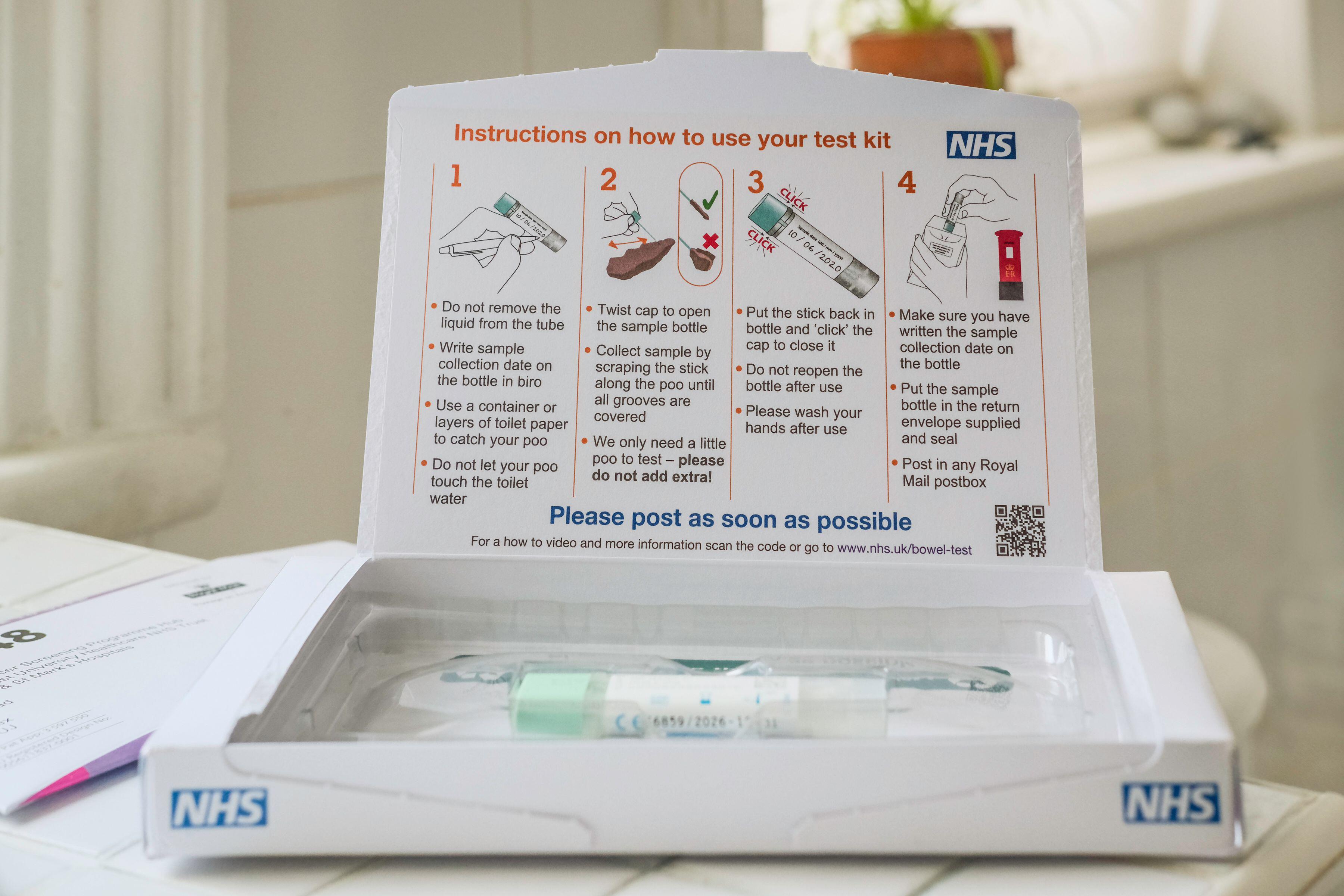
“GPs will often give patients a FIT kit (Faecal Immunochemical Test), which comes with all the instructions. Basically, an at-home kit to collect a small sample of your faeces that then goes off to the laboratory to be tested,” explains Clark.
You’ll usually get a letter telling you the results within two weeks of sending your sample, according to the NHS website.
The NHS offers at-home bowel cancer screening tests (PA)
People aged between 50 to 74 are also offered FIT kits every two years, regardless of their symptoms, as part of the national bowel cancer screening programme.
“If it comes back as positive, that means there is blood in your stools which needs to be investigated,” says Clark.
“You will be referred into your local unit to have a conversation with the team about having either a colonoscopy or a CT scan to check and make sure that there is nothing going wrong in your bowel and [there are] no signs of polyps or bowel cancer. By doing that we pick things up much earlier and they become much more treatable and curable.”
Americans eager for lower borrowing costs may have a long wait ahead of them.
The Iran war is complicating the picture for the Federal Reserve, which is set to meet on March 18 for its next interest rate decision. Economists had predicted the Fed would hold its benchmark rate steady on Wednesday, but many had penciled in a cut at the central bank’s next meeting in June.
Soaring oil and gas prices, sparked by the conflict in the Middle East, now have economists tearing up their forecasts. Higher energy prices could ripple through the economy, pushing up transportation costs, food prices and utilities, according to Wall Street analysts.
The specter of higher inflation poses a conundrum for policymakers, who face the challenge of ratcheting down inflation toward the Fed’s 2% annual target while also propping up a labor market that is showing signs of fatigue.
On March 13, the Fed’s preferred inflation gauge — the Personal Consumption Expenditures index — showed that consumer prices crept higher in January, a sign that costs continued to rise even before the Iran war’s impact on the energy sector.
What to expect on Wednesday
There’s a 99% probability that the Fed will hold its benchmark rate steady in a range of 3.5% to 3.75% on March 18, according to CME FedWatch, which bases its forecast on 30-Day Fed funds futures prices.
There’s now a 95% probability the Fed maintains the current range at its April 30 meeting and a 77% likelihood that it will hold steady in June, CME FedWatch says. A month ago, those probabilities stood at 70% and 31%, respectively.
No cuts in 2026 — or even a hike?
Rising energy prices since the outbreak of the Iran war have led a number of forecasters to rewrite their interest rate predictions, with some economists saying there’s a chance the Fed won’t make cuts this year.
“Given our higher headline and core PCE inflation forecast, we have revised our baseline to show only one 0.25-percentage-point rate cut in 2026, likely in December, but it is entirely plausible that the Fed won’t deliver any rate cuts this year,” EY-Parthenon chief economist Gregory Daco told investors in a report.
A few analysts even think the Fed could boost interest rates in 2026 to counter rising prices.
Rate hikes are the Fed’s most potent weapon against spiraling inflation. That’s because higher borrowing costs tamp down economic activity by making it more expensive for businesses and consumers to take out loans.
“An already large headache for the Federal Reserve is going to turn into an even larger one, and it’s likely the Fed will not cut rates in 2026 and may even start talking about rate hikes later this year,” said Sonu Varghese, chief macro strategist at financial advisory firm Carson Group, in an email.
Jobs flashing yellow
The Fed is also grappling with weaker hiring across the U.S., with employers shedding 92,000 jobs in February. That marked an unexpected downturn for the labor market as economists had expected an increase in job growth last month.
“The job market has softened over the past few years, and inflation is running higher than the Fed would like and will pick up even more in the near term,” PNC economist Gus Faucher told clients in a research note.
He added, “This could create a dilemma for the central bank — cut the fed funds rate to support the labor market and inflation could move even higher, or keep the fed funds rate where it is and risk further weakness in the labor market.”
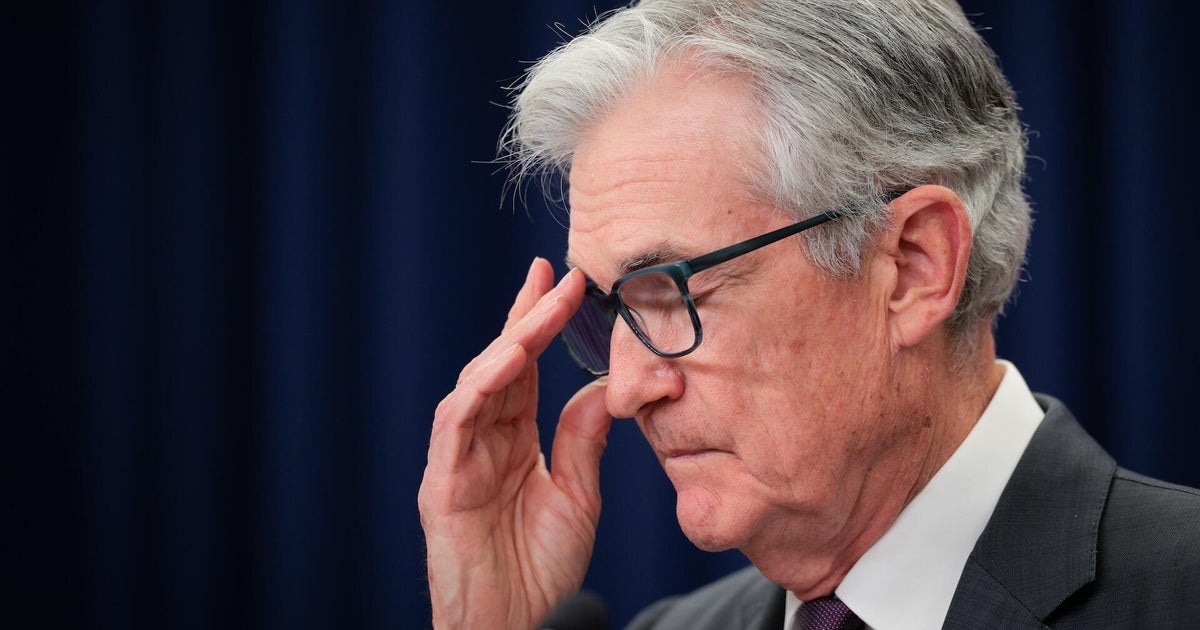
These crosscurrents could also complicate life for the next Fed chief. President Trump in January nominated former Fed official Kevin Warsh to succeed Jerome Powell as the central bank chair. Powell, who Mr. Trump has repeatedly admonished for what he sees as the Fed’s excessive caution in bringing down interest rates, is set to step down from his role in May.
But Warsh, who must still be confirmed by the Senate, could end up stepping in to lead the Fed amid mounting inflationary pressures, complicating his job.
“If and when Kevin Warsh is confirmed as Fed chair, he will first need to demonstrate that his policy views are grounded in economic fundamentals rather than political considerations,” EY-Parthenon’s Daco said.
Get your popcorn ready because this NCAA tournament could be one of the best in recent memory. The top seeds are elite programs with the potential to cut down the nets. The underdogs are dangerous, too.
The field also has undeniable star power. Top transfers such as Yaxel Lendeborg at Michigan and freshman stars (see: AJ Dybantsa, a candidate for the No. 1 pick in the 2026 NBA draft) are all in the same tier of teams this year, chasing the same dreams.
It’s a lot to consider. But we’re here to help.
Our annual NCAA tournament guide gives you the information you need to know about each team, pertinent information about any current issues that could impact their postseason, key injuries to note — and, finally, our projections on their ceiling.
We’re got enough to help the nerds and the newcomers to the NCAA tournament chaos make sense of everything.
Here is what you need to know about all 68 teams in the NCAA tournament.
All stats current through regular season unless otherwise noted. Odds by DraftKings Sports, subject to change.
Region: East Record: 32-2 Tournament ceiling: National championship (+300)
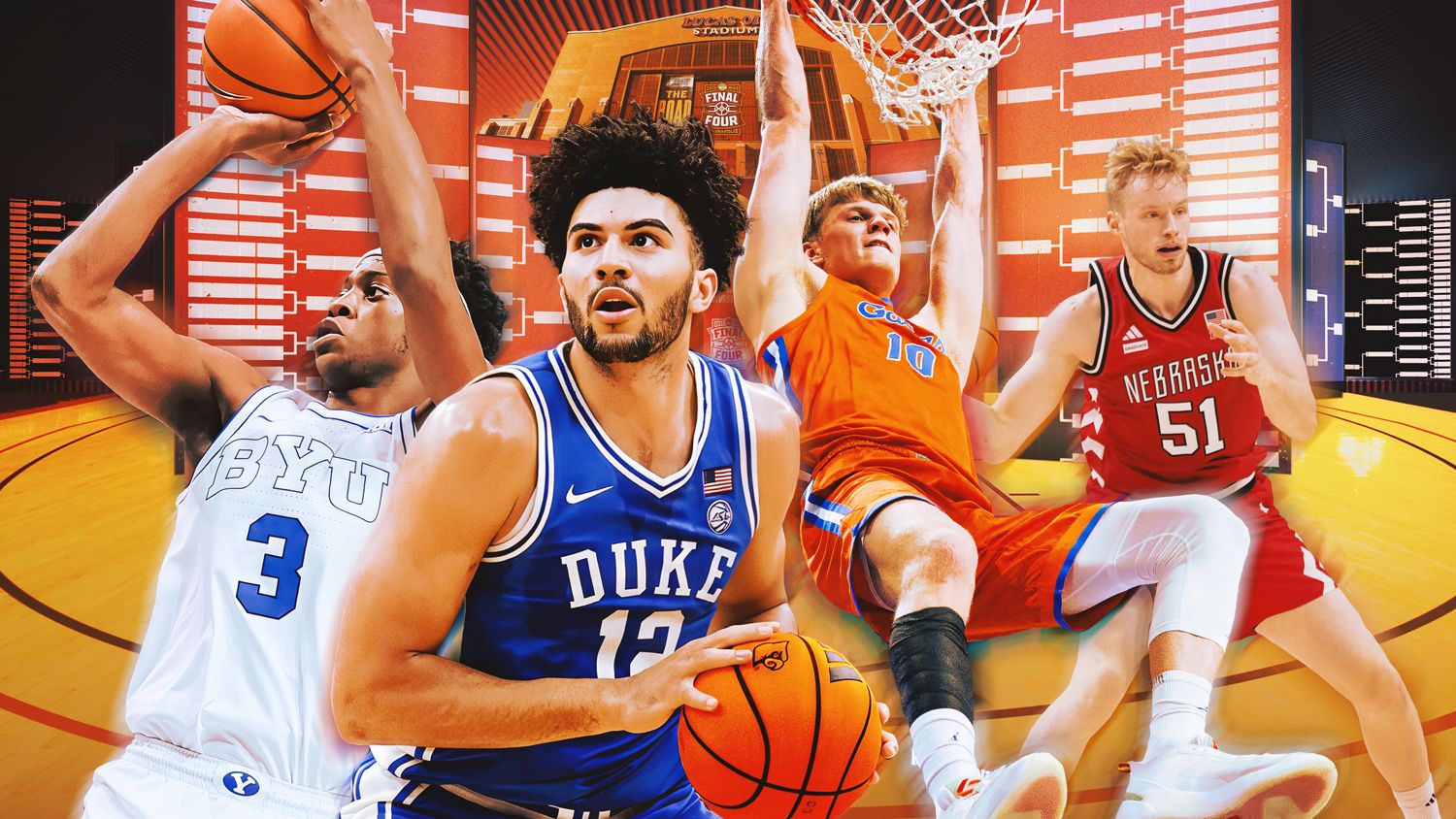
Cameron Boozer (22.7 PPG, 10.2 RPG, 41% from beyond the arc) is the national player of the year front-runner this season, poised to end the 2025-26 campaign with the highest offensive rating in KenPom history (since 2003-04). He is even better in most categories than last year’s winner, Cooper Flagg, who won the award by a landslide. He is not the only reason the Blue Devils captured a No. 1 seed — coach Jon Scheyer also developed the returning talent around his 6-foot-9, 250-pound star freshman. That said, guard Caleb Foster (8.5 PPG, 40% from beyond the arc), the third-most-impactful offensive player on the roster, per EvanMiya, will likely not see the court the rest of this season, after needing surgery on a fractured foot. Patrick Ngongba II (10.7 PPG, 6.0 RPG) is also dealing with a foot injury, although he is “hopeful” to return for the NCAA tournament. Those developments will put more pressure on Isaiah Evans (14.5 PPG) and Boozer’s twin brother Cayden Boozer (6.5 PPG) in the weeks ahead.
Region: West Record: 32-2 Tournament ceiling: National championship (+390)
The Wildcats won their first 23 games of the 2025-26 season, a byproduct of an unmatched depth to the roster: There are seven (!) players averaging at least 8.7 points this season. This astute and balanced pack is led by Big 12 Player of the Year Jaden Bradley (13.4 PPG, 4.6 APG) and Brayden Burries (16.0 PPG, 37% from beyond the arc), an All-Big 12 first-team selection. Since returning from injury, freshman Koa Peat (13.8 PPG, 5.3 RPG) has looked like the first-round pick he has been projected to be all season. And with an “Excellent” defensive rating, per Synergy Sports, Motiejus Krivas is one of the nation’s top defensive players, and the most critical element of the best defense in the Big 12. With wins over other juggernauts Florida, UConn, Alabama, Houston and Kansas, Arizona has all of the pieces to compete for the program’s — and the West Coast’s — first national title since 1997.
Region: Midwest Record: 31-3 Tournament ceiling: National championship (+360)
Michigan has overwhelmed opponents all season with one of the biggest lineups in America. Yaxel Lendeborg (6-9), Morez Johnson Jr. (6-9) and Aday Mara (7-3) form one of the nation’s tallest frontcourts. Head coach Dusty May has big guards, too, with Nimari Burnett, Roddy Gayle Jr. and Trey McKenney all 6-4 or taller. The combination of a physically imposing roster, and the team’s overall talent, has made the Wolverines a serious national championship contender. Lendeborg (14.3 PPG, 7.3 RPG, 1.4 BPG) is a projected lottery pick in this summer’s NBA draft, and he is a top two-way threat. Entering the Big Ten tournament, he led a Michigan squad that was in the top five in both offense and defense, made 59% of its shots inside the arc and connected on 37% of its 3-point attempts since Jan. 14, per BartTorvik. The Wolverines lost just two games during the regular season (to Wisconsin and Duke on a neutral court) by eight points combined. Beyond those blemishes — and the late-season injury to L.J. Cason, which impacts their point guard depth chart behind Elliot Cadeau — they have been nearly flawless.
Region: South Record: 26-7 Tournament ceiling: National championship (+750)
Coach Todd Golden lost his entire starting backcourt from last year’s national championship team, which meant this season’s roster needed some time to bond early on. The Gators found their rhythm and as a result ended the regular season on an 11-game winning streak. A reserve on that title team, Thomas Haugh (17.2 PPG, 6.1 RPG) is now a projected lottery pick and SEC Player of the Year contender. Rueben Chinyelu (11.4 PPG, 11.7 RPG, 1.1 BPG) is in pursuit of national defensive player of the year honors. Alex Condon (14.8 PPG), Xaivian Lee (11.6 PPG, 4.2 APG) and Boogie Fland (11.6 PPG, 1.9 SPG) are also key players for the No. 2 team in America — that also shot 59% from 2 and 38% from 3 — behind Duke during that 11-game winning streak, per BartTorvik.
2-seeds
Region: East Record: 29-5 Tournament ceiling: National championship (25-1)
John Wooden (1972, 1973, 1975) was the last coach to win three national titles in four years. Dan Hurley will aim to do the same thing this year. Alex Karaban (12.9 PPG, 40% from beyond the arc) is the only holdover from the Huskies’ 2023 and 2024 championship teams. But this group, which won 18 straight games earlier this season, has a similar ceiling to those teams. These Huskies are relying on their experience to help get there, with upperclassmen Silas Demary Jr. (11.1 PPG), Solo Ball (13.9 PPG) and Tarris Reed Jr. (13.8 PPG, 8.0 RPG, 2.1 BPG). Freshman Braylon Mullins competes like a player beyond his years — which is why he could end up in the NBA next year. While this team has hit a few speedbumps (see: losses to Creighton and Marquette) in recent weeks, make no mistake: Hurley’s team is still one of the most dangerous squads in the field.
Region: West Record: 27-8 Tournament ceiling: Final Four (+360)
The return of Braden Smith, a first-team AP All-American last year, boosted the buzz around the preseason No. 1 Boilermakers. And they lived up to it, beginning the year 17-1 with wins over Alabama and Texas Tech. But then came a troubling collapse in the final weeks of the regular season. Purdue went 6-7 in its final 13 games as the schedule became more difficult. That said, coach Matt Painter’s team has a top-three offense nationally, making 39% of its 3-point attempts in the regular season. Smith (14.9 PPG, 8.7 APG) is an All-America candidate again, and Fletcher Loyer (13.6 PPG, 42% from beyond the arc) is simply one of the nation’s best shooters. If the Boilermakers play with the same No. 20 defense that fueled that 17-1 start and avoid the No. 88 defense that lost them those seven games down the final regular-season stretch, they can make a run in March.
Region: Midwest Record: 27-7 Tournament ceiling: National championship (15-1)
The Cyclones’ regular season is the equivalent of a fantastic movie that ended on a mysterious cliffhanger. Through Feb. 7, they had lost just two games and earned wins over top teams St. John’s and Purdue. But then, they won just four of their next eight — even if two of those four wins came against Kansas and Houston. At their best, they’re one of America’s most imposing and balanced teams. They play top-10 defense. They boast one of the nation’s most impressive trios in the country. Milan Momcilovic (17.0 PPG, 50% from beyond the arc) is one of the greatest 3-point shooters in recent memory, Tamin Lipsey (13.3 PPG, 5.0 APG) is on the short list for best point guards in the country, and Joshua Jefferson (16.6 PPG, 7.4 RPG, 5.0 APG) is an All-America candidate. During the team’s 4-4 slide, however, its offensive efficiency slipped to 84th in the country. The Cyclones are, at times, a beautiful mess.
Region: South Record: 28-6 Tournament ceiling: National championship (10-1)
Months after his Cougars fell short in the national title game, coach Kelvin Sampson added perhaps the most talented player he has coached at Houston. Kingston Flemings (16.5 PPG, 5.4 APG, 38% from beyond the arc) is a 6-4 freshman point guard who is also a projected draft lottery pick. His 42-point effort in a loss to Texas Tech was a school record for a freshman, and he is one of the brightest stars Sampson has coached. This year’s team isn’t the great 3-point shooting team (34.5%) of last year (39%), even with Emanuel Sharp (15.8 PPG), Milos Uzan (11.5 PPG) and reigning Big 12 Defensive Player of the Year Joseph Tugler (8.0 PPG, 5.2 RPG, 1.5 BPG) back. But, led by Flemings, the Cougars are offensively the third-best team in the nation in turnover rate per KenPom. In fact, Flemings could be the difference-maker if Houston finds its way back to the Final Four.
3-seeds
Region: East Record: 25-7 Tournament ceiling: Final Four (+700)
This Michigan State squad has the same toughness and tenacity as the eight teams coach Tom Izzo has previously led to the Final Four. These Spartans don’t have one player listed in ESPN’s latest NBA mock draft. That hasn’t stopped them from securing big wins over Arkansas, Kentucky, North Carolina, Purdue and Illinois. Michigan State wins off second-chance opportunities (it is seventh nationally in offensive rebounding rate) and a top-10 defense. Jeremy Fears Jr. (15.5 PPG, 9.1 APG, 1.3 SPG) has made a case to be America’s best point guard, as well as the nation’s most improved player. Behind him, the Spartans have four players who are averaging double figures, and a deep bench with four others who average at least 15 minutes a game. They might not show up in “SportsCenter’s” highlights, but the Spartans can hold their own against most of the teams in the field.
Region: West Record: 30-3 Tournament ceiling: Final Four (65-1)
Before Braden Huff (17.8 PPG, 5.6 RPG) suffered a knee injury in mid-January that cost him the rest of the regular season, Gonzaga was ranked 14th in adjusted offensive efficiency. The Zags dropped to 68th overall without him. Yet, they’ve continued to play elite defense, ranking eighth in the country. Graham Ike (19.7 PPG, 61% inside the arc) has had another stellar season in Spokane, making 69% of his shots inside the arc and holding opposing players to a 49% clip on the same shots, per Synergy Sports. And luckily, the Zags found a way to navigate WCC play without Huff. Tyon Grant-Foster has stepped up on both ends of the floor. Mario Saint-Supery and others have found pivotal roles for this team too. If Huff returns for the NCAA tournament — he was walking without crutches during the WCC tournament — Gonzaga could be a Final Four sleeper.
Coach Ryan Odom quickly put his stamp on Virginia basketball in his first season, with a system that relies on a lot of 3s (46.8% of Virginia’s overall field goal attempts this season), second-chance points (sixth in the nation in offensive rebounding rate) and an elite defense (held ACC opponents to a 46% clip inside the arc, No. 1 in the league). It’s a big change from a year ago, when the program was trying to recover from Tony Bennett’s shocking retirement in October 2024. It is clear the Cavaliers have done just that, and more. Odom is a national coach of the year candidate. In the recruiting landscape, he landed Thijs De Ridder, a freshman star from Belgium who is one of seven Virginia players averaging at least 8.3 PPG. The Cavaliers might not have wins over the top contenders in college basketball, but they finished 11-1 down the stretch of the regular season, showing they can compete with much of the field.
Region: South Record: 24-8 Tournament ceiling: National championship (19-1)
Keaton Wagler (17.9 PPG, 4.9 RPG, 4.3 APG, 41%) was once an off-the-radar prep player in Kansas entering the season. Now, he is poised to potentially make millions in the NBA. He has developed into a Big Ten star, and the catalyst for coach Brad Underwood’s squad, which had lost three of its top-five scorers last offseason. He leads the best offense in the country, scoring 46 points in a win over Purdue in January and helping the Illini weather a seven-game stretch without star Kylan Boswell (13.3 PPG), who suffered a hand injury. Overall, Illinois has scored 80 or more points in 11 Big Ten games this season. It has also been ranked No. 41 in adjusted defensive efficiency over the past month. Teams outside the top 25 in defensive efficiency rarely win national titles, but don’t discount that combination of having one of the sport’s best players and the nation’s top offense. Besides, in nine of the last 10 NCAA tournaments, the nation’s best offensive team advanced to the Elite Eight — or beyond.
4-seeds
Region: East Record: 23-10 Tournament ceiling: Elite Eight (+650)
The drama out of Lawrence was better than any reality show on Bravo this year. Darryn Peterson (19.9 PPG, 39% from beyond the arc), the projected No. 1 pick in the NBA draft, missed 11 games and long stretches of others due to multiple injuries and cramping. The uncertainty of whether he would play or not created chemistry issues with a roster that has managed to win both with and without (see: handing Arizona its first loss of the season) him. He did play in the final seven games of the regular season, registering 30 or more minutes in five, but the Jayhawks still finished 3-4 in that stretch, ranking 100th in adjusted offensive efficiency and 38th in adjusted deficiency, per BartTorvik. The bright spot? Outside of that seven-game period, Kansas was a top-10 defensive team, led by Melvin Council Jr. and national defensive player of the year candidate Flory Bidunga. So, the Jayhawks could go home after the first round — or make it to Indianapolis.
Region: West Record: 26-8 Tournament ceiling: Final Four (11-1)
John Calipari has seen the most success in his career when his teams have had superstar point guards with NBA futures. He reached the national title game with Derrick Rose at Memphis (2008). He made a pair of runs to the Elite Eight with John Wall (2010) and De’Aaron Fox (2017) running the show at Kentucky. Shai Gilgeous-Alexander looked like a future star by the end of his lone college season (2017-18). That history matters because Darius Acuff Jr. (22.2 PPG, 6.4 APG, 44% from beyond the arc) is having the best season a point guard has ever had under Calipari: He’s just the second Division I freshman over the past 20 seasons, after Trae Young, to have three regular-season games with 20-plus points and 10-plus assists, per ESPN Research. And with him in charge, the Razorbacks have hit the 100-point mark in four games this season.
Region: Midwest Record: 23-9 Tournament ceiling: Final Four (22-1)
You’ll remember Alabama made headlines this season for signing G League standout Charles Bediako — a former player for coach Nate Oats from 2021 to 2023 and the first player to turn pro and then return to college. The experiment lasted just five games before a judge ended it. But the controversy underscored the defensive challenges Oats has navigated all season: The Tide were 61st in adjusted defensive efficiency before Bediako joined the team; during his brief stint, they fell to 101st. It also overshadowed the prolific offensive output few programs can match. Entering Selection Sunday, Alabama leads the nation in scoring at 91.7 PPG. During the regular season, the team scored 90 or more points against eight top-50 KenPom teams. Projected lottery pick Labaron Philon Jr. (21.5 PPG, 4.8 APG, 39% from beyond the arc) and Aden Holloway (16.8 PPG) guide this high-powered offense, which also plays at the fourth-fastest pace in the country. The good news for Tide fans in all this: By the end of the regular season, Alabama was also one of the hottest teams in America, winning nine of its final 10 games before the SEC tournament.
Region: South Record: 26-6 Tournament ceiling: Final Four (11-1)
Yes, the Nebraska Cornhuskers. No, we didn’t make a mistake. Yes, we’re talking about basketball. The 1990s and 2000s football powerhouse has rarely been viewed as an elite hooping school — until now. More than 70 years after his grandfather was hired to coach the team, though, Fred Hoiberg became just the second coach in school history to lead it to two NCAA tournament appearances in three years. But this isn’t just a feel-good story. The Cornhuskers were the best defensive team in Big Ten play, forcing turnovers on nearly one-fifth of their opponents’ possessions. They have wins over Illinois and Michigan State. Opposing teams made just 30% of their 3-point attempts against them. To go along with that collective prowess, Pryce Sandfort (17.9 PPG, 40% from beyond the arc) leads a trio of players averaging double figures.
5-seeds
Region: East Record: 28-6 Tournament ceiling: Final Four (+900)
Last season, St John’s appeared on “The Tonight Show Starring Jimmy Fallon” after becoming the apple of New York City’s eye with a run to the Big East regular-season and conference tournament titles. Rick Pitino, one of the few coaches in college basketball who can pull off an all-white suit on the sidelines, reloaded again this year with new pieces to support Zuby Ejiofor (16.0 PPG., 7.1 RPG). And so far, it’s working again. The Johnnies won their second straight Big East regular-season crown and finished the year with a 16-1 record in their final 17 regular-season games — a rally that included a win over UConn. The Red Storm committed turnovers on just 12.5% of their offensive possessions (12th in the nation) during that stretch too. Right now, Pitino has a team with the Big East’s best defense, and the same momentum that led to national TV appearances and citywide adoration last year.
Region: West Record: 24-10 Tournament ceiling: Elite Eight (+550)
At the top of Wisconsin’s résumé are three of the best wins in college basketball this season: at Michigan (Jan. 10), at Illinois (Feb. 10) and vs. Michigan State (Feb. 13). Let this sink in: The Badgers handed the top-seeded Wolverines the first of their two regular-season losses. They hit 16 3-pointers in their overtime win against the Fighting Illini. And they beat the Spartans by 21 points — the most lopsided loss of the year for Tom Izzo’s team. The Badgers are led by a player with experience in postseason clutch moments: Nick Boyd, then at Florida Atlantic, hit the game winner against Memphis in the first round on the way to taking the Owls to the Final Four in 2023. He, along with John Blackwell (18.3 PPG) and Nolan Winter (13.3 PPG, 8.6 RPG), will enter the NCAA tournament as leaders of a team with a lot of bravado from facing some of the best teams in the field — and beating them.
Last year, JT Toppin (18.2 PPG, 9.4 RPG, 1.5 BPG in 2024-25) was a second-team AP All-American. The 6-9 forward was even better this season — 21.8 PPG, 10.8 RPG, 1.7 BPG — before suffering a season-ending ACL injury. With him, Tech was ranked 24th in adjusted defensive efficiency, per BartTorvik, but dropped to 119th after his injury. All is not lost, though. Christian Anderson (19.2 PPG, 7.8 APG, 43% from beyond the arc) is a legit NBA prospect who has carried the team in Toppin’s absence. Senior Donovan Atwell has stepped up, averaging 19.6 points in the final five games of the regular season. The Red Raiders are a top-10 3-point shooting team (40%), too. They’re still a respectable team without Toppin, boasting wins against Duke, Houston and Arizona on the résumé. Their margin for error, however, is much smaller now.
Region: South Record: 26-8 Tournament ceiling: Elite Eight (+450)
Tyler Tanner, a 6-foot guard, didn’t start a single game last season. He’s now a projected first-round pick after a year for the ages (19.2 PPG, 38% from beyond the arc), in which he led Vanderbilt to a 16-0 start and its second consecutive NCAA tournament berth. This group has wins against Alabama and in-state rival Tennessee. The Commodores did go 8-7 to end the regular season, but keep in mind that was against the toughest portion of their SEC schedule. And, star 6-2 guard Duke Miles (15.9 PPG, 4.2 APG) missed six of those games with a knee injury. He’s back, and while the Dores have played a sub-100 defense since, they’re also a top-25 offensive squad. Crucially, Miles and Tanner combined for 38 points in that regular-season win on the road against the Volunteers.
6-seeds
Region: East Record: 23-10 Tournament ceiling: Sweet 16 (+360)
The biggest news for Louisville? The back injury that cost Mikel Brown Jr. 10 games in the regular season is still an issue. The 6-5 freshman guard is key for the Cardinals, scoring 45 points in a win over NC State last month and 20 or more in eight other games. When he has been off the floor, though, Pat Kelsey’s team has still found ways to win. During a one-month stretch without Brown from Dec. 16 to Jan. 17, Louisville was a top-15 offensive team that made 61% of its shots inside the arc, per BartTorvik. The Cardinals can thank Ryan Conwell (18.7 PPG), the 6-4 transfer from Xavier, for that. Louisville doesn’t have any wins over the top teams it might see in March. But a healthy Brown, who also missed the final two regular-season games, would at least increase the possibility of a Cardinals run.
Region: West Record: 23-11 Tournament ceiling: Sweet 16 (+425)
After last season’s run to the Sweet 16, Kevin Young envisioned a 2025-26 squad led by sharpshooter Richie Saunders, five-star freshman AJ Dybantsa and top point guard Robert Wright III. And it looked like it might happen: The Cougars were seventh in adjusted offensive efficiency. Until, that is, Saunders suffered a season-ending knee injury in February. The Cougars fell to ranking 28th the rest of the regular season, and 177th on the defensive side. They couldn’t avoid the ensuing unraveling, finishing 9-9 in the Big 12 after beginning league play 4-0. But they still have Dybantsa, who led the nation in scoring as a freshman. Beginning with a 43-point effort in a win over rival Utah on Jan. 24, Dybantsa finished the regular season with 28 or more points in seven games. The third player in Young’s trio, Wright, averaged 22.4 PPG in the final eight games of the regular season too. It all points to the Cougars entering the NCAA tournament led by one of the best offensive players in recent memory. Teams have won national titles with lesser stars.
Before he suffered a knee injury toward the end of the regular season, Nate Ament was playing his best basketball — and his team had also hit its stride. When the Vols went 8-2 over a 10-game stretch in SEC play, the 6-10 forward and projected lottery draft pick averaged 22.4 PPG. He stepped up after underwhelming in the first half of the season, with Rick Barnes saying in late November that he needed his star freshman to be more aggressive and live up to the hype as one of America’s top recruits. But this squad isn’t a one-man band. Ja’Kobi Gillespie (18.0 PPG, 5.6 APG) is one of the top transfers in the country. The Vols are also the nation’s top offensive rebounding team, and they finished second in defensive efficiency in the SEC. If Ament is good to go, Tennessee — which owns wins over Houston, Louisville, Alabama and Vanderbilt — can compete with any team.
Region: South Record: 24-8 Tournament ceiling: Sweet 16 (+600)
It has been a long month for Tar Heels fans. Caleb Wilson (19.8 PPG, 9.4 RPG), one of the greatest freshmen in UNC history, suffered a right thumb injury on a dunk only hours after being cleared to return to practice following a left hand injury. If there is a silver lining, it’s that the Tar Heels were forced to learn to play without the projected top-five draft pick. Arizona transfer Henri Veesaar averaged 16.2 PPG in their last five regular-season games, which resulted in just one loss. They were also a top-50 defensive team. They’re not a better team without Wilson, who is the heart and soul of this group. But it’s a good sign that they didn’t completely fall apart.
7-seeds
Region: East Record: 23-11 Tournament ceiling: Sweet 16 (+200)
One of the most coveted transfers in the portal, Los Angeles native Donovan Dent chose to return to his hometown after three seasons at New Mexico to play in front of family and friends. And initially, it seemed as if he had made the wrong choice. The shots weren’t falling (26% from beyond the arc) and the Bruins were fighting to get off the bubble. But he reversed course late in the year, salvaging his season and helping the Bruins earn their fifth bid in the past six seasons. Entering the Big Ten quarterfinals, he had averaged 15.8 PPG (53% from the 3-point line) and 11.0 APG, with only four turnovers, in seven games. UCLA was 6-1 in those matchups.
Region: West Record: 25-8 Tournament ceiling: Round of 32 (-135)
In his first season in Coral Gables, Jai Lucas won 25 games a year after the Hurricanes finished 7-24. It’s one of the best turnarounds in Division I basketball. Despite struggling against most of the best opponents on their schedule, the Hurricanes earned key wins over North Carolina and Louisville and finished third in the ACC. They were also top five in offensive and defensive efficiency in the ACC. Like his coaching peers, Lucas mined the transfer portal to assemble his team. His development of Indiana transfer Malik Reneau (19.2 PPG, 6.6 RPG, 59% inside the arc) was the foundation of his first-year success.
When he was introduced as head coach in 2024, former Kentucky standout Mark Pope acknowledged that the program wouldn’t be content without a national championship. The Wildcats reportedly spent over $20 million this year to try to make that happen. They retained Otega Oweh, the SEC’s preseason Player of the Year, and added players like Florida transfer Denzel Aberdeen. The result? A lackluster season overall and a 4-6 record in their final 10 games entering the NCAA tournament — even if three of those losses came against Florida. They haven’t looked like a focused, determined team in more than a month, and they’re ranked 83rd in adjusted offensive efficiency since March 3. But they also have wins over St. John’s, Tennessee (twice), Arkansas and Vanderbilt.
Region: South Record: 27-5 Tournament ceiling: Sweet 16 (+360)
For years, Saint Mary’s has held its own against Gonzaga in the race for the WCC crown. This year, the Gaels shared the regular-season title with their greatest rivals, marking four straight years of doing that or winning the WCC outright. And they did it with the same top players who were on Randy Bennett’s roster last year. Their collective improvements — from 32.2% from 3 last year to 39% this year — played a key role. Paulius Murauskas (18.8 PPG) is one of the most underrated players in the country. Mikey Lewis has averaged 22.6 points in his last five games. And the Gaels are 28.3 points per 100 possessions better when Joshua Dent is on the court, per EvanMiya.
8-seeds
Region: East Record: 21-12 Tournament ceiling: Sweet 16 (+550)
That phrase “It’s not how you start, it’s how you finish” is basically the motto for the Buckeyes. On Feb. 25, they were squarely on the bubble with a 9-8 record in the Big Ten, having lost five of their previous nine games. But Jake Diebler’s team saved its best for last, winning four in a row — including a victory over Purdue — ahead of its Big Ten tournament quarterfinal loss to Michigan. Since Feb. 26, Bruce Thornton has averaged 21.8 PPG and the Buckeyes have made 62% of their shots inside the arc and 44% of their 3-point attempts, both top-10 marks. If these are the real Buckeyes, their first opponent in the NCAA tournament could be running into a buzz saw.
Region: West Record: 24-8 Tournament ceiling: Round of 32 (+120)
Acaden Lewis (12.3 PPG, 5.3 APG) may not be at the top of NBA mock draft boards or as popular as some of his fellow stellar freshmen this season, but he has had a major impact on his team. In Kevin Willard’s first season at the helm of Villanova, Lewis, Tyler Perkins, Duke Brennan, Bryce Lindsay and Devin Askew have averaged double figures for a team that was top four in offensive and defensive efficiency in Big East action. That includes 14 double-doubles for Brennan (12.4 PPG, 10.3 RPG). This group is responsible for the program’s first NCAA tournament appearance since Jay Wright reached the Final Four in his final season of coaching four years ago.
The last time the Bulldogs made back-to-back NCAA tournament appearances, Nickelback had a chart-topping hit. Mike White’s squad’s hard-fought berth this year is the result of a top-15 offense, excellent efforts in big wins over Arkansas, Kentucky and Alabama and consistent leadership from guard Jeremiah Wilkinson (17.0 PPG, 1.6 SPG). With Wilkinson on the court, the team has registered a strong 122 points per 100 possessions. His supporting cast has also surged in recent weeks. Blue Cain has made 45% of his 3-point attempts since Feb. 7. Kanon Catchings, a top-50 recruit in the 2025 class, scored 32 points in a win over Alabama on March 3.
Region: South Record: 24-10 Tournament ceiling: Round of 32 (-110)
Brad Brownell knows how to regroup after losing his best players. Two offseasons ago, he had to hit the reset button after losing key pieces of 2023’s Elite Eight squad. Last offseason, he had to find a way to make up for losing the top five scorers from a 5-seed roster. He was successful, as he had Clemson playing a top-20 defense and forcing turnovers on 19% of ACC opponents’ possessions, per KenPom. The Tigers also won with depth more than star power. RJ Godfrey (11.8 PPG, 5.3 RPG), who played his first two seasons at Clemson before transferring to Georgia and returning this year, leads seven other players averaging at least 6.1 PPG.
9-seeds
Region: East Record: 22-11 Tournament ceiling: Sweet 16 (16-1)
Jamie Dixon’s group beat Florida at the Rady Children’s Invitational in November, long before the Gators hit their stride. The Horned Frogs also defeated Wisconsin, Iowa State and Texas Tech — good enough to overshadow a 6-7 record through their first 13 Big 12 games. Then they won six games in a row — a stretch during which five different players led the scoring — before the league tournament quarterfinal loss to Kansas. David Punch (14.3 PPG, 6.7 RPG, 2.0 BPG) & Co. have also played top-25 defense this season, forcing turnovers on one-fifth of opponents’ possessions in their past seven games. Collectively, they’re an intriguing group with quality wins that suggest a higher ceiling than their overall record may indicate.
Region: West Record: 28-6 Tournament ceiling: Sweet 16 (10-1)
According to Synergy Sports, the shot chart for Mason Falslev is green — meaning “Excellent” — in eight of the 11 zones listed. Translation: The 6-3 guard is one of the most versatile offensive threats in the NCAA tournament. He can do it all, averaging 16.1 PPG, 5.8 RPG, 3.0 APG, 2.0 SPG and 42% from beyond the arc. It’s not a one-band at Utah State though, which is going dancing for a fourth consecutive year. Saint Louis transfer MJ Collins Jr. had recorded 14 20-plus point games entering Saturday’s Mountain West Conference title game matchup against San Diego State. And Drake Allen had a 3.6-to-1 assist-to-turnover ratio over an eight-game stretch.
The Billikens have been on a wild ride in recent weeks. With 6:59 to play in their Atlantic 10 tournament quarterfinal matchup against George Washington, they were down 36-15 before storming back to win. It’s just one example of this group being on the brink of defeat. Saint Louis went 3-3 in its six games entering the conference tournament, losing those three games (to Rhode Island, Dayton and George Mason) by a combined 49 points. And yet, before that, it had gone 24-1. Don’t count the Billikens out, though. They’re making 40% of their 3-point attempts and 59% of their shots inside the arc. Robbie Avila (12.9 PPG, 4.4 RPG, 4.1 APG, 43% from beyond the arc) is A-10 Player of the Year and one of five players on the roster averaging double figures. That seems more important than a lukewarm finish.
Region: South Record: 21-12 Tournament ceiling: Round of 32 (-142)
The Ben McCollum-Bennett Stirtz pairing is on its third team in three years — and has reached the NCAA tournament in all three. McCollum coached Stirtz — who made the all-MIAA second team in 2024 — at Division II Northwest Missouri State, which made it to the D-II NCAA tournament’s Sweet 16. Last season, they both moved up to Division I at Drake, which won the Missouri Valley Conference tournament and upset Missouri in the opening round of the NCAA tournament. This season at Iowa, they’ve proved they can compete at any level, with Stirtz averaging 20.0 PPG, 4.5 APG and 1.5 SPG while making 38% of his 3-point attempts. They now have the Hawkeyes back to the NCAA tournament for the first time since 2023. In case you missed it: They’ve won at least one NCAA tournament game together at every stop.
10-seeds
Region: East Record: 21-11 Tournament ceiling: Round of 32 (+185)
Home wins over Kansas (Jan. 3) and Texas Tech (Jan. 31) gave UCF key victories to earn its first NCAA tournament appearance since 2019. That year, the Knights advanced to the second round before losing to Duke by a point in a thriller. This year, they have the goods to advance, though. Since returning from an undisclosed injury, 6-5 wing Riley Kugel (14.7 PPG, 40% from beyond the arc) scored 15 points in UCF’s 66-65 overtime victory against Cincinnati in the opening round of the Big 12 tournament — the win that solidified the team’s push into the field. What’s more, the Knights have seven wins over top-50 KenPom teams on their résumé, too. Few bubble teams can match that.
Region: West Record: 20-12 Tournament ceiling: Round of 32 (+114)
Consistency was the biggest problem for Dennis Gates’ team this year. The Tigers beat Kentucky and Florida in early January but then lost four of their next six games. They won three in a row after that but then lost four of their last seven entering the SEC tournament. They’re a shorthanded roster that has endured multiple injuries, so their success in March will depend on the continued effectiveness of 6-9 standout Mark Mitchell (17.9 PPG, 5.2 RPG), as well as whether his supporting cast can contribute each night. For example, in the past seven regular-season games in which T.O. Barrett scored 10 or more points, Missouri went 6-1. Gates will need that production, and then some, to advance.
Region: Midwest Record: 26-8 Tournament ceiling: Round of 32 (+136)
Herb Sendek, who began his coaching career at Miami (Ohio) in 1993, is on a very short list of coaches who have taken four different Division I programs to the NCAA tournament. And this run may be the most impressive of the 63-year-old veteran’s career. The last time the Broncos went to the tournament, Steve Nash — yes, that two-time NBA MVP — was on the roster. That was 30 years ago. This season’s star is a 6-9 freshman center named Allen Graves (11.6 PPG), one of the most versatile players in America. He has made 62% of his shots around the rim and 41% of his 3-point attempts. And he was the X factor for the WCC’s best offense — yes, even better than that of league juggernauts Saint Mary’s and Gonzaga.
Region: South Record: 21-11 Tournament ceiling: Round of 32 (+114)
An 83-63 loss to Oklahoma early in the SEC tournament was a blemish to a mostly surprising season for the Aggies. Picked to finish 13th out of 16 teams in the SEC’s preseason poll, they finished the regular season in a fourth-place tie with Vanderbilt and Tennessee. This, despite Bucky McMillan having just one player on the roster when he took over last offseason. A&M beat the midtier SEC teams (Texas, Georgia, Kentucky) to strengthen its résumé. It also turned to its depth after Mackenzie Mgbako, who averaged 12.2 PPG at Indiana before transferring, was limited to just seven games this season due to a foot injury. It’s why McMillan was an early candidate for national coach of the year. Set aside the late-season slide; this team has exceeded preseason expectations in his first year.
11-seeds
Region: East Record: 25-8 Tournament ceiling: Round of 32 (+205)
Former Arkansas State coach Bryan Hodgson is one of the hottest candidates for high-major jobs after leading USF to the American tournament title and its first NCAA tournament berth since 2012. His best recruit for this team was Izaiyah Nelson (15.8 PPG., 9.7 RPG, 1.3 BPG), who came with him from Arkansas State. Nelson has held his own against the top opponents peppered across South Florida’s schedule. He had a double-double in a win over Utah State and finished with 25 points in a 104-93 loss to Alabama in mid-December. He’s arguably the best mid-major player in the country right now.
Region: West Record: 18-14 Tournament ceiling: Round of 32
Sean Miller’s first season at Texas wasn’t always smooth, but it did provide some of the year’s best sound bites. Most recently, he said after a loss to Florida that his team had a “virus called fouling.” After a second, lopsided loss to the Gators, he said his players had given up “300 points.” And yet, the 16th-best team in the nation in adjusted offensive efficiency did enough to capture an NCAA tournament berth. It must be pointed out that the Longhorns played one of America’s toughest schedules this season. They didn’t get an abundance of quality wins out of it, but back-to-back wins over Alabama and Vanderbilt in January probably made the difference on Selection Sunday. On the court, look for Dailyn Swain (17.8 PPG, 7.6 RPG), Texas’ 6-8 powerful guard who will present problems for any opposing team.
Region: West Record: 20-13 Tournament ceiling: Round of 32
In his first season at NC State, Will Wade landed some of the top transfers in last offseason’s portal, including former Texas Tech star Darrion Williams (14.0 PPG). Williams, along with North Carolina transfer Ven-Allen Lubin (13.7 PPG, 7.1 RPG) and McNeese transfer Quadir Copeland (13.7 PPG, 6.6 APG), were the Wolfpack’s top three scorers, sparking an offensive prowess that was a key element of their 9-2 start to the season. Ultimately, it was defensive vulnerabilities — State ranked 272nd in adjusted defensive efficiency over the past month, per BartTorvik — that led the team to a 1-6 finish in the regular season. That said, Wade did more with less a year ago when he took McNeese to the second round. He’s coaching a Wolfpack team that was fifth in offensive efficiency in ACC play, and he has the personnel to score an early upset. As long as those defensive gaps don’t ruin those dreams.
Region: Midwest Record: 31-1 Tournament ceiling: Round of 32
The most polarizing team in the field, the RedHawks not only earned an at-large berth, they also bumped another bubble team out of the field. With a 31-0 record in the regular season, they joined 2013-14 Wichita State, 2014-15 Kentucky and 2020-21 Gonzaga as the only teams in recent college basketball history to finish a regular season undefeated. Pete Suder (14.8 PPG, 42% from beyond the arc) returned to lead a roster that made 38% of its 3-point attempts and 62% of its shots inside the arc. And the perfect season only ended when Miami (Ohio) lost to UMass in the quarterfinals of the MAC tournament. That loss, however, highlighted a reality that has haunted this team all year: Travis Steele’s team has had a bunch of close calls. That UMass loss was the RedHawks’ 10th game this season that involved a final margin of four points or less, overtime — or both. They had won the previous nine games under those circumstances.
Region: Midwest Record: 20-13 Tournament ceiling: Round of 32
In SMU’s second year in the ACC, second-year head coach Andy Enfield has led the Mustangs to the NCAA tournament for the first time since 2017. His team is top 25 nationally in adjusted offensive efficiency and finished as the No. 3 offense in the ACC behind only Duke and Louisville. The Mustangs also have wins over Texas A&M, North Carolina and Louisville. Boopie Miller (19.2 PPG, 41% from beyond the arc) not only has one of the best names in the field, he’s also one of the NCAA tournament’s top players. That’s the good news. Even better: third-leading scorer B.J. Edwards (12.7 PPG) will return for the NCAA tournament after suffering an ankle injury against Cal on Feb. 25. Without him, the Mustangs lost their final four regular-season games. They need him on the floor.
Region: South Record: 27-7 Tournament ceiling: Round of 32 (+136)
Phil Martelli Jr. has now taken a second team to the NCAA tournament in his third year as a Division I head coach. Last season, he led Bryant to its second appearance as a D-I school. The Rams are now up to three bids in four years — this last one by a hair under the first-year head coach. They were 13-1 in their final 14 games entering the Atlantic 10 tournament. Attached to that streak is the growth of Serbian forward Lazar Djokovic (13.8 PPG, 1.3 BPG, 37% from beyond the arc), who serves as a foundation for the group. Per EvanMiya, VCU is 10.3 points per 100 possessions better with the 6-11 star on the floor. The team will need him to play to his potential to have a chance to advance.
12-seeds
Region: East Record: 23-12 Tournament ceiling: Round of 64
Ben Jacobson finally found the stroke of luck that has eluded his team for years. The Panthers finally won the Missouri Valley tournament, and they are headed to the NCAA tournament for the first time in a decade. They had won the league’s regular-season crown in 2020 but lost their first-round game in the league tournament before the pandemic canceled the NCAA tournament. Two years later, they won the league again but couldn’t get past Loyola Chicago in the second round of the conference tournament. This year, they finished tied for sixth in the standings and were in the bottom half of the MVC in offensive efficiency. And yet, they won the MVC’s automatic bid. Being top 25 in defensive efficiency nationally didn’t hurt. Remember the name Trey Campbell: The 6-4 senior guard averaged 17.7 PPG in the conference tournament.
Region: West Record: 30-4 Tournament ceiling: Round of 32 (+410)
You shouldn’t be surprised to see High Point here: The Panthers have met expectations from day one. They were the overwhelming favorites to win the league in the Big South’s preseason poll, they won 14 in a row, and they won the regular-season title by two full games. They were No. 1 in offensive and defensive efficiency in league play. They’re also more than a mid-major darling. The Panthers are top five nationally in turnover rate and one of the best offensive teams outside the major conferences (64th in adjusted offensive efficiency). Terry Anderson (16.0 PPG) and Rob Martin (15.3 PPG) & Co. have also forced turnovers on 22% of their opponents’ possessions. They’ll put up a good fight in the tournament, no matter who they face.
Region: Midwest Record: 29-5 Tournament ceiling: Round of 32 (+270)
March is full of great stories, and Akron’s latest hero is one of them. Shammah Scott attended Shaker Heights High School in Shaker Heights, Ohio, just 8 miles from Rocket Arena in Cleveland, where the MAC tournament was held. With four seconds on the clock against Toledo on Saturday, Scott hit the game-winning 3-pointer in front of family and friends to seal the Zips’ third consecutive NCAA tournament berth. “I trust him a lot,” a teary-eyed Akron coach John Groce said postgame. The Zips won’t be fun for any opponent. Nearly half of their shots are 3-pointers, and Scott (42% from beyond the arc) is the best shooter on a roster that’s top 15 in the nation at shooting treys.
Region: South Record: 28-5 Tournament ceiling: Round of 32 (+500)
Amir Khan is bringing his boom box back to the dance. The McNeese team manager, who went viral last season when then-coach Will Wade led the program to the second round of the NCAA tournament, has returned. The Cowboys return just as dangerous, too, albeit under the new leadership of Bill Armstrong. Larry Johnson (17.5 PPG, 5.5 RPG) had one of the most impressive freshman seasons in the country. Javohn Garcia, the 2024-25 Southland Player of the Year, had an inconsistent season but had 31 points in the Southland tournament title game win over Stephen F. Austin. McNeese is also forcing more turnovers per possession than any team in America. That’s better than last year’s team, which was top 15 nationally.
13-seeds
Region: East Record: 25-8 Tournament ceiling: Round of 64
The NCAA tournament’s greatest moments have often involved mid-major stars who became household names: Jimmer Fredette, Steph Curry, Gordon Hayward, Ron Baker, Doug Edert. Cal Baptist’s Dominique Daniels Jr. has a chance to join that list in the days ahead. Daniels is averaging 23.2 PPG this season, the fifth-best mark in the country. The 5-10 guard averaged 32.0 PPG in the Lancers’ two wins in the WAC tournament. He scored 47 in a win over Utah Valley in January. He also performed well against high-major teams, scoring 31 against Utah and 25 against Colorado — both nonconference losses. By the end of this week, Daniels could be a star the whole world is talking about.
Region: West Record: 24-8 Tournament ceiling: Round of 64
Seven-footer Isaac Johnson (14.1 PPG, 5.8 RPG, 1.1 BPG) has made his hometown of American Fork, Utah, proud by leading Hawai’i to its first NCAA tournament appearance in a decade. He averaged 20.5 points in the Big West tournament and made 65% of his shots inside the arc for the Rainbow Warriors, his third school after stops at Oregon and Utah State. Good offensive teams outside of the high-major conferences often struggle in the NCAA tournament to duplicate the success they saw in their respective leagues. But Hawai’i has been a top-50 defense nationally all season. That defense is the reason it could be a stubborn foe.
Region: Midwest Record: 24-10 Tournament ceiling: Round of 32 (+600)
Hofstra’s story sounds like something out of a movie. Twenty-six years ago, Speedy Claxton left for the NBA after leading the Pride to the NCAA tournament as a player. After winning an NBA title with the San Antonio Spurs in 2003 and making millions, he returned to Hofstra in 2013 as an assistant and became head coach in 2021. This year, he led his team to the CAA tournament title, earned the league’s automatic bid and snapped a 25-year NCAA tournament drought. Hofstra is also, simply, a good team. Cruz Davis (20.2 PPG, 4.6 APG, 40% from beyond the arc), a 6-3 guard, is the leader of a 37% 3-point shooting team. The Pride are 11-1 in their last 12 regular-season games, and they also have wins over high-major programs Syracuse and Pitt.
Region: South Record: 22-11 Tournament ceiling: Round of 64
Scott Cross had to weather late-season adversity to beat Georgia Southern for the Sun Belt tournament championship this year: His roster took a hit when the 6-9 Theo Seng (12.9 PPG, 5.8 RPG), Troy’s starting center for the bulk of the year, suffered a knee injury that has sidelined him for the past six games. Opposing players have made just 32% of their shots around the rim against him this season, per Synergy Sports. But Cross and his team figured it out. In Seng’s six-game absence, they turned to 6-9 senior Jerrell Bellamy, who has averaged 15.3 PPG as the Trojans went 5-1. They’ve also made 61% of their shots inside the arc in that stretch.
14-seeds
Region: East Record: 27-7 Tournament ceiling: Round of 32 (+950)
The Bison have reached the NCAA tournament for a third time under Dave Richman, who has been affiliated with the program since 2003, when he was a grad assistant. Their 27 wins on the season are also a career high for him. It’s a testament to North Dakota State’s high level of play. Since New Year’s Eve, the Bison have made 55% of their shots inside the arc (66th in the country) and 38% of their shots from the 3-point line (29th in the country). They’ve heated up at the right time.
Region: West Record: 21-13 Tournament ceiling: Round of 64
In 2023, Amir Abdur-Rahim led the Owls to their first NCAA tournament appearance in school history before he left for South Florida. A year later, he died after a battle with an undisclosed illness. On Saturday, Kennesaw State coach Antoine Pettway, who succeeded Abdur-Rahim, paid tribute to the former coach after winning the Conference USA tournament. “I’m just standing on the shoulders of that giant,” Pettway said after that game. His team stood tall, too. Amir Taylor averaged 17.0 PPG in three conference tournament games for a squad that finished tied for sixth in the league’s standings. It was a surprising rally for a squad that lost top scorer Simeon Cottle (20.2 PPG) midseason because of a federal gambling probe.
Region: Midwest Record: 23-11 Tournament ceiling: Round of 64
The mid-majors have traditionally won with experience, but Wright State is in the NCAA tournament thanks to contributions from its underclassmen. Freshman Michael Cooper (13.4 PPG), the team’s leading scorer, began the season as a consistent starter but then missed a chunk of games due to injury. But now, as a reserve, he’s a catalyst for the best offensive team in the Horizon League. Sophomore TJ Burch, who made 38% of his 3-point attempts in league play, averaged 19.0 PPG in the Horizon League tournament. And Kellen Pickett, the Raiders’ 6-9 freshman center, has done his best work recently, averaging 17 points over the past four games for one of the youngest teams in the field.
Region: South Record: 18-11 Tournament ceiling: Round of 64
Over the past decade, the Ivy League has had a respectable showing in the NCAA tournament. In 2024, 13-seed Yale beat Bruce Pearl’s 4-seed Auburn to get to the next round. Princeton was a 15-seed when it outplayed Arizona and Missouri to advance to the Sweet 16. Harvard nearly upset North Carolina in 2015 and Cornell reached the Sweet 16 in 2010 before losing to 1-seed Kentucky. Penn’s Ivy League tournament title game win over Yale continued a late-season surge (9-1 in the last 10 games). If leading scorer Ethan Roberts (16.9 PPG) is still dealing with a concussion that impacts his availability, however, this team will need others to step up on the biggest stage.
15-seeds
Region: East Record: 22-12 Tournament ceiling: Round of 64
In March, we don’t have to pretend as if everything makes sense. Furman’s trip to the NCAA tournament — the school’s second berth since 1980 — certainly doesn’t. The Paladins finished fifth in the Southern Conference standings during the regular season. They were also seventh in offensive efficiency in league action. But during the SoCon tournament, they morphed into a powerful offensive team, averaging 81 PPG and 123.7 points per 100 possessions. For context, the Denver Nuggets, who have the best offense in the NBA, average 120.4 points per 100 possessions. Alex Wilkins, a 6-5 freshman, and Cooper Bowser, a 6-11 junior, combined to score 114 points in those three conference tournament wins.
Region: West Record: 21-13 Tournament ceiling: Round of 64
The North Carolina-based Royals made the most of their first year of eligibility for the NCAA tournament after transitioning up from Division II, with Chris Ashby (34 points) leading all scorers in a 98-93 win over Central Arkansas in the Atlantic Sun tournament title game. All season, the headline for this team has been its balance: Ashby is one of six Royals averaging double figures. Overall, they’re a top-100 offensive team, making 60% of their shots inside the arc and 38% of their 3-point attempts since Valentine’s Day. Now, for the bad news: This tournament could be their one and only. Queens (Charlotte, North Carolina) and Elon (Elon, North Carolina) are set to merge this summer, which could impact both schools’ athletics departments.
Region: Midwest Record: 23-9 Tournament ceiling: Round of 32 (22-1)
Following a stint in the NBA, Nolan Smith bounced around the college game as an assistant at Duke, Louisville and Memphis before accepting the Tennessee State job last July. By then, the best players in the transfer portal had already picked their next stops, so he mostly developed the talent he had on hand. Aaron Nkrumah (17.6 PPG), Travis Harper II (17.3 PPG) and Antoine Lorick III (9.5 PPG) had all been recruited by former head coach Brian Collins, who left to take an NBA job. That trio collectively improved under Smith, who also brought Dante Harris (11.7 PPG) from Memphis. Now, the Tigers, who rank 25th nationally in defensive turnover rate, are headed to the NCAA tournament for the first time in 32 years.
Region: South Record: 21-14 Tournament ceiling: Round of 64
The beauty within the NCAA tournament also comes with madness. A month ago, Idaho was 5-7 in Big Sky action after losing five of six games. The Vandals — who, true story, got their nickname over 100 years ago when a sportswriter said the team’s defense “vandalized” opposing teams — stumbled into the NCAA tournament with a 9-9 record and earned a 7-seed in the Big Sky tournament. Once on that stage, however, Idaho held its opponents to an impressive 91 points per 100 possessions on average. Biko Johnson, Isaiah Brickner, Jackson Rasmussen and Kolton Mitchell collectively averaged 52 points per game to seal the school’s first NCAA tournament appearance since 1990.
16-seeds
Region: East Record: 23-11 Tournament ceiling: Round of 64
Twenty-three years after he helped Syracuse win its only national title as a player, Gerry McNamara has led Siena to its first NCAA tournament appearance in 16 years. It was a quick rise for the 42-year-old, who finished 14-18 last year in his first season, but then turned things around. Siena played top-50 defense nationally inside the 3-point line, finished third in the MAAC in the regular season and won the league’s tournament. McNamara returned three of his top four scorers from last year, including Gavin Doty, the 6-5 guard who is averaging 17.9 PPG and 7.0 RPG. Siena is, incidentally, ranked 26th nationally in “minutes continuity” on KenPom, a metric that measures a team’s roster turnover from one year to the next.
Region: West Record: 24-10 Tournament ceiling: Round of 64
The list of former NBA standouts who have struggled as head coaches at the Division I level is long. The transition is rarely seamless. But Rod Strickland, who led the Association in assists during the 1997-98 season and averaged 13.7 PPG during a lengthy pro career, has bucked that trend and led LIU to its first NCAA tournament appearance in eight years. The Sharks won the NEC regular-season crown by three games, and they were the best defensive team in the conference. They didn’t need the NEC title game win over Mercyhurst — which is ineligible for the NCAA tournament due to a Division I transition — but still won 79-70. The anchors of Strickland’s small-ball lineup, Malachi Davis, Greg Gordon and Jamal Fuller, combined to score 58 points in the victory, leaving no doubt about their team’s place in the league’s hierarchy.
Region: Midwest Record: 24-8 Tournament ceiling: Round of 64
The first true David in NCAA tournament history has returned. In 2018, the 16-seeded Retrievers defeated 1-seed Virginia for the first 16-vs.-1 upset in the history of the Big Dance. It was the biggest story in college basketball in years, a win few had thought possible because of the gap between the haves and have-nots within the sport. Those Retrievers had won eight of their last nine regular-season games. This year’s squad is on a 12-game winning streak and has made 38% of its 3-point attempts during that stretch. You know who else made 38% of their 3-pointers? That 2018 UMBC squad.
Region: Midwest Record: 23-10 Tournament ceiling: Round of 64
Kenny Blakeney won a national title at Duke in 1992 before spending the next 25 years as a coaching assistant on various staffs. Since arriving at Howard in 2019, he has led the Bison to three NCAA tournament appearances in four years. Before that, Howard hadn’t been dancing since, yes, 1992. With Cedric Taylor III (17.1 PPG) and Bryce Harris (17.1 PPG) on board this season, Blakeney is hoping for a miracle in March.
Region: South Record: 18-17 Tournament ceiling: Round of 64
The NCAA tournament trip will feel like a breeze for this well-traveled squad: The Panthers played 10 road or neutral-site games in November and December, including a 1,000-mile trip to face South Dakota. Teams such as Prairie View have to play “buy games” and get money from opposing high-major schools to fill their schedules and support their athletic programs. It led to a tough start this season and an eighth-place finish in the SWAC before the team rallied and tore through the league tournament (Dontae Horne averaged 24 PPG) to earn its third Division I NCAA tournament berth.
Region: South Record: 18-16 Tournament ceiling: Round of 64
The last time Lehigh appeared in the NCAA tournament, future NBA standout CJ McCollum was a junior star who scored 30 points in the 15-seed Mountain Hawks’ upset of 2-seed Duke in 2012. This season, Lehigh is led by another junior star: Nasir Whitlock (21.1 PPG, 3.3 APG, 45% from beyond the arc), the 6-2 guard who’s top 25 in the country in overall scoring and in 3-point shooting. The Brooklyn Park, Minnesota, native has scored 30 or more in eight games this season. Lehigh has lost just one game since Feb. 7 and made 43% of its 3-point attempts (fifth in the nation).

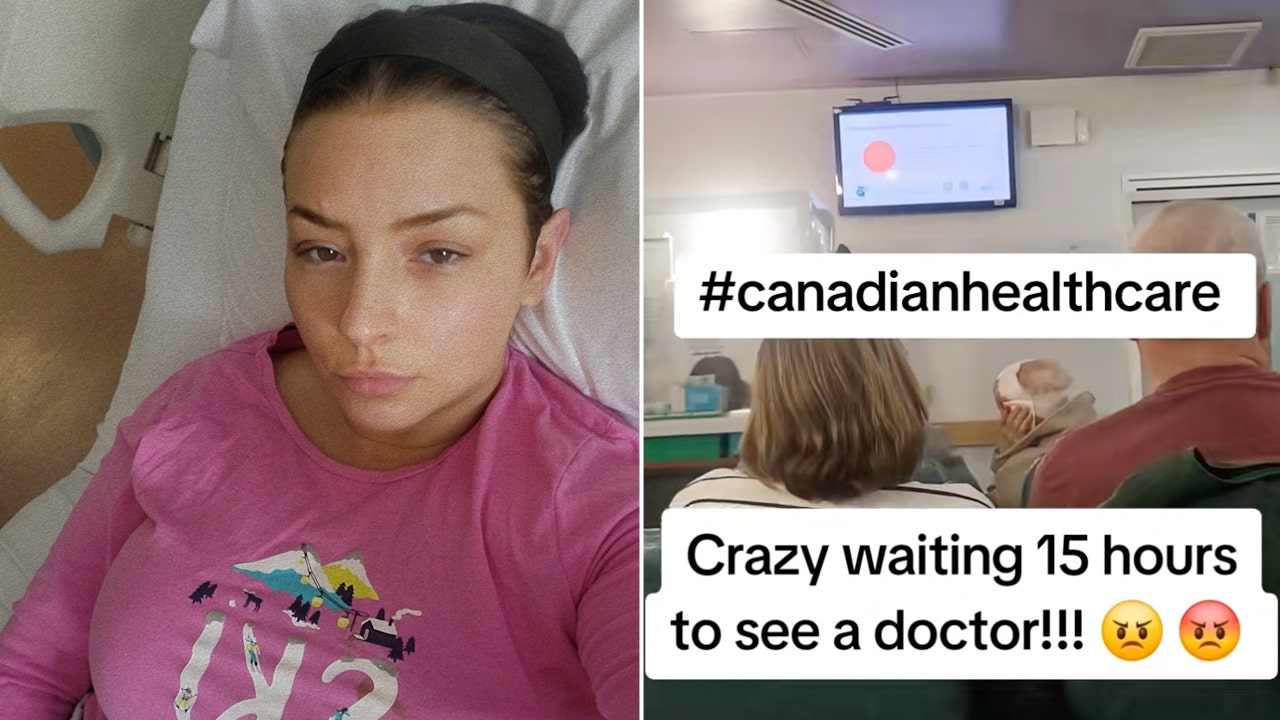

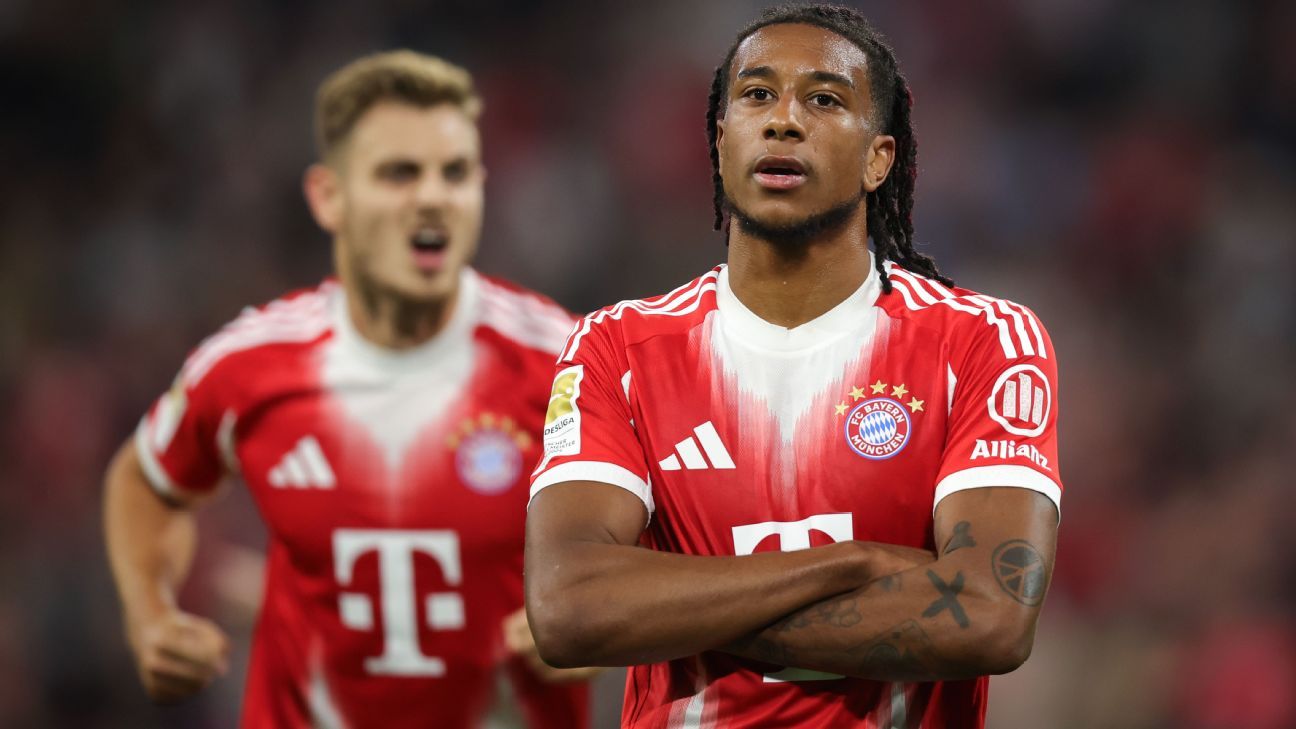


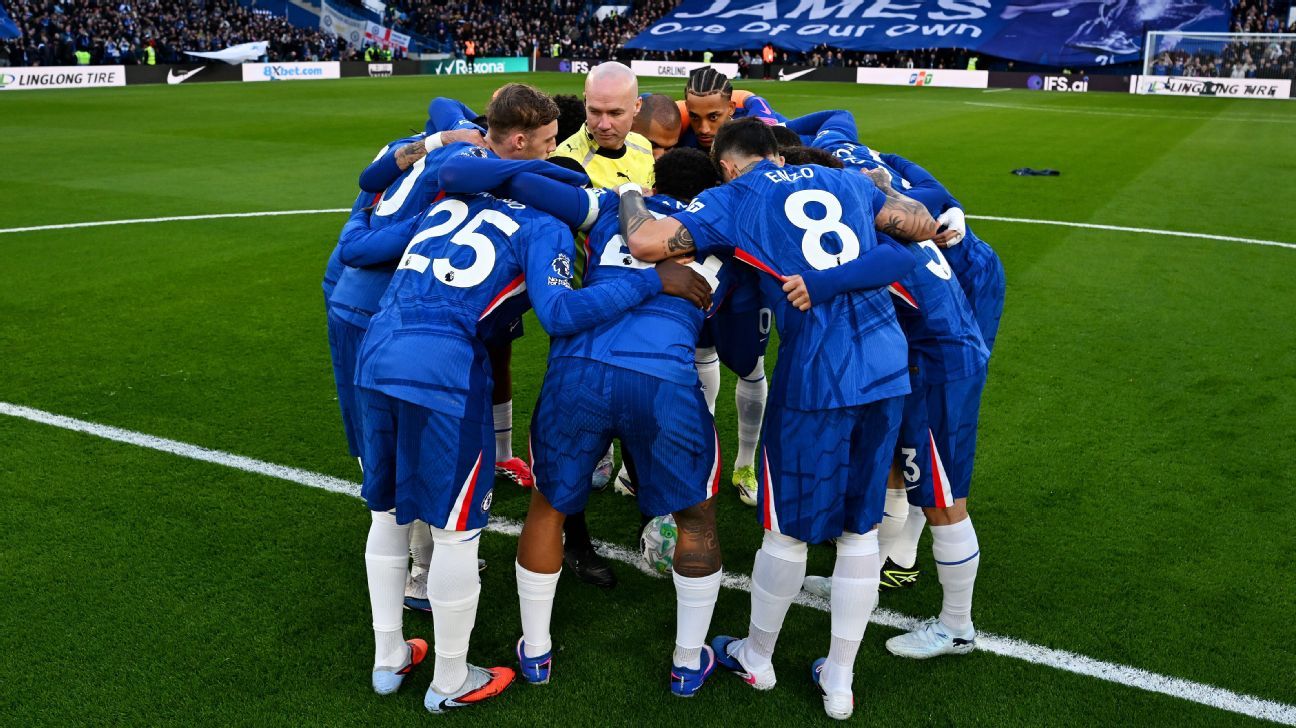



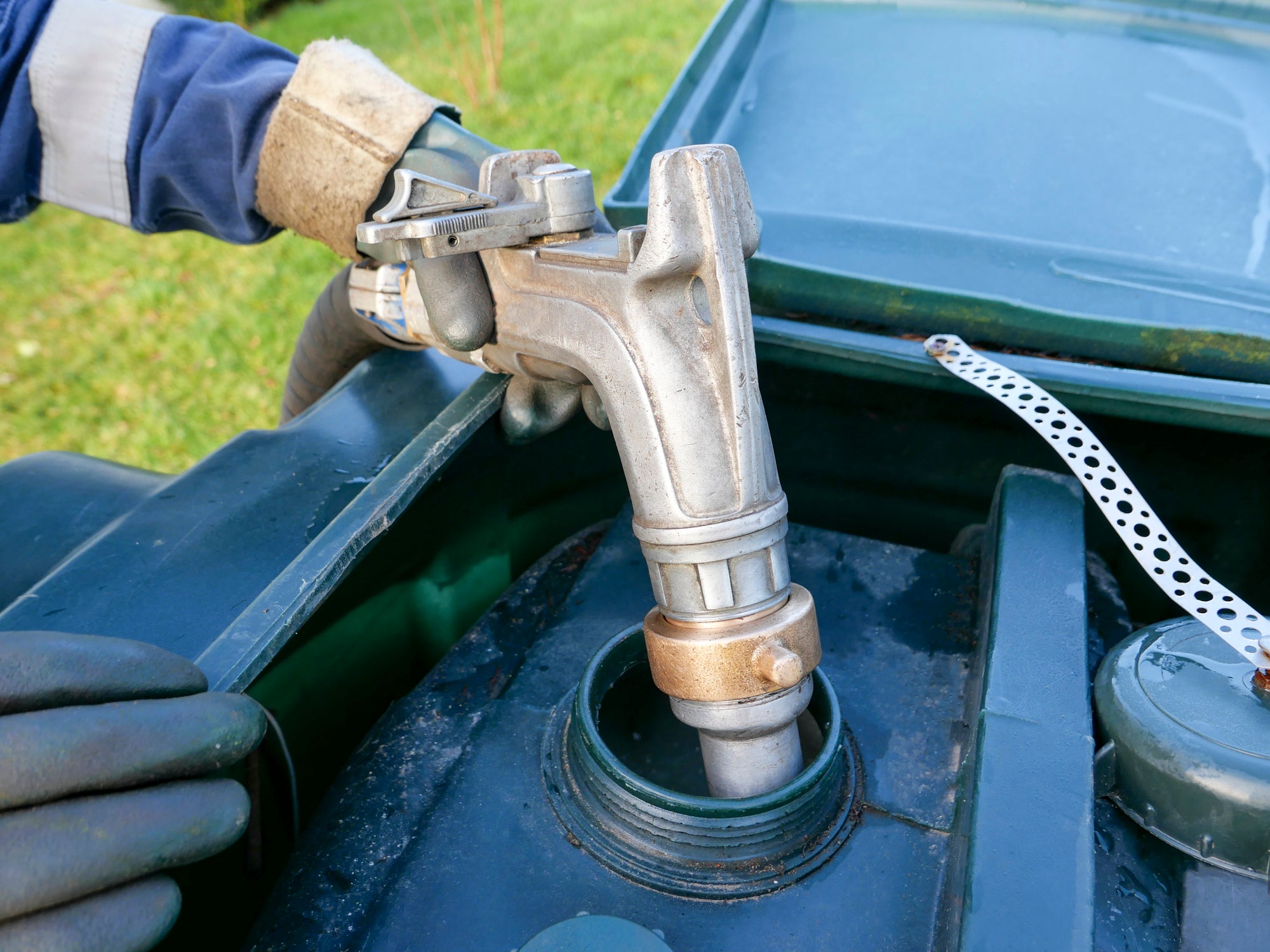
.jpeg)