

Oscars 2026: The most questionable celebrity looks on the red carpet
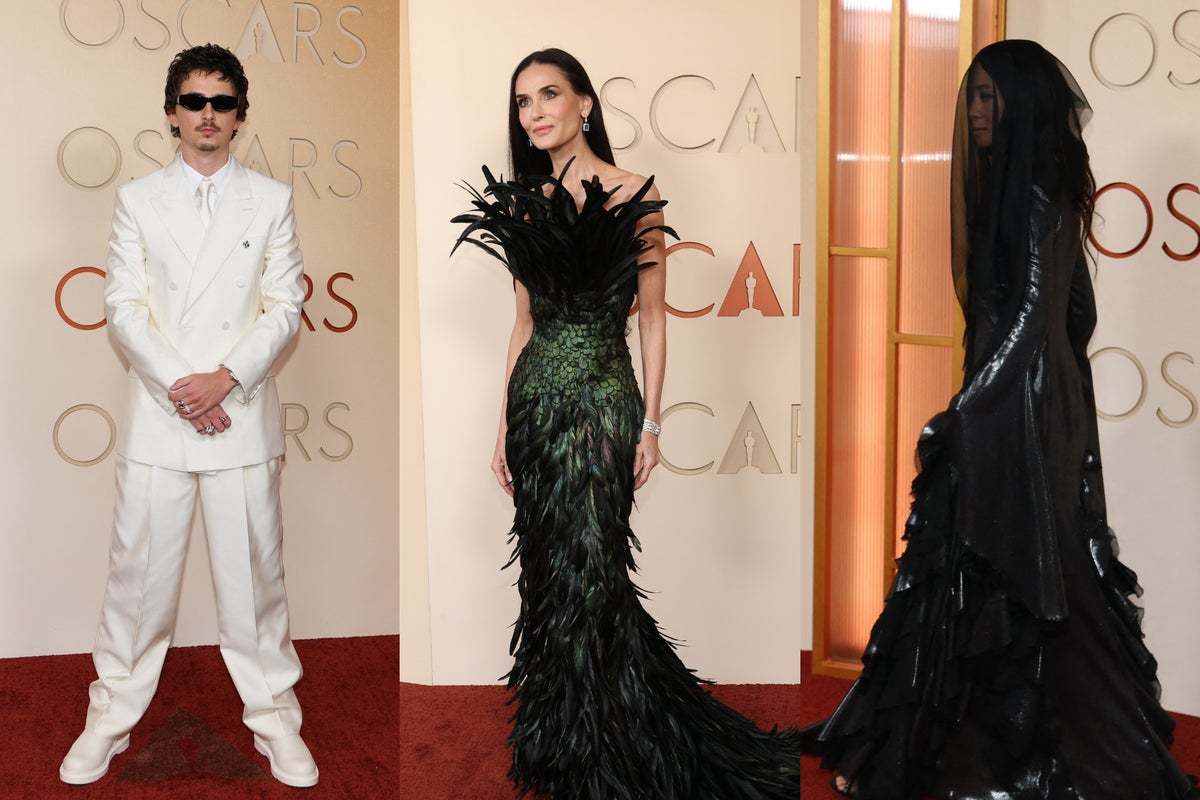
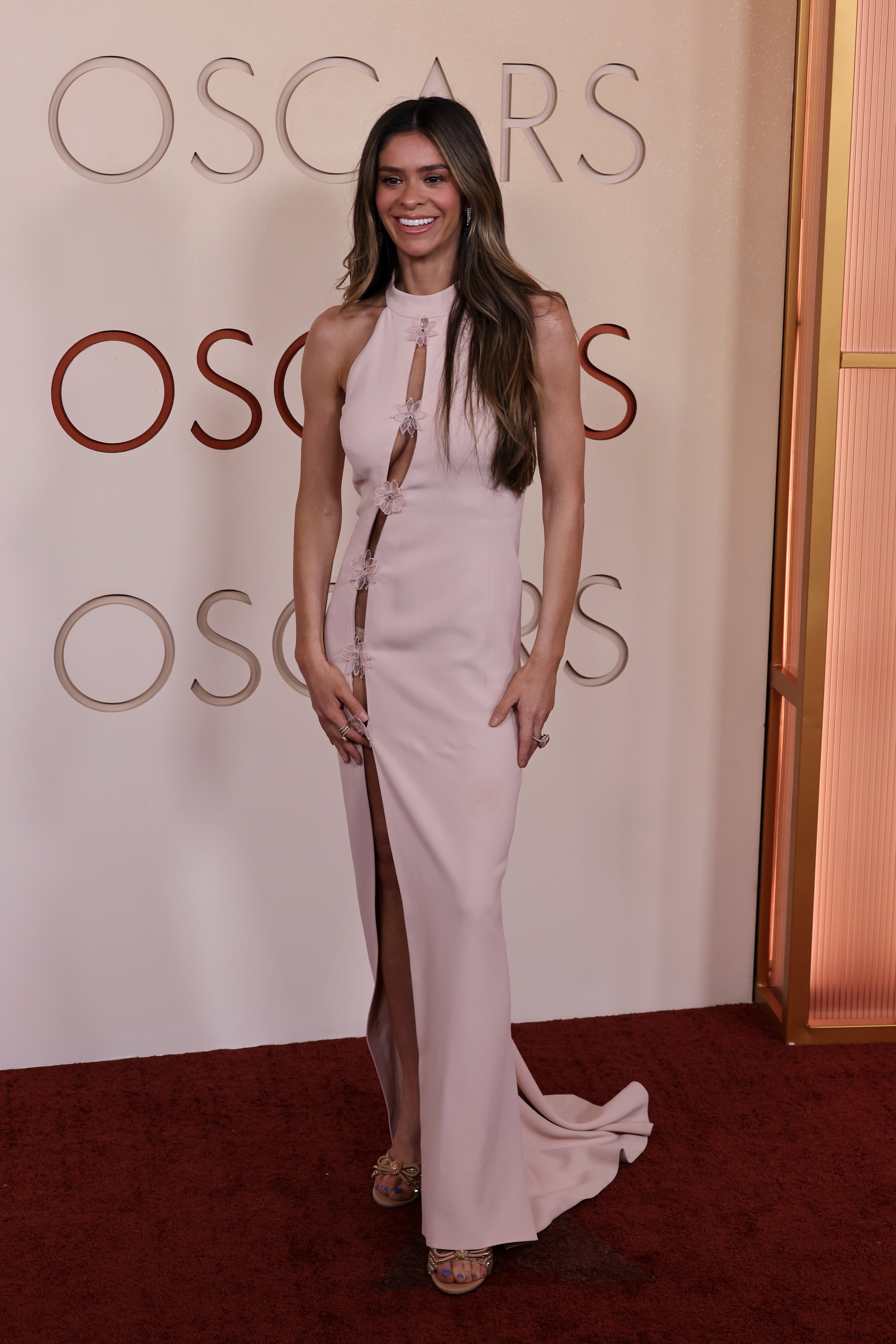
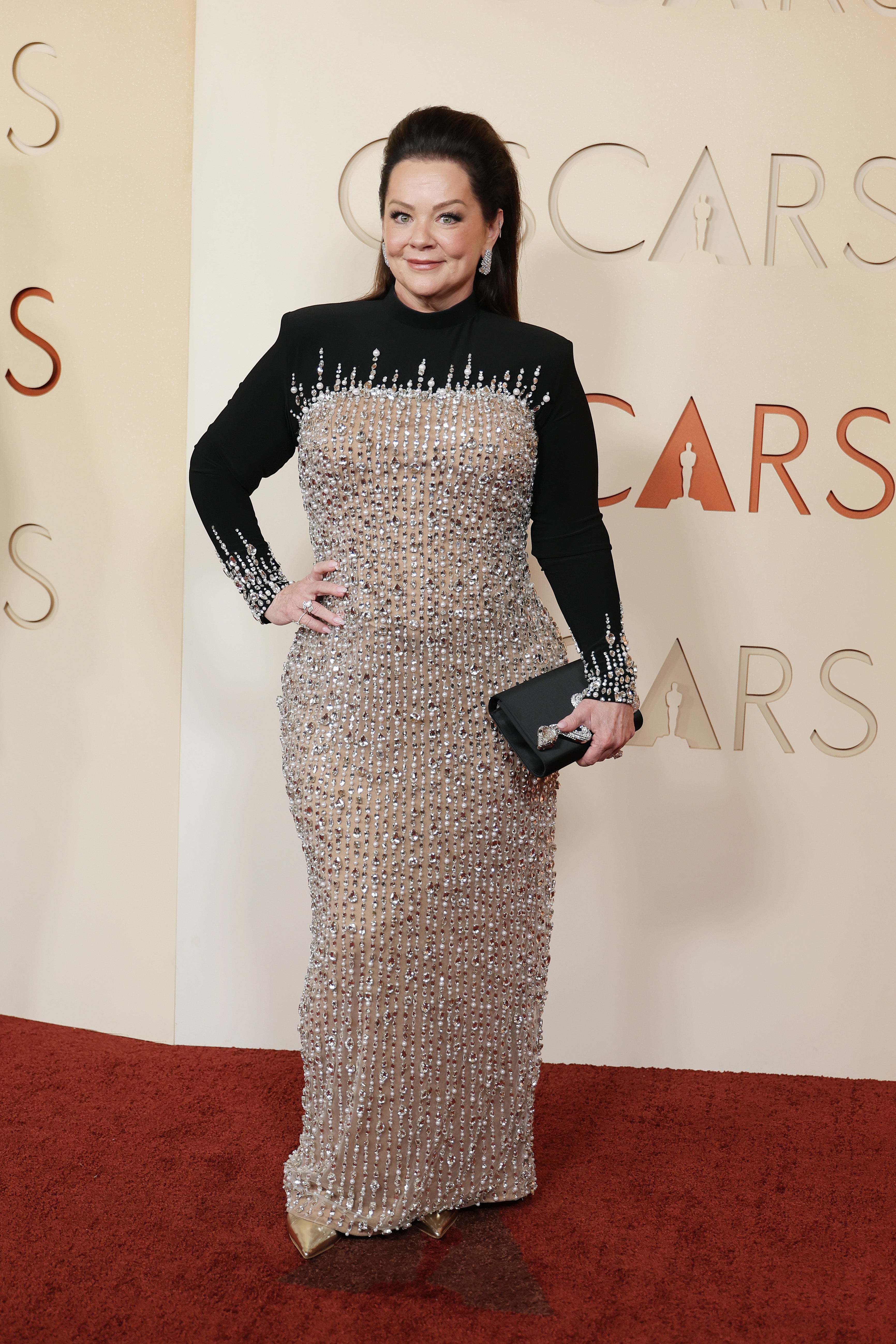
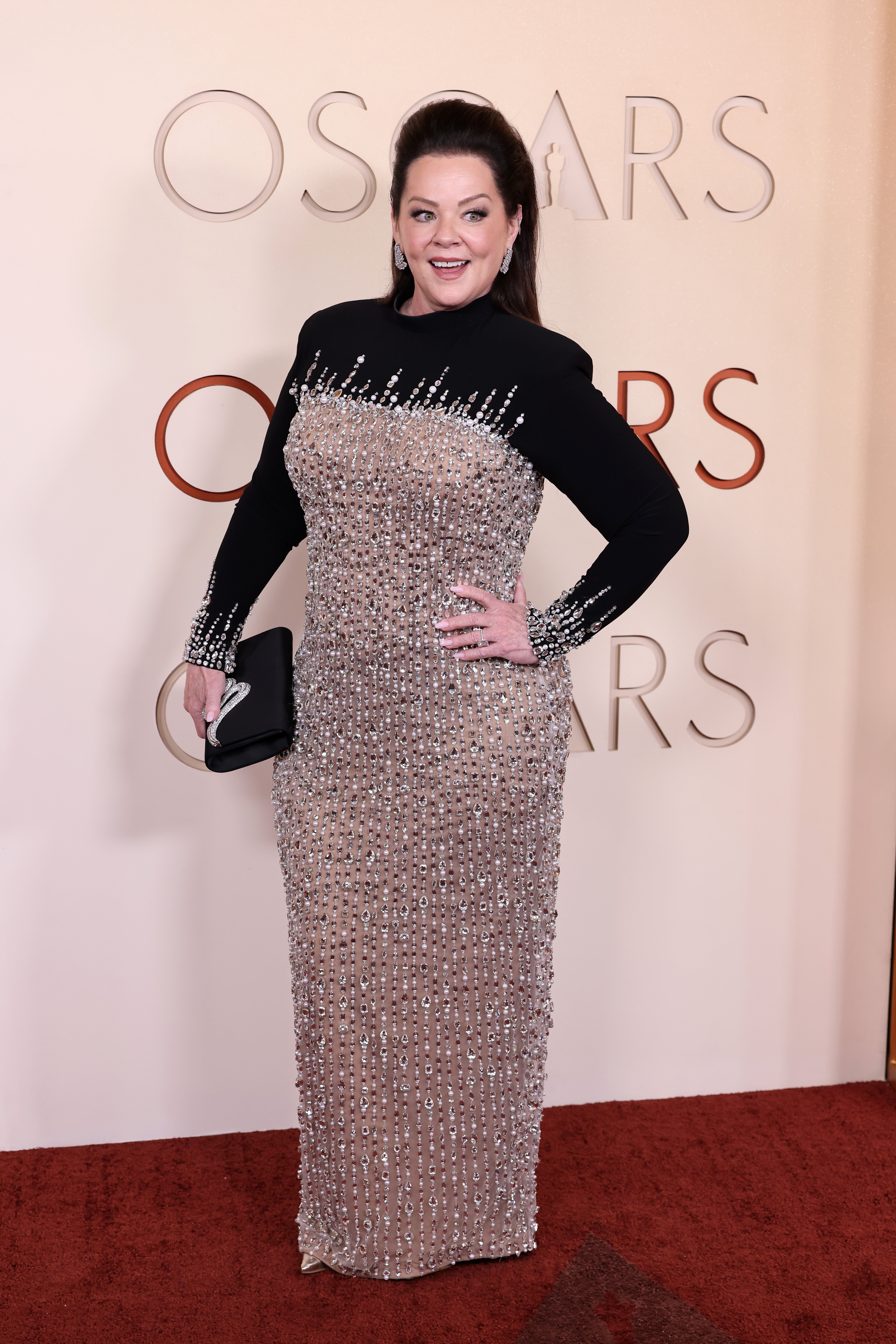
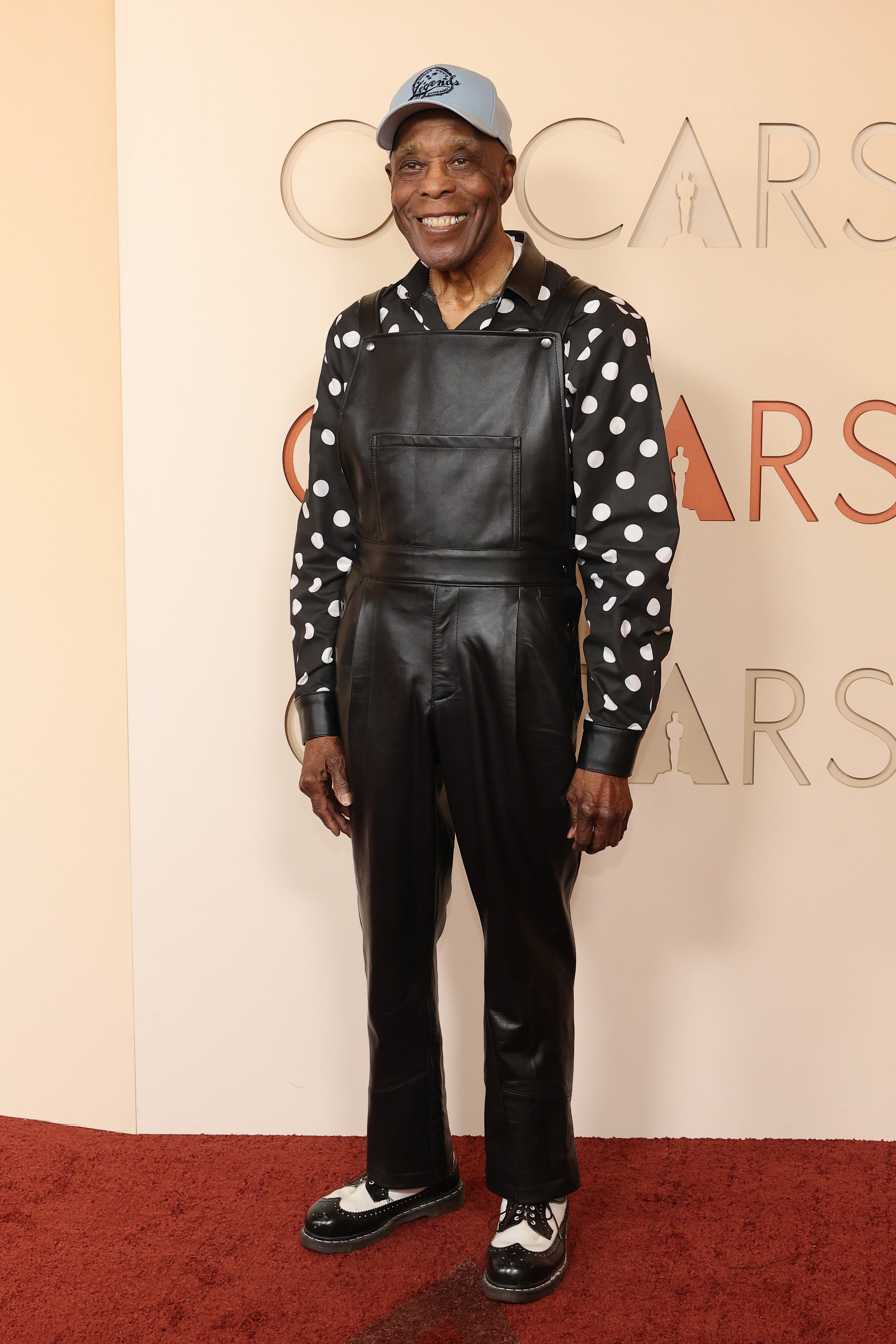
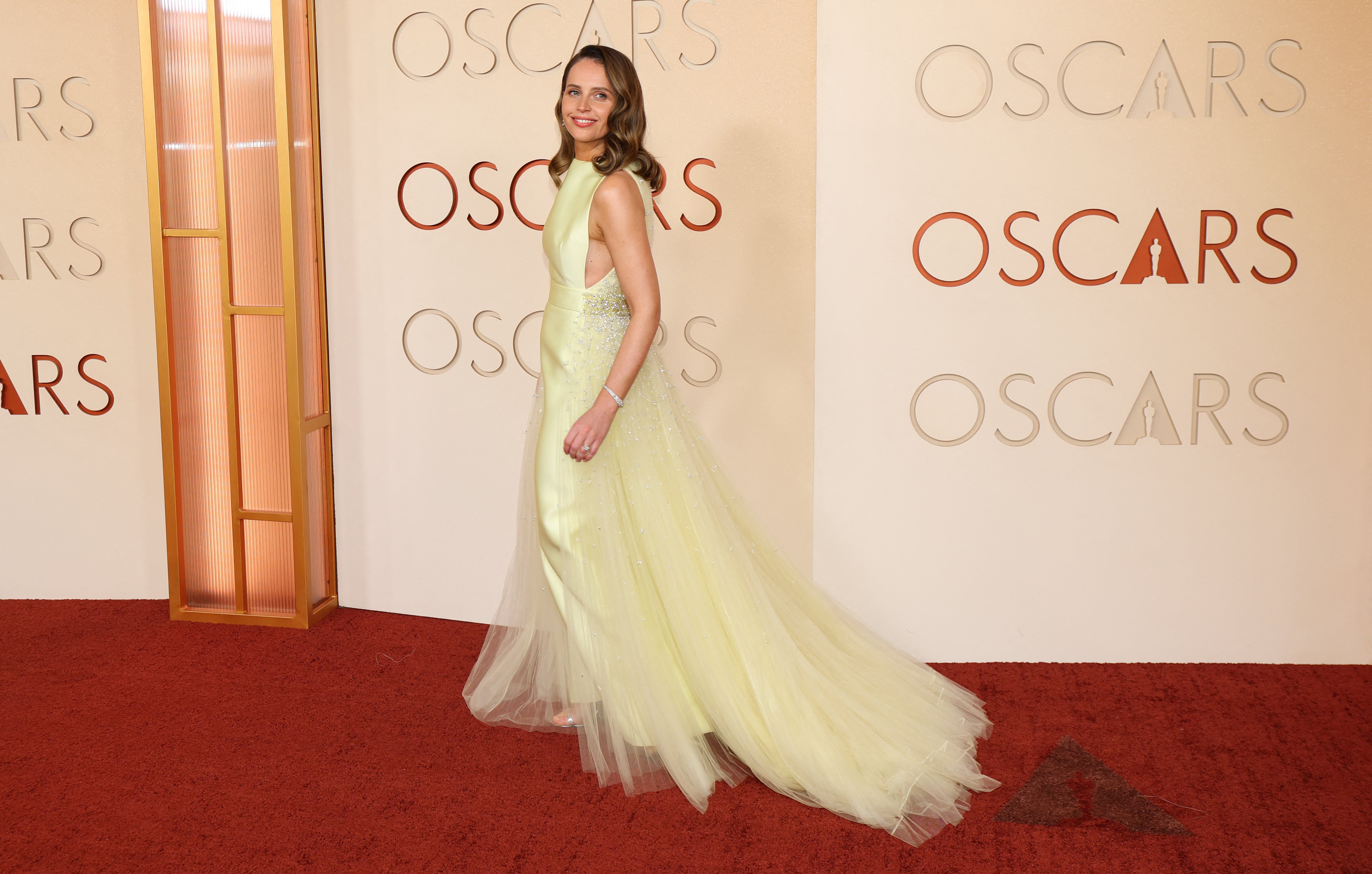
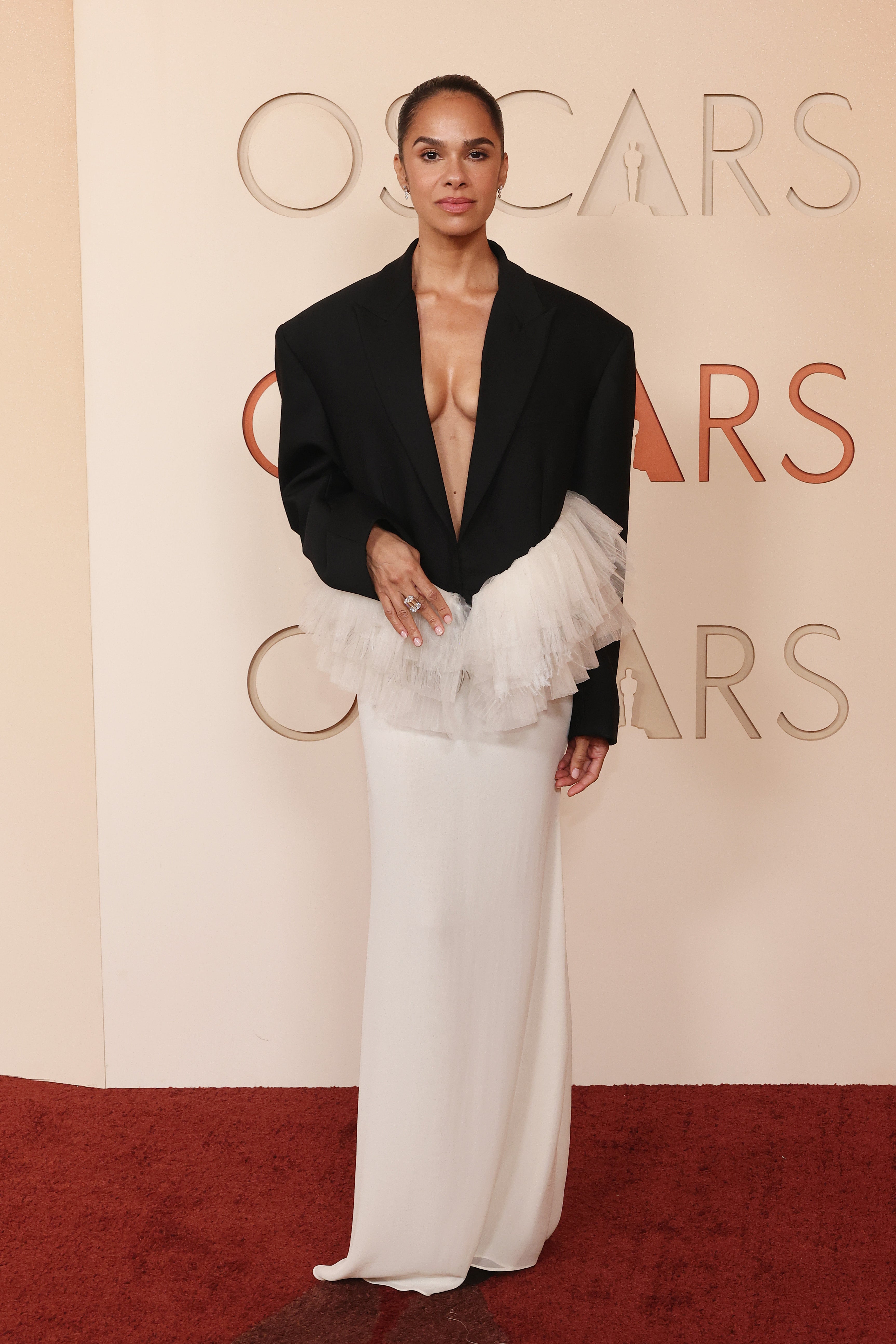
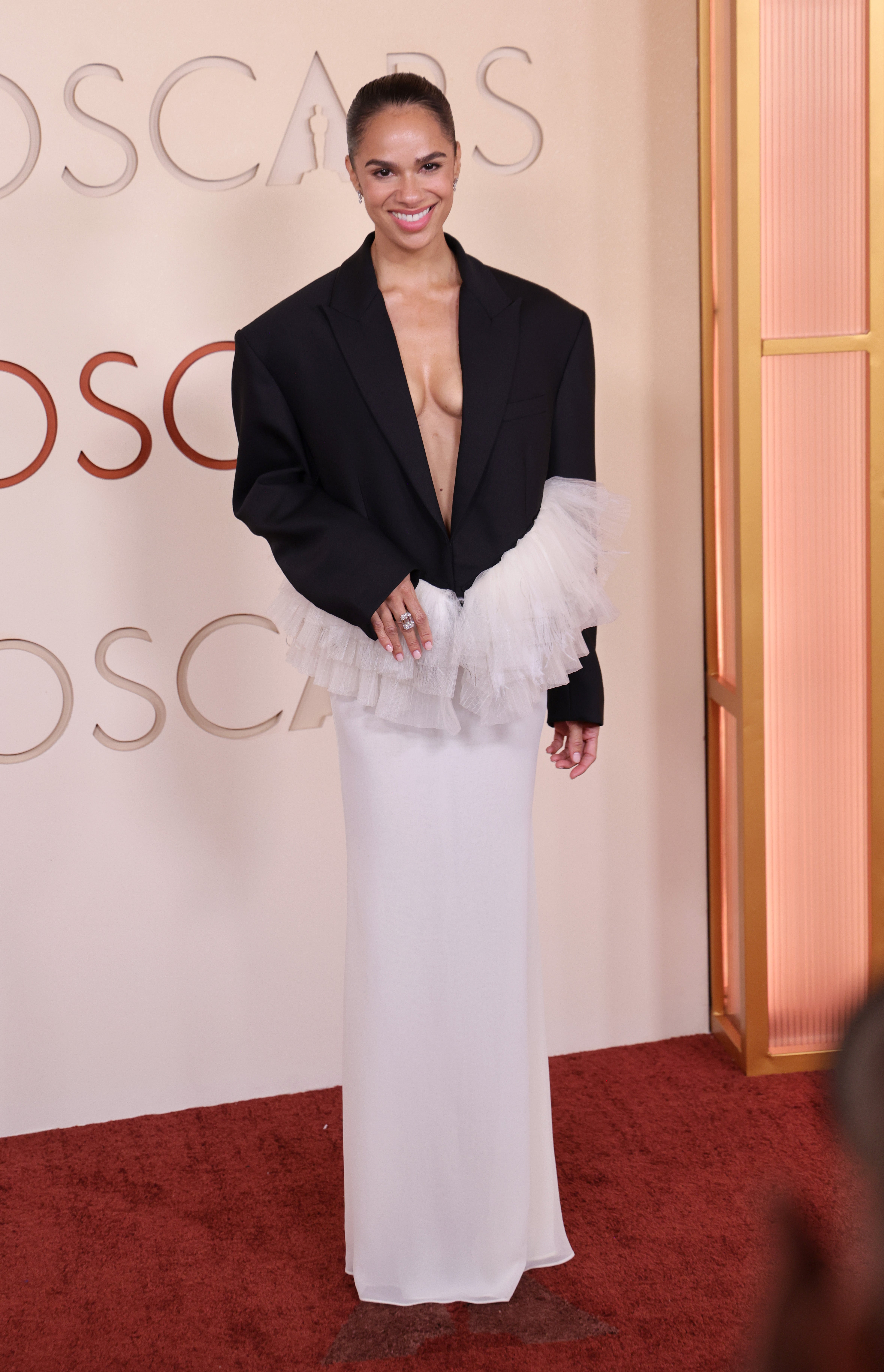
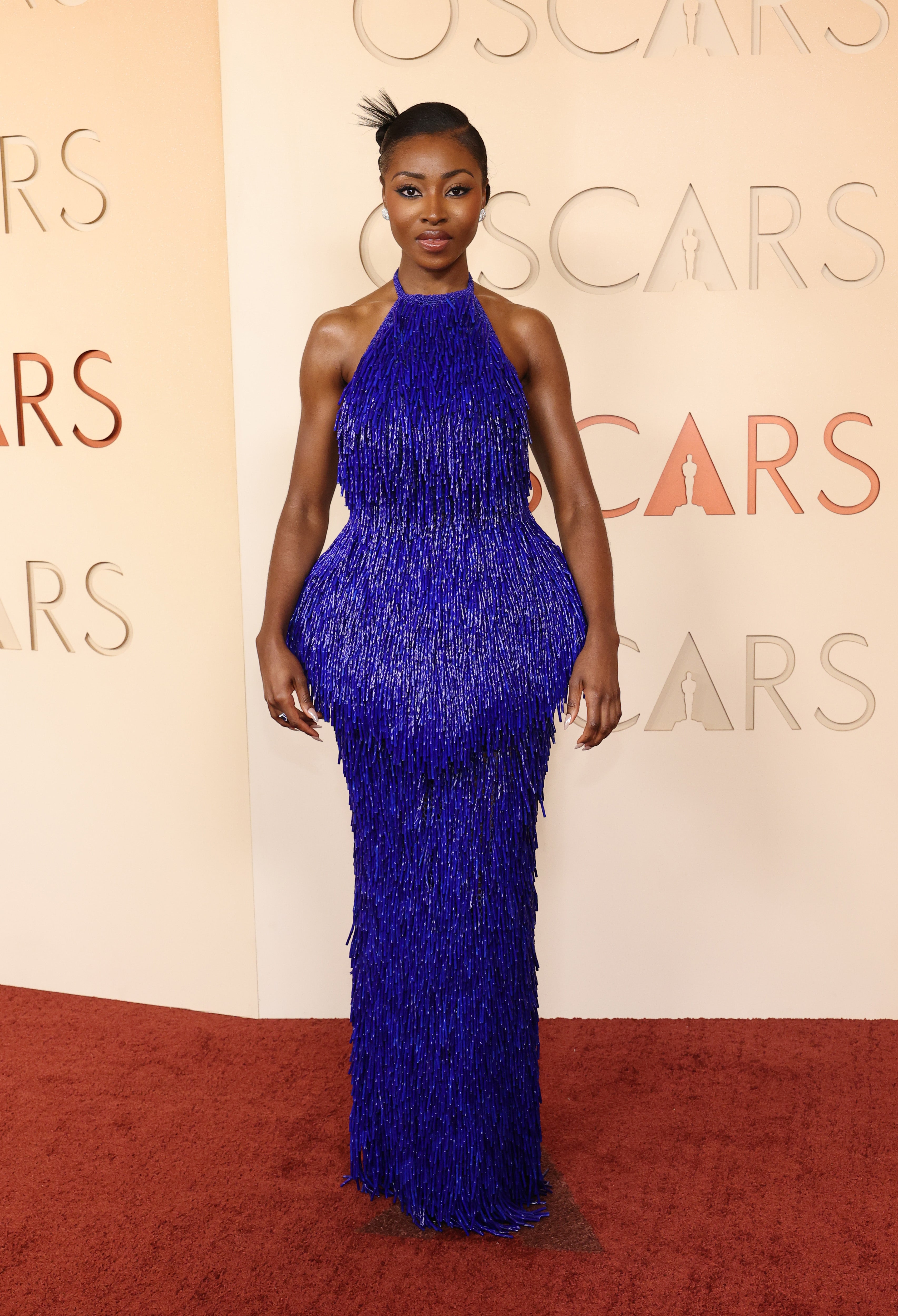
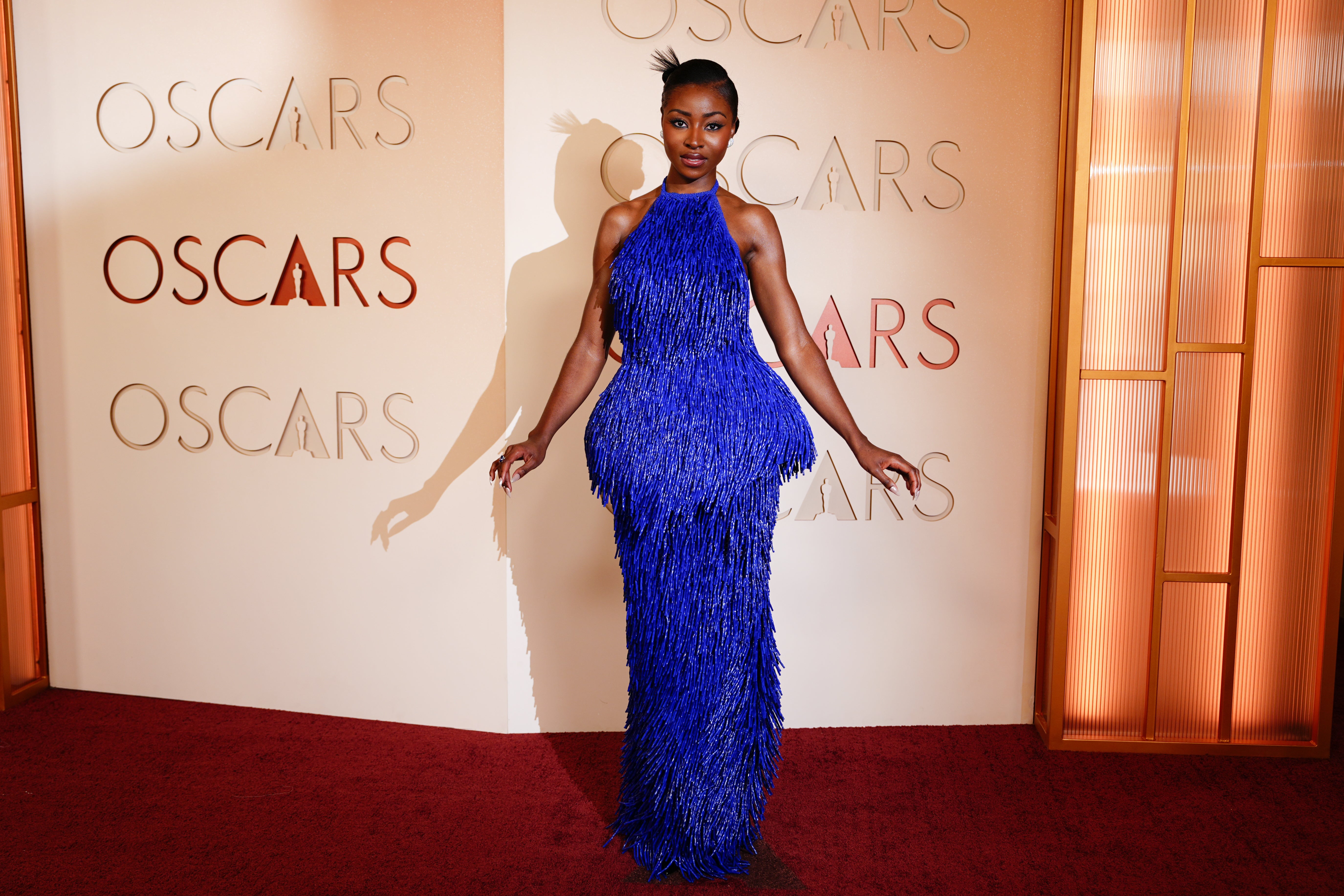
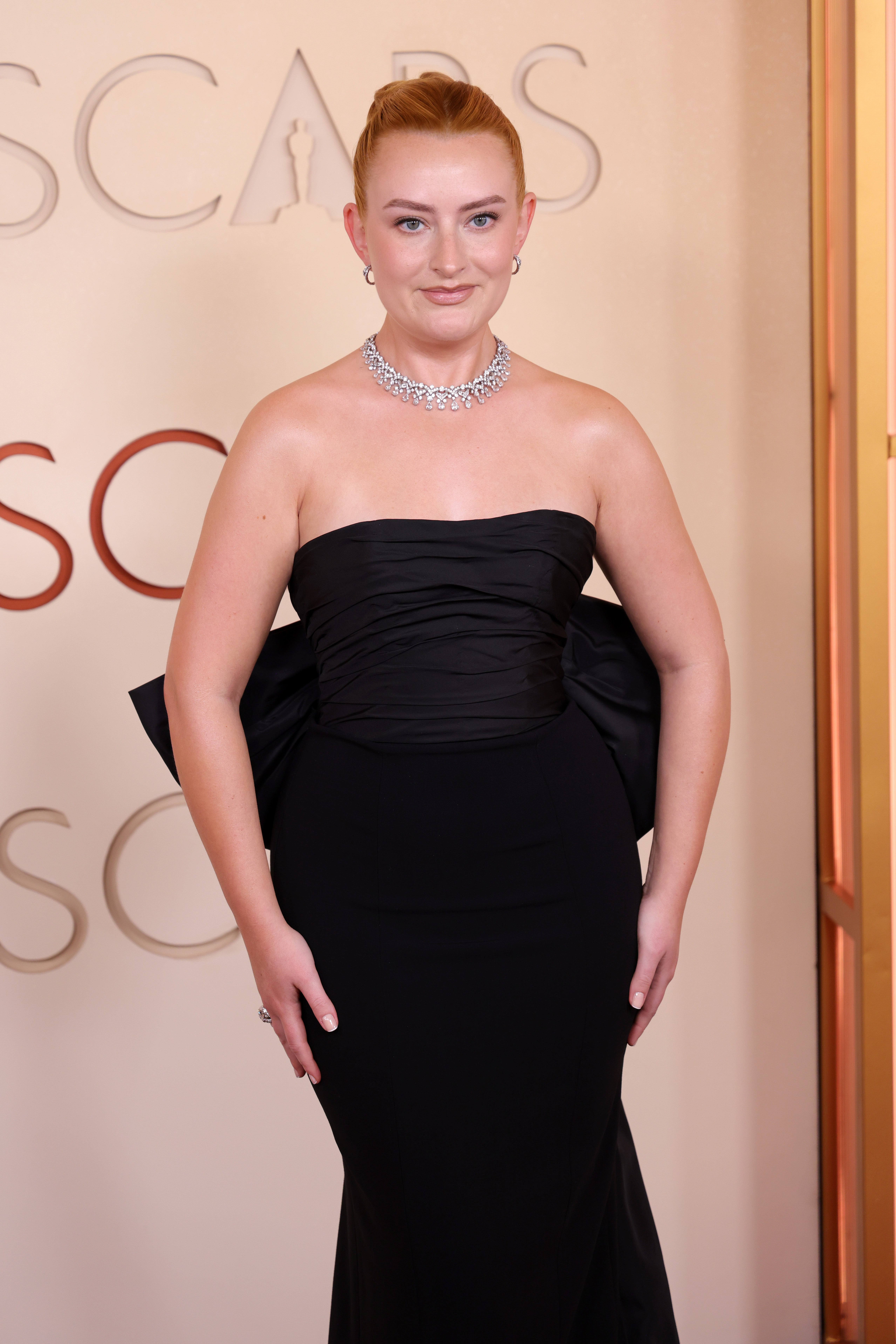
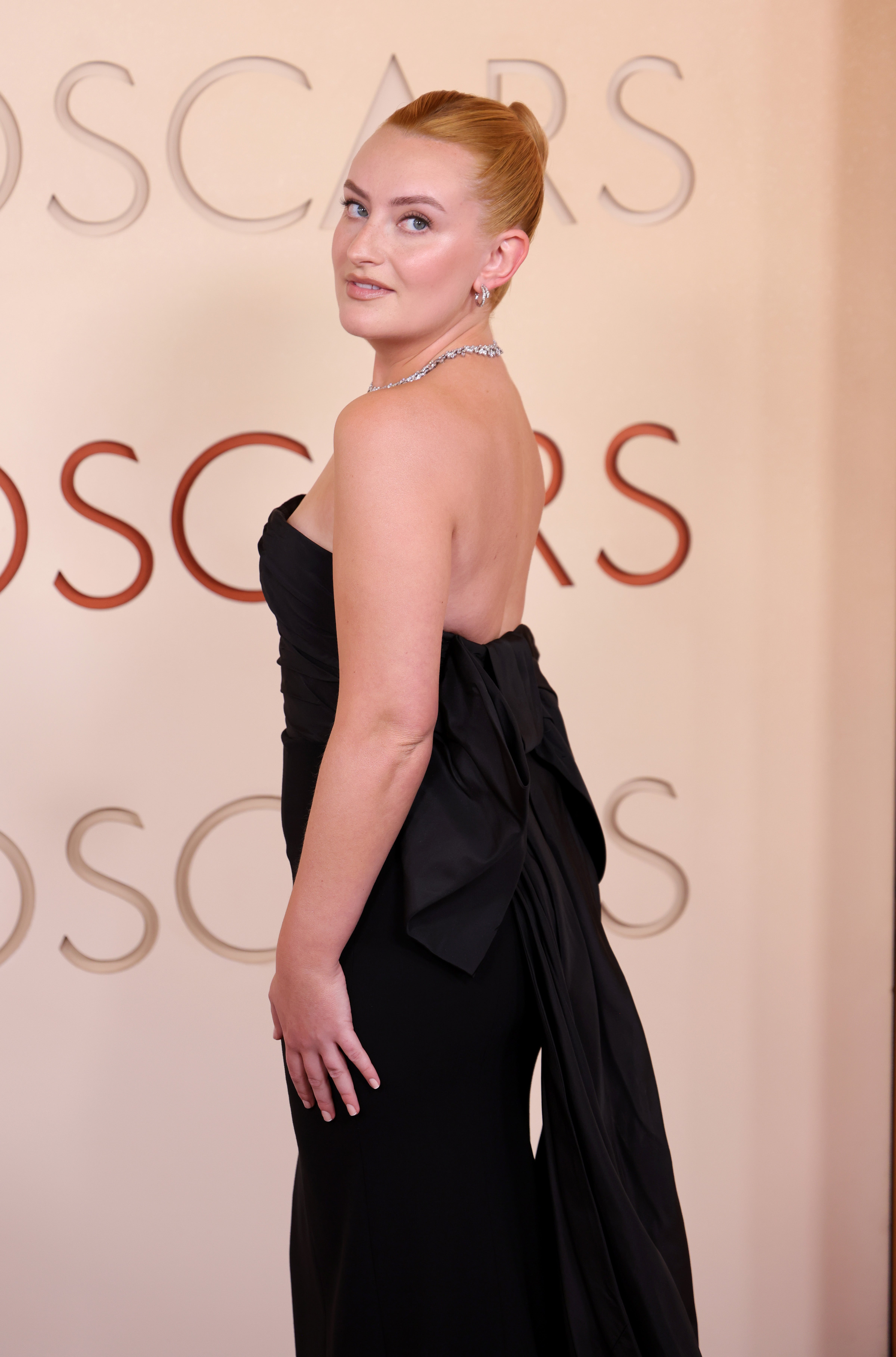
From overly decadent suits to eyebrow-raising silhouettes, the 2026 Academy Award red carpet was filled with fashion don’ts.
While some celebrities wowed with their looks, others completely missed the mark in outfits that didn’t match the lavish occasion.
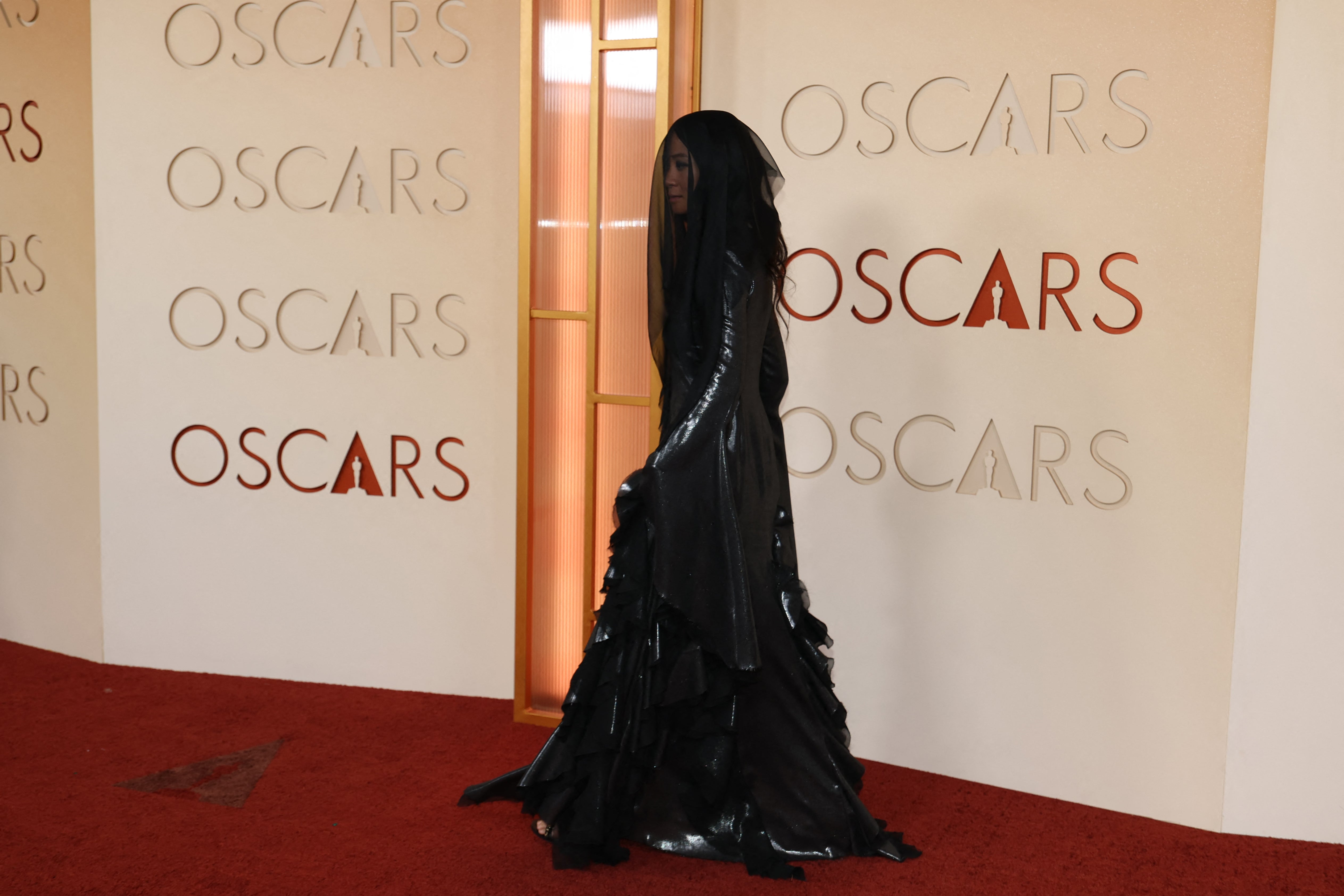
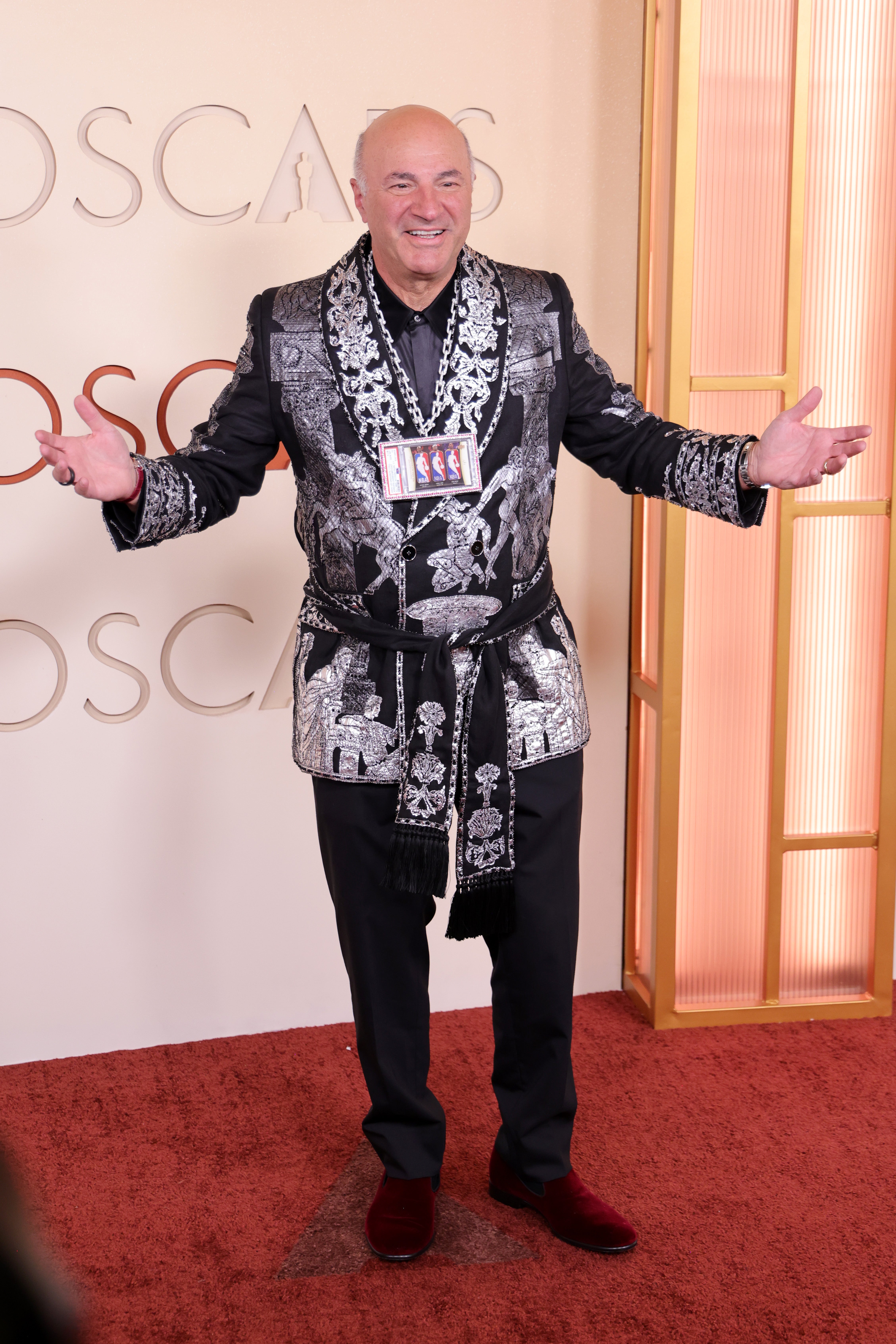
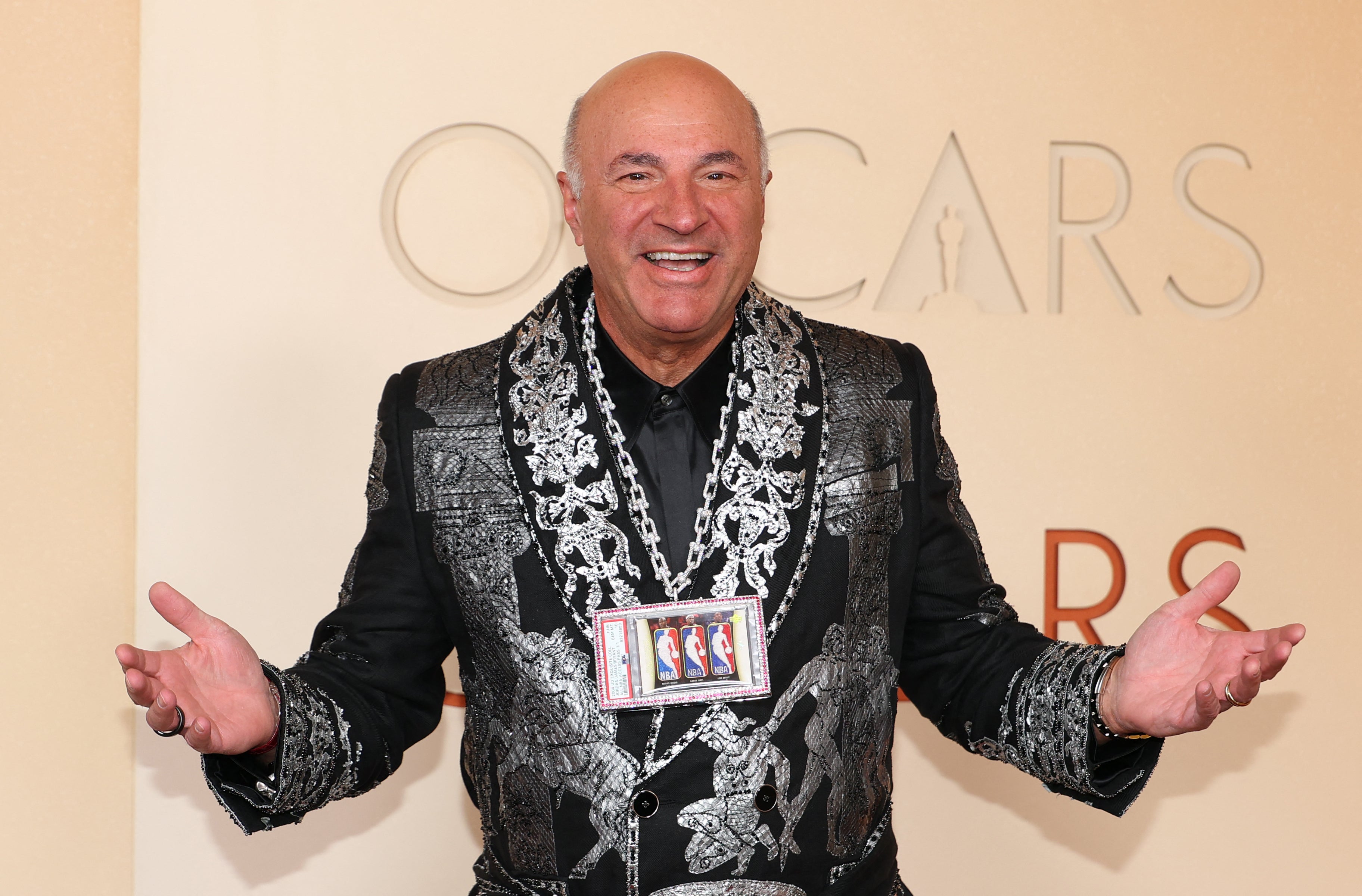
Hamnet director Chloé Zhao sparked comparisons to the Grim Reaper from certain angles, wearing a black dress complete with an eerie veil. In contrast, Canadian TV star Kevin O’Leary wore a strangely medieval-looking suit accessorized, inexplicably, with a vintage 2004 NBA card hanging around his neck.
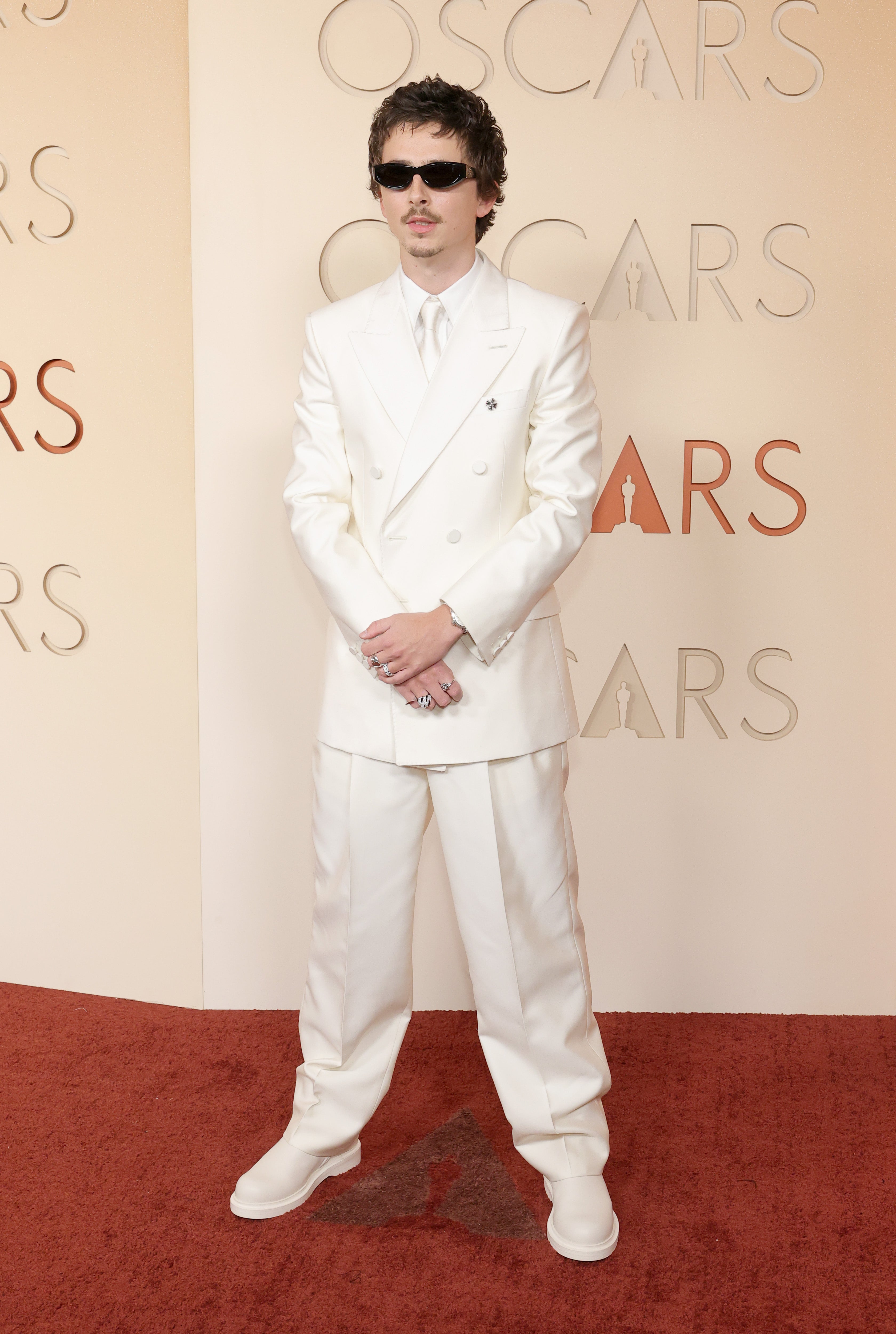
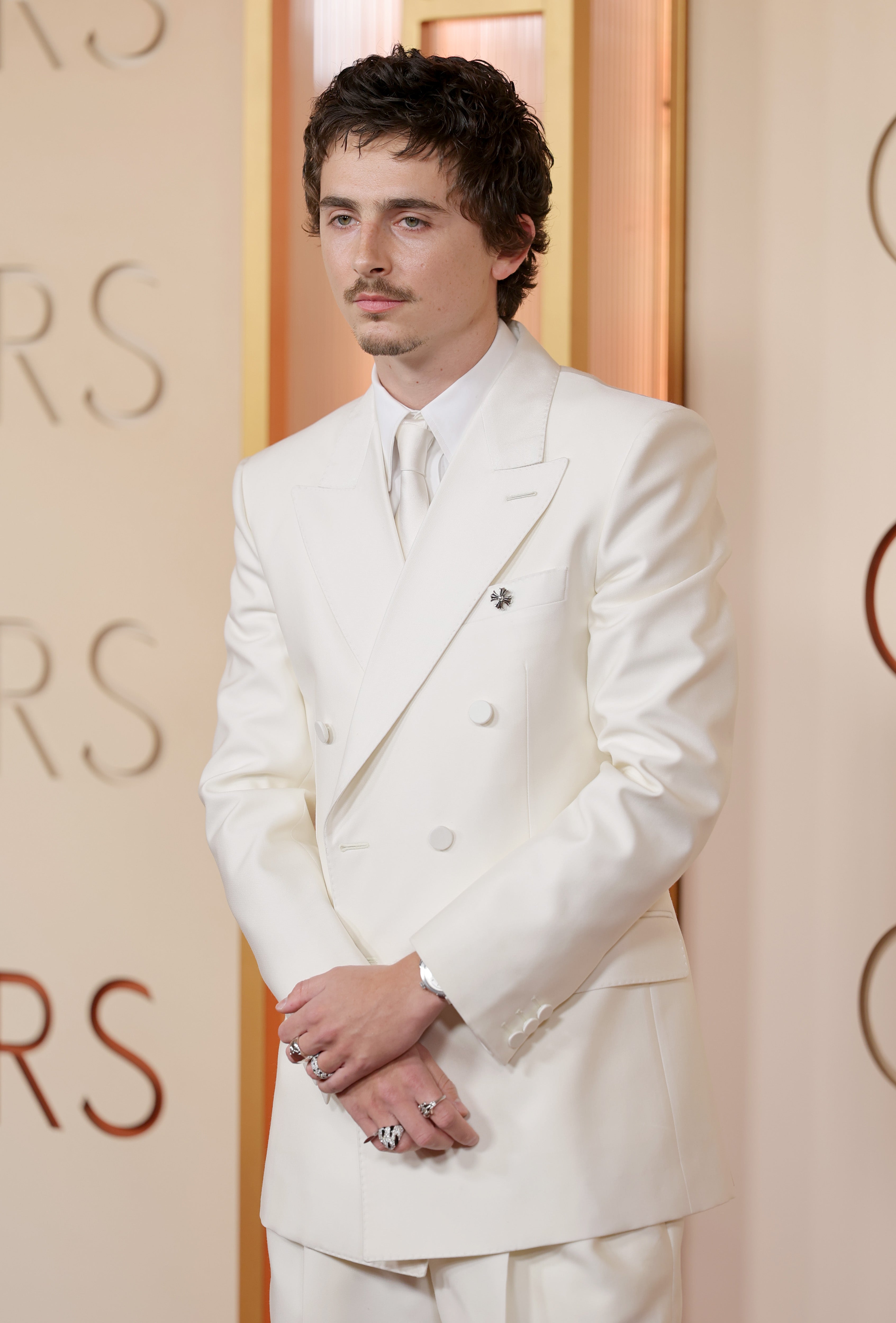
Marty Supreme star Timothée Chalamet, meanwhile, ruined an otherwise suitable all-white tuxedo with a performative pair of sunglasses.
Here are some of the most questionable looks from the 2026 Oscars:
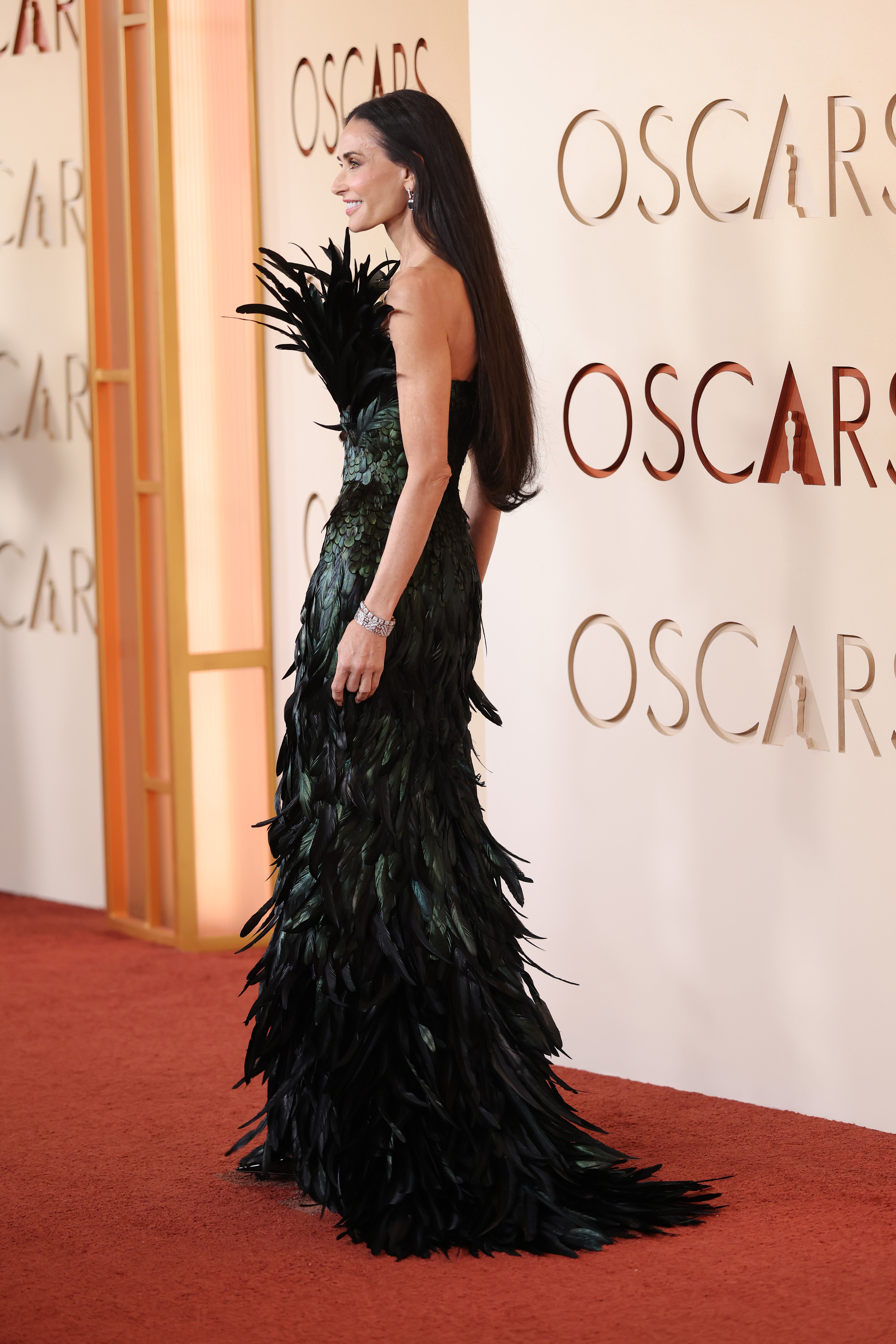
Demi Moore
Timothée Chalamet
Jack O’Connell
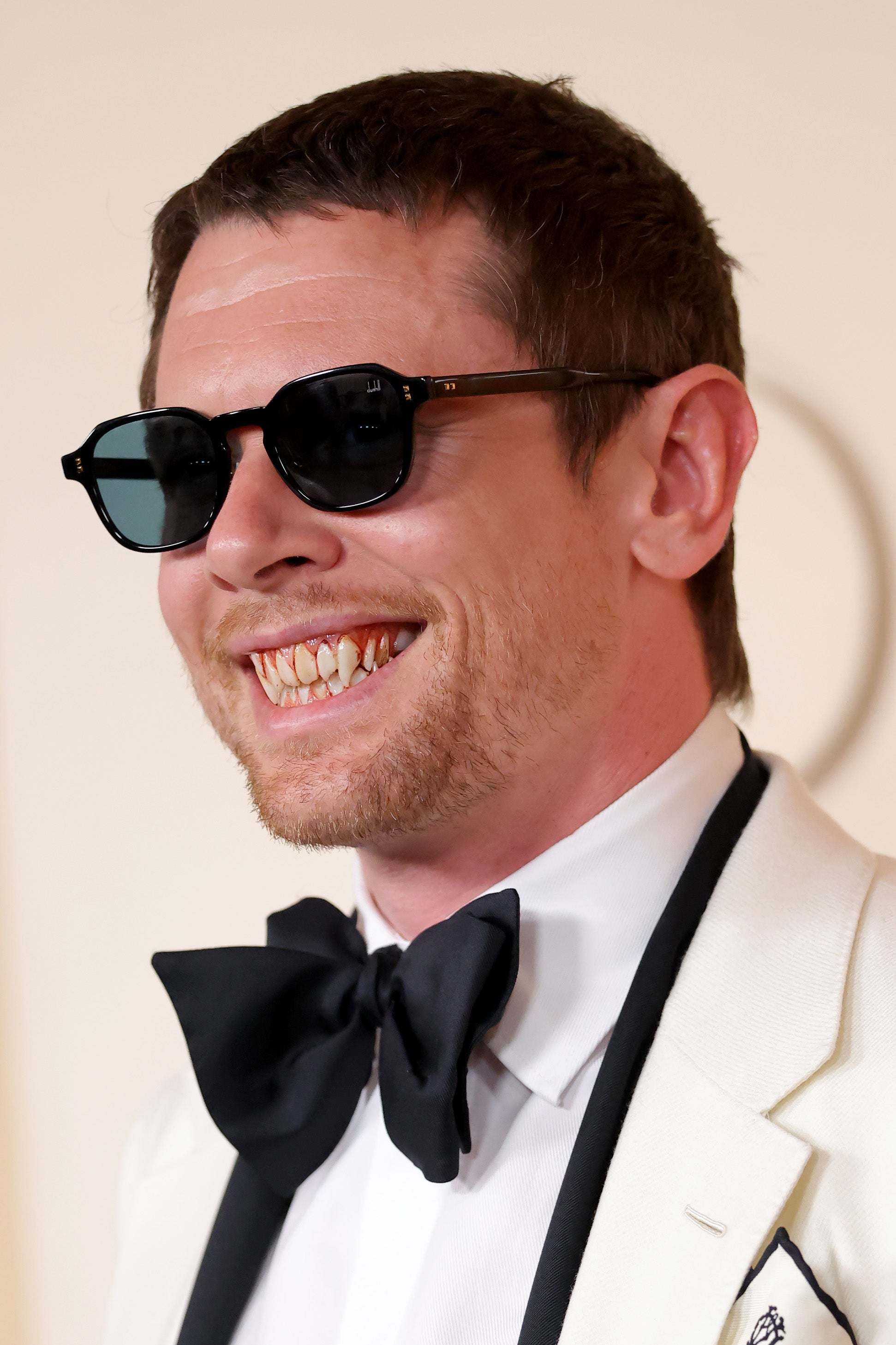
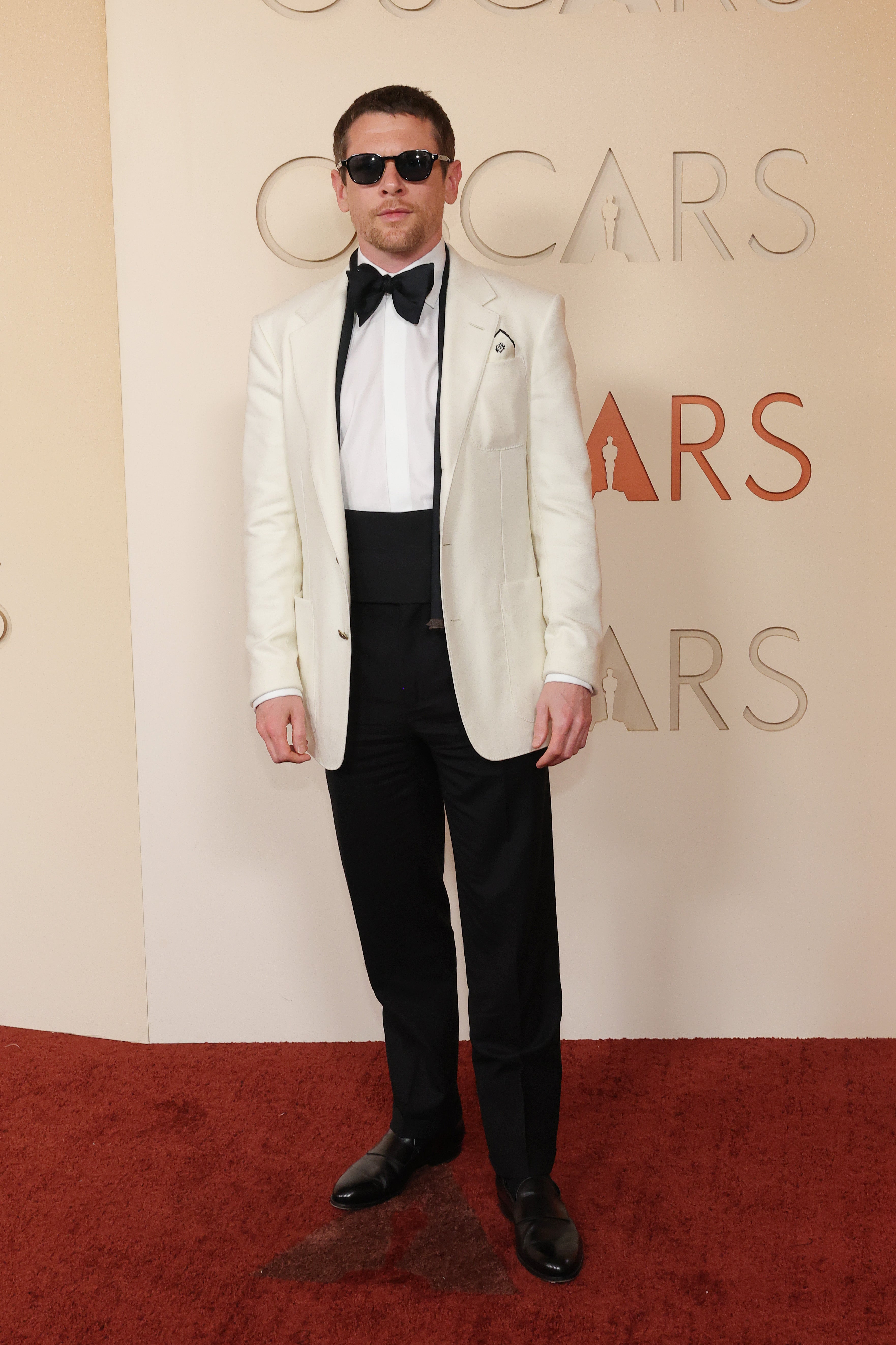
Chloé Zhao
.jpg)
Taylor Frankie Paul
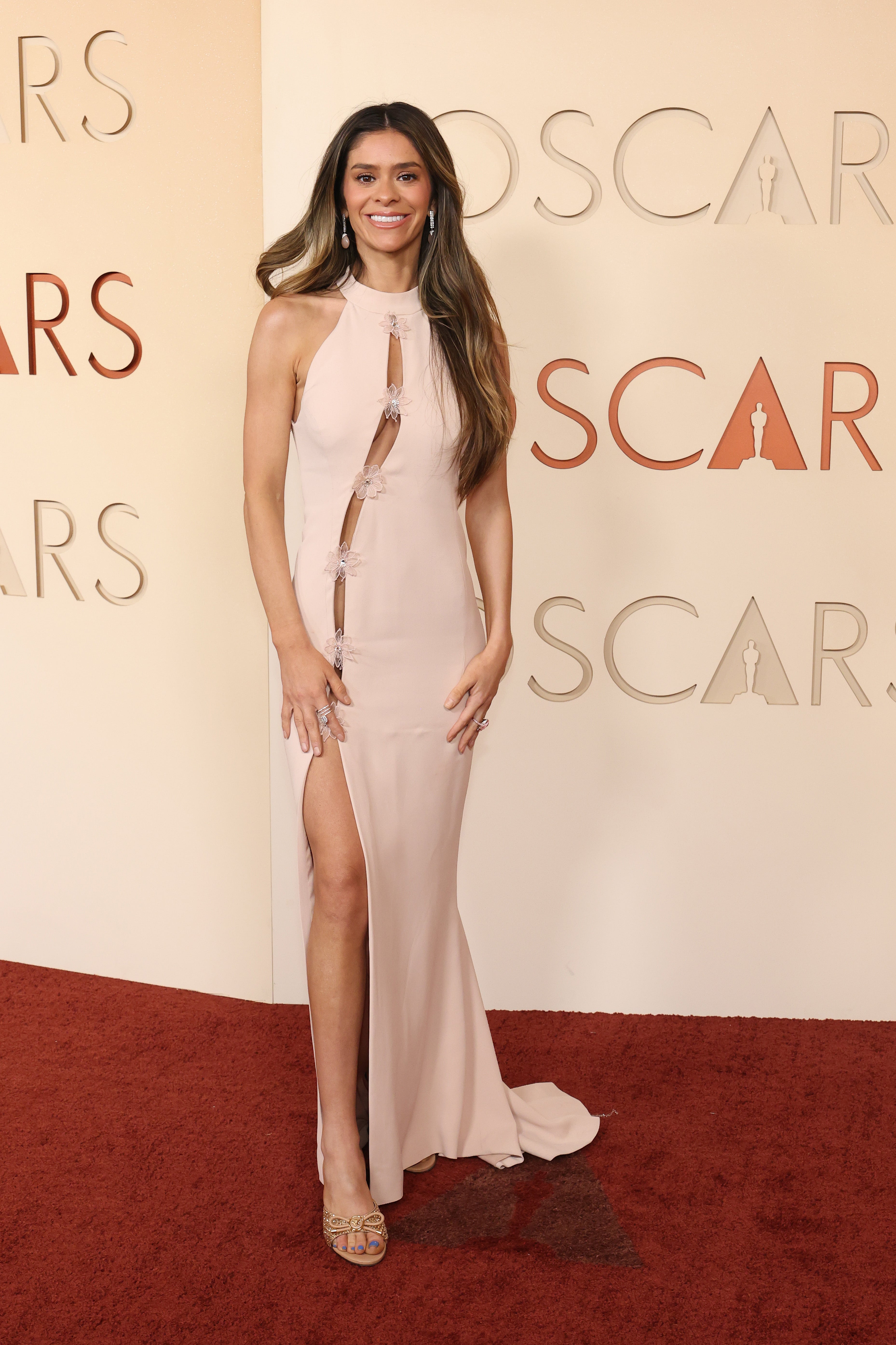
Melissa McCarthy
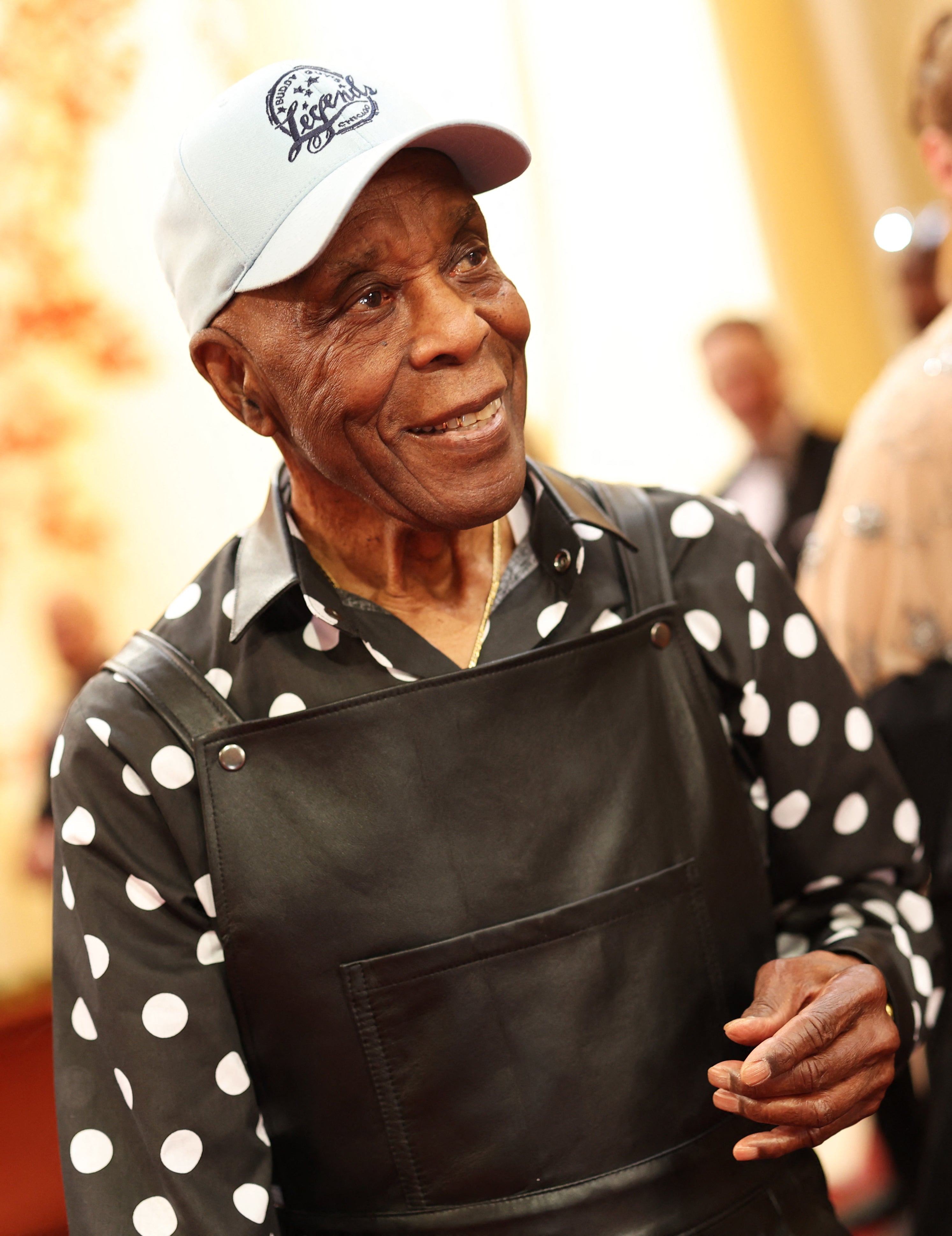
Buddy Guy
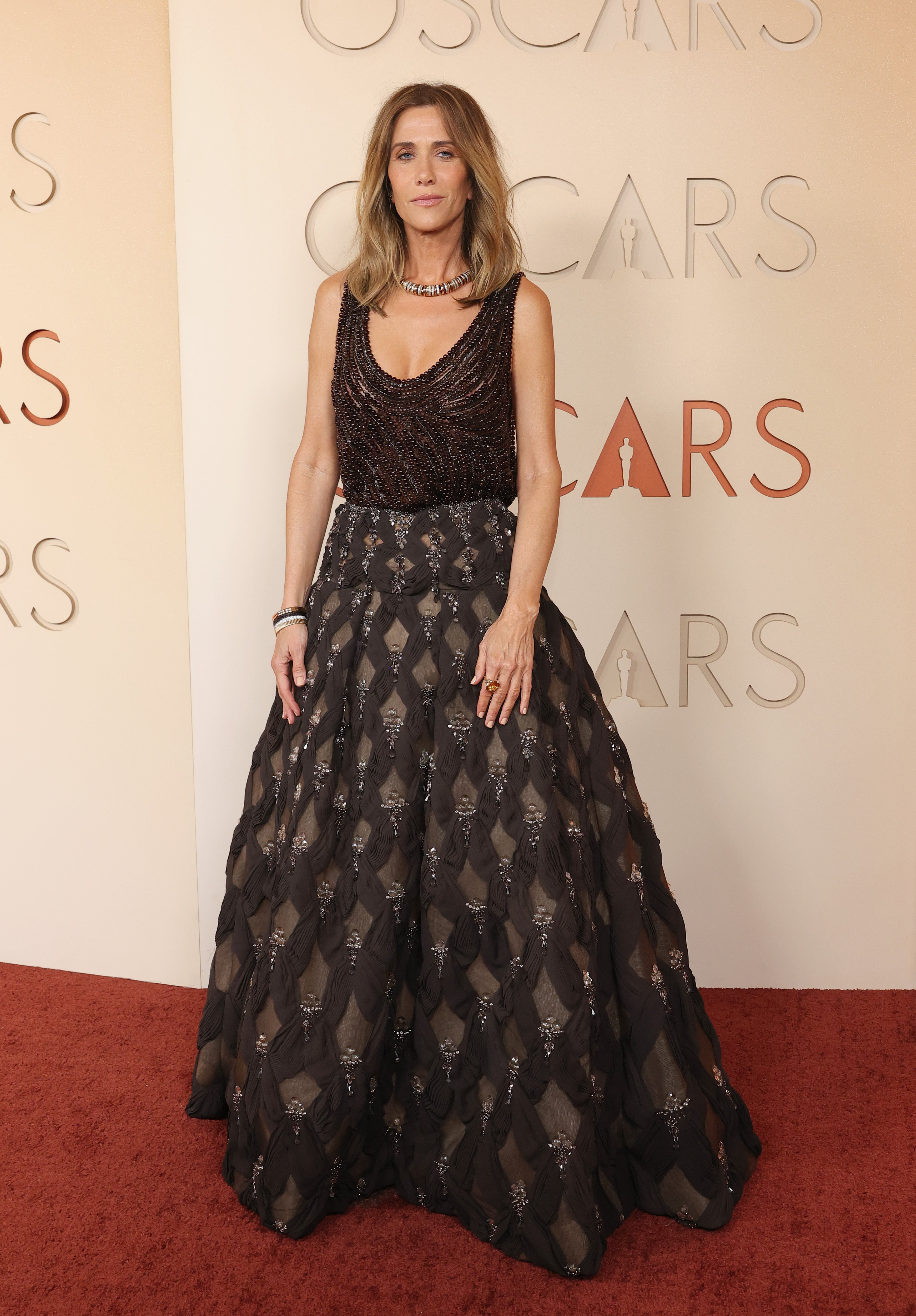
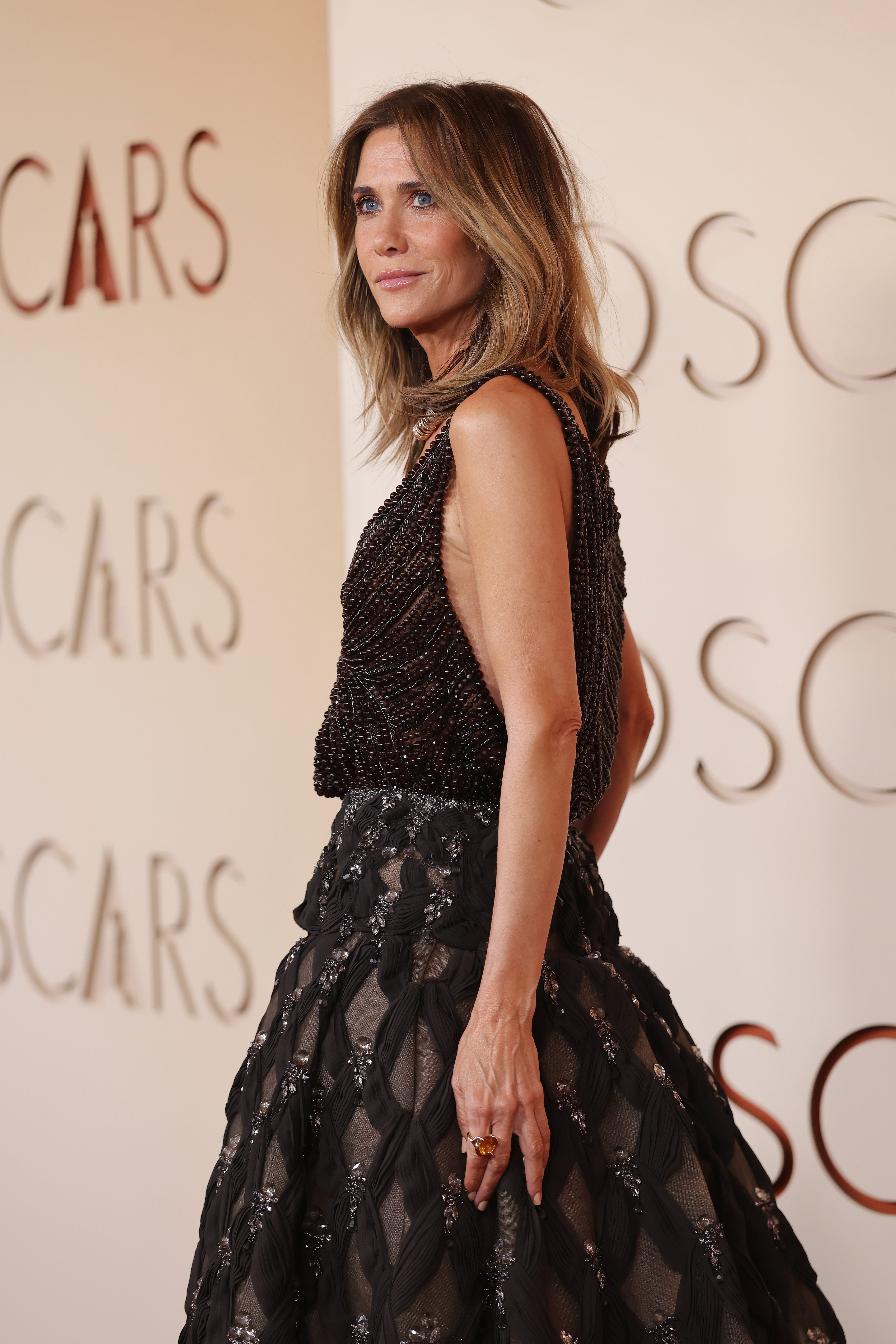
Kristen Wiig
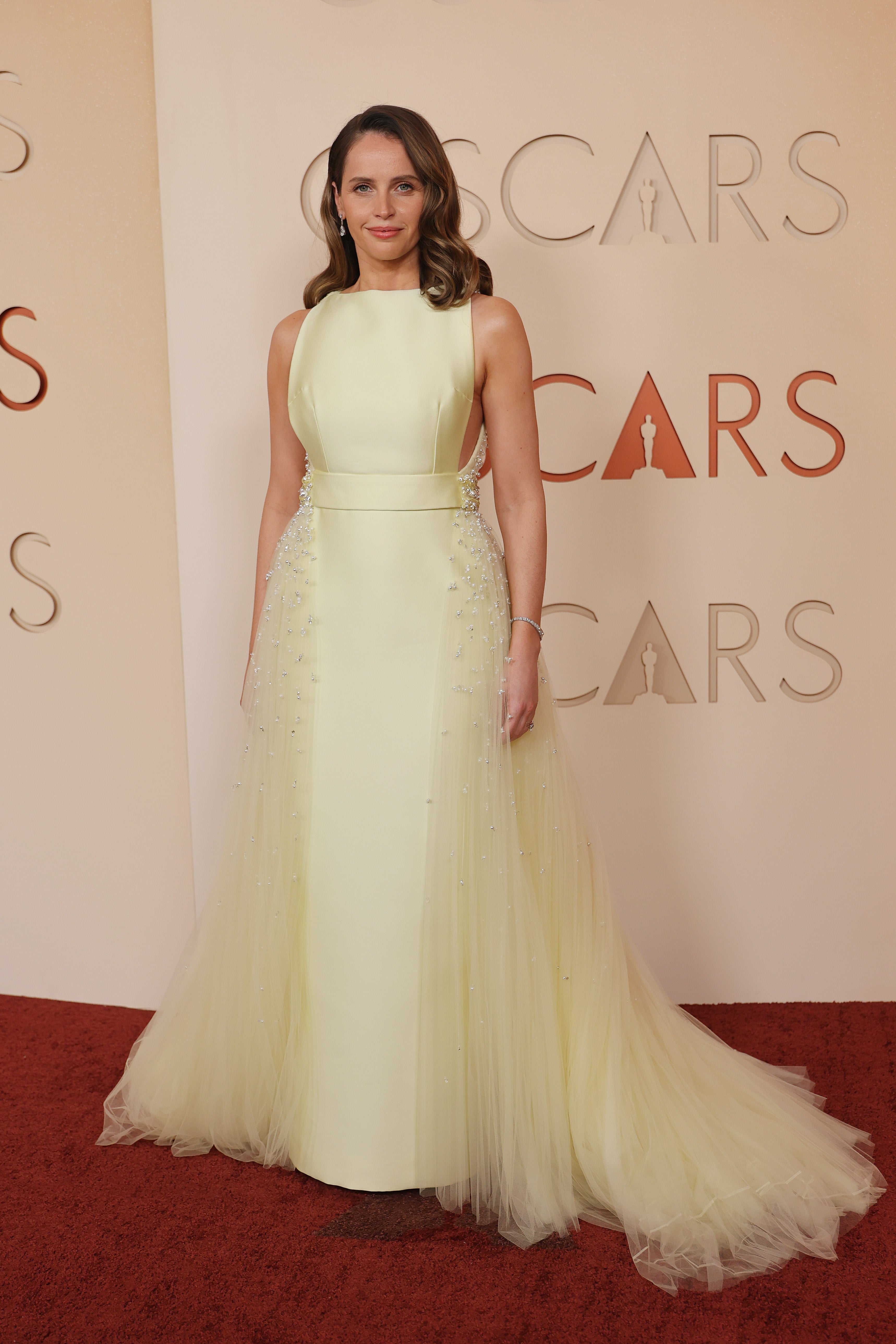
Felicity Jones
Misty Copeland
Jayme Lawson
Kevin O’Leary
Amelia Dimoldenberg
One-off £2,000 cash grant gives care leavers head start, study finds
Participants were less likely to become homeless or spend time in hospital or prison, researchers say.
Source link
A tie at 2026 Oscars for Best Live-Action Short marks 7th such rare award moment
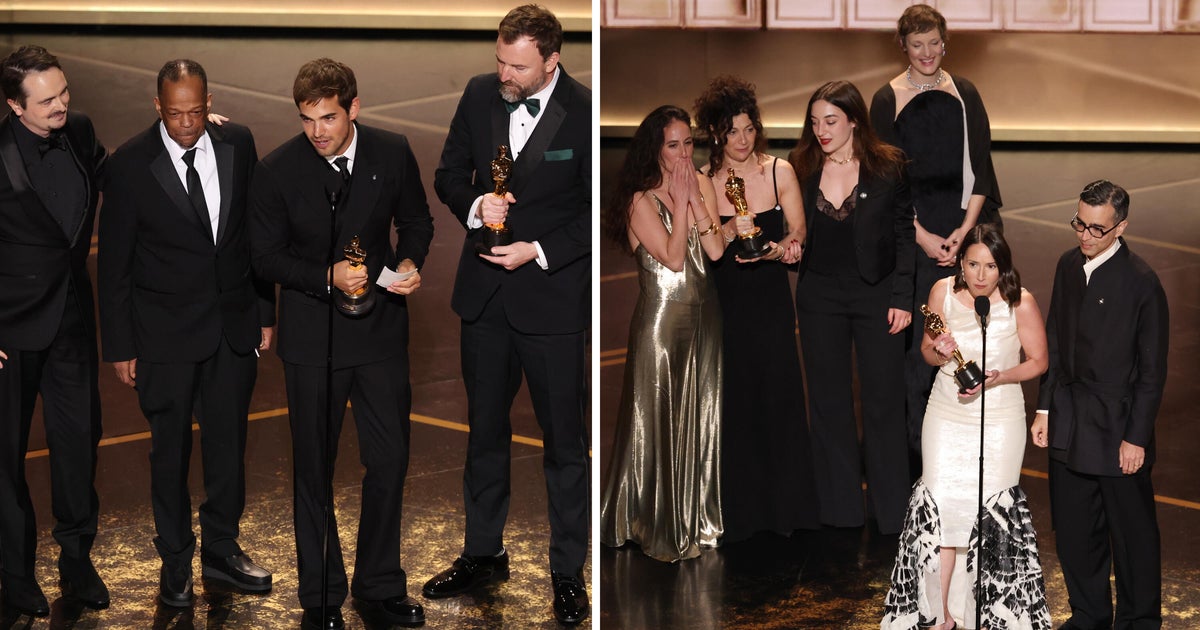
A tie at the 2026 Oscars on Sunday marked a rare moment for the movie awards ceremony — the seventh time in the academy’s history that two awards were given for one category.
As Kumail Nanjiani took the stage to announce the winner for Best Live-Action Short at the 98th annual Academy Awards, the actor and comedian exclaimed: “And the Oscar goes to … it’s a tie. I’m not joking. It’s actually a tie.”
The Oscars went to “The Singers,” a musical comedy, and “Two People Exchanging Saliva,” a French-language short drama. First up on stage was the team behind “The Singers.”
“A tie, wow. I didn’t know that was a thing, a tie, but we’re happy to be up here,” said “The Singers” director Sam Davis as he accepted the award.
Nanjiani then took the mic again and announced “Two People Exchanging Saliva” as the second winner.
“We love all of our fellow nominees, and we’re so, so grateful to everyone who has supported our film,” director Natalie Musteata said. “Thank you to the academy … for supporting a film that is weird and that is queer and that is made by a majority of women.”
Getty Images
Other ties at the Oscars include Katharine Hepburn and Barbra Streisand
There have been six other ties at the Oscars over the course of nearly a century.
At the 5th annual Academy Awards, actors Fredric March (“Dr. Jekyll and Mr. Hyde”) and Wallace Beery (“The Champ”) shared the award.
It was not a true tie, however, as March received one more vote than Beery, according to the Academy. But rules at the time said if the runner-up in any category came within three votes of the winner, they would both get rewarded. The rules have since been changed, and only an exact tie in votes now qualifies for two awards.
In 1949, the documentaries “A Chance to Live” and “So Much for So Little” tied in the short subject category.
In 1968, Katharine Hepburn (“The Lion in Winter”) and Barbra Streisand (“Funny Girl”) both received Oscars for Best Actress.
In 1986, the Feature Documentary category saw a tie between “Artie Shaw: Time Is All You’ve Got” and “Down and Out in America.”
In 1994, another tie occurred in the Best Live-Action Short category. “Franz Kafka’s It’s a Wonderful Life” and “Trevor” received the same number of votes from Academy members.
The last tie occurred in 2012 in Sound Editing for “Skyfall” and “Zero Dark Thirty.”
People turn to private health care to beat long NHS waits, says watchdog

The patient watchdog warns of two-tier service as polling shows numbers paying for care is on the rise.
Source link
Is this product ‘human made’? The race to establish AI-free logo
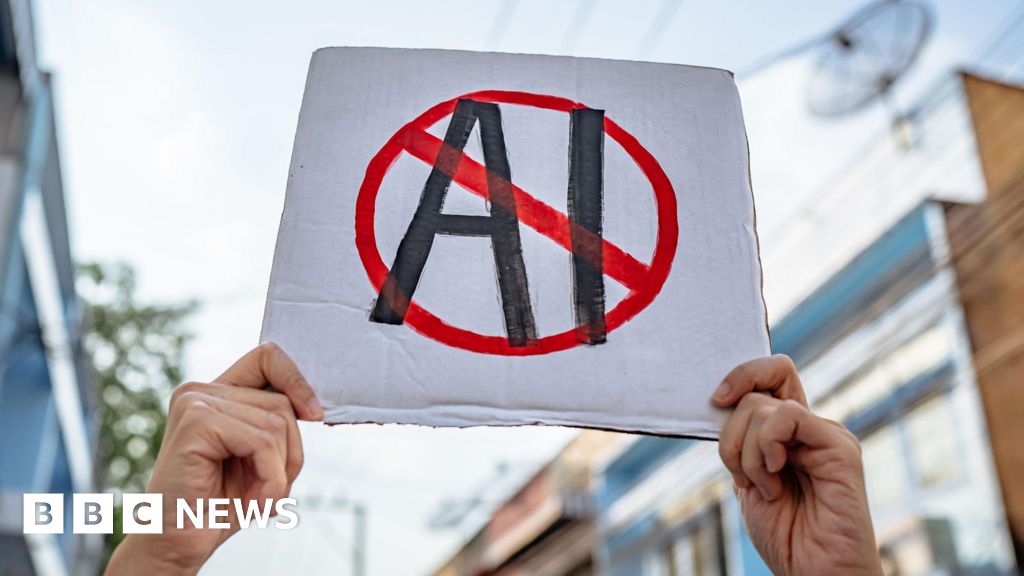
The backlash to the growing use of the tech has led to an explosion in attempts to come up with ‘AI-Free’ logo that could be used globally.
Source link
Young adults trust group chats and TikTok more than financial websites – poll

Almost half (43%) of young Britons say they trust financial tips shared in their group chats more than those found on financial websites, a survey suggests.
Almost three quarters of 18 to 28-year-olds (71%) use messaging apps and online groups to find money-saving tips and tricks, the poll for Nationwide found.
Some 36% use online group chats to find discount codes, supermarket price drops (30%) and restaurant deals (22%), while 82% claim such spaces have directly shaped their money-saving habits.
The poll found that 25 to 34-year-olds are aiming to save an average of £7,536 this year.
Methods to save money included cutting back on nights out (37%) and taking on “side hustles” (32%).
On average, 18 to 28-year-olds had saved up to £512 a year as a result, more than £200 more than their parents.
The survey found many are also turning to social media for financial advice and practical money-saving strategies, with 48% favouring TikTok.
Richard Stocker, head of savings at Nationwide, said: “Young people are re-writing the rulebook when it comes to money, and it’s encouraging to see them using social media not just for entertainment, but to learn, share tips, and support each other.”
Censuswide surveyed 2,001 UK adults between February 11-13.
How Gen Z use group chats and TikTok to boost their savings

Almost half (43 per cent) of young Britons are now trusting financial tips shared in their group chats more than information found on traditional financial websites, a new survey suggests.
The poll, conducted for Nationwide, revealed that 71 per cent of 18 to 28-year-olds actively use messaging apps and online groups to discover money-saving tips and tricks.
These digital communities are proving highly influential, with 82 per cent of respondents claiming such spaces have directly shaped their money-saving habits.
Young people are leveraging them to find discount codes (36 per cent), track supermarket price drops (30 per cent), and secure restaurant deals (22 per cent).
This generation is also demonstrating ambitious financial planning, as 25 to 34-year-olds aim to save an average of £7,536 this year.
Their practical methods include cutting back on nights out (37 per cent) and taking on “side hustles” (32 per cent).
These efforts appear to be paying off, with 18 to 28-year-olds having saved an average of £512 annually – a figure more than £200 higher than their parents’ savings.
Beyond private chats, social media platforms are also a key source of financial advice and practical strategies, with TikTok emerging as a favourite for 48 per cent of young people.
Richard Stocker, head of savings at Nationwide, said: “Young people are re-writing the rulebook when it comes to money, and it’s encouraging to see them using social media not just for entertainment, but to learn, share tips, and support each other.”

Get a free fractional share worth up to £100.
Capital at risk.
Terms and conditions apply.
ADVERTISEMENT
Get a free fractional share worth up to £100.
Capital at risk.
Terms and conditions apply.
ADVERTISEMENT
The Censuswide survey gathered insights from 2,001 UK adults between 13 and 13 February.
An earlier report from the Harris Poll said that TikTok is Gen Z’s app of choice as they are increasingly ghosting other social media apps.
A strong majority of young adults use the app daily, although many are starting to pull back to pursue other hobbies and interests.