

Growing efforts to rein in lawmakers’ use of prediction markets have intensified pressure on Congress to confront the broader issue of stock trading by its members.
Despite years of proposals and bipartisan support from the public, attempts to ban stock trading by sitting members of Congress and their families remain largely stalled.
However, recent Senate actions and state-level actions targeting prediction market activity, prompted by the related concerns over insider trading and conflicts of interest, have renewed calls from certain lawmakers and transparency groups for a more sweeping crackdown on the practice.
Congress Clamps Down on Prediction Market Trading
Last week, the Senate passed Ohio Republican Bernie Moreno’s resolution banning senators and their staff from using platforms like Kalshi and Polymarket with immediate effect. The rule change, adopted by unanimous consent, means no sitting senator “may enter into, or offer to enter into, an agreement, contract, or transaction that provides for any purchase, sale, payment, or delivery that is dependent on the occurrence, nonoccurrence, or the extent of the occurrence of a specific event.’’
“United States Senators have no business engaging in speculative activities like prediction markets while collecting a taxpayer-funded paycheck, period,” Moreno said. “Serving in Congress should never be about finding new ways to profit; it should be about delivering results for the American people.”
The move has received broad support, including from Kalshi and Polymarket, who have recently adopted their own guardrails to limit market manipulation and insider trading on their platforms.
“We’re in full support of this,” the latter posted to X following the ban. “Our Rulebook & Terms of Service already prohibit such conduct, but codifying this into law is a step forward for the industry.”
Senate Minority Leader Chuck Schumer has called on House Speaker Mike Johnson to push for a similar measure in the lower chamber, and several lawmakers have since urged for an expanded ban covering all government officials.
Prediction Market Scrutiny Fuels Calls for Stock Trading Ban
Moreno said the resolution would help restore trust in lawmakers amid growing fears over them using inside information to “monetize” their position in office—fears which have prompted recent bipartisan calls for further regulation of prediction markets and have led a number of state governors to bar state officials from betting based on nonpublic knowledge.
A number of politicians have already been suspended from prediction markets for wagering on their own races. The Iran war and well-timed trades by several accounts has also given rise to concerns that certain individuals may be profiting from advance knowledge of military decisions.
In April, a U.S. Special Forces soldier was charged with allegedly pocketing over $400,000 through a series of Polymarket contracts tied to the January capture of Venezuelan President Nicolás Maduro—bets the Justice Department said were made “on the basis of classified information.” Gannon Ken Van Dyke has pleaded not guilty to the charges.
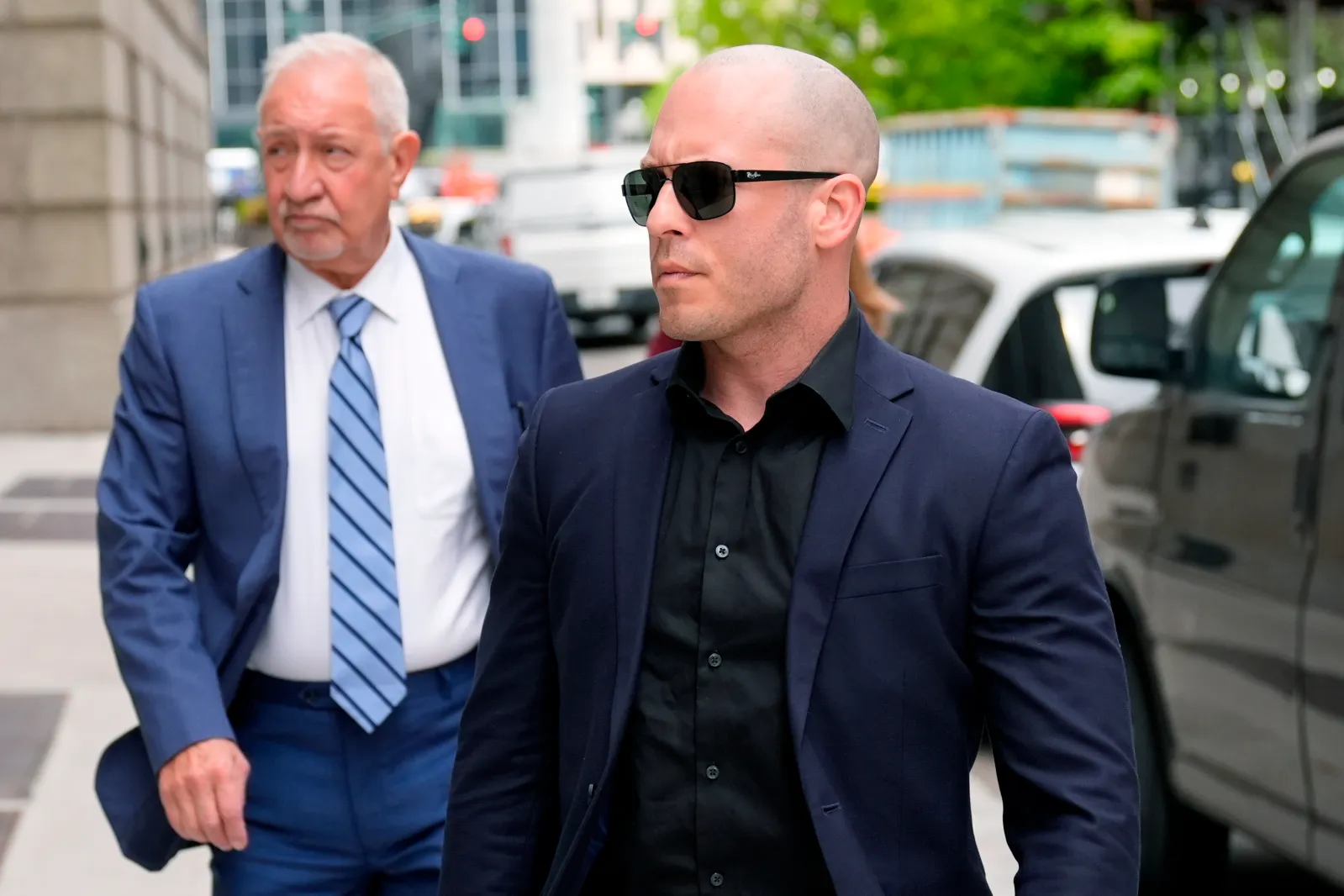
Some took this as proof that Polymarket’s own enforcement mechanisms were working as intended, though certain lawmakers said the charges made little sense given the ongoing failure to clamp down on such activities they believe are rife within Congress.
And a similar position has been taken by many following the passage of Moreno’s resolution.
Why One Ban May Not Be Enough for Reform Advocates
“While banning senators from dabbling in prediction markets is an important step toward restoring trust, it isn’t a silver bullet,” Abigail Bellows, Senior Policy Director for Anticorruption & Accountability at the government reform group Common Cause, told Newsweek.
“Americans across the political spectrum agree: We still need more comprehensive reform, including stopping lawmakers from trading stocks in the very industries they regulate.”
Michael Beckel, director of Money in Politics Reform at the government accountability nonprofit Issue One, similarly told Newsweek that lawmakers should seize on the current “momentum” to “also ban the trading of stocks.”
“The rule passed yesterday to ban senators and their staff from trading event contracts on prediction markets is a step in the right direction, but more work must be done to ensure fairness, transparency, and a system that is not tilted in favor of those with privileged access,” Democratic Senator Kirsten Gillibrand told Newsweek in a statement.
Gillibrand last week introduced her own bill expanding insider-trading restrictions on prediction markets to cover executive branch officials, including the president. The bill also calls on regulators to clarify rules on insider trading specifically for prediction markets and to create new mechanisms for rooting out the practice.
Gillibrand said this measure “doubles down on her record to ban members of Congress from owning or trading stocks,” and the senator told Newsweek she hoped the growing scrutiny on government officials’ use of prediction markets “paves the way for a stock trading ban.”
“Whether through prediction markets or stock trading, elected officials should not be able to profit from insider information,” she said.
