

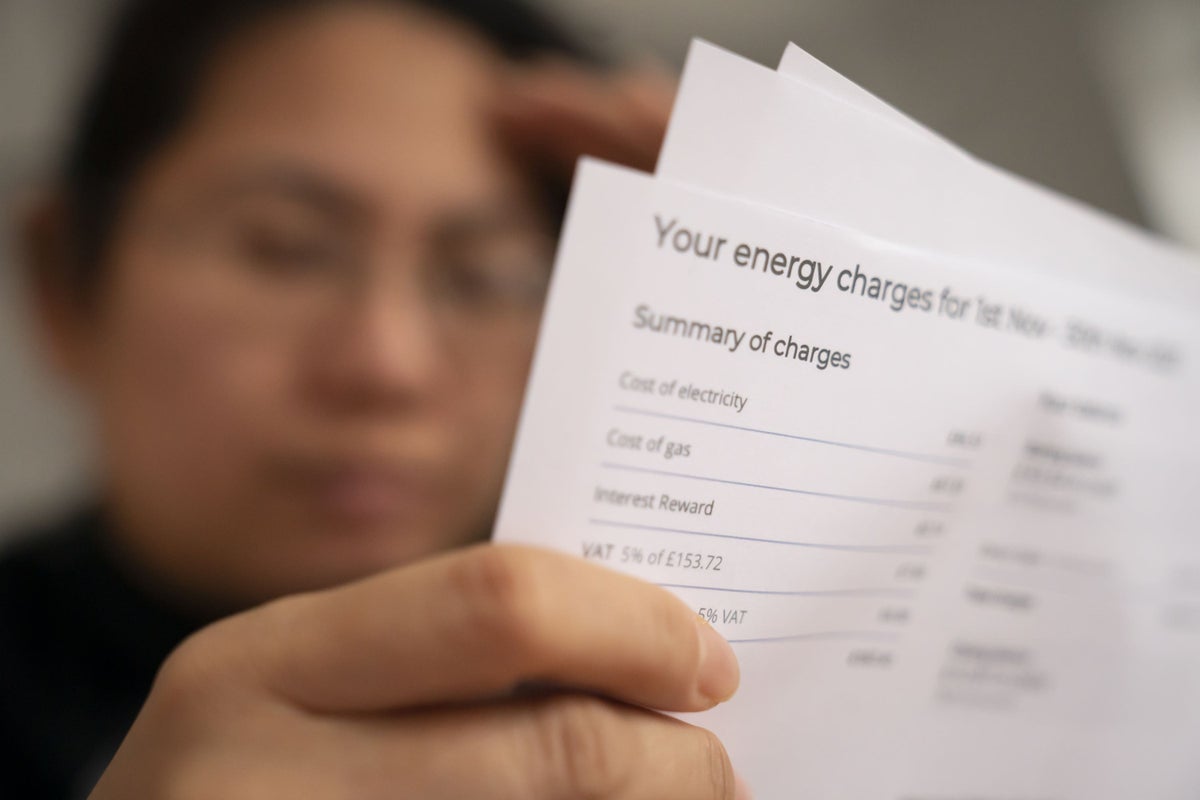
Energy debt has reached a record £6bn, according to Energy UK, with more than three million customers now in debt or arrears.
And with the energy price cap rising by 4 per cent in October, households already struggling to pay could face even more pressure.
The price cap will go up from £1,668 to £1,723 from 1 October – but could rise as much as £400 further in January.
If you’re worried about keeping up with your bills, don’t wait until you have missed payments before asking for help.
Your energy supplier should work with you to agree a repayment plan, and free debt charities can help you work out what you can afford.
Energy debt is at record levels
Energy UK has warned that domestic energy debt could reach £7bn by the end of the year. Its figures show the average amount owed by the 3m customers are now in debt is about £1,800.
The trade body bases its figures on arrears unpaid for more than 30 days. This differs from Ofgem‘s official figures, which count a household as being in debt once arrears are 90 days old.
Figures from the regulator show combined energy debt and arrears reached £4.79bn in the first quarter of 2026, up 5 per cent in three months and 15 per cent compared with a year earlier.
Get a free fractional share worth up to £100.
Capital at risk.
Terms and conditions apply.
ADVERTISEMENT

Get a free fractional share worth up to £100.
Capital at risk.
Terms and conditions apply.
ADVERTISEMENT
Dhara Vyas, chief executive at Energy UK, says: “We made a stark warning about customer debt earlier this year and voiced fears that without urgent action, what was already a crisis would deteriorate further.
“Unfortunately, those warnings are proving all too accurate – the debt mountain is climbing higher, causing immense worry to many customers, adding growing costs to everyone’s bills and threatening suppliers’ financial viability.”
Who is most at risk from energy debt?
Energy debt doesn’t affect all households equally. Research from the End Fuel Poverty Coalition, based on the government’s household survey, found that 14.3 per cent of single-parent families were behind on their energy bills.
That is in addition to 9.5 per cent of Black, African, Caribbean and Black British households, and 6.6 per cent of households with a disabled person.
Just 1.9 per cent of households without a disabled person were in arrears.
StepChange says the average energy arrears among its clients reached £2,673 in the first half of 2026, more than £200 higher than in 2025.
Citizens Advice meanwhile estimates 3.5m households are currently in energy debt. This is higher as it includes people behind with their bills and those without gas or electricity because they cannot afford to top up a prepayment meter.
Its research also found that only 19 per cent of people in energy debt had been proactively contacted by their supplier with offers of support.
What should you do if you can’t afford your energy bill?
It can be tempting to ignore a bill or debt letter when you know you cannot afford it, but this can make the problem harder to deal with.
If you have received a debt letter, don’t assume you have to pay the whole amount immediately. Contact the supplier and ask to discuss an affordable repayment plan.
Your supplier may also offer other forms of support, depending on your circumstances.
It is also worth checking whether you qualify for government support. The Warm Home Discount can provide eligible households with £150 towards their electricity costs. You may be eligible if you receive certain means-tested benefits.
Either way, you don’t have to work out your finances alone. Charities such as StepChange and Citizens Advice offer free debt advice and can help you look at your income, spending and debts as a whole.
Emily Whitford, senior public policy advocate at StepChange, says: “For anyone struggling with their energy bills – talk to someone and reach out for help. Your energy supplier may have schemes to support you, and a debt advice charity like StepChange can support you with full budgeting, specialist assistance, and ultimately chart a course back to financial health.”
What about an energy bills social tariff?
Energy UK is calling for a new “social discount” to reduce bills for households most in need. It also wants greater use of smart prepayment meters and new rules to help stop debt building up when people move home.
The industry body says bad debt is already adding around £50 a year to a typical dual-fuel customer’s bill under the price cap. This means rising energy debt affects everyone, not just those behind on their bills.
Meanwhile, campaigners such as Disability Rights UK and the Disability Poverty Campaign Group are calling for an energy social tariff to tackle increasing bills and growing energy debt.
The difference between a social discount and a social tariff is that a social tariff would make energy cheaper for eligible households, while a social discount would give eligible households money off their bill.
What is the Energy Debt Relief Scheme?
There are also calls for the long-delayed Debt Relief Scheme (DRS) to finally be introduced. The Ofgem scheme aims to help households with energy debt built up during the energy crisis of 2022-24.
The proposal was first put forward more than two years ago but implementation has been delayed, mostly due to legislative roadblocks and issues around the data-sharing powers needed to identify eligible consumers.
Energy UK, Citizens Advice and the End Fuel Poverty Coalition are all calling for the scheme to be delivered as soon as possible, with the scheme funded by energy company windfalls rather than adding more to customers’ bills.
When investing, your capital is at risk and you may get back less than invested. Past performance doesn’t guarantee future results.

