


Want to bookmark your favourite articles and stories to read or reference later? Start your Independent Membership today.
Already a member?
Log in
Winter can sometimes feel like a cycle. Wake up: it’s dark. Leave work: it’s dark. The cold evenings encourage us to hibernate, letting our exercise goals, friendships and hobbies take a backseat, while we find solace in various screens – and plenty of snacks. So, motivation may, quite quickly, evaporate.
Dopamine – often credited as the body’s “feelgood” hormone – doesn’t fix this, but it does offer a way of jolting the brain’s natural rhythms to create space for small moments of energy, intrigue and uplift throughout the day. When it works alongside other neurotransmitters like serotonin, it’s possible to shake that sluggishness and get off the sofa.
October, with its time zone change from BST to GMT, is when we need dopamine more than ever, as the shorter days and reduced sunlight hours reduce our baseline levels. So, after the practice gained popularity for those with ADHD in 2020, many now turn to a “dopamine menu” to get that process started, without deploying the immediate gratification of spending money, drinking alcohol, or relying on ultra-processed foods.
Essentially, it’s a personalised list of activities that you enjoy, which can be slotted into a daily routine. Rather than being expensive, unhealthy, or self-destructive, these highlights are usually small and grounded in wellness. Here are some expert-approved ideas to get started.
The small things to keep you content

The smallest items on your dopamine menu should be things you can do “without requiring much effort”, says Dr Asiya Maula, private GP at The Health Suite. These include easy boosts like making your favourite drink, listening to a song you like, stepping outside for some fresh air, doing some stretches or calling a friend, which all give you an “immediate lift”.
Despite these actions being small, they can be mighty in terms of mood: dopamine levels can increase by up to 9 per cent during peak musical moments. Just 10 minutes outside can sharpen focus and boost mood, while stretching stimulates our brain’s reward circuit activation.
Studies have shown that as little as eight minutes on the phone to a friend can reduce feelings of depression, loneliness and anxiety.
“I would recommend having a mixture of activities rather than relying on one source of pleasure,” Maula says. “The idea is to have different options available depending on how much time, energy or motivation you have.”
“These small actions can be particularly useful when motivation is low because you are not asking yourself to completely change your mood or get through a huge task,” she adds of the lack of energy that can set in. “You are simply giving yourself a small positive interruption.”
The bigger things to shift your mood

For the main course on your dopamine menu, items require a little more time but have an even more intensely positive impact. For example, going for a walk, exercising, cooking something from scratch, finishing chapters of a book , doing a hobby or meeting a friend. “These can all provide a sense of reward alongside achievement, connection or enjoyment,” says Maula, who encourages getting outside in the winter months.
Recent research has found that just five minutes of exercise can have a positive impact on mood and energy. But if you want to push it further? Three-quarters of an hour of movement three to four times per week offers the optimum mental health benefit, while also increasing the achievement payoff.
Much like the satisfaction of finishing a chapter of a book when reading, cooking a meal from scratch offers a sense of accomplishment – even if the recipe is straightforward to follow. Meanwhile, having a routine hobby, like crafting or dancing, encourages a scheduled chunk of time that revolves around pleasure and joy.
Something extra to enjoy
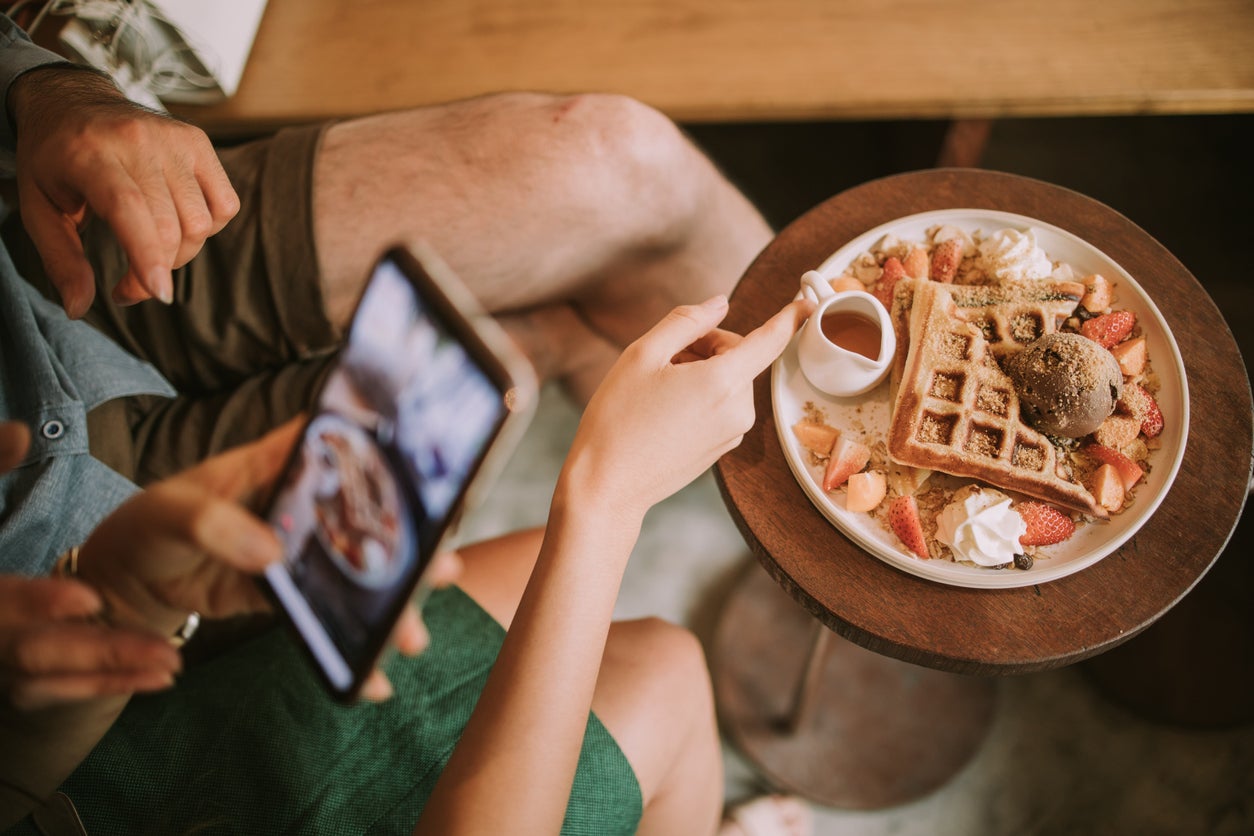
As with food, desserts on the dopamine menu should be things that you enjoy but shouldn’t have all the time. These include those habits that can often become a crutch, like TV, social media, shopping or a sweet treat.
“These are typically enjoyed in moderation and small doses,” says Richard Stead, consumer health and wellness director at Boots.
Extensive dopamine scrolling can lead to mental distraction, degraded social interaction, and potential mental health issues. The large amount of dopamine these apps release into our brains’ reward pathway has even been likened to drugs or alcohol by researchers.
The more we use social media, the more the platforms alter our dopamine pathways, which fosters dependency and alters our reward processing. “Dopamine menus are designed to help break out of those habits by providing a list of alternative activities that stimulate the brain in a more positive way,” says Stead.
That being said, it’s important not to fill your dopamine menu with activities that feel more like a to-do list than a reward: “Don’t create another list of things you feel you need to accomplish,” says Maula. “It should make enjoyable choices easier when you’re tired, bored, or lacking motivation. Keep it realistic and include things that you genuinely enjoy.”

