
Home Blog Page 15

Pets can get sunburnt too – here are the signs and how to protect them

0
Pets can get sunburnt too – here are the signs and how to protect them


While there is good awareness of the potential dangers of pets overheating in high temperatures during summer months, recognising that the sunburn itself can be a source of harm is also important.

We might think that our furry friends are protected from the sun’s harmful rays thanks to their typical hairiness, but in reality, we need to protect them too.

This is especially important for pets with light-coloured hair, pale, pink skin or those with fine or thin coats such as the sphynx cat or the xoloitzcuintle dog that lack natural protection.

For pets that live outdoors or spend a lot of time in the sun, this can also be a significant problem.

Pink skin lacks the pigment, melanin, that provides a natural level of protection from sunlight. As a result, pets with exposed areas of pink skin can become painfully sunburned, even on days that might not appear overly sunny. The tips of cats’ ears are commonly affected, as are horses with pink muzzles and other lightly pigmented areas of their body.

We also need to protect our pets from the sun (Getty/iStock)

Dogs can also be affected on their noses and bellies – I have even known one unfortunate pooch to suffer sunburn on his scrotum after a period of garden sunbathing. Essentially, just like us, any unprotected area of skin that is exposed to the sun can become painfully burned, with both short and more prolonged effects.

Even minor areas of sunburn are associated with reddening of the skin, irritation and discomfort. More severe cases of sunburn can cause blistering, crusting and scabs to form on affected areas. While these signs typically heal and resolve quickly, they can be painful and distressing for our pets.

The longer-term consequences can include significant damage to the skin and may increase the risk of certain forms of skin cancer developing.

There is also the potential for thermal burns to occur after exposure to intense sunlight, especially over the backs of animals. These can be severe, affecting the full thickness of the skin and causing significant distress.

Consequently, protecting our pets from the pain of sunburn is important.

How to protect your pet
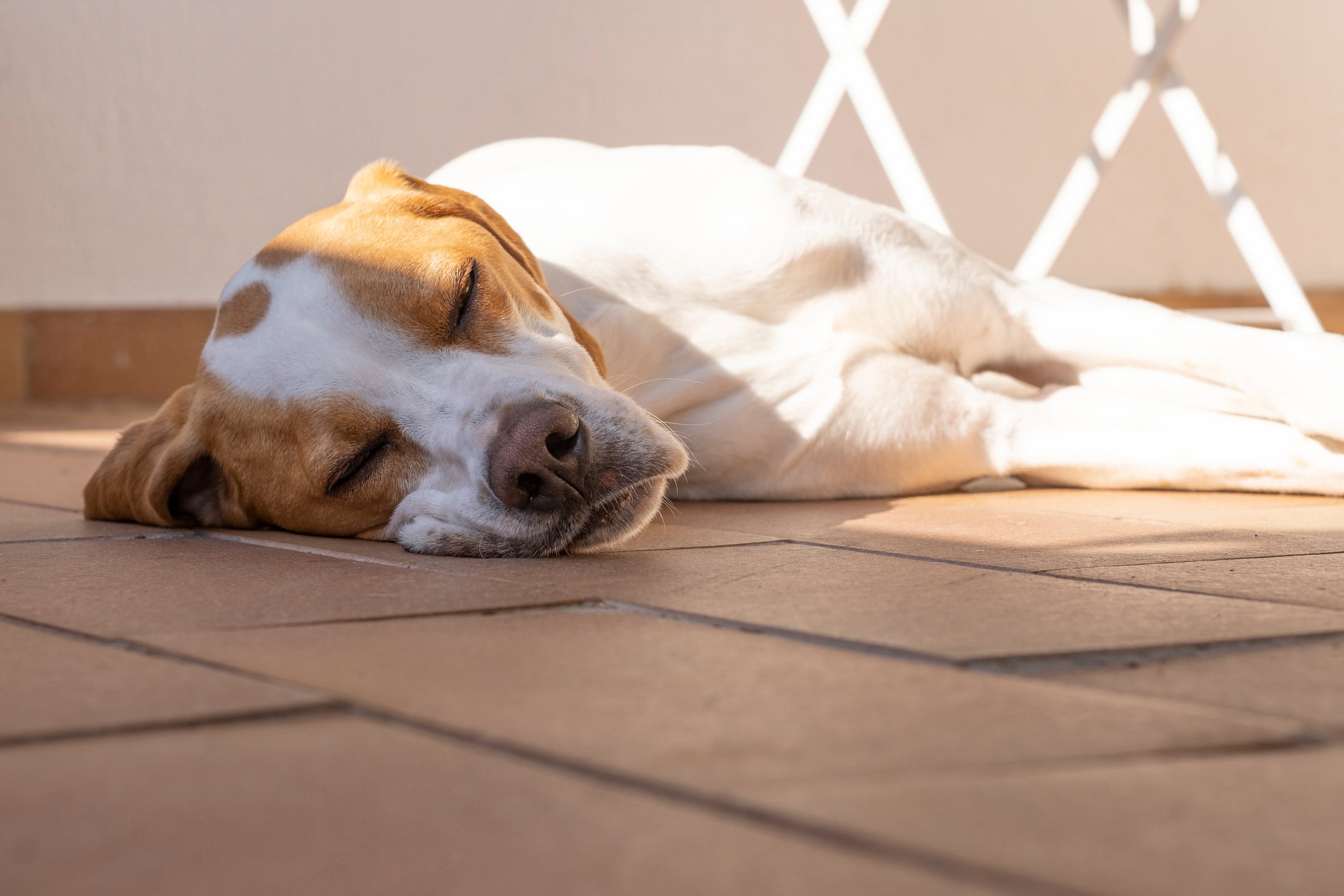
Pets with exposed areas of pink skin can get sunburnt without protection
Pets with exposed areas of pink skin can get sunburnt without protection (Getty Images/iStockphoto)

An easy way to keep your pet safe both from the damaging UV radiation in sunlight and high temperatures, is to limit their access outdoors during the sunniest and warmest times of the day. This might mean exercising your dog early in the morning and later in the evening, providing shade and shelter for horses and encouraging cats to sunbathe safely indoors.

The use of sunscreen can be a useful protective method to limit harm to exposed areas of skin, but do select a pet-safe sunscreen. Many human sunscreen preparations contain ingredients that can be toxic for our pets, especially if accidentally licked and ingested.

Reapply sunscreen regularly and don’t forget to apply it to the areas most likely to be exposed, such as ears, noses and pink-skinned or lightly coated areas of the body.

For some pets, suitable protective clothing and coverings, including UV eye protection might be appropriate, although do take time to get your pet used to wearing and moving in these before use.

What if your pet has been sunburned?

Jacqueline Boyd is a Senior Lecturer in Animal Science at Nottingham Trent University.

This article is republished from The Conversation under a Creative Commons licence. Read the original article.

If your pet gets a mild sunburn but seems comfortable and not in distress, a cold compress can offer some soothing relief. Gently apply it to the affected area to help ease discomfort. Keep a close eye on the healing process, and be sure to protect your pet from further sun exposure.

In more severe cases, contact your vet for advice and additional treatment. Painkillers or antibiotics might be needed and these can only be prescribed for your pet by a veterinary surgeon.

Equally, if you find unusual areas on your pet’s skin such as non-healing or unusually crusty sores and are concerned that it could be a sign of skin cancer, speak to your vet for guidance and support.

Global UV levels are increasing. This means that in the same way that we have increased exposure to potentially harmful levels, our pets do too. By managing how our pets experience sunshine and by using protective options where possible, we can go some way to avoiding the pain and distress of sunburn, as well as the more serious possible long-term consequences such as skin cancer.


Source link

Which plants to save – and which to sacrifice – if you’re under a hosepipe ban

0
Which plants to save – and which to sacrifice – if you’re under a hosepipe ban


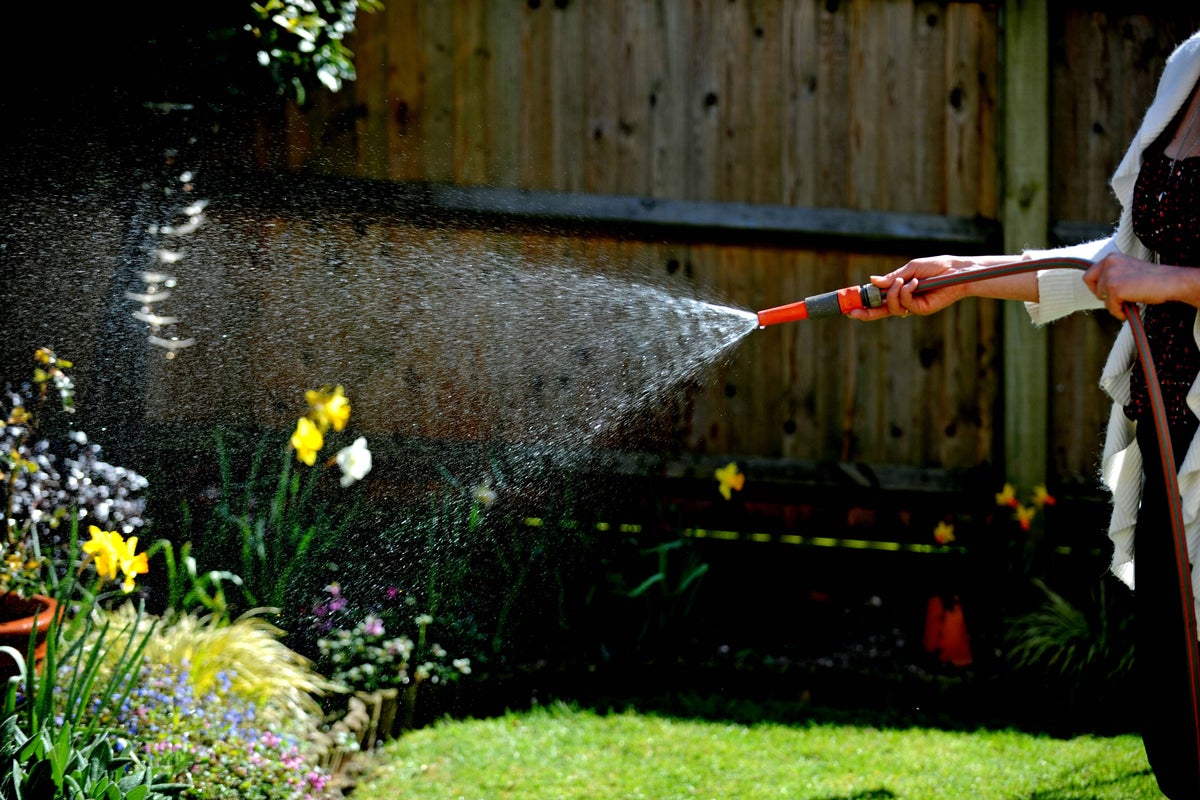
With hosepipe bans in force across several English regions and more restrictions likely to follow, gardeners face some tough choices.

When every drop counts, which plants deserve your precious water from the water butt, and which should you leave to fend for themselves?

As someone who has researched how British gardeners need to adapt to respond to our changing climate, I can tell you that not all garden plants are created equal when it comes to water needs.

Some plants will bounce back from a summer scorching, while others may never recover.

Top plants to prioritise for watering

Hydrangeas adopt a conservative strategy when it comes to drought (Alamy/PA)

1. New woody plants

Any woody plant installed in the last 12-18 months should be your absolute priority. These haven’t yet developed the deep root systems needed to find moisture reserves and going without enough water the first year or so after planting could kill them.

Water thoroughly and add a deep mulch of wood chips to help the soil hold water. For young trees you can install a watering bag around the trunk but you still need to top it up.

2. Hydrangeas

Hydrangeas adopt a conservative strategy when it comes to drought. They shut their stomata (leaf pores) rapidly when they sense dry soil, and keep them closed until consistent moisture returns. They often drop their leaves too.

This can mean many weeks without growth, after even a relatively short drought period. So if you want to keep them looking at their best, they need consistent watering. You can cut growth back to reduce water loss, and save the the plant at the cost of flowers.

3. Moisture loving trees

Japanese maples (Acer palmatum), along with other moisture-loving trees like birch and beech, are prone to serious die-back during summer droughts. Their shallow root systems and large leaves make them particularly vulnerable to water stress. Water and mulch them.

Alastair Culham is an Associate Professor of Botany at the University of Reading.

This article is republished from The Conversation under a Creative Commons licence. Read the original article.

4. Soft herbaceous plants

Astilbe, dicentra, filipendula, heuchera, primula, trollius and many other soft herbaceous plants require good moisture levels and may not survive prolonged drought.

5. Shallow-rooted shrubs

Rhododendrons and azaleas are shallow-rooted shrubs particularly susceptible to drought stress, especially the large-leaved evergreen species which are also prone to wind damage when stressed.

6. Clematis

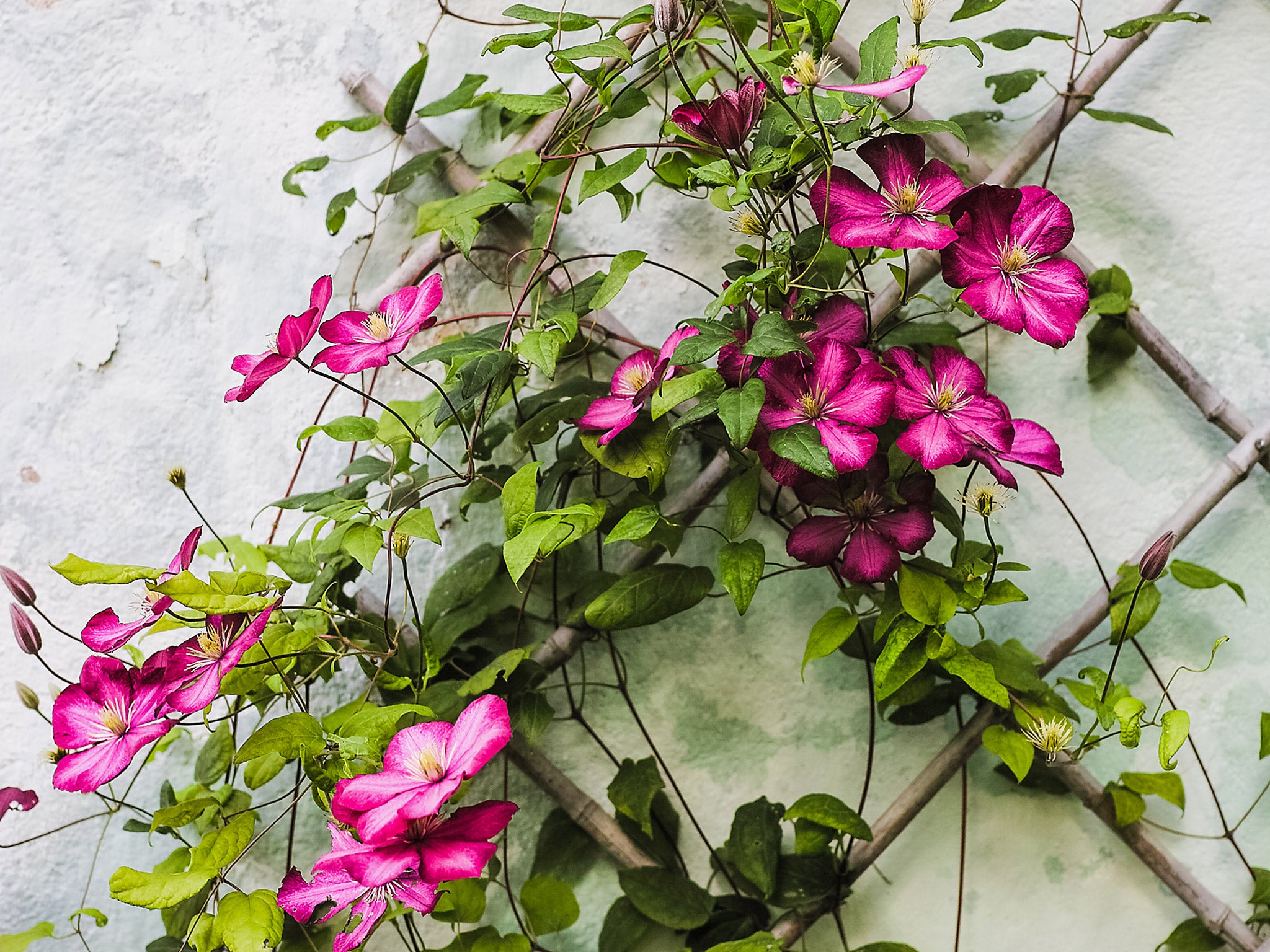
Many clematis varieties struggle with drought. Since they’re often grown for their spectacular flowering displays, maintaining adequate moisture around the roots is crucial, especially for autumn-flowering varieties, or spring-flowering varieties which flower on the previous year’s growth.

A gravel mulch can help keep the roots cool and damp. However, clematis orientalis, terniflora, and evergreens such as C. cirrhosa can be surprisingly tolerant of a hot dry period.

Many clematis varieties struggle with drought
Many clematis varieties struggle with drought (Getty/iStock)

7. Ripening vegetables

If you’re growing vegetables, prioritise crops approaching harvest and those that split when moisture returns after drought, such as carrots. Runner beans and courgettes need moist soil to keep cropping and potato yields are heavily influenced by water levels.

8. All the pots

Anything in pots has limited access to soil moisture reserves and will need regular attention. Move containers to shadier spots if possible. Always use a pot saucer to hold water and prevent it draining away.

Plants that can survive without extra water

Research into plant water-stress shows that many common garden plants are surprisingly resilient.

Forsythia adopts a risk-taking strategy. It keeps growing and photosynthesising even when soil moisture becomes limited, gambling that it can regrow after damage. This makes it remarkably drought-tolerant. It is also tolerant of heavy pruning which can save it in severe conditions.

Mediterranean shrubs like lavender, rosemary, sage and thyme are naturally adapted to dry conditions. Their grey, hairy or waxy leaves are evolved to conserve moisture. Soil conditions are crucial though. If the plants are deep rooted they will draw water up, but if your soil is shallow or compacted they might well be less drought tolerant.

Mediterranean shrubs like lavender, rosemary, sage and thyme are naturally adapted to dry conditions
Mediterranean shrubs like lavender, rosemary, sage and thyme are naturally adapted to dry conditions (Getty)

Sedums, sempervivums and other succulents store water in their fleshy leaves and can survive extended dry periods. RHS research identifies Sedum spectabile as particularly reliable under stress.

Ornamental grasses generally have efficient root systems and many species actually prefer drier conditions once established.

Established shrubs including cistus, phlomis, buddleja, cotoneaster, berberis and viburnum have deep roots and proven track records for drought survival. The RHS report identifies these as garden stalwarts, with high stress resilience.

Some trees, including eucalyptus, bay (Laurus nobilis) and holm oak are remarkably drought tolerant.

Those to sacrifice

Grass lawns are thirsty and can be left to go dormant. If you have a newly seeded or turfed lawn from this year, some limited watering may be justified. But in general, embrace the golden colour of water-stressed lawns. As long as you don’t create too many bare patches from over-use, the green colour and growth will come back when it rains.

Annual bedding plants like busy lizzies and begonias have shallow root systems and high water demands. However, they are only there for one season and are easily replaceable, so prioritise them for watering only if they’re particularly important to your garden’s summer display and you can spare the water. You could save some by potting them up and enjoying a display that needs less water.

When you do water, research shows that technique is crucial. Water thoroughly but less frequently to encourage deep root growth. Focus water at the base of plants rather than on leaves, and water in early morning or evening to reduce evaporation.

Consider “split-root” watering for established shrubs – water one side of the plant thoroughly, then switch to the other side two to three weeks later. This keeps plants hydrated while chemical signals from the dry side’s roots prevent excessive new growth that would increase water demands.

This drought is a taste of Britain’s gardening future. The plants struggling most in this year’s drought are likely to become increasingly unsuitable for British gardens without intensive irrigation.

Be willing to swap out plants that suffer in drought for new plants that are more tolerant. Refresh plantings to adapt to the new climate.


Source link

Ukrainian attacks on holiday camps in partly Russian-occupied Zaporizhzhia kill 11

0
Ukrainian attacks on holiday camps in partly Russian-occupied Zaporizhzhia kill 11


Ukrainian attacks on holiday camps in the partly Russian-occupied Zaporizhzhia region have killed 11 people, Moscow-installed officials said Saturday, while authorities in Ukraine’s northeastern Sumy region said a Russian drone strike killed three people.

The strikes followed a major Russian attack on Friday near Kyiv that killed at least 10 people and wounded around 100 others, part of a relentless cycle of tit-for-tat attacks that dims the potential of reaching a diplomatic end to Russia’s more than 4-year-old invasion of its neighbor.

Four children were among 11 people killed in the attack on the resorts in Zaporizhzhia, Yevgeny Balitsky, the Kremlin-installed regional head, said, adding that 16 others were wounded.

Ukraine did not immediately comment.

Sumy regional head Oleh Hryhorov said on Saturday three people were killed when a large fire broke out after a Russian drone struck a “civilian facility,” adding that the victims were drivers for private Ukrainian postal and courier service Nova Poshta.

Russia’s defense ministry said it attacked a “storage and launch site” for Ukrainian drones in the Sumy region.

In Zaporizhzhia, in southeastern Ukraine, a Russian drone attack late Friday hit a shopping center, causing a fire that spread over a 500-square-meter area and injuring several people, regional head Ivan Fedorov said.

Ukraine’s President Volodymyr Zelenskyy warned in his evening address on Friday that intelligence assessments indicated that Russia was preparing missiles for a large attack, saying there were indications that this could happen in the next 48 hours.

A Ukrainian drone attack caused a fire in the grounds of the Tyumen Oil Refinery, in western Siberia, Tyumen regional Gov. Aleksandr Moor said on Saturday.

Writing on X Saturday, Zelenskyy confirmed the hit on the Tyumen plant, along with a logistics facility in Yekaterinburg and a fuel and lubricants warehouse in Rostov-on-Don.

Ukraine’s long-range drone technology has evolved during the war, posing a problem for Russia, whose huge land mass is hard to protect fully.

Kyiv’s forces have targeted Russian oil facilities, causing fuel shortages and embarrassing President Vladimir Putin.

U.S. President Donald Trump and Zelenskyy plan to meet on Tuesday in Washington, a White House official said on Saturday, speaking on condition of anonymity to discuss Trump’s schedule before it is announced.

Kyiv did not immediately comment on the meeting, although Zelenskyy said in his Friday address that Kyiv was “preparing for a meeting with the President of the United States and his team.”

A memorial service in Washington for the late Sen. Lindsey Graham, one of Kyiv’s staunchest supporters, is slated for Tuesday.

Romania’s defense ministry said on Saturday its forces had “safely shot down” a drone that breached its airspace in an “unpopulated area” near the Ukrainian border. The drone was “shot down by a Romanian pilot from an F-16 aircraft,” President Nicușor Dan said in a post on Facebook.

Saturday’s interception came after a drone was shot down around Padina, northeast of the Romanian capital, Bucharest, on Friday.

A series of drone incursions by Russia and Ukraine have hit Romania and other NATO members since Moscow launched its full-scale invasion of Ukraine in February 2022.

In June, a Ukrainian maritime drone exploded at the Black Sea port of Constanta, while three other sea drones exploded outside the port. No one was hurt.

A Russian drone that was part of an attack on Ukraine in May went astray and struck an apartment building in eastern Romania, injuring two people.


Source link

7/25: CBS Saturday Morning

0
7/25: CBS Saturday Morning


The U.S. pauses strikes against Iran, LeBron signs with the Sixers, plus SpaceX’s first post-IPO flight.


Source link

‘My brother earns less but gets more respect’: Delhi woman’s work-from-home video strikes a chord online

0
‘My brother earns less but gets more respect’: Delhi woman’s work-from-home video strikes a chord online


Delhi woman shares the work-from-home struggle many relate to

The debate around work from home refuses to die. While some people see it as a flexible way of working, many remote employees say the biggest challenge isn’t the job itself. It’s convincing people at home that they’re actually working.A Delhi woman’s Instagram video has now brought that conversation back into the spotlight. In a light-hearted but relatable rant, she spoke about how working from home often means balancing office work with household expectations, leaving many social media users saying they could relate.

‘My brother earns less but gets more respect’

Sharing her experience, Heena Dogra said the way her family views her job is very different from the way they see her brother’s.“A work-from-home employee gets less respect than a daily-wage worker. My brother goes to the office, earns less than I do, but still gets more respect at home simply because he dresses up and leaves for work, while I am seen lying around the house all day,” she said.Dogra added that despite spending long hours at work, she is often expected to be available for household responsibilities.“My brother works from nine to five, but my working hours often stretch from nine in the morning until nine at night,” she said.She also shared the kind of remarks she hears at home.“My family asks me, ‘Since you work from home, who pays you for sitting at home?’ They think I do a little work on my laptop and somehow get paid for it,” she added.

Guests don’t wait, meetings do

Dogra said things become even more difficult whenever guests visit the house.According to her, she is expected to put work aside, serve tea, water, and biscuits, and attend to visitors because everyone assumes her meetings can wait.“My family says, ‘You can attend your meeting later. You work from home anyway,’” she said.She also joked that, unlike her brother, who leaves home dressed for work, she usually spends the day wearing “a top of one colour” and “pyjamas of another,” making it even harder for people to believe she is actually on the job.

‘No, yaar, I am not having fun’

Dogra said even her friends assume that working remotely is easy.“No, yaar, I am not having fun. People who go to the office at least get proper time off, while I work like bonded labour,” she said.Ending the video with sarcasm, she joked that it almost felt as though her company had allowed her to work from home so she could entertain guests and make sure they were comfortable.The video was posted with the caption, “Bro, people who work from home get no respect at all.”

Internet says it feels all too familiar

The video sparked plenty of reactions from users who said they had experienced similar situations.One user wrote, “Work from home means work for office and home.”Another commented, “Laptop khula hai, but everyone thinks I am on holiday.”A third joked, “The biggest WFH meeting is serving tea to guests.”Another user added, “Salary company deti hai, but duties poora ghar assign karta hai.”Disclaimer: This article is based on a video shared by the content creator on Instagram and the reactions posted by social media users. The views expressed are those of the creator and commenters. Thumb image: Instagram


Source link

8 famous foods named after real people

0
8 famous foods named after real people


Whether created in someone’s honour or invented to satisfy a famous customer, these dishes have outlived the people behind them. Today, millions enjoy them without ever wondering whose names appear on the menu. Here are 10 well-known foods that owe their names to real people.


Source link

Doctors share what sleeping with a fan on does to your body and health

0
Doctors share what sleeping with a fan on does to your body and health


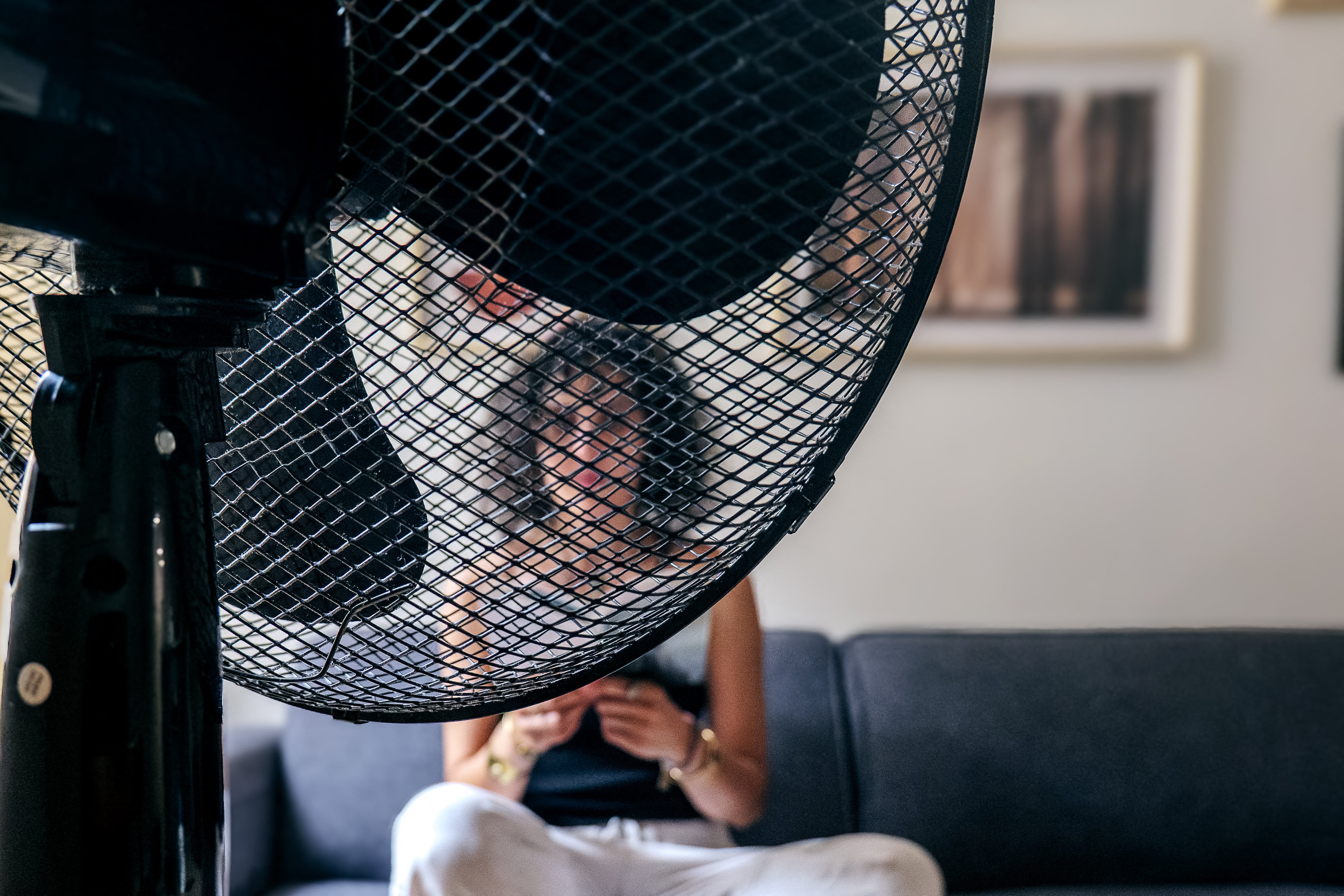
Summer heat waves are trickiest at night. When it’s too hot to sleep, you toss and turn on a sweat-soaked mattress. When you resort to air conditioning, you can wake up with dry skin in an ice-cold room.

Keeping a trusty fan blowing on you throughout the night seems like it would be the best middle ground for staying cool on humid evenings — but they can also bring on some annoying side effects.

Doctors have now revealed the ways that the constant breeze of a fan can affect your health and shared their top tips for reducing any potentially undesirable impacts.

1. Allergies or asthma

Turning a fan on throughout the night can stir up allergens in the room like dust, pollen and pet dander, which can trigger allergies, hay fever or worsen asthma symptoms.

Keeping a fan fixated on your face throughout the night is not best practice — instead, consider oscillating it (Getty/iStock)

“If your airway is already reactive and sensitive, the combination of circulating allergens and dryness can make symptoms like coughing, wheezing, or congestion worse,” says Dr. William Lu, the medical director at digital sleep clinic Dreem Health, according to Tom’s Guide.

The fan blades themselves also often have dust collected onto them, which only adds to the particles circulating around the room.

2. Stiff muscles

When cool air is concentrated on one part of your body for a prolonged period of time, it can cause muscles to tense up or cramp due to super localized blood flow.

Because of this, in addition to the fact that your body often stays still for hours at a time during sleep, you can wake up feeling sore, according to a Healthline article reviewed by certified physician Raj Dasgupta. It’s especially common to have a stiff neck.

3. Congestion

Constant airflow can dry out your nose, mouth and throat, prompting your body to produce more mucus in an attempt to combat the dryness. Overproduction of mucus can cause congestion, bringing on symptoms like a sore throat, stuffy nose, coughing and a sinus headache.

Dr. Julius Goh, an ENT specialist, wrote on The ENT Doctor blog: “The mucociliary clearance system (the microscopic hair-like cilia that sweep mucus and allergens out of your nasal passages) needs moisture to function. Dry it out and you’re essentially paralyzing your own nasal immune defense. Allergens sit longer. Symptoms worsen. You wake up sneezing before you’ve even had breakfast.”

4. Dry skin

A steady stream of cool air can also dry out your skin and eyes, making it even worse if you already deal with eczema, psoriasis or dry eye, according to a Verywell Health article reviewed by certified pediatrician Jonathan B. Jassey.

There are precautions you can take to lower the chances of waking up with a sore neck or dry skin
There are precautions you can take to lower the chances of waking up with a sore neck or dry skin (AFP/Getty)

Reducing negative side effects

If you are still determined to stay cool this summer by sleeping with a fan on, there are precautions you can take to lower the chances of waking up with a sore neck or dry skin.

1. Aim the fan away from you or have it oscillate

Keeping your fan at a distance and pointed away from you will help manage the temperature in your room and keep air flowing without blowing air directly at you.

Better yet, if your fan has an oscillating feature, be sure to turn it on to ensure that the airflow is evenly distributed instead of drying you out.

“If you find that you get better rest when sleeping in a cooler temperature, then you should not avoid using a fan entirely,” Dr. Michael DeShields, the clinical advisor of the New Jersey-based Discovery Institute facility, explained. “You can easily eliminate possible negative consequences of using a fan during your sleep period by cleaning your fan at least periodically, replacing the HVAC filters, maintaining your home’s humidity level (between 30-50 percent), and positioning the fan so that it blows directly away from your head throughout the entire night.”

He advised, “In addition, if you awaken with dry nasal passages, you might consider spraying a saline solution into each nostril prior to going to bed.”

2. Keep your home clean

Vacuuming and dusting can help prevent dust and other allergens from being spread around your room. It’s also worth making sure to keep the blades on your fan clean to prevent particles from flying around even more.

Although it can cause pesky side effects, sleeping with a fan on is not likely to cause any longterm damage or serious illness. However, it is worth noting that fans do not cool the air — they move air across the skin, which helps sweat evaporate and make people feel cooler.


Source link

F1 needs better balance between business and sport, says Norris

0
F1 needs better balance between business and sport, says Norris


Lando Norris speaks up ahead of Hungarian Grand Prix with drivers feeling new regulations have cramped their speed.

Formula One has been driven too much by business decisions and needs to remember it is a sport, according to McLaren’s world champion Lando Norris.

With drivers chafing ⁠at new regulations that have cramped their speed, particularly at last weekend’s Belgian Grand Prix, the Briton told reporters ahead of Sunday’s Hungarian round that Formula One could do better.

Recommended Stories

list of 4 itemsend of list

“It’s a business,” said the Briton. “Everyone wants to make money, so in order for Audi ⁠and other teams to come in we had to change these things. It’s a shame. It should never have been like that. But that’s how businesses work.”

Audi have entered the sport this season after taking over Swiss-based Sauber, with the German carmaker encouraged by new rules that have increased the electrical element of the power unit to near-parity with the internal combustion engine. The rules have been ‌tweaked for 2027 to reduce the electrical contribution.

“Formula One will always be great,” said Norris, whose car has a Mercedes engine. “It can just be better.

“Us as drivers just know it better than everyone else. The thing that’s a shame is that Formula One is too heavily led by the fact it’s a business nowadays and not how can you make the sport the best possible. It’s ‘how can you just make the most money as a business?’

“And that’s just not what it should simply be. That’s not how a sport should be run. The fact we have hybrids, 50-50 and all that, that’s just because ⁠more teams wanted to come in it and because you make more money.”

Norris said the ⁠Liberty Media-owned sport was also divided between fans who followed Formula One before the arrival of the popular Netflix docu-series “Drive to Survive” and those who have been drawn to it since.

“I think the fans you have nowadays, because they’re a lot more personality-based … and not simply of Formula One as a whole ⁠sport, I think there’s less interest in basically how the actual race goes, and more just ‘has the driver done well or not?’” he added.

“I think that’s just how the fans have changed over ⁠time, and that’s completely fine. But the biggest voice should always be ours ⁠as drivers … We have the best idea of how racing should be, how it can be, what’s possible, what’s not.

“We would just want the best for everything, the best for the fans, the best viewing, the best racing for us, the most fun to drive. And at the minute, we don’t … we have very, very ‌little say, and a lot more of it’s done because if you can have Audi and other teams in it, it’s a bigger win than the drivers being happy.”

A Formula One spokesman responded to Norris’s comments by saying drivers were listened to more ‌than ‌ever.

“The sport on track is, and always will be, the priority,” he said. “Everyone has benefitted from the commercial success of Formula One, the drivers included. Decisions are made for the best strategic outcome for everyone: the fans, teams and partners.”

Norris was ⁠fastest in final ⁠practice for the Hungarian Grand Prix on Saturday.

Last year’s race winner lapped the Hungaroring circuit with ⁠a best time of 1:17.939, 0.117 seconds quicker than Ferrari’s Lewis Hamilton.

Formula One championship leader Kimi ⁠Antonelli was third fastest, 0.129 seconds off the pace and ahead of Ferrari’s Charles Leclerc, McLaren’s Oscar Piastri and Mercedes teammate George Russell.

Red Bull’s Max Verstappen was seventh on the timesheets, ‌with teammate Isack Hadjar eighth but 1.004 off the pace.


Source link

‘Fit Mom’ did ‘everything right’ — then a colon cancer diagnosis changed her life

0
‘Fit Mom’ did ‘everything right’ — then a colon cancer diagnosis changed her life


NEWYou can now listen to Fox News articles!

Maria Kang built her career around fitness, healthy eating and helping other moms prioritize wellness. But despite believing she had done “everything right,” the California mother of three was blindsided by colon cancer.

Kang, now 46, said the diagnosis completely reshaped her understanding of what it means to be healthy.

She became an internet sensation in 2013 after a photo of her sculpted physique alongside her three young sons sparked a global conversation about fitness and motherhood.

LEADING ONCOLOGIST REVEALS 6 HABITS THAT COULD PROMOTE LONGEVITY AND REDUCE YOUR RISK OF CHRONIC ILLNESS

The viral image — captioned “What’s your excuse?” — led to her being dubbed the “No Excuse Mom” and inspired the launch of hundreds of wellness communities around the world.

More than a decade later, Kang’s world was turned upside down when she learned that she had stage 4 colon cancer in November 2023.

Maria Kang built her career around fitness, healthy eating and helping other moms prioritize wellness, but then was blindsided by colon cancer. (Beth Baugher, Maria Kang)

“It was definitely a complete shock — because I was the healthiest person I knew,” she shared with Fox News Digital. “I wanted to blame the food, but I didn’t eat bad food. I filtered my water. There was no excuse why I had this cancer.”

Looking back, Kang said she had experienced persistent digestive problems since adolescence, including chronic constipation and bloating that worsened with stress.

PANCREATIC CANCER VACCINE SHOWS PROMISE IN FIRST HUMAN TRIAL, PREVENTING DISEASE IN HIGH-RISK PATIENTS

“It didn’t matter how many fiber pills or laxatives, it just took a long time to go,” she said. “So that’s been an ongoing journey throughout my life.”

Over the years, Kang said, she convinced herself that her digestive problems were just something she had to live with.

Maria Kang - No Excuses mom

Kang became an internet sensation in 2013 after a photo of her sculpted physique alongside her three young sons sparked a global conversation about fitness and motherhood. (Mike Byerly)

“One thing that I realized is that we normalize problems, and we think it’s OK, but it’s not OK,” she said. “Digestion should be like breathing. It should be like inhaling and exhaling. It should be simple. But it wasn’t simple.”

After a tumor was detected through a biopsy after colonoscopy, Kang said she initially pursued holistic approaches for 12 weeks, but the tumor did not shrink and may have grown slightly. She then began FOLFOX — a combination of chemotherapy drugs used to treat some gastrointestinal cancers — in 2024.

MELINDA FRENCH GATES SAYS IT TOOK 3 DOCTORS TO DIAGNOSE THE CONDITION SHE WAS SUFFERING FROM

After one treatment, Kang went to the emergency room when her colostomy stoma retracted, and a scan reportedly showed that the tumor had shrunk substantially. She then asked to stop chemotherapy and proceed with surgery.

Kang later underwent extensive surgery to remove the tumor and about a foot of her colon, along with multiple reproductive organs and her appendix. She temporarily required a colostomy and later an ileostomy.

“It was definitely a complete shock — because I was the healthiest person I knew.”

Today, Kang says her MRIs have shown “no suspicious mass detected.” She gets regular blood screenings and scans every six months. 

“Much of what remains appears related to postoperative healing and inflammation,” she shared. “Because of my history, my doctors continue surveillance, but I have not been formally declared NED (no evidence of disease).”

Alarming trends

An estimated 158,850 Americans will be diagnosed with colorectal cancer in 2026, and around 55,230 people will die from the disease this year, according to the American Cancer Society.

Although colorectal cancer incidence has declined overall — largely among older adults, a trend linked in part to increased screening and changes in certain risk factors — rates are rising in younger age groups.

Maria Kang in hospital

Kang said her fitness and nutrition regimens also look drastically different from her pre-cancer routines. (Maria Kang)

Among adults younger than 50, colorectal cancer incidence increased by 2.9% per year from 2013 to 2022.

The American Cancer Society and U.S. Preventive Services Task Force recommend that people at average risk begin regular colorectal cancer screening at age 45, although those with certain risk factors may need to start earlier.

Anyone experiencing persistent or concerning symptoms should consult a doctor, regardless of age.

‘I look healthy’

“It was a really big, humbling look in the mirror when you say to yourself, ‘I look healthy, but I’m not healthy,’” Kang told Fox News Digital.

“When someone is at a normal range in their weight, they could have cancer. They could have autoimmune issues.”

DOCTORS PUSH NEW BLOOD TESTS FOR COLON CANCER AS CASES SURGE IN YOUNGER ADULTS

“We don’t know what’s going on inside of a person. We always just want to look the part versus be the part.”

Wellness redefined

Kang said her cancer journey has changed her perception of health and what’s important in life.

“Cancer makes everything extremely clear — what’s important, what is not important, what you should eat, what you shouldn’t eat,” she said. “If you really listen to yourself, it becomes crystal clear when you have no energy.”

Maria Kang in hospital with son

Kang’s world was turned upside down when she learned that she had stage 4 colon cancer in November 2023. (Maria Kang)

Kang said her fitness and nutrition regimens also look drastically different from her pre-cancer routines.

“I used to train five or six days a week, but now I only move when I want to,” she said. “Walking is my best friend. I love to dance. I still love to strength-train because it’s fun for me and it makes me strong.”

CLICK HERE TO DOWNLOAD THE FOX NEWS APP

Perhaps the biggest shift is that Kang no longer does anything that feels forced: “If there’s anything that I feel forced to do, I don’t do it … If I feel awful, my body’s going to express awful.”

Her approach to food has also shifted, she shared.

CLICK HERE TO SIGN UP FOR OUR HEALTH NEWSLETTER

“In the past, there were bad foods and good foods, and cheat days … what I understand now is balance,” Kang said.

While she does naturally veer toward fruits and vegetables — “things that have water and life and light in them” — Kang said she is still open to eating any other foods, including pizza.

Maria Kang with sons on beach

Kang underwent extensive surgery to remove the tumor and about a foot of her colon, along with multiple reproductive organs and her appendix. (Maria Kang)

Overall, Kang wants people to know that maintaining healthy habits does not eliminate the possibility of developing cancer.

“It could happen to anybody — that was the most humbling realization,” she said.

CLICK HERE FOR MORE HEALTH STORIES

“You may think you’re young and healthy and this won’t happen to you, but this world is so unpredictable right now. Anything can happen to anybody.”

“Health is not what you think it is,” she said. “It’s not just how you look. It’s how you feel.”

TEST YOURSELF WITH OUR LATEST LIFESTYLE QUIZ

The American Cancer Society recommends seeing a healthcare provider about persistent changes in bowel habits, blood in the stool, abdominal pain, unexplained weight loss or other concerning gastrointestinal symptoms.

While such symptoms can have many causes other than cancer, they should be evaluated regardless of a person’s age.


Source link

The Hundred SunRisers Leeds vs Southern Brave: Cassidy McCarthy getting run out

0
The Hundred SunRisers Leeds vs Southern Brave: Cassidy McCarthy getting run out


Cassidy McCarthy has a moment to forget as she’s run out, after putting her bat down too slowly, allowing Lizelle Lee to hit the stumps as Sunrisers Leeds struggle against Southern Brave in the women’s Hundred.

FOLLOW LIVE: The Hundred – Sunrisers Leeds v Southern Brave

Available to UK users only.


Source link