Home Blog Page 26

SK Group: Tech titan Chey Tae-won ordered to pay ex-wife $644m in divorce settlement

0
SK Group: Tech titan Chey Tae-won ordered to pay ex-wife 4m in divorce settlement


The chairman of corporate giant SK Group has been ordered by a South Korean court to pay his ex-wife 944bn won (£483m; $644m) in a case that local media has called the “divorce of the century“.

The award, which still needs to be finalised, is below the initial 1.38tn won that chairman Chey Tae-won was told to pay Roh Soh-yeong in 2024.

It comes more than a decade after his marriage to Roh – the daughter of a former president – fell apart following the revelation he had fathered a child with another woman.

SK Group runs SK Hynix, the semiconductor giant that supplies chips to Nvidia and recently made a record-setting debut on the US stock market.

Chey’s lawyers said “Chairman Chey Tae-won is deeply sorry in that [the divorce] proceedings so far have caused concern to many people. We will share specific response to the verdict after we closely review the ruling.”

SK Group is one of South Korea’s chaebols – family-owned conglomerates that dominate the country’s economy.

The verdict comes after deliberation over the division of assets between Roh and Chey, who had been married for 35 years.

During the earlier trial in 2024, Roh’s legal team had successfully argued that Chey had received significant help from his ex-wife’s father, Roh Tae-woo, who had served as the country’s president between 1988 to 1993.

The court had determined that the strongman had given Chey 30bn Korean won from his slush fund in 1991, and told Chey to pay 1.38tn to his ex-wife.

But the Supreme Court overturned the verdict last year, ruling that the slush funds were illegally obtained and could not be considered as part of the couple’s assets.

The case has gripped South Korea.

SK Group began as a textile company in 1953 but quickly grew across a wide swath of industries to become one of South Korea’s biggest conglomerates.

Today, it is the second largest chaebol after the Samsung group. South Korean people buy phone plans from SK Telecom and fill their vehicles at SK petrol stations.

The group gained global prominence after its subsidiary SK Hynix found itself at the centre of the artificial intelligence (AI) boom. In May, the chipmaker surpassed $1tn (£750bn) on the South Korean stock market.

As SK Hynix’s value soared, the SK Group and its chairman Chey’s status also rose.

Last month, President Lee Jae Myung commended Chey during the unveiling of a landmark AI investment plan, calling him and Samsung chairman JY Lee “Heroes of Korean People.”

The company also raised $26.5bn in its New York share offering, marking the largest ever listing by a foreign firm in the US.

The BBC has contacted SK Group for comment.


Source link

Want a lush garden this monsoon? These 7 fast-growing plants thrive with almost no care

0
Want a lush garden this monsoon? These 7 fast-growing plants thrive with almost no care


Want a lush garden this monsoon?

Along with cooler temperatures, the monsoon season provides all necessary conditions for gardening as the air humidity is high and there is plenty of rain and moisture in the soil. In such circumstances, most plants grow quite rapidly during the season and do not require daily care from their owners. If you are a busy homeowner or a gardener with little experience in the matter, choose plants that are easy to grow to create a lush, lively green spot. Here are the seven fast-growing monsoon plants that will make your life easier and your place prettier.

Money plant – The best plant to grow easily

Money plant is the easiest plant to grow during the rainy season. This species adapts itself easily to the environment inside or outside of the home and grows rapidly in the soil and even in water. Trailing vines grow denser due to the abundant amount of rain and warmth. After planting, it requires virtually no care except for occasional pruning.

Snake plant – The most resistant species

Snake plant is famous for its ability to survive in any conditions. Though it prefers dry soil, the high humidity of the monsoon season is also good for it. Sword-like leaves grow very quickly in spite of the minimum watering and little maintenance. This plant feels comfortable in direct and low lighting, being perfect for growing at home, in an office, or on balconies.

Coleus – Ornamental for lazy gardening

Coleus is famous for its brightly-coloured leaves as this plant does not have beautiful flowers. Coleus is rapidly growing in the monsoon season and develops the combinations of green, red, purple, yellow, and pink leaves. This species feels comfortable in containers and garden beds and requires only occasional watering if there is not enough rain in this period.

Spider plant – One of the easiest plants

Spider plants grow rapidly under monsoon conditions, producing new leaves and baby plantlets. Their arching foliage looks great in hanging baskets and other decorative pots. This plant requires only occasional watering in case of little rainfall. Indirect lighting is sufficient for the successful development of the spider plant.

Canna Lily – Tropical plant with minimum care

This plant loves the warmth and wetness and produces huge tropical leaves and boldly coloured flowers. Once Canna lily has been planted in the fertile soil, it requires little attention during the rainy season. Rapid growth helps the plant to fill the empty spots of the garden and create a great landscape effect. This plant needs only sunlight and abundant rainfall to feel comfortable.

Ferns – The ideal plant for the rainy season

Ferns naturally prefer humid conditions, and therefore, monsoon season is perfect for the development of this plant. Their delicate green fronds rapidly expand in a humid atmosphere. Most types of ferns require little maintenance except for moist soil and shelter from direct sunbeams. Their lush foliage is able to decorate any garden, patio or balcony.

Portulaca – Flowers for sunny days

Though this plant prefers sunshine, it successfully continues blooming during the breaks between monsoon showers, especially in the well-drained soil. Colorful flowers of Portulaca bloom in the colours of pink, yellow, orange, white, and red, while succulent foliage requires very little watering. After the initial development, Portulaca practically does not demand maintenance and keeps on flowering.


Source link

Witnesses recount ‘scary’ NYC stabbing after suspect allegedly yelled ‘Allahu Akbar’ during attacks

0
Witnesses recount ‘scary’ NYC stabbing after suspect allegedly yelled ‘Allahu Akbar’ during attacks


NEWYou can now listen to Fox News articles!

Witnesses recounted the moments surrounding a pair of New York City stabbings being investigated as a possible hate crime, with one calling the scene the “scariest thing” she had ever seen.

The suspect, identified as Raul Morales, 51, is accused of yelling “Allahu Akbar” while stabbing two men on Manhattan’s Upper West Side on Thursday afternoon, according to officials.

The NYPD is investigating whether bias played a role in the attacks. One victim is Jewish, while the other is Asian, police said.

Police said the stabbings appeared to be separate attacks that occurred near each other. Authorities said there was no known connection between Morales and either victim or between the two victims.

SUSPECT ARRESTED AFTER ALLEGEDLY YELLING ‘ALLAHU AKBAR,’ STABBING 2 MEN IN NYC ATTACK

The suspect allegedly yelled “Allahu Akbar” during the attack. (Manhattan Shomrim Safety Patrol/@AGHamilton29 via X)

Both men were taken to a hospital in stable condition.

Authorities are investigating whether a knife or screwdriver was used in the attacks.

A witness described seeing a knife sticking out of one of the victims following the stabbing.

“I just saw him sitting on his knees not moving at all, with this knife sticking out. It was the scariest thing I’ve ever seen. The men who worked in the building are amazing and they just ran to get help,” the witness told Fox 5 New York.

Another woman, who said she was friends with one of the victims, said she was inside a synagogue when she heard that someone had been stabbed. When she reached the scene, the victim was already being taken to the hospital.

NYPD car, cruiser

The NYPD is looking into the incident as a possible hate crime. (Luiz C. Ribeiro for NY Daily News)

“I spoke to direct eyewitnesses who said that this man had yelled ‘Allahu Akbar’ and had taken a screwdriver and stabbed him directly in the chest … then the guy walked away and kind of pretended he was not culpable and said ‘maybe someone should call 911, it looks like someone’s hurt on the street,'” Nava Silton told the outlet.

Silton said she later visited the victim in the hospital and described him as brave and courageous.

“It is incredibly scary and he’s just praying the condition doesn’t get worse. He had to pull the screwdriver out of his body,” she said.

Initial NYPD findings suggest mental health may have been a factor.

“While the perpetrator has no known mental health history with the NYPD, the initial investigation suggests that mental health may have been a factor,” Police Commissioner Jessica Tisch said.

AMERICAN TOURISTS STABBED OUTSIDE ATHENS’ ACROPOLIS AS POLICE DETAIN SUSPECT IN APPARENT RANDOM ATTACK

NYPD vehicle

Initial NYPD findings suggest mental health may have been a factor. (Nicolas Economou/NurPhoto via Getty Images)

Officials across the state denounced the attack, including New York City Mayor Zohran Mamdani and Gov. Kathy Hochul.

“These hateful and despicable attacks have no place in our city,” Mamdani said.

CLICK HERE TO DOWNLOAD THE FOX NEWS APP

Hochul said she was “disgusted by what appears to be another senseless attack on New Yorkers simply because they’re Jewish.”

Anyone who tries to tear that apart will be met with the full force of the law. New York will stand with our Jewish community today, tomorrow, and always,” she said.


Source link

5 ways to avoid common holiday scams this summer

0
5 ways to avoid common holiday scams this summer


Holidays are the time to relax, but falling victim to a scam can quickly turn a dream trip into a nightmare.

With the rise of technology such as AI making scams increasingly sophisticated, staying alert and vigilant while abroad has never been more important.

“The amount of due diligence you need to do as the consumer today to avoid being scammed is much greater than ever before,” says Alex Somervell, co-founder and CEO of Ask Silver, a free online scam checker.

Alex Somervell, co-founder and CEO of Ask Silver (Ask Silver/PA)

But there are simple measures you can take to protect yourself from scams, starting with being aware of the common tactics used, so you can recognise the warning signs before falling into a trap.

From using globally-recognised apps for services, such as taxi rides to booking excursions through hotel receptions, here are some common money scams to watch out for abroad, along with Somervell’s tips on how to avoid them.

1. Watch out for fake websites

(Alamy/PA)
(Alamy/PA)

Somervell warns that sophisticated scammers are using tools, such as AI, to convincingly clone the websites of legitimate travel and tourism businesses, from booking platforms to airline providers.

He adds that the fake websites may invite victims to update their card details, claim to be taking a holding payment while actually charging the full amount, or simply allow the purchase of services or products that don’t exist.

“The fake websites are nearly identical, so just to the naked eye it’s impossible to tell if it’s real or not,” says Somervell. “But the tell is the web address, so always check the URL against the official site.”

Trading 212 logo

Get a free fractional share worth up to £100.
Capital at risk.

Terms and conditions apply.

Go to website

ADVERTISEMENT

Trading 212 logo

Get a free fractional share worth up to £100.
Capital at risk.

Terms and conditions apply.

Go to website

ADVERTISEMENT

If you’re still unsure, try free online scam checker tools like Ask Silver. You can upload a picture of the website to see if it’s safe in seconds.

2. Research tour providers

Try to book excursions in person where possible (Alamy/PA)

Holidaymakers can fall victim to fraudulent tour agencies offering non-existent services.

Somervell recommends researching any company online, using sites like TripAdvisor or TrustPilot, before purchase and avoiding those with few online reviews.

“But you also have to take that with a pinch of salt as we see a lot of fake reviews as well,” he adds. “So, wherever possible, I will go on the recommendation of friends.”

Travellers should also consider booking a tour in person at hotel desks or tourist offices, and verifying that the local government licenses the providers.

3. Be prudent about ATMs

(Alamy/PA)
(Alamy/PA)

For greater protection against ATM skimming – the criminal practice of attaching hidden devices to cash machines to steal card numbers and PINs – Somervell recommends only using ATMs inside bank branches.

He explains: “If you use one on the street, there’s a chance it might not be legitimate, or it might have been tampered with.”

Somervell also suggests withdrawing local currency before travelling and using physical cash while abroad to cut down on ATM trips.

Meanwhile, credit cards are another option for transactions on holiday because they offer greater financial protections, but check with your bank about any foreign currency exchange or withdrawal fees to avoid unnecessary cost.

Finally, Somervell always recommends calling the number on the back of your bank card if you receive any communication from your bank while abroad or at home to check if it’s genuine. That’s because of spoofing, a technique used by scammers to make a malicious message appear as though it’s come from a trusted source.

4. Use international taxi apps

(Alamy/PA)
(Alamy/PA)

To get fair prices on car travel, use global ride-hailing apps like Uber, Bolt and Lyft because some street-hail taxis have reports of long routes, high fees and rigged metres.

“I’ve had friends that have realised that the route their driver took was a very inefficient one and a four-minute journey instead took 20 minutes,” says Somervell. “On apps like Uber your route is tracked and if you’ve been overcharged, you can complain and show the proof, whereas potentially with a local taxi firm you won’t have that recourse.”

Plus, with taxi apps, the price is quoted and agreed upon before starting the journey, so there are no unexpected or hidden charges.

5. Remain vigilant at markets

(Alamy/PA)
(Alamy/PA)

Shopping at markets can be a culturally enriching experience, but visitors should stay alert to scams.

These include vendors overcharging after a price has been agreed, offering incorrect change, or using rigged scales to shortchange customers on weight.

To prevent disputes over an agreed sum, Somervell recommends bringing a companion along as a witness who can vouch for the transaction if needed.

It’s also worth agreeing the price and any details clearly before handing over cash and checking change carefully on the spot.

As with any tourist-heavy area, it’s sensible to keep valuables concealed and be aware of your surroundings.


Source link

Chelsea: How Xabi Alonso will use Morgan Rogers and Cole Palmer

0
Chelsea: How Xabi Alonso will use Morgan Rogers and Cole Palmer


It is difficult to clearly define Rogers by a fixed position.

As with all players, getting the best from them means appreciating the wider role they are capable of. A player’s ideal role can also change depending on the players around them and the opposition’s set-up.

Aston Villa manager Unai Emery gave Rogers a major role in the side’s recent successes, something that contributed to his hefty transfer fee.

Emery’s system is built upon defensive solidity, often in a 4-4-2 shape off the ball. Villa often spent long periods without the ball before attacking into large areas of space at pace.

This is a style of play that suits Rogers, who combines impressive ball-striking with standout athleticism.

Last season, he generally played on the left of a 4-2-3-1, narrowing in from the wing and leaving the left-back to provide the width.

From here he often opted to curl the ball into the far post with his stronger right foot, but could just as easily drag his shot inside the near post at the last moment.


Source link

Ukraine beheads its military as its performance begins to soar

0
Ukraine beheads its military as its performance begins to soar


Ukraine replaced its top military and political defence personnel in the past week even as its armed forces arguably achieved their best performance in three years.

Defence Minister Mykhailo Fedorov’s ouster on July 15 was followed six days later by the replacement of Commander-in-chief Oleksandr Syrskii. Both men were followed out the door by some of their most capable lieutenants.

Ukraine seemed to have found a winning formula, making 2026 Russia’s worst year of the war for manpower losses, territory and economic performance at home.

Some 193,500 its troops have been killed or seriously wounded, said Ukraine’s defence ministry – the first year Russia has averaged losses of 32,000 a month according to Syrskii – and Ukraine’s Foreign Intelligence Service estimates it is unable to reach recruitment targets.

This pain has produced a net gain of just 81.1 sq km for Russia, according to the Institute for the Study of War, a Washington-based think tank that assesses territorial movements using geolocated open sources, and the trend of gains-to-losses is improving in Ukraine’s favour.

If June was a disastrous month for the Russian operation, netting it just 30 sq km, July has so far been worse, with Russian forces making net losses of 1.6 sq km a day, according to the ISW.

Meanwhile Russia’s war economy, which boomed in 2022-24, has seen growth this year flatten at just 0.2 percent, Russian president Vladimir Putin admitted.

Ukraine has replaced defence ministers and commanders-in-chief before, but this was the first simultaneous shake-up of the war and seems to have come amid an internal debate about strategy.

On the day after Fedorov’s ouster, which produced street protests against the move, Syrskii spoke of “an effective strategy that is currently demonstrating concrete results.”

A day after his own ouster, Syrskii wrote a column on the Militarnyi news website saying, “The Minister should not… be a war strategist. This is not his task and not his responsibility.”

“War strategy, planning of operations, the situation on the front — by law, I am responsible to the Supreme Commander-in-Chief,” he said.

The nub of disagreement seems to have been unmanned warfare.

Syrskii created the world’s first Unmanned Forces Command, the SBS, and fought the world’s first war in which First Person View drones caused an estimated 95 percent of enemy casualties.

Ukraine’s middle and long-distance drones have devastated Russian logistics and oil supply, slackening the force it can deliver to the front.

Fedorov pressed hard in this direction during his six months on the job, buying more drones in four months than the defence ministry had bought in all of 2025, and even spending soldiers’ payroll money to swell orders.

Syrskii disagreed. “Against us is an enemy that is superior in everything, who fights, in particular, with artillery, aviation, and infantry. I cannot transfer a million-strong army ‘to drones’ in two months and say: now we are fighting like this,” he wrote on Militarnyi.

Ukrainian president Volodymyr Zelenskyy, who recently told the Financial Times that “the sky will be decisive in this war,” said on July 20 he was “continuing to determine what adjustments should be made to Ukraine’s defence strategy and what priorities in production and supply to the military must be implemented as quickly as possible.”

What is Ukraine doing that is working?

Ukraine developed the use of short-range drones on the battlefield to reduce its own exposure and lower casualties. That strategy has yielded results, effectively halting Russia’s advance this year.

Syrskii said Ukraine gained more territory than it lost in May, the month in which it began to strike Russian logistics using the overland route from Russia into its southern regions of Zaporizhia and Kherson.

By the end of May, Ukraine was also disrupting logistics in the eastern regions of Luhansk and Donetsk, forcing Russia to float fuel and materiel across the Sea of Azov to Crimea. Ukraine then targeted those ships.

Since June 6, Ukraine’s commander of the Unmanned Systems Forces Robert Brovdi said, Ukraine had disabled 196 fuel tankers and destroyed three quarters of Russia’s ferry capacity across the Kerch Strait, the closest crossing from Russia’s Krasnodar Krai to Crimea.

As a added benefit, Brovdi said, Russia had been forced to redeploy 200 units of its own unmanned forces command, called Rubicon, to protect an equal number of ships, weakening its frontline.

“That’s how many vessels will be destroyed by SBS “Birds” in the Black and Azov Seas during the remainder of July and the first half of August – it’s a matter of honor,” he wrote on his Telegram messaging channel.

The SBS has also struck 117 electrical substations and power stations this month, Brovdi said, most of them in Crimea, plunging much of the peninsula into darkness.

Apart from hampering the armed forces and the economy, that has been a drain on Moscow, which was earmarking five billion rubles ($64mn) in compensation for darkened homes and furloughed employees, in addition to measures announced the week before.

Ukrainian Navy spokesman Dmytro Pletenchuk said Russian shipping had been paralysed in the Sea of Azov, and that the Kerch Bridge was being allowed to stand “so that the Russians can leave the Ukrainian Crimea,” because “it will reduce our losses during possible future actions directly in Crimea.”

Ukraine’s long-range strikes this week destroyed a Tupolev-95 strategic bomber at the Engels airfield 800km from Ukraine, and a MiG-29 fighter plane at the Khalino airfield in Kursk, in addition to numerous air defence radars and launchers.

Ukraine also struck the Slavneft-Yanos refinery in Yaroslavl, which it described as the largest “in the central part of the country”.

In a shift from its usual military and energy targets, Ukraine struck four warehouses of the Wildberries online retail group, which it suspects Russian recruits use to order much of their protective gear and weapons.

Russia has retaliated this month by targeting Ukraine’s port infrastructure on the Black Sea, to prevent it from exporting the grain harvest.

Container shipper Maersk said on July 22 it was diverting container traffic originally intended to be offloaded at Odesa or Chornomorsk to Romania’s Constanta. This also meant that Ukrainian outbound container traffic waiting in Chornomorsk could not be loaded unless moved to Constanta.

Ukraine has retaliated in turn, claiming to have bottled up Russia’s grain exports coming down the Don river to the Sea of Azov, via which Russia exports 30 percent of its grain.

Russia is also retaliating by increasing the number of ballistic missiles in its nightly strikes on Ukraine’s cities.

Since June 26, Russia has included missiles in almost every strike, contrary to past practice, when it held back its missiles for one massive combined missile and drone strike a week.

Ukraine says it has learned how to intercept 95 percent of drones and 87 percent of cruise missiles, but fewer than half of Russia’s ballistics.

“You hope that ballistics will do for you what everything else has failed to do,” Zelenskyy wrote to Putin in June.

An analysis by Militarnyi suggested Russia was dipping into its missile reserves to achieve this, using more than its monthly production capacity in the first two weeks of July.




Source link

The hidden health issues your bra is causing you – and how to fix them

0
The hidden health issues your bra is causing you – and how to fix them


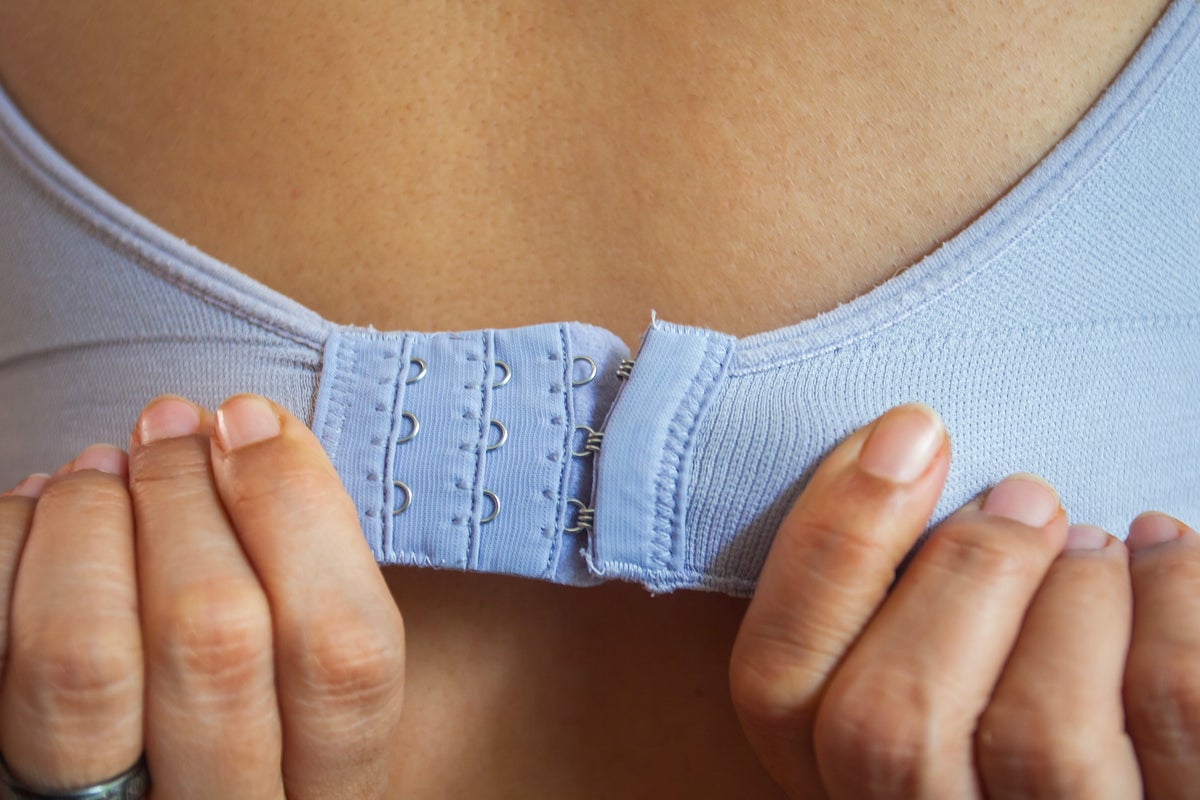
It’s almost impossible not to groan in pleasure at the relief of unclipping and wriggling free from a constricting bra after eight hours at the office confined in the skin-indenting cage made of straps and cups. The release is so freeing, so profound, that many women refuse to go back out after they’ve escaped. My bra is off, the day is done; thank you and goodnight.

But while we’ve basically become accustomed to understanding uncomfortable underwear as part of the way of life, bras that hurt are more than a hindrance; they’re a health issue that we’ve come to believe – after decades of reinforcement – is completely normal.

At the risk of sounding like Trinny and Susannah, who loved hoisting women’s straps up to their ears in the Noughties, 80 per cent of women wear the incorrect bra size, according to a long-referenced chiropractic and osteopathic study. Of these women, 70 per cent were wearing bras that were too small, while the other 10 per cent wore sizes that were too large. In a more recent report, in 10 months of bra fittings, it was found that only 6 per cent wore the correct bra size. This can lead to neck, back, shoulder and breast pain, bad posture, rubbing, chafing and all-around discomfort.

“This is actually something we see quite a lot,” says Dr Asiya Maula, private GP at The Health Suite. “Many women have been wearing the same bra size for years without realising their body has changed, so it’s not uncommon for them to be wearing something that’s simply no longer the right fit,” she adds. “If you’re adjusting your bra all day, taking it off the minute you get home because it’s uncomfortable or it’s leaving painful marks, those are all clues that something probably isn’t right,” Maula warns women who’re suffering.

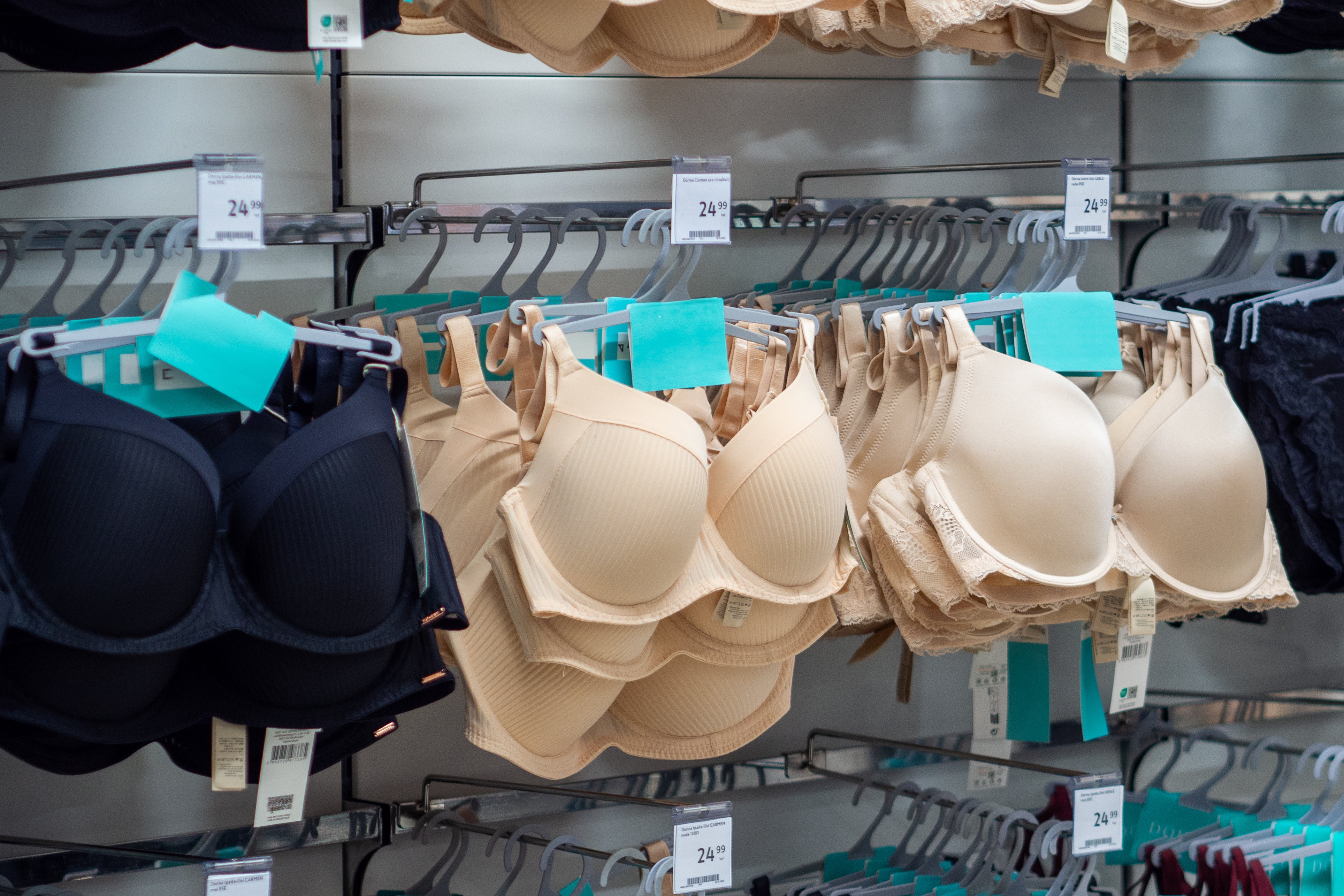
Lack of measurement isn’t exactly women’s fault. Unlike optician appointments or even shoe fittings, women aren’t encouraged beyond puberty to have their bra size checked when buying. Plus, there are barriers to entry: “You can’t just walk in off the high street, you have to book in advance,” says former Topshop fashion director Gillian Ridley Whittle, who founded bra fitting experience and lingerie brand Peachaus in 2022.

Gillian Ridley Whittle doing a bra fitting at a Peachaus pop up event (Peachaus)

Ridley Whittle makes it her business to go to festivals, offices and co-working spaces with her team in a bid to get more women fitted, healthy, and comfortable. “It’s really sad because the women who self-fit their bras, most of them don’t know what baseline comfort is,” she says, expressing dismay at the amount of money poorly fitting bras are costing the NHS and women who pay private health companies. “Their backs hurt, their necks hurt,” Ridley Whittle says. “One woman I met told me she had a cancer scare – and it turns out the lump was from her underwire.”

I think there’s a huge revolution that needs to happen in the underwear industry. We need … to pull together and put women’s health, not aesthetic production, first

Gillian Ridley Whittle, founder of Peachaus

Bras are ancient. In fact, there’s evidence of their existence in Roman mosaics in Sicily, dating back to the fourth century AD. But bras as we know them today, with their cup sizes, bands, eye hooks and synthetic fabrics, date back to the 1930s, when Warner’s introduced its Alphabet Bra, with cup sizes from A to D, which continues to be the system in use. “As the fit system was introduced over 100 years ago, women’s bodies have changed since then,” says Ridley Whittle. “How we eat, socialise, everything’s shifted, so there’s a huge amount of old-fashioned ways of doing things in the underwear industry to this day.”

The entrepreneur asserts that if she had it her way, bras would now be treated as a piece of women’s health equipment, rather than a piece of clothing. “I think there’s a huge revolution that needs to happen in the underwear industry,” she says. “We need some standardisation, which requires us to pull together and put women’s health, not aesthetic production, first.”

While Ridley Whittle offers her pop-up shop services to employers for as little as £39 per session in a bid to make annual bra-fitting as common as a dentist’s check-up, she offers tips for women whose employers may not have yet gotten the memo: First, check if you can easily get two fingers up around the rib cage and the cradle (band), if not, it’s too tight. Second, the wire needs to cover the breast tissue. Third, if you get double boobs, they’re too small and too tight. And lastly, don’t hoist the straps up too tight – they shouldn’t press into your shoulders.

While straps often get blamed for lack of bolstering, Dr Maula asserts that they’re rarely the real problem: “Most of the support should actually come from the band around your chest. If the straps are digging in or leaving deep marks, it’s often a sign the bra isn’t fitting properly,” she says.

It’s not just the fit of a bra we should be worried about, experts warn – it’s the fabric, too. “Heat, sweat and friction are a perfect recipe for irritated skin,” explains Dr Maula. “We often see chafing underneath the breasts, pressure marks and sometimes fungal infections in the skin folds. Wearing breathable fabrics, making sure your bra fits properly and changing out of sweaty sports bras promptly can all help.” Additionally, microplastics (found in breast milk for the first time in 2022) are commonly omitted from low-quality fibres.

Experts have warned that many women who self-fit their bras remain in needless discomfort for years
Experts have warned that many women who self-fit their bras remain in needless discomfort for years (Getty/iStock)

Katie Lopes, co-founder of comfort-led underwear brand Stripe and Stare spent two years developing a bra made of the right stuff. Like Ridley Whittle, she’d worked in retail and was put off by the fact that women’s underwear choice was between male-gaze-driven Victoria’s Secret-type designs, or huge boring granny pants at the other end of the spectrum.

“I looked at everything from organic cotton to bamboo,” Lopes explains of the long process of finding the right material. “I landed on Tensile, which is sort of like the Rolls-Royce of modals,” she says. “It’s made of cellulose, so it’s wood fibre.” Research has found that Tensile is more breathable than other materials because its fibres are very long, thin and smooth, making them good at “moisture wicking” (drawing dampness away from the skin). “They’re also scientifically proven to be two to three times softer than cotton,” Lopes adds.

The brand focuses on softness rather than the rigidity of underwriting or corseting, so that the bras can move with women during different hormonal cycles, during which time our bodies have been shown to fluctuate. “We wanted something that moved with the body and could expand a bit and retract a bit as our shape changes over the course of each month,” Lopes says. “The flip side of this is that we do say these aren’t bras to run a marathon in.”

Stripe and Stare founder Katie Lopes on Grace Beverley's 'Working Hard' podcast
Stripe and Stare founder Katie Lopes on Grace Beverley’s ‘Working Hard’ podcast (YouTube/Working Hard)

Touching the Stripe and Stare products, they are softer than any underwear I’ve ever felt. It feels like luxury – but should, really, be standard procedure. “Our policy is that you should be able to wear underwear that you can just forget about,” explains Lopes. “We get messages from customers every single day saying they didn’t realise they were wearing uncomfortable underwear until they put ours on. Last week, one woman told me ‘I’ve been uncomfortable for 60 years. I can’t believe I just took that as normal.’”

Dr Maula reiterates that, as is often the case in many realms of women’s health, pain and discomfort isn’t something that we should simply have to live with. There are better-fitting bras and softer fabrics that won’t rub and chafe, or cinch and scratch. While small businesses are working hard to make this fact known to those still suffering, both agree that underwear regulation is needed to make these products promised rather than a premium.


Source link

Norfolk and Suffolk female veterans support groups replicated

0
Norfolk and Suffolk female veterans support groups replicated


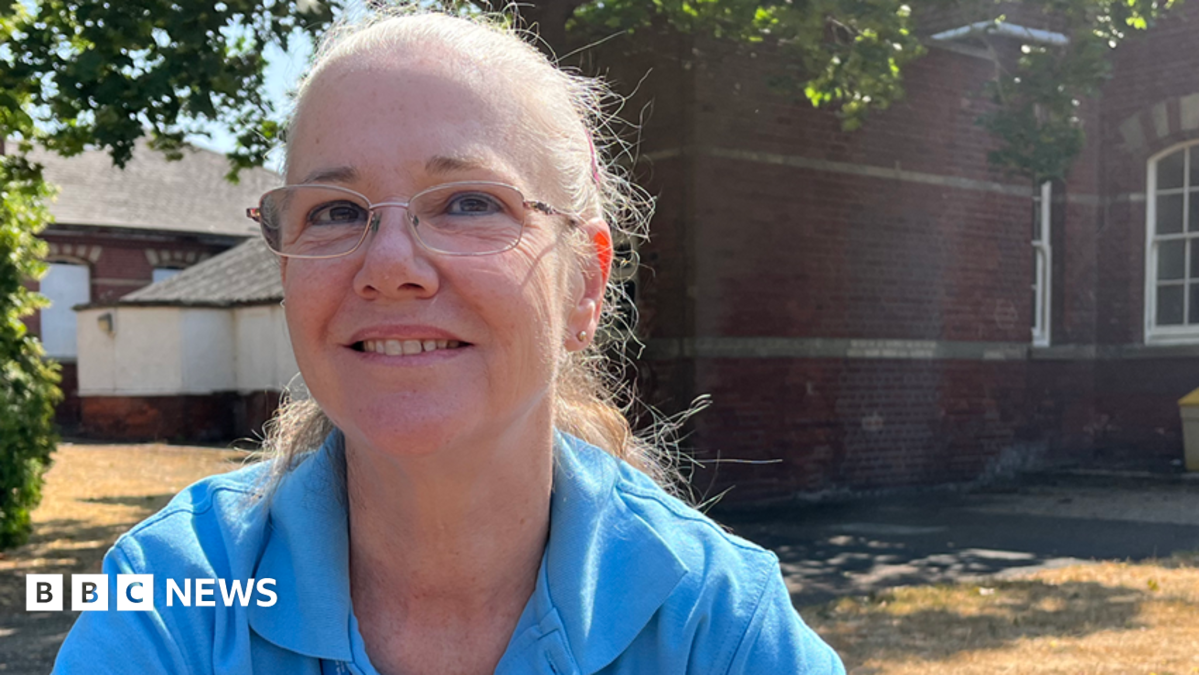
Chelley Tulloch, a former RAF medic, has been working with the group and found it beneficial to her mental health.

She experienced PTSD following multiple deployments to war zones around the world, where she helped injured soldiers who were being rescued from battles and taken to hospital.

Tulloch said she was really desperate at times.

“I just went through a lot of low moods, nightmares, seeing things, hearing things, smelling things, doubting myself, not being able to do things that I could do.

“It really does affect the way your brain thinks.”

Tulloch said with more women entering the military it is likely more dedicated mental health support will be needed.

“I talk to people in Scotland, I talk to people in Wales, and I’m talking to so many different ladies at the moment about what they’re doing.

“There’s all sorts of different organisations out there now for the female veterans, and we are all pulling together.”

More from Norfolk:

The MOD said it was investing more in NHS services for veterans.

A spokesperson said: “We owe a debt of gratitude to all those who serve, and since 2024, we have made significant changes to improve mental health support for personnel and veterans – including for the growing number of women in our armed forces.”

They said serving personnel can use a 24-hour helpline and get access to mental health professionals.

Do you have a story suggestion for Norfolk? Contact us below.


Source link

Evidence lacking for Oxevision monitoring tech, inquiry hears

0
Evidence lacking for Oxevision monitoring tech, inquiry hears


There is no “strong independent evidence” that a monitoring system used widely in mental health wards has improved patient safety, an inquiry has heard.

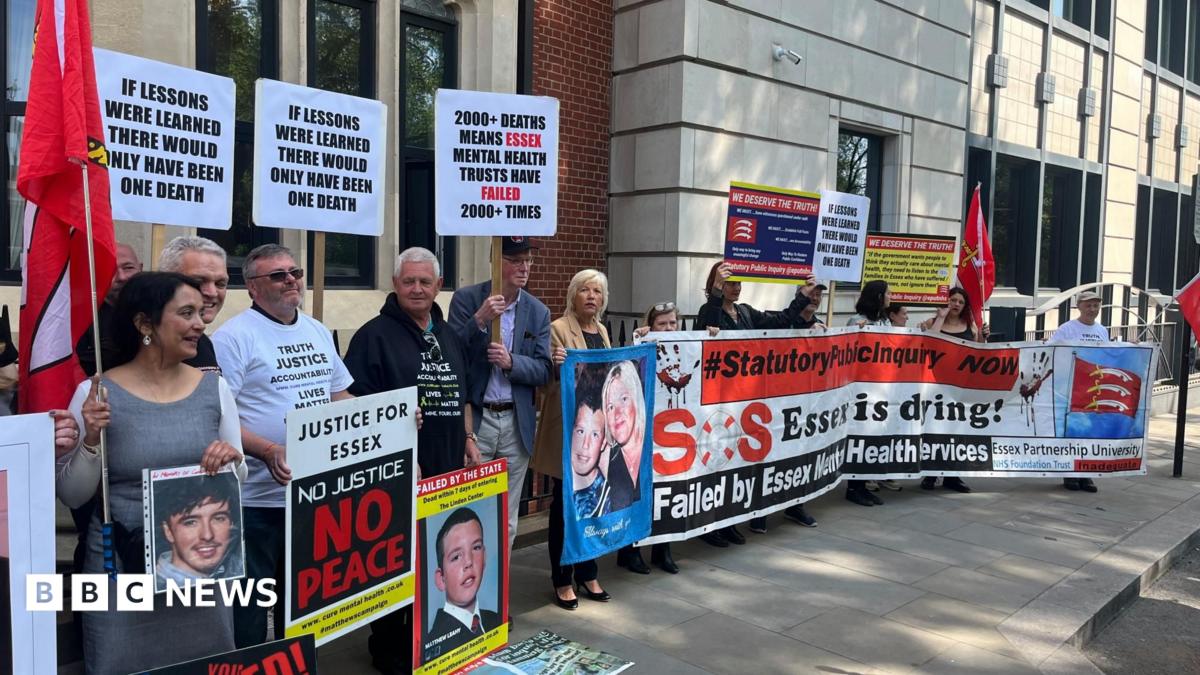
The Lampard Inquiry is examining the deaths of more than 2,000 mental health patients in Essex over a 24-year period.

The inquiry had previously heard “grave concerns” expressed about the widespread use of Oxevision technology, which monitors patients in their rooms using infrared sensors and cameras.

LIO Health, which runs Oxevision, recently said: “Technology has a vital role to play in supporting safer inpatient mental health care, an area without any medical device technology until Oxevision.”

It added its impact had been “significant”.

“In one trust alone, the technology has helped staff in responding to 1,453 safety incidents over a four-year period,” LIO Health said.

On Thursday, the inquiry heard from two experts from the University of Oxford.

They had reviewed 45 studies that were used to justify introducing Oxevision across the NHS.

The academics found some of the studies involved employees of Oxevision or were not extensive enough.

They concluded the studies did “not provide strong independent evidence of improved patient safety, acceptability or cost effectiveness”.


Source link

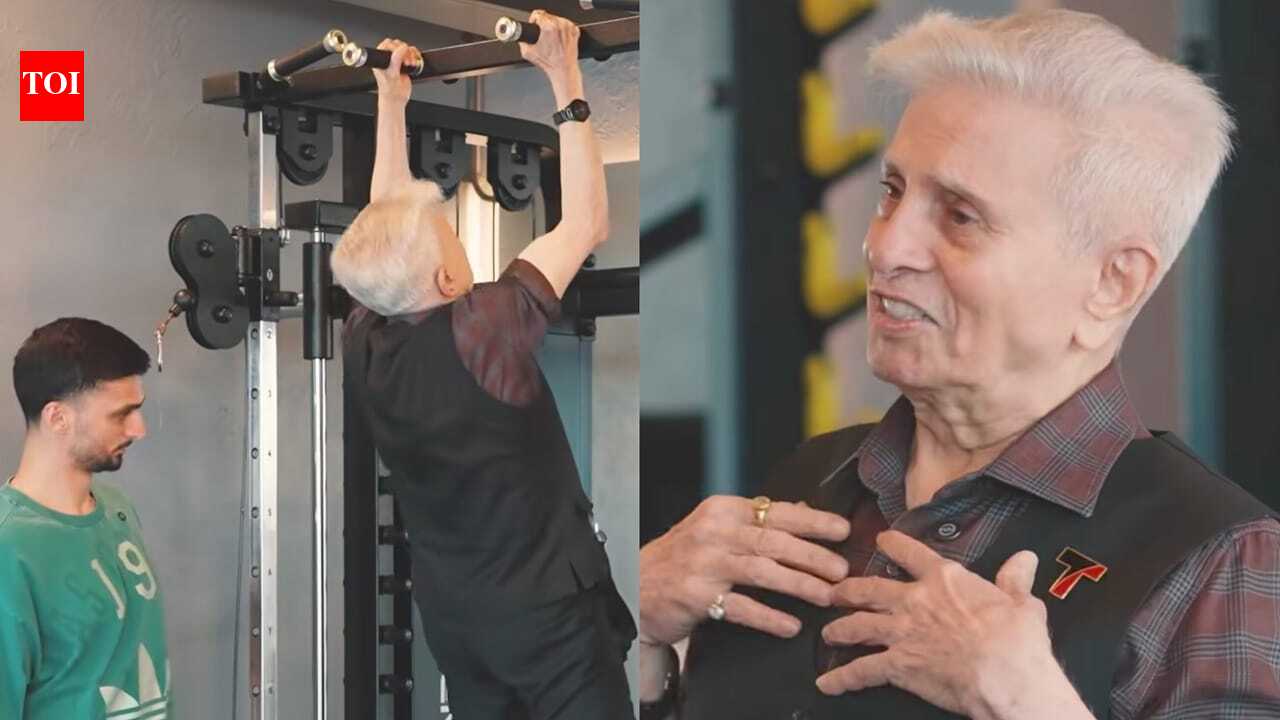
93-year-old fitness icon Madhukar Talwalkar stuns the internet with effortless chin-ups

0
93-year-old fitness icon Madhukar Talwalkar stuns the internet with effortless chin-ups


93-year-old fitness icon Madhukar Talwalkar stuns the internet with effortless chin-ups

A video that went viral on Instagram showing a 93-year-old fitness icon, Madhukar Talwalkar, doing chin-ups effortlessly has left many social media users spellbound. The video posted by fitness coach, Karan Sawhney highlights the strength and commitment of Talwalkar towards fitness who was a fitness trainer to many Bollywood actors, including Dilip Kumar, Saira Banu, Amitabh Bachchan, Anil Kapoor, and the Deol family. Even in his old age, he continues to follow a fitness regimen.

The 93-year-old who left the internet speechless

The video starts with Madhukar Talwalkar performing easy chin-ups that many people at the age of even two decades younger cannot do. Posting the video, Karan says: “This is what a life of movement looks like. My grandad, 93 years young, still pulling his own bodyweight. This is the standard I train for.” The video quickly turned into a source of inspiration for fitness fans all over the internet.

A fitness pioneer who trained Bollywood stars

Not only Madhukar Talwalkar is a gym fanatic; he is considered as one of the pioneers of the Indian fitness movement and founder of the Talwalkars gym chain established way back in 1932. Throughout his career, he personally trained a number of famous Bollywood personalities like Dilip Kumar, Saira Banu, Amitabh Bachchan, Anil Kapoor, Deols and others. After many years spent in the fitness industry, Madhukar Talwalkar continued practising the discipline he preaches all his life.

‘I enjoy the practice these days’

As part of another video posted by Karan, Madhukar Talwalkar says that exercising became not just a routine activity for him but something he really enjoys. He says that his training includes 150 pullovers and 50 squats which he does in supersets. In spite of the fact that he is already very old, Madhukar Talwalkar no longer aims to break any records – he concentrates on consistency and health maintenance every day.

Here’s the video:

Consistency, not age, is the real secret

Madhukar Talwalkar’s example illustrates an important message about healthy ageing. According to health professionals, regular strength training is crucial for older adults as it allows them to keep muscles strong, maintain bones healthy, increase balance and stay independent. The disciplined life of Talwalkar proves that long-term consistency can be way more important than sporadic and intensive trainings.

Social media call him a legend

The inspiring video quickly attracted the attention of numerous social network users. People from all over the world commented on Talwalkar’s dedication and positive approach to the ageing process with such messages as “Admire him so much!!!”, “This is awesome”, “Legend” and many others and said that watching this video motivates them to become more disciplined and consistent in exercising.

An important message about healthy aging

More than just impressive chin-ups, Talwalkar’s story demonstrates importance of discipline and purposefulness. The caption wrote by his grandson, “This is the standard I train for” perfectly illustrates how healthy habits can motivate future generations. Instead of regarding age as a limitation, Madhukar Talwalkar demonstrates that it is possible to keep physical strength, mobility, and independence for many years thanks to consistent efforts.


Source link