Home Blog Page 719

Syria puts first Assad-era official on trial in Damascus

0
Syria puts first Assad-era official on trial in Damascus


Atef Najib, former head of political security in the Deraa province, is charged with ‘crimes against the Syrian people’.

Syria has begun its first public trial of officials who served under longtime leader Bashar al-Assad, 15 years after the start of the civil war.

Trial proceedings opened in Damascus on Sunday for Atef Najib, the former head of political security in southern Syria’s Deraa province.

Recommended Stories

list of 3 itemsend of list

He is accused of overseeing a violent crackdown on protesters there during the 2011 uprising, and faces charges related to “crimes against the Syrian people”, according to Syria’s state-run news agency, SANA.

Najib, who is a cousin of al-Assad, was the sole defendant in court for Sunday’s preparatory session of the trial set to continue next month.

Charged in their absence are Al-Assad and his brother, Maher, former commander of the Syrian military’s 4th Armoured Division. Along with other former high-ranking security officials also charged in absentia, they are accused of killings, torture, extortion and drug trafficking.

Crowds gathered outside the court on Sunday in celebration, as families of victims, including some from Deraa, attended the session.

Speaking to Al Jazeera Mubasher, a spokesman for Syria’s Justice Ministry said holding the trial in public was important to ensure transparency and judicial independence as part of the transitional justice process.

People gather in the courtroom, on the day Atef Najib, a brigadier general and former head of the Political Security Department in Daraa during Syria's ousted President Bashar al-Assad's rule, who is accused of committing war crimes, attends a trial session at the Palace of Justice, in Damascus, Syria, April 26, 2026. REUTERS/Khalil Ashawi
Syrians pack the Palace of Justice in Damascus as Atef Najib, former head of political security in Deraa, attends a trial session, April 26 [Khalil Ashawi/Reuters]

Najib oversaw political security in Deraa when teenagers who scrawled antigovernment graffiti on a school wall in Deraa were arrested and tortured, in a case that became a catalyst for the broader uprising.

Further protests were met by a brutal government crackdown and spiralled into a 14-year civil war that ended with al-Assad’s overthrow in December 2024 in a lightning rebel offensive. Al-Assad then fled to Russia, and most members of his inner circle have also escaped Syria.

The government of interim President Ahmed al-Sharaa has faced criticism over delays in launching a promised transitional justice process following the civil war, in which an estimated half a million people were killed. But authorities now appear to be moving more aggressively to prosecute officials linked to al-Assad.

On Friday, Syrian authorities arrested former intelligence officer Amjad Yousef, the main suspect accused of the 2013 Tadamon massacre in Damascus, when at least 41 people were killed.

In 2022, a leaked video appeared to show Youssef shooting civilians who had been detained and blindfolded, with their hands bound.


Source link

Celebrity stylists share their predictions for Met Gala’s most ambiguous theme yet

0
Celebrity stylists share their predictions for Met Gala’s most ambiguous theme yet


When the Met Gala announced its dress code for 2026, fashion experts collectively furrowed their brows. “Fashion is Art” might be the Costume Institute’s most on-the-nose theme yet. Does it mean that Lady Gaga will arrive on the red carpet wearing a giant picture frame? Or will stylists interpret the line in the press release that alludes to the “centrality of the dressed body” and give us dozens of naked dresses?

The dress code for this year’s event – taking place May 4 – is inspired by “Costume Art,” the name of the Costume Institute’s Spring exhibition that explores depictions of the dressed body through a series of thematic body types: “the naked body,” “classic body,” “pregnant body” and “ageing body.” Guests are encouraged to think of their bodies as a blank canvas.

“There are so many ways you can look at it,” says celebrity stylist Mickey Freeman, who styled Tony Award-winning producer Cody Renard Richard for last year’s Met Gala. “There’s actual literal art and figurative art. But that’s the beauty of the Met Gala: it’s your interpretation.”

Below, we spoke to celebrity stylists about their sartorial predictions for this year’s biggest night in fashion….

Yes, there will be lots of naked dresses

Actor and model Julia Fox wore a mostly transparent Dilara Findikoglu dress to the 2025 Vanity Fair Oscars party, apart from some strategically placed hair (Getty Images)

Since the “Costume Art” theme celebrates how the human body is a living canvas for fashion — we can expect to see some risqué looks. Celebrity stylist KJ Moody, who will be dressing VIPs for this year’s event, predicts that we’re going to see a lot of sheer, lace dresses on the red carpet. The translucent look that accentuates parts of the female form, known as “naked dressing,” has been a popular red carpet look in recent years, as seen on actor Julia Fox, who wore a transparent Dilara Findikoglu dress to the 2025 Vanity Fair Oscars party and musician Chappell Roan, who wore a burgundy Mugler dress suspended from her nipples at this year’s Grammys.

Moody believes that the inspiration behind these looks will celebrate iconic moments from fashion history.

“One of my favorite Met Gala looks is when Beyoncé wore a sheer black look by Givenchy in 2012. It had a blue and black feather train,” he says. “So I think we’ll see homages to moments like that.”

Unconventional silhouettes

A look from John Galliano’s 2003 Dior collection that featured voluminous silhouettes
A look from John Galliano’s 2003 Dior collection that featured voluminous silhouettes (Getty Images)

Not all red carpet gowns need to be form-fitting. Moody predicts that celebrities may go in the opposite direction and play with sculptural, oversized and eccentric silhouettes.

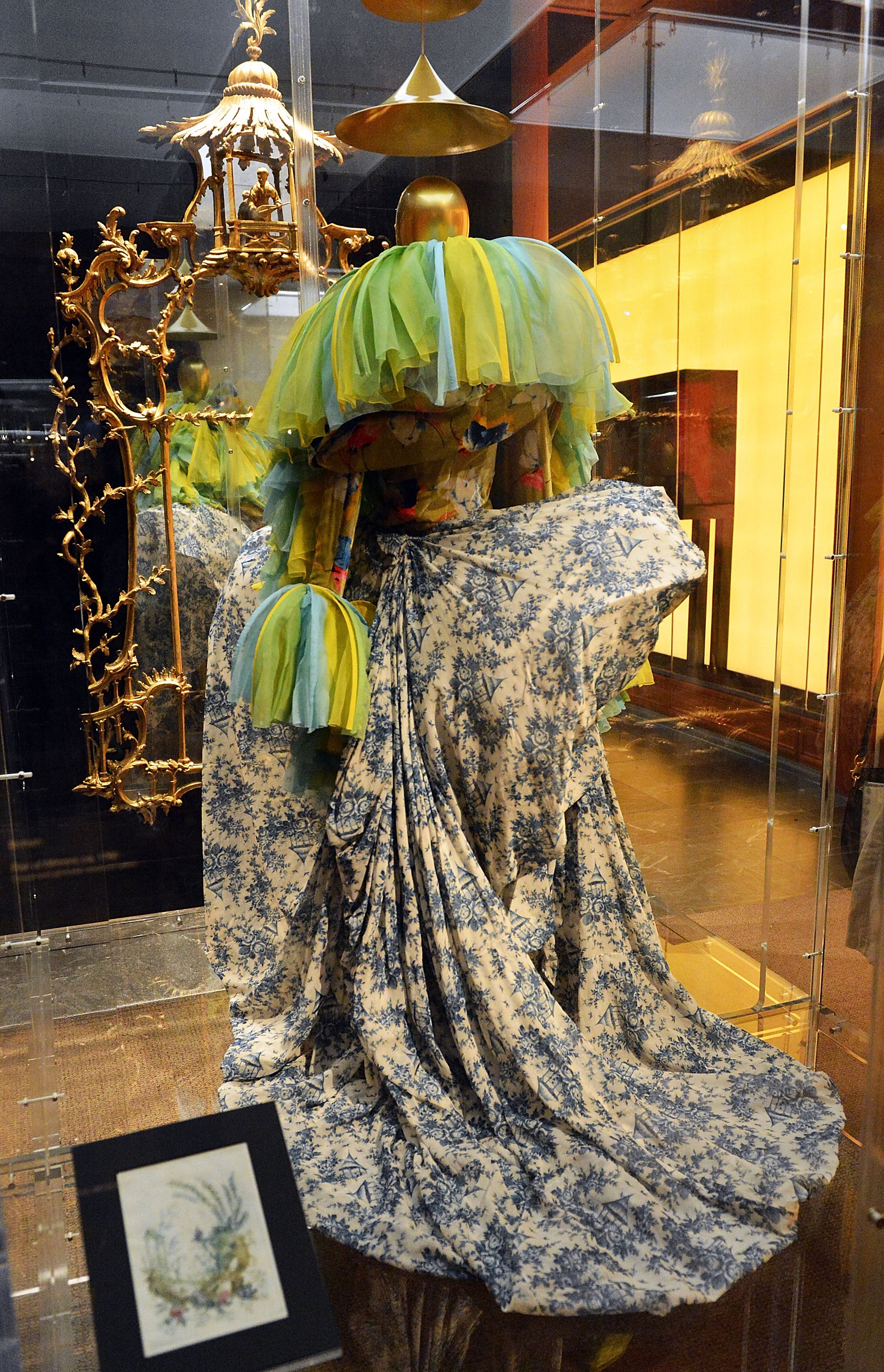
He believes Met Gala guests can find inspiration in the designs of John Galliano, who celebrated the oversized silhouette in his 2003 couture show for Christian Dior. The event featured Japanese kimonos and traditional Chinese attire transformed into some of the most voluminous silhouettes ever seen, with models submerged in 18th-century hoopskirts, tent-like structural dresses and oversized ruffled coats with enlarged shoulder pads.

Paintings transformed into fashion

‘Fashion is Art’ could be interpreted quite literally at this year’s Met Gala
‘Fashion is Art’ could be interpreted quite literally at this year’s Met Gala (Getty Images)

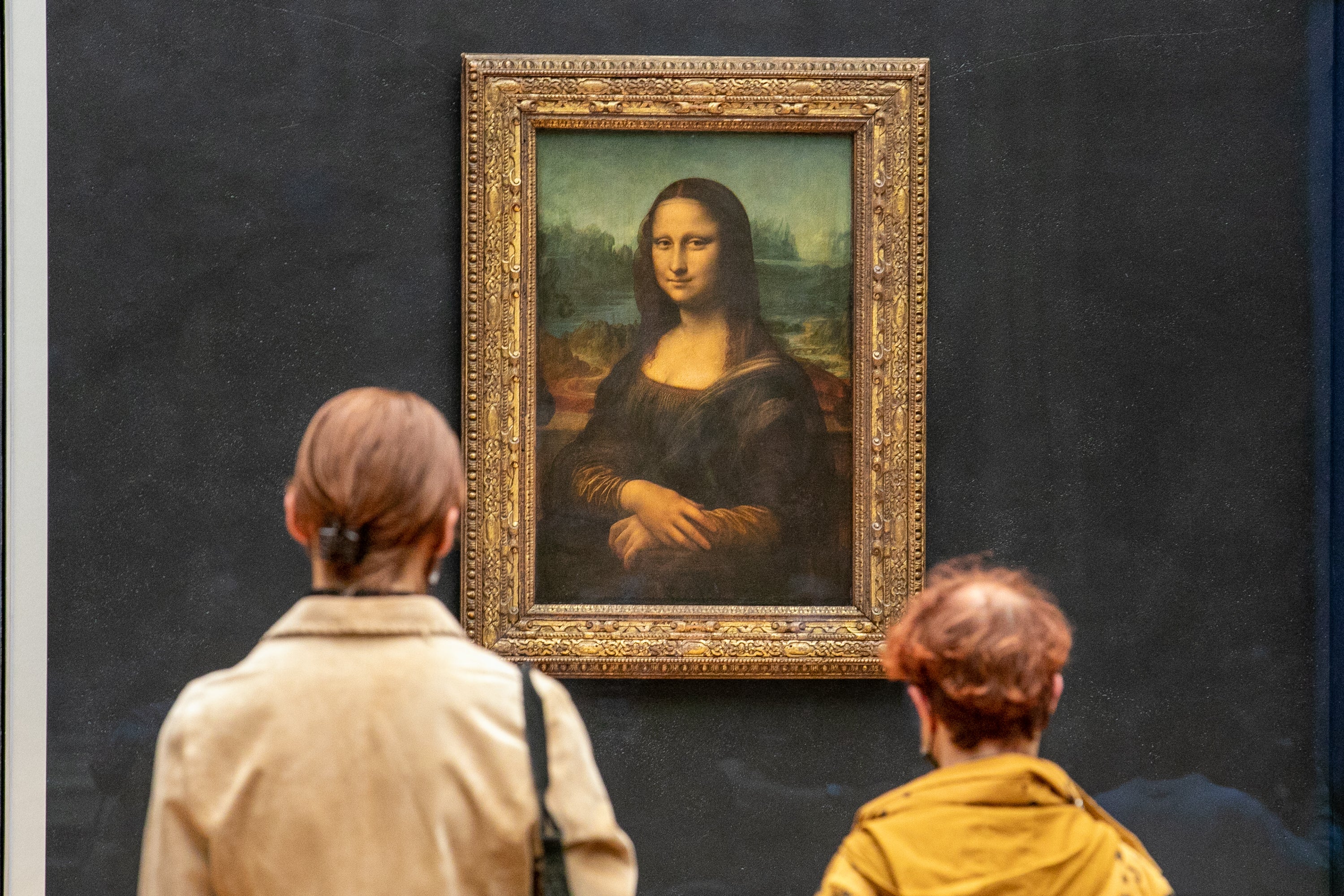
People may also interpret this year’s theme very literally. Moody says guests could honor iconic pieces of art — like a dress printed with the Mona Lisa. Or, say, a sequined jacket depicting “The Swing,” a classical 18th-century painting by French artist Jean-Honoré Fragonard, which portrays a woman in a large pink dress on a swing.

“We will see a lot of sculptures or interpretations of art on the wall,” he says. “Or work from designers’ favorite visual artists.”

Rare, archival references

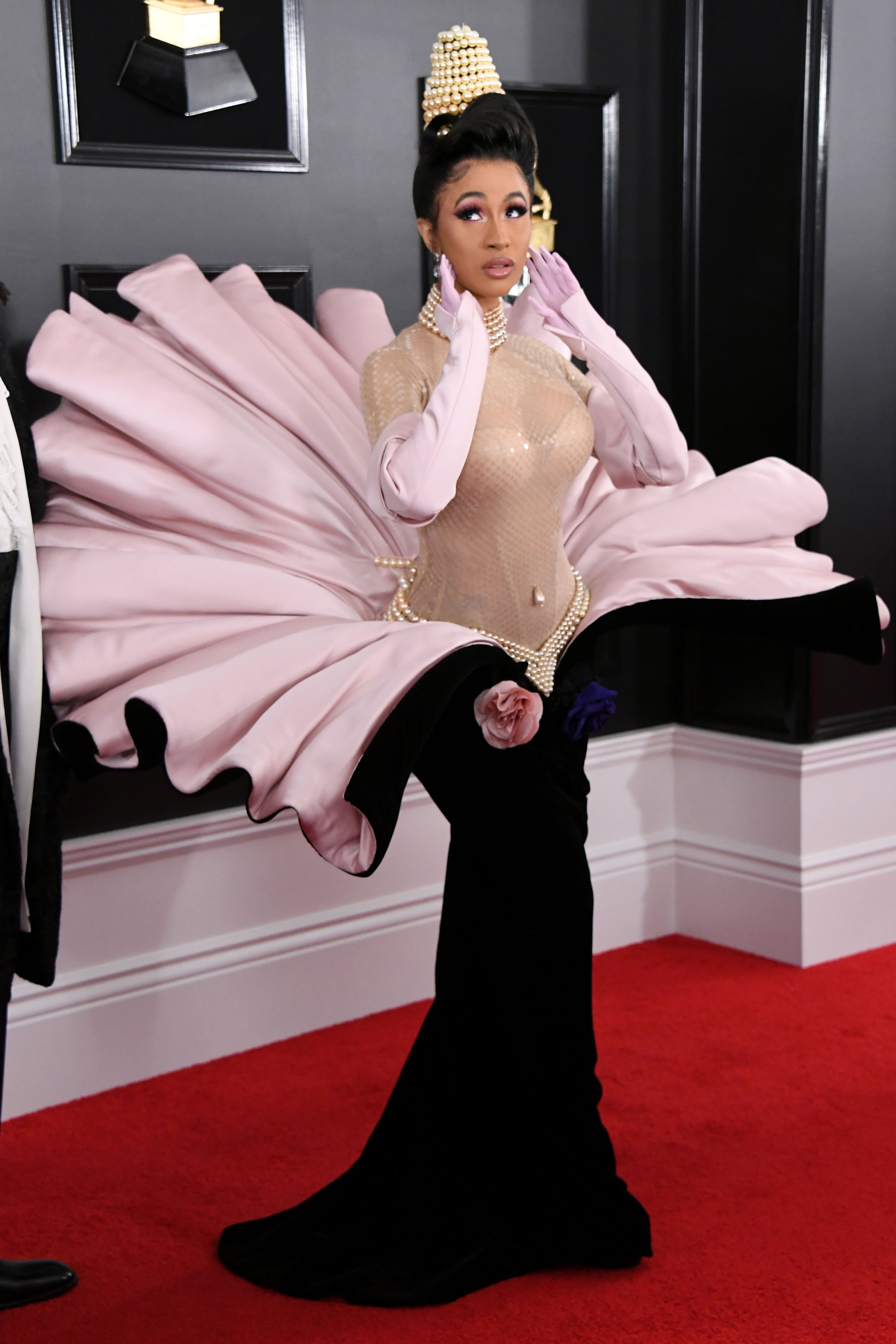
Cardi B wore a vintage 1995-96 Thierry Mugler gown to the 2019 Grammy Awards
Cardi B wore a vintage 1995-96 Thierry Mugler gown to the 2019 Grammy Awards (Getty Images)

The best outfits could be the ones we never thought we’d see again, according to Freeman. The stylist says that runway looks that have been buried deep in the fashion archives for decades will be unearthed for the occasion.

“We can expect certain outfits to make their debut at the Met Gala, like the designs of Thierry Mugler,” he says, referencing the work of the late French designer during the 1980s and 1990s, which played with theatrical silhouettes and architectural structures. The House of Mugler, a French fashion house founded by the designer, has an extensive collection of his signature decades-old looks that are perfect for this theme.

“Mugler’s rare archival pieces never see the light of day,” says Freeman. “I think they could finally be getting their moment.”

Anatomical fashion

Nicki Minaj at the 2010 American Music Awards in a skeleton-inspired dress by Manish Arora
Nicki Minaj at the 2010 American Music Awards in a skeleton-inspired dress by Manish Arora (Getty Images)

If you’re squeamish, you may want to avert your eyes while watching this year’s red carpet. Freeman predicts that celebrities might interpret the theme by celebrating what’s inside their bodies through garments that mimic organs and bones, dubbed anatomical fashion.

He references Elsa Schiaparelli’s 1938 Skeleton Dress — featuring three-dimensional ribs, vertebrae and limb bones — and Alexander McQueen’s 2023 “Anatomy” collection, which featured designs that resembled dissected bodies. “Let’s not forget the human body is beautiful, and yes, it actually is a work of art,” says Freeman.

A… ‘cement suit’

Tyla was dressed in a sand-covered sculptural Balmain gown for the 2024 Met Gala theme ‘The Garden of Time’
Tyla was dressed in a sand-covered sculptural Balmain gown for the 2024 Met Gala theme ‘The Garden of Time’ (Getty Images for The Met Museum/)

Met Gala guests might go one step further and turn themselves into actual museum objects. Freeman thinks we could see designers use clay products to form a “cement suit” that mimics the appearance of a Renaissance sculpture. He gushes over South African singer Tyla’s skin-tight Balmain strapless gown, covered in real sand, that she wore at the 2024 Met Gala for the theme, “The Garden of Time.”

“I would really love to see some kind of cement,” he adds. “Or just unconventional materials used to make a garment.”


Source link

London Marathon: Sebastian Sawe reacts to running sub two-hour marathon

0
London Marathon: Sebastian Sawe reacts to running sub two-hour marathon


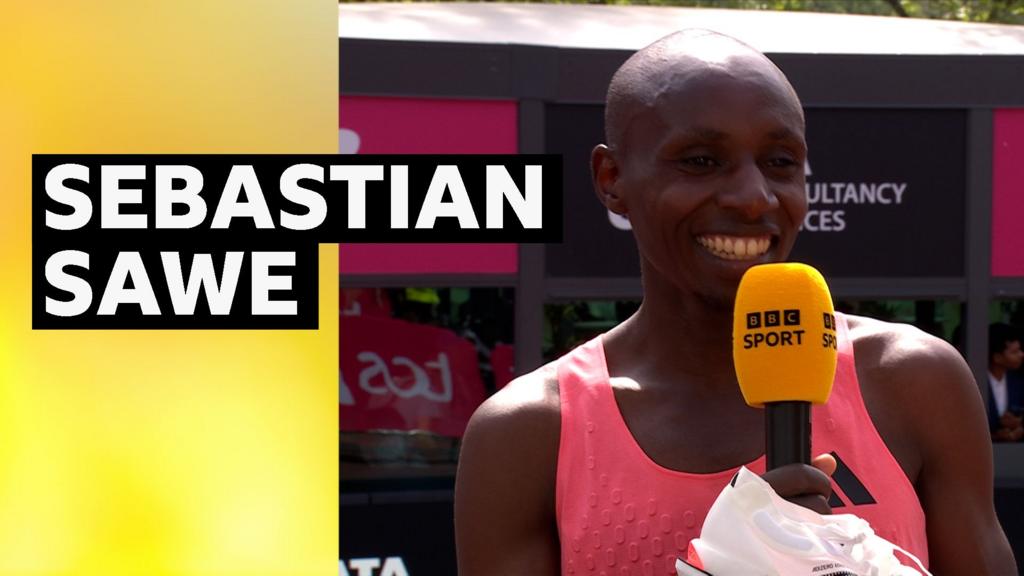
Sebastian Sawe speaks with BBC Sport’s Gabby Logan after the Kenyan became the first person in history to run a sub-two-hour marathon in race conditions to win the 2026 London Marathon.

WATCH MORE: London Marathon 2026 on BBC iPlayer

Available to UK users only.


Source link

The risk factor for developing breast cancer that is often overlooked

0
The risk factor for developing breast cancer that is often overlooked


Breast density is a significant yet often overlooked factor in breast cancer awareness, risk assessment and screening practices. Understanding what breast density is, how it affects breast cancer risk and what it means for screening can help women make informed decisions about their health.

Breast density refers to the proportions of glandular and connective tissue compared to fatty tissue in the breast, as seen on a mammogram. Simply put, dense breasts have more glandular and fibrous tissue and less fat.

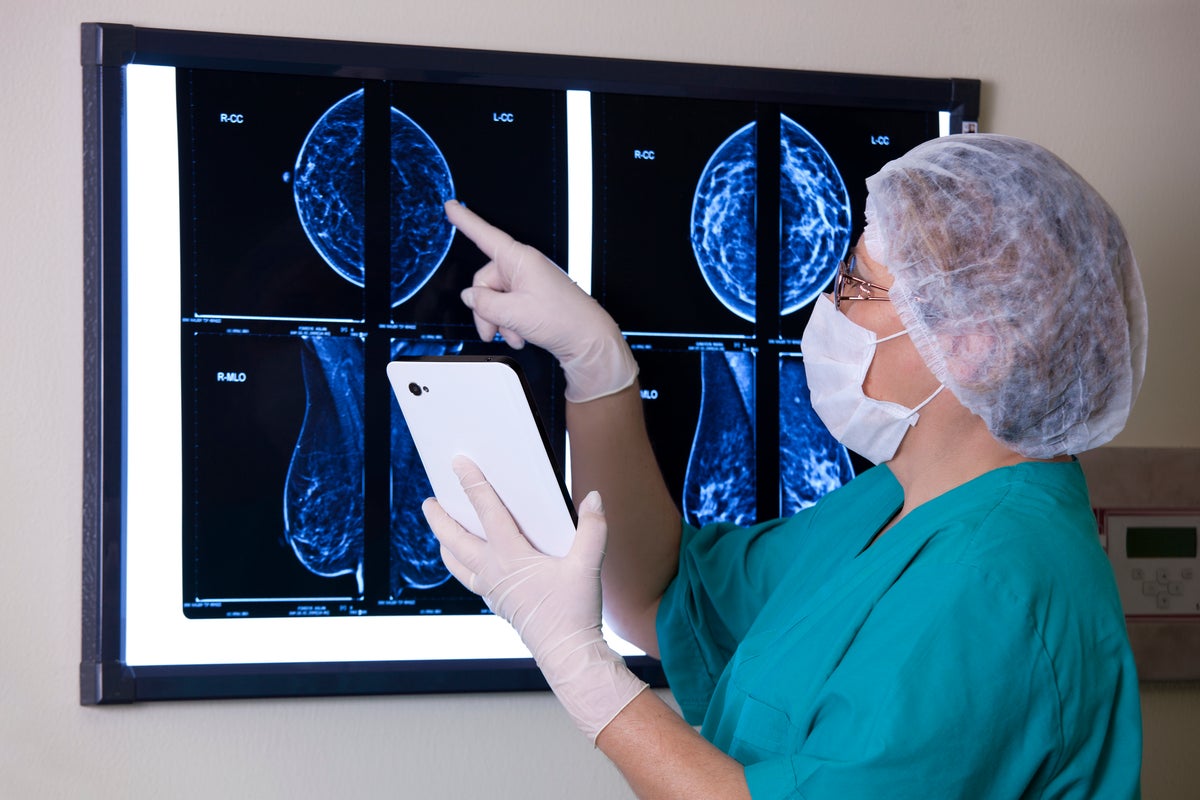
On a mammogram, both dense tissue and tumours appear white, making it harder to detect abnormalities in women with dense breasts. This masking effect can lead to cancers being missed during routine screening, which is why breast density is not just a risk factor for developing breast cancer, but also for having it go undetected until it is more advanced.

Recent large-scale studies have confirmed that women with dense breasts face a higher risk of developing breast cancer compared to women with less dense, fattier breasts. For example, a major study involving more than 33,000 women found that those with dense breasts were nearly twice as likely to develop breast cancer than those with low breast density.

This increased risk is seen across both pre-menopausal younger women and post-menopausal older women, although the proportion of women with high breast density tends to decrease with age.

It is harder to detect abnormalities in women with dense breast tissue on a mammogram. (Getty Images)

In practical terms, women with the lowest breast density have about a 6% lifetime risk of developing breast cancer after age 50, while those with the highest density face a risk closer to 15%.

The impact of breast density on cancer detection is also significant. Mammography, the standard screening tool, is less sensitive in women with dense breasts. While mammograms can detect about at least nine out of ten cancers in women with mostly fatty breasts, the sensitivity drops to about seven out of ten in women with extremely dense breasts.

This means that tumours can be missed, leading to what are known as “interval cancers”, cancers that are diagnosed between regular screenings, often at a more advanced stage.

Supplemental screening methods, such as MRI scanning, can help detect cancers that mammography might miss in women with dense breasts, and some pilot studies have shown that additional cancers are found this way.

Breast density is now recognised as one of the most important risk factors for breast cancer, even as much as family history or other commonly discussed risk factors.

Higher breast density is more common in younger women
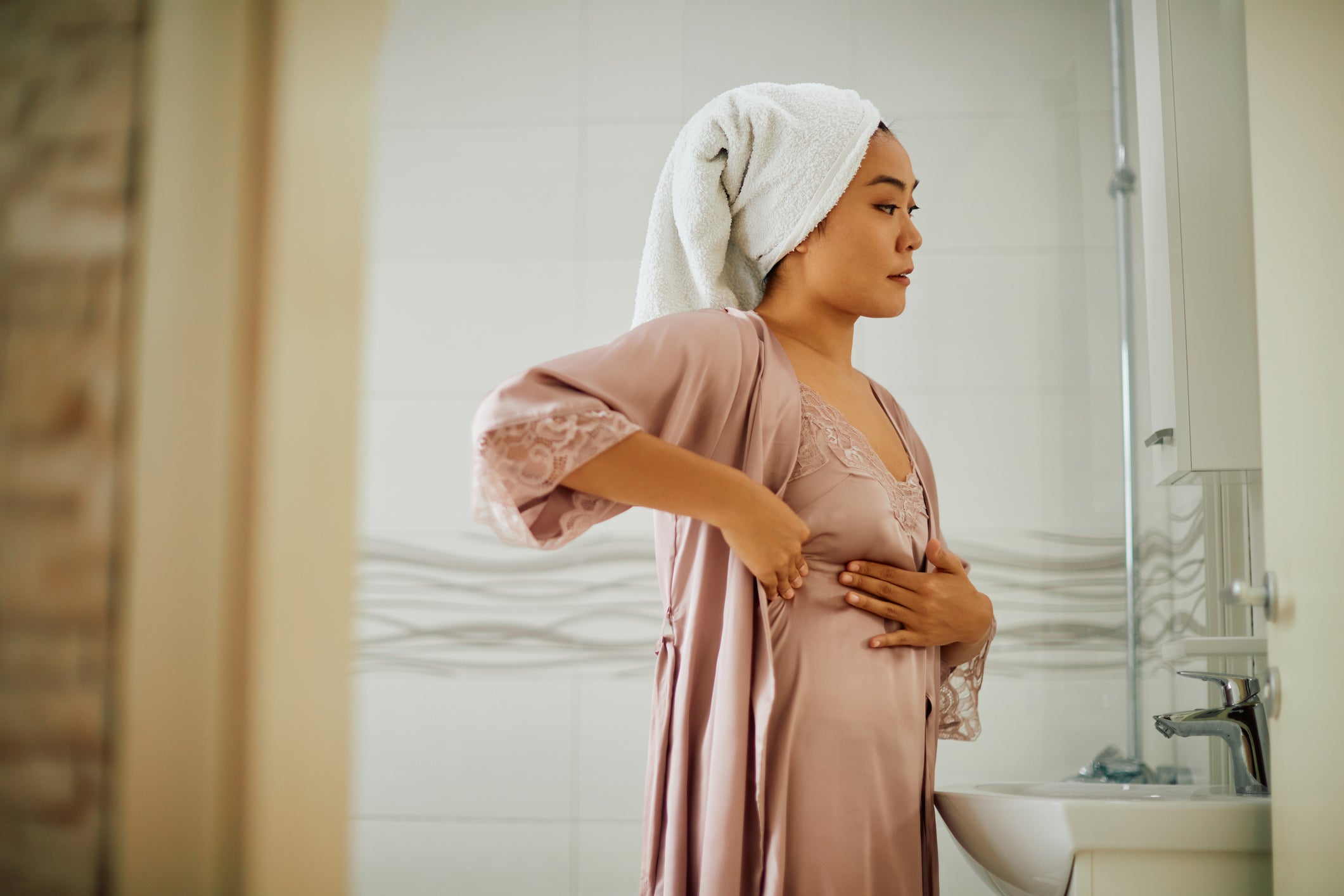
Higher breast density is more common in younger women (Getty Images)

About 40% of women fall into the higher density categories, and dense breasts are common in younger women, those taking hormone replacement therapy, and those with certain genetic backgrounds and ethnicities. However, breast density can also be influenced by lifestyle and hormonal factors, and it tends to decrease with age and higher body mass index and obesity.

Given the importance of breast density, there has been a growing movement to ensure women are informed about their own breast density after mammograms, and to address this appropriately. A recent UK survey showed that most women aren’t aware of their breast density.

In the US, new regulations require that all women undergoing mammography be notified if they have dense breasts and be advised about the associated risks. This aims to empower women to have more informed discussions with their healthcare providers about their personal risk and the potential need for additional screening.

ABOUT THE AUTHOR

Justin Stebbing is a Professor of Biomedical Sciences at Anglia Ruskin University.

This article is republished from The Conversation under a Creative Commons license. Read the original article.

Despite the increased risk, it is important to remember that the majority of women with dense breasts will not develop breast cancer. Breast density is just one factor among many, and decisions about screening and risk reduction should be made on an individual basis.

For women with dense breasts, discussing options for supplemental screening with their doctor is recommended. While there is currently no widely accepted intervention to reduce breast density, in my own research, I’m exploring new ways to address this risk factor.

In summary, breast density is both a common and significant risk factor for breast cancer, and it can complicate the detection of cancer through standard mammography.

Women should be aware of their breast density status, understand its implications for both risk and screening, and work with their doctors to determine the best approach for their individual situation. As awareness grows and screening practices evolve, the hope is that more cancers will be detected earlier, improving outcomes for all women.


Source link

The affordable tea that can boost gut health and reduce inflammation

0
The affordable tea that can boost gut health and reduce inflammation


Rooibos tea, a caffeine-free drink made from the leaves of a shrub indigenous to South Africa, is part of the country’s heritage.

The rooibos plant (Aspalathus linearis) grows in the mountainous Cederberg region of South Africa’s Western Cape province. It has been traditionally harvested and consumed as a herbal tea by the Khoisan people.

Beyond making tea, the plant has been touted for its potential health benefits. Rooibos has scientifically proven effects as an antioxidant. This is a natural substance that helps to protect your body’s cells from damage caused by harmful molecules.

It’s also an anti-inflammatory: a substance that reduces inflammation (redness, swelling, and pain) in the body. It can help protect the heart and liver, regulate blood sugar and improve skin health.

Commercial cultivation of rooibos began in the early 20th century. Scientific research into its health benefits started in the 1960s, when its antioxidant properties were first reported.

Rooibos tea has a number of proven health benefits (Adobe Stock)

Since then, numerous studies have explored its therapeutic potential.

I am a researcher focusing on the health-promoting properties of South African herbal teas, particularly rooibos and honeybush (Cyclopia spp.).

My latest research with colleagues suggests rooibos might offer powerful health benefits for the gut. The study aimed to compare the anti-inflammatory and barrier protective effects of an unfermented and fermented rooibos aqueous extract on intestinal porcine epithelial cells. We used pigs because their intestines closely resemble human gut cells.

We showed that rooibos extracts made the lining of the gut stronger through its effect on proteins and reduced inflammation.

These effects are important because stronger barriers and controlled inflammation are essential for protecting tissues like the gut from damage and disease.

Digestive (gut) disorders like irritable bowel syndrome (IBS), constipation and dyspepsia (indigestion) affect over 40 per cent of the global population. Females are more likely to be affected (49%) than males (36.6%). These statistics show the need for increased awareness, improved diagnosis and effective management of the problem.

Gut health has become a major area of interest for anyone looking to improve their overall wellness. A growing body of evidence links poor gut health to issues like chronic inflammation, fatigue, anxiety and autoimmune disorders. And with rising interest in natural alternatives to pharmaceuticals, people are turning to diet and drinks for help.

Green and red rooibos and epithelial intestinal cells

In our study, we explored in the laboratory how different types of rooibos tea extracts affect gut cells. Our research group wanted to understand whether rooibos could protect the gut barrier, the microscopic wall of cells that acts as a bodyguard for your intestines.

This barrier keeps harmful substances out while allowing nutrients in. When it’s not working properly, a situation often referred to as a “leaky gut”, it can contribute to digestive disorders like irritable bowel syndrome (IBS), inflammatory bowel disease (IBD), and other chronic health problems.

About the author

Mariska Lilly is a Senior Researcher at the Cape Peninsula University of Technology.

This article is republished from The Conversation under a Creative Commons license. Read the original article.

Our study focused on two forms of rooibos:

  • unfermented rooibos (green), which is less processed and retains more antioxidants
  • fermented rooibos (red), which is more common and widely consumed.

Both kinds of tea come from the same plant, Aspalathus linearis, but the way they are processed changes their chemical composition, especially their polyphenols. These are natural compounds known for their antioxidant and anti-inflammatory properties. The main polyphenols are called aspalathin and nothofagin, and aspalathin is unique to rooibos.

The three-year study investigated the anti-inflammatory properties of rooibos extracts in intestinal gut cells of pigs. Cells were first treated with the extracts for 24 hours. Then the extracts were removed and a bacterial toxin was added for an additional 24 hours. The cells’ response was then evaluated by measuring specific markers (signs) of inflammation, and the barrier integrity of the cells was assessed to determine protective effects.

Inflammation and gut protection

Here’s what we discovered:

  1. Fermented (red) rooibos fights inflammation best. When we triggered an inflammatory response in gut cells, similar to what happens during infection or flare-ups in conditions like inflammatory bowel disease, we found that fermented rooibos was especially effective at reducing inflammation. In fact, fermented rooibos performed as well as, or even better than, dexamethasone, a common steroid drug used to reduce inflammation in the gut.
  2. Unfermented (green) rooibos strengthens the gut barrier. While fermented rooibos tackled inflammation, it was unfermented rooibos that best protected the gut barrier. It boosted the production of proteins that keep the barrier strong. This suggests that unfermented rooibos may help prevent “leaky gut”, protecting against the entry of harmful substances into the bloodstream.
  3. Polyphenol differences might explain the results. We think that the different effects of the teas are linked to their polyphenol content. Unfermented rooibos contains high levels of aspalathin, a potent antioxidant that helps maintain cell health and strengthen barriers. Fermented rooibos contains different polyphenols, such as eriodictyol-glucosides, that work together with other natural antioxidants in the tea to help soothe and reduce inflammation.

While rooibos is already known to be rich in antioxidants, our study is one of the first to clearly show how different types of rooibos affect gut inflammation and the gut barrier in distinct ways. Understanding this can help people make smarter dietary choices and potentially give rooibos a role in gut-friendly therapies or functional foods.

Moving forward

Our research shows that rooibos tea, both fermented and unfermented, offers unique benefits for gut health. Fermented rooibos can reduce gut inflammation and unfermented rooibos can help maintain a healthy gut lining.

Rooibos could one day be used in gut health supplements, as natural therapies for inflammatory bowel disease, or in everyday foods designed to support digestion.

This was a laboratory-based study, so more research is needed to confirm the effects in humans. But the evidence so far is promising. And considering that rooibos is safe, affordable, and already widely consumed, it’s a low-risk addition to a healthy lifestyle.


Source link

Higher prices could last for eight months after Iran war, minister says

0
Higher prices could last for eight months after Iran war, minister says


Officials are monitoring stock levels and planning for any potential disruptions to the supply chain.


Source link

“STOP oh my god”, UK tourist faces vulgar assault on NDLS-Agra train; disturbing video raises uncomfortable questions – The Times of India

0
“STOP oh my god”, UK tourist faces vulgar assault on NDLS-Agra train; disturbing video raises uncomfortable questions – The Times of India


A recent video posted on X by Sarfaraz Zain (@SarfarazZain01) has left the travel world shocked and in shame. The video shows disturbing visuals and raises serious and uncomfortable questions around train travel in India. A journey that usually promises history, wonder and a glimpse of the world’s most beautiful UNESCO Heritage Site has instead turned into a moment of debate. Train number 12616 operating between New Delhi and Agra (heading toward the Taj Mahal) has found itself in the negative spotlight. It captures an incident where a light conversation between a tourist and a transgender asking for money ends up with a vulgar assault of the passenger.The X post read,“A foreign tourist from England was harassed and assaulted by a Transgender while traveling from NDLS to Agra & accused him and removed clothes & created panic onboardSuch obscene behavior is unacceptable & harms India’s imageTrain 12616@RailMinIndia @IRCTCofficial @RailwaySevaThe incident The one-minute long footage shows a transgender individual entering the compartment and demanding money from the passengers. First it started on a light note, but the whole situation turned scary when the transgender allegedly stripped. It left the passenger visibly shaken. Voices in the video reflect anxiety among passengers. Some can be seen laughing and some looked calm as if they have been in the situation before.Scared British touristThe British tourist, apparently from London, could be seen scared. He keeps on saying, “Oh my god, what are you doing? Why she wants to slap me? No no I dont have anything.At this point, the transender individual opened her pajamas. Then comes the assaults on the UK tourist, followed by slaps. “Oh god damn it, Oh god damn it, what’s going on here? I don’t have anything. STOP oh my god. What is this? For the British tourist, the journey was likely meant to be a gateway to India’s rich heritage but what he gets to see instead has become an unsettling episode. His reaction clearly says it all. Instagram reactions:The video fetched reactions:dr.ashut0shmishra said, “Why don’t people slap and throw them out?”tingleilukyin says, “Dear Tourist please avoid visiting or coming to India.”Tagging Railway Minister and railways, Avishek SSwain said, “This is the gift of Indian government..this had to happen one day…Govt.never acted against them..Now it reflected as our Vishwaguru image before the world…😂😂😂…@ashwini.vaishnaw @irctc.officialaary_k4u demanded action and wrote, “@railminindia pls take action sir against these people it’s unacceptable and disrespectful and it’s not what india offer to guests!”Railway’s responseAuthorities have taken note and an official response on X from RailwaySeva on the video reads,“Matter has been forwarded to concerned officials for necessary action. – RPF India”The incident raises some serious questions:1) The person did not look like a passenger with tickers, then how was he allowed on the compartment2) Why was there no railway staff to check or monitor such situations3) How safe are foreign and domestic passengers on trains when such harassment can unfold openly in public spaces?In the digital age, such incidents do not remain confined to one train coach but travel across borders, shaping narratives about safety and travel in India. For a nation that depends heavily on tourism, such moments are harmful for the reputation of “Atithi Devo Bhava”.And sometimes, as this incident shows, those stories can be as unsettling as they are unforgettable.


Source link

The threat of light pollution puts the world’s darkest skies in the Atacama Desert at risk

0
The threat of light pollution puts the world’s darkest skies in the Atacama Desert at risk


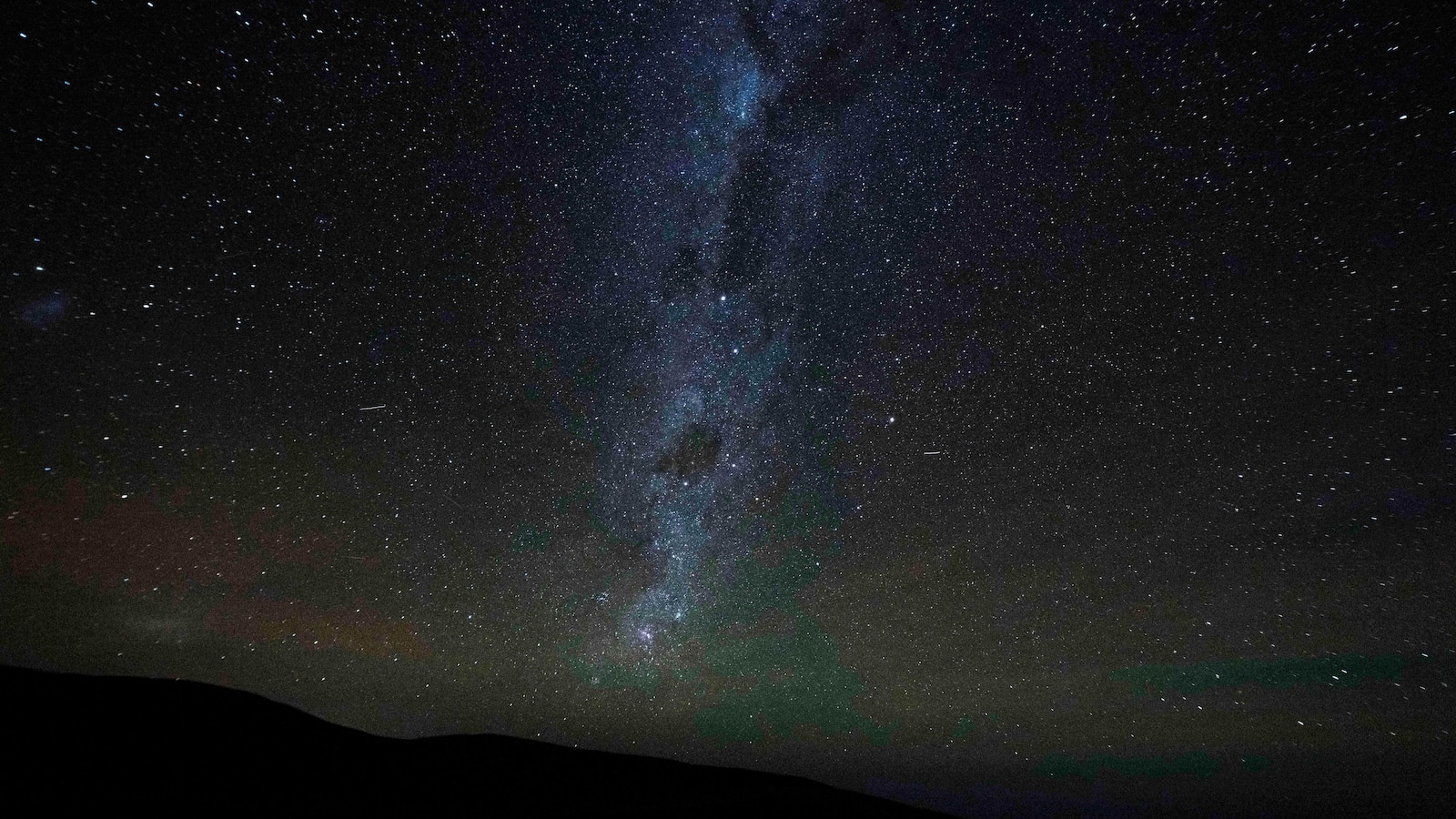
THE ATACAMA DESERT, Chile — It takes a moment for the eyes to adjust. A faint spark appears in the darkness; then another, brighter one. Soon, stars, planets and entire constellations emerge. Before long, a whole galaxy stretches across the sky, visible to the naked eye.

In Chile’s Atacama Desert, the night sky feels infinite. Considered the driest place on Earth, its darkness is also one of the clearest windows to the universe.

A rare combination of dry climate, high altitude and, crucially, isolation from urban light pollution, makes the Atacama an unrivaled hub for world-class astronomy and home to the world’s largest ground-based astronomical projects.

“The conditions in the Atacama Desert are unique in the world,” said Chiara Mazzucchelli, president of the Chilean Astronomical Society. “There are more than 300 clear nights per year, meaning no clouds and no rain.”

But the world’s darkest skies may be at risk.

Last year, the desert became a battleground between scientists and an energy firm proposing a green power complex just kilometers (miles) from the Paranal Observatory. Managed by the European Southern Observatory, ESO, the site also is the future home to what is to be the most powerful optical telescope ever built.

Although the energy project was canceled in January following a massive appeal from astronomers, physicists and Nobel laureates, it exposed deep concerns that existing sky preservation laws are lax, outdated and unclear. Since then, several environmental regulations have come under review, including one from Chile’s science ministry targeting protected astronomical zones.

“We are working to ensure the new criteria are strict enough to guarantee that there will be no impact on astronomical areas,” said Daniela González, director of the Cielos de Chile Foundation, a nonprofit founded in 2019 to protect the quality of Chile’s night skies.

The Associated Press spent three days visiting the Paranal facilities in the heart of the so-called Photon Valley. In this high-altitude corridor, several observatories operate side by side using some of the most sophisticated instruments ever engineered.

“Many of these large facilities are located in Chile, and ESO’s telescopes in particular are the most powerful astronomical facilities on the planet,” said Itziar de Gregorio-Monsalvo, the intergovernmental organization’s representative in Chile.

Paranal is one of nearly 30 astronomical sites in northern Chile, most of which are managed by international organizations. Every year, the Atacama Desert draws thousands of astronomers and scientists from around the world to investigate the origins of the universe.

“We are lucky to be here,” said Julia Bodensteiner, an assistant professor at University of Amsterdam, noting that the chances of being selected as a visiting astronomer at Paranal are just 20% to 30%.

Walking across the Atacama’s rocky, uneven terrain is no easy task. At altitudes exceeding 3,000 meters (10,000 feet), oxygen becomes a luxury, while scorching days give way to relentlessly cold nights. But for space observation and exploration, these more than 105000 square kilometers (40,500 square miles) of desert are the perfect setting.

The exceptional conditions of the Atacama have enabled some of the most ambitious astronomical projects ever conceived, like the Extremely Large Telescope, ELT — a $1.5 billion endeavor by ESO scheduled for completion in 2030.

With 798 mirrors and a light-gathering area of nearly 1000 square meters (a quarter of an acre) , the ELT will be 20 times more powerful than today’s leading telescopes and 15 times sharper than NASA’s Hubble Space Telescope.

All the data compiled at these observatories play a fundamental role not only for life on Earth, but also for the possibilities of its development beyond our planet. Preserving these research spots is essential.

With the ELT, said ESO astronomer Lucas Bordone, “we should be able to see Earth-like planets in what we call the habitable zone, so basically the planets which are candidates towards life.”

Twenty years ago, the Atacama Desert was “an ocean of darkness,” recalled Eduardo Unda-Sanzana, director of the Astronomy Center at the University of Antofagasta. “It was just you and the universe.”

Over the years, however, the landscape has changed drastically.

Driven by urban sprawl, industrial development, and the arrival of mining and wind farms, the desert has become a coveted territory where balance is not always easy to reach.

In Paranal, specialists live like moles in an underground residence designed to keep their presence almost undetectable. Windows must remain covered, hallways stay dark, and any outside movement is guided only by flashlight. Even the faintest light can interfere with the telescopes.

The announcement last year of an imminent green energy project sent shock waves through the international scientific community. Experts pressured authorities to protect Chile’s night sky from the proposed site, which was slated for construction just 10 kilometers (6 miles) from Paranal.

The case raised the alarms due to its impacts, such as increased light pollution, micro-vibrations and dust, as well as greater atmospheric turbulence. These conditions would make astronomical activities unviable.

“If you place the ELT next to a city, it doesn’t matter that its diameter is 40 meters long. It’s just the same as having a tiny telescope,” Gregorio-Monsalvo said.

Although the company canceled the project in late January, scientists warn that without new, updated regulations, similar projects could be proposed at any moment.

“Despite all the media hype in 2025, we find ourselves exactly where we were last year,” said Unda-Sanzana, who is also part of a ministerial advisory commission that recently delivered recommendations to Chile’s government following the incident.

There is no shortage of precedents. The first international heliophysics observatory in Chile — a major solar station operated by the U.S. Smithsonian Institution in the early 20th century — was forced to shut down operations in 1955 due to environmental pollution caused by the expansion of mining activity in the area.

“We’ve had 70 years to learn from history and avoid repeating those same mistakes,” Unda-Sanzana said.

___

Follow AP’s coverage of Latin America and the Caribbean at https://apnews.com/hub/latin-america




Source link

Video: How Drug Cartel Gold Ends Up at the U.S. Mint

0
Video: How Drug Cartel Gold Ends Up at the U.S. Mint


new video loaded: How Drug Cartel Gold Ends Up at the U.S. Mint

The U.S. Mint is legally required to sell only legal, domestic gold. Instead, it is the last link in a chain that launders foreign gold for an insatiable market. Our reporter Justin Scheck traced one such supply chain: from an illegal mine in Colombia all the way to the Mint’s facilities in West Point, N.Y.

By Justin Scheck, Rebecca Suner, James Surdam, Lauren Pruitt and Federico Rios

April 26, 2026


Source link

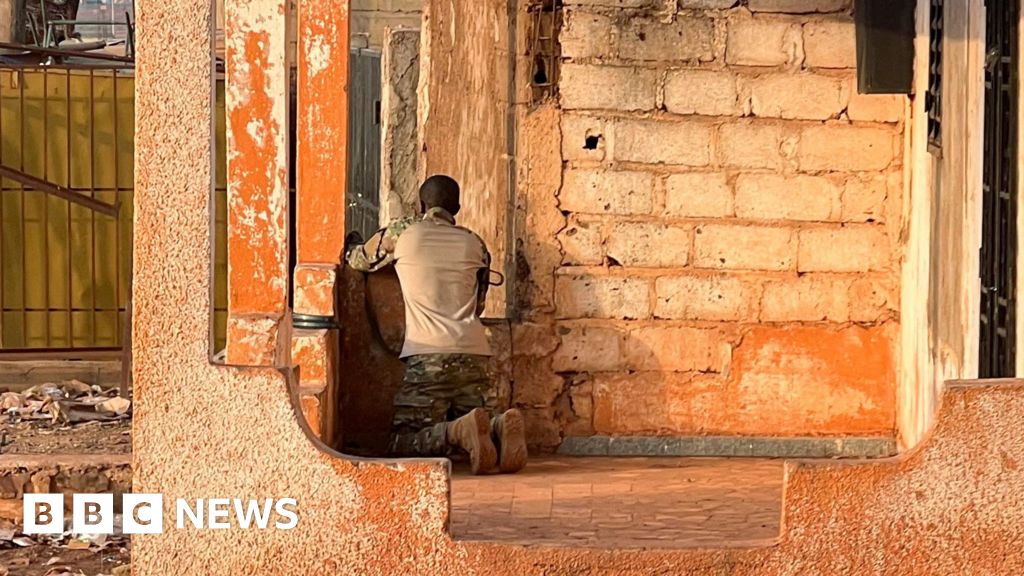
Armed groups launch coordinated attacks across Mali

0
Armed groups launch coordinated attacks across Mali


Witnesses report clashes in the centre and north, in what has been described as the largest jihadist attack in years.


Source link