
Home Blog Page 890

Do you love sleeping next to your pet? New study reveals hidden risks

0
Do you love sleeping next to your pet? New study reveals hidden risks


For some pet guardians, their pets are present in their lives from the moment they wake up to the moment they go to bed.

This happens because cats, dogs and other companion animals are increasingly perceived as family members. I’m not talking about the distant cousin, for example, but the ones who really take part in our everyday lives.

In some cases, this includes quieter, more intimate moments, like bedtime. Sleeping with your cat or dog can feel comforting, even essential.

In fact, according to a survey conducted by the American Academy of Sleep Medicine, almost half — 46 per cent — of respondents sleep in the same bed with a pet. As a clinical researcher that focuses on the interactions between pet owners and their animals, I work with many people who describe a close relationship with their pets and share a variety of moments with them.

The benefits of this bond is supported by science. Research shows daily interactions with pets can enhance well-being.

But research also suggests any potential benefits to sleeping next to a beloved pet aren’t straightforward: it can feel comforting even as it may quietly disrupt sleep quality.

The emotional logic of co-sleeping with pets

The impact of co-sleeping can be measured through self-reports and questionnaires, as well as with objective tools, like wristwatches that measure what’s happening physiologically during the night.

In studies using subjective measures, many pet guardians report sleeping better when their pets are with them. Other benefits linked with co-sleeping include an increase in feelings of comfort and emotional safety.

In this context, sleeping places us in a state of perceived vulnerability. Sleeping with a pet, particularly one with whom we have a close bond, may reduce this sense of vulnerability while enhancing a sense of safety.

Waking up with a pet next to them can bring a sense of happiness, which may lead people to feel they slept well (Getty Images)

Emotional regulation is another possible mechanism in this context, as feeling safer can lower emotional arousal. In other words, the presence of a pet may simply help pet guardians feel safe and comfortable. Waking up with a pet next to them can bring a sense of happiness, which may lead them to feel they slept well.

At the same time, some studies using standard questionnaires to assess insomnia and sleep quality suggest that co-sleeping with a pet is not linked to lower stress and may increase insomnia and reduce perceived sleep quality.

These mixed findings suggest that the effects of co-sleeping are more complex than they may seem — that how we feel about our sleep doesn’t always match what’s happening in our body.

Co-sleeping from a physiological perspective

We can also investigate the impacts of co-sleeping with pets more objectively, using tools to assess sleep patterns, awakenings during the night and overall sleep quality.

Research suggests that even when pet guardians report better sleep, physiological measures often show more fragmented sleep when they share the bed with their pets. In one study, researchers used a wristwatch-like device to measure people’s movement during the night while they slept with their pets.

They found that even when people felt they slept well, their sleep tended to be more disrupted.

In some cases, these disruptions were related to the pet’s movements during the night. Researchers observed a synchrony in which pet’s movements influenced their guardians’ movement patterns, and vice versa.

Co-sleeping with a pet, therefore, may affect both the person’s sleep and the pet’s sleep. And though these disruptions aren’t uniform, they may depend on the type of animal you share your bed.

Why do dogs disrupt sleep more than cats

There is also evidence that the impact may vary depending on the type and number of pets. People who sleep with dogs may experience more disruption, while those sleeping with cats often report mixed results.

Although the reasons for these differences are unclear, they may be linked to dogs’ greater sensitivity to external stimuli, such as car noise, barking in the neighbourhood and other environmental sounds.

The findings challenge the idea that co-sleeping is simply either good or bad
The findings challenge the idea that co-sleeping is simply either good or bad (Getty Images)

Considering how these experiences can shape mental health and well-being, it is important to note that poor sleep quality over time can impact emotional regulation.

This may appear as lower tolerance for frustration or a reduced ability to manage emotionally challenging situations. Fatigue, depressed mood, difficulty focusing and a range of other symptoms may also be linked to poor sleep.

Taken together, these findings challenge the idea that co-sleeping is simply either good or bad.

Rethinking the “good or bad” debate

Sleeping with a pet seems to be both comforting and disruptive at the same time.

About the author

Renata Roma is a Research Associate – Pawsitive Connections Lab at University of Saskatchewan. This article is republished from The Conversation under a Creative Commons license. Read the original article.

It is a complex behaviour, and understanding people’s motivations behind whether they share their bed is important. In some cases, for example, co-sleeping with a pet can be very meaningful, aligned with people’s needs and potentially linked to comfort and well-being.

At the same time, it is important to keep in mind that our perceptions do not always fully reflect what is happening in the body.

From a practical perspective, a more nuanced understanding of co-sleeping can shed light on how it shapes daily experiences, sleep and overall health. Closer attention to how pets are integrated into our lives can help guardians make decisions that consider both physical and mental health, without neglecting the potential impacts of those decisions on the pet.

Rather than asking whether co-sleeping with your pet is beneficial or harmful, a better questions is what are you prioritizing: emotional comfort or uninterupted sleep? Recognizing the trade-off can help pet guardians make an informed choice.



Source link

Four alternatives to Premium Bonds with better win rates and returns on savings

0
Four alternatives to Premium Bonds with better win rates and returns on savings


The odds of winning from Premium Bonds is set to drop from April 2026 once again but there are alternatives with a better chance of a prize.

Premium Bonds are one of the nation’s much loved savings products, with savers foregoing regular interest for the monthly chance of winning a tax-free cash prize between £25 to £1m.

But NS&I – who run the Premium Bonds along with other savings options – are set to have to pay out compensation worth hundreds of millions to customers over mismanagement claims.

And research by Vanguard shows two thirds of account holders have never actually won a prize.

A freedom of information request by the asset manager revealed that of the 23 million people holding a total of £135.7 billion in Premium Bonds between them, around 14.3 million (62 per cent) have never won a single prize, let alone a big one.

How hard is it to win a Premium Bonds prize?

Some of the above data is attributed to the small amounts of money held in many Premium Bond accounts.

But the odds of winning are set to get even worse in April when the equivalent prize rate drops from 3.6 per cent to 3.3 per cent. This will cut the level of prizes available, with the total amount dropping from around £408m to £375m.

The odds of winning will lengthen from 22,000 to one, to 23,000 to one, per £1 Bond number.

Alternatively, a traditional savings account will pay an agreed rate of interest and investing your money may attract higher returns over the long-term, which may be more appealing.

(PA)

Some providers, such as TSB, occasionally run prize draws for customers or may make extra payments. For example, Nationwide often makes an annual Fairer Share payment for eligible current account, savings or mortgage customers worth £100.

And there are also alternative Premium Bond-style savings products available – where you can get better odds of winning a prize.

Trading 212 logo

Get a free fractional share worth up to £100.
Capital at risk.

Terms and conditions apply.

Go to website

ADVERTISEMENT

Trading 212 logo

Get a free fractional share worth up to £100.
Capital at risk.

Terms and conditions apply.

Go to website

ADVERTISEMENT

Chip

Fintech app Chip offers a Prize Savings account with £75,000 worth of prizes each month.

This ranges from £5 to a jackpot of £10,000.

There is no interest on money in the account, but instead your cash goes towards the prize draw and anything you win is added to your account.

The number of entries is decided by a saver’s average balance over the calendar month.

Odds of winning fluctuate depending on the number of accounts and the total value but last year there was a one in 964 chance of winning for every £10 held – far better than the odds of a Premium Bond win.

Credit unions

If you have a savings account with a credit union it is worth checking if it participates in the PrizeSaver competition.

PrizeSaver is run by the Association of British Credit Unions and is a monthly prize draw with a top prize of £5,000.

There are also 10 prizes worth £50 and another 10 of £20.

Every £1 held in a PrizeSaver account with a participating credit union is entered into the monthly prize draw. Account holders can only save up to £200 in the accounts though.

Family Building Society’s Windfall Bond

You could win a jackpot worth £50,000 in Family Building Society’s Windfall Bond.

There is a catch though as you need a minimum of £10,000 to open an account.

Each account is entered into a monthly prize draw where you are in with a chance of winning the jackpot prize and also £100, £500, £1,000 and £10,000.

(Getty/iStock)

The value of prizes on offer each month is calculated by taking the total value of Windfall Bonds from the previous month and multiplying it by one twelfth of one per cent.

There is an extra bonus though as the account also pays a rate of 2.75 per cent. Meaning you will still earn some money even if you don’t win a prize.

Family Building Society says there is a one in 714 chance of winning a prize in each month’s draw, which are significantly better odds than Premium Bonds.

Royal Bank of Scotland

It isn’t only savings accounts that offer prize draws – you could even get a bonus through a stocks and shares ISA.

At RBS, every £50 invested in its stocks and shares qualifies for one entry into the Royal Bank prize draw.

The top prize is £20,000 and 10 winners each could get £1,000, with 200 and £100 prizes on offer. The more you invest, the more chances you have of winning.

When investing, your capital is at risk and you may get back less than invested. Past performance doesn’t guarantee future results.


Source link

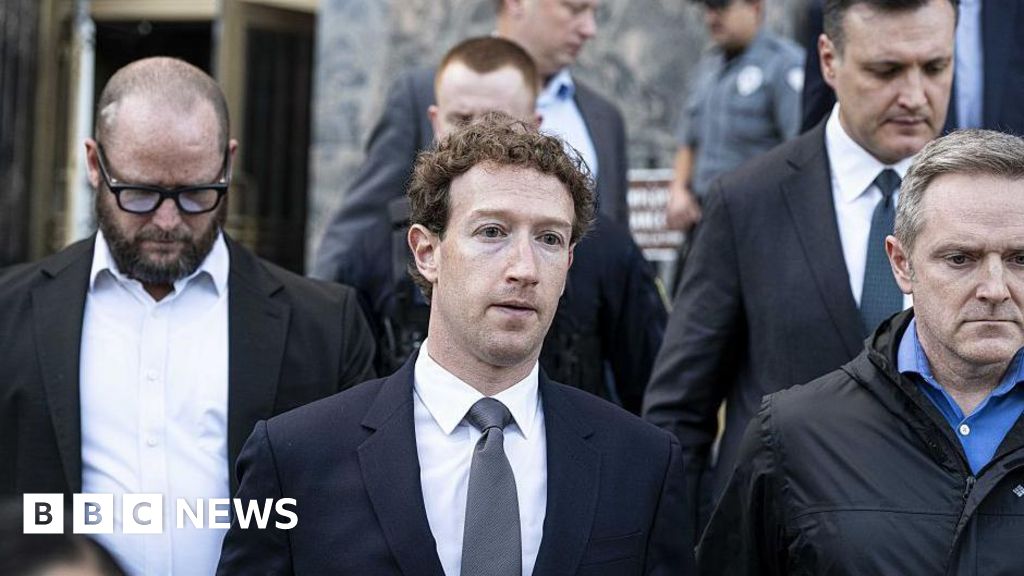
What next for big tech after landmark social media addiction verdict?

0
What next for big tech after landmark social media addiction verdict?


The ruling could be the beginning of the end of social media as we know it, writes the BBC’s technology editor Zoe Kleinman.


Source link

Cuban president says Raul Castro involved in US talks amid oil blockade

0
Cuban president says Raul Castro involved in US talks amid oil blockade


The talks come amid increasing tensions with the US after Trump said he would be ‘honoured’ to take over Cuba.

Former Cuban President Raul Castro is involved in talks between the island and the United States, Cuban President Miguel Diaz-Canel has said, amid soaring tensions between the two states.

Diaz-Canel on Wednesday said the talks were in the early stages, as nationwide blackouts continued from an oil blockade implemented by US President Donald Trump.

Recommended Stories

list of 3 itemsend of list

The announcement, in a videotaped interview with Diaz-Canel shared by state media, comes after Trump last week said he would have “the honour of taking Cuba” soon.

The Cuban president predicted that any process that leads to an agreement would be lengthy.

“First, we must build a channel for dialogue. Then, we must build common agendas of interests for the parties, and the parties must demonstrate their intention to move forward and truly commit to the program based on the discussion of those agendas,” he said.

Castro “is one of those who, along with me and in collaboration with other branches of the [Communist] Party, the government, and the State, has guided how we should conduct this dialogue process, if this dialogue process takes place,” he added.

Though Diaz-Canel became president in 2018, the 94-year-old revolutionary leader, a brother of Fidel Castro, is still considered the most powerful person in the nation.

Raul Castro, who served as president for a decade until 2018, led historic talks with former US President Barack Obama in 2014 that led to the reopening of embassies and re-establishment of diplomatic relations.

In late January, Trump threatened tariffs on any country that sells or provides oil to Cuba as he pushed for a change in the island’s political model.

Although the initial threats were formally softened, the embargo remains in place. The island has not received any fuel shipments for three months.

Prolonged power outages and a near-paralysis of economic and social life are the visible consequences on the island, which in the last week experienced two nationwide blackouts that left millions without electricity as Cuba’s power grid continues to crumble.

Francisco Pichon, resident coordinator of the United Nations in Cuba, warned of a “humanitarian crisis” if the situation continues to spiral.

Pichon and other officials said $94m were needed to address the energy crisis and hurricane damage from last year.

UN chief Antonio Guterres warned last month of a humanitarian “collapse”.

World Health Organization Director-General Tedros Adhanom Ghebreyesus on Wednesday said the health situation in Cuba was “deeply concerning” as the delivery of health services is in peril.


Source link

As wealth taxes gain traction, Warren proposes levy on the ultra-rich

0
As wealth taxes gain traction, Warren proposes levy on the ultra-rich


As wealth taxes gain traction around the U.S., Sen. Elizabeth Warren is introducing a new bill that the Massachusetts Democrat said would raise trillions in federal revenue by placing new levies on people worth over $50 million. 

The bill, called the Ultra-Millionaire Tax Act of 2026, would impose an annual 2% tax on the net worth of households and trusts over $50 million, and an additional 1% tax on the wealth of billionaires. To deter the ultra-rich from leaving the U.S. to avoid the new tax, the bill also proposes a 40% “exit tax” on anyone worth more than $50 million who renounces their American citizenship. 

The bill is similar to one that Warren introduced in 2021. Since then, the fortunes of America’s wealthiest families have soared, while millions of low- and middle-income families continue to face an affordability crunch.

Warren’s bill would raise $6.2 trillion over the next decade, or more than double the amount that was forecast when Warren proposed her 2021 wealth tax, according to a new analysis by University of California, Berkeley, economists Emmanuel Saez and Gabriel Zucman, who are renowned for their work on economic inequality. 

The higher estimate is due to the rising wealth of the country’s richest families. As of September, the nation’s 905 billionaires were worth a combined $7.8 trillion, an increase of more than 25% from a year earlier, according to the progressive Institute for Policy Studies.

“While multi-millionaires and billionaires are getting richer and richer, families are getting squeezed by a rigged economy,” Warren said in a statement to CBS News. “My bill is about basic fairness and making the ultra-wealthy pay their fair share. It’s time for the government to stop listening to the richest of the rich and start working for working people.”

The bill has 10 Democratic co-sponsors in the Senate, including Sen. Chris Van Hollen of Maryland; a House version will be introduced with 38 Democratic co-sponsors, including Rep. Pramila Jayapal of Washington.

“We live in the richest country in the world, but that wealth is incredibly concentrated in a tiny group of people,” Jayapal said in a statement. The tax would provide “trillions of dollars in health care, schools, clean energy, housing and more to improve lives in communities across America.”

Wealth taxes across the U.S.

While the legislation is unlikely to pass amid the partisan divide in Congress, it comes as some U.S. states have succeeded in advancing new taxes on the rich. Massachusetts, for instance, passed a law in 2023 that applies a 4% tax to people earning over $1 million, while California voters may get a chance to consider a billionaire tax later this year.

Washington state also recently passed a millionaires’ tax, while New York City Mayor Zohran Mamdani wants to add a 2% tax on residents who earn over $1 million.

Almost 60% of respondents to a 2025 poll by the Pew Research Center said tax rates should be higher on households with more than $400,000 in income. 

Despite such support, the U.S. tax system has generally gone in the other direction, researchers have found. People on Forbes’ list of the 400 richest Americans paid a lower effective tax rate than all other U.S. taxpayers, Saez and Zucman found in a 2025 research paper.

“A secretary shouldn’t pay a higher tax rate than the CEO. The current tax code is rigged against working people and the middle class,” Rep. Boyle of Pennsylvania, a co-sponsor of the House wealth tax bill, said in a statement to CBS News.

What $6.2 trillion could pay for

The money raised by Warren’s wealth tax could pay for a host of social services, including affordable childcare, universal paid family leave and tuition-free community college, her office said.

It would also cover lowering the Medicare eligibility age to 55, down from the current 65, according to Warren. Health care costs are often a financial issue for older workers who lose their jobs but who haven’t yet reached the age to qualify for Medicare. 

Would the ultra-wealthy flee the U.S.?

One longstanding debate over wealth taxes is whether higher rates would spur an exodus of affluent Americans moving to lower-tax states or countries. Under this view, multimillionaires and billionaires could easily afford to relocate to more favorable tax jurisdictions, depriving governments of revenue. 

But some research has found that millionaires actually are less likely to move than people lower down the income ladder. One analysis of tax data by Stanford University researchers found that, of the 500,000 households with at least $1 million in income, only 2.4% migrated to another state. That compared with 2.9% for the general population. 

About 260,000 U.S. households would be subject to Warren’s wealth tax, Saez and Zucman estimated in their analysis of the new bill. Strong federal enforcement through audits and information reporting would likely limit tax evasion and avoidance by the richest households, the economists concluded. 


Source link

Jersey’s wellbeing score is below UK and France

0
Jersey’s wellbeing score is below UK and France


Jersey’s wellbeing score is below UK and France in survey of data from 41 countries.


Source link

MLB’s “robot umpire” debuts in Yankees-Giants season opener

0
MLB’s “robot umpire” debuts in Yankees-Giants season opener


San Francisco — New York’s José Caballero thought for sure the pitch from Logan Webb had missed the strike zone, so he challenged the human umpire’s call – and made major league history in the process.

Caballero lost the first challenge taken to Major League Baseball’s so-called robot umpire, unsuccessfully appealing a strike by the San Francisco Giants right-hander in Wednesday night’s season opener that the Yankees won, 7-0.

Caballero didn’t hesitate. “Nope, I wanted to go for it,” he said.

Webb started the fourth inning with a 90.7 mph sinker on the upper, inner corner that was called a strike by Bill Miller, a major league umpire since 1997. Caballero tapped his helmet, and the 12 Hawk-Eye cameras of the Automated Ball-Strike System upheld Miller’s decision in a graphic shown on the Oracle Park scoreboard.

“I thought it was a little higher that what it showed,” Caballero said.

“I think it’s really good, keep everyone accountable,” he added. “It gives us a chance to really see how good (we are) with the zone or not. I wish it was the other way around, I’m trying to get the overturn call but this time I didn’t.”

New York was ahead 5-0 at the time. Caballero drove in the first run with an RBI single in a five-run second inning against Webb, who recorded his 1,000th career strikeout in the fourth.

New York Yankees shortstop José Caballero, left, celebrates with second baseman Jazz Chisholm Jr. after game against the San Francisco Giants in San Francisco on March 25, 2026.

Jeff Chiu / AP


The automated system had been tested in the minor leagues since 2019 and was used during major league spring training in 2025 and ’26. Some managers have said they will still find ways to argue and get ejected.

CBSSports.com’s Mike Axisa pointed out that, “Funny enough, the next pitch was a called strike that looked even more egregiously out of the zone. Caballero did not challenge that one, though. He wasn’t going to burn New York’s two challenges on back-to-back pitches. There’s plenty of strategy with these challenges. Teams won’t just challenge anything they think went against them. The game situation is important.”

Before Wednesday’s game, Yankees manager Aaron Boone spoke in support of ABS and the importance of discussing decisions on challenges with his team ahead of time. He stressed that this will be a learning process for everybody involved.

“I’ve tried to be real direct with them and why,” he said. “I feel like we’re going to be good at it, that’s the expectation. I’m sure we’ll continue to evolve with it.”

New San Francisco skipper Tony Vitello, who came to the Giants from the University of Tennessee with no professional experience as a player or coach, said he had to remind himself earlier Wednesday that the robots might take over at times.

“‘I’ve got to be honest with you, one thing I was looking at is who are the umpires tonight?” he said. “You get on Google (and) the first thing you see is there’s going to be a robot umpire. And it was only for a millisecond but I kind of freaked out.”


Source link

5 small monthly rituals every couple needs for a happy, lasting marriage

0
5 small monthly rituals every couple needs for a happy, lasting marriage


Pillow talks are those quiet moments when you lie together in bed at the end of the day, phones away, scrolling off, and just talk. There is no agendas, no pressure. You might share how your day actually felt, laugh about something silly, or simply lie in comfortable silence, holding hands. This is when the armor of the day can come down, and both partners feel safe enough to be soft, vulnerable, and present. Pillow talks aren’t about solving anything; they’re about proximity, reassurance, and touch. When your bodies are resting but your hearts are still talking, it reinforces a sense of closeness that busy days often erase. Over time, this simple monthly ritual can quietly deepen emotional intimacy far more than any big romantic gesture.


Source link

A 3-limbed Kemp’s ridley sea turtle is now being tracked at sea by satellite

0
A 3-limbed Kemp’s ridley sea turtle is now being tracked at sea by satellite


JUNO BEACH, Fla. — The veterinary staff at a Florida sea turtle hospital is getting help from space to monitor the animals they have rehabilitated. They’re particularly interested in amputees.

Using satellite tracking devices in a collaboration between the Loggerhead Marinelife Center and the Smithsonian Conservation Biology Institute, scientists are learning how well sea turtles can survive in the wild after losing a limb.

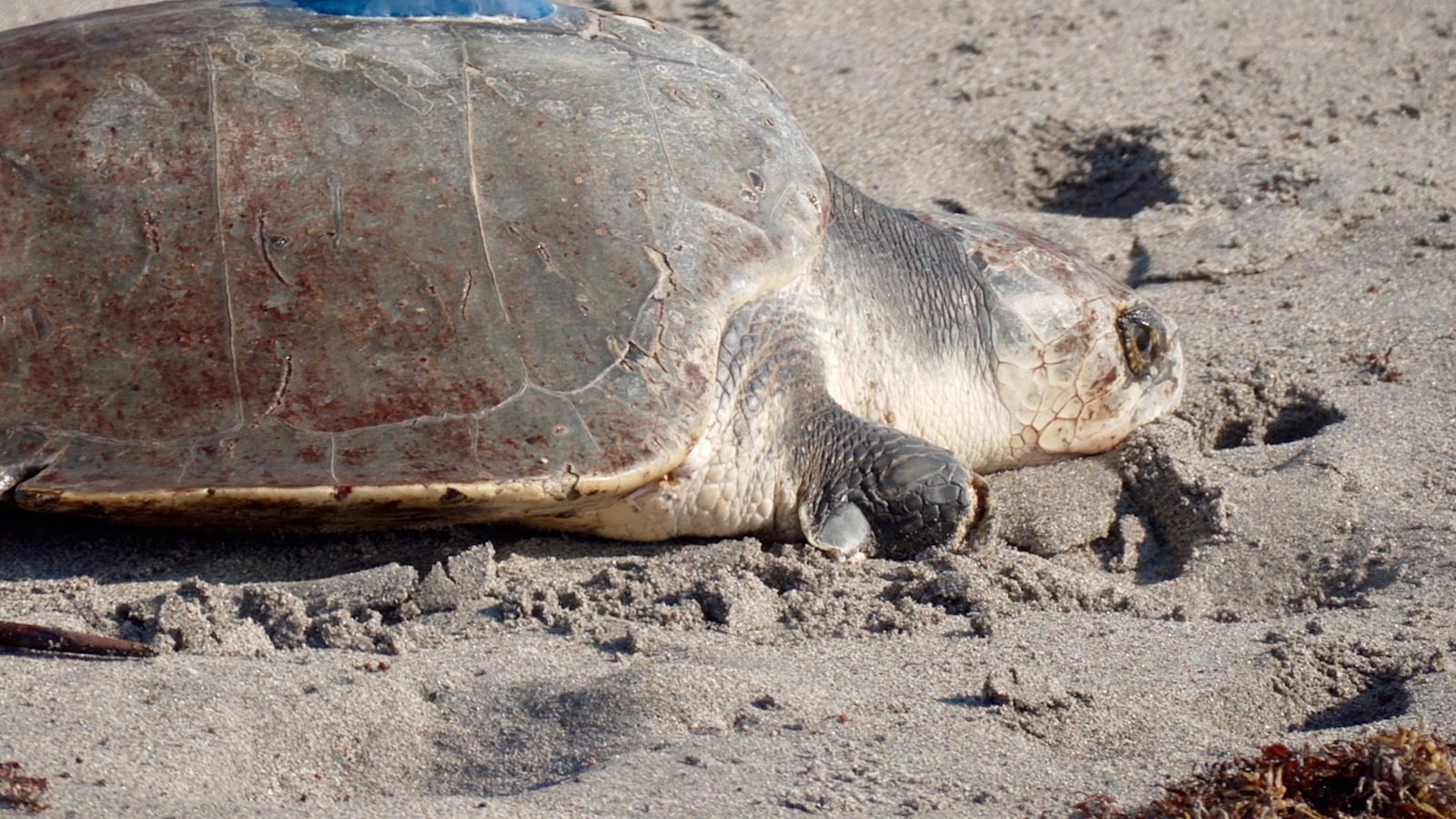
Amelie, a Kemp’s ridley sea turtle who lost her right forelimb to a predator — most likely a shark, the center said — was taken to the beach on Wednesday for her highly anticipated release. The turtle paused for about 30 seconds, then slowly made her way into the Atlantic Ocean as onlookers cheered.

Amelie had been rescued and brought to the center by the Inwater Research Group in Port St. Lucie, Florida, seven weeks earlier after a traumatic amputation. She underwent surgery to clean and close the wound, and was treated for pneumonia while in a tank at the center. When veterinarians deemed her healthy enough to return to the sea, they glued a tracking device to her shell.

An ultrasound confirmed that Amelie is developing eggs, giving researchers another reason to track her movements.

Kemp’s ridley turtles, the rarest of sea turtle species, are more typically found on Florida’s Gulf Coast, so treating Amelie was especially significant, said Andy Dehart, the center’s president and CEO.

Amelie is actually the fourth amputee sea turtle being tracked by the enter, Loggerhead research director Sarah Hirsch said. They include a three-limbed turtle named Pyari who has traveled nearly 700 miles since her release in January, her tracker shows.

“We do know that they can be successful in the wild because we have seen them on our nesting beaches, but we really want to understand their dive behaviors, how they’re migrating once they’re back in the wild,” Hirsch said.

The satellite tags have a saltwater switch that detects when the turtle comes up to the surface to breathe, triggering the transmission of data to the satellites. Their location appears online after a 24-hour delay. To view Amelie and other turtles tracked for various research projects, visit the Loggerhead website.

“They’ve been through a lot,” Hirsch said. “They’ve gotten a lot of medical care here, and to see them be able to go back out and contribute to the population is really rewarding.”

To view Amelie and other turtles tracked for various research projects, visit the Loggerhead website.

Frisaro reported from Fort Lauderdale, Florida.


Source link

One Tech Tip: Here’s how AI can (and can’t) help you in your job hunt

0
One Tech Tip: Here’s how AI can (and can’t) help you in your job hunt


For many job seekers, it might seem like there’s never been a harder time to find a job.

Hiring for white-collar jobs has been especially weak, part of what economists call a “low-hire, low-fire” job market in which businesses are largely holding onto their workers while hiring remains sluggish, making it difficult for younger workers to land permanent work.

Technology is also shaking up the hiring process. Automated systems enable job seekers to easily apply to more jobs, but those same systems also makes it even tougher to get noticed. According to data from hiring platform Greenhouse, the average recruiter has 3.5 times more job applications to sift through than they did a few years earlier.

But artificial intelligence has offered job seekers new ways to stand out, such as improving resumes or helping with interview prep. Here’s advice from experts on how to use technology to your benefit:

An updated resume is one of the basic tenets of a job search. AI is a great tool for revamping CVs and cover letters but experts warn that everyone else has also already realized this.

AI “absolutely does risk reducing your job application materials to the same style as every other applicant’s,” said Daniel Zhao, chief economist at online job and recruitment site Glassdoor. “As a hiring manager, this is something I have seen myself in application materials that have clearly been customized using AI. For job seekers, that makes it hard for your application to stand out from your peers.”

Instead, take it a step further by using AI to “personalize your approach” to the companies you’re most interested in, recommends Daniel Chait, CEO of recruitment firm Greenhouse. You could, for example, get AI to read all of a company’s reports for the past year or analyze its job openings to “help you improve your cover letter or the wording of your resume in very specific ways,” he said.

A lot of people think there are secret tricks to getting a resume past the automated system that screens applications. One long-held belief is that you can add in keywords in white text, which a human won’t see but a computer will.

But the latest systems have long since moved on from that practice, said Chait.

“There’s no secret keyword you can put in, that’s just wasting your time. Don’t bother doing that.”

You shouldn’t just rely on your resume to land a job.

“The resume is still an important part of the job search process but it is not sufficient. You need far more than your resume,” said Pat Whelan, a product manager at LinkedIn.

With the rise of AI seeping into many parts of work life, Whelan said job seekers should show off any AI skills they have.

LinkedIn has teamed up with some AI platforms, such as Lovable and Relay.app, to certify that a user has the proficiency to use to AI to, for example, vibe code an app.

Others, however, say it’s more important to make sure you have basic AI skills that the office jobs of the future will require, and which can be easily transferred.

“When the state of art is shifting so rapidly, focusing on narrow AI certifications or skills isn’t as important as being thoughtful about the benefits and risks and also being able to adapt quickly,” Zhao said.

The rules of the recruitment game are changing quickly and employers are now starting to include AI in their hiring guidelines, so do check whether the company you’re applying to has any rules to follow.

Target, software company SAP, cybersecurity company Zscaler and even the British civil service are among employers that outline do’s and don’ts of using AI during recruiting. Acceptable uses generally include formatting resumes, explaining technical concepts and brainstorming, while inappropriate uses include using AI to invent skills, achievements or complete assessments.

The process, from initial application to final interview, should “be an authentic representation of your own skills, experience, and thought process. This principle is especially important in the age of AI,” cloud security firm Zscaler says.

If you’ve made it through to the interview stage, AI can be a useful tool to help prep for your conversation with a hiring manager.

Chait recommends getting the AI to tell you everything about the company, the industry, the job, the hiring manager, and the best practices of interviewing.

Then, he advises spending an hour or two with the AI, getting it to ask you mock interview questions, which will help make sure that you’ve got good answers prepared for the real thing.

There are AI tools marketed to job seekers to help them pass remote job interviews and tests, but experts say you should avoid the temptation to use them.

These tools typically are used to listen to the interview questions and provide answers in a window overlaid on the video call. But it’s often pretty obvious to the interviewer that you’re using them.

Chait said customers have told him of interviews they’ve done in which the applicant has responded to every single question by saying, “Let me think for a minute,” before replying, making it obvious they were reading off the AI answer.

“You’re not fooling anyone,” he said.

One emerging trend that job seekers should be ready for is the AI-powered interview. More employers are expected to start deploying bots to carry out at least the initial round of interviews, either by text chat, audio call or a video avatar.

While the tech is still in its early days, Chait predicted AI interviews would quickly spread because they allow for a better and fairer interview experience.

“Being comfortable with being screened by a bot first is something that will help give you an edge as a job seeker. It will make you applicable to more jobs,” Chait said.

AI technology is also powering employment scams on both sides of the hiring equation.

Workers should be on the lookout for phony recruitment ads designed to con desperate people. These postings, often shared by email or through text messages, typically say a well-known company is hiring and will ask the recipient to follow a link for more information.

But experts say you should verify that it’s a real job by going directly to the hiring company’s website or looking on a reputable job board to see if the job is actually posted.

If you click the link, there’s a good chance you’ll end up talking to a scammer who wants to hire you for a non-existent job. They’ll want you to provide identification, a social security number or bank details so they can supposedly put you on the payroll, Chait said.

Employers, meanwhile, are increasing scrutiny for remote hires. They’re learning to be wary after some companies unwittingly hired North Koreans as remote IT employees, earning money for Pyongyang.

Job hunters should be prepared for identity verification requests from potential employers, who typically ask an applicant to take a selfie and compare it against their government-issued ID.

LinkedIn also offers a verification service that works either by checking ID or sending a confirmation request to a work email.

___

Is there a tech topic that you think needs explaining? Write to us at [email protected] with your suggestions for future editions of One Tech Tip.


Source link