
Home Blog Page 9

‘No loopholes’: Readers demand watertight wealth tax

0
‘No loopholes’: Readers demand watertight wealth tax


More than 100 British-based millionaires, led by Gary Lineker, have written to Andy Burnham urging him to tax their wealth more, telling the new prime minister “we can afford it.”

Independent readers largely agreed, with almost four in five backing a wealth tax on the super-rich in our poll.

But their support in the comments came with a clear condition: close the loopholes first.

Time and again, readers set out what they’d need to see before trusting any wealth tax to work – exit taxes, tighter reporting requirements, and no room for tax advisers to help the wealthy dodge the bill.

Some pointed to modest schemes abroad as proof it can succeed if pitched right, while others questioned why any millionaire needs legislation at all when they could simply donate to HMRC today.

Here’s what you had to say:

Close every loophole first, then tax fairly

A wealth tax is a very good idea but not sufficient on its own. The government need to secure the tax base by legislation to:

A) Make sure that all UK citizens (wherever they choose to live) and all foreign citizens who live and/or own property in the UK are required by law to pay UK taxes unless they can prove that they pay an equal or greater sum elsewhere.

B) Make sure that all forms of wealth of all UK citizens and residents are properly and fully reported and recorded.

C) Levy an exit tax on the wealth of anyone who decides to exit the UK to avoid taxes.

D) Require all tax advisers, accountants and lawyers to be licensed by HMRC to provide tax advice, to obtain prior approval from HMRC for any schemes recommended to clients and to report on all tax avoidance activities by their clients. It is unacceptable that a whole industry of agents and advisers exists for the purpose of helping the wealthy avoid paying their taxes.

Get a free fractional share worth up to £100.
Capital at risk.

Terms and conditions apply.

Go to website

ADVERTISEMENT

Trading 212 logo

Get a free fractional share worth up to £100.
Capital at risk.

Terms and conditions apply.

Go to website

ADVERTISEMENT

Once the tax base is secured then a well-designed, progressive wealth tax could raise a lot of revenue and counteract the rampant increase in inequality that already blights our society and is getting worse.

Bobcat

They could already donate to HMRC if they wanted to

Nothing stops millionaires visiting HMRC’s “Make a tax donation” page and taxing themselves until they are blue in the face. But no. What they really want is for others to get taxed. By the way, £24bn a year would be squandered by the government within months on new HS2s, aircraft carriers that don’t work in warm water, pay rises for train drivers and PPE-like scandals. But the resulting exodus of wealth from Britain would not be reversed for generations.

MooreCLanes

For the latest political headlines delivered straight to your inbox, sign up for our daily View from Westminster newsletter here

Start with an exit tax and end the loopholes

Any wealth tax must be targeted at the 20,000 who have wealth in excess of £10m – with NO loopholes for them to squirrel their wealth away.

Start with an exit tax and the ability for HMRC to tax wealth anywhere on the planet. The US of A taxes its citizens wherever they choose to live. And don’t forget to resource HMRC so that it has the staff to do the job.

Warrensballs

Look at how Italy makes a modest wealth tax work

Italy uses low tax incentives to attract high-net-worth individuals. But they also have a very modest wealth tax on luxury items (fast cars, yachts, second homes and share investment portfolios). The problem with the UK (and other European countries where wealth taxes have failed) is that they want to levy punitive taxes on wealthy people. They and their assets are generally very mobile. The trick is to charge a modest wealth tax which raises revenue but is low enough that people will wear it.

YetAnotherName

The super rich are getting wealthier

At a time when the richest 0.001 per cent possess three times the wealth of the poorest 50 per cent globally, something has to be done as all they’re ever interested in is getting even wealthier. There’s bound to be scaremongering from the right-wing press about higher taxes for them, but then it’s all owned by people who fall into the “super rich” category and will use whatever propaganda they can to discourage any such move, naturally. It’s great that Lineker and many others want to contribute extra in taxes, but there are even more who don’t.

antmanbee

This isn’t really a wealth tax, it’s tax equality

The discussion is being framed as a wealth tax, but it could just as easily be referred to as an equalisation of tax rates on earned and unearned income. We have a situation where on the whole the wealthier you are, the lower your effective tax rate is, and that doesn’t seem right. At the other end of the scale, I wonder what the effect would be if we were to abolish VAT (another regressive tax) and at the same time lower the basic rate threshold.

RickC

Don’t tax the asset, tax it when it’s sold

Any tax of this sort doesn’t have the thresholds increased over time and people who we wouldn’t dream of paying it now are dragged into it in the future. Also I feel strongly that wealth should be taxed at the time the asset is realised or death. You shouldn’t be taxed for holding an asset. Not everyone uses their assets to generate loans to avoid taxes. Personally I would change capital gains tax so it applied to all house sales not just second homes.

KrakenUK

Lineker already fought HMRC and won

I venture to guess that there aren’t many on the list that have sufficient assets to end up paying a wealth tax of 2 per cent on assets over £100m. Just a number of supposed influencers and “jumpers on the bandwagon” that have little intention of paying any more than they have to. Lineker of course fought HMRC (and won) his £4.9m IR35 tax appeal just a few years ago. Maybe he and his co-signatories could start by making voluntary payments to HMRC/Treasury in addition to their “normal tax dues” through the available formal route for such payments on the UK Gov website guidance. They don’t even need to tell us how much they were intending to give extra. Oh right, they’re looking for others to be taxed and they’ll keep their hands firmly in their pockets.

BillS

A transaction tax could work just as well

I have seen someone suggest a transaction tax. Set an exempt level so that the less well off don’t get taxed. The more you spend the more you pay. I can’t remember the exact figures but it could raise billions and could even reduce other taxes that disproportionately affect the people on lower incomes.

Rubble

Go after Amazon and fossil fuels too

Good for them for being principled. Russian oligarchs et al (if not already taxed) should be hit too. Burnham also needs to introduce fair taxes upon companies like Amazon that do not pay what they ought to, and – vitally – justly tax fossil fuel companies for their utterly obscene profits, especially given the environmental and climate damage they have deliberately and consciously caused and continue to cause, whilst thwarting any attempt to curb them.

JanP

Some of the comments have been edited for this article for brevity and clarity.

Want to share your views? Simply click ‘log in’ or ‘register’ in the top right corner to sign in or sign up. Once registered, you can comment on the day’s top stories for a chance to have your opinions showcased.

Want your voice to stand out? Independent Premium subscribers enjoy priority for featured comments. Subscribe here.

Make sure you adhere to our community guidelines, which can be found here. For a full guide on how to comment, click here.

Source link

Last chance to apply for help with school costs in Jersey

0
Last chance to apply for help with school costs in Jersey


Families have less than a week left to apply for help with the costs of getting ready for the new school year.

The Back to School Bonus scheme offers a one-off payment of up to £150 towards uniforms,  stationery and other essentials for children from reception to Year 11.

The last government announced the funding in April for parents who do not receive income support and earn a combined income of £75,000 or less.

The application deadline is Friday 31 July with money due to be paid into bank accounts in August.


Source link

Berlin Police seek 21-year-old after vehicle crashes into crowd during LGBTQ+ parade

0
Berlin Police seek 21-year-old after vehicle crashes into crowd during LGBTQ+ parade


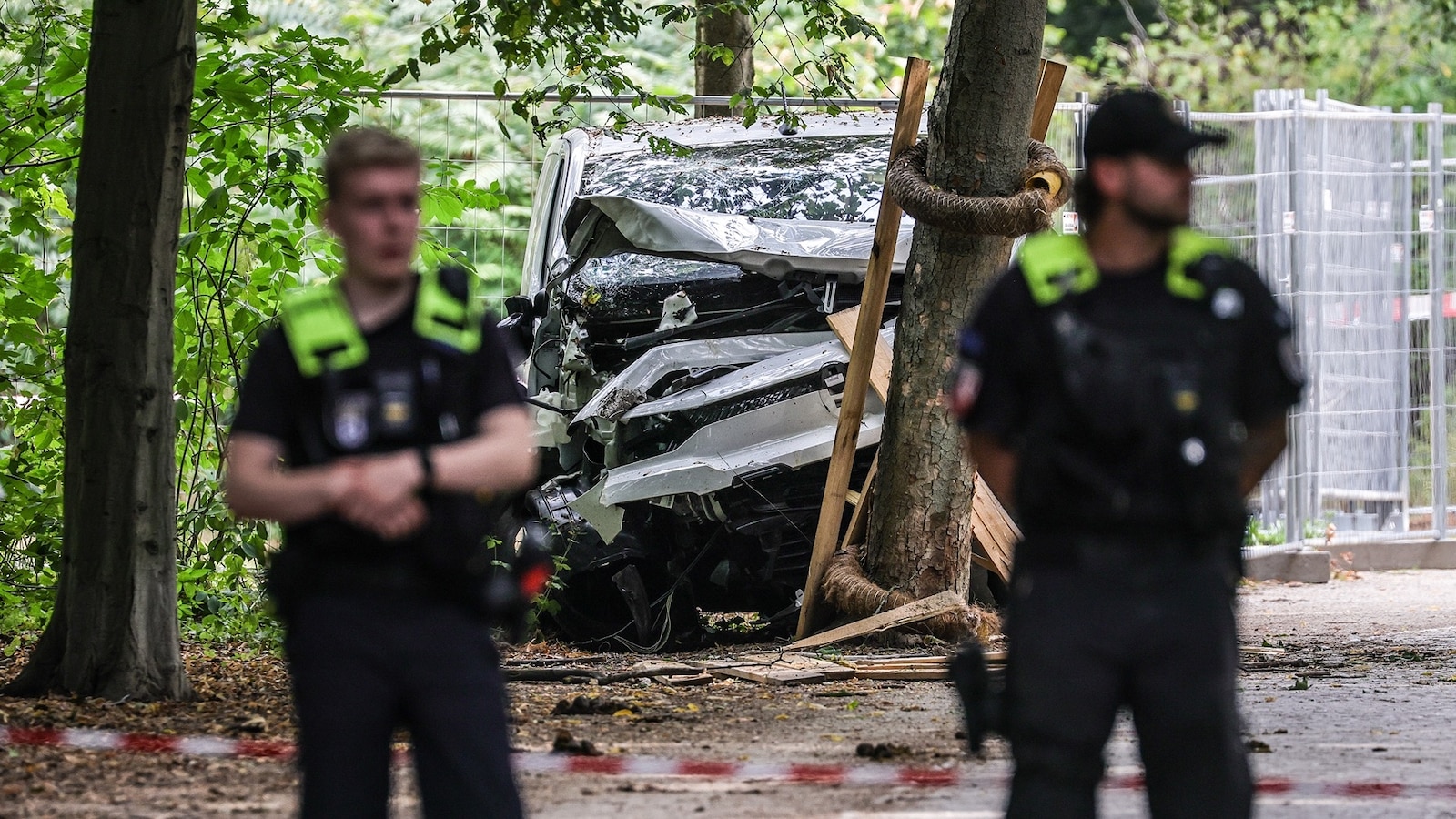
LONDON — A manhunt was underway early on Sunday in Germany, where police identified a 21-year-old man who allegedly drove a vehicle into a crowd during Berlin’s LGBTQ+ celebrations on Saturday, killing one person and injuring several others.

The Berlin Police released a photo of the man, whom was they identified as Abdul B., using only an initial for his surname, as is common under German privacy law.

German police stand near a white van that suspect Abdul B. allegedly used in last night’s vehicle crash during the Christopher Street Day Berlin pride parade on July 26, 2026 in Berlin, Germany.

Omer Messinger/Getty Images

“Abdul B. is alleged to have injured several people with a moving vehicle in the Tiergarten area at approximately 10 p.m.,” according to a joint statement released by the Berlin Police and Public Prosecutor’s Office.

PHOTO: The 21-year old suspect identified by police as Abdul B.  in this undated handout photo released by Polizei Berlin on July 26, 2026.

The 21-year old suspect identified by police as Abdul B. is seen in this undated handout photo released by the Berlin Police on July 26, 2026.

Berlin Police via Reuters

Police said in a social media post in German that the man had been “known to police” and that he was thought to have been associated with the “Islamist spectrum.” Details about potential motives were not immediately released.

Hundreds of thousands of people had come to Berlin to celebrate Christopher Street Day, one of Europe’s largest LGBTQ+ celebrations, according to the city.

The two-day event was scheduled on Saturday to include a parade, which was to begin in Mitte, in central Berlin, wind its way south into Schöneberg, then turn back northward toward Brandenburg Gate.

At least 16 people were injured when the vehicle crashed into the crowd in Tiergarten Park, according to law enforcement, an area along a footpath within the park and near to the parade’s end.

PHOTO: A person looks on as parade infrastructure is dismantled near the Brandenburg Gate in Berlin, Germany, July 26, 2026.

A person looks on as parade infrastructure is dismantled near the Brandenburg Gate, after a deadly incident in which a vehicle crashed into a crowd near Berlin’s annual Christopher Street Day Pride parade on Saturday evening, leaving multiple people injured and the parade called off, in Berlin, Germany, July 26, 2026.

Christian Mang/Reuters

“One or more people are believed to have subsequently fled the vehicle,” police said. “Furthermore, several people are reported to have been injured with stabbing weapons.”

Several of those who were injured had life-threatening injuries, the Berlin Police told ABC News. Police earlier said 17 people had been injured.

A police officer searches in the Tiergarten Park near the scene where a vehicle rammed into a crowd near the Pride March in Berlin, Germany, Sunday, July 26, 2026.

Markus Schreiber/AP Photo

The person of interest was described by police as having a “slim build.” They said he was about 1.9 meters tall, or about 6′ 3,” with black hair. He was wearing a black hoodie and white pants, police said.

“If you encounter this person, under no circumstances should you approach them or have any direct contact with them,” police said. “They may be armed and dangerous! Immediately contact the police emergency number 110.”

The police on Saturday called off the rest of the celebrations for the night after the incident at the park.

ABC News’ Rashid Haddou, Felix Franz, Jamie Dorrington and Ivan Pereira contributed to this report.


Source link

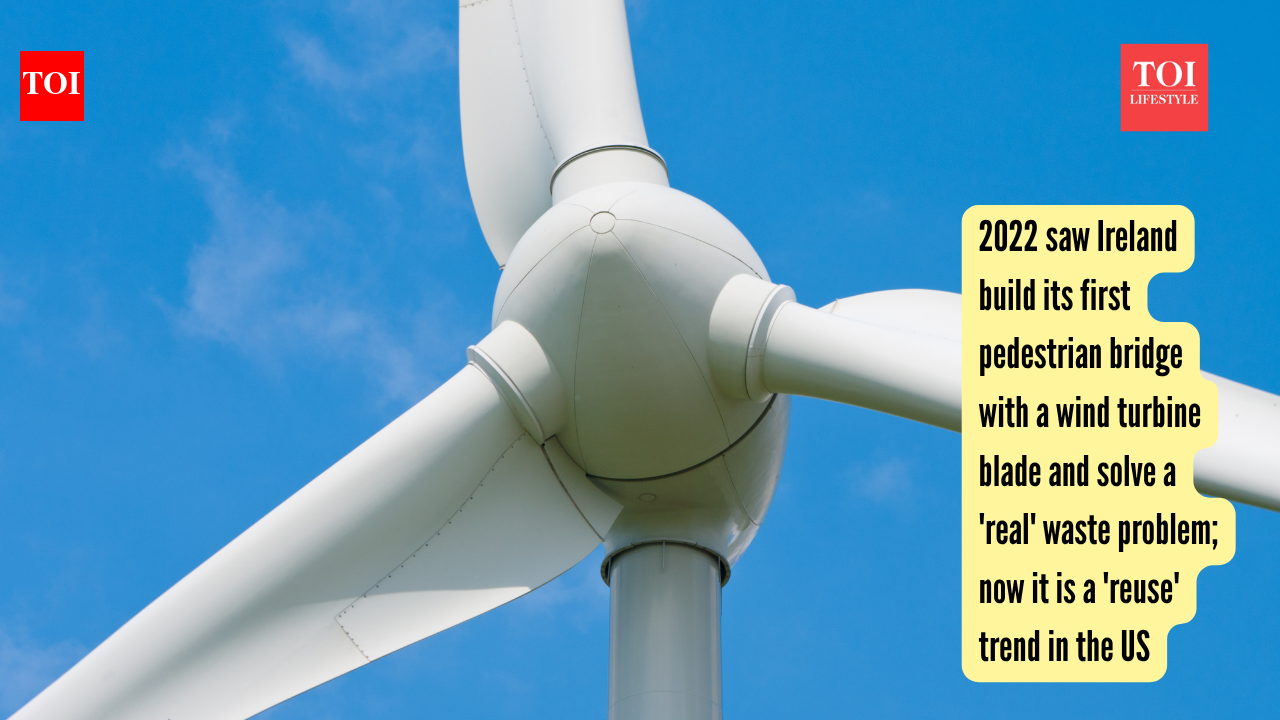
2022 saw Ireland building its first bridge with a wind mill turbine and solving a waste problem; now it is a ‘reuse’ trend in the US

0
2022 saw Ireland building its first bridge with a wind mill turbine and solving a waste problem; now it is a ‘reuse’ trend in the US


Mill blades – Representative Image

Renewable energy, or green energy, is believed to be the most sustainable solution and also the future of tomorrow.Production of energy through windmills is among the most popular and results-driven choices.But what happens when the equipment becomes obsolete?Have you ever thought about how those parts are recycled or disposed of?Wind energy has run into exactly this dilemma. The turbines themselves are mostly fine to deal with once retired, but one particular part has become a genuine headache for engineers and environmentalists.In order to solve this issue, turbines came to be used as a quiet greenway in Ireland, where old wind turbine parts found a new job, helping people walk across a river.Let’s dig in to find out how

What happens when wind turbines retire?

Wind turbines typically operate for 20 to 25 years before they’re retired, largely because their parts endure constant, high-level stress while spinning. Maintenance costs climb steadily as a turbine ages, and eventually it simply costs more to keep repairing the unit than to take it down altogether.

The blades are the hardest part to deal with

While nearly 90% of a wind turbine’s components are recyclable, according to the US Department of Energy, the blades are a different story. Built from reinforced fiberglass, they’re notoriously difficult to break down, which left the industry searching for smarter ways to give them a second life instead of simply discarding them.

It all started in Ireland when a retired turbine became a bridge!

The idea of reusing old blades as pedestrian bridge girders took shape in Ireland back in 2019, eventually growing into a venture called BladeBridge. That effort led to the formation of the Re-Wind Network, a research collaboration involving Georgia Institute of Technology, University College Cork, Queen’s University Belfast, City University New York, Munster Technological University, University College Dublin, and BladeBridge itself.In early 2022, the network completed a working pedestrian bridge in Cork, using two decommissioned blades as girders, with the tip of each blade buried underground for added support, according to BGR.Before construction began, researchers ran extensive tests on the blades to check whether these blades were strong enough to support the entire span consistently. They studied tension, compression, and load-bearing performance, then modelled the design digitally and ran further computational testing to confirm it would be safe enough for a pedestrian crossing.

Why simply dumping old blades isn’t a real solution

It is estimated that the US alone will generate around 2 million tons of blade waste needing disposal by 2050; this would consume nearly 1% of the country’s remaining landfill capacity, according to BGR.Europe’s situation looks tougher still, with an estimated 7.6 million tons of decommissioned blades expected by the same year.

Similar bridges built in the US

By 2025, a similar bridge was also built near Atlanta, Georgia, using a blade decommissioned all the way in Colorado. The bridge helps people cross a tricky creek to reach a part of a park that had been unreachable before.


Source link

France’s D-Day landing beaches, Greece’s Mount Olympus added to World Heritage List

0
France’s D-Day landing beaches, Greece’s Mount Olympus added to World Heritage List


SEOUL, South Korea — World War II’s D-Day landing beaches in northern France and the iconic Mount Olympus in Greece were among the sites added to the World Heritage List on Sunday at a U.N. committee meeting in South Korea reviewing dozens of nominations.

The UNESCO committee, which meets in Busan through Wednesday, also inscribed the ancient Japanese capitals of Asuka and Fujiwara and South Sudan’s Boma-Badingilo Migratory Landscape, host to one of the world’s largest land mammal migrations and the country’s first addition to the World Heritage List.

The French designation covers the five Normandy landing beaches — Omaha, Utah, Sword, Gold and Juno — where more than 150,000 Allied troops came ashore on June 6, 1944, along with the Pointe du Hoc assault site, all central to the campaign to liberate Western Europe from Nazi occupation during World War II.

International Council on Monuments and Sites, which evaluates submissions to the heritage committee, said the sites contain extensive remnants, from German fortifications and bomb-scarred landscapes to Allied harbor structures and sunken vessels, marking an “event widely perceived as having enabled the return of freedom and heralded a lasting peace on the European continent.”

ICOMOS also called for stronger monitoring and preservation efforts on the sites, citing potential threats posed by tourism, climate change and rising sea levels, and the development of wind farms near the areas.

Ahlem Gharbi, France’s permanent delegate to UNESCO, said the Normandy landings marked a turning point from global conflict toward a postwar order built on peace and security, and that the designation of the sites carries added significance at a time of escalating international crises and wars.

“It’s probably the greatest amphibious landing there’s ever been. It ought to be remembered for that alone,” historian David Edgerton said in a recent interview with The Associated Press.

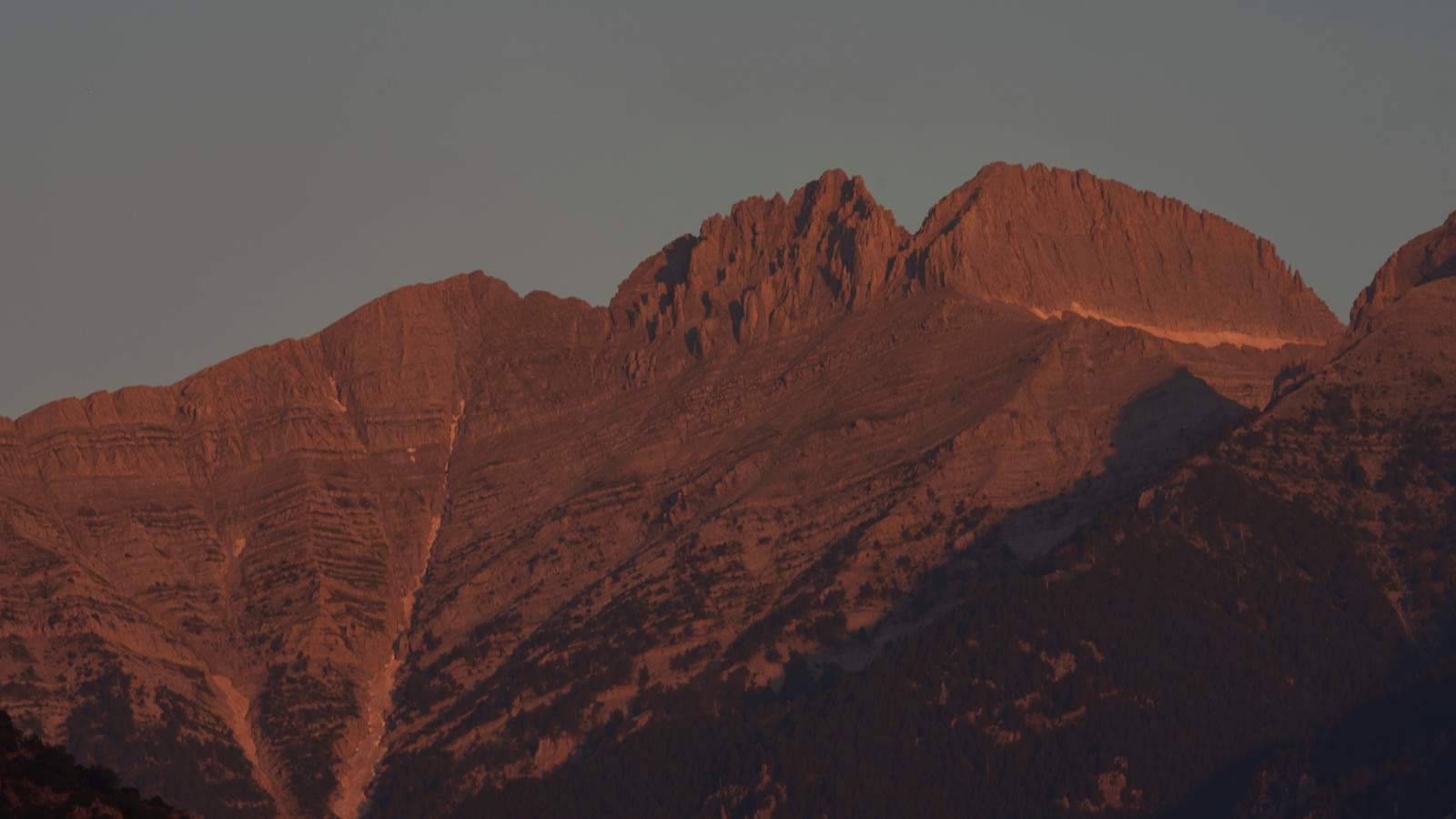
The World Heritage inscription of Mount Olympus, the mythical home of the 12 Olympian gods, rewarded a 12-year effort by Greece to secure recognition for its tallest mountain as a mixed cultural and natural heritage site. Rising 2,918 meters (9,573 feet) from a base near sea level, the mountain was believed to be the throne of Zeus, king of the gods, while also harboring rich biodiversity.

Evangelos Geroliolios, mayor of Dion-Olympus, a municipality at the foot of the mountain, said in a recent interview with the AP that inclusion on the World Heritage List “places greater obligations on our part to protect this environment,” citing the potential impact of increased tourism.

“We reaffirm our unwavering commitment to safeguarding Mount Olympus for the benefit of present and future generations,” said Georgios Koumoutsakos, Greece’s delegate to UNESCO. “As Greek mythology wisely reminds us, it is always best to remain on good terms with gods.”

The designated Japanese locations in the western prefecture of Nara cover 19 archaeological sites from the 6th- to 8th-century capitals of Asuka and Fujiwara, where Japan established its first centralized state modeled after Chinese systems. The sites preserve the largely buried remains of royal palaces, government offices, Buddhist temples and tombs from capitals that influenced the later capitals of Nara and Kyoto.

Japanese Vice Culture Minister Shigeki Kobayashi thanked the committee for inscribing the Asuka-Fujiwara sites and said Japan reaffirms its commitment to “transmitting this valuable property to the future generations.” Japanese Prime Minister Sanae Takaichi, a Nara native, wrote on X that she hopes the World Heritage designation will boost tourism to the site.

Yoshiyuki Aihara, a Nara University archaeology professor, told AP the sites are significant because they show how Japan’s ancient state was formed through influences from China and the Korean Peninsula.

“If you dig underneath these rice paddies about 1 meter, you start finding a stretch of ruins in this area, though that’s not easy for ordinary visitors to understand,” said Aihara, who is continuing excavation work at the site.

South Sudan’s Boma-Badingilo site encompasses vast wetlands, flood plains and savannas shaped by seasonal rainfall and flood dynamics, with an estimated 6 million white-eared kob, tiang and Mongalla gazelles moving across the landscape in response to changing environmental conditions.

It also provides habitat for elephants, lions, cheetahs and other wildlife while supporting various ethnic communities that have lived by herding, farming and fishing for centuries, according to UNESCO.

—— AP writer Mari Yamaguchi contributed from Tokyo.


Source link

Man accused of illegally ‘wrestling’ protected sharks in Washington state after months-long investigation

0
Man accused of illegally ‘wrestling’ protected sharks in Washington state after months-long investigation


NEWYou can now listen to Fox News articles!

An Oregon man is facing charges for allegedly illegally catching and “wrestling” protected bluntnose sixgill and broadnose sevengill sharks in Puget Sound.

The Washington state Department of Fish and Wildlife recently shared body camera footage of an officer confronting Connor Seifert, 27, in June in Pierce County, Washington.

“You know your shark rules,” the officer could be heard on the video telling Seifert. “You can’t fully or partially remove sixgill from the water. 

SHARK SIGHTINGS SPIKE NEAR AMERICA’S BEACHES AS JULY 4 CROWDS HEAD TO SHORE FOR WEEKEND

A still of a video shared by the Washington Department of Fish and Wildlife that the suspect allegedly posted of a shark being held by its tail. (WDFW)

“When you wrestle a sixgill to shore like that, you hop on its back, you expose its gills to the air,” the officer continued. “You know as well as anybody else does that Puget Sound is a nursery for these sharks. There has been a direct correlation between catching these sharks in this stage in their lives and the mortality of the pups inside the moms.”

He added, “Once they exhaust themselves being fought to shore, then all of their babies die. And then, sooner than you know it, you’re not going to have sixgill and sevengill returning to Puget Sound anymore.”

This came after months of following Seifert’s movements and his online posts, with officers finally setting up surveillance so they could catch him making an illegal catch.

Video still that appears to show the suspect wrestling a shark

A still the suspect allegedly posted on social media of him sitting on a shark’s back and holding its mouth open. (WDFW)

SUSPECT IN VIRAL MONK SEAL HARASSMENT VIDEO SAYS HE WAS DOXXED AS FEDERAL COURT FIGHT BEGINS

He has been charged in Pierce County with nine counts of unlawful recreational fishing in the second degree and one count of making a false or misleading statement to a public servant. The first is a misdemeanor and the second is a gross misdemeanor.

Misdemeanors carry up to a $1,000 fine and 90 days in jail if found guilty and gross demeanors carry up to a $5,000 fine and a year in jail.

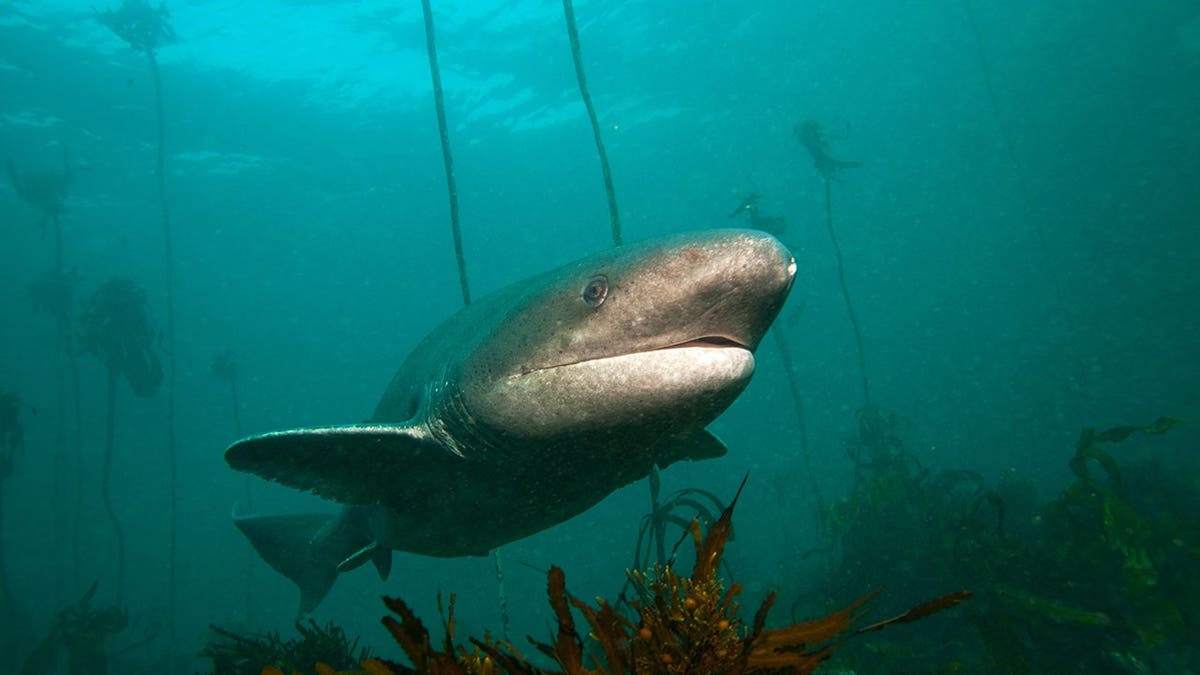
Broadnose sevengill sharks swim underwater in Durban, South Africa.

A broadnose sevengill shark. (Anadolu via Getty Images, File)

Fishing for sixgill and sevengill sharks is unlawful, and unfortunately, officers are seeing a growing number of online posts showing these sharks targeted and then unlawfully removed from or partially removed from the water,” the department said in a post about Seifert’s charges.

MASSACHUSETTS HOMEOWNERS STUNNED AFTER TOWN WARNS JULY 4 FLAGS THREATEN ENDANGERED BIRDS

Seifert claimed that he hadn’t been targeting the sharks and that he had accidentally caught them, but videos he posted to social media that allegedly showed him holding a shark’s mouth open, while sitting on its back and holding it by its tail on the shore while it attempted to get away paint another picture.

The department said it has gotten 14 complaints about Seifert, mainly connected to his allegedly targeting the sharks.

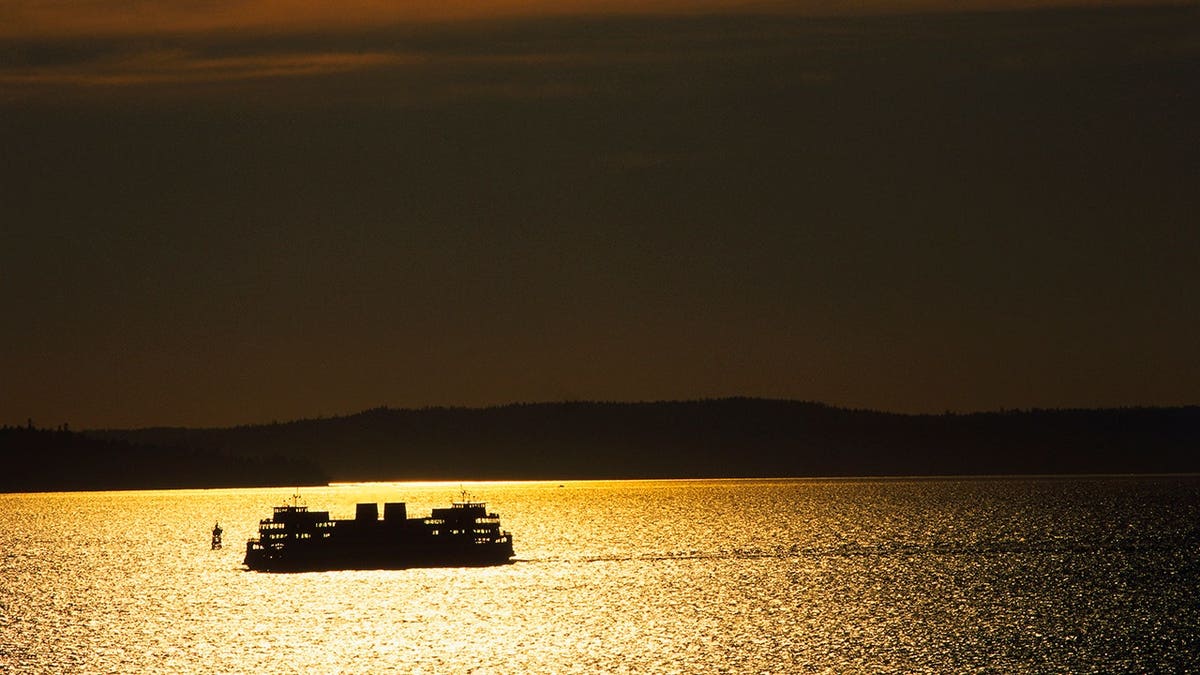
Washington State ferry crosses Puget Sound toward Seattle.

A Washington State ferry crosses the Puget Sound toward Seattle. (Corbis via Getty Images)

“Puget Sound acts like a nursey for sixgill and sevengill sharks before they head out to the ocean, the department said.

The department added, “This is one of the primary reasons why it is unlawful to target these sharks locally, as the anglers fishing for these creatures are targeting them during a highly volatile era in the animals’ lives.”

CLICK HERE TO DOWNLOAD THE FOX NEWS APP

Both shark species are listed as “Species of Greatest Conservation Need” in Washington State.

Bluntnose sixgills are categorized as “near threatened” and broadnose sevengills are “vulnerable,” according to the International Union for Conservation of Nature.


Source link

Doctors share what sleeping with a fan on does to your body and health

0
Doctors share what sleeping with a fan on does to your body and health


Summer heat waves are trickiest at night. When it’s too hot to sleep, you toss and turn on a sweat-soaked mattress. When you resort to air conditioning, you can wake up with dry skin in an ice-cold room.

Keeping a trusty fan blowing on you throughout the night seems like it would be the best middle ground for staying cool on humid evenings — but they can also bring on some annoying side effects.

Doctors have now revealed the ways that the constant breeze of a fan can affect your health and shared their top tips for reducing any potentially undesirable impacts.

1. Allergies or asthma

Turning a fan on throughout the night can stir up allergens in the room like dust, pollen and pet dander, which can trigger allergies, hay fever or worsen asthma symptoms.

Keeping a fan fixated on your face throughout the night is not best practice — instead, consider oscillating it (Getty/iStock)

“If your airway is already reactive and sensitive, the combination of circulating allergens and dryness can make symptoms like coughing, wheezing, or congestion worse,” says Dr. William Lu, the medical director at digital sleep clinic Dreem Health, according to Tom’s Guide.

The fan blades themselves also often have dust collected onto them, which only adds to the particles circulating around the room.

2. Stiff muscles

When cool air is concentrated on one part of your body for a prolonged period of time, it can cause muscles to tense up or cramp due to super localized blood flow.

Because of this, in addition to the fact that your body often stays still for hours at a time during sleep, you can wake up feeling sore, according to a Healthline article reviewed by certified physician Raj Dasgupta. It’s especially common to have a stiff neck.

3. Congestion

Constant airflow can dry out your nose, mouth and throat, prompting your body to produce more mucus in an attempt to combat the dryness. Overproduction of mucus can cause congestion, bringing on symptoms like a sore throat, stuffy nose, coughing and a sinus headache.

Dr. Julius Goh, an ENT specialist, wrote on The ENT Doctor blog: “The mucociliary clearance system (the microscopic hair-like cilia that sweep mucus and allergens out of your nasal passages) needs moisture to function. Dry it out and you’re essentially paralyzing your own nasal immune defense. Allergens sit longer. Symptoms worsen. You wake up sneezing before you’ve even had breakfast.”

4. Dry skin

A steady stream of cool air can also dry out your skin and eyes, making it even worse if you already deal with eczema, psoriasis or dry eye, according to a Verywell Health article reviewed by certified pediatrician Jonathan B. Jassey.

There are precautions you can take to lower the chances of waking up with a sore neck or dry skin
There are precautions you can take to lower the chances of waking up with a sore neck or dry skin (AFP/Getty)

Reducing negative side effects

If you are still determined to stay cool this summer by sleeping with a fan on, there are precautions you can take to lower the chances of waking up with a sore neck or dry skin.

1. Aim the fan away from you or have it oscillate

Keeping your fan at a distance and pointed away from you will help manage the temperature in your room and keep air flowing without blowing air directly at you.

Better yet, if your fan has an oscillating feature, be sure to turn it on to ensure that the airflow is evenly distributed instead of drying you out.

“If you find that you get better rest when sleeping in a cooler temperature, then you should not avoid using a fan entirely,” Dr. Michael DeShields, the clinical advisor of the New Jersey-based Discovery Institute facility, explained. “You can easily eliminate possible negative consequences of using a fan during your sleep period by cleaning your fan at least periodically, replacing the HVAC filters, maintaining your home’s humidity level (between 30-50 percent), and positioning the fan so that it blows directly away from your head throughout the entire night.”

He advised, “In addition, if you awaken with dry nasal passages, you might consider spraying a saline solution into each nostril prior to going to bed.”

2. Keep your home clean

Vacuuming and dusting can help prevent dust and other allergens from being spread around your room. It’s also worth making sure to keep the blades on your fan clean to prevent particles from flying around even more.

Although it can cause pesky side effects, sleeping with a fan on is not likely to cause any longterm damage or serious illness. However, it is worth noting that fans do not cool the air — they move air across the skin, which helps sweat evaporate and make people feel cooler.


Source link

Joshua vs Fury: Where does AJ’s ‘chaotic’ win in Saudi Arabia leave heavyweight blockbuster?

0
Joshua vs Fury: Where does AJ’s ‘chaotic’ win in Saudi Arabia leave heavyweight blockbuster?


In the aftermath of such a chaotic night, it is easy to focus only on the flaws and forget the bigger picture. Joshua was returning from one of the darkest periods of his life and carrying an immense emotional burden into the ring.

After his hand was raised, he struggled to get through his interview. His voice cracked as he spoke about his two friends and the impact their loss has had on him.

“Boxing once saved him and he needed boxing to get through this. That camp allowed him to focus his mind while he was in so much grief and pain,” promoter Eddie Hearn said.

“You don’t know what he was going through in that camp because he doesn’t talk about it.”

Whatever happens next, his place in British boxing history is already secure. He is an Olympic gold medallist, a two-time heavyweight champion and one of the biggest sporting stars this country has produced.

He has taken boxing to places few British fighters ever have. He has filled stadiums, headlined global events and become a household name far beyond the sport.

But in the build-up to his comeback, Joshua and his stablemate Oleksandr Usyk spoke about the ambition of becoming undisputed heavyweight champion.

After Saturday night in Saudi, the reality is that even reclaiming a world title would be a tough ask.

Joshua has always spoken about legacy, and there would be something fitting about walking away after overcoming one of the toughest periods of his life and producing a dramatic comeback victory.

The danger with ageing fighters is chasing one more night. Boxing history is filled with champions who stayed that one fight too long.

But then again Fury-Joshua is not one more fight. It is the fight. The one that has loomed over their careers for the best part of a decade.


Source link

Scared exercise will injure you? These rules make any routine safe

0
Scared exercise will injure you? These rules make any routine safe


I recently wrote a feature on bone strength and how to increase it, hoping to help people swerve injury and stay mobile for longer. The key, experts say, is to challenge the body with exercises like running, jumping and lifting, which place load on the bones and prompt them to adapt.

Underneath, someone wrote: “I just tried lifting some weights, sprinting and jumping, as you advised. I’m in A&E now and a consultant will be down to see me shortly.”

A joke, undoubtedly. Yet this is a concerningly common belief: exercise will hurt me, I dare not do it.

It also demonstrates a misunderstanding of the two fundamental principles behind any successful exercise routine. Once you learn these principles, they will keep you in enviable shape for the rest of your life. Below, I’m going to share them with you.

The first secret to successful exercise: identify your capabilities and get started

We should only tackle exercises that sit within our capabilities. That is how we avoid overstretching ourselves and suffering an injury.

Everyone has different capabilities. Elite athletes might be able to run 100 miles or chuck 200kg over their head, while a less fit person who leads a busy life might struggle to run a mile or lift a light dumbbell.

However, while everyone has different capabilities, the most important thing to note is that everyone is capable of something.

If you can’t sprint, you run. If you can’t run, you walk. If you can’t walk, you might try low-impact alternatives like swimming, or exercise machines which use other muscles to raise your heart rate.

Sign up for the Well Enough newsletter here

A similar approach applies to strength training. If you can’t lift a loaded barbell, you might start with light dumbbells or a resistance band.

Often, people assume doing these more accessible variations of an exercise will have little impact. But science suggests this couldn’t be further from the truth.

A new meta-analysis found that people experienced a disproportionate amount of muscle growth in their first few months of strength training. As time went on, results continued, but at a reduced rate. This phenomenon often extends to many other health markers too, filed under the phrase “newbie gains”.

The key take home message here is that simply starting to exercise, in whatever form works for you, holds immense value.

As Dr Stuart Phillips of the American College of Sports Medicine puts it: “Training all major muscle groups at least twice a week matters far more than chasing the idea of a ‘perfect’ or complex training plan. Whether it’s barbells, bands or body weight exercises, consistency and effort drive results.”

The second secret to successful exercise: apply progressive overload

The other thing this meta-analysis highlights is, once you are into the swing of things with your exercise routine, you need to apply some form of progression to see continued improvements. This is called progressive overload, and it is the second key principle behind any successful exercise plan.

General movement in any form will be beneficial for your health. But for certain fitness perks such as increasing cardiorespiratory fitness, there comes a point where you have to challenge yourself every once in a while.

But again, this doesn’t mean suddenly running a marathon, sprinting 100m in sub-10 seconds or hoiking 100-plus kilograms from the floor. It just means gradually upping the difficulty of your workouts in line with your increasing fitness levels.

If I walked 10 minutes each day last week and it felt easy, I might walk 11 minutes each day this week, or consciously up my pace ever so slightly.

If I felt comfortable doing three sets of 10 goblet squats with a 12kg kettlebell last week, resting 60 seconds between each set, I might do three sets of 12 repetitions this week.

If I ran 5km in 30 minutes last week, this week I might try to run 1km in 5min 50sec (a slightly faster pace), rest for a few minutes, then repeat this four more times. This way, I have practiced running the same distance in less time.

In each scenario, I tweaked variables in my workouts to make them slightly more challenging – either by increasing the amount of work I’m doing or raising the intensity of the task.

The key is to stay within your capabilities, but try to experience the upper end. Doing this will widen your capability window – or, in simpler terms, make you fitter.

The reason this works is called the SAID principle, which stands for specific adaptations to imposed demands. This means the body will, handily, adapt to be better at the things you consistently do.

Regular aerobic exercise like running will likely result in a more efficient heart and lungs. Regular strength training will likely result in stronger muscles, bones, ligaments and tendons, among other perks.

But to trigger these adaptations, you have to put a persuasive business case forward to your body. That is the message an appropriately challenging workout sends.

The human body is an adaptation machine. It is capable of adapting to most challenges if given the right consistent messages, fuel, recovery and time – the possibilities are almost endless.

Who knows? Maybe some day, our dear reader might even be able to sprint, lift and jump without a trip to A&E.

Get the Well Enough newsletter

Get the Well Enough newsletter with Harry Bullmore (The Independent)

To receive Well Enough with Harry Bullmore, simply enter your email address in the box at the top of this page.

You can also head to our newsletter preference centre to sign up for the email.

Once there, all you need to do is press the ‘+’ button and enter your email address to sign up.


Source link

For decades, almost anyone with enough money could attempt Mount Everest; now Nepal wants climbers to prove themselves first

0
For decades, almost anyone with enough money could attempt Mount Everest; now Nepal wants climbers to prove themselves first


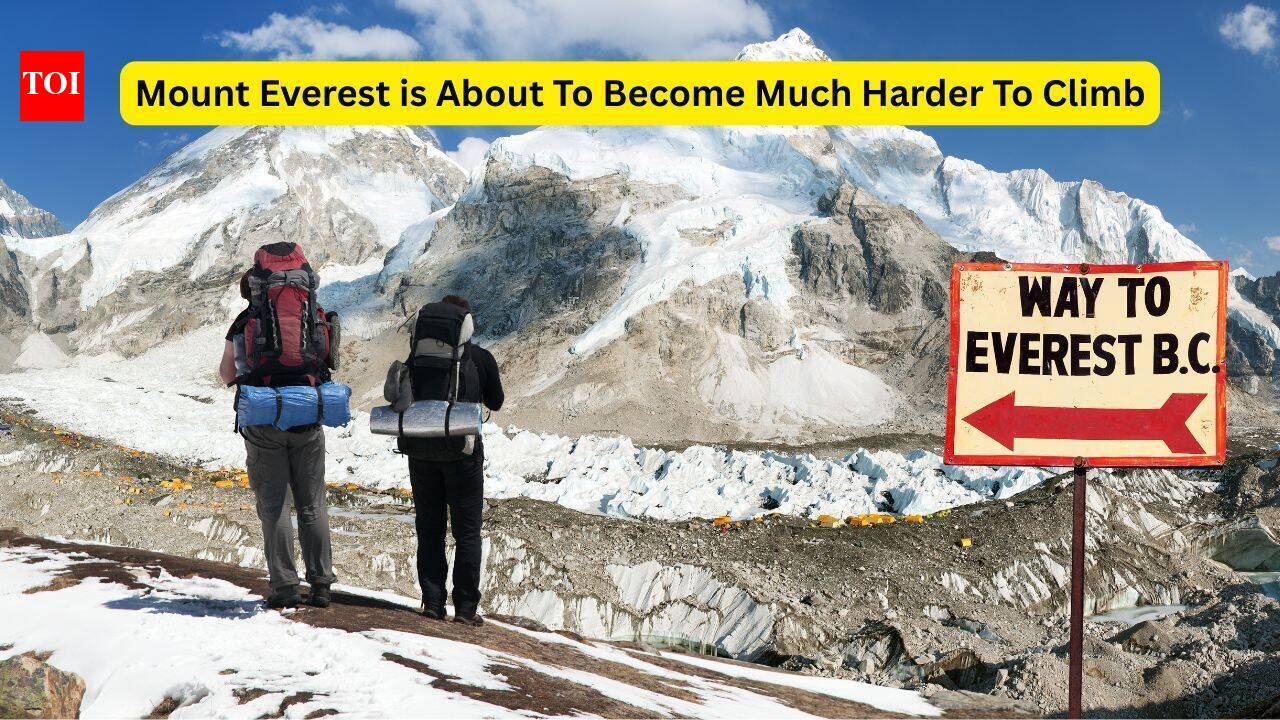
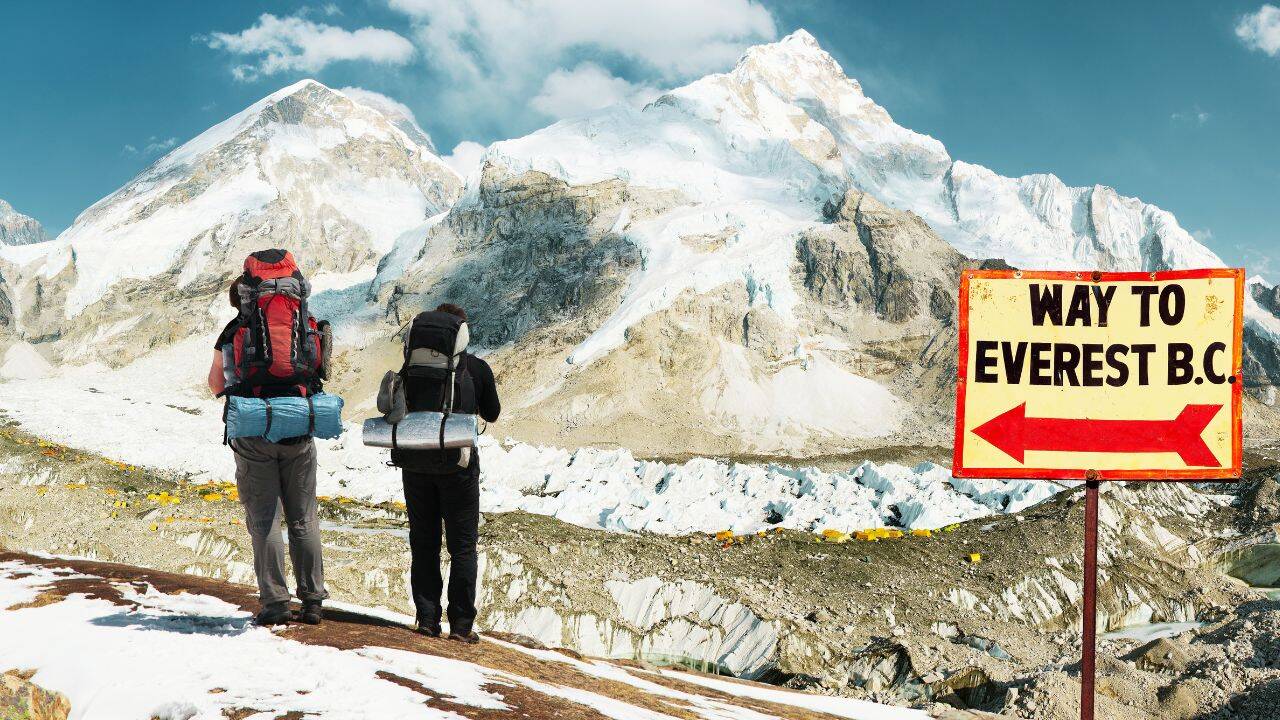
Mount Everest is About To Become Much Harder To Climb

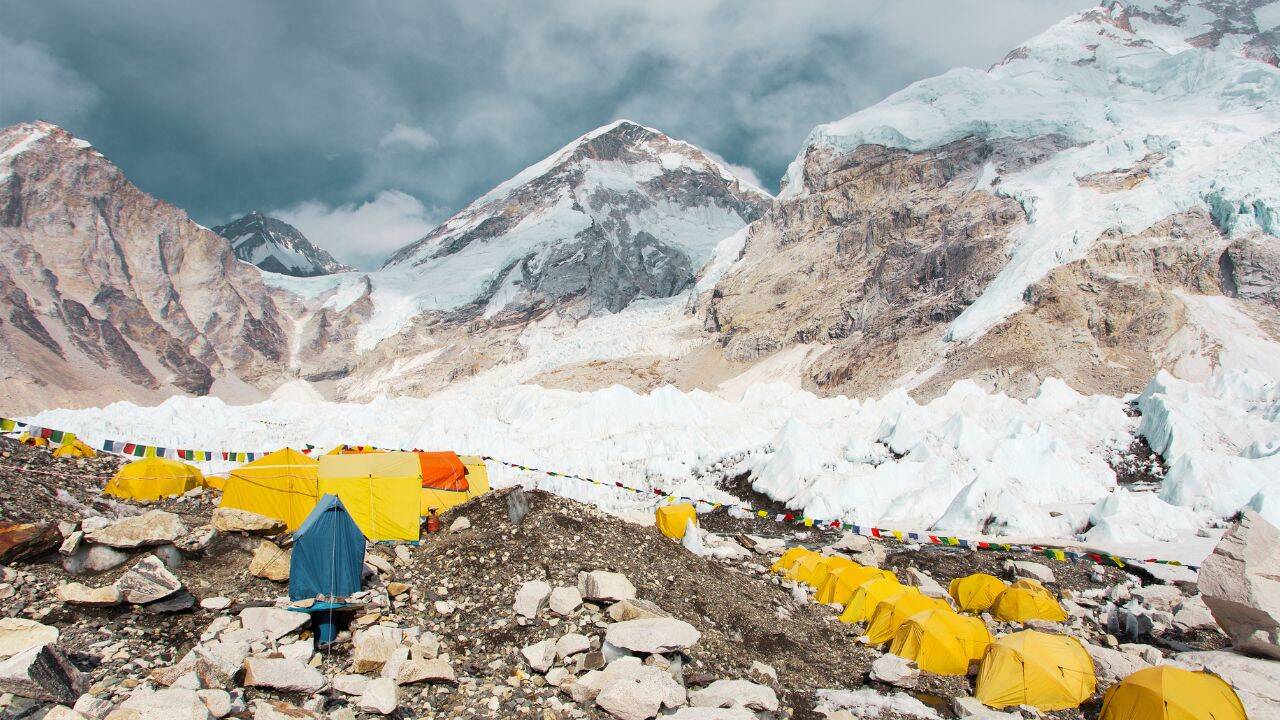
Standing atop Mount Everest is probably the bucket-list dream of every mountain climber which represents ultimate achievement. However, it is one of those dreams which comes with its set of difficulties, permissions and finances. And with Nepal’s new rules, climbing Everest has become much harder than before. According to a TNN report, Nepal has decided to move ahead with sweeping changes to its mountaineering regulations that aim to improve safety, reduce overcrowding and ensure that only experienced climbers attempt the 8,848.86-metre summit.As per proposed law, which has been approved by Nepal’s National Assembly and is part of broader tourism reforms, aspiring climbers will first need to successfully summit a mountain of at least 7,000 metres within Nepal before they can receive a climbing permit for Everest (if implemented). Reason behind Nepal’s new rules

everest

Mount Everest

The main reason is overcrowding. It is a well-thought rule that comes after years of criticism over overcrowding on Everest. The queue of climbers is so long in the so-called “death zone” (above 8,000 metres) that it has raised safety concerns. The issue of overcrowding was raised again during the 2026 climbing season. Nepal issued a record 492 Everest permits, and more than 1,000 successful ascents were recorded. On one day alone, a record 274 climbers reached the summit from Nepal. Experts have long argued that many climbers arrive on Everest without adequate high-altitude experience. This increases the risks not only for the inexperienced but also for Sherpa guides and rescue teams.Understanding the new rule For adventure travellers dreaming of Everest, the biggest change or challenge is quite clear: prior Himalayan experience will become mandatory.Now aspiring climbers will have to prove themselves on a Nepalese peak above 7,000 metres before applying for the world’s highest mountain. Several expedition operators say the measure could help ensure that climbers are already familiar with extreme altitude, glacier travel, and emergency.With this rule, Nepal also made sure to give exposure to its lesser-known high mountains. Now climbers and travellers will also focus on other mountain gems in Nepal such as Himlung Himal, Baruntse and other permitted expedition mountains.Extra strict regulationsNepal authorities have already introduced stricter regulations. This includes higher permit fees, mandatory GPS trackers and insurance requirements. The government has also been working to improve waste management and environmental protection.What does it mean for adventure tourismThe new rules are clearly going to disappoint first-time Everest aspirants. But several experienced mountaineers have loved the proposal. Professional guides have also repeatedly argued that Everest is often underestimated because commercial expeditions make it appear more accessible than it actually is. Despite guided support and supplemental oxygen, Everest is among the world’s most dangerous mountains. The new qualification requirement is expected to encourage climbers to gradually build experience and not jump onto a rash decision.How is it going to affect Indian mountaineers

Indian mountaineers

Indian mountaineers

As per reports, India is among the largest source markets for Nepal’s mountaineering industry. Every year, Indian climbers join commercial expeditions to Everest. Under the proposed rules, Indian mountaineers would need to plan their Everest ambitions over several years rather than booking a single expedition. Many could first attempt Nepal’s 7,000-metre peaks before achieving their Everest dream. For adventure travel companies, this may also create demand for multi-stage Himalayan climbing programmes that help aspiring Everest climbers gradually build the required experience.However, for travellers, the changes may initially make Everest seem less accessible. But they could also make the journey safer, more rewarding and more sustainable. For serious mountaineers, the message is clear: the road to Everest will soon begin long before Everest Base Camp.


Source link