As the war with Iran dominates the region’s attention, Hamas is quietly reasserting control inside Gaza, according to videos and photos circulating on social media. An Israeli analyst and a Gazan political commentator say the developments raise fresh doubts about whether postwar plans for the enclave can move forward anytime soon.
Michael Milshtein, a senior analyst at the Dayan Center at Tel Aviv University, said Hamas has used the past two and a half weeks not only to rehabilitate militarily but to project visible control in public life.
“They are really making good use of them to establish their power in the public sphere, not just for military rehabilitation,” Milshtein said, describing what he said were new recruits, police deployments and even parades in central Gaza. “Hamas is here to stay.”
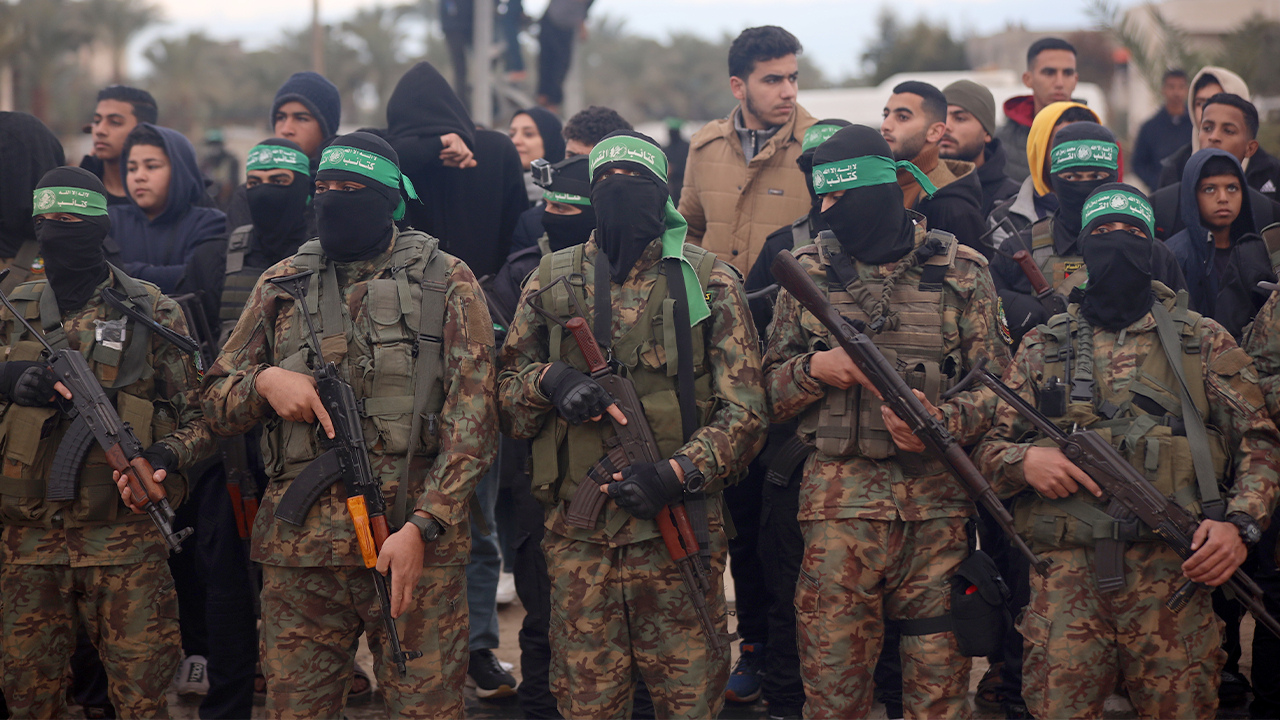
Hamas terrorists stand in formation as Palestinians gather on a street to watch the handover of three Israeli hostages to a Red Cross team in Deir el-Balah, central Gaza, on Feb. 8, 2025. (Majdi Fathi/NurPhoto via Getty Images)
He said Gazans have reported that Hamas is also rebuilding the machinery of governance. “Their police are everywhere,” he said. “They are also improving their taxation system.” During Ramadan, he added, Hamas personnel were checking markets and mosques and “starting to build education systems.”
Mukhaimer Abu Saada, a Gazan political analyst, agrees momentum around postwar Gaza planning has largely stalled since the Iran war escalated.
“Everything with regard to Gaza has been put on hold,” Abu Saada told Fox News Digital. Before the regional war erupted, he said, developments had been “moving in the right direction,” including work around the Board of Peace, the Gaza Technical Committee and discussions tied to a possible international stabilization force.
“Yes, Hamas has taken advantage of the current situation,” Abu Saada said. “They are not under the pressure that they were before.”
Both analysts pointed to the same broad dynamic: as attention shifted to Iran, pressure on Hamas eased.
Abu Saada said that before the war, there had been what he described as serious discussions about disarmament, the deployment of an international force and Gaza’s political future. But “the enthusiasm that preceded the war has come down,” he said, adding that Gaza has been pushed to the “back burner.”
“When I talk to Palestinians, they tell me, ‘Listen, we are actually already waiting for the day after the war,’” Milshtein said. He said some expect Netanyahu to become “very indebted to Trump because of the war in Iran, and he will have to accept whatever dictates he has regarding Gaza.”
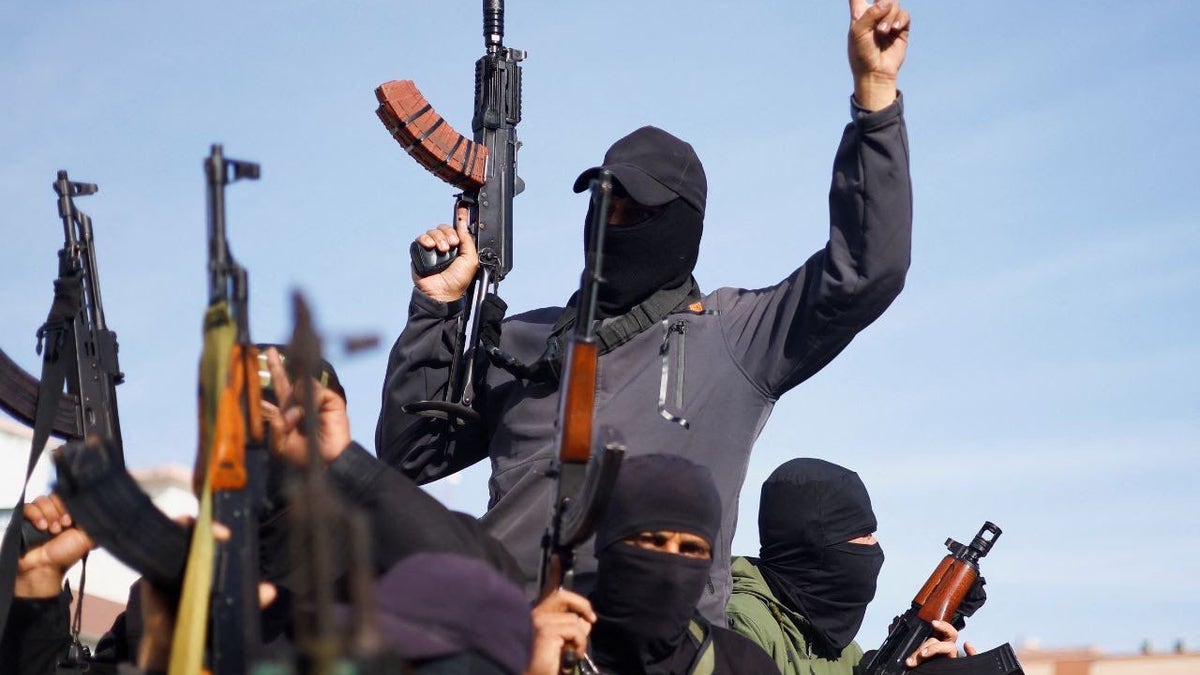
Terrorists in the central Gaza town of Deir al-Balah celebrate the ceasefire on Jan. 19, 2025. (TPS-IL)
At the center of that conversation is the prospect of an international stabilization force entering Gaza. But both men suggested Hamas may not see such a force as a threat.
Abu Saada said Hamas had “welcomed the deployment” of such a force and appears to view it as “restraining the Israeli army” rather than coming in “to disarm” the group. He said the possibility of troops from countries such as Indonesia may make such a deployment appear less threatening to Hamas, which could see it as a buffer against continued Israeli military operations.
Milshtein took that argument further, saying Hamas sees the model less as a peacekeeping mission than as a version of the Hezbollah-UNIFIL arrangement in Lebanon.
“Hamas says, ‘I have no problem, it will be like UNIFIL in Lebanon,’” Milshtein said. “Don’t even dream about starting to chase us, taking our weapons, and entering the tunnels. You need to protect us from Israel as well.”
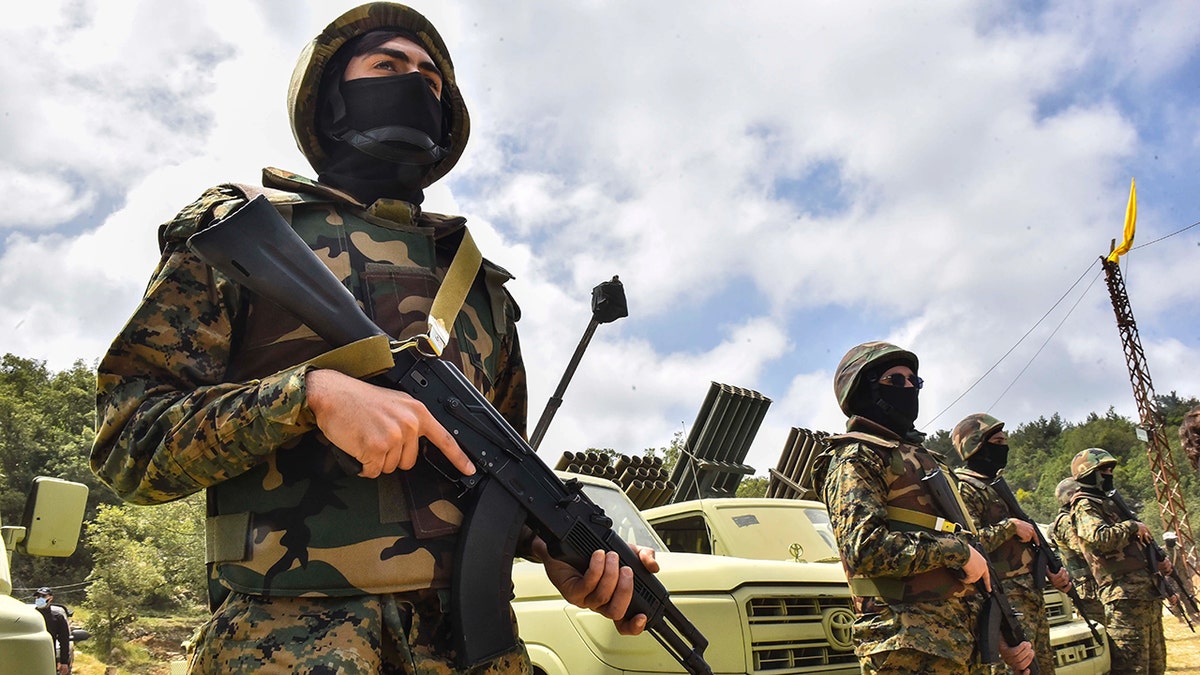
Hezbollah terrorists are taking part in cross-border raids, part of a large-scale military exercise, in Aaramta, bordering Israel, on May 21, 2023, ahead of the anniversary of Israel’s withdrawal from southern Lebanon in 2000.(Fadel Itani/NurPhoto via Getty Images)
Abu Saada said the next phase depends heavily on how the Iran war ends. If the Iranian regime survives and avoids collapse, he said, Hamas will draw encouragement from that outcome.
“If Iran is not defeated, if the Iranian regime is not collapsing, that’s going to be some kind of moral support for Hamas,” he said.
Efrat Lachter is a foreign correspondent for Fox News Digital covering international affairs and the United Nations. Follow her on X @efratlachter. Stories can be sent to [email protected].
NASHVILLE, Tenn. — John Calipari told his 17th-ranked Arkansas Razorbacks to use the SEC tournament title game to measure where they are before the NCAA tournament.
Nick Pringle disagreed, saying a league championship was on the line Sunday.
“And I said, ‘If that’s what you need me to say, great, let’s go get this championship!” Calipari said.
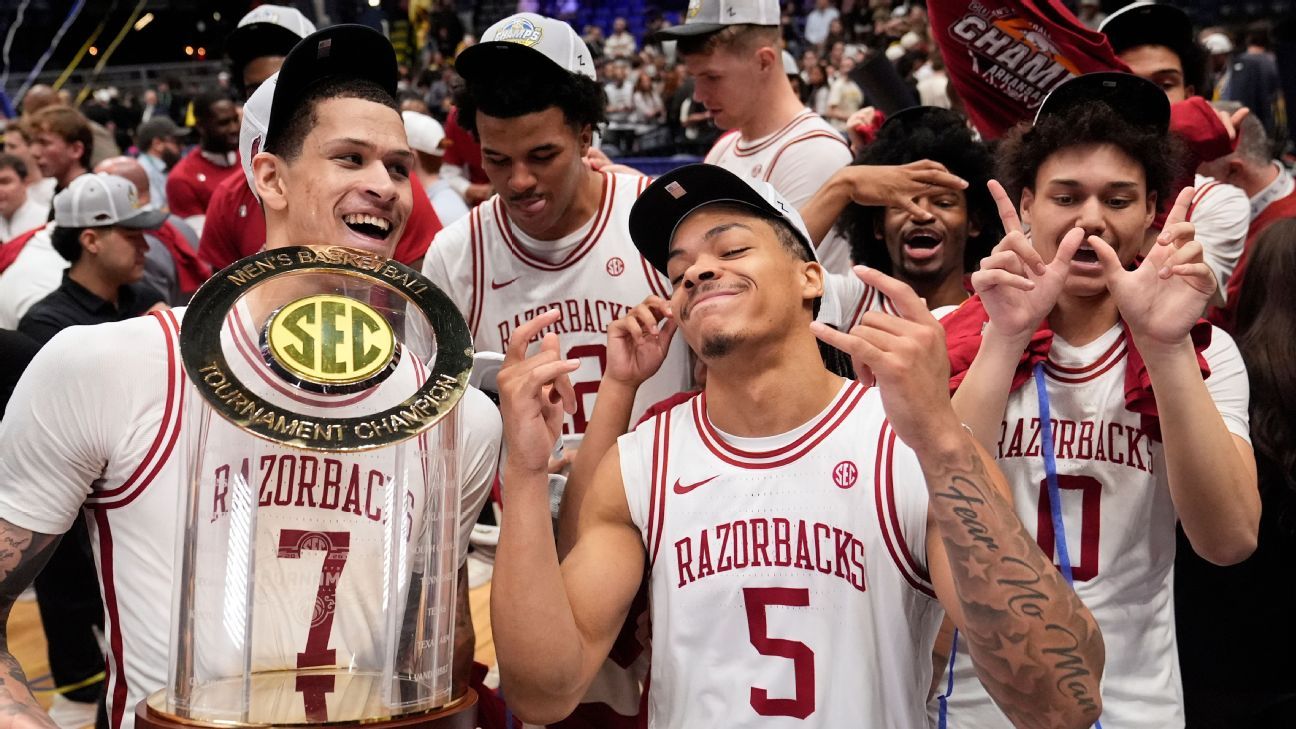
Darius Acuff Jr. scored 30 points and handed out 11 assists, leading Arkansas past Vanderbilt 86-75 for its first SEC tournament crown since 2000.
“We just happened to play a little bit better the last four minutes,” Calipari said.
With the win, Calipari became the first coach in SEC history to win tournament titles at two different programs.
He won six with Kentucky Wildcats with the last in 2018, including the 2017 title over Arkansas. Calipari now has 16 combined conference tournament titles in his career with stints at UMass in the A-10 and Memphis in Conference USA.
This title game featured a duel of All-SEC guards in Vanderbilt’s Tyler Tanner defending Acuff, the SEC player and freshman of the year. Acuff put on a show by finding teammates with passes, dropping fadeaway jumpers and 3s or layups.
The Razorbacks (26-8) sealed the win with a 12-0 spurt in the final minutes. That helped Arkansas snap a skid of four straight losses in this game with its second-ever win in the SEC title game.
Arkansas takes a five-game winning streak into the NCAA tournament after clinching an automatic spot with the victory.
No. 22 Vanderbilt (26-8) was looking for its first title in this tournament since 2012 when the Commodores beat Calipari and Kentucky. They now are 2-1 when reaching this championship game.
“We’re dejected,” Vanderbilt coach Mark Byington said. “We wanted this. We put everything into it. We’ll get back up and we’re excited about the NCAA tournament coming up next week.”
The Razorbacks routed Vanderbilt by 25 on Jan. 20 at Bud Walton Arena. This time, the Commodores were coming off their first win over an AP top-five team since 2012 with their largest margin of victory over such a foe in program history after routing No. 4 Florida in the semifinals.
With the title on the line, Arkansas led 41-39 at halftime.
AK Okereke’s 3 with 17:57 to go put the Commodores ahead 46-45, and they strung together a 9-4 spurt for their biggest lead yet at 55-49. Then they went cold missing 12 of 13 shots. Nickel’s 3 for Vanderbilt with 6:40 left tied it at 66.
Then the Razorbacks took control and finished shooting 62.5% from 3-point range (15 of 24).
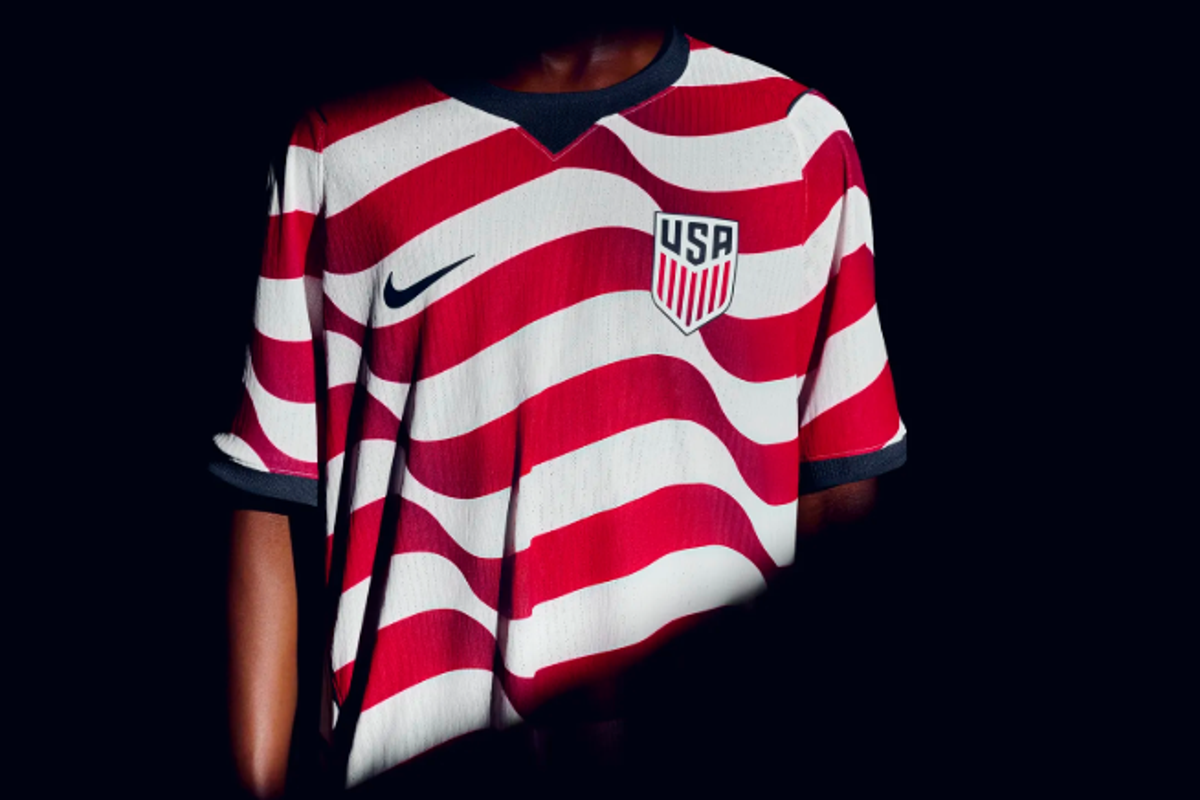
The U.S. men’s national soccer team has revealed a glimpse at their new uniforms ahead of the 2026 FIFA Men’s World Cup — but some fans can’t look past the Where’s Waldo and candy cane comparisons.
The kit, unveiled by U.S. Soccer and Nike, consists of two jerseys, a “stars” and a “stripes” kit.
The “stripes” kit, which features red and white wiggly stripes to mimic a waving flag, is reminiscent of the team’s first “Waldo” jersey, which was U.S. Soccer’s primary kit from 2012 until 2014.
Despite it being a familiar design, that didn’t stop fans from referencing the popular children’s puzzle books Where’s Waldo? (originally Where’s Wally? in the U.K.), with others likening the kit to a candy cane or a strip of toothpaste.
“Personally, I’m a big Where’s Waldo fan,” joked one fan, as another said: “It’s giving Where’s Waldo.”
The U.S. men’s national soccer team has revealed a glimpse at their new uniforms ahead of the 2026 FIFA Men’s World Cup (U.S Soccer)
Another dubbed the shirt the “Waldo remix.”
“Will the U.S. ever get a decent kit!?!?” complained one fan, as another chimed: “Why do we have the ugliest kit every World Cup?!?”
“Nike can’t get stripes right. It’s giving Waldo again.”
Others stayed commited to the joke, sharing Where’s Waldo memes and stills from the original book.
“The wavy stripes suck. Was really looking forward to a true Waldo kit,” added another fan. “Navy is clean but not sure about the candy cane one,” agree another.
The “stars” kit, by comparison, is a more understated look, with a navy blue design featuring subtle black stars along with red trim.
For the first time, all 27 U.S. Soccer national teams will wear the same two kits, including the four-time World Cup champion women’s national team.
Ronnie J. Stewart, global product director for Nike said both kits provide “something for everybody.”
“If you want to be loud and proud and represent the crest, no one’s going to doubt who you’re there for in the light kit,” he said. “If you’re looking for that lifestyle look that works off the field, the dark is for you.”
The kits will be seen for the first time when the USMNT takes on Belgium (March 28) and Portugal (March 31) in upcoming friendlies.
USMNT forward Folarin Balogun said that several of his teammates were keen to see the return of the red-and-white stripe look.
“I know a few of the lads said they wanted the ‘Where’s Waldo’ theme,” Balogun told reporters on a call. “And obviously when they revealed the kit, that’s exactly what they kind of did. So that was pretty cool.”
Balogun, however, said he preferred the “stealthiness” of the blue stars-themed kit.
In a press release, Nike and the U.S Soccer National Team said the stars and stripes kits represented “the pride of wearing the crest, not just for players on the field, but also for the fans who support them every step of the way.”
Dave Wright, Chief Commercial Officer of U.S. Soccer, said in a statement: “With the 2026 FIFA Men’s World Cup coming to the United States, we’re excited to see players across all 27 of our National Teams and supporters across the country wearing this kit as we build toward an incredible moment for the game.”
Speaking at the Oval office, US President Donald Trump stated that Somalia is a “fourth world nation” while repeating claims without evidence that Congresswoman Ilhan Omar had illegally entered the country by marrying her brother. Omar has consistently denied the “sick” allegations.
Bayern Munich has lost an appeal against Luis Díaz‘s one-game ban for a sending-off in the Bundesliga, even though the referee admitted his decision wasn’t the right call.
Díaz was sent off after a second yellow card for diving in Bayern’s 1-1 draw with Bayer Leverkusen on Saturday, in which he also scored Bayern’s only goal.
As a yellow card offense, it wasn’t subject to video review. After viewing a replay in a postgame TV interview with Sky Sport Germany, Christian Dingert said he had missed contact between Díaz and goalkeeper Janis Blaswich and added: “The second yellow card is very harsh and when I see the images now, I wouldn’t give it that way any more.”
However, that wasn’t enough for the German football association’s sports court to overturn the automatic one-game ban for a sending-off.
Court chairman Stephan Oberholz ruled Monday that Dingert’s comments weren’t relevant and that it wasn’t a “completely wrong” call because Díaz had been seeking contact with the opposition goalkeeper.
“The decisive factor is that the incident constitutes a decision of fact which can only be corrected if it is gravely, clearly and without any doubt objectively incorrect. That is not the case here,” he said in a statement.
Díaz is due to serve the ban against Union Berlin on Saturday. Bayern can appeal the ruling.
With oil markets paralyzed by the war between the U.S. and Iran, the Trump administration is weighing a military operation to escort ships through a vital maritime chokepoint — a massive undertaking that experts say could already be in the preparatory stages.
Since the U.S. and Israel’s war with Iran began just over two weeks ago, more than a dozen attacks have been reported against oil tankers and other cargo ships in the Persian Gulf and the Arabian Sea. Iranian officials have openly threatened ships that pass through the Strait of Hormuz, a waterway that connects the Persian Gulf with the world’s oceans.
Fearing attacks, oil tankers have all but stopped transiting the Strait of Hormuz, which carries around 20% of global oil — with mostly Iranian and Chinese ships making it through. And with nowhere to send their supply, some major Arab oil exporters have cut production. Over the last two weeks, oil prices have jumped around 40% amid worries about a supply crunch.
The disruption has led President Trump to consider offering naval escorts to ships passing through the Strait of Hormuz, in the hopes that military protection could clear up the gridlock.
“When the time comes, the U.S. Navy and its partners will escort tankers through the Strait if needed,” the president told reporters last week. “I hope it’s not going to be needed, but if it’s needed, we’ll escort them right through.”
Over the weekend, Mr. Trump called on several other countries — including China, Japan and South Korea — to help with “policing” the Strait, though he hasn’t specified who might participate. He told reporters Monday that “numerous countries have told me they’re on the way,” the president said, though he did not specify which ones. “Some are very enthusiastic about it, and some aren’t,” he said, and promised a list would soon be released. His view is that other countries should shoulder some of the responsibility of opening the Strait since the U.S. isn’t reliant on Middle Eastern oil — though global oil markets still impact the price that Americans pay at the pump.
But administration officials have suggested they aren’t prepared to start carrying out naval escorts just yet. Energy Secretary Christopher Wright said last week “it’ll happen relatively soon, but it can’t happen now,” and pointed to the end of the month as a possible timeline.
Treasury Secretary Scott Bessent said escorts will begin “as soon as it is militarily possible.”
Military experts tell CBS News that any effort to shepherd oil tankers through the Strait — past potential Iranian mines, missiles, drones and explosive-laden “kamikaze” boats — will require preparations to cut back Iran’s ability to strike at targets at sea. After that, it could involve U.S. ships, jets and surveillance capabilities. But the operation would not be risk-free.
What needs to happen for escorts to start?
CBS News military analyst Aaron MacLean described any possible mission to escort oil tankers as a two-phase operation: First, the U.S. needs to “prepare the battlefield by reducing the stockpiles that Iran has of anything that can kill ships,” and then in a second phase, it could start carrying out escorts.
That first phase might already be underway, said MacLean, a Marine Corps veteran, former U.S. Naval Academy faculty member and former foreign policy adviser to GOP Sen. Tom Cotton of Arkansas.
Over the last two weeks, U.S. Central Command says it has struck around 6,000 Iranian targets, including anti-ship missile sites, drone manufacturing facilities and mine-laying ships.
Slashing Iran’s military stockpiles — including its missiles, drones, mines and boats — is important before ships are escorted, MacLean said, because “you want the amount of incoming [fire] to be manageable enough that you can reliably intercept it when it happens.”
“They could do it today, but the earlier you go, the riskier it is,” MacLean explained. “If you put U.S. Navy ships in close proximity of the Iranian coastline right now, it’s going to get real sporty real quick, and the risk is very high.”
Seth Jones, president of the defense and security department at the Center for Strategic and International Studies, told CBS News the U.S. military is likely preparing for escorts in the Strait of Hormuz by “degrading the Iranian capabilities to lay mines and strike targets.”
“I suspect the U.S. Navy is not going to want to enter that Strait unless it’s pretty confident that the threats have been degraded, largely by the airstrikes,” he said.
Asked when escorts could begin, Wright suggested on CNBC last week that the Trump administration is still in the preparatory phase.
“We’re simply not ready. All of our military assets right now are focused on destroying Iran’s offensive capabilities and the manufacturing industry that supplies their offensive capabilities,” the energy secretary said.
How would escorting ships work?
The right time to start carrying out escorts in the Strait of Hormuz is a judgment call that U.S. Central Command would need to make, MacLean said.
“You can’t wait indefinitely because you’ve got to get that thing open,” he said. “So at some point they’re going to determine that they’re comfortable with the risk, and then they’re going to execute the convoy ops.”
He said an escort operation could involve the Navy setting up staging areas where commercial ships are guarded at either end of the contested area — which may be constrained to just the Strait of Hormuz, or could stretch further into the Persian Gulf.
“And then, like a mother duck with her little baby ducks, a U.S. Navy ship, or a ship from a partner navy, is going to escort several ships through at a time,” he said.
Those ships are likely to be supported by air cover and surveillance, added MacLean. And Jones said the mission could involve mine-sweeping capabilities, airstrikes on Iranian threats on the coasts and a nearby quick reaction force that can deal with attacks.
The first few ships to pass through might be targeted, said MacLean.
“We know the Iranians are going to shoot. We’re looking to see where they shoot from, and then we hit them once they reveal themselves,” he said.
Bessent said in an interview last week that the escort operation could involve not just the U.S. Navy, but also an “international coalition.” According to MacLean, potential participants may include developed countries like France, where President Emmanuel Macron has said the country’s navy is considering a “purely defensive” mission to escort ships.
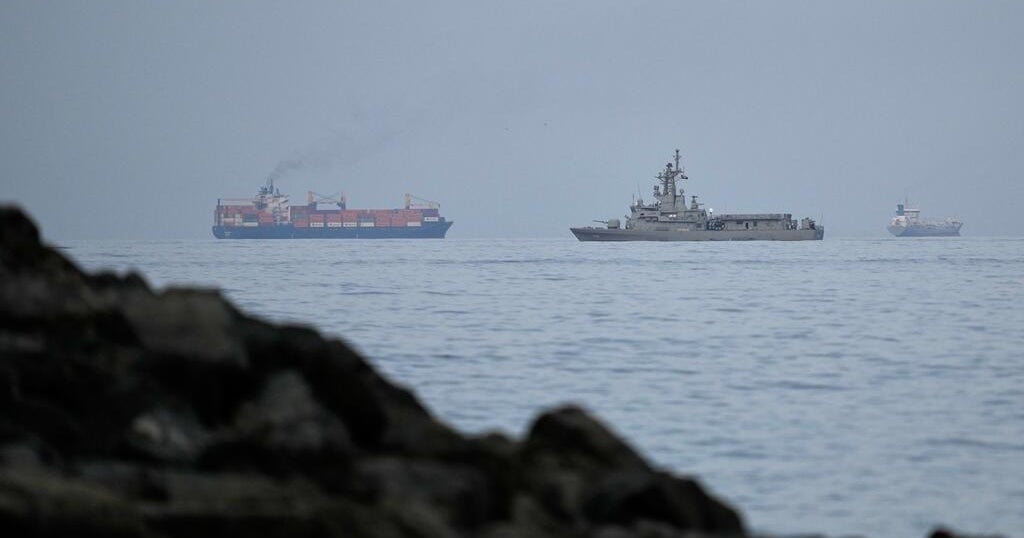
The Strait of Hormuz is a crucial passageway for oil shipments from Gulf states.
Bedirhan Demirel/Anadolu via Getty Images
What threats could Iran pose to ships, exactly?
Just 21 miles wide at its narrowest point, the Strait of Hormuz has long been viewed as a potential chokepoint that Iran could seek to close off during a war.
If the U.S. Navy and its partners try to escort commercial vessels past Iran, “they’re 100% going to be shooting at the ships,” MacLean said.
The potential threats to shipping traffic currently in Iran’s arsenal include naval mines, anti-ship cruise missiles, drones, fast-attack boats operated by Iran’s Revolutionary Guards and remote-controlled explosive boats, military and national security experts say.
Last week, U.S. officials told CBS News that Iran appeared to be signaling it could lay mines in the Strait. The size of Iran’s naval mine stockpile is not publicly known, but estimates over the years have ranged from around 2,000 to 6,000.
Top Trump administration officials have said the Strait does not appear to be mined right now. Defense Secretary Pete Hegseth told reporters Friday there is currently no evidence of Iran laying mines, and Bessent pointed out earlier last week that a small number of ships are still traveling through the Strait, suggesting it isn’t impassable due to mines.
“The only thing prohibiting transit in the Straits right now is Iran shooting at shipping,” Hegseth said Friday. “It is open for transit, should Iran not do that.”
Jones told CBS News that Iran doesn’t have many large mine-laying ships — and the U.S. military says it has struck about 30 Iranian minelayers over the last two weeks. But Iran does have potentially hundreds of smaller boats that can lay a few mines at a time, and destroying all of them would be extremely difficult, according to Jones.
Some experts caution that Iran could still pose a serious risk to shipping. Michael Eisenstadt, director of the Washington Institute for Near East Policy’s military and security studies program, says he’s skeptical that an operation to escort oil tankers will work.
Eisenstadt noted that it isn’t clear how many Iranian missiles and drones have survived the last two weeks of U.S. and Israeli strikes, but Iran’s remaining stockpiles could be hidden deep in tunnels — meaning Iran could still target ships. He also said that a prior escort operation in the 1980s involved dozens of U.S. vessels, and if the one being considered by the Trump administration is at a similar scale, it could tie up a significant portion of the Navy’s fleet.
“All you need is half a dozen drones to hit ships,” Eisenstadt told CBS News, “and then tanker owners are going to say ‘forget it, thanks guys, nice try.'”
Has it happened before?
This wouldn’t be the first time the U.S. has ferried ships through the Strait of Hormuz.
In 1987, near the end of the Iran-Iraq War, the U.S. Navy began escorting Kuwaiti tankers through the Persian Gulf and Strait of Hormuz to protect against Iranian mines and missiles.
“It was a big deal,” said MacLean, describing an operation that involved dozens of U.S. ships.
At one point in 1988, the USS Samuel B. Roberts struck an Iranian mine, causing significant damage and leading then-President Ronald Reagan to launch strikes against Iranian targets. Months later, the U.S. shot down an Iranian passenger plane that it mistook for a fighter jet, killing 290 people in what a U.S. report called a “tragic and regrettable accident.”
That war ended with a ceasefire between Iraq and Iran.
If the U.S. decides to carry out another escort operation some 38 years later, MacLean said the mission could end in a similar fashion — either due to a ceasefire or because Iran gives up.
“You basically keep going until there’s some kind of inflection point,” he said.
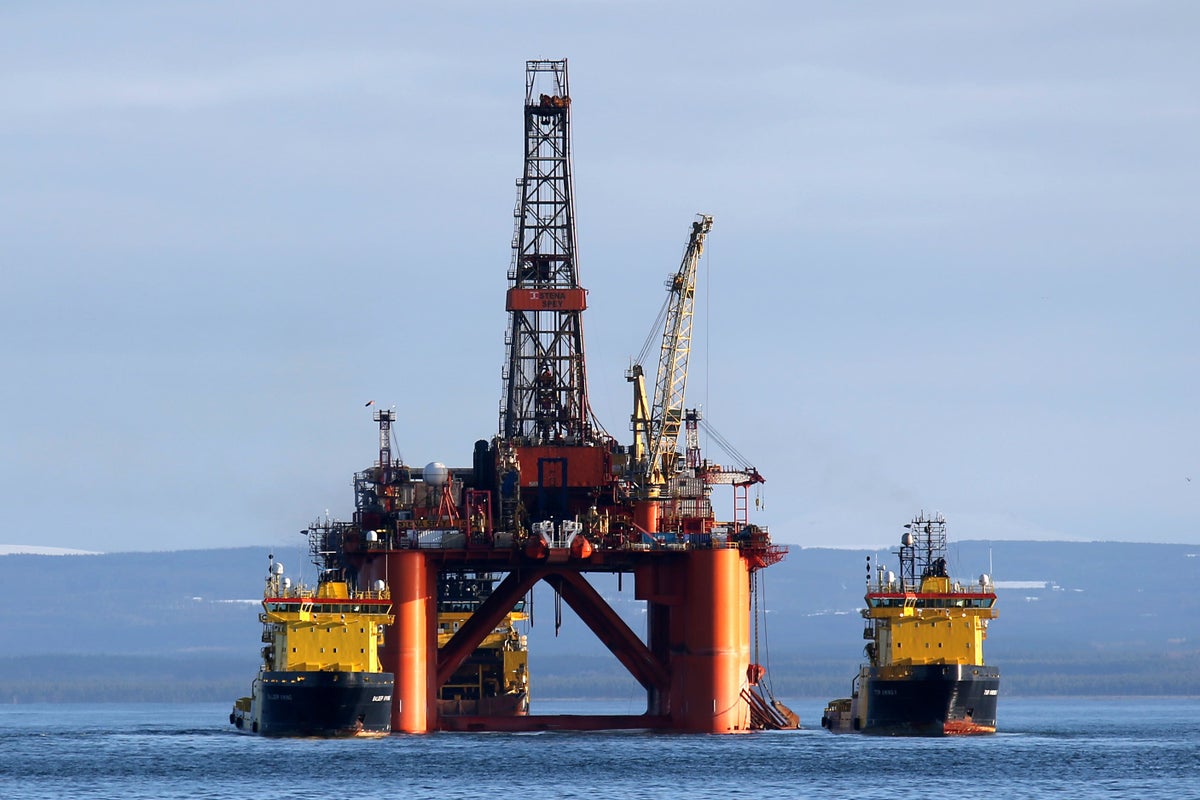
Claims that drilling in the North Sea will significantly save households money are “sheer fantasy”, experts have warned as analysis showed renewables could cut bills by hundreds of pounds.
Analysis by the University of Oxford Smith School showed a UK fully powered by renewable energy, with electricity coming from clean sources and people using technology such as electric heat pumps for their home heating, could save households up to £441 a year on bills.
In contrast, maximising oil and gas extraction from the North Sea would save households just £16 to £82 a year – and that saving would only be delivered if the tax revenues collected from fossil fuel companies were redistributed to families to offset their energy bills.
If the Government did not use the tax revenues it collects from North Sea drilling solely to help lower household bills, there would be “no discernible benefit” to consumers at all as oil and gas prices are set by volatile international markets, the analysts said.
Dr Anupama Sen, co-author and head of policy engagement at the Smith School of Enterprise and the Environment, said: “The idea that draining the North Sea would make the UK more energy secure or significantly save on household bills is sheer fantasy.
“We show that regardless of the remaining lifetime of North Sea oil and gas, a ‘drill baby drill’ approach to extraction would actually cost households more money versus continuing on our path to clean energy.”
The analysis comes amid soaring energy prices as a result of the US-Israeli war on Iran which has closed the Strait of Hormuz – a key shipping route for oil and gas supplies – roiling energy markets.
Energy costs look set to jump in the next price cap in the latest blow for households, particularly those on low incomes, who have been hit by the Covid-19 pandemic and Russia’s invasion of Ukraine which have led to high and volatile prices.
The UK Government’s reaction to the latest spike in fossil fuel prices has been to double down on the push to clean energy, while hinting at measures to ease pressure on households, such as cancelling planned fuel duty rises later this year.
It has announced that it will make plug-in solar panels for people to put on balconies and outdoor spaces available in the UK for the first time and is bringing forward the latest auction for contracts to supply electricity at fixed prices from renewables such as solar farms and offshore wind.
But there have been calls from the Tories and Reform UK to increase supplies of oil and gas from the North Sea, and to bring down bills by scrapping measures to help the UK shift to a “net-zero” clean economy, such as new renewables and heat pump subsidies.
US President Donald Trump has also weighed into the debate, repeatedly criticising wind power and urging the British Government to focus on drilling in the North Sea, despite it being a declining oil and gas basin.
The analysis found that if the remaining North Sea oil and gas resources were fully exploited and the revenues from a “realistic” tax take were directly redistributed to households, it could save £82 on an average bill.
If the Government scrapped the windfall tax on North Sea oil and gas company profits, those annual savings – if remaining taxes were handed over to households – would fall to just £16.
However, if all UK households switched to renewable energy, bills could be reduced by £105 to £441 depending on the extent of electrification and how bills are designed.
The analysis said the savings are based on energy prices in January before the US and Israel launched their attack on Iran, with oil and gas prices lower than they are now, and are therefore “conservative” estimates of the benefit of renewables.
And they are recurring once the system switches over, while North Sea oil and gas are a finite resource.
If electricity is dominated by renewables, they will set the price of power – unlike today’s world, where it is mostly set by gas – bringing down bills by £105 for those on dual-fuel bills.
But if households electrify, for example by replacing gas boilers with heat pumps, they could save £330 a year on their bills, and if electricity bills were rebalanced so that policy costs were taken into general taxation, it would deliver savings of about £441 a year.
Co-author Cassandra Etter-Wenzel said: “Achieving this requires upfront investment – especially for heat pumps and insulation – and therefore depends on effective subsidy and financing mechanisms, particularly for low-income households.”
Dr Sen added: “Heat pumps are particularly important for reducing bills because they are much more efficient than gas boilers”, producing about three units of heat for every unit of electricity they use, compared to less than one unit of heat per unit of gas in boilers.
Sara Coello is a writer in ESPN’s investigative and enterprise unit. Before joining, they wrote about legal issues and crime for The Charlotte Observer, The Post and Courier and The Dallas Morning News. Coello studied sociology, journalism and Spanish at The University of Dallas.
Multiple Authors
College athletes weren’t always allowed to make money off their athletic ability. It wasn’t until 2021 that the NCAA changed rules to allow students to profit from their name, image and likeness — otherwise known as NIL.
What exactly is NIL?
“NIL” stands for “name, image and likeness.” It refers to a person’s legal right to control how their image is used, including commercially. In college, student-athletes have long been prohibited from making deals to profit from their fame, so they forfeited their NIL rights by signing on with college sports teams. A combination of NCAA rule changes and state laws restored NIL rights to college athletes, and they’ve been making sponsorship deals ever since.
Who oversees the deals?
A combination of school policies and state laws dictate what deals athletes can make. In states with no oversight, the NCAA has universities write policies for their own athletes. Some common school requirements are that athletes get business advice or training before making deals or preventing them from promoting certain products. State laws are primarily focused on preventing NIL deals from being used as recruitment tools. Schools can’t pay students directly, but some states have murky laws surrounding just how involved a school’s booster club can get.
Do athletes get agents or business advisors?
Yes, every athlete is allowed to hire professionals to help with marketing, legal issues, tax laws and other business dealings. Many schools also offer training and resources to athletes directly, often in the form of early-season classes on NIL law and basic business practices.
Do athletes have to report deals to their school or another authority?
Most colleges have policies that require athletes to report the details of any potential deals with their schools, and some must get school approval before signing. Several schools reserve the right to keep their athletes from advertising certain products, like drugs and alcohol.
Why do the rules differ between areas? Will that change?
While several states now have NIL laws or have proposed bills to implement them, the content is far from uniform. Like any state-by-state legislation, local lawmakers have taken different approaches to prioritizing local businesses and incentivizing top athletes to choose universities within their borders.
The NCAA has expressed concern that, without a federal law, enforcing its own NIL rules could violate antitrust rules — so while the organization has hoped that Congress will pass a federal standard, there’s no national set of rules.
What kinds of deals are athletes making?
From free sneakers and workout gear to high-end clothing items and dorm essentials, perks for college athletes signing NIL deals have skyrocketed since student-athletes won the right to cash in on the publicity they bring to their schools.
The biggest stars, guided by business mentors and school-provided financial advice, have cashed in. As of March 2026, On3 ranked Texas quarterback Arch Manning as the star of the current NIL market with a whopping $5.4 million valuation. The site estimates that each of the 20 players at the top of its list are worth a minimum of $2 million.
For the athletes who combine strong social media presence, business savvy and prowess on the field, big brands are eager to shell out. Top athletes have signed deals with Nike, Adidas and Under Armour, while non-athletic brands such as T-Mobile, Sam’s Club and Amazon tap students across the country.
Naturally, the vast majority of college athletes don’t meet that threshold — which hasn’t stopped companies from local mom & pop shops to international brands from partnering with up-and-coming students in every sport and a variety of schools.
Some particularly quirky deals have enamored both athletes and businesses beyond their usual audience.
Dienurst Collins, an offensive lineman at Lake Erie College, scored both a deal and a second round of internet fame when he signed a deal with Popeyes — where he went viral at 9 years old for side-eyeing a stranger who recorded him at the restaurant then posted the video.
Decoldest Crawford capitalized on his name to earn some extra money while injured. The Louisiana Tech wide receiver partnered with a family-owned air conditioning business to make a commercial based around the pun.
Running back Bijan Robinson took a similar approach to name-based leverage while playing for Texas. He began selling Dijon mustard, marketing it as Bijan Mustardson and selling it in Texas. When Robinson joined the Atlanta Falcons he brought the branding with him, now touting it as the official Dijon mustard of the team.
Brands don’t discriminate based on given names. Ga’Quincy “Kool-Aid” McKinstry snapped up a deal with his nickname’s brand soon after the ruling that allowed NIL deals.
Other companies’ strategies for NIL have had them sponsoring several athletes at a time.
Reese’s Peanut Butter Cups didn’t limit itself to one athlete, team, or even school in picking its NIL deals. Instead, the candy brand partnered with a dozen students from Texas to Delaware who seemingly share just two traits: playing football and having the last name “Reese.” Angel Reese didn’t appear in their original list but has since become an ambassador for the brand in her own right.
Many deals rely less on an athlete’s individual story than their ability to play NIL for laughs — such as one with Colorado lineman Tommy Brown, who stripped down to model Shinesty underwear in a series of tongue-in-cheek poses that emphasized his farmer’s tan. Arkansas wide receiver Trey Knox brought his dog, Blue, into a deal with him. PetSmart sponsored both of them, in a move that brought both a wave of online engagement.
Gymnast Sam Phillips, the first male athlete at Nebraska to come out as gay, has worked with plenty of local businesses but told ESPN he’s been particularly excited to partner with businesses that celebrate Black and LGBTQIA+ customers. Before moving to Illinois, he modeled everything from underwear to athletic tape, the latter of which he did for Our Colour, which makes tape to match darker skin tones than many brands offer.
“It’s definitely more like [small and minority-owned businesses] are taking care of me,” Phillips said. “It’s a really face-to-face, very personal relationship.”