
Home Blog Page 147

Olympic champion Alysa Liu says “It is what it is” on being born through IVF: Why her story gives hope to the families considering IVF

0
Olympic champion Alysa Liu says “It is what it is” on being born through IVF: Why her story gives hope to the families considering IVF


Image: Instagram/@alysaxliu

When Alysa Liu stood on the Olympic podium, the world saw a champion figure skater, a comeback story, and a young athlete who had returned to the sport on her own terms. But away from the medals and headlines, another part of her story quietly began resonating with families around the world.Alysa Liu was born through IVF, using a donor egg and a gestational surrogate after her father, Arthur Liu, chose to become a parent through assisted reproduction. When asked about it, Alysa’s response was simple and disarming: “It is what it is.”

3 Jul 2026 | 12:38

How do you teach children about money and financial responsibility?

That sentence matters because it strips away decades of stigma around IVF and donor conception. It reminds hopeful parents that the method of conception does not define a child’s worth, potential, or future.

The quote that changed the conversation

In interviews after her Olympic success, Alysa Liu spoke matter-of-factly about learning more about how she was born. Rather than treating it as a dramatic revelation, she framed it as a normal part of her family story.“It is what it is,” she said, a response that many readers found refreshing precisely because it carried no shame, secrecy, or sense of being “different.”That attitude is powerful. For years, IVF, donor conception, and surrogacy have often been discussed in whispers, especially in cultures where fertility struggles are still deeply personal. Alysa’s calm response challenges the idea that assisted reproduction is something children must carry as a burden.

Image: Instagram/@alysaxliu

Image: Instagram/@alysaxliu

A story that began with a deliberate choice

Long before IVF became part of everyday conversation, Arthur Liu made an unconventional decision. A divorced attorney who wanted children, he chose IVF with an egg donor and a gestational surrogate rather than waiting for a traditional family structure.Alysa was born in 2005 and grew up as one of five children raised by Arthur Liu through assisted reproduction. According to reported profiles of the family, he was open with his children about how they came into the world.That openness may explain why Alysa has spoken about her birth story with such ease. She has indicated that learning about it did not change how she viewed her family, because family for her was built through love, care, and everyday parenting.

Why IVF does not determine a child’s future

One of the biggest misconceptions about IVF is that children conceived through assisted reproductive technology may be somehow less healthy, less capable, or emotionally different.

The importance of honesty in donor conception

Another important lesson from Alysa’s story is the value of age-appropriate honesty. Developmental psychologists have long found that children who learn about donor conception or surrogacy in an open, supportive way generally develop healthy identities and strong family relationships.When parents treat a child’s origin story as something normal rather than secretive, children are more likely to feel secure and accepted. Alysa’s own words suggest that this openness helped make her birth story feel like just another part of who she is.For hopeful parents considering IVF, donor eggs, or surrogacy, that can be reassuring. The conversation does not have to be dramatic or shame-filled. It can be honest, loving, and woven naturally into family life.

What hopeful parents can take from Alysa Liu’s story

Alysa Liu’s journey offers several important reminders for families navigating fertility treatment:

  • IVF is a method of conception, not a measure of a child’s potential.
  • Children conceived through IVF can grow, thrive, and achieve extraordinary things.
  • Love, stability, and emotional security matter far more than genetics alone.
  • Honest, age-appropriate conversations about donor conception can build trust.

Families are built in many ways, and children can flourish in all kinds of loving homes.

Breaking the stigma around assisted reproduction

Worldwide, millions of babies have now been born through IVF and other assisted reproductive technologies since the first IVF birth in 1978. Yet social stigma around infertility and fertility treatment still persists in many communities.Stories like Alysa Liu’s help normalize these conversations. They remind people that IVF is not about creating “different” children. It is about helping people become parents.As Alysa continues to inspire audiences with her performances and achievements, her words carry a quieter but equally important message for hopeful parents everywhere: “It is what it is.” A child conceived through IVF is, above all else, a child deserving of love, opportunity, and belief



Source link

How cutting the number of choices you make every day is good for your brain

0
How cutting the number of choices you make every day is good for your brain


Jeans that fit perfectly. The ideal Netflix show for a Tuesday night. Your one and only soulmate. Modern life promises that with enough options, you will happily find the best of everything.

But behavioral scientists say the increasing flood of choices — whether it comes to shopping, social lives or relationships — is doing the opposite.

The idea that more choice is better is baked into Western culture, but research shows that having more options can make people anxious, indecisive and, paradoxically, less happy with what they pick, said Barry Schwartz, an emeritus psychology professor at Swarthmore University and author of “The Paradox of Choice.”

“There have been hundreds of studies showing that there can be too much of a good thing,” Schwartz said.

To minimize the mental noise, he said, limit the number of choices you make, and your brain will thank you for it.

Streaming services offer lots of choice – but that is often adding to confusion (AP)

More is often more confusing Schwartz offered several examples of cases where more options left people worse off.

In the case of Medicare Part D prescription drug plans, people in states with more choices were less likely to choose any of them, he said. The same goes for 401(k) investments. The more options a company had, the less likely employees were to sign up, even when the employer offered matching money.

Less consequential choices are no different. Schwartz pointed to one often-cited study that showed shoppers at a gourmet grocery store bought more jars of artisanal jam when they were presented with six flavors rather than with a wider array of 24. In a follow-up study, students were more likely to complete an extra-credit assignment when they were given six topics to choose from instead of 30.

Schwartz’s research expanded on those findings to learn the emotional responses to this phenomenon.

“Instead of being liberated by all this choice, you’re paralyzed,” he said. “You can do anything, and you can’t figure out which of those many things to do.”

People also often end up making worse decisions since more options suggest more potentially bad outcomes, he said. And once someone finally decides from all the possibilities, they may be less satisfied with even a good choice because they fear there was a better alternative.

Schwartz said the satisfaction problem is especially acute for people whose aim is to get the best, whom psychologists call maximizers.

“People who are maximizers especially suffer from the proliferation of options,” he said. “Only the best will do.”

Studies show that the brain doesn’t like being overwhelmed with choice
Studies show that the brain doesn’t like being overwhelmed with choice (Getty/iStock)

The tendency isn’t true for all people in all situations, Schwartz noted. Car buffs will gladly dive into the details of nearly unlimited choice when buying a new one.

“But you don’t feel that way when it comes to buying jam,” he said.

The brain doesn’t like making decisions

Daniel Willingham, a psychology professor and neuroscience researcher at the University of Virginia, said the phenomenon occurs because the brain is designed to save people from having to think.

Problem-solving requires more energy than relying on memory, a fact that has roots in evolutionary survival mode, Willingham said. When faced with a goal, whether it be an immediate need like responding to a threat or something longer term like finding shelter, the mind first searches for what’s worked before. The problem-solving part of the brain only kicks in afterward.

“Another way to put it is that if you’re thinking, things are not going well,” he said.

That explains why sometimes people move through parts of their day on autopilot, he said. Throughout the day, people are confronted with hundreds of situations where they could do something different, but they almost always take the same route to work.

Schwartz said the proliferation of choices also has become tangled with identity in the social media age, where everyone can easily compare their choices to others.

“When all you’ve got to choose from is Lee’s and Levi’s, nobody expects the jeans they buy to fit perfectly,” he said. “When there are 2,000 options, well, now, dammit, you do expect your jeans to fit perfectly.”

Limit your choices and move on

David Epstein said that after researching his book, “Inside the Box: How Constraints Make Us Better,” he began to shift away from his maximalist tendencies. Now, he limits his opportunities for making choices, such as when he bought 10 of the same well-fitting T-shirts in different colors.

He was following the example of Herbert Simon, a psychologist and 1978 Nobel laureate in economics, who had three sets of clothes and ate nearly the same thing every day. Simon introduced the term “satisficing,” a combination of satisfying and sufficing that means setting good-enough criteria for decisions and moving on.

Epstein sets satisficing rules for himself when shopping online by first focusing on the purpose of the purchase.

“When I find one that does that, I’m buying it, instead of reading all the reviews and getting sucked into, ‘Well, this one has all these other features.’”

Willingham and Schwartz suggested farming out some decisions. If you’re looking for a new phone, find a friend who is happy with theirs and buy that one.

For larger decisions like financial planning, you’ll be happier if you rely on someone else’s professional expertise, Willingham said.

“If you’re thinking, ‘Well, I’m a clever guy, I can figure that out,’ I think 9 times out of 10, you’re fooling yourself,” he said.

Schwartz acknowledged that for people who have trouble making decisions, changing is difficult. But it’s worth it.

“What happens over time is you find it easier to make decisions, you end up more satisfied with the decisions you make, and all of a sudden, you’ve got an extra two hours in every day,” he said.


Source link

Exclusive discounts from CBS Mornings Deals

0
Exclusive discounts from CBS Mornings Deals


Exclusive discounts from CBS Mornings Deals – CBS News


Watch CBS News


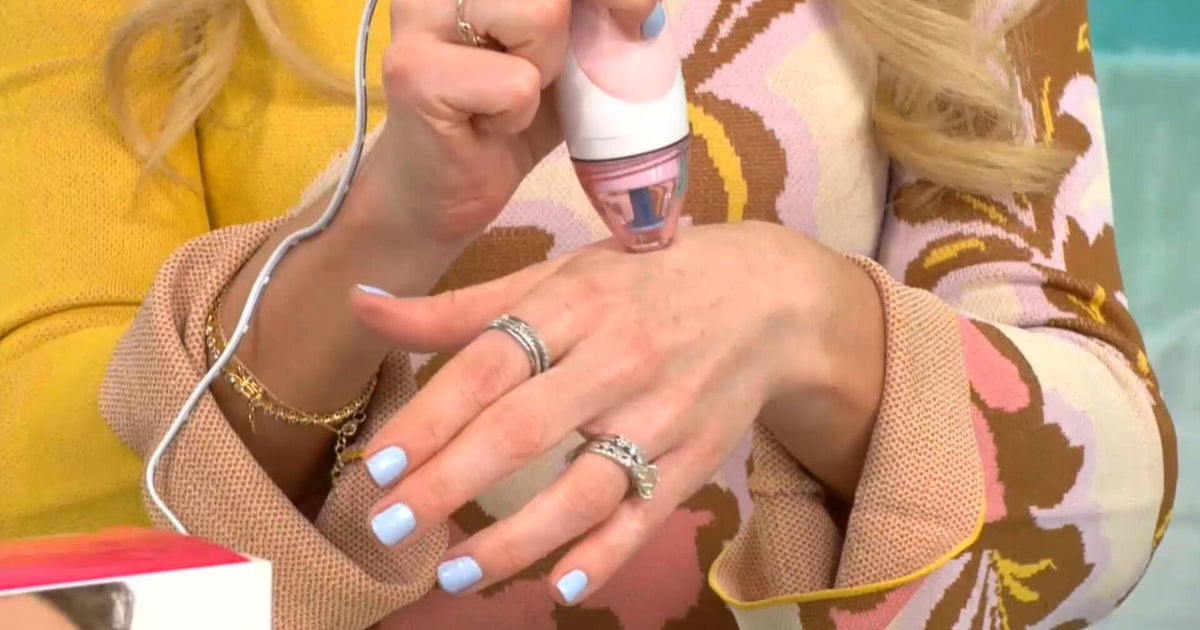
On this edition of CBS Mornings Deals, we show you items that will help improve your everyday lifestyle. Visit cbsdeals.com to take advantage of these exclusive deals today. CBS earns commissions on purchases made through cbsdeals.com.


Source link

Exclusive discounts from CBS Mornings Deals

0
Exclusive discounts from CBS Mornings Deals


Exclusive discounts from CBS Mornings Deals – CBS News


Watch CBS News


On this edition of CBS Mornings Deals, we show you items that will help improve your everyday lifestyle. Visit cbsdeals.com to take advantage of these exclusive deals today. CBS earns commissions on purchases made through cbsdeals.com.


Source link

Argentina vs Spain: What to wear for the FIFA World Cup 2026 Final

0
Argentina vs Spain: What to wear for the FIFA World Cup 2026 Final


The wait is almost over. After a month of unforgettable goals, last-minute drama, penalty shootouts and plenty of football debates, the FIFA World Cup 2026 has come down to one final match. And what a final it is – Argentina and Spain are set to battle it out for football’s biggest prize.For fans, nights like these are about much more than just watching a game. They’re about getting together with friends, ordering too much food, predicting the score before kick-off and celebrating every goal like you’re in the stadium yourself. Whether you’re lucky enough to be watching the final live, heading to a sports bar, joining a public screening or simply settling in on the sofa at home, the excitement starts long before the referee blows the first whistle.And somewhere between deciding who’s bringing the snacks and checking the match timing for the tenth time, another question usually pops up – what should I wear?The good news is that there isn’t a dress code for the World Cup final. You don’t need an expensive jersey or a brand-new outfit to look the part. In fact, the best match-day outfits are usually the simplest ones. Think comfortable clothes, easy layers and a small nod to the team you’re cheering for.If you’re supporting Argentina, you really can’t go wrong with sky blue and white. An official jersey is great if you already own one, but don’t worry if you don’t. A striped shirt, a pale blue T-shirt or even a crisp white tee captures the same spirit without trying too hard. Football has never been about wearing the most expensive merchandise. It’s about showing up for your team.If Spain has your support, it’s time to bring out the reds. A red T-shirt, polo or sweatshirt instantly gives your outfit a match-day feel. You can add a touch of yellow with a cap, sneakers or even a scarf if you like, but there’s no need to go overboard. Sometimes a simple red top with your favourite jeans says everything it needs to.The biggest mistake people make is thinking they have to dress up for the occasion. The truth is, you’ll probably spend half the match jumping off your seat, celebrating, complaining about the referee or nervously pacing around if the game heads into extra time. Comfort wins every single time.So before you reach for something that’s stylish but impossible to sit in for three hours, remember this: the World Cup final is about making memories, not making a fashion statement.Here’s a simple guide to putting together an outfit that looks good, feels comfortable and lets you enjoy every single minute of football’s biggest night.

Who are you supporting in the World Cup final?

3k+ users shared opinion today

5k+ users already voted today

3k+ users shared opinion today

Share Opinion

Wear your team’s colours – but don’t overdo it

The easiest way to get into the World Cup spirit is by wearing your team’s colours.If you’re backing Argentina, sky blue and white are the obvious choices. If you’re cheering for Spain, shades of red will instantly show where your loyalties lie.Don’t own an official jersey? Honestly, it doesn’t matter. Most fans don’t. A plain T-shirt, polo, sweatshirt or even a shirt in your team’s colours works just as well. Football has always been about passion, not price tags.And unless you’re the kind of fan who loves dressing head-to-toe in flags and face paint, keeping things simple usually looks much better.


Source link

Taylor Farms recalls iceberg lettuce after link to diarrhea-causing parasite

0
Taylor Farms recalls iceberg lettuce after link to diarrhea-causing parasite


Lettuce from supplier Taylor Farms was linked to a parasitic disease in an FDA investigation. The FDA advised consumers should avoid shredded iceberg lettuce distributed to Taco Bell locations in Indiana, Kentucky, Michigan, Ohio and West Virginia. Taco Bell said it removed the lettuce, and Taylor Farms voluntarily recalled their impacted product.


Source link

Snake in the washing machine? 7 Practical ways to keep snakes away from household items

0
Snake in the washing machine? 7 Practical ways to keep snakes away from household items


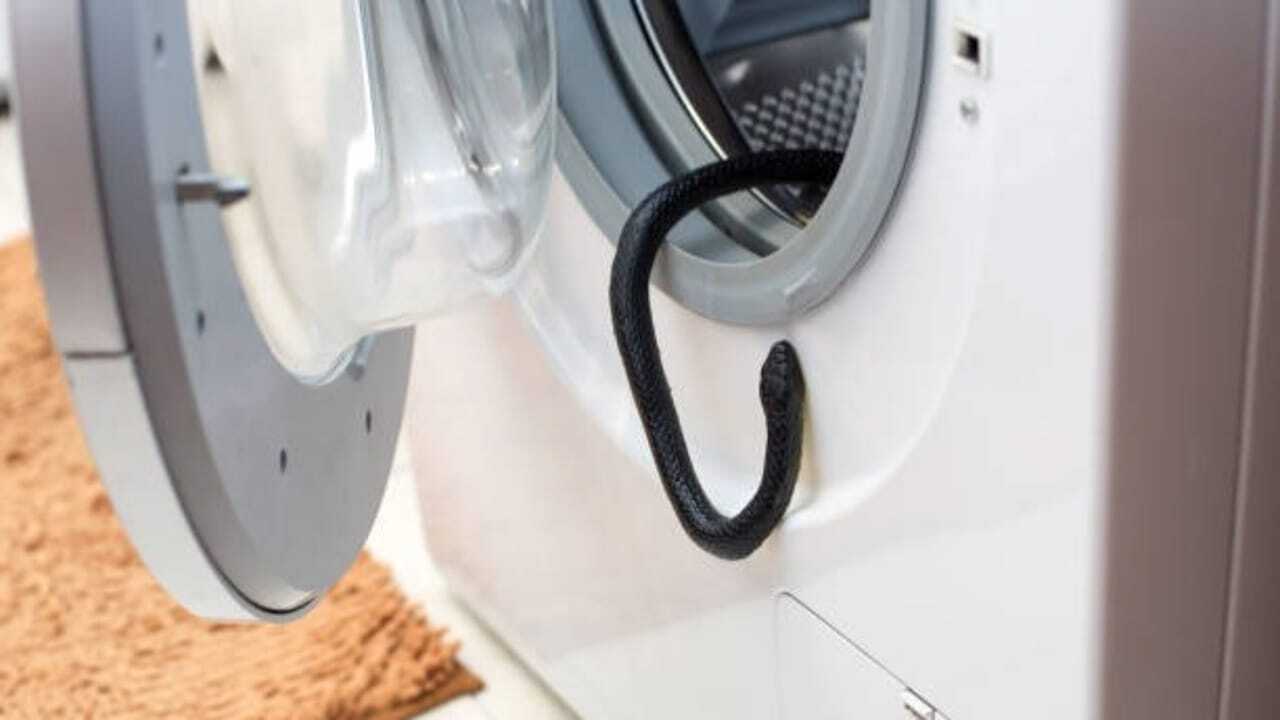
An event of a snake being found in a washing machine is the latest addition to a growing list of incidents that have shown many homeowners how snakes might sometimes invade their residences, especially in the monsoon season when living near farms, gardens, or other areas where water bodies exist. Although rare, experts explain that snakes usually come in search of warmth, shelter, or food like rodents and frogs and never for any kind of interaction with humans. Taking a few precautions around your residence will help reduce the probability of such accidents. Below are seven tips that will help you protect your household things and yourself from these reptiles.

Always examine your appliance before use

If you have a washing machine located outside, in the balcony, garage, or any other utility space, get used to examining it each time you need to use it. You should check if there are any reptiles in the drum, under the machine, or in pipes and hoses if the lid of the appliance was open earlier. Dark, cool locations might sometimes attract some wild life looking for a place to hide.

Keep utility area clean and uncluttered

Like any other reptile, a snake likes to stay hidden from any disturbance. Cardboard boxes, newspaper piles, unused buckets, sacks, gardening tools – all those items create a perfect hideout location in utility areas. Cleaning behind your appliances and getting rid of unneeded clutter will make fewer places available for snakes to hide.

Seal up the entry points in your house

Even small holes near doors, windows, plumbing pipes, drain outlets, and cracks in the walls could be used as an entry point by the reptiles. You should examine the outer surface of your residence periodically and plug up openings with mesh, weather strips, cement, and appropriate sealant wherever it is needed. Paying special attention to this procedure before and during the rainy season will help you protect your residence from snakes.

Keep the population of rodents under control

The majority of snakes do not come to your house on purpose to find interaction with people – snakes follow food. Such little creatures as rats, mice, frogs, and lizards tend to attract snakes to residential areas. Proper storage of food, regular removal of garbage, cleanliness in the kitchen, and getting rid of rodent infestation eliminate one of the major factors why snakes decide to visit your household.

Take care of your garden regularly

Bushy grass, dense foliage, piles of firewood, bricks, and unused pots are the perfect locations for snakes to hide in. Keeping your lawn well-trimmed, pruning foliage, organizing your garden storage space will make it less attractive for reptiles. In case you live near farmland or woods, you might benefit from having a clear strip around your house.

Plug up the drains and get rid of damp places

Open drains, cracked drain covers, and standing water in utility areas might attract frogs and bugs, and, consequently, snakes. Installation of the proper covers for your drains, repair of broken pipes, and prevention of water accumulation will help reduce opportunities for wildlife around your household.

Keep calm and contact a trained snake rescuer

In case you see a snake in your house or any household appliance, you should try not to remove it yourself. It is not recommended to beat, capture or provoke the snake since a scared snake tends to attack and bite. Instead, you should try to move children and pets away from the snake, isolate the room where it is located, and call your local forest department or authorized snake rescue team.


Source link

7/18: CBS Saturday Morning

0
7/18: CBS Saturday Morning


7/18: CBS Saturday Morning – CBS News


Watch CBS News


Smoky air in parts of the U.S. as President Trump renews election interference claims. Plus, an interview with Anne Hathaway and Matt Damon.


Source link

YouTube TV quietly adds new channels to lineup for customers

0
YouTube TV quietly adds new channels to lineup for customers


YouTube TV quietly expanded its channel lineup this week with several new additions.

The streaming service recently updated its official channel directory to include networks such as HBCU Go, Cars.TV, Pets.TV and TheGrio, which are all part of Allen Media Group.

HBCU Go is a network focused on historically Black colleges and universities. The channel features college sports coverage, documentaries, cultural programming and events centered around HBCU communities.

Cars.TV caters to automotive enthusiasts, while Pets.TV focuses on animal-related content. The Grio, meanwhile, provides news, entertainment and lifestyle programming targeting Black audiences.

The additions appear to be part of a growing partnership between YouTube TV and Allen Media Group, the media company founded by entrepreneur Byron Allen, who also serves as the chairman and CEO of AMG.

Youtube recently renewed its carriage agreement with AMG (AFP/Getty)

In May, YouTube TV renewed its carriage agreement with AMG, ensuring subscribers kept access to The Weather Channel. The agreement also kept Comedy.TV, Justice Central and Recipe.TV on streaming service.

“We are thrilled to extend our partnership with Google by continuing to provide our weather, news, comedy, court, and lifestyle networks to YouTube TV’s millions of subscribers,” Allen said in a statement at the time, according to The Hollywood Reporter.

Emily Washkowitz, YouTube’s head of TV and film partnerships, added, “We are pleased to continue our relationship with Allen Media Group. Our goal is to provide a consistent and diverse lineup for our subscribers, and this renewed agreement helps us maintain that commitment.”

The channel expansion comes after YouTube TV recently began offering lower-cost, genre-specific plans, like Sports and Entertainment, alongside its $82.99-per-month base package of more than 100 channels.


Source link

How to wash your fruits and vegetables to stay safe from diarrhea-causing parasite

0
How to wash your fruits and vegetables to stay safe from diarrhea-causing parasite


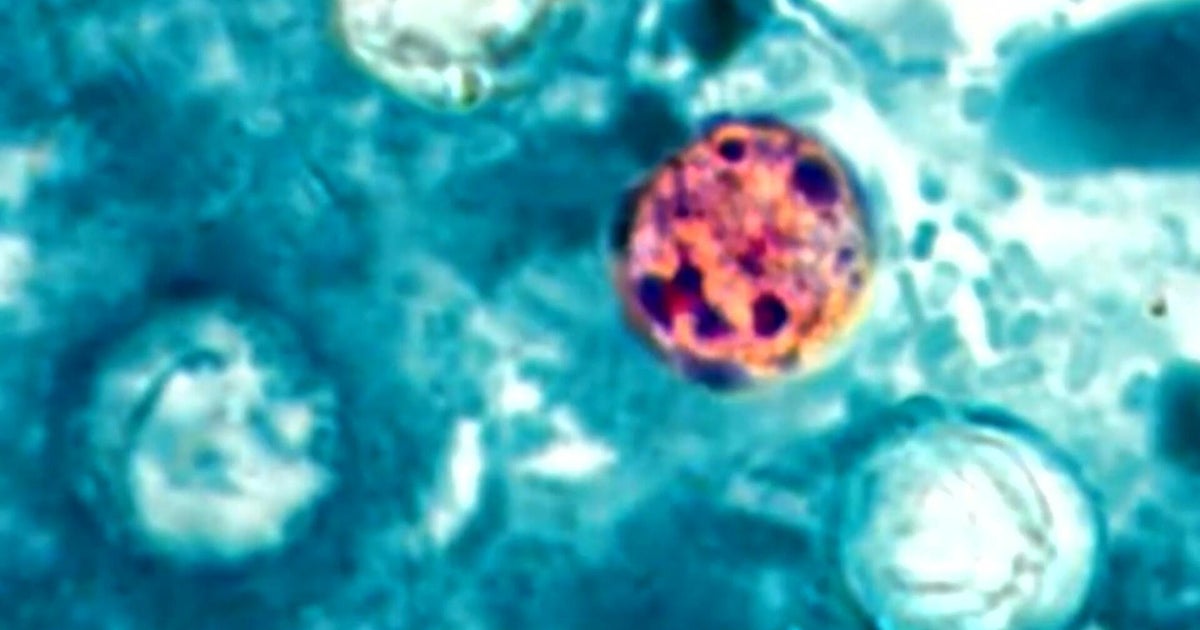
Cases of a diarrhea-causing parasitic infection are rapidly rising across the U.S., forcing warnings from experts about food safety.

Cyclosporiasis is typically spread by exposure to contaminated produce and public health officials believe some of the 7,000 cases nationwide were tied to lettuce.

The best way to stay safe is to avoid foods linked to an outbreak, or heat food to 158 degrees Fahrenheit which kills the cyclospora parasite.

Vigorously and carefully washing food can also help reduce the risk. However, some foods are easier to wash than others and how you do so matters.

“While washing alone may not fully eliminate cyclospora, it enhances protection when combined with cooking or peeling,” Michigan’s health department states.

Experts say washing produce well is critical to stay safe during the continuing outbreaks of diarrhea-causing cyclosporiasis (Getty Images)

Buying food that’s prewashed does not guarantee safety, either, the department said.

Firm fruits and vegetables like melons, potatoes and cucumbers, should be scrubbed hard using a clean vegetable brush under running water. Then do a final rinse.

That can help to remove dirt and germs from the surface, according to the Indiana Department of Health.

“Even if you plan to peel produce, germs on the outside can be transferred to the inside when you cut it,” the department cautioned.

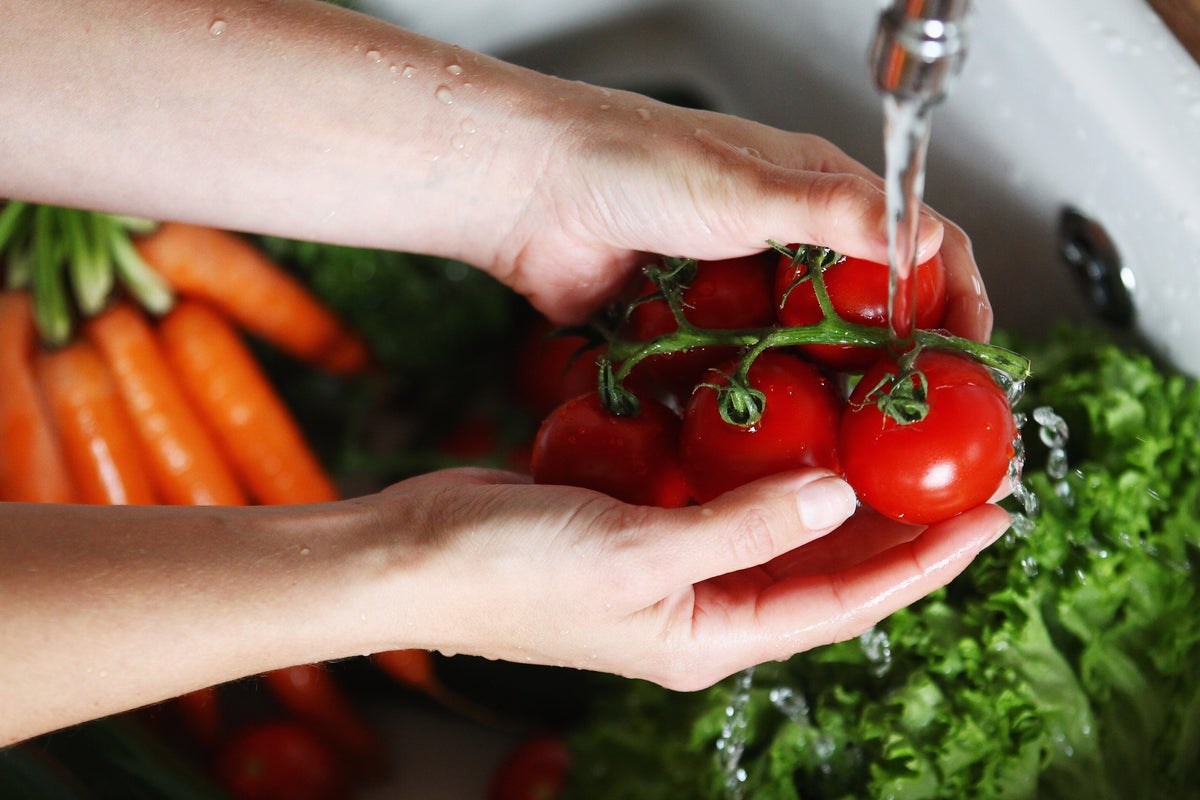
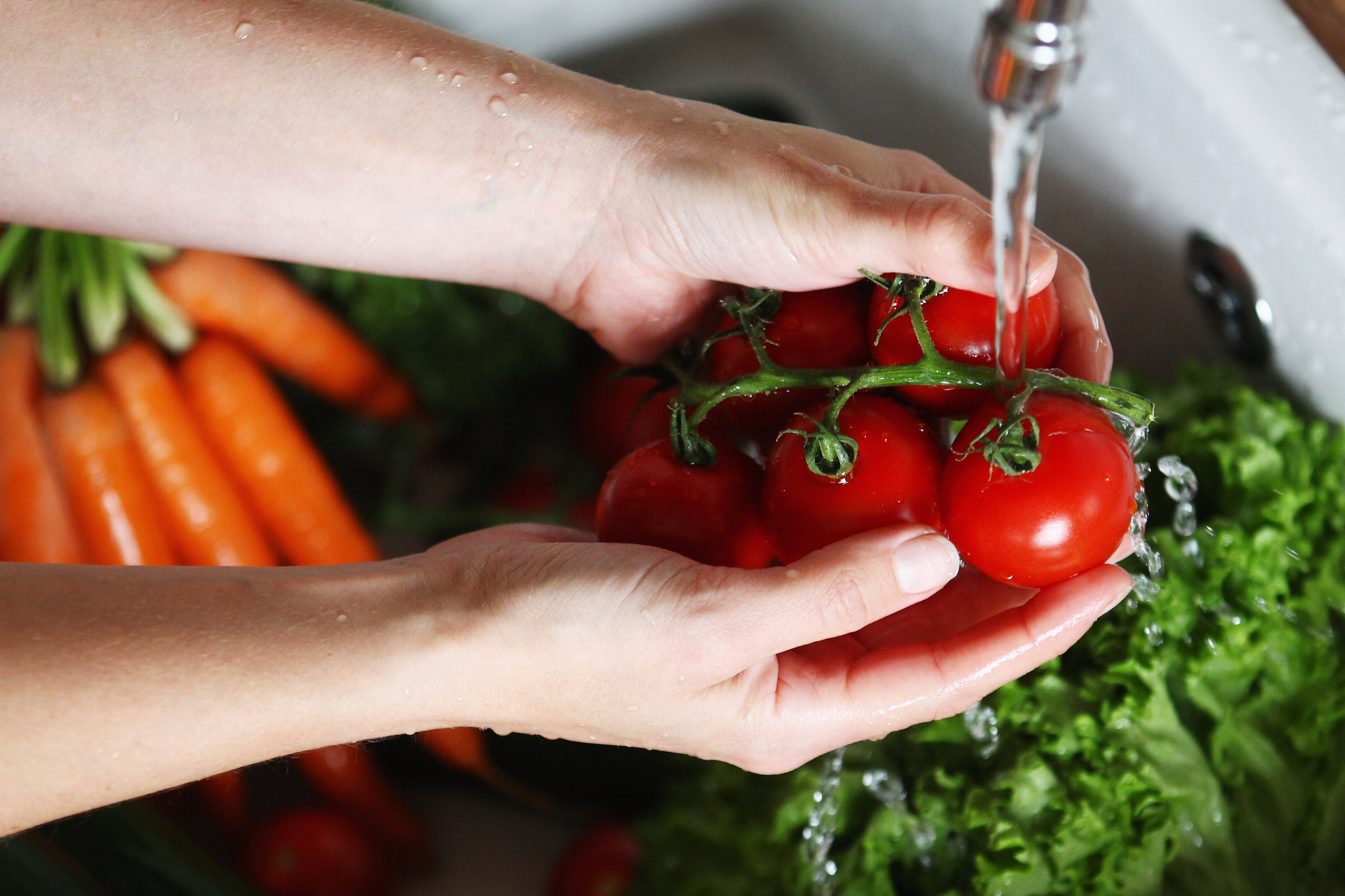
For softer produce, such as stone fruits and tomatoes, rubbing under water is the way to go.

Softer produce like tomatoes should be rubbed and harder products should be scrubbed
Softer produce like tomatoes should be rubbed and harder products should be scrubbed (Getty Images)

The outer layers of leafy greens or cabbage should be separated while washing, the Food and Drug Administration says.

“Food safety rarely depends on one perfect action. It depends on several layers of protection working together,” Darin Detwiler, a food safety expert at Northeastern University, told Good Housekeeping.

Soap, bleach, detergent or other household cleaners should never be used on fresh fruits and vegetables, Penn State University warns. They are not intended for use on foods and may leave harmful residues.

A farmers’ market in San Rafael, California. People should not wash the produce they purchase with soap or household cleaners
A farmers’ market in San Rafael, California. People should not wash the produce they purchase with soap or household cleaners (Getty Images)

These cleaning agents are unable to affect the parasite’s protective outer layer, Don Stoeckel, an environmental biologist and special projects lead at Cornell Produce Safety Alliance, told The Washington Post.

“Likewise, vinegar, baking soda and commercial produce washes have not been shown to eliminate Cyclospora from contaminated produce,” it said.

Vinegar cannot eliminate the parasite but there is some research that showed a solution of vinegar and water helped to remove it from raspberries. Though, that could be because of the swishing motion they used and the same was not seen for blueberries, which only required water.


Source link