
Home Blog Page 726

Researchers say three supplements could help boost your summer workout

0
Researchers say three supplements could help boost your summer workout


It’s been an incredibly hot and dry spring and runners are already feeling the heat. This summer is expected to be even worse.

Summers and winters are expected to be warmer due to climate change. But what if dietary supplements could help fight the effects of heat during outdoor workouts?

Researchers say new trials show the compounds berberine, curcumin and blackcurrant could elevate your fitness, reducing body temperature and lowering heart rate.

And just one pill – at varying doses for each compound – could do the trick, Matthew Kuennen, an associate professor at High Point University, told Outside magazine.

“I would not recommend using these supplements full time,” he explained. “Rather, I would suggest using them, at the outlined dosages, in the week prior to a major competition or event.”

Researchers have tested three supplements they say could help keep people healthy during hot summer workouts (Getty Images)

Kuennen said that people should take berberine, which is found in plants and being studied for its effects on body weight, in a 1.5-gram daily dose for a week.

Those running on a treadmill in a hot room for an hour found that it helped to reduce how hard the exercise was for people.

Those who took 500 milligrams of curcumin per day for three days – the active compound in the spice turmeric – had reduced signs of inflammation, blood tests conducted after their workout showed.

That was also something seen in people who took 600 milligrams of blackcurrant each day for a week, along with improved gastrointestinal health.

Blackcurrant is a small dark berry that’s commonly used to boost immune health.

Further physical examinations revealed that all three supplements reduce the rise in body temperature that happens when we exercise due to increased blood flow and muscles contracting.

Taking both berberine and curcumin reduced the rise in heart rate during exercise by three to eight beats per minute.

Supplements are not a replacement for hydration, but could help people adjust to hotter climates for athletic competitions
Supplements are not a replacement for hydration, but could help people adjust to hotter climates for athletic competitions (Getty Images)

Although the researchers say the findings don’t prove the supplements caused these outcomes on their own.

They’re also no substitution for hydration in the heat – but could help people acclimate to hotter climates before big workouts or athletic competitions, said Kuennen.

While the supplements showed merit, Kuennen said in a statement that “the combination of these dietary supplements should be evaluated for potential performance benefits in a controlled laboratory environment.”

He also told Outside that it’s best to take curcumin and berberine with food to help improve the effects.

Although people historically take electrolytes, omega-3 fatty acids and vitamins to beat the heat, no dietary supplements are approved by the U.S. Food and Drug Administration before they are marketed – and most people get enough vitamins and mineral from their food.

“It is really important that dietary supplements be viewed as adjuncts, rather than replacements, for established heat illness countermeasures,” Kuennen said.

The findings will be presented this weekend at the 2026 American Physiology Summit in Minneapolis.




Source link

Naval escorts will likely be needed when Strait of Hormuz reopens, Chevron CEO says

0
Naval escorts will likely be needed when Strait of Hormuz reopens, Chevron CEO says


Washington — Chevron’s chief executive said it’s likely that the U.S. Navy may need to escort commercial vessels through the Strait of Hormuz once it reopens in order to ensure a level of security. 

The standoff over the strait has intensified amid Iran’s threats against the critical channel and a U.S. blockade on Iranian ports, effectively closing it. The tensions have led to several maritime incidents in recent days. 

Asked Thursday by “Face the Nation” moderator Margaret Brennan what Chevron would need to see to feel confident to send a ship through the strait, CEO Mike Wirth said, “we’d have to believe that our people on the ship will be safe, the cargo will be safe, and they can be transited with with a high degree of confidence.” 

Wirth said the decision would be made “in collaboration” with the U.S. Navy and other military organizations around the world. 

“I think in the early days, it’s very likely that you could see naval escorts, because I think some of the risks are not just mines that could be placed in the strait, but they could be also risks that could come from the land in other forms,” Wirth said. “So I think having the Navy with those ships that make the first transit would provide a higher degree of confidence than if there were to be something [that] happened, that you’d have some measure of defense.” 

Since the start of the war, President Trump has sent conflicting messages about securing the key waterway, through which about a fifth of the world’s oil travels through. On Thursday, Mr. Trump said U.S. minesweepers were clearing the strait and directed the U.S. Navy to “shoot and kill” Iranian boats placing mines in the strait. 

Watch more of the interview Sunday on “Face the Nation with Margaret Brennan.”  


Source link

Your daily coffee habit may be quietly reshaping your gut and mood, study finds

0
Your daily coffee habit may be quietly reshaping your gut and mood, study finds


NEWYou can now listen to Fox News articles!

Coffee may do more than keep you going: It could have a noticeable impact on your digestive health, even if you drink decaf.

Researchers from APC Microbiome Ireland found that habitual coffee consumption alters the trillions of microbes living in the digestive tract, creating a chemical feedback loop that directly influences mood, stress levels and cognitive sharpness.

The study followed 62 participants to determine how coffee interacts with the microbiome. The group included 31 coffee drinkers and 31 non-coffee drinkers, who went through a series of psychological tests and kept detailed journals about their diet and coffee consumption.

YOUR DAILY DIET SODA COULD BE AGING YOUR BRAIN FASTER THAN YOU THINK, STUDY FINDS

The researchers defined “coffee drinkers” as those consuming three to five cups daily, a range the European Food Safety Authority deems safe and moderate.

After people stopped drinking coffee for two weeks and then started drinking it again, the bacteria in their digestive systems behaved differently than the non-drinkers, according to a press release.

“It’s a complex dietary factor that interacts with our gut microbes, our metabolism and even our emotional well-being.” (iStock)

“Coffee is more than just caffeine,” study author Professor John Cryan, principal investigator at APC Microbiome Ireland, said in a statement.

“It’s a complex dietary factor that interacts with our gut microbes, our metabolism and even our emotional well-being.”

COMMON SWEETENER MAY TRIGGER FAT BUILDUP IN WAYS EXPERTS DIDN’T EXPECT

The coffee drinkers were found to have higher levels of specific beneficial bacteria, such as Eggertella and Cryptobacterium curtum.

These microbes play a vital role in releasing gastric acids and creating bile, both of which help the body eliminate harmful bacteria and manage inflammation, the researchers noted.

Senior man drinking coffee and looking out a window

The non-caffeine components of coffee, like polyphenols and antioxidants, may be doing the heavy lifting for mental health. (iStock)

Both caffeinated and decaf drinkers reported lower levels of perceived stress, depression and impulsivity. This suggests that the non-caffeine components of coffee, like polyphenols and antioxidants, are doing the heavy lifting for mental health.

CLICK HERE FOR MORE HEALTH STORIES

However, the two types of brew offer different perks. Caffeinated coffee was specifically linked to reduced anxiety and better focus, while decaf was shown to lead to significant improvements in learning and episodic memory.

CLICK HERE TO SIGN UP FOR OUR HEALTH NEWSLETTER

Researchers believe these cognitive gains in decaf drinkers may be tied to better sleep quality and increased physical activity.

Older woman holding a coffee cup and drinking

Caffeinated coffee was specifically linked to reduced anxiety and better focus, while decaf led to significant improvements in learning and episodic memory. (iStock)

The study’s findings are limited by a small sample size, which may not accurately represent the diverse microbiome profiles found across different global populations.

TEST YOURSELF WITH OUR LATEST LIFESTYLE QUIZ

Because the research relied heavily on self-reported data regarding participants’ coffee habits and mood levels, the results are subject to memory errors and subjective bias, the researchers noted.

CLICK HERE TO DOWNLOAD THE FOX NEWS APP

The study also did not strictly control for other dietary variables, such as sugar and dairy additives, which could independently influence gut health and cloud the specific impact of the coffee bean itself.

The research was published in the journal Nature Communications.


Source link

Medicare update: New GLP-1 program delayed

0
Medicare update: New GLP-1 program delayed


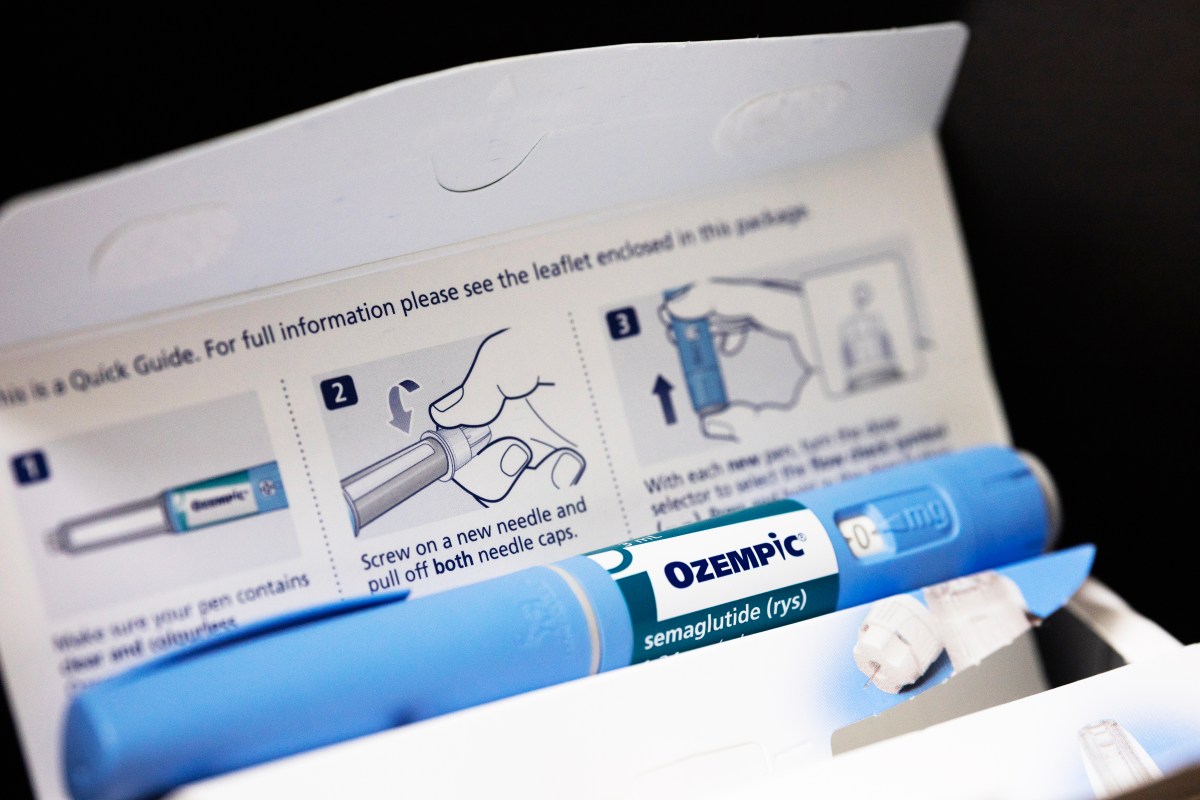
A planned Medicare pilot program that would have expanded access to popular weight‑loss drugs known as GLP‑1s has been delayed until at least 2027.

The delay was announced this week amid concerns from insurers about costs and uncertainty over how such a program would be implemented.

The pilot, BALANCE (Better Approaches to Lifestyle and Nutrition for Comprehensive hEalth), developed by the Centers for Medicare & Medicaid Services (CMS), was intended to test broader Medicare coverage of GLP‑1 medications.

Why It Matters

GLP-1s are a class of drugs primarily approved for treating Type 2 diabetes but increasingly prescribed for weight loss. Demand for the drugs has surged in recent years.

The delayed pilot was expected to evaluate whether covering GLP‑1 medications could improve health outcomes for Medicare beneficiaries while potentially reducing long‑term costs associated with obesity-related conditions such as diabetes and heart disease. 

For beneficiaries, the delay means continued restricted access to these drugs unless they qualify under existing Medicare rules, which primarily apply to diabetes rather than weight loss. That leaves many older adults who might benefit from the medications paying out of pocket.

What To Know

The Trump administration decided to put the pilot on hold after insurers expressed hesitation about participating. Insurers have voiced concerns about the financial risk of covering the high‑priced medications and the lack of clarity regarding long‑term use, patient eligibility, and overall program costs.

“The promises that were made by the administration of drug coverage and the BALANCE pilot program will have to wait,” Kevin Thompson, the CEO of 9i Capital Group and the host of the 9innings podcast, told Newsweek. “If beneficiaries want coverage it looks like out-of-pocket cost may not be capped and will be borne by the patient, not the insurer.”

GLP‑1 drugs can cost thousands of dollars per year per patient, and Medicare’s current coverage rules generally prohibit paying for weight‑loss drugs unless Congress makes a specific exception. While CMS has some authority to test new payment and coverage models through pilot programs, insurer participation is voluntary.

“GLP-1s are already widely used by Medicare and Medicaid beneficiaries as a diabetes drug, and the costs associated already make up an outsized portion of each program’s budget,” Drew Powers, the founder of Illinois-based Powers Financial Group, told Newsweek. “If use was expanded to also include weight loss, the costs could become astronomical.”

UnitedHealthcare, CVS and Eli Lilly all chose not to participate in the CMS program before the April 20 enrollment deadline.  

“We’d like to find a path to ‘yes’ there on coverage over time, but there are some notable challenges and outstanding questions with the currently planned structure,” Bobby Hunter, UnitedHealthcare’s CEO of government programs, said during Tuesday’s earnings call about the pilot program. “We’re still working through that process internally.”  

What Happens Next

For now, Medicare beneficiaries seeking GLP‑1 medications for weight loss remain largely responsible for paying out of pocket unless the drugs are prescribed for diabetes and covered under existing rules.

Any permanent change to Medicare’s coverage of weight‑loss drugs would likely require congressional action, along with new guidance from CMS. 

“It is difficult at this point for doctors and lawmakers to determine if the cost of the drug would be paid for over time by the decrease in obesity-related expenses,” Powers said.


Source link

China car giant BYD says it can thrive without access to US market

0
China car giant BYD says it can thrive without access to US market


With the price of fuel rising China’s BYD says it is positioning itself to benefit from the global shift away from fossil fuels.


Source link

Nation’s first state moratorium on data centers vetoed by Maine’s governor

0
Nation’s first state moratorium on data centers vetoed by Maine’s governor


PORTLAND, Maine — Maine’s Democratic governor on Friday vetoed what would have been the country’s first state moratorium on the construction of data centers.

The bill passed by the Democrat-controlled state legislature would have instituted a moratorium for more than a year on data centers above a certain size and created a special council to help towns vet potential projects. But Gov. Janet Mills said she vetoed the bill because it failed to include a carve out for a project in the town of Jay that would bring needed jobs to a community that has struggled since the closure of a local mill.

Proposals to impose a moratorium on data centers have been introduced in at least a dozen states, but other than Maine’s, none had even passed a legislative chamber. Such bills have faced opposition from data center developers, chambers of commerce, tech giants, labor unions and electric utilities.

Mills said she plans to issue an executive order to create a council to examine the impact of data centers.

“I believe it necessary and important to examine and plan for the potential impacts of large-scale data centers in Maine, as the use of artificial intelligence becomes more widespread. Given the serious conversations about data centers here and around the country, I believe this work should commence without delay,” she said in a statement.

A handful of counties and municipalities in the U.S. have imposed a moratorium, and opponents of moratoriums at the state level say municipal officials are best suited to decide whether to allow a data center in their towns or not.

Mills’ decision to veto the Maine moratorium drew backlash from her own party, including from the Democratic state representative who sponsored the bill and from groups that encourage a conservative approach to data centers. Rep. Melanie Sachs, the bill sponsor, said in a statement that the governor is “resisting the will of a majority of Maine people” with the veto.

“While a veto might protect the proposed data center project in Jay, it poses significant potential consequences for all ratepayers, our electric grid, our environment, and our shared energy future. This decision is simply wrong,” Sachs said.

Resistance to data center proposals has risen swiftly in many communities amid high-level support for artificial intelligence, tech firms and the data centers they are building. President Donald Trump’s administration and many governors tout them as a top economic and national security priority that are essential to winning the artificial intelligence race with China.

Still, voters are raising concerns about the enormous amount of power data centers use while analysts are warning of the possibility of blackouts in the mid-Atlantic grid in the coming years.

___

Levy reported from Harrisburg, Pennsylvania.


Source link

Colombian leader visits Venezuela for key talks with acting President Delcy Rodríguez

0
Colombian leader visits Venezuela for key talks with acting President Delcy Rodríguez


Venezuela’s acting president, Delcy Rodríguez, has welcomed Colombian President Gustavo Petro at the Miraflores presidential palace in Caracas

CARACAS, Venezuela — Venezuela’s acting president, Delcy Rodríguez, on Friday welcomed Colombian President Gustavo Petro at the Miraflores presidential palace in Caracas, their first meeting since the U.S. military seized former Venezuelan President Nicolás Maduro and his wife from their home in January.

The leaders were expected to discuss an extensive bilateral agenda, including migration, defense, border security, industrial cooperation and trade.

Petro and Rodríguez were expected to meet last month at their shared border, but their respective governments abruptly canceled the meeting citing “force majeure,” which they did not explain, and simply said it would take place at a later time.

Ahead of Friday’s meeting, Petro announced that his delegation, which includes top military and police officials, will tackle border security with Rodríguez.

The focus remains on the Catatumbo region, where rival armed groups fight for territorial control and Petro stressed the necessity of “close collaboration on intelligence,” warning that without it, “bombs land in the wrong places … and end up killing civilians.”

Colombia-Venezuela ties have long been on the rocks. Petro did not recognize Maduro as Venezuela’s legitimate president in the wake of the contested July 2024 elections that triggered protests, which sparked widespread repression. Still, he maintained diplomatic ties with Caracas.

Colombia’s government has said that the Petro-Rodríguez meeting on Friday aims to “contribute to a resolution of Venezuela’s political crisis.”

However, it’s unclear how this can be achieved.

Ronal Rodríguez Durán, a researcher at the Venezuela Observatory at the Universidad del Rosario, said Petro’s leverage is limited regarding any potential mediation, given that his term ends in August. Future ties with Venezuela will likely also be influenced by who takes power next in Colombia.

___

Follow AP’s coverage of Latin America and the Caribbean at https://apnews.com/hub/latin-america


Source link

Extended interview: Don Cheadle

0
Extended interview: Don Cheadle


Oscar-nominated actor Don Cheadle has appeared in more than 100 films and TV shows. But it had been a quarter-century since he appeared on stage in the Off-Broadway hit “Topdog/Underdog,” until he made his Broadway debut this spring in a revival of “Proof.” In this web exclusive, he talks with Tracy Smith about the lessons of his parents; catching the “theater bug” as a child; the “hamster wheel” of an actor’s career; and his emotional investment in works like “Hotel Rwanda.”


Source link

In 8 weeks, the Iran war has dented the U.S. economy. The damage could linger, economists say.

0
In 8 weeks, the Iran war has dented the U.S. economy. The damage could linger, economists say.


In the eight weeks since the Iran war started, the conflict has driven gas prices above $4 a gallon, strained homebuyers and pushed inflation to its highest level in nearly two years. Even if the war ends soon, Americans are likely to feel the financial sting for months, economists say.

“I think the damage has already been done, in part because there’s no going back on oil prices, at least not any time in the near future,” Mark Zandi, chief economist at Moody’s Analytics, told CBS News.

The war has disrupted traffic through the Strait of Hormuz, a strategic waterway through which one-fifth of the world’s oil supply normally flows. Oil prices have jumped as a result, creating widespread consequences for Americans as they fuel their cars and book travel. As of midday Friday, Brent crude, the international benchmark, was trading at $105 a barrel, up 44% since before the war started.

Oil production will take a long time to ramp up to prewar levels of 100 million barrels a day because of the widespread damage to energy facilities across the Middle East, Zandi said.

While economists forecast that oil prices will dip later this year, they are likely to remain above pre-war levels throughout 2026, according to multiple forecasts. 

“Our view is that full normalization will still take time, especially when it comes to supply chains, when it comes to energy capacity,” said Lydia Boussour, a senior economist at EY-Parthenon, noting the “lingering impacts” of the war.

The White House didn’t immediately respond to a request for comment.

To be sure, the Iran war isn’t the only factor creating headwinds for the U.S. economy. Artificial intelligence is also reshaping the labor market, with companies including Meta and Microsoft announcing major job cuts this week. Uncertainty and higher costs tied to the Trump administration’s tariff policies also persist, as it has pledged to pursue additional import duties after the Supreme Court struck down its “liberation day” tariffs.

Inflation expected to run hot

Economists told CBS News they expect inflation to come in hot in April and remain elevated throughout 2026. Last month, the Consumer Price Index reached 3.3% on an annual basis, the highest level since May 2024, driven by a jump in energy prices.

Another key inflation gauge, the Personal Consumption Expenditures price Index, could hit 4% by the end of the year, double the Federal Reserve’s target rate of 2%, according to Scott Lincicome, vice president of general economics at the Cato Institute, a nonpartisan think tank. The measure rose by 2.8% on an annual basis in February.

“Consumers, of course, want deflation, and we’re definitely not getting that,” he said. “We should expect things to remain higher than what people want.”

The financial pinch from higher energy prices could prompt consumers to pull back, potentially creating a headwind for GDP growth because about 70 cents of every $1 of GDP stems from consumer spending. 

EY-Parthenon chief economist Gregory Daco projects the war could drag GDP down by 0.3 percentage points this year, with GDP growing by 1.8% for the year. That represents a slowdown from the 2.1% pace recorded in 2025.

Cutbacks from consumers are “really the key channel through which we’re expecting the drag on economic activity to materialize,” said Boussour, also with EY-Parthenon, adding that a softer labor market and weak wage growth could also erode purchasing power.

Spending has remained resilient since the war started, although Bank of America data shows most of the growth is being driven by higher-income households. These consumers tend to have more money invested in the stock market, which has continued to hit new records despite the economic drag from the Iran war.

Hitting Americans where it hurts

For many Americans, the biggest impact of the Iran war may be at the gas station, where average prices are up over $1 per gallon since the conflict started due to the global oil supply shortage. As of Friday, the average cost for a gallon of gas in the U.S. was $4.06, according to AAA.

Zandi said under the most optimistic scenarios, gas could settle closer to $3.50 a gallon by the end of the year. While that could offer some relief to motorists, it’s still above the pre-war level of $2.98.

Summer travel is also growing more expensive as a result of the Iran war, as airlines hike ticket prices and introduce bag fees to help offset the cost of jet fuel, which is up more than $2 a gallon as of earlier this month.

While much of the economic pain so far has been concentrated in travel, economists say Americans could soon feel the strain in other parts of their lives as higher diesel prices increase the cost to transport goods, pushing up grocery costs and prices of other items.

“Anything that’s put on a truck is going to cost more,” Zandi said. “That goes from groceries to Amazon packages.”

Disruptions to fertilizer production and supply could put pressure on food prices, economists say. Fertilizer is produced using natural gas, which has been constrained due to the war. In a report released Friday, the International Energy Agency predicted that the conflict in the Middle East will keep global natural gas supplies tight for two years.

“Wholesalers and distributors and retailers can each absorb some of the hit,” Lincicome said, speaking about supply chain disruptions caused by the war. “So it might not be a full pass through to consumers, but it’s going to be some.”


Source link

Highly contagious stomach bug surges in US as some groups face severe effects

0
Highly contagious stomach bug surges in US as some groups face severe effects


NEWYou can now listen to Fox News articles!

Top stories

→ Highly contagious stomach bug spreads fast, hitting certain patients hardest

→ Woman’s longtime vaping habit leads to terminal lung cancer

→ Your favorite snacks could be quietly wrecking your knees, research suggests

A highly contagious digestive virus is surging across the U.S., experts warn. (iStock)

Interview of the week

→ Plastic surgeon Dr. Sheila Nazarian speaks about the risks of traveling to other countries for plastic surgery procedures

Metabolic health

Natural hormone may reduce obesity without cutting calories

→ Common sweetener may trigger fat buildup in ways experts didn’t expect

→ Common eating habit may trigger premature immune system aging

Woman adding refined sugar to a cup of coffee.

Researchers concluded that fructose acts as a “metabolic signal that promotes fat production and storage in ways that differ fundamentally from glucose.” (iStock)

Conversation starters

‘Nonnamaxxing’ trend may improve mental and physical health

Psychedelic therapy may be coming to your doctor’s office as questions swirl

→ Intermittent fasting’s real benefit may come after you start eating again

CLICK HERE FOR MORE HEALTH STORIES


Source link